How To Overwinter Your Michigan Geraniums Before The First Freeze
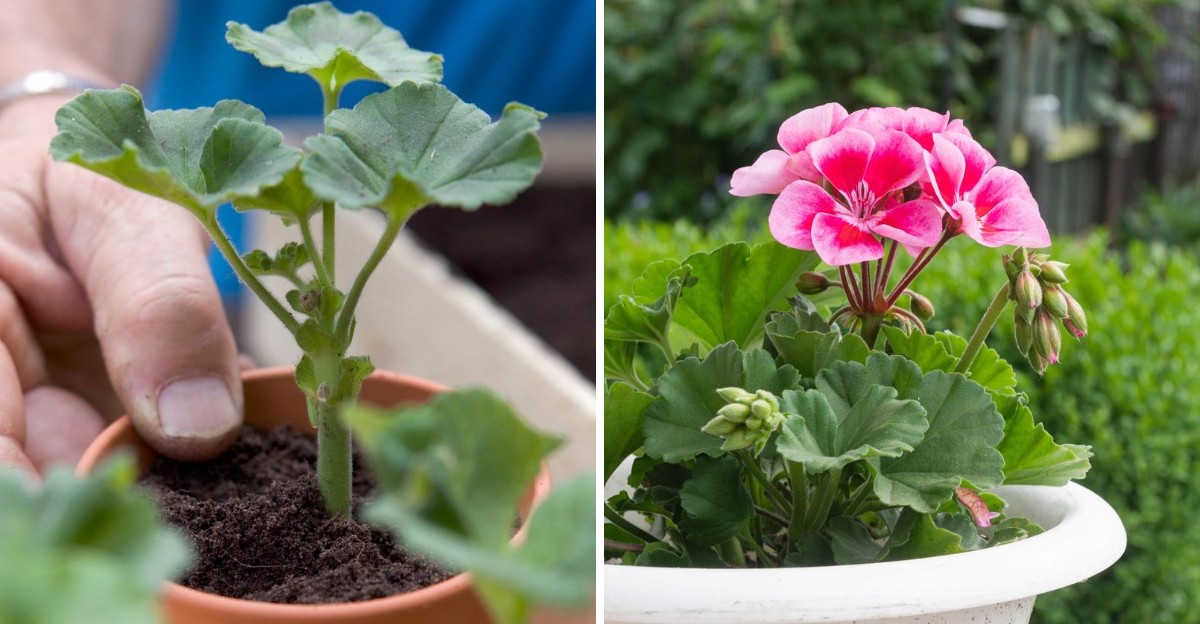
Geraniums aren’t built to survive a Michigan winter outdoors, but that doesn’t mean they have to be tossed once the first freeze approaches.
These plants can be successfully overwintered indoors using a few different methods, from simply potting them up and bringing them inside as houseplants to storing dormant, bare-root plants in a cool, dark space until spring.
Each approach requires slightly different care, particularly around light, watering frequency, and temperature, making it worth choosing the method that best fits a specific home setup.
Because geraniums are sensitive to even a light frost, timing this transition before the first freeze hits is essential to giving the plants their best shot at survival.
With the right approach, the same geraniums can come back healthy and ready to bloom again once warmer weather returns.
1. Bring Geraniums Inside Before Frost
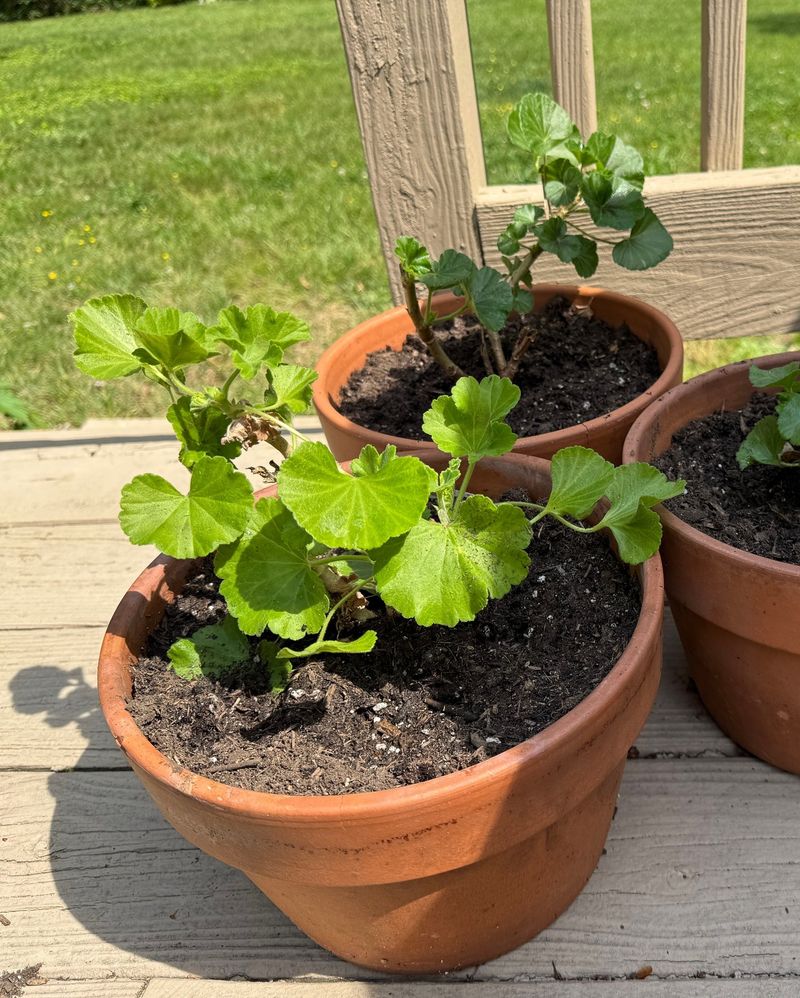
Garden geraniums, known by their scientific name Pelargonium, come from warm regions and simply cannot handle freezing air. When temperatures drop to around 32 degrees, the leaves and stems suffer damage that they rarely recover from.
In Michigan, the first frost often sneaks up in late September or October, sometimes overnight when you least expect it. Keeping an eye on the weather forecast gives you a head start. Once you see chilly nights heading your way, that is your signal to act.
Move your potted geraniums indoors while temperatures are still mild. Rushing at the last minute in the cold makes the job harder and stresses the plants. Aim to bring them in when nighttime lows begin dipping into the low 40s.
If your geraniums grow in the ground, gently dig them up and place them in containers with fresh potting soil. Loosen the roots carefully so you do not tear them. A little patience here pays off later.
Give each plant a quiet spot indoors where it can settle in without sudden temperature swings. Avoid placing them near drafty doors or heating vents that blast hot air. Steady conditions help them adjust.
Think of this step as tucking your geraniums in for a long rest. They will slow down and wait quietly through the cold months. Come spring, you will be glad you rescued them before the frost arrived, saving yourself the cost of buying brand new plants next year.
2. Choose The Healthiest Plants
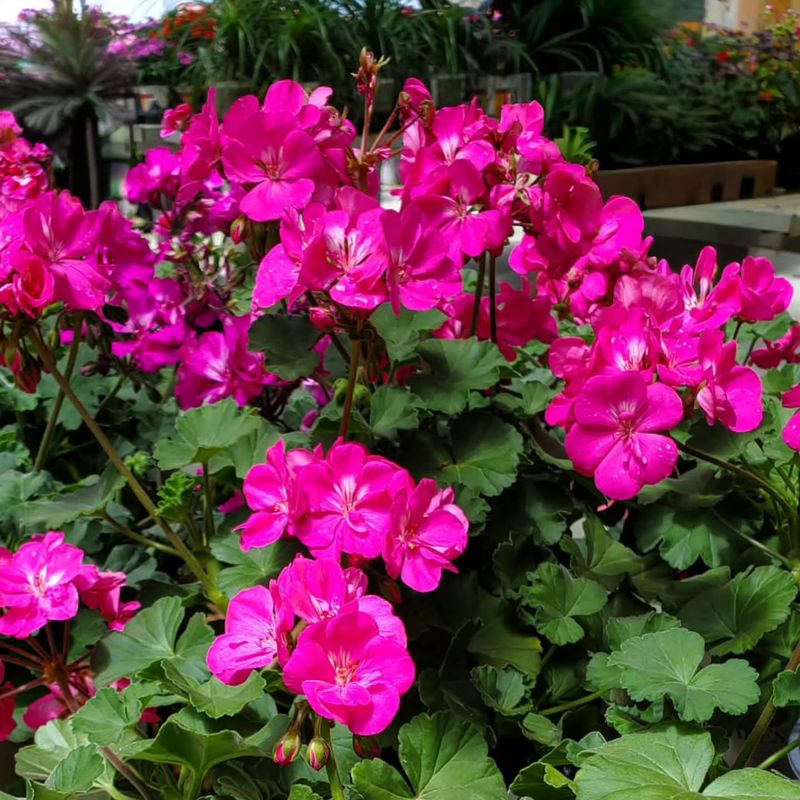
Not every geranium in your garden deserves a spot on the windowsill. Space indoors is limited, so it makes sense to save only your strongest and most vigorous plants.
Look for geraniums with firm stems, plenty of green leaves, and steady growth. These plants have the energy stored up to survive the slow winter months. Weak or struggling ones rarely bounce back and may spread trouble to your healthy plants.
Skip any geraniums covered in yellow leaves, brown spots, or signs of rot. Sickly plants often carry hidden problems that get worse in the dry, low-light conditions inside a home. Bringing them in usually leads to disappointment.
Pay attention to the roots too. When you lift a plant, healthy roots look white or light tan and feel firm. Mushy, dark, or foul-smelling roots are a warning sign to leave that plant behind.
Your Michigan Garden Changes Every Week. Your Plan Should Too.
Gardening in Michigan changes quickly throughout the season. Every Friday you’ll receive a simple weekly plan showing exactly what to plant, prune, fertilize, harvest, and protect so you never miss the right timing.
Give preference to your favorite colors and the varieties that bloomed best all summer. Those are the ones worth the effort. You want next year’s display to be as lovely as possible.
If you have too many plants, be honest with yourself about how many you can care for. Overcrowding a single window leads to poor growth and unhappy plants. Fewer strong geraniums beat a crowd of struggling ones.
By picking the best of the bunch, you set yourself up for success. Come spring, these tough survivors will reward your careful choices with fresh growth and a burst of colorful blooms once more.
3. Inspect For Pests Before Bringing Them Inside
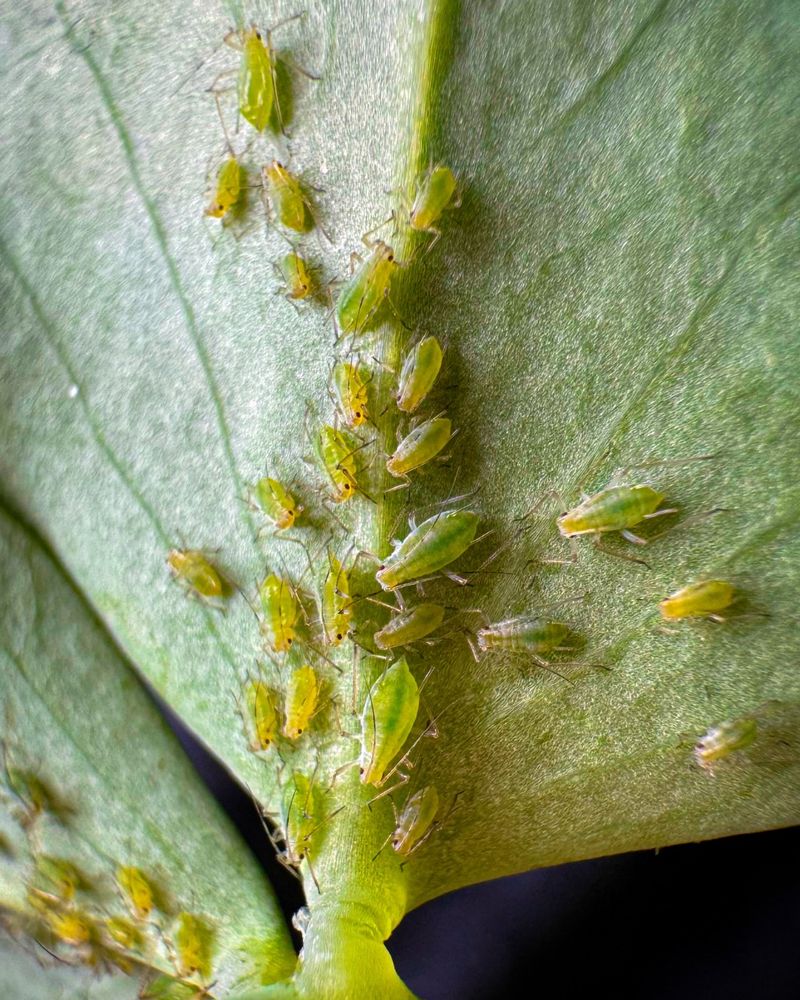
Tiny hitchhikers love to sneak indoors on your plants, and once inside they can be a real headache. Aphids, whiteflies, and spider mites all enjoy the cozy warmth of your home just as much as your geraniums do.
Before any plant crosses your threshold, give it a thorough check. Turn the leaves over and look closely at the undersides where pests like to hide. A magnifying glass helps you spot the smallest troublemakers.
Watch for sticky spots, tiny webs, or clusters of little bugs along the stems. Whiteflies flutter up in a cloud when you shake the plant. Spider mites leave fine webbing near the leaf joints.
Treating problems outside is always smarter than fighting them in your living room. A gentle spray of water knocks many pests loose. For tougher cases, insecticidal soap works well when applied outdoors on a mild day.
Rinse the whole plant, including the soil surface, to wash away eggs and hidden insects. Let it drain and dry before moving it indoors. This simple cleanup step prevents big trouble later.
Consider keeping newly brought-in plants separate from your other houseplants for a week or two. If any pests slipped past your inspection, they will not spread to everything you own.
Catching bugs early saves you weeks of frustration. A clean, pest-free geranium settles into winter far more happily than one battling invaders. Your reward is healthy foliage and peace of mind all season long.
4. Give Them A Bright Indoor Location
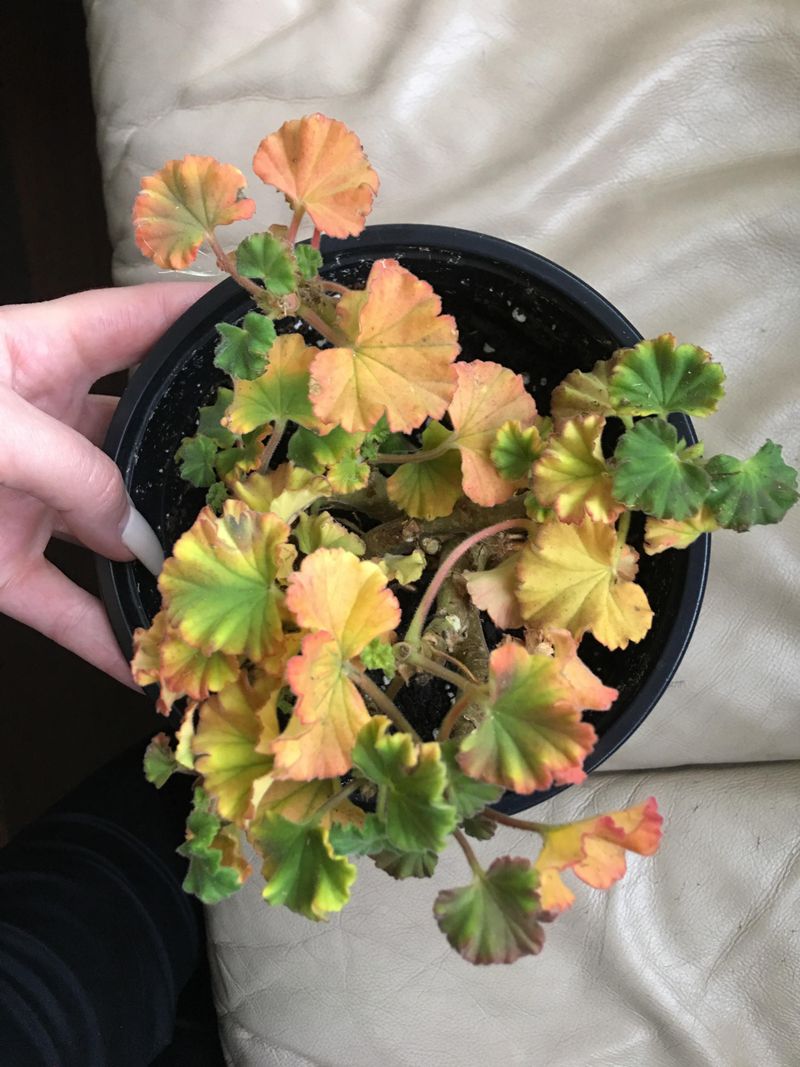
Sunlight is the fuel that keeps geraniums going, even during their slower winter stretch. Without enough light, plants stretch out, turn pale, and lose their compact, healthy shape.
A south-facing window is the best home for your overwintering geraniums. These windows catch the strongest light during Michigan’s short winter days. East or west windows can work too, though they offer a bit less brightness.
Place your plants as close to the glass as possible without letting the leaves touch cold panes. The nearer they sit to the light source, the better they hold their color and form.
Michigan winters bring plenty of gray, cloudy days, which can leave plants hungry for light. A simple grow light fills that gap nicely. Setting one up above your geraniums gives them the steady glow they crave.
Run a grow light for about twelve to fourteen hours a day to mimic natural sunlight. A basic timer takes the guesswork out and keeps the schedule steady. Your plants will thank you with sturdier stems.
Rotate the pots every week or so. Plants naturally lean toward the light, and turning them keeps growth even on all sides. This small habit prevents lopsided, leggy shapes.
Watch how your geraniums respond and adjust as needed. If they look pale or reach toward the window, they need more light. Bright, happy foliage tells you the spot is working, setting the stage for a strong comeback when warmer days return.
5. Reduce Watering During Winter
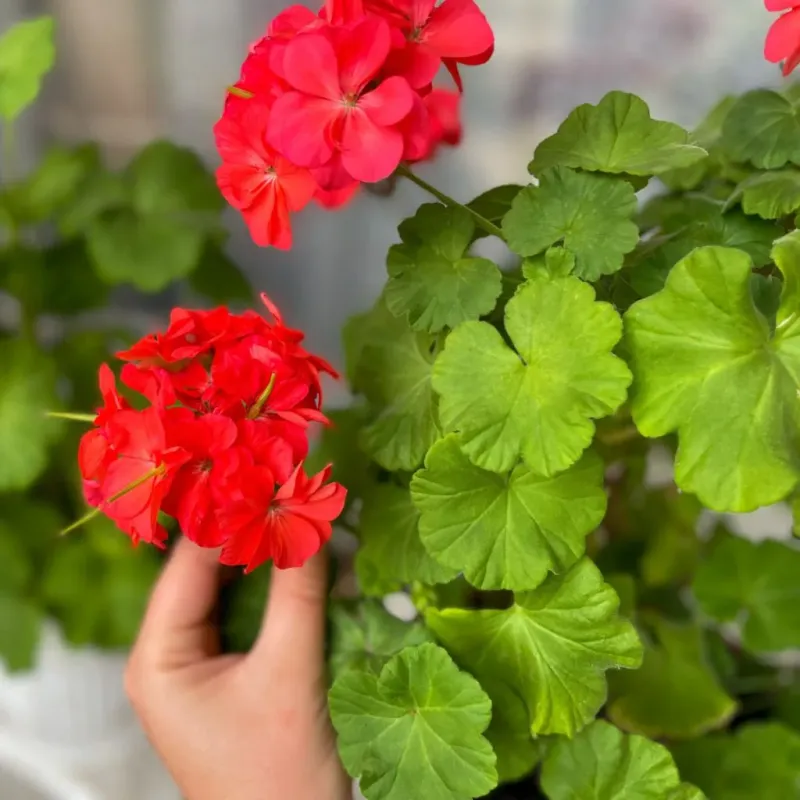
Winter changes everything for your geraniums, including how thirsty they get. As growth slows down in the cooler, darker months, these plants need far less water than they did all summer.
Overwatering is one of the biggest mistakes indoor gardeners make. Soggy soil suffocates roots and invites rot, which quickly weakens the whole plant. Less really is more during this quiet season.
Check the soil before you reach for the watering can. Push your finger an inch or two into the potting mix. If it feels dry at that depth, it is time to water. If it still feels damp, wait a few more days.
When you do water, give the plant a good drink until moisture runs from the drainage holes. Then let the mix dry out again before the next round. This wet-then-dry rhythm keeps roots happy.
Make sure every pot has drainage holes at the bottom. Water that sits trapped at the base spells trouble for the roots. Empty any saucers after watering so plants never sit in puddles.
Indoor heating dries the air, which can trick you into thinking plants need constant water. Trust the soil test instead of the calendar. Your fingers tell you far more than a set schedule ever could.
A slightly thirsty geranium handles winter better than a soaked one. By easing back on watering, you protect the roots and help your plants coast smoothly toward spring, ready to grow again the moment warmth returns.
6. Prune Before Or After Bringing Them Inside
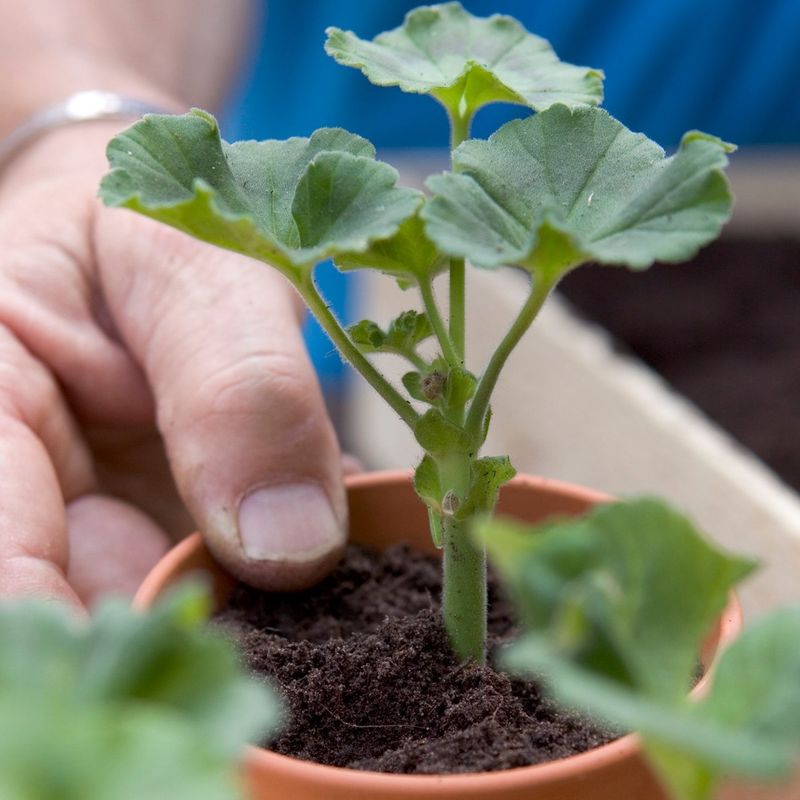
Leggy, overgrown geraniums take up too much room and rarely look their best indoors. A light trim solves the problem and helps your plants fit comfortably on the windowsill.
Cutting back long, floppy stems encourages a fuller, more compact shape. When you snip above a leaf node, the plant responds by branching out. That means bushier growth and more blooms down the road.
Grab a clean pair of scissors or pruning shears before you start. Clean tools prevent spreading any disease from one plant to another. A quick wipe with rubbing alcohol does the trick.
Remove any yellow leaves, faded flowers, and stems that look damaged or too spindly. Tidying up this way improves airflow around the plant and lowers the chance of trouble during winter.
You can prune either right before bringing plants inside or shortly after they settle in. Both timings work well. Just avoid heavy cutting on plants that already look stressed or weak.
Go easy with your trimming. Removing about a third of the growth is plenty for most geraniums. Cutting too much at once shocks the plant and slows its recovery.
Save some of those healthy cuttings if you like. Placed in water or moist soil, many will grow roots and become brand new plants for spring. It is a fun bonus from a simple chore.
A neat, well-shaped geranium sails through winter more easily. Your careful trimming today sets up thicker, healthier growth once the warm season rolls back around.
7. Hold Back On Heavy Fertilizer
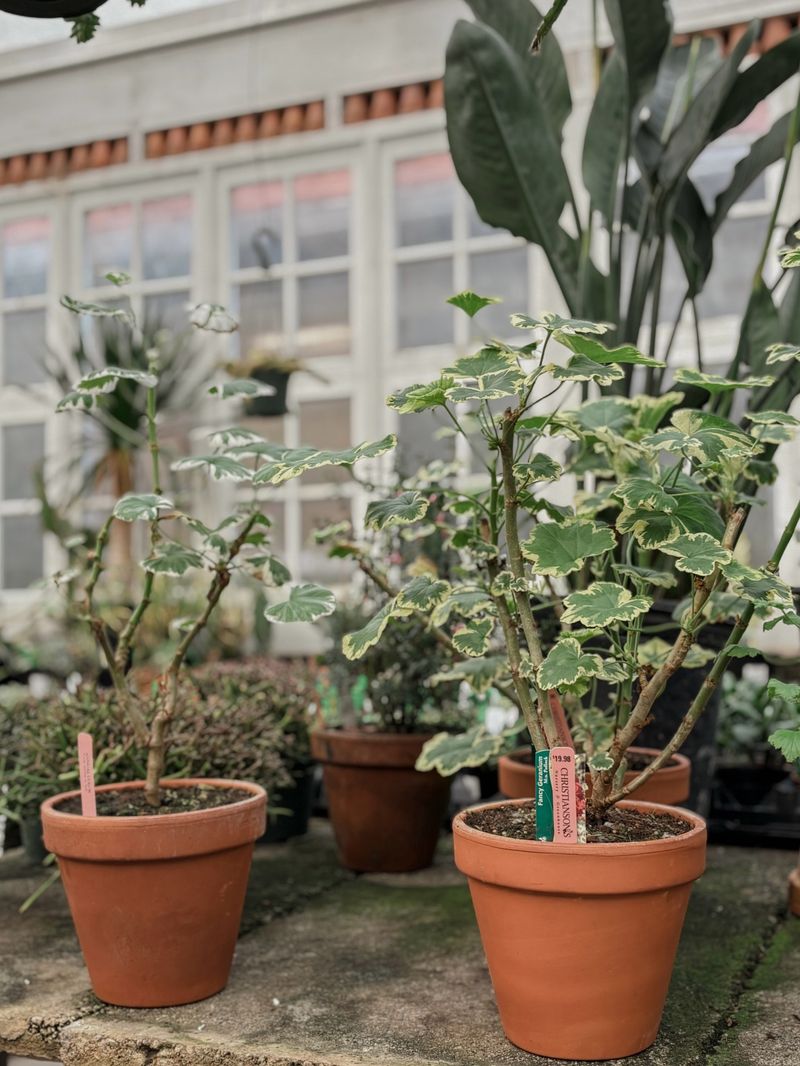
Feeding your geraniums heavily in winter does more harm than good. During the colder months, these plants slow their growth and simply cannot use all those extra nutrients.
Too much fertilizer pushes weak, floppy growth that looks pale and leggy. Instead of strong new stems, you end up with soft shoots that struggle in low light. The plant works harder without any real benefit.
Another problem is salt buildup in the soil. Unused fertilizer leaves behind salts that collect over time. These salts can burn the roots and turn leaf edges brown and crispy.
The simplest approach is to skip feeding entirely from late fall through the darkest part of winter. Your geraniums are resting, not growing, so they do not miss the extra food. Let them rest in peace and quiet.
If your plants still look active and you want to feed them, use a very weak solution. Mixing fertilizer at half or quarter strength keeps things gentle. Once a month is plenty during this slow season.
Flush the soil with plain water every so often to wash out any built-up salts. Let water run freely through the pot and out the drainage holes. This simple rinse keeps the root zone healthy.
Save the real feeding for late winter or early spring when growth picks up again. That is when the extra nutrients truly help. Holding back now means your geraniums stay balanced and ready to bloom big when the sunny days return.
8. Prepare Them For A Strong Spring Restart
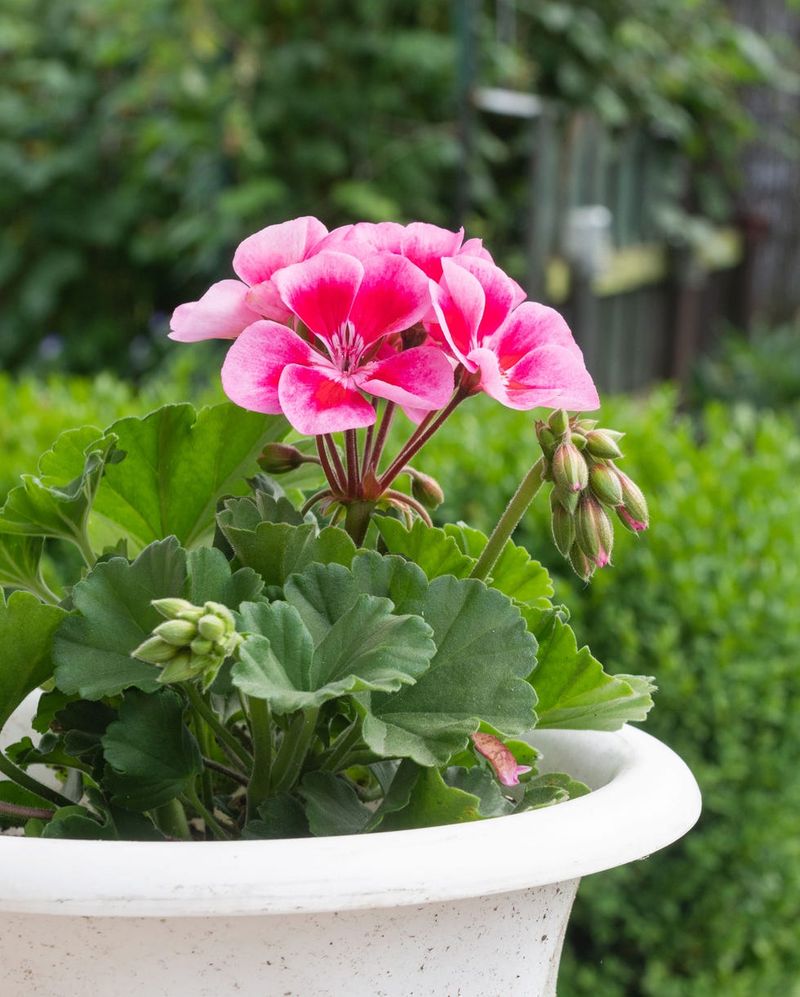
All your winter care leads to one exciting moment: the return of warm, sunny days. When spring arrives, your geraniums will be ready to explode with fresh growth if you have looked after them well.
As days grow longer in late winter, your plants will start waking up. New leaves and tiny buds appear as a hopeful sign. This is your cue to gradually ramp up their care.
Slowly increase watering as the plants show more active growth. The soil will dry out faster now, so check it often. Steady moisture supports all that new development.
Bring back a light feeding schedule too. A gentle dose of balanced fertilizer every few weeks fuels the fresh shoots and coming flowers. Your geraniums will drink up the extra energy.
Give any leggy stems one more trim to encourage bushy, full growth. Pinching back the tips makes plants branch out and produce more blooms. A little shaping now pays off all summer.
Keep watching for pests as the growing season begins. Warmer temperatures wake up insects too, so stay alert. Catching problems early keeps your plants strong.
Before moving geraniums back outside, let them adjust slowly to outdoor conditions. Set them in a shady, sheltered spot for a few hours each day, adding more time gradually. This gentle process, called hardening off, prevents shock.
Once the danger of frost has passed, your geraniums can return to the garden. Thanks to your patient winter care, they will burst into bright, cheerful blooms and reward every bit of your effort.