Why California’s New Ember-Resistant Zone Laws Could Override Your HOA’s Landscaping Rules
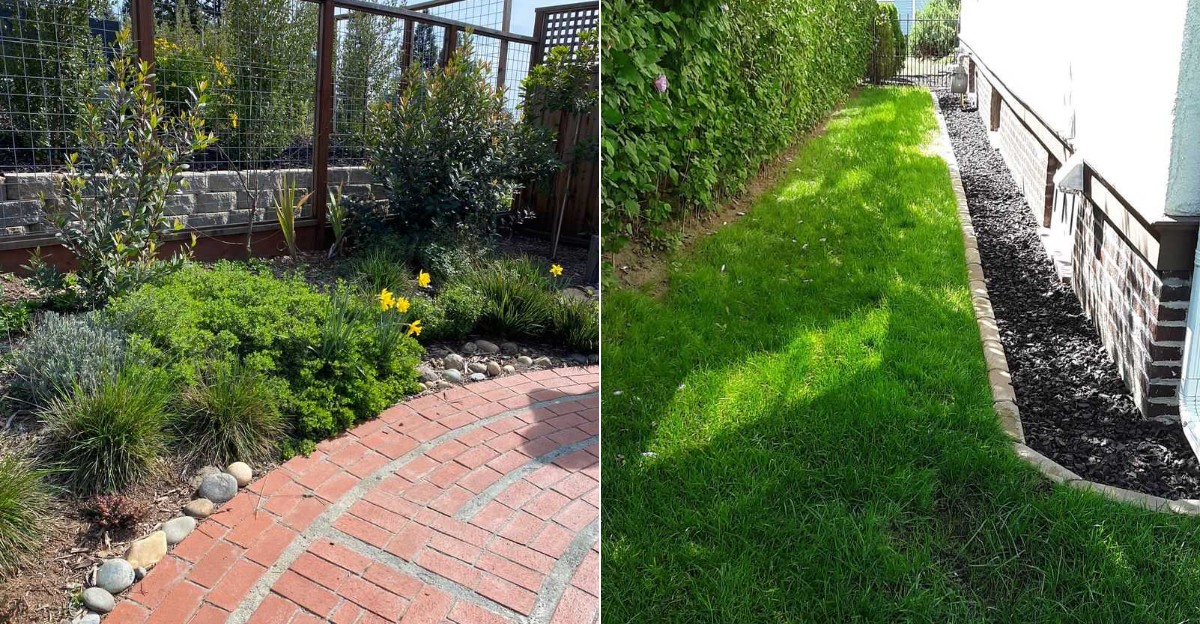
Your HOA may have strict rules about the plants, trees, and landscaping you can have around your California home.
But wildfire safety can change the conversation. New requirements for ember-resistant areas are putting more attention on how vegetation is placed and maintained near homes, and some state rules can take priority over private landscaping restrictions.
That does not mean every HOA rule suddenly disappears. The details matter, including where your property is located, which fire-safety requirements apply, and what your HOA documents actually prohibit.
If you live in an area facing elevated wildfire risk, it is worth knowing how these rules interact before you remove a plant, redesign a yard, or challenge an HOA requirement.
Understanding the overlap can help you make fire-smart landscaping decisions without assuming your HOA always has the final say.
1. Zone 0 Changes What Can Grow Near Your Home
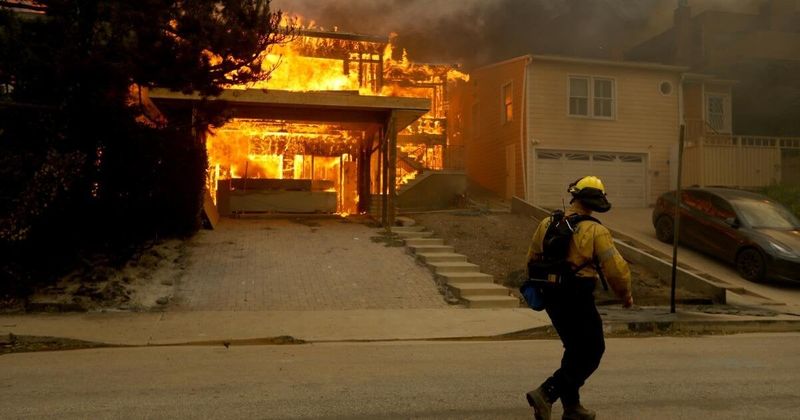
Firefighters learned something important after big wildfires swept through California towns.Most homes did not catch fire from a giant wall of flames.They caught fire from small embers landing near the walls.
To fix this, the state created a rule called Zone 0.It covers the space closest to your house.The idea is to keep that area free of things that burn easily.
Plants that once hugged your foundation may no longer be allowed there.Bushes, vines, and thick shrubs can act like a ladder for fire.Embers land, catch the plant, and then reach your siding.
Zone 0 pushes for hard surfaces instead.Think gravel, stone, concrete, or bare soil right against the walls.These materials do not feed a spark the way leaves do.
You can still have a pretty yard.The change mostly affects the strip closest to your home, not your whole property.Colorful plants can live a little farther out where they are safer.
The goal here is simple protection for your family.A clean, low-fuel zone gives firefighters a better chance to defend your house.It also buys precious time during an emergency.
Getting familiar with Zone 0 early helps you plan smart.You can redesign that space before the rules become mandatory for everyone.
2. The First Five Feet Get The Strictest Rules
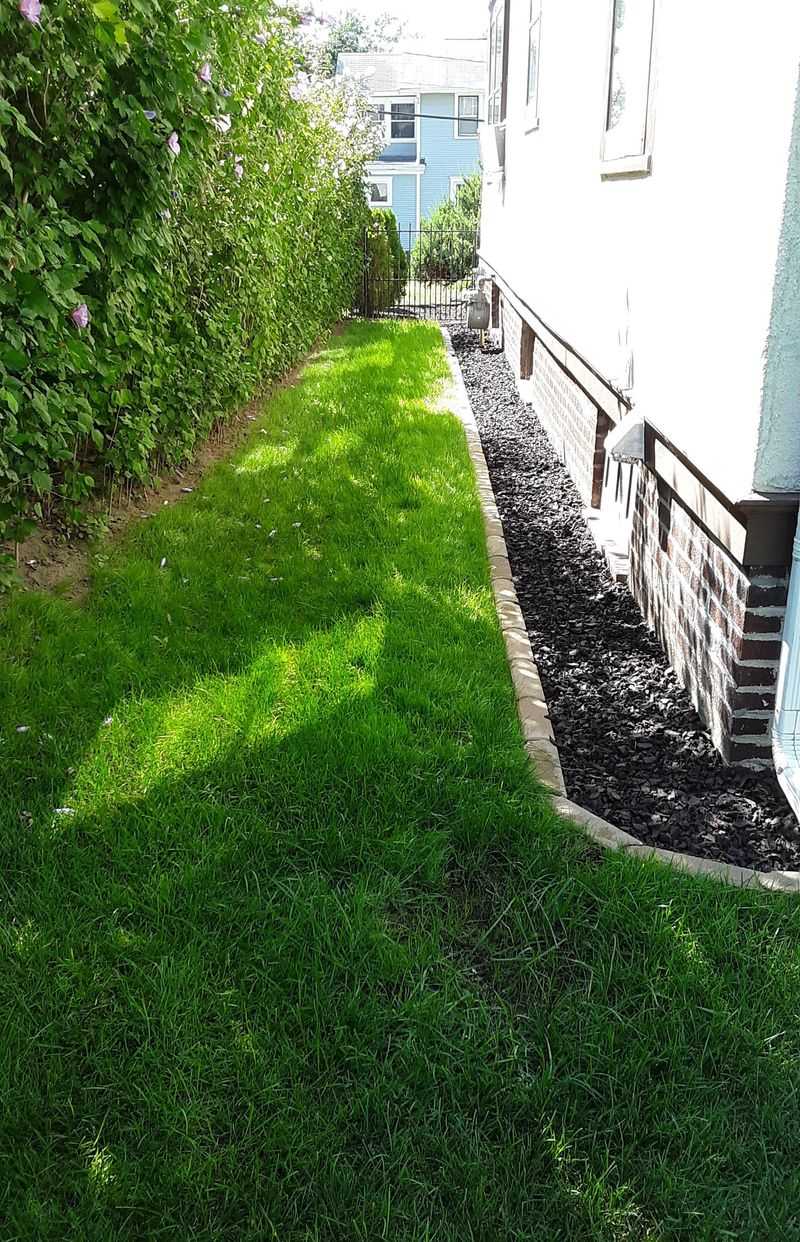
Picture the ring of space that wraps right around your house.That first five feet is where the toughest rules apply.It is the front line against flying embers.
Why so strict in such a small band?Embers love to pile up against walls, fences, and steps.If anything flammable sits there, the fire can climb straight onto your home.
Within those five feet, officials want almost nothing that burns.That means no wood chips, no dry grass, and no bushes pressed to the wall.Even a welcome mat made of stiff bristles can be a risk.
Better choices fill that space instead.Smooth stones, pavers, concrete, and metal edging all work well.These keep the area neat while staying safe.
Small potted plants might seem harmless, but many rules ask you to remove them too.Anything that can catch a spark near the wall is a weak point.Clearing it makes a real difference.
Your California Garden Changes Every Week. Your Plan Should Too.
Gardening in California changes quickly throughout the season. Every Friday you’ll receive a simple weekly plan showing exactly what to plant, prune, fertilize, harvest, and protect so you never miss the right timing.
This narrow strip does a lot of heavy lifting for safety.Homes with a clean five-foot zone survive fires far more often.It is one of the most powerful things you can control.
Take a slow walk around your house and study that space.Look for anything that could feed a flame.Small swaps now can protect everything inside later.
3. HOA Landscaping Rules Cannot Override Fire Laws
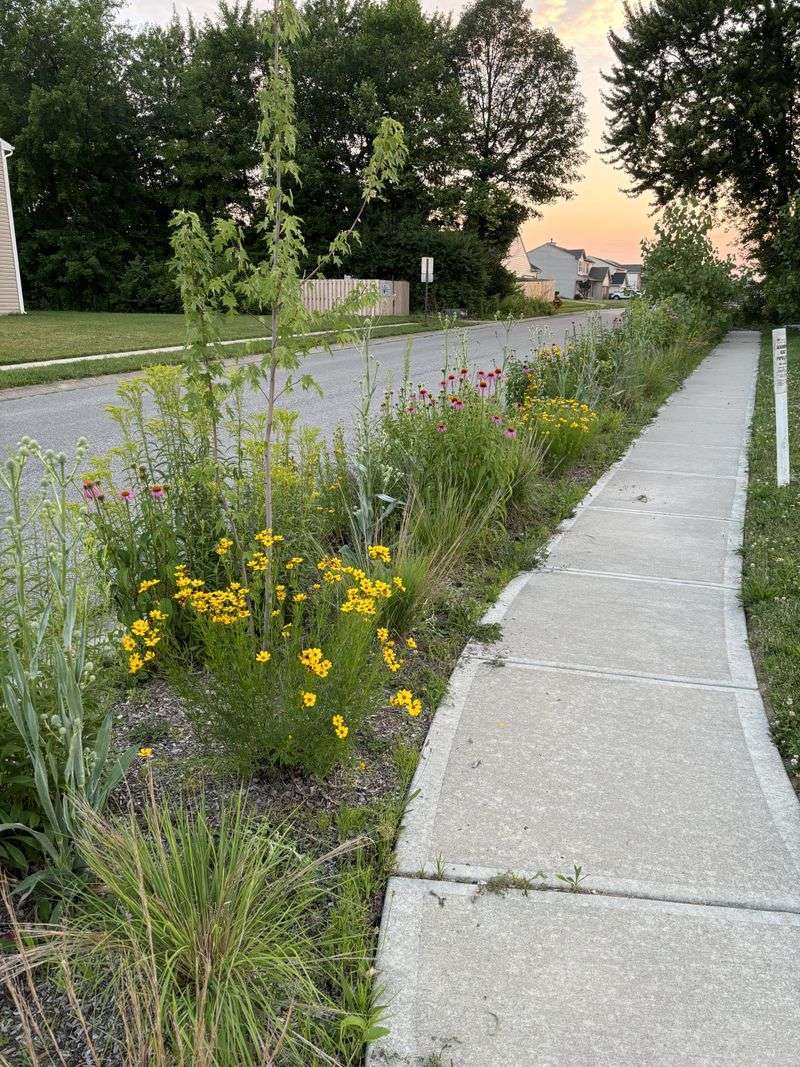
Here is the question that keeps many homeowners up at night.What if my HOA demands lush bushes right by the house?California has an answer, and it favors safety.
State law now protects your right to make fire-safe changes.An HOA cannot force you to keep flammable plants that break the ember-resistant rules.The fire laws take the higher seat.
That is a big shift for neighborhoods with strict yard standards.For years, HOAs controlled almost every leaf and shrub.Now their power stops where fire safety begins.
You still cannot do whatever you want, of course.The HOA can ask that your changes look tidy and reasonable.But it cannot block a legally required safety upgrade.
If your HOA pushes back, you have support on your side.You can point to state law that clearly protects these choices.Keeping copies of the rules helps in any disagreement.
Good communication usually smooths things over.Many HOAs are updating their own guides to match the new laws.Talking early prevents fights later.
The heart of this rule is fairness and protection.No family should be forced to keep a fire risk just to please a yard committee.Safety comes first, and the law backs you up.
Knowing your rights makes these conversations much easier.
4. Some Foundation Plants May Have To Go
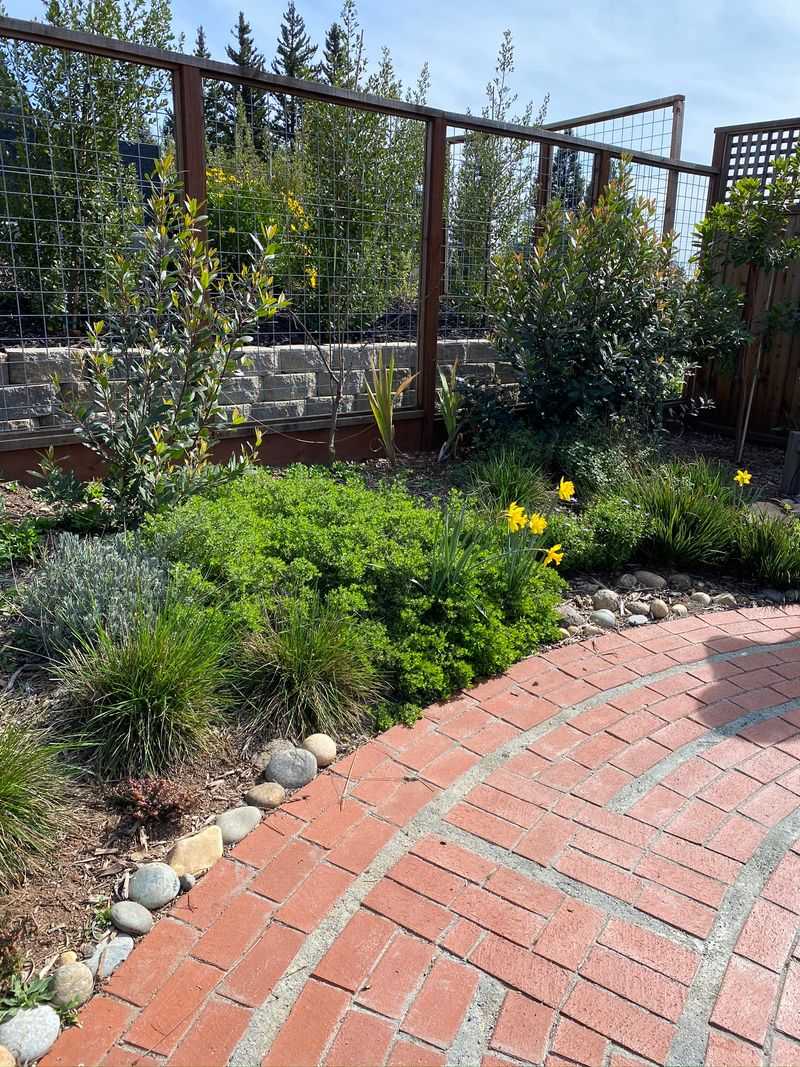
Those leafy bushes lined up along your front wall look charming.They also happen to be one of the biggest fire risks.That is why some of them may need to come out.
Plants pressed against the foundation give embers an easy target.Dry leaves, twigs, and oily stems catch fast.Once they light, the flame is inches from your home.
Popular choices like juniper are especially risky.They hold withered material inside and burn hot.Many fire experts call them ladder fuels for a reason.
Removing them does not mean your yard turns bare and boring.You simply move the greenery farther from the walls.Spacing plants out slows any fire trying to spread.
You can also swap high-risk plants for safer ones.Low, well-watered ground covers and succulents hold moisture.They resist catching a spark far better than woody shrubs.
Think of it as giving your home a little breathing room.A clear band near the walls acts like a shield.It stops the chain of fuel that fire needs to travel.
Before you dig anything up, check your local guidelines.Some areas list exactly which plants must move.Following that list keeps you on the right side of the rules.
A few thoughtful changes now can protect your whole house.
5. Combustible Mulch Is A Bigger Concern
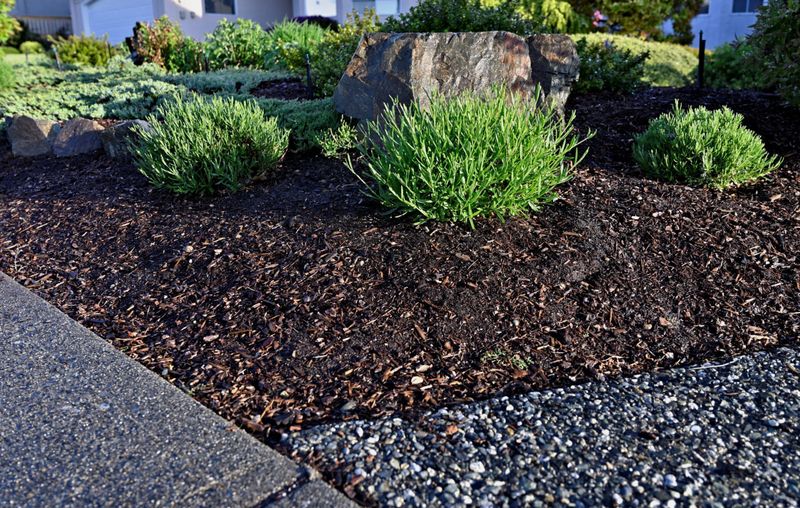
Mulch seems like such a friendly garden helper.It keeps soil moist and makes beds look clean.Sadly, the wrong kind can become a fire highway.
Wood chips and bark mulch dry out fast in the sun.When an ember lands, they smolder and then spread.Right next to your foundation, that is a serious problem.
The new rules pay close attention to mulch near the house.In that first strip of space, flammable mulch is discouraged or banned.It simply gives fire too much fuel.
You do not have to give up a neat look, though.Gravel, crushed stone, and decorative rock fill the same role.They hold moisture in the soil without feeding flames.
Rubber mulch might sound safe, but it is not.It can burn and release nasty smoke.Stick with mineral materials near the walls instead.
Farther out in the yard, some organic mulch is still fine.The strictest rules focus on the space hugging your home.Keeping it non-flammable is what matters most.
A quick material switch is one of the easiest upgrades.It costs less than replacing big plants.Yet it removes a sneaky risk many people overlook.
Next time you refresh your beds, choose stone near the house.Your yard stays sharp, and your home stays safer.
6. New Homes Face The Rules Sooner

Builders putting up fresh homes have a head start on these changes.New construction must follow the ember-resistant rules right away.There is no long grace period for them.
It actually makes sense when you think about it.A brand-new yard is a blank page.It is far easier to plan a fire-safe design from scratch than to redo one later.
So if you are buying a newly built home, expect a different look.The space near the walls will likely feature stone or pavers.Plants will be spaced thoughtfully away from the foundation.
That design is not a mistake or a lazy shortcut.It is the future of safe landscaping in fire country.Builders are simply meeting the rules from day one.
Buyers can use this as a smart checklist.Ask whether the home meets the ember-resistant standards.A yes means less work and worry down the road.
New homeowners still get to add personality.You can bring in color and texture farther from the walls.The clean zone near the house stays protected.
Starting fire-safe from the beginning saves money too.There are no plants to rip out or beds to rebuild.Everything is already set up the right way.
For fresh builds, the message is clear and simple.Safety is baked in from the very first shovel.
7. Existing Homeowners Get More Time To Comply
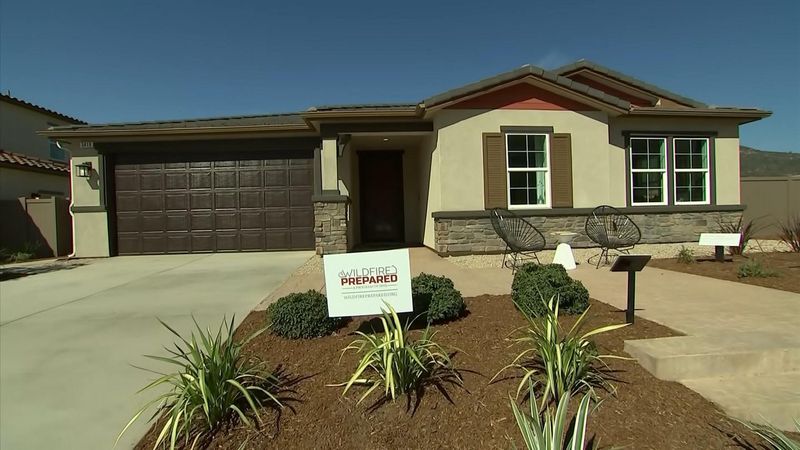
Maybe your home has stood for years with a full, leafy yard.The good news is you are not expected to change it overnight.Existing homeowners get a longer window to catch up.
The state understands that redoing a mature landscape takes time.Plants are big, roots are deep, and budgets are real.A phased timeline gives families room to plan.
That breathing space is a gift, but it is not forever.Waiting too long means scrambling at the last minute.Starting early keeps the whole project calm and affordable.
You can tackle the changes in small steps.Maybe clear the first five feet this season.Then space out plants and swap mulch the next.
Spreading the work also spreads the cost.Instead of one giant bill, you handle a few smaller ones.That makes the whole thing much easier to manage.
Keep an eye on your local due dates.Different areas may set their own dates for compliance.Marking them on a calendar helps you stay ahead.
Even with extra time, safety benefits start right away.Every plant you move and every risk you remove counts.You do not have to finish everything to see results.
Think of the timeline as a friendly runway.It gives you room to protect your home the smart way.
8. Local Fire Rules May Already Be Stricter
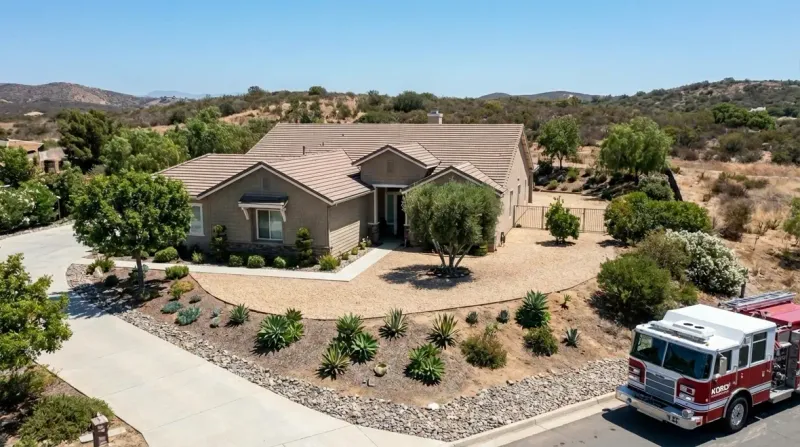
Here is a twist many people miss.The state rules are only the starting point.Your city or county might already demand even more.
Local fire districts know their own risks best.Some sit in canyons where wind pushes flames fast.Those areas often set tougher landscaping standards than the state.
So checking only the statewide rules is not enough.You could follow them perfectly and still fall short locally.A quick call to your fire department clears things up.
These local rules can cover extra details.They might list banned plants, required spacing, or roof and vent upgrades.Every bit adds another layer of protection.
Rather than seeing this as a hassle, treat it as helpful.Local experts tailor the rules to your exact surroundings.Following them gives your home the best shot at surviving.
Your HOA should be looped in as well.Ask if their guidelines match both state and local fire laws.Getting everyone on the same page avoids confusion.
A simple visit to your city website often reveals the details.Many post clear maps and plant lists online.Bookmark that page for easy reference.
When state, local, and HOA rules line up, you win.Your yard looks good, meets the law, and guards your home.That is the whole point of these ember-resistant zones.