The Fall Landscaping Change That Could Put Ohio Homeowners At Odds With Their HOA
A homeowner spends a whole Saturday redoing the front bed, pulling out tired annuals and putting in something that actually survives an Ohio winter. Two weeks later, a letter shows up from the HOA instead of a compliment from the neighbors.
Certain fall landscaping choices run straight into HOA rules that most homeowners never bother reading until they’ve already broken one.
Native plantings, ornamental grasses left standing through winter, replacing turf with something lower maintenance, all of it can violate a covenant that was written decades ago with a very specific, very manicured look in mind.
Some HOA rules hold up. Others get a lot murkier once Ohio law enters the picture.
And while state law gives homeowners a process to challenge certain enforcement charges, that doesn’t mean an HOA rule can simply be ignored.
Knowing where that line sits before the leaves start flying can save you money, frustration, and a fight with the board.
1. Leave Some Fallen Leaves In Place Instead Of Clearing Every One
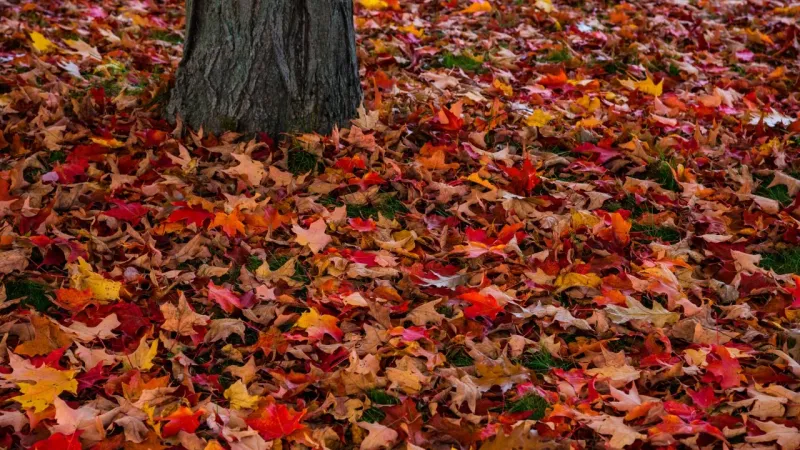
Picture the forest floor just outside any Ohio state park. Nobody rakes it, yet the soil there is dark, crumbly, and bursting with life.
Fallen leaves work as free mulch. They hold moisture in the soil, slow down weed seeds, and buffer roots against the wild temperature swings that Ohio winters love to throw around.
As leaves break down, they hand back nitrogen, potassium, and phosphorus. That means less money spent on fertilizer bags and better soil structure for the microbes and fungi doing quiet work underground.
There is a wildlife angle too. Moths, butterflies, fireflies, and native bees tuck themselves into leaf layers for the cold months, and ground-feeding birds hunt through that same litter for meals.
Clearing every single leaf in early autumn can interrupt those life cycles before they finish. Waiting until spring warms up gives insects a chance to emerge on their own schedule.
The practical move is partial, not all-or-nothing. Leave litter under trees, along fence lines, and in back corners where nobody is judging your edging.
Keep the front lawn looking sharp while the less visible spaces do the ecological heavy lifting. That balance tends to satisfy both your conscience and the neighbor who mows in perfect diagonal stripes every Saturday morning.
2. Read Your HOA Rules Before Embracing A Looser Fall Cleanup
Here is the least glamorous step in this whole conversation, and also the most useful one. Your community’s governing documents decide what counts as acceptable long before any neighbor picks up the phone.
Homeowners associations write landscaping standards to keep a consistent look and protect property values. Those standards live in the Covenants, Conditions, and Restrictions, usually shortened to CC and Rs.
Ohio law does not include a statute that specifically protects native or naturalistic landscaping from association rules. What it does provide is a defined enforcement procedure, which matters enormously later.
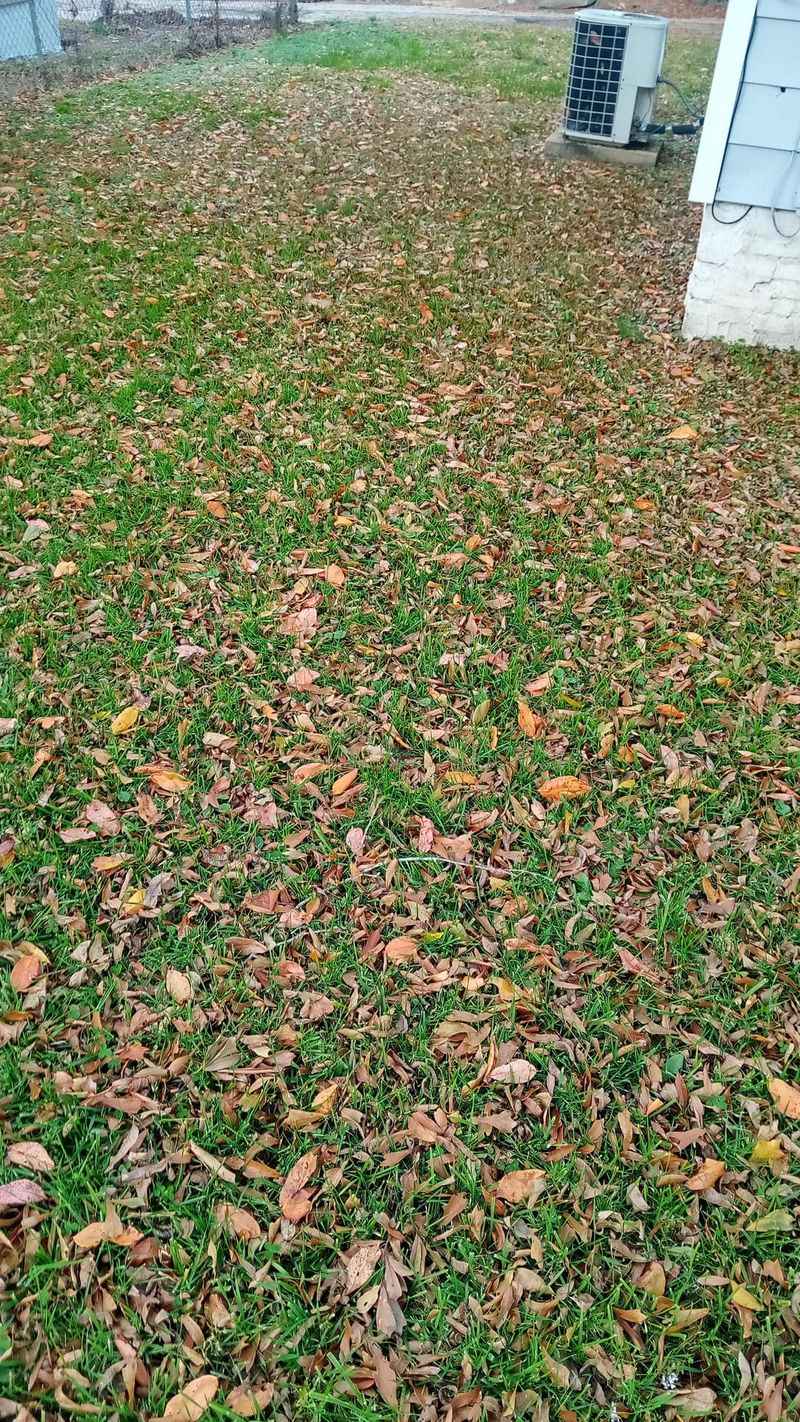
Common enforcement targets include overgrown grass, weed overgrowth, unauthorized plantings, and plant material that looks spent or neglected. A yard full of unraked leaves can land in that gray zone depending on how the language reads.
Your Ohio Garden Changes Every Week. Your Plan Should Too.
Gardening in Ohio changes quickly throughout the season. Every Friday you’ll receive a simple weekly plan showing exactly what to plant, prune, fertilize, harvest, and protect so you never miss the right timing.
Grab the documents and search for words like maintenance, debris, turf, and landscaping. Highlight anything vague, because vague wording is where disagreements usually begin.
Then talk to your board before autumn peaks rather than after. A quick email explaining your plan, with a photo of what it will look like, often prevents the whole problem.
Some boards welcome pollinator-friendly ideas once someone explains them clearly. Others hold firm, and knowing that early saves you time, money, and an awkward driveway conversation.
3. Keep Thick Leaf Layers Off The Lawn To Protect Healthy Turf
Grass is a sun-hungry plant with a short patience span. Pile wet leaves on top of it for a few weeks and the results show up fast.
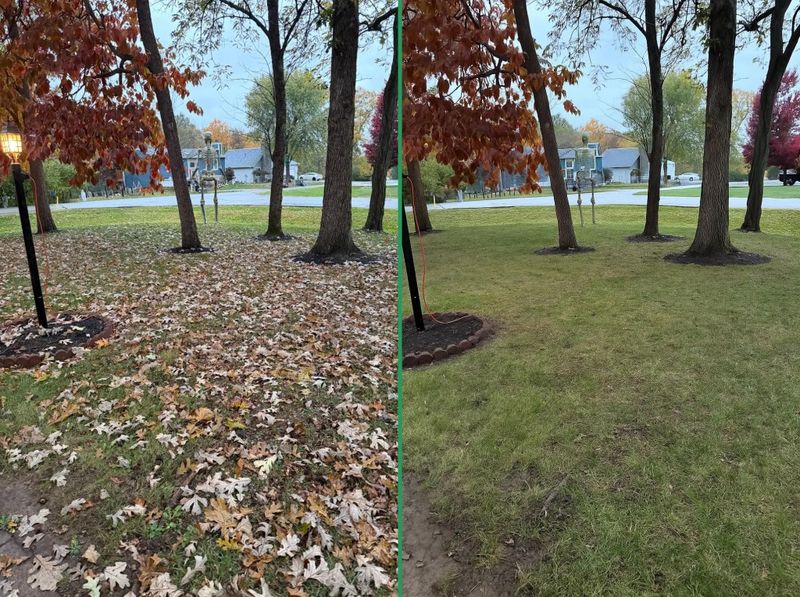
A dense mat blocks sunlight and cuts off air movement. Photosynthesis stalls, oxygen struggles to reach the roots, and the blades go pale and thin.
Bare patches follow. In some cases turf starts suffering after only a couple of weeks under a heavy, soggy blanket.
Moisture trapped against the soil creates ideal conditions for fungal trouble. Snow mold, brown patch, leaf spot, anthracnose, powdery mildew, and general rot all appreciate that damp, dark setup.
Rodents and insects appreciate it too. Mice and voles tunnel under heavy leaf cover looking for warmth, and they rarely leave the turf in better shape than they found it.
There is a timing cost as well. Thick layers slow spring thawing, which delays green-up and pushes your recovery weeks behind the neighbors.
A useful rule: if you cannot see grass blades poking through, the layer is too deep. Rake or mulch-mow before the next rain turns everything into a wet pancake.
Handling the lawn responsibly also builds your case with the board. Healthy turf out front buys you goodwill for the wilder corners elsewhere.
4. Move Leaves Into Garden Beds For A Neater Middle Ground
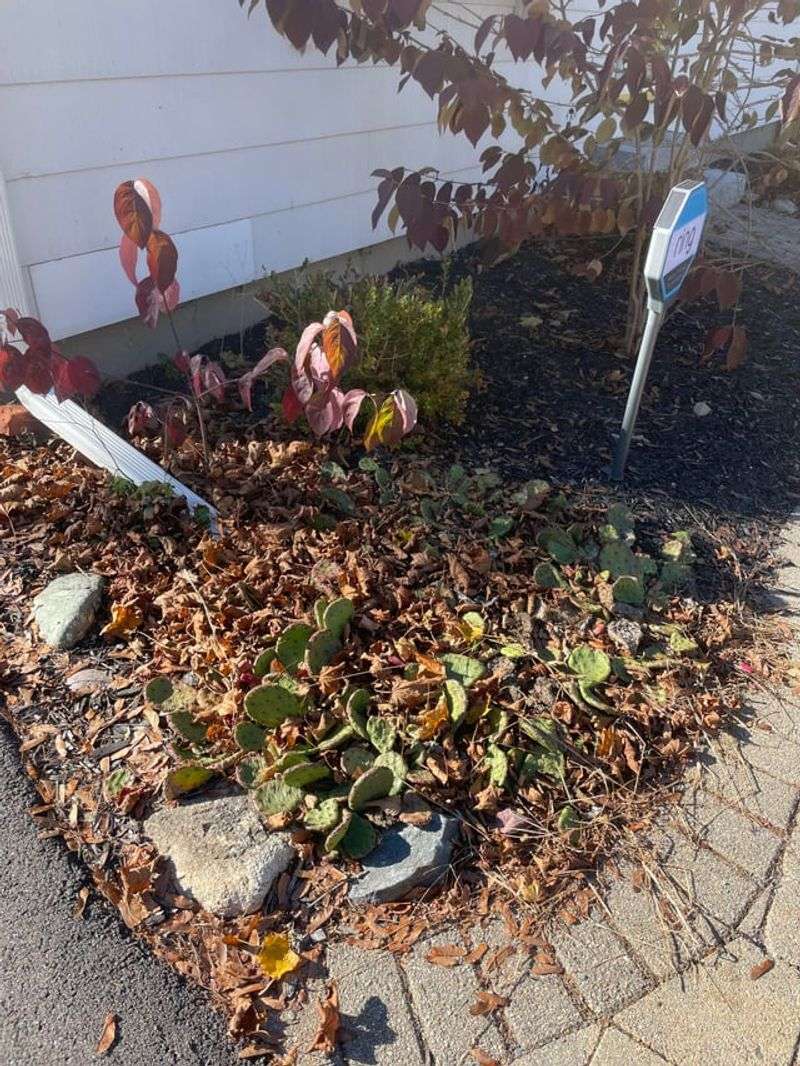
Think of this as relocation rather than removal. The leaves stay on your property, they just move somewhere they look purposeful.
Raking into garden beds, around shrubs, and under trees turns a nuisance into natural mulch. The material protects roots, holds moisture, and keeps weed pressure down through the cold months.
Aim for roughly two to four inches in flower and perennial beds. Shredded leaves work best because they settle into place instead of scattering across the driveway during the first windy night.
Decomposition does the rest. Nutrients cycle back into the soil, structure improves, and next spring your plants get a head start without extra fertilizer.
Visually, this approach tends to pass inspection. Bordered beds with a defined mulch layer read as intentional design, not neglect, which is exactly the distinction most boards care about.
Keep a small gap around trunks and stems. Mulch piled directly against woody bark holds moisture where it is not wanted and invites rot.
One extra tip from seasoned gardeners: edge your beds crisply before adding leaves. A clean line does more for curb appeal than almost anything else you can do in an afternoon.
The result is a yard that feeds itself while still looking like somebody cares. That is the sweet spot.
5. Mulch-Mow Leaves Into The Lawn Instead Of Raking Them All Away
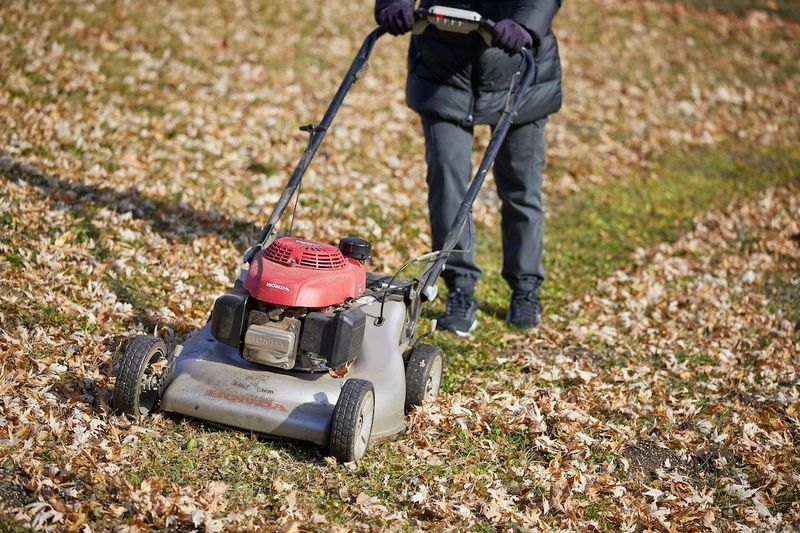
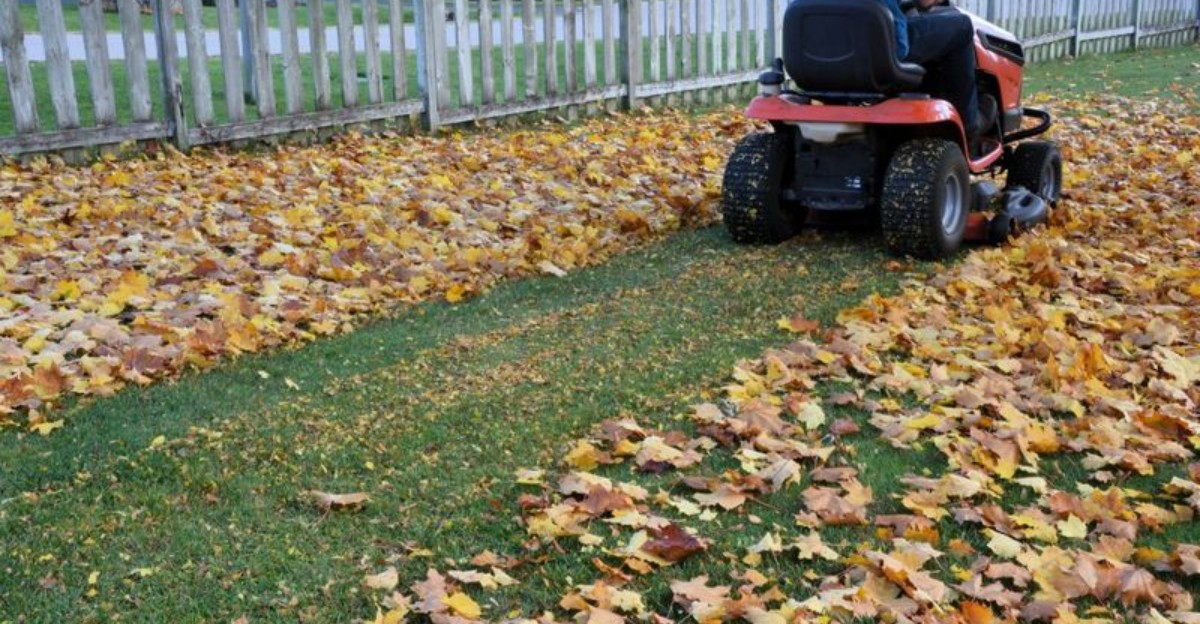
A mulching mower might be the most underrated tool in an Ohio garage. Run it over a leaf-covered lawn and a messy afternoon shrinks into twenty minutes.
Chopping leaves into small pieces speeds up decomposition considerably. Smaller fragments mean more surface area, which means soil organisms break them down faster and release nutrients sooner.
You can leave the shreds right on the turf when the layer is light. Or bag them and haul the material over to beds and tree rings where it earns its keep.
Spread shredded leaves two to four inches deep around shrubs, trees, and perennials. The layer moderates soil temperature, holds moisture through dry spells, and suppresses weed seedlings.
Appearance matters here more than people admit. Whole leaves look like something blew in overnight, while finely shredded material reads as deliberate landscaping.
That visual difference often decides whether a board member drives past or reaches for a clipboard. Texture and uniformity signal intention.
If you do not own a mulching mower, a regular mower with the bag attached works reasonably well. Some gardeners pile leaves in a trash can and use a string trimmer, which is loud but effective.
Free mulch, fewer bags at the curb, better soil. Hard to argue with that math.
6. Use Leaf Litter To Support Soil And Overwintering Wildlife
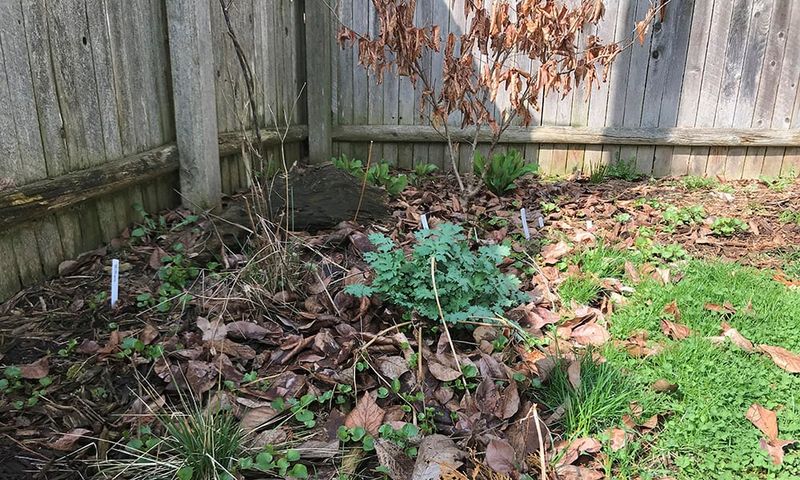
Under every quiet pile of leaves, there is a whole neighborhood going about its business. Most of it is invisible unless you crouch down and look closely.
Leaf litter cycles nutrients back into the ground and adds organic matter as it breaks apart. Soil structure improves, fertility climbs, and microbial communities plus earthworms thrive in the process.
Those earthworms are not just decoration. Their tunneling improves drainage and aeration, which helps every plant rooted nearby.
Insects depend on the litter too. Luna moths, fireflies, native bees, and various butterflies overwinter there as eggs, larvae, or cocoons tucked into the debris.
Fireflies deserve a special mention. Those summer evening light shows in Ohio backyards start with larvae spending months in damp leaf layers and moist soil.
Birds benefit secondhand. Come spring, insect populations that survived the winter become breakfast for nesting parents feeding hungry chicks.
To make this work without alarming anyone, concentrate litter in defined spots. Woodland edges, back fence lines, and under hedges keep the habitat out of the spotlight.
Consider delaying a major spring cleanup until temperatures are consistently warming and overwintering insects have had an opportunity to emerge.
Small choice, surprisingly large ripple effect.
7. Keep Sidewalks, Gutters, Storm Drains, And Streets Clear
Wet leaves on concrete behave a lot like ice. Anyone who has taken a surprise slide down a front walk in November knows exactly how that feels.
Clearing sidewalks and driveways is the simplest safety task of the season. Slip hazards create real liability, and most communities expect walkways to stay passable.
Gutters matter just as much. Packed leaves block roof drainage, which can lead to overflows, leaks, and mold or mildew problems inside the house.
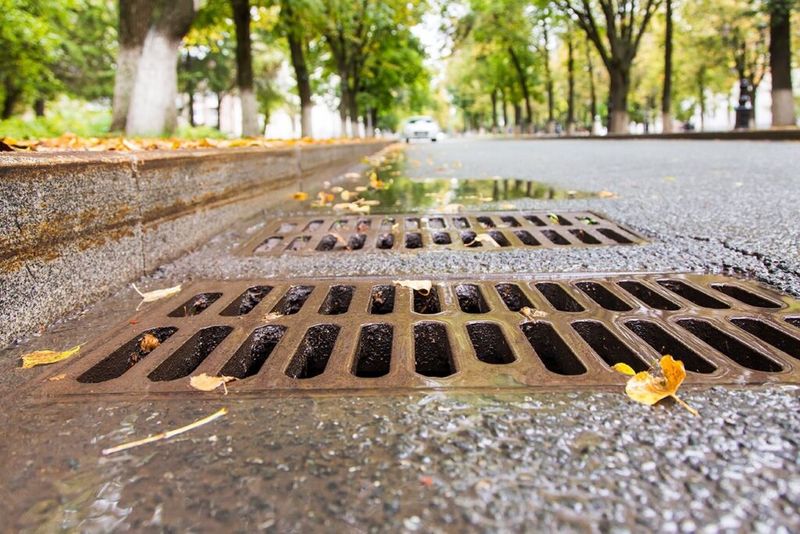
Storm drains are where things get official. Bulky leaves clog drains and sewers, causing backups and localized flooding that damages property and infrastructure.
Leaves should not be pushed into storm drains, sewers, or waterways. Local ordinances may also restrict how yard waste can be placed along streets, ditches, or drainage areas.
Ohio communities commonly provide specific options for handling leaves and other yard waste, so check your municipality’s collection and disposal rules before putting large quantities at the curb.
Many cities and villages run seasonal leaf collection with vacuum trucks. Check the schedule and follow the curb placement instructions exactly.
Better still, keep most leaves on your own property as mulch. Fewer bags, cleaner streets, and no letters from anybody.
8. Remove Leaves Carrying Certain Plant Diseases From The Landscape
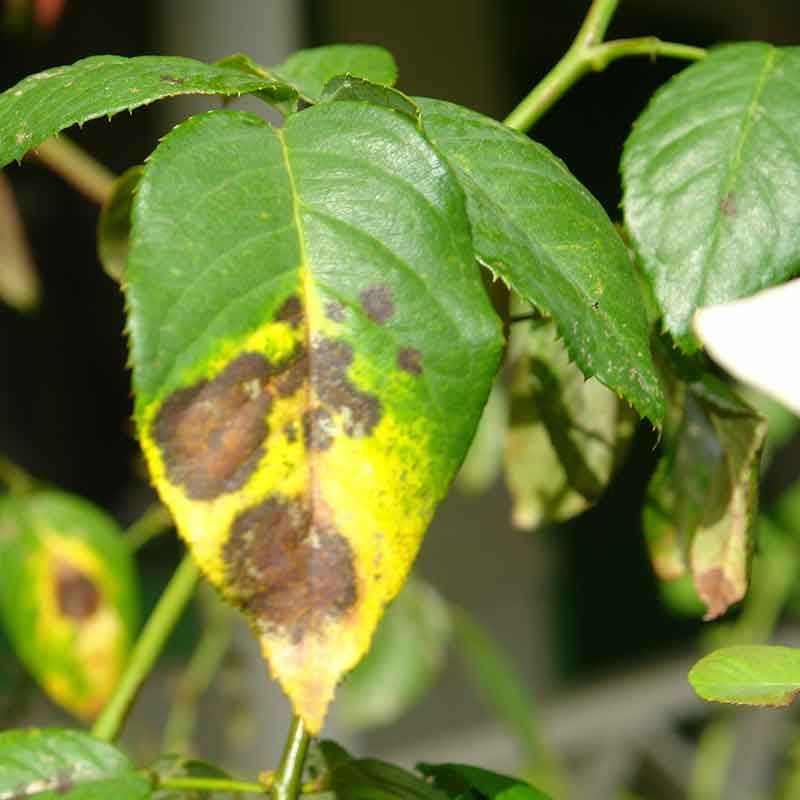
Not every leaf deserves a second life in your garden beds. A few carry passengers you would rather not invite back next spring.
Pathogens behind leaf spot, anthracnose, powdery mildew, tar spot, cedar apple rust, rose black spot, and tomato early blight can overwinter in infected debris. Come spring, rain splashes those spores right back onto fresh growth.
Roses are a classic example. Black spot recycles year after year when fallen foliage stays put beneath the canes.
The same goes for fruit trees and vegetable patches. Tomato beds especially benefit from a thorough autumn clear-out of leaf and stem debris.
Rake infected material and dispose of it rather than adding it to the compost pile. Home compost rarely gets hot enough to neutralize stubborn spores.
Good news for the worriers: many pathogens are host-specific. Tar spot on a maple, which looks dramatic, causes mostly cosmetic damage and will not jump to your roses.
Learn to recognize the difference and you avoid over-cleaning out of fear. Spotting, blotching, black patches, and white powdery films are the signs worth investigating.
Sanitation is one of the oldest tricks in gardening and still one of the most effective. Clean beds in autumn mean fewer sprays and fewer headaches later.
9. Act Quickly If Your Ohio HOA Sends A Violation Notice
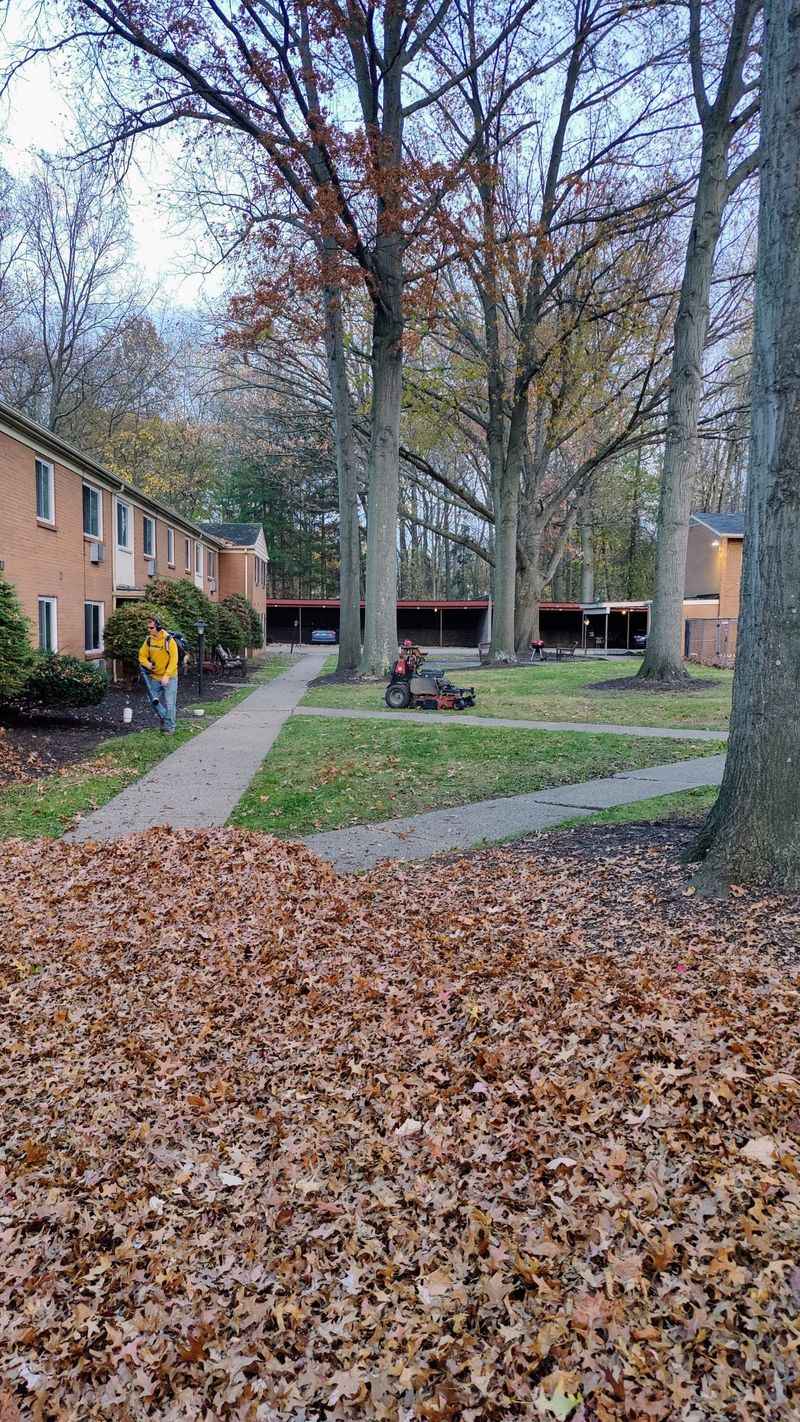
That envelope with the association letterhead is not a reason to panic. It is, however, a reason to look at a calendar immediately.
Under Ohio Revised Code Chapter 5312.11, an association planning to impose a charge or fine for a violation must send written notice first.
A casual complaint from a neighbor is not the same thing as the statutory notice required before an assessment is imposed under that provision.
The notice has required contents. It must describe the violation, state the proposed charge, inform you of your right to a hearing, and explain the procedure for requesting one.
Then comes the part that catches people. Homeowners have a ten-day window to request a hearing in writing after receiving the notice.
Miss that window and the right to a hearing is waived. Ten days passes quickly when mail sits on a counter under a pile of catalogs.
For an ongoing issue, the notice should also include a reasonable endline to correct the problem and avoid the charge. Fix it by then and the matter often ends there.
Respond in writing, keep copies of everything, and photograph your yard for your own records. Documentation settles disputes far better than memory does.
Stay polite and factual in your reply. Boards are made of neighbors, and a reasonable tone tends to open doors that arguing slams shut.