9 Native North Carolina Trees That Feed Songbirds All Winter Long
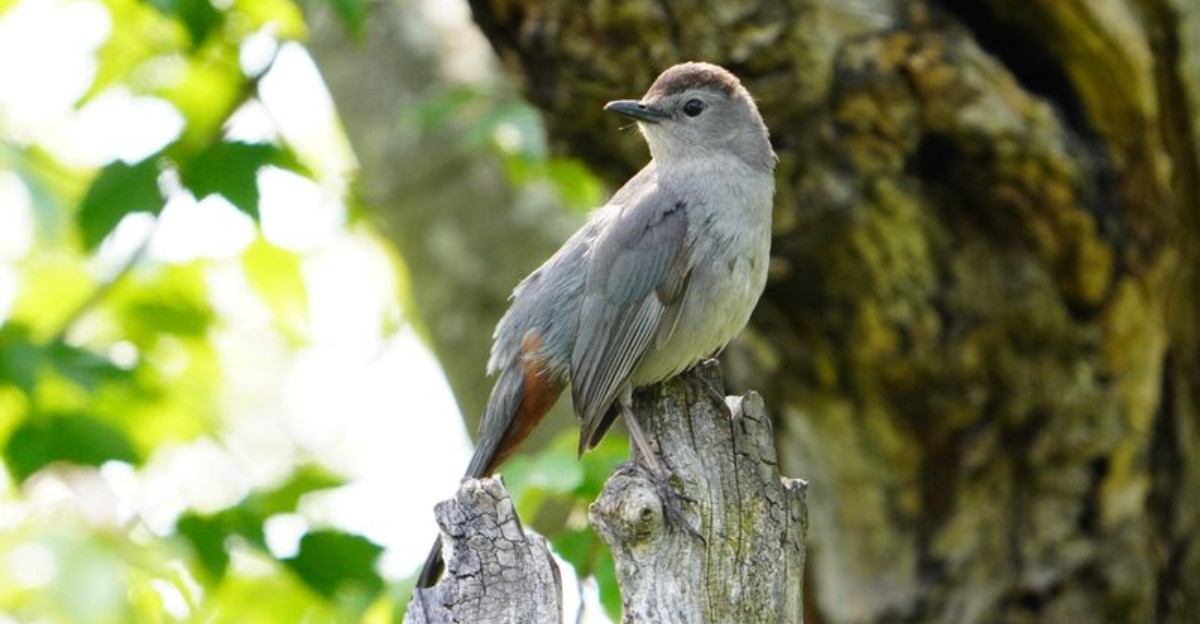
Winter can be a lean season for songbirds in North Carolina, making the choice of trees in a yard more important than many homeowners realize.
Certain native trees hold onto berries, seeds, or nuts well into the colder months, providing a critical food source when insects and other natural options have largely disappeared.
Because these trees evolved alongside local bird species, they tend to offer exactly the type of nutrition songbirds need to survive winter’s harshest stretches.
Planting a mix of these food-producing natives can turn an ordinary yard into a reliable winter feeding ground without the need for constant bird feeder refills.
For North Carolina homeowners hoping to support local wildlife through the colder months, these trees offer a natural, low-maintenance solution.
1. Eastern Red Cedar
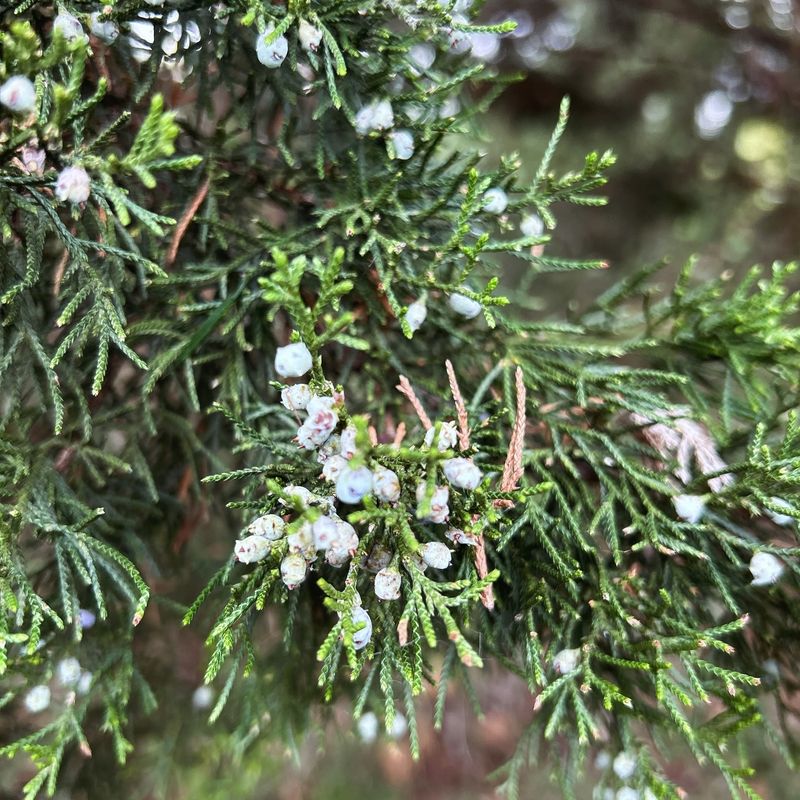
Picture a bird buffet that stays open when almost everything else has closed for the season. Female eastern red cedars offer exactly that with their frosty blue cones that look like tiny berries.
Cedar waxwings practically flock to these trees, and they even got their name from the plant. Robins, bluebirds, and mockingbirds join the feast too, gobbling up the soft cones through the coldest weeks of the year.
Beyond the food, the thick evergreen branches give birds a warm place to hide from wind and rain. On freezing nights, small songbirds tuck into the dense foliage to stay protected.
That double gift of shelter and snacks makes this tree a real winter hero.
Eastern red cedar is tough and easy to grow across most of North Carolina. It handles poor soil, dry spells, and salty coastal air without much fuss. Once it settles in, you barely need to touch it.
For the best show of cones, plant a few trees so you have both male and female plants nearby. Only the females make the berry-like fruit, so a mix helps pollination happen.
Fun fact: the fragrant wood of this tree is what lines cedar closets and keeps moths away from your sweaters. So while birds enjoy the branches outside, the same species helps protect your clothes indoors.
Give it full sun and plenty of room to spread, and this hardy native will reward you with years of winter bird activity.
2. Flowering Dogwood
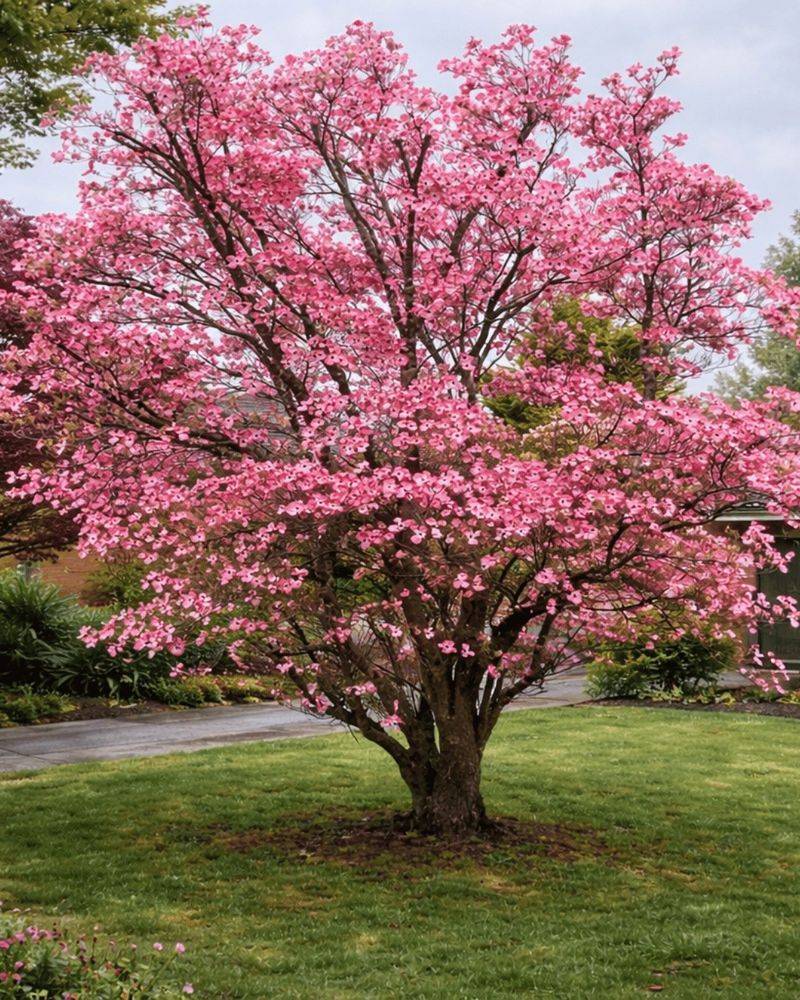
North Carolina picked the flowering dogwood as its state flower, and birds seem to agree it deserves the honor. After the pretty spring blooms fade, this tree gets to work growing shiny red fruits.
Those glossy berries ripen in fall and hang on into the colder months. More than thirty kinds of birds enjoy them, including robins, cardinals, and cedar waxwings. The high-fat fruit gives them the energy they need to stay warm.
Dogwoods do more than feed birds in winter. Their springtime flowers welcome pollinators, and their leaves feed caterpillars that baby birds eat during nesting season. That means this tree helps wildlife almost all year.
Growing a dogwood is easiest when you copy its natural home. In the wild, it grows at the edge of forests, so it likes some shade and rich, moist soil. Too much hot afternoon sun can stress it out.
Give the roots a layer of mulch to keep them cool and damp. Avoid planting it in packed clay or spots that dry out fast, and it will thank you with healthy growth.
The branching shape of a dogwood also gives songbirds handy perches and safe spots to build nests. Birds love having sturdy places to rest between meals.
Plant one near a window and you will have front-row seats to the action. Watching robins bounce from branch to branch on a chilly morning is one of the simple joys this native tree brings to any yard.
3. American Holly
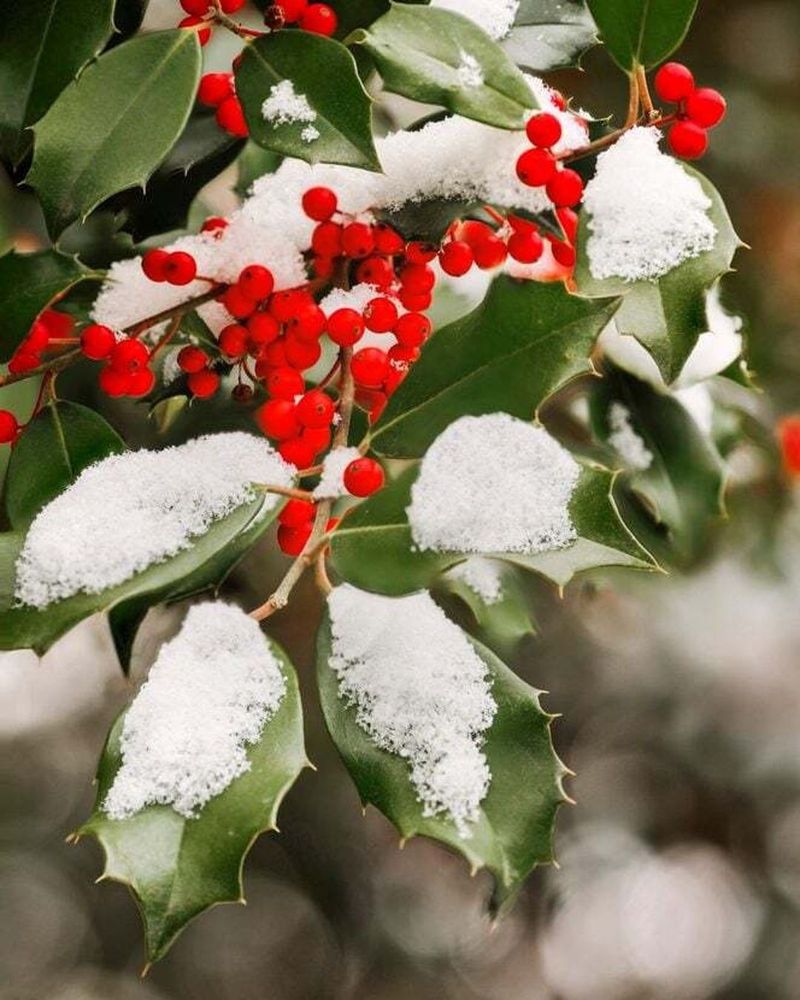
Nothing says winter quite like the bright red berries and glossy green leaves of American holly. This evergreen classic shows off its best colors exactly when birds need help the most.
The berries stick around long into winter, giving robins, bluebirds, mockingbirds, and thrushes a reliable meal. Interestingly, the fruit tastes better to birds after a few frosts soften it up, so the timing works out perfectly.
Here is something important to know before you plant. Holly trees come in male and female versions, and only the females grow berries. To get that colorful fruit, you need a male tree somewhere nearby to handle pollination.
One male can pollinate several females, so you do not need equal numbers. Just make sure at least one male grows within a reasonable distance of your fruiting trees.
American holly grows well across North Carolina and handles both sun and part shade. It prefers slightly acidic, well-drained soil and rewards patience with slow, steady growth.
The spiny leaves also give small birds a safe fortress against hawks and cats. Songbirds dart into the prickly branches knowing predators will think twice before following.
Because it stays green all year, holly doubles as a windbreak and a privacy screen. You get beauty, function, and wildlife value in one hardy package.
Snip a few berry-covered branches for holiday decorations, but leave plenty for your feathered guests. They will keep visiting your yard all winter long, adding color and cheer to the coldest days.
4. Persimmon
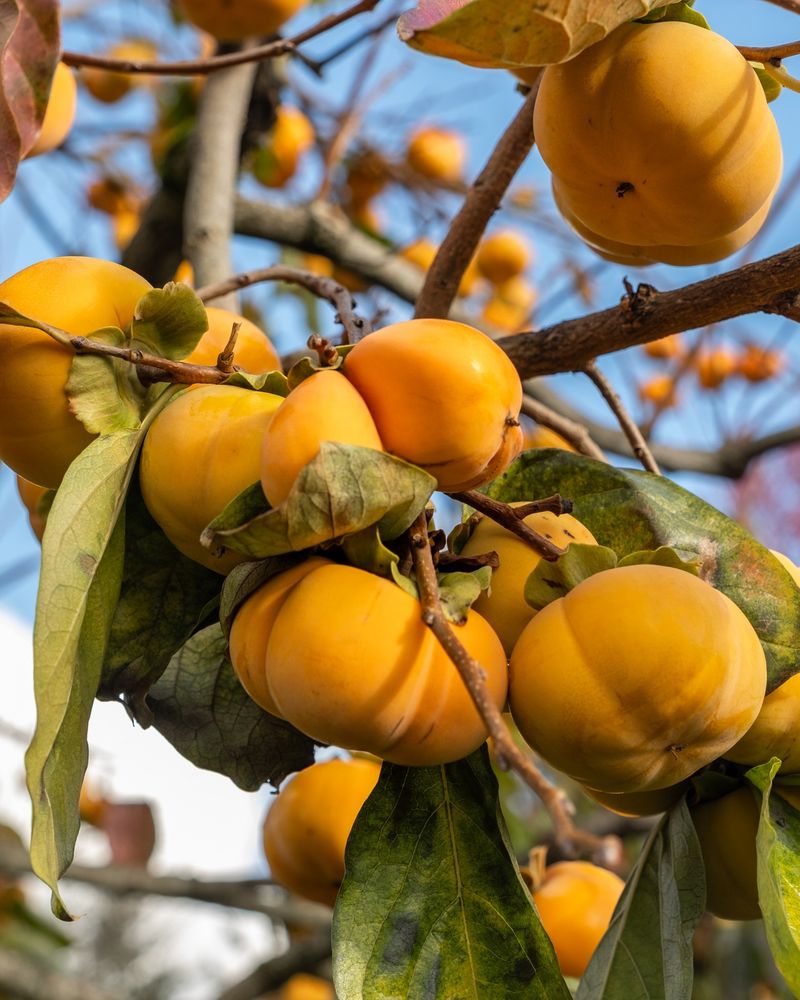
Ever tasted an unripe persimmon? It puckers your whole mouth. But once the fruit ripens and softens, it turns sweet and sticky, and that is when the party starts.
Native persimmon trees hold their orange fruit late into fall and winter, often after the leaves have dropped. This timing makes them a valuable food source when other snacks have run out.
Birds like robins, cedar waxwings, and mockingbirds enjoy the soft pulp, and they are not alone. Foxes, raccoons, deer, and opossums all show up for a share of the harvest.
Persimmon trees are tough and adaptable, growing happily in fields, forest edges, and backyards across the state. They handle poor soil and drought once their roots take hold.
Like holly, persimmons usually need both male and female trees to produce fruit. Planting a small group gives you the best chance of a heavy crop.
The fruit ripens on its own schedule, and a few frosts help sweeten it. You can tell it is ready when it feels mushy and drops easily from the branch.
Beyond feeding wildlife, the tree offers handsome bark with a blocky, checkered pattern that looks great in winter. It adds character to any landscape even without leaves.
If you plant one, be patient. Persimmons take a few years to start fruiting, but the reward is worth the wait.
Once they get going, you will have a natural feeding station that draws birds and critters straight to your yard.
5. Serviceberry
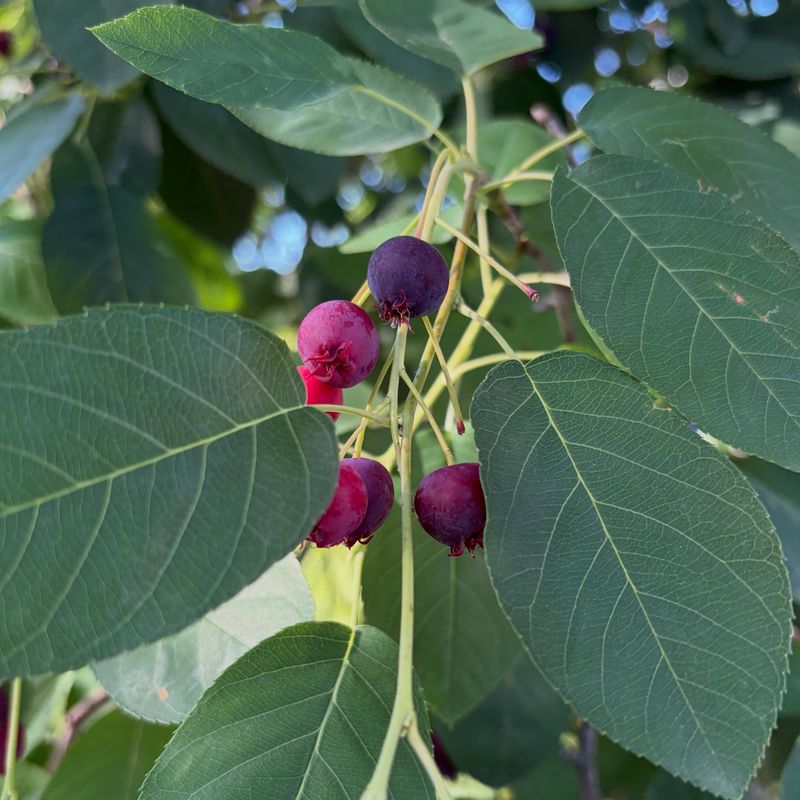
Talk about a tree that keeps giving. Serviceberry, sometimes called shadbush or Juneberry, delivers beauty and food across nearly every season.
In early spring, delicate white flowers cover the branches before most other trees wake up. Those blooms feed hungry pollinators just coming out of the cold.
By early summer, the flowers turn into sweet purple-red berries that taste a lot like blueberries. Birds absolutely love them, and so do people who beat the robins to the harvest.
Here is the honest part. Most of the fruit gets eaten quickly, often before winter arrives. So serviceberry is not a late-season food tree the way holly or cedar is.
Still, its year-round value makes it worth planting. The leaves feed caterpillars during nesting season, and the branches offer great cover and perching spots for songbirds all year.
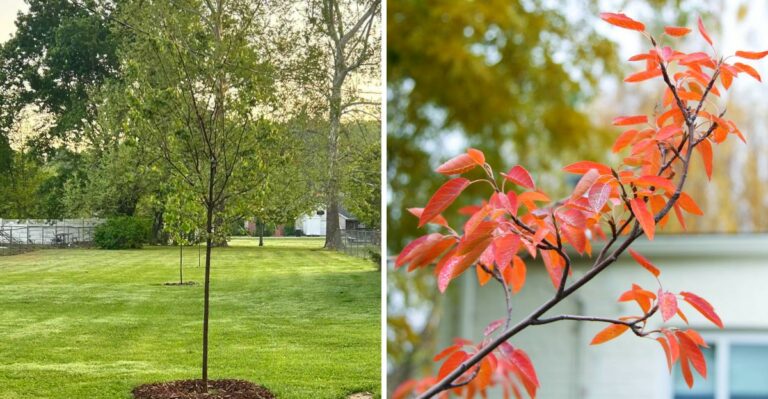
Fall brings another treat as the leaves turn fiery shades of orange and red. Your yard gets a burst of color right before the trees go bare.
Serviceberry stays fairly small, which makes it perfect for tight spaces or gardens near the house. You can enjoy the birds up close without a giant tree taking over.
Plant it in full sun to part shade with moist, well-drained soil, and it will settle in nicely. It handles most North Carolina yards without much trouble.
Think of serviceberry as a friend to birds through spring, summer, and fall, setting the stage for the winter feeders to take over when the weather turns cold.
6. Black Cherry
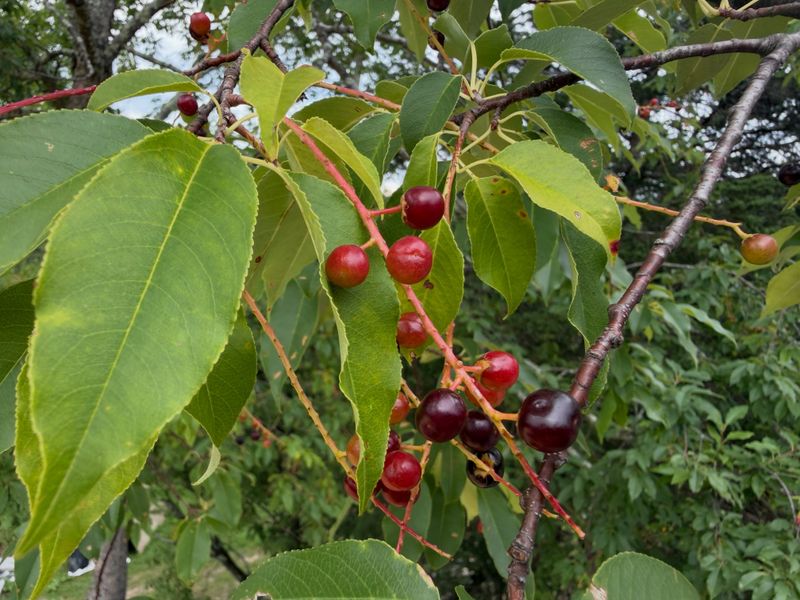
Some trees feed birds in more ways than one, and black cherry is a shining example. It offers fruit for the belly and bugs for the babies.
In late summer, the tree grows clusters of small dark cherries that dozens of bird species enjoy. Thrushes, robins, bluebirds, and woodpeckers all stop by for a snack.
While much of the fruit gets eaten before deep winter, the tree still plays a huge role in supporting songbirds year-round. Its real superpower shows up in spring and summer.
Black cherry is one of the top trees for feeding caterpillars, and caterpillars are the main food baby birds need. A single chickadee family can eat thousands of them while raising a brood.
That insect connection makes black cherry one of the most valuable native trees for backyard wildlife. More bugs means more birds, plain and simple.
The tree grows quickly and reaches a good size, so give it plenty of open space. It does well in full sun and handles many soil types across the state.
You will recognize mature black cherry by its dark, scaly bark that looks a bit like burnt potato chips. It gives the trunk a rugged, easy-to-spot look.
Keep in mind the leaves and twigs are not safe for horses and livestock, so plant it away from pastures. In a wildlife garden, though, it earns its keep many times over.
Add one to your yard and you will boost both the winter menu and the summer nursery for local songbirds.
7. Southern Magnolia
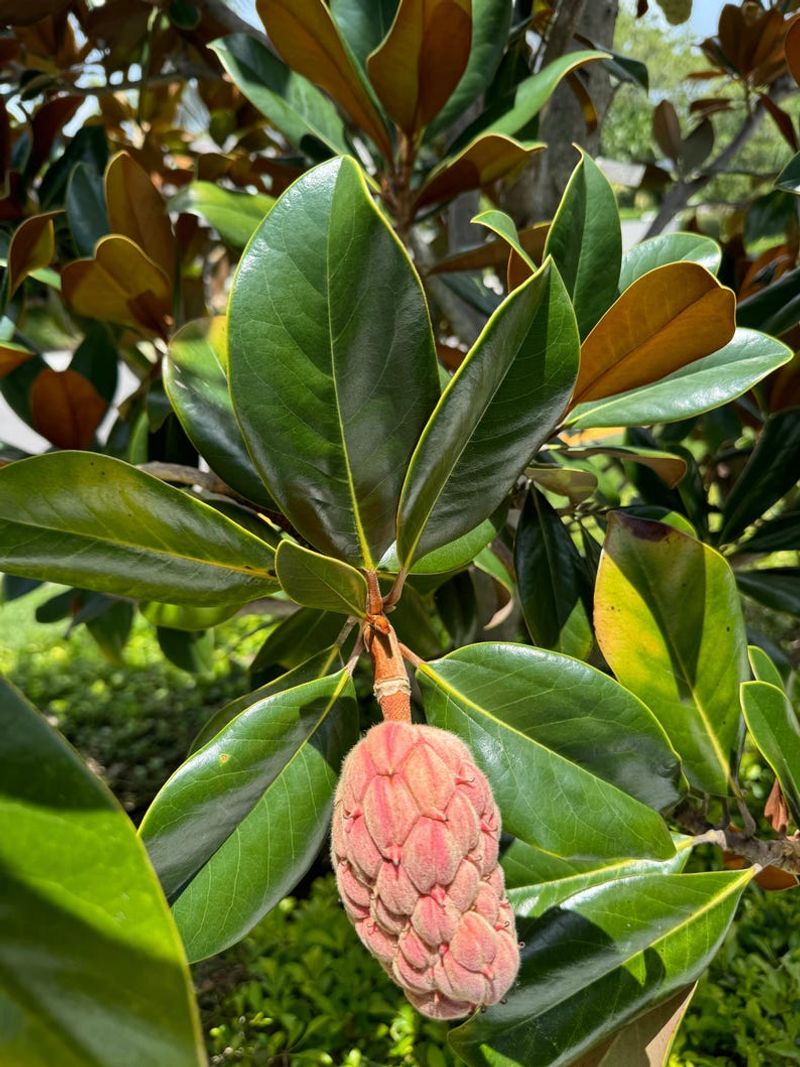
Grand and glossy, the southern magnolia is a true icon of the South. Its shiny evergreen leaves stay put all year, giving birds a leafy shelter when other trees stand bare.
During harsh winter weather, songbirds slip into the thick foliage to escape wind and cold. That dependable cover alone makes the magnolia a valuable yard tree.
But there is food here too. After the huge white summer flowers fade, the tree forms cone-like pods packed with bright red seeds.
When those pods open in fall, the red seeds catch the eye of birds like robins, mockingbirds, towhees, and woodpeckers. The seeds are rich in fat, giving birds fuel for chilly days.
Southern magnolia grows best in the warmer parts of North Carolina, especially the coastal plain and piedmont. It likes rich, moist, well-drained soil and plenty of room to spread out.
This is a big tree, so plan for its size before planting. Given space, it becomes a majestic centerpiece that lasts for generations.
The large leaves drop a bit throughout the year, so expect some cleanup underneath. Many gardeners simply let the leaves stay as natural mulch, which also gives ground-feeding birds a place to forage.
Fun fact: magnolias are ancient plants that appeared before bees existed, so beetles once did the pollinating. That long history adds to the tree’s charm.
With winter shelter, red seeds, and timeless beauty, the southern magnolia earns its spot in any bird-friendly garden across the warmer stretches of the state.
8. Eastern Redbud
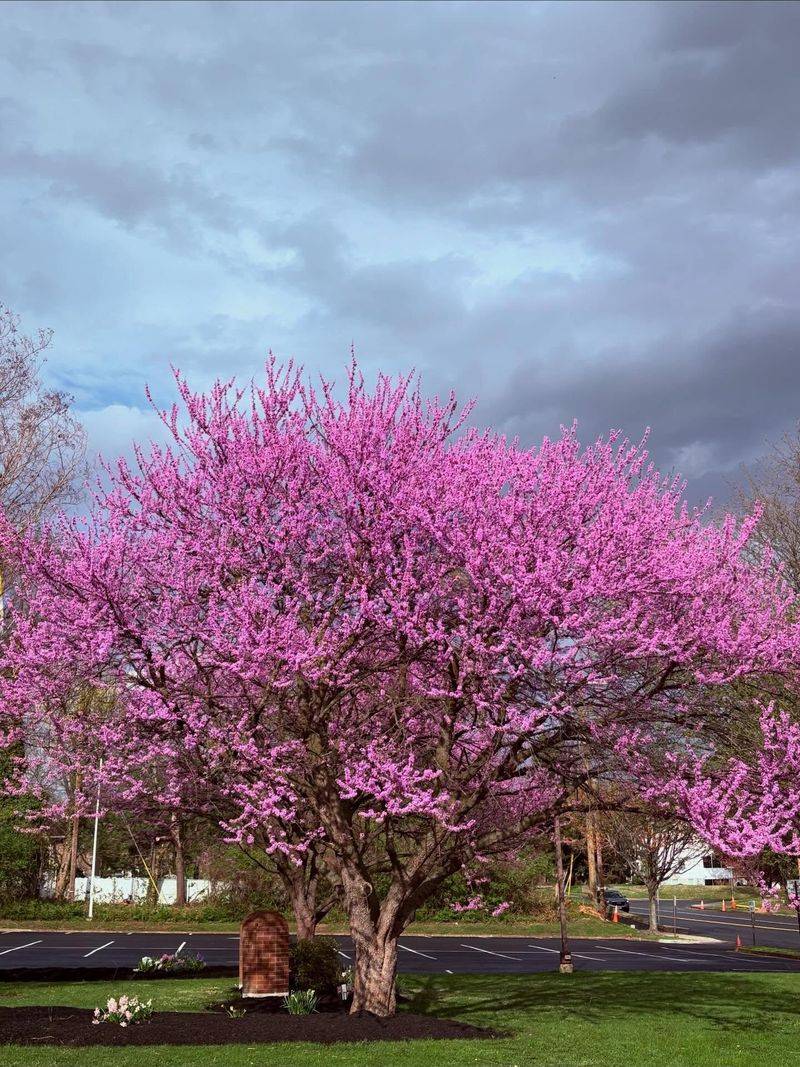
Come early spring, few trees put on a show like the eastern redbud. Bright pink-purple flowers burst right out of the bare branches, even along the trunk.
Those blossoms are more than pretty. They feed early pollinators like bees, which in turn support the whole backyard food web that songbirds depend on.
After the flowers, the tree grows flat seed pods that hang on into the colder months. Some birds, including cardinals and chickadees, nibble the seeds when other food gets scarce.
To be fair, redbud is not a heavy winter feeder like a berry-loaded holly or cedar. Its food value in the cold season stays fairly modest.
Where it really shines is habitat and structure. The branching shape gives birds excellent perches and safe spots to build nests each spring.
The leaves also host caterpillars, which means more protein for baby birds during nesting time. That link keeps redbud useful to wildlife well beyond its flashy bloom.
Redbud is a small, easygoing tree that fits nicely into smaller yards. It grows well in full sun to part shade and handles most North Carolina soils.
The heart-shaped leaves add a soft, friendly look through summer, then turn golden in fall. It brings color to the landscape in more than one season.
Plant a redbud near your bird feeders and it becomes a favorite landing spot between visits. Even if it does not fill every winter belly, it adds beauty, shelter, and life to your garden all year long.
9. Live Oak
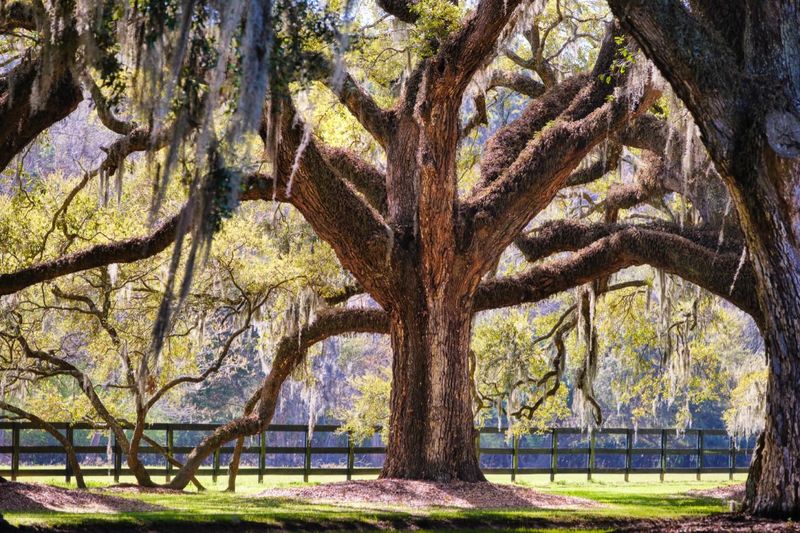
Mighty and sprawling, the live oak is a giant among wildlife trees. Its wide, evergreen canopy stays green through winter, offering birds constant shelter from cold and wind.
The real prize is the acorns. Live oaks produce heavy crops that feed a long list of birds, including woodpeckers, jays, wild turkeys, and even ducks near the coast.
Squirrels, deer, and other critters join in too, making the tree a busy hub of activity. When acorns cover the ground, the feeding never seems to stop.
Insects are another big part of the story. Oaks support more caterpillar species than almost any other tree, and those caterpillars feed hungry baby birds each spring.
That combination of acorns, bugs, and evergreen cover makes live oak one of the most valuable native trees you can grow for wildlife. Few trees do so much.
Live oaks thrive in the warmer, coastal parts of North Carolina where winters stay mild. They love full sun and handle sandy soil and salty air with ease.
Keep in mind these trees grow enormous and live for centuries, spreading their limbs far and wide. You need serious space before planting one.
Some famous live oaks are hundreds of years old with branches that stretch across entire yards. Planting one is a gift to future generations of both people and birds.
If you have the room and the right climate, a live oak becomes a lasting home for songbirds, providing food and shelter season after season, year after year.