Asheville’s First Freeze Is Running Late, So Here’s What Mountain Gardeners Should Do Before This Weekend
Asheville’s average first fall frost usually shows up around late October, yet plenty of basil and tomato plants are still standing tall this November.
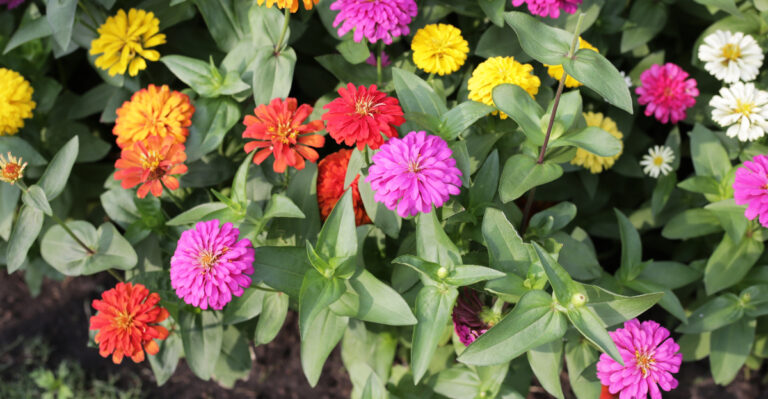
I love a bonus month as much as anyone. Extra peppers, extra zinnias, and extra time with dirt under my nails feel like a gift from the Blue Ridge.
The forecast tells a different story for this weekend, though. Lows in the 20s are on the way, and that kind of cold is a hard freeze, not a gentle nip.
Gardens across western North Carolina have gone soft and lush during the warm stretch, which makes them extra tender right now.
I tend to think a late freeze stings more than an early one. We get comfortable, the frost cloth stays buried in the shed, and the cold sneaks in on a clear, still night.
1. That Warm Autumn Garden Is About To Meet A Hard Freeze
Asheville gardeners usually say goodbye to tender crops by late October. Average first frost dates for the city land roughly in mid to late October, though valley spots and higher ridges can vary by a couple of weeks.
This fall stretched well past that window. Many of us still have peppers hanging, marigolds blooming, and basil that refuses to quit. A long, mild run like that is nice, but it also means plants have kept pushing soft new growth instead of slowly toughening up.
Now the weekend forecast calls for lows in the upper 20s, with colder readings possible in valleys and at higher elevations.
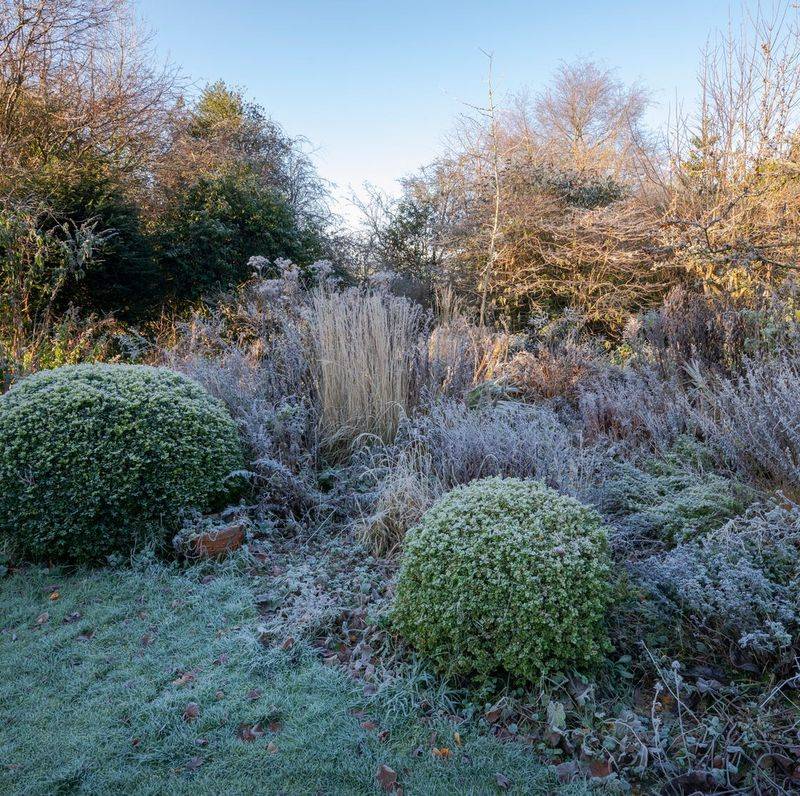
Weather folks often call anything at 28 degrees or below a hard freeze, and that level of cold causes serious damage to warm-season plants. Ice crystals form inside leaf cells, and by morning the foliage turns limp and dark.
Mountain geography adds a twist. Cold air is heavy, so it slides downhill and pools in hollows and valley floors. A garden near the French Broad River may run several degrees colder than a hillside yard a mile away.
Check a local forecast for your exact elevation. Then plan your rescue mission before Friday afternoon, while there is still daylight to work.
2. Frost Cloth Draped To The Ground Holds In Precious Heat
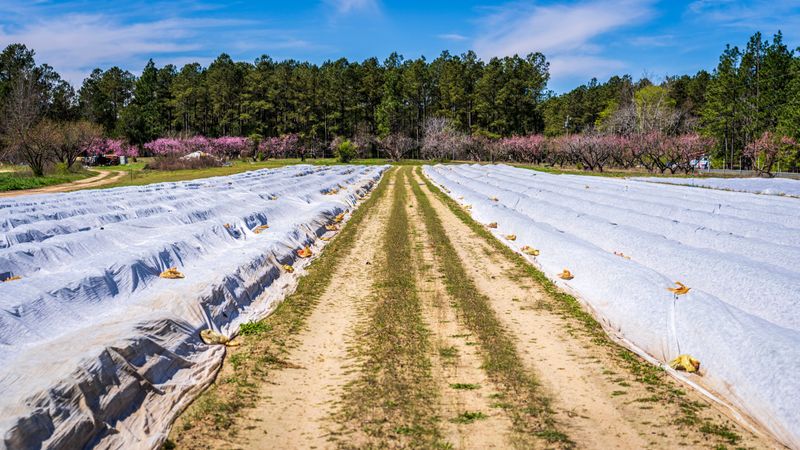
Covers work like a lid on a pot. The soil gives off heat all night, and a good cover traps some of that warmth around your plants.
Grab frost cloth, old bedsheets, or light blankets. Drape them loosely over plants and let the edges reach all the way to the soil. A cover that stops halfway down acts more like an umbrella, and the stored ground heat simply escapes out the sides.
Anchor the edges with bricks, rocks, or landscape pins. Mountain wind can flip a sheet off a bed in minutes, and then your effort is wasted.
Plastic can help in a pinch, but keep it off the leaves. Any foliage touching cold plastic often gets damaged where it makes contact. Stakes or tomato cages make handy frames to hold covers up.
Here is an honest limit worth knowing. NC State Extension notes that covers usually buy a few degrees of protection, which helps a lot on a 30 degree night but may not save tender tomatoes at 22 degrees.
Put covers on in the late afternoon. Pull them off the next morning once temperatures climb above freezing so plants get sunlight and fresh air.
3. A Deep Drink For Garden Beds Before The Cold Snap
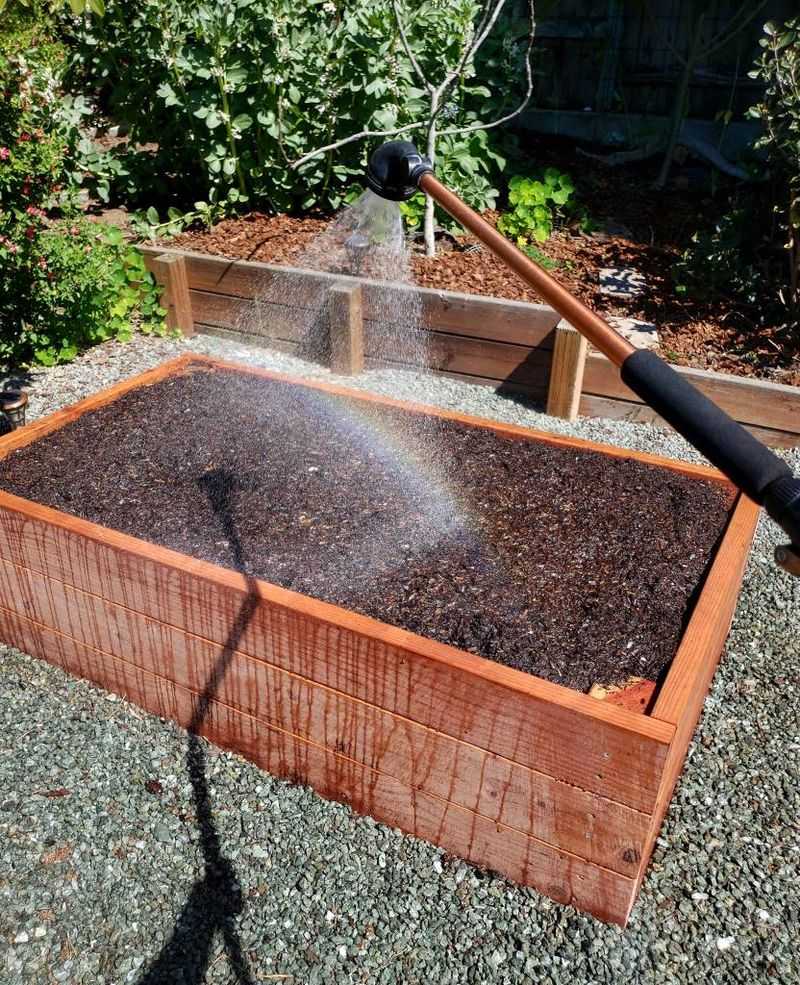
Watering before a freeze sounds backward. It turns out to be one of the smartest moves you can make this week. Moist soil holds and releases more heat than dry soil.
University extension services recommend watering a day or two ahead of a freeze, especially after a dry spell, because damp ground radiates warmth up toward plants overnight. Dry soil cools off much faster.
Plants also handle cold better when they are not thirsty. Drought-stressed leaves tend to suffer more freeze injury than well-hydrated ones.
Evergreen shrubs like rhododendrons and boxwoods especially benefit from a good soaking before winter, since they keep losing moisture through their leaves on sunny, windy days.
Timing matters here. Water in the morning or early afternoon so the surface has a chance to dry a bit before dark. You want moisture in the root zone, not ice coating the leaves.
Avoid overwatering, too. Western North Carolina clay soils drain slowly, and waterlogged roots struggle in cold weather.
Aim for a slow, deep soak around the base of plants. A soaker hose or watering wand set to a gentle shower does the job without splashing mud all over your leafy greens.
4. Porch Pots And Hanging Baskets Should Head Indoors Tonight
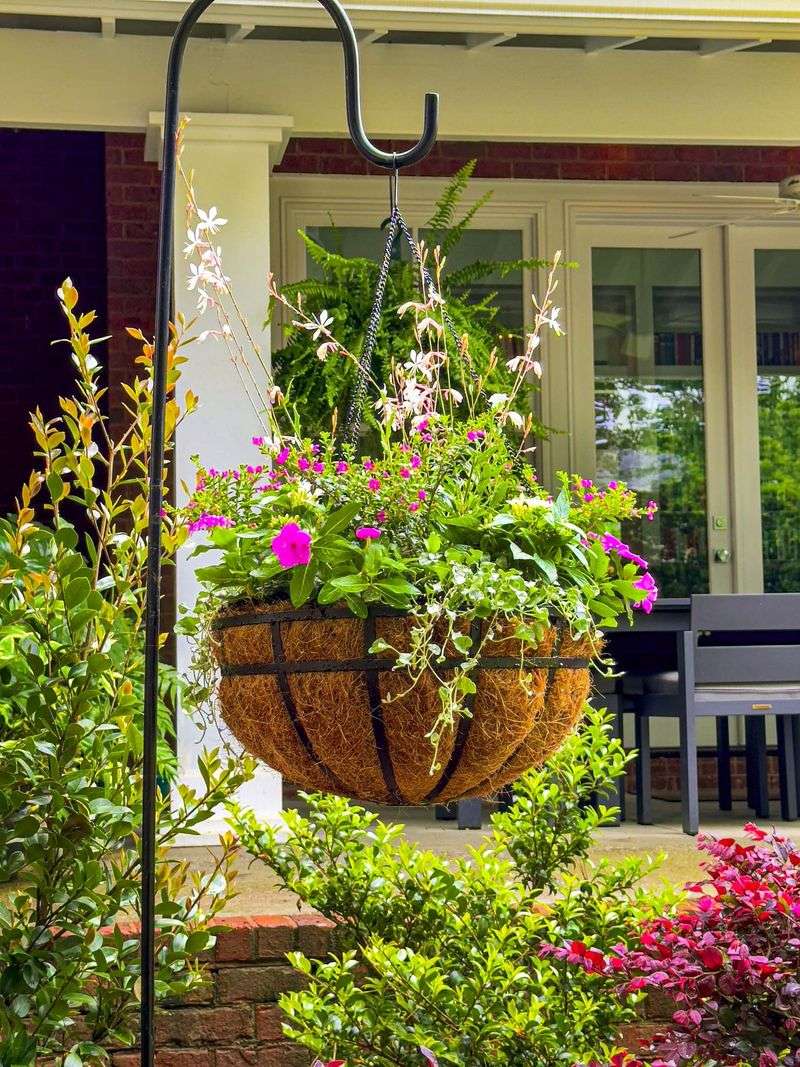
Containers have it rough in a freeze. Roots in a pot sit above ground with only a thin wall of plastic or clay between them and frigid air.
Plants in the ground get help from the earth itself, which stays warmer than the air. Potted plants miss out on that buffer, so their roots can freeze solid on a night when garden beds hold steady.
Move tender pots into a garage, shed, basement, or enclosed porch. Geraniums, begonias, ferns, and tropical plants like mandevilla all appreciate the shelter. An unheated space works fine for a night or two since it simply stays above freezing.
Got houseplants that spent the summer outside? Bring them in for good now. Check under leaves and around the soil for hitchhiking insects before they join your indoor collection.
Heavy pots can be grouped together against the house instead. Clustering them near a south-facing wall and wrapping them in burlap or an old blanket offers a surprising boost.
Empty terracotta and ceramic pots deserve attention as well. Water trapped in them can freeze, expand, and crack the clay. Tip them over or store them under cover until spring.
5. Green Tomatoes And Peppers Deserve One Last Harvest
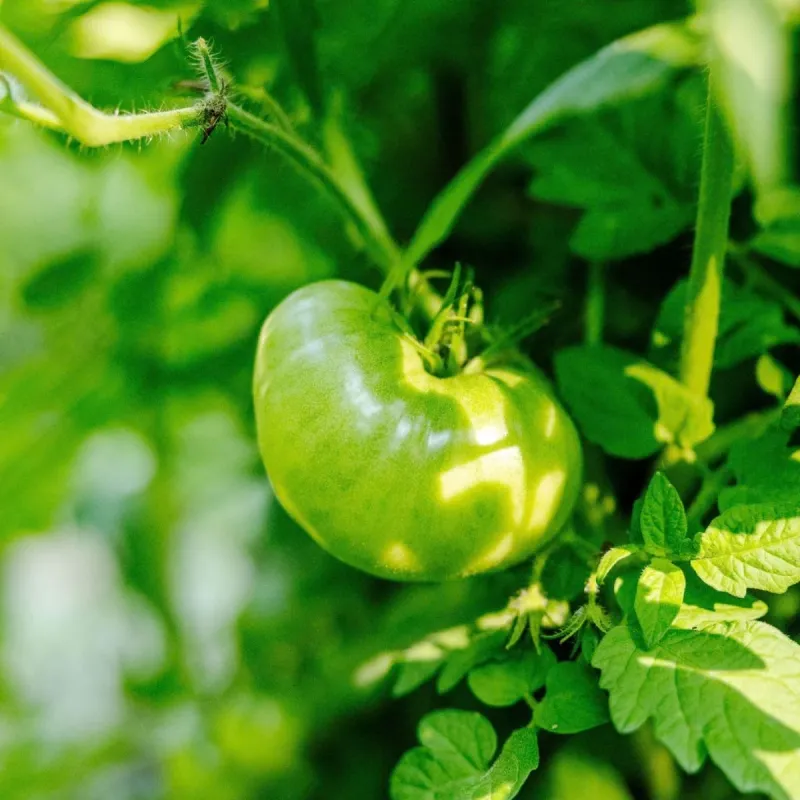
My kitchen counter turns into a tomato nursery every November. Rows of pale green fruit sit there, slowly blushing pink, and it feels like a small win against winter.
Anything you cannot cover should come inside before Friday night. Pick tomatoes, peppers, eggplant, squash, and beans now, because a hard freeze turns them mushy and unusable within a day.
Green tomatoes that have reached full size and show a slight color change at the bottom often ripen indoors. Spread them out in a single layer at room temperature, away from direct sun.
Tucking a ripe banana nearby adds ethylene gas, which nudges them along. Tiny, rock-hard green tomatoes rarely ripen well. Those are perfect for frying, relish, or chutney instead.
Basil deserves quick attention too. Leaves blacken even before temperatures hit freezing, so snip every stem today. Blend it into pesto and freeze it in ice cube trays for winter pasta nights.
Peppers store nicely in the fridge for a week or two. Hot peppers can be strung up to dry, giving you a colorful bit of decor and seasoning all winter long.
6. Kale, Carrots, And Collards Actually Get Sweeter After Frost
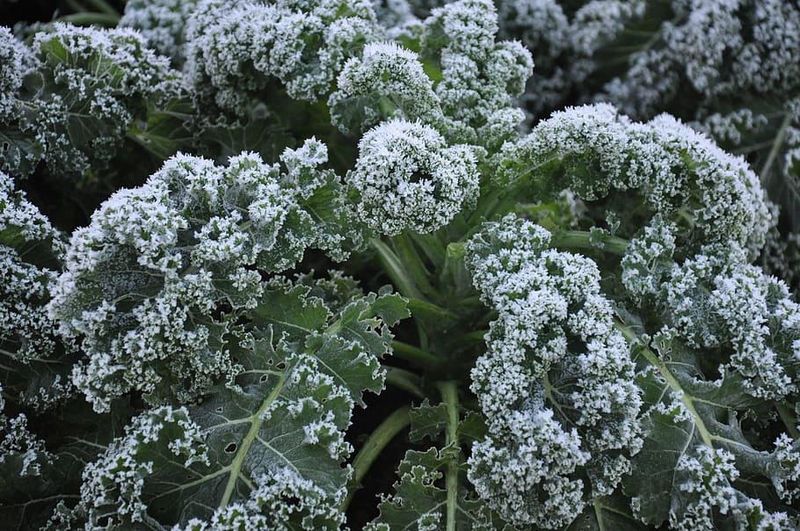
Some crops shrug at the cold. Kale, collards, cabbage, carrots, beets, and turnips can handle frost, and many taste better afterward.
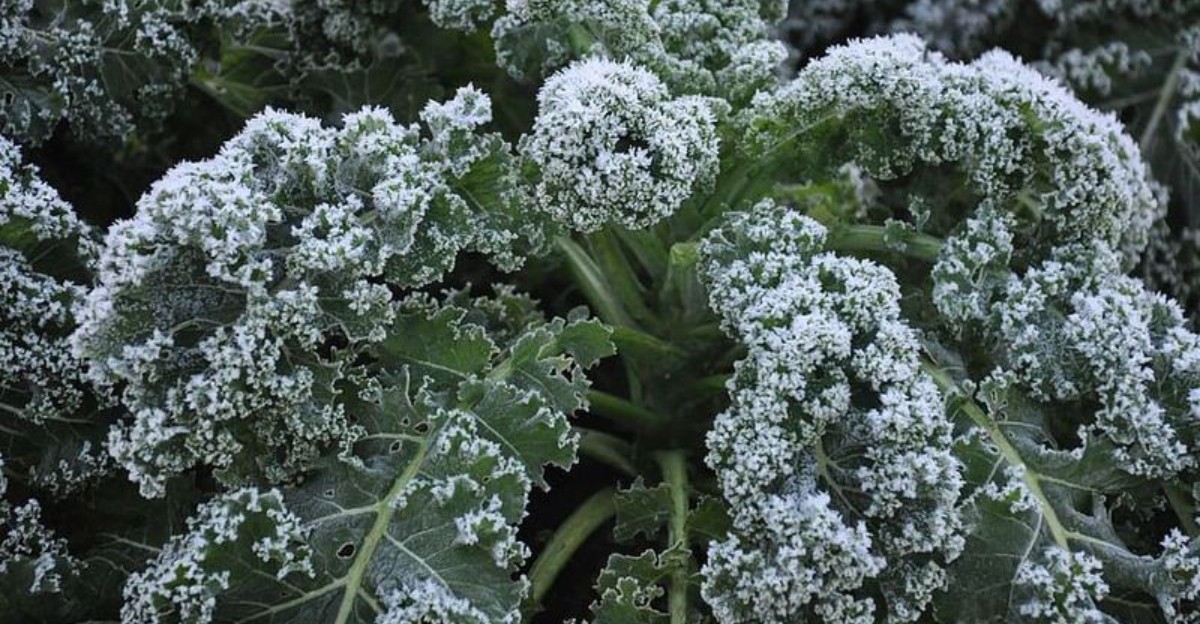
Plants convert stored starches into sugars as temperatures drop. Those sugars act a bit like antifreeze inside the cells, and they also give us sweeter carrots and milder greens. Southern cooks have known this about collards for generations.
Tolerance has limits, though. Kale and collards handle the low 20s fairly well, while lettuce, Swiss chard, and young broccoli may get damaged. A light cover on cold nights gives these semi-hardy crops a helpful edge.
Root crops have a sneaky advantage. Pile 6 inches or more of straw or shredded leaves over carrot and beet rows, and the soil stays workable longer. Many mountain gardeners keep pulling carrots into December this way.
Mark the rows with stakes before mulching. Finding buried carrots under a blanket of leaves in January is harder than it sounds.
One more tip from experience: wait to harvest frozen greens until they thaw on the plant. Picking leaves while still icy can bruise them, and the texture turns slimy in the kitchen.
7. Shredded Leaf Mulch Tucks Garden Beds In For Winter
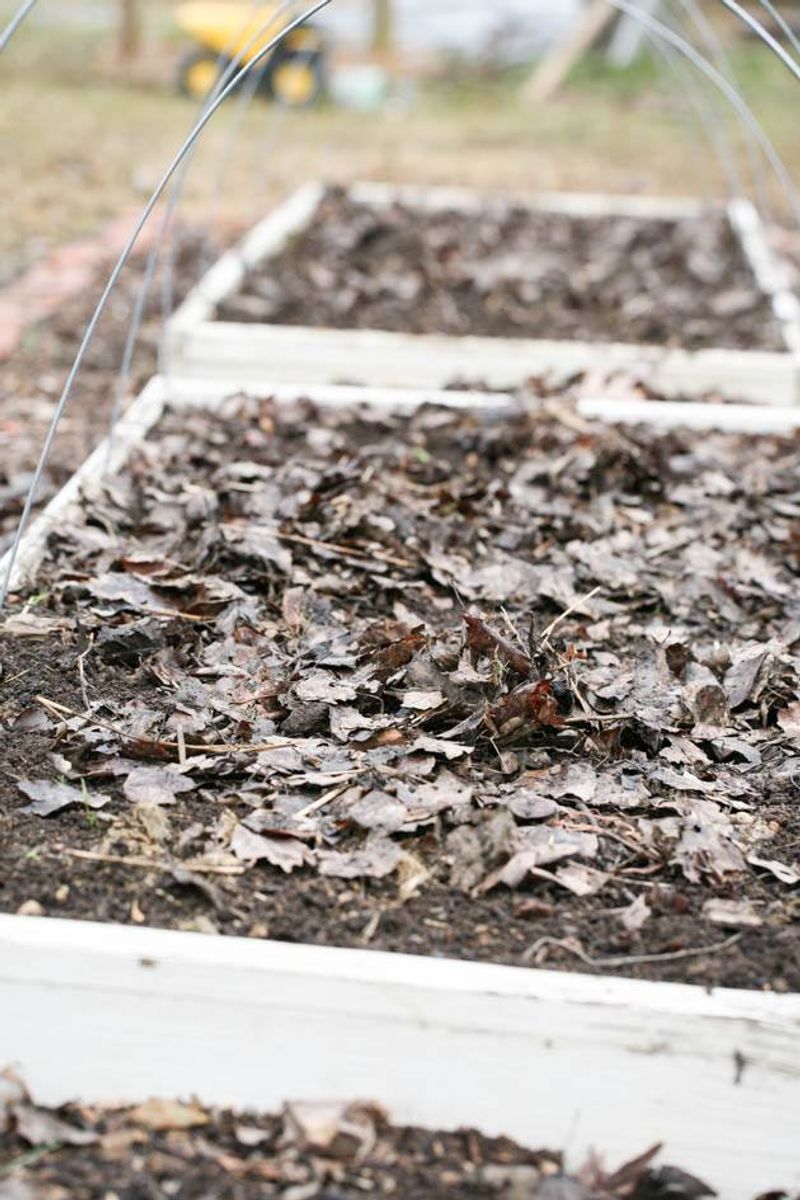
Fallen leaves are free garden gold. Asheville yards are full of them right now, and they make one of the best winter mulches around.
Run leaves over with a mower to shred them first. Whole leaves can mat down into a soggy layer, while shredded ones stay airy and break down faster. Spread 2 to 4 inches over empty beds and around perennials once the ground cools.
Mulch steadies soil temperatures and reduces frost heaving, which happens when soil freezes and thaws over and over. That heaving can push shallow-rooted perennials right out of the ground, a common headache in our up-and-down mountain winters.
Clean up thoughtfully before you mulch. Pull out plants that had blight, powdery mildew, or other disease so the problem does not overwinter in your beds.
Healthy stems can stay put. Coneflower and black-eyed Susan seedheads feed goldfinches, and hollow stems shelter native bees through winter. NC State Extension encourages this kind of gentle cleanup for pollinators.
Keep mulch a few inches away from tree trunks and shrub stems. Piling it against bark invites rot and gives voles a cozy hiding spot.
8. Drained Hoses And Oiled Pruners Make Spring Easier
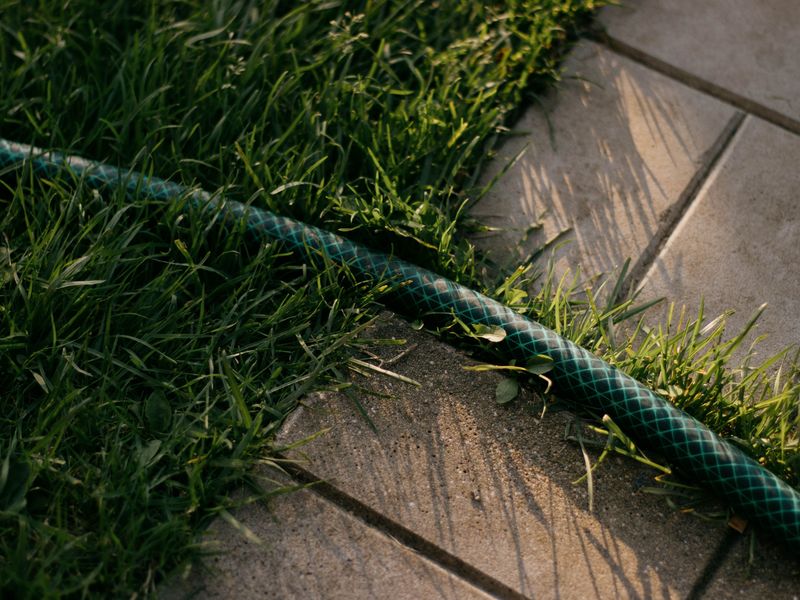
Nobody brags about winterizing a hose. Still, a split spigot or cracked pipe in January can turn into a pricey repair, so this chore earns its spot on the list.
Disconnect hoses from outdoor faucets before the weekend. A hose left attached traps water inside the spigot, and that water can freeze and burst the pipe behind the wall. Drain each hose, coil it, and store it somewhere sheltered.
Shut off indoor valves that feed outdoor lines if your home has them. Open the outside faucet afterward to let leftover water escape. Drip irrigation lines and timers should be drained and brought inside as well.
Rain barrels can crack too. Empty them or flip them upside down for the cold season. Tools deserve a little love next. Scrape off dried soil, wipe blades clean, and sharpen pruners and shovels. A light coat of vegetable or mineral oil keeps rust away until spring.
Finally, jot down notes on what grew well this year and which spots froze first. That little journal becomes a gift to your future self when seed catalogs start arriving in a couple of months.