A Fast Spreading Shrub Few Alabama Homeowners Recognize Is Quietly Taking Over Fence Lines
Every fall you drive past thickets that seem to grow overnight along back roads and fence lines. That fence-line shrub grew thicker without your help this year. You did not plant it, yet it multiplies fast.
Alabama yards hide this invader behind ordinary green walls. Bees swarm its blossoms while you quietly catch the scent. Berries ripen dark, and birds carry them across your property.
Birds spread its seeds far past any fence you built. Creek banks across Alabama struggle under its spreading roots.
Pastures near your land lose ground to this invader. Wooded lots you walk through grow strangely quiet.
Your neighbors likely have the same shrub, unnoticed. Nurseries once sold it as a foolproof privacy hedge.
Roads stay hidden behind walls you did not intentionally grow. Winter greenery convinces you this plant behaves itself.
Privacy screens like these hide a bigger problem near you. Neighborhoods watch it spread while nobody questions where it truly came from. This hedge hides a threat you cannot ignore now.
Why Chinese Privet Blends Into Alabama Fence Lines
Ask ten Alabama homeowners what that leafy wall along the property line is, and nine will guess a hedge somebody planted years ago. Chinese privet, known to botanists as Ligustrum sinense, is notably good at going unnoticed.
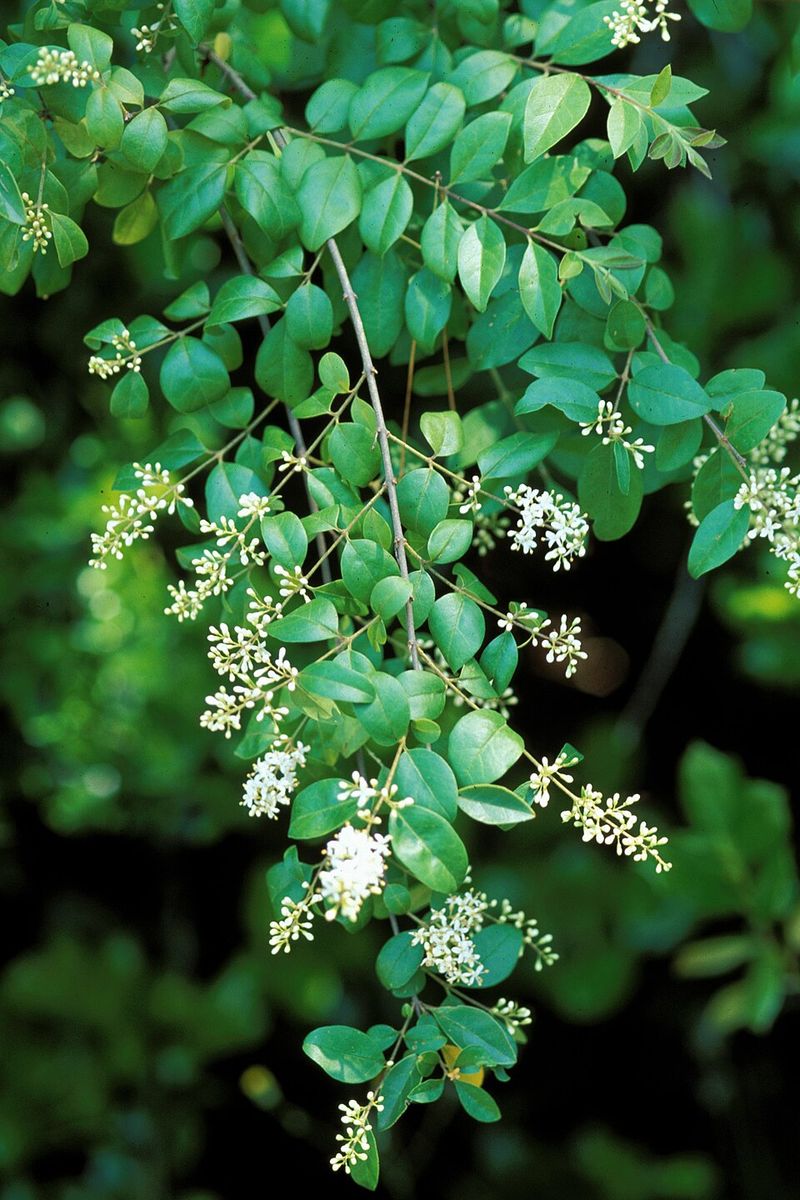
The shrub carries small oval leaves that sit directly across from each other on thin, arching stems. Those leaves stay green through much of an Alabama winter, which is exactly why it gets mistaken for an ornamental hedge.
Height is part of the disguise too. Left alone, privet can reach fifteen to twenty feet and look like a proper small tree rather than a weed.
Fence lines offer it ideal growing conditions. Mowers and tractors cannot reach the strip under the wire, birds perch on the posts and drop seeds, and the soil there stays undisturbed for years.
By September, the plant is easy to spot if you know what to look for. Clusters of small blue-black berries hang at the branch tips, and they hold on well into winter.
Crush a leaf and you get a faint, slightly bitter smell that native shrubs like viburnum do not share. The bark is smooth and gray with tiny raised dots, another quiet clue.
Here is a fun bit of history. Privet arrived in the United States in 1852 as a tidy landscape hedge, and it simply liked the Southeast better than anyone expected. Recognizing it early saves you years of work later on.
Spotting The Berries That Birds Spread All Over The Neighborhood
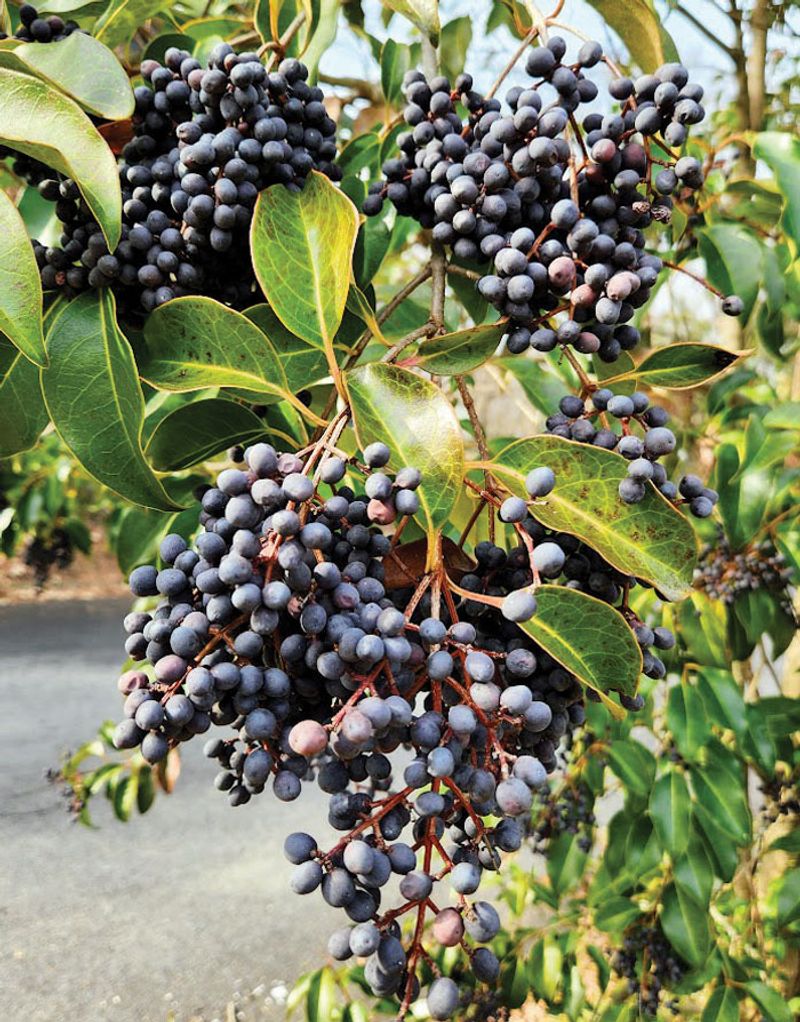
Those little berry clusters are the reason one shrub behind your shed becomes thirty shrubs along the creek. A single mature privet can produce far more fruit than most native shrubs its size.
Mockingbirds, cedar waxwings, and robins love them. The birds swallow the fruit, fly off, and drop seeds along fences, ditches, and woodland edges miles from the parent plant.
Your Alabama Garden Changes Every Week. Your Plan Should Too.
Gardening in Alabama changes quickly throughout the season. Every Friday you’ll receive a simple weekly plan showing exactly what to plant, prune, fertilize, harvest, and protect so you never miss the right timing.
September is when the berries firm up and darken. By October and November, flocks are moving through and actively spreading the seeds.
Water helps too. Heavy Alabama rains wash seeds down slopes and into creek bottoms, which is why privet thickets show up so thickly along stream banks in Jefferson, Tuscaloosa, and Baldwin counties.
The berries are not great food, either. Compared with native fruits like beautyberry or dogwood, privet berries are generally considered less nutritious, offering birds quantity over quality.
There is a practical takeaway here. If you clip the berry clusters off before the birds arrive, you slow the spread even if you are not ready to remove the whole shrub yet.
Bag the clippings rather than tossing them on the brush pile. Seeds can sprout from a pile that sits through a wet winter.
Keep pets and children from snacking on the fruit, since the berries can upset stomachs. Small steps in early fall make a real difference by spring.
How One Shrub Turns Into A Wall In Just A Few Seasons
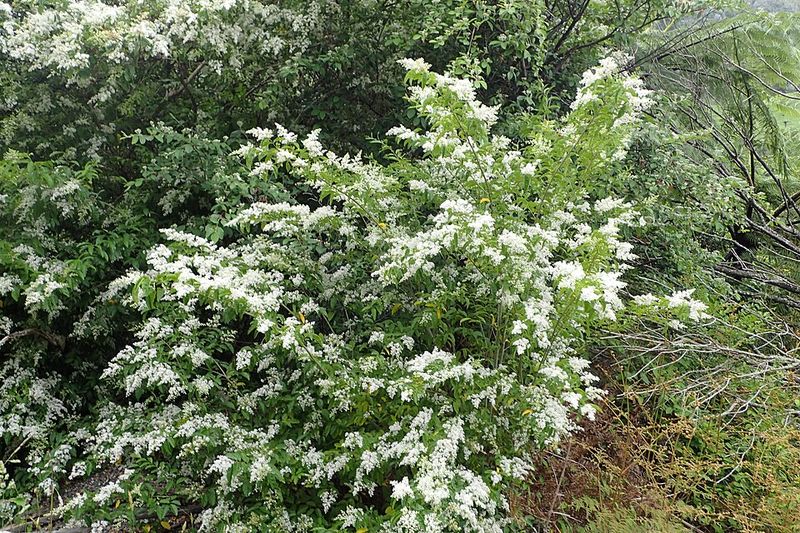
Speed is the thing that surprises people. A privet seedling that is ankle high in March can be waist high by the following summer under decent Alabama moisture.
Growth does not come from seed alone. Privet sends up root sprouts and layers itself when low branches touch soil, so one plant becomes a cluster without any seeds involved.
Cutting it back often makes the situation busier. Snip a stem at the ground and several new shoots push up around the stump within weeks.
That is how a tidy line of shrubs turns into a tangled thicket you cannot walk through. In parts of the Black Belt, privet has grown dense enough that cattle reportedly avoid entering affected pastures.
Shade is its secret weapon. Privet leafs out early and holds foliage late, casting deep shade that keeps oak and hickory seedlings from getting started underneath.
Once the canopy closes, wildflowers, ferns, and native grasses fade from the understory. Dense privet stands are widely documented to reduce understory plant diversity across the Southeast.
For a homeowner, the warning sign is simple. If you can no longer see daylight through the fence, the thicket stage has arrived.
Acting while stems are still thumb thick keeps the job manageable with hand tools. Waiting until trunks are as wide as your wrist usually means renting equipment. Walk your fence line twice a year and you will catch it early.
Telling Privet Apart From Native Shrubs You Want To Keep
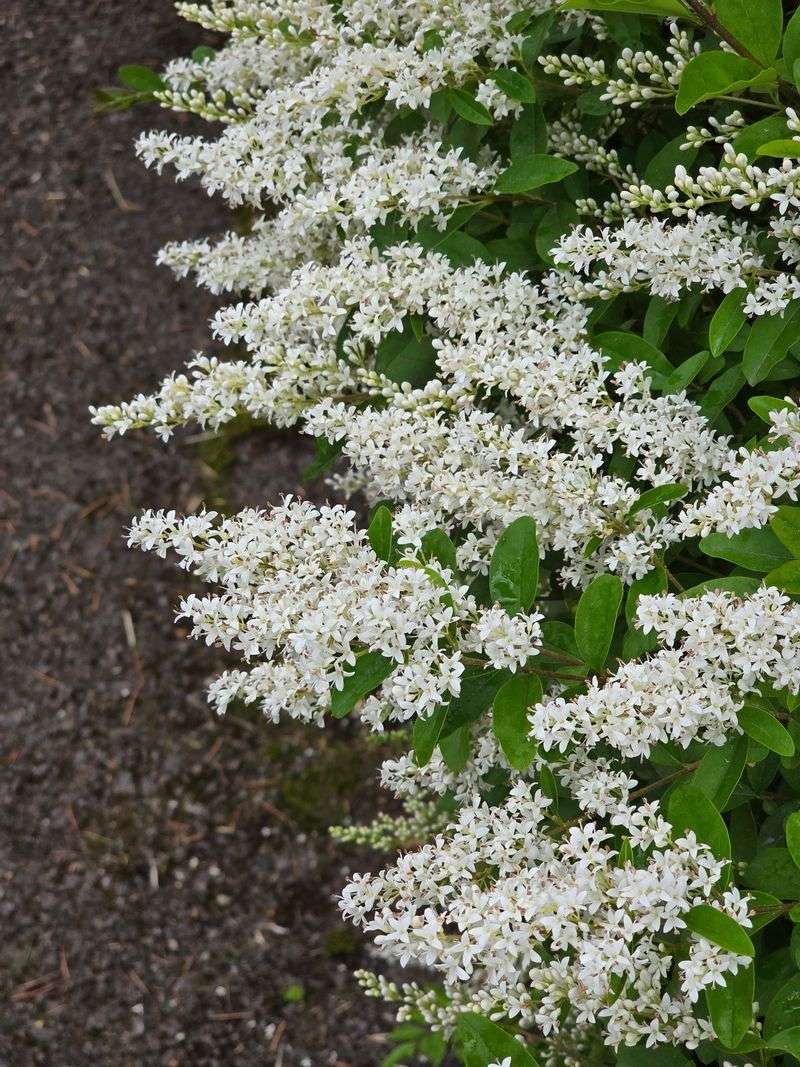
Before you reach for the loppers, make sure you are not about to remove something worth having. Several Alabama natives look similar enough to fool a quick glance.
Start with leaf arrangement. Privet leaves grow in opposite pairs, while wax myrtle and yaupon holly carry leaves that alternate along the stem.
Size and shape help next. Privet leaves are small, smooth edged, and oval, usually one to two inches long with a slightly shiny upper surface.
Native beautyberry has fuzzy, toothed leaves and those unmistakable bright purple berry clusters hugging the stem in fall. Nobody confuses the two once the fruit shows up.
Wax myrtle gives off a spicy, bayberry scent when you rub the leaves. Privet smells flat or faintly sour by comparison.
Arrowwood viburnum also has opposite leaves, but they are noticeably toothed along the edges and much larger. Privet edges stay smooth.
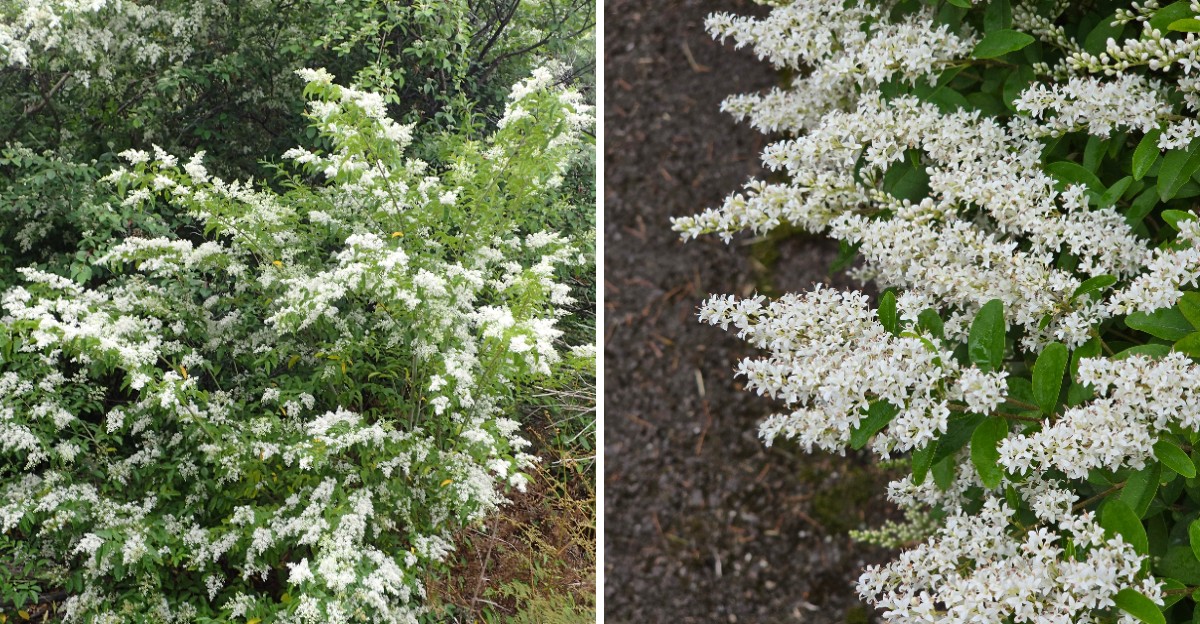
Flowers offer another checkpoint, though you will have to wait until spring. Privet blooms in fluffy white sprays around April and May with a heavy, sweet fragrance that can bother those with allergies.
Bark is your winter clue. Privet bark stays smooth and gray with pale speckles, and the twigs feel thin and springy.
Take a photo and compare it with the Alabama Cooperative Extension plant guides if you are unsure. A county extension office will identify a sample for free. Correct identification protects the good plants while you deal with the invasive one.
Smart Removal Timing For Alabama Yards This Fall
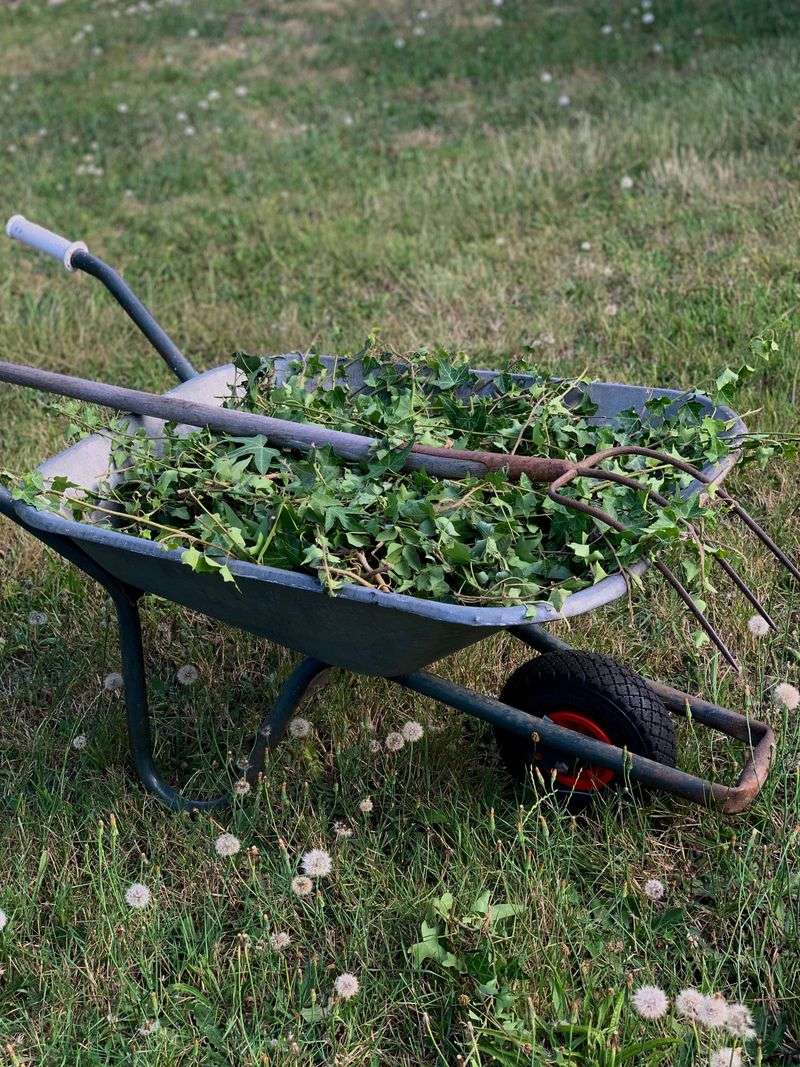
Autumn happens to be the sweet spot for tackling privet in Alabama. Native plants are winding down while privet keeps working, which makes it easier to see and easier to treat.
Small seedlings pull out by hand after a good rain. Grip low, rock the stem gently, and lift so the roots come along instead of snapping off.
A weed wrench or hand pruners handle stems up to about an inch. Get the root crown or the shoot will return with friends.
For thicker stems, the cut stump method is what forestry folks recommend. You cut the trunk close to the ground and treat the fresh surface promptly with an approved herbicide such as a glyphosate or triclopyr product.
Timing matters within the day. Treat the cut surface immediately, since the stump begins sealing itself within minutes.
Read the label carefully and follow it exactly, especially near ponds, wells, or vegetable beds. Some formulations are approved for use near water and others are not.
Wear long sleeves, gloves, and eye protection. Privet stems snap back hard when you release tension on a bent branch.
Plan on follow-up visits. Check the area in spring and again in late summer for new sprouts, and handle them while they are tiny.
If the thicket covers more than a quarter acre, calling a licensed applicator or a forestry consultant saves time and frustration. Patience over two seasons beats one labor-intensive weekend.
Better Fence Line Plants To Grow In Its Place
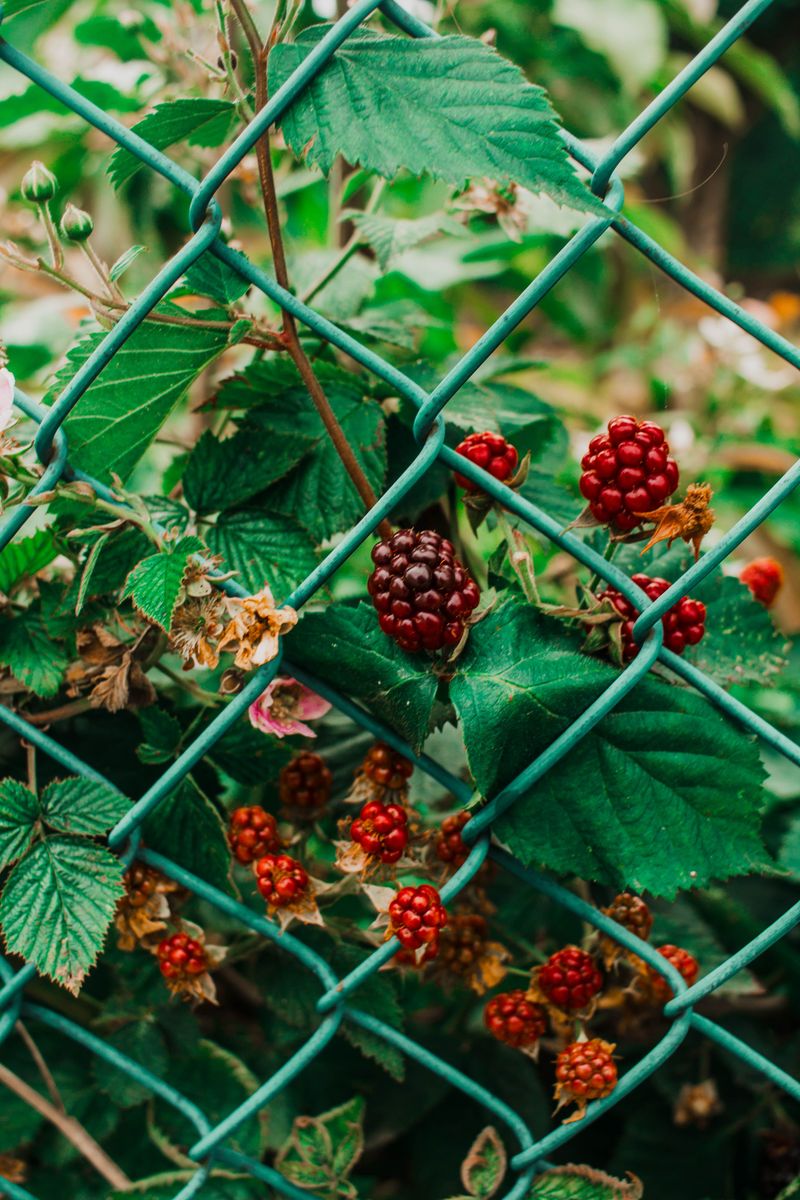
Clearing privet leaves a gap, and bare soil along a fence rarely stays bare for long. Filling that space with something you actually chose is the best insurance against a repeat invasion.
Wax myrtle is the workhorse for Alabama screening. It grows quickly, holds leaves year round, tolerates wet or dry ground, and smells pleasant when brushed.
Yaupon holly gives you a tidy evergreen with red winter berries that songbirds rely on. Dwarf varieties fit tight spaces along a driveway.
Oakleaf hydrangea, the Alabama state wildflower, brings big white summer blooms and burgundy fall color. It handles the shady side of a fence beautifully.
American beautyberry earns its keep in September and October with those neon purple fruit clusters. Mockingbirds strip them clean by December.
For a taller layer, consider native plum or serviceberry. Both flower early, feed pollinators, and stay a reasonable size near a property line.
Plant in October or November while soil is still warm and rain is more dependable. Roots settle in over winter and the plants face summer with a real head start.
Mulch two to three inches deep, keeping the mulch off the stems. Water weekly through the first year unless rainfall does it for you.
Walk the line each spring and pull any privet seedlings that sneak back. Birds will keep delivering seeds, so a five minute patrol is part of the routine. Your fence line becomes an asset rather than a problem.