7 Vegetables That Can Survive Pennsylvania’s First Frost
Most Pennsylvania gardeners treat the first frost as the official end of the growing season. Everything gets pulled, beds get cleared, and the garden goes dormant until spring.
But that first frost date is not the hard stop most people treat it as. Certain vegetables don’t just survive a light frost. They actually improve because of it.
Cold converts starches to sugars in certain crops, producing flavors that summer growing simply cannot replicate.
A frost-sweetened carrot or kale leaf pulled from a Pennsylvania garden in October or November is a genuinely different eating experience from the same vegetable harvested in August.
Knowing which vegetables can handle frost, and which can survive hard freezes with minimal protection, extends the Pennsylvania harvest significantly beyond what most homeowners think is possible.
1. Kale
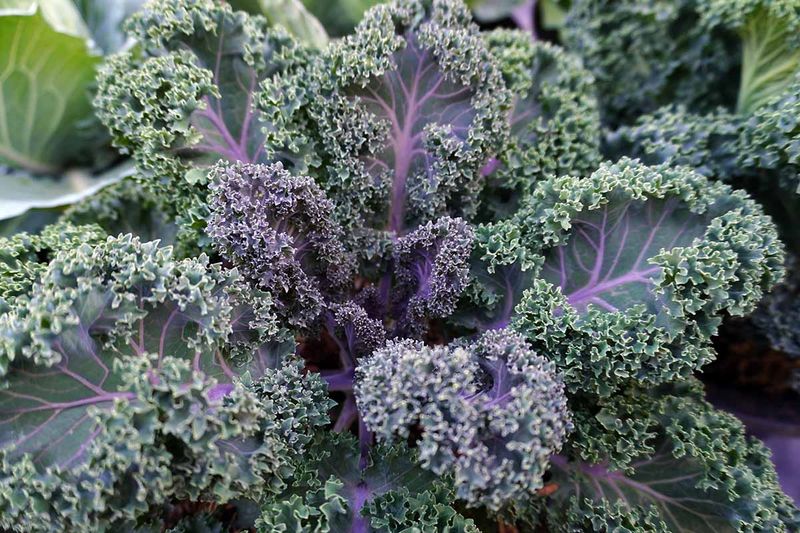
Frost lovers, meet your new best friend. Kale doesn’t just tolerate the cold, it actually gets better after a frosty night in the garden.
When temperatures dip, kale turns some of its stored starches into sugars. That means the leaves taste sweeter and less bitter once the chill hits.
Many Pennsylvania gardeners wait for the first frost on purpose before picking their kale. Growing it is simple.
Plant seeds in late summer, about eight weeks before your first expected frost. Give each plant enough room to spread out, since the leaves grow big and bushy. Water it steadily and it will reward you with a long harvest.
Kale can handle temperatures down into the low twenties without any trouble. Some tougher types even push through the snow and keep producing during warmer winter spells. Just pick the outer leaves and leave the center to keep growing.
You can toss kale into soups, bake it into crispy chips, or blend it into a smoothie. It packs a big punch of vitamins A, C, and K, which help keep you healthy during cold and flu season.
One handy tip is to mulch around the base of the plant with straw. This keeps the roots cozy and helps the plant last even longer into the season.
If you want a garden that keeps giving after summer ends, kale is a smart pick. It stays green and cheerful when most of the garden has gone quiet, and it fills your kitchen with fresh greens for weeks. Few vegetables are this reliable when the weather turns cold.
2. Spinach
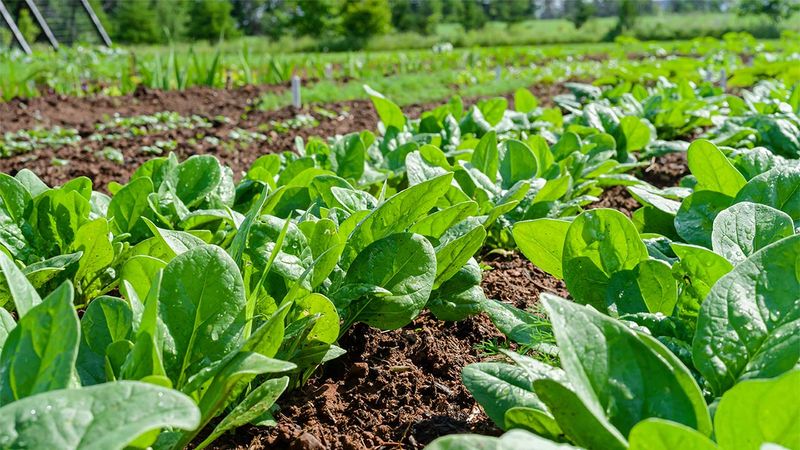
If any vegetable was born for cold weather, it’s spinach. This leafy green stays crisp and tasty even when frost paints the garden white.
Spinach grows fast and low to the ground, which helps it stay protected from harsh winds. The soil holds a little warmth, and the plant tucks itself close to it. Because of this, spinach can survive nights well below freezing.
For the best fall harvest, plant seeds in early September. Cooler weather actually suits spinach better than the heat of summer, when it tends to bolt and turn bitter. In autumn, the leaves stay tender and mild.
Your Pennsylvania Garden Changes Every Week. Your Plan Should Too.
Gardening in Pennsylvania changes quickly throughout the season. Every Friday you’ll receive a simple weekly plan showing exactly what to plant, prune, fertilize, harvest, and protect so you never miss the right timing.
A neat trick many gardeners use is planting spinach in fall and covering it with a light layer of leaves or a row cover.
The plants go quiet during the coldest weeks, then spring back to life once things warm up. This gives you an early crop next year too.
Harvesting is easy. Snip the outer leaves and the plant will keep making more from the center. Baby spinach leaves are perfect for salads, while larger ones work great cooked into pasta, eggs, or soups.
Spinach is loaded with iron, fiber, and folate, so it does your body a lot of good. It’s one of those crops that feels like a reward for keeping your garden going late into the year.
Give spinach steady moisture and rich soil, and it will hand you fresh greens long after the summer plants have faded. For chilly Pennsylvania autumns, few vegetables are as dependable or as delicious as this one.
3. Carrots
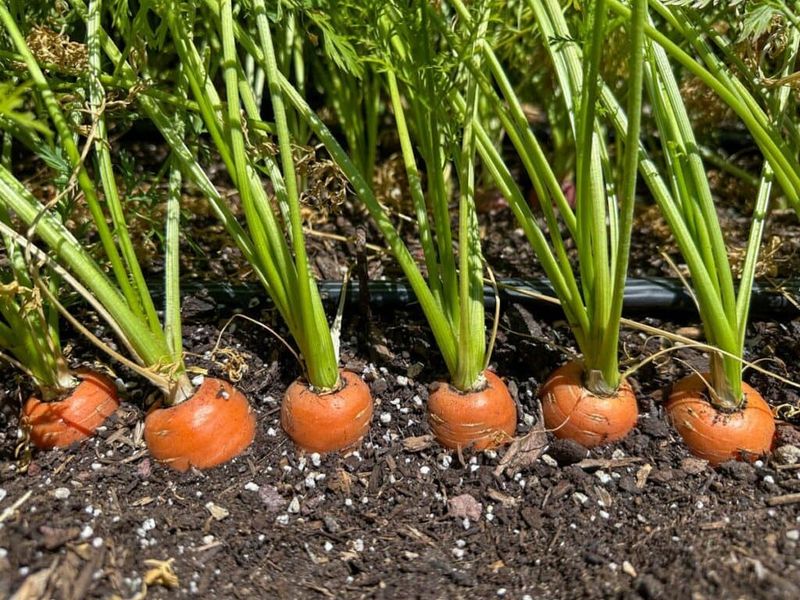
Here’s a fun garden secret. Carrots that grow through a frost often taste sweeter than any you’ll find in a store.
The magic happens underground. When cold weather arrives, carrots store extra sugar in their roots to protect themselves. That sugar turns each bite crisp, sweet, and full of flavor.
The tops of the plant might get nipped by frost, but the roots stay safe beneath the soil. Carrots can handle several frosts without any harm, which makes them a great choice for fall gardens in Pennsylvania.
To grow them, plant seeds in mid to late summer. Carrots take a while to mature, so give them plenty of time before the ground freezes solid. Loose, sandy soil helps the roots grow long and straight.
One clever tip is to cover your carrot patch with a thick layer of straw once cold weather sets in. This keeps the ground from freezing hard, so you can pull fresh carrots even in December. It’s like having a natural refrigerator right in your yard.
When harvest time comes, loosen the soil with a fork before pulling. This keeps the roots from snapping. Brush off the dirt, and they’re ready for the kitchen.
Carrots are wonderful roasted, added to stews, or eaten raw as a crunchy snack. They’re rich in beta carotene, which is great for your eyes.
Growing carrots into the fall stretches your garden season and rewards you with the sweetest roots of the year. Once you taste a frost-kissed carrot, you may never go back to the regular kind again.
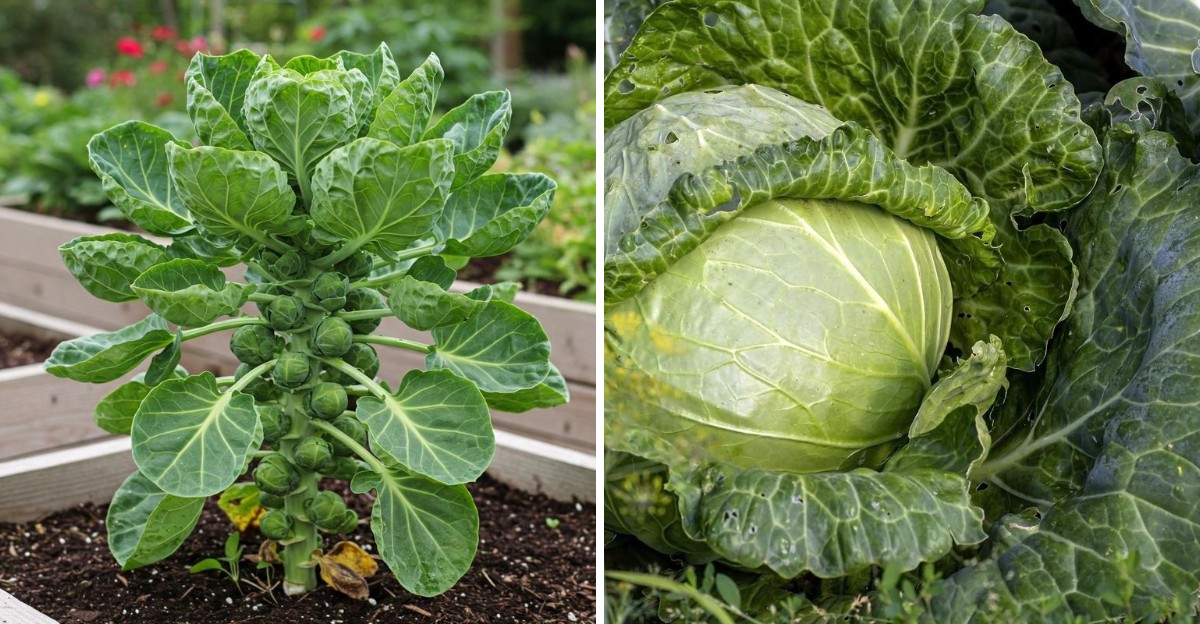
4. Brussels Sprouts
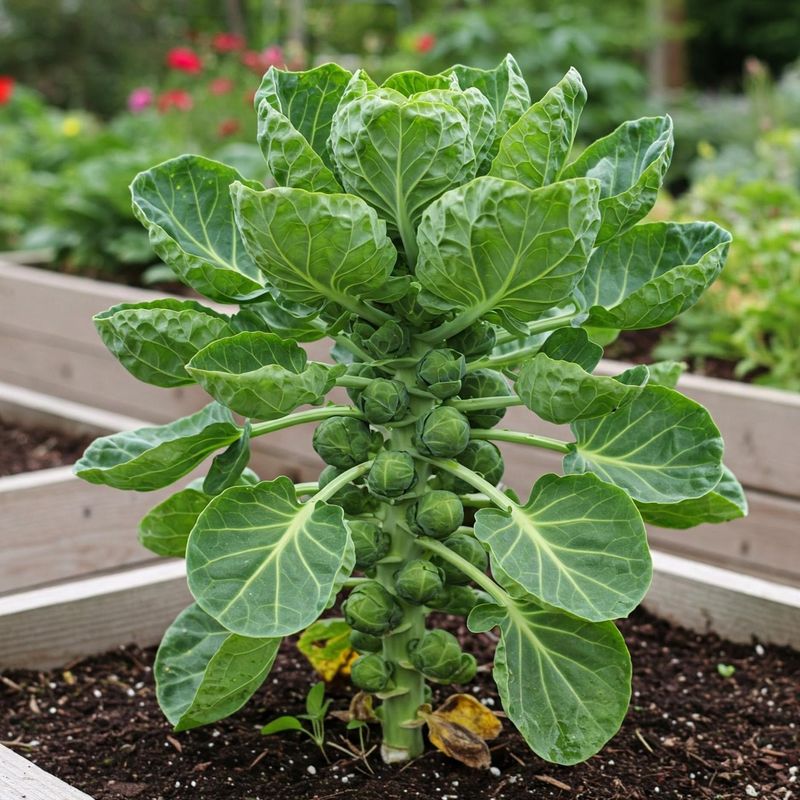
Brussels sprouts are the marathon runners of the fall garden. They take their sweet time growing, but the payoff after a frost is absolutely worth the wait.
These little green orbs grow along a tall central stalk, packed together like tiny cabbages. Cold weather is exactly what they crave. A good frost softens their flavor and cuts the bitterness that turns some people away.
Because they need a long growing season, start your plants early. Set seedlings out in late spring or early summer so they have plenty of time to mature by fall. They can be slow, but patience pays off.
Brussels sprouts stand up to temperatures in the low twenties with ease. Many gardeners leave them in the ground and pick sprouts as needed, working their way up the stalk. The lower sprouts ripen first, so start at the bottom.
A helpful trick is to remove the very top of the plant a few weeks before harvest. This tells the plant to put its energy into the sprouts instead of growing taller, giving you bigger and more even results.
When cooking, try roasting them with a little oil until the edges turn crispy and golden. That brings out a nutty, sweet taste that even picky eaters enjoy. They’re also tasty shredded raw into a crunchy salad.
Packed with fiber and vitamin C, Brussels sprouts are as healthy as they are hearty. Watching a frosty morning make them taste better feels like a little garden miracle.
For a crop that keeps giving deep into the cold season, these sturdy stalks are hard to beat.
5. Broccoli
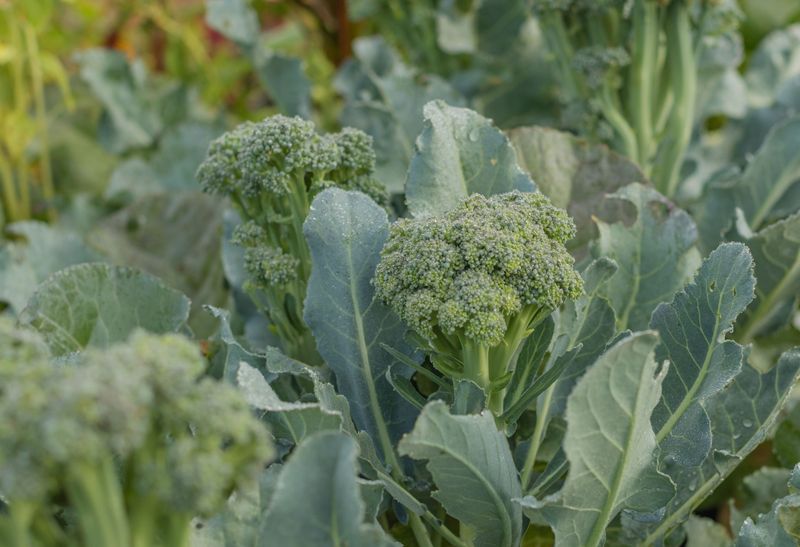
Cool weather brings out the best in broccoli. While summer heat can make it bolt too fast, autumn’s crisp air helps it form tight, tasty heads.
Broccoli handles frost like a champ. A light freeze can even sweeten the flavor a bit, making your fall harvest more delicious than a summer one. That’s a nice bonus for gardeners in Pennsylvania.
To grow a fall crop, set out transplants in mid to late summer. Give each plant plenty of space, since broccoli likes room to stretch. Rich soil and steady water help it grow big, healthy heads.
Here’s something many beginners miss. After you cut the main head, don’t pull the plant. Smaller side shoots will keep growing, giving you a second and even third round of harvests. Those little florets are just as good as the big one.
Broccoli can take temperatures down into the mid twenties without complaint. Covering it with a row cover on the coldest nights helps stretch your harvest even further into the season.
When it comes time to eat, broccoli is wonderfully flexible. Steam it, roast it, stir fry it, or eat it raw with dip. It’s loaded with vitamin C, fiber, and other nutrients that keep you feeling strong.
Watch the heads closely as they grow. Once the buds are tight and green, it’s time to cut. If you see little yellow flowers starting, harvest right away before they open.
With its love of chilly days and its habit of producing again and again, broccoli earns a proud spot in any fall garden.
6. Cabbage
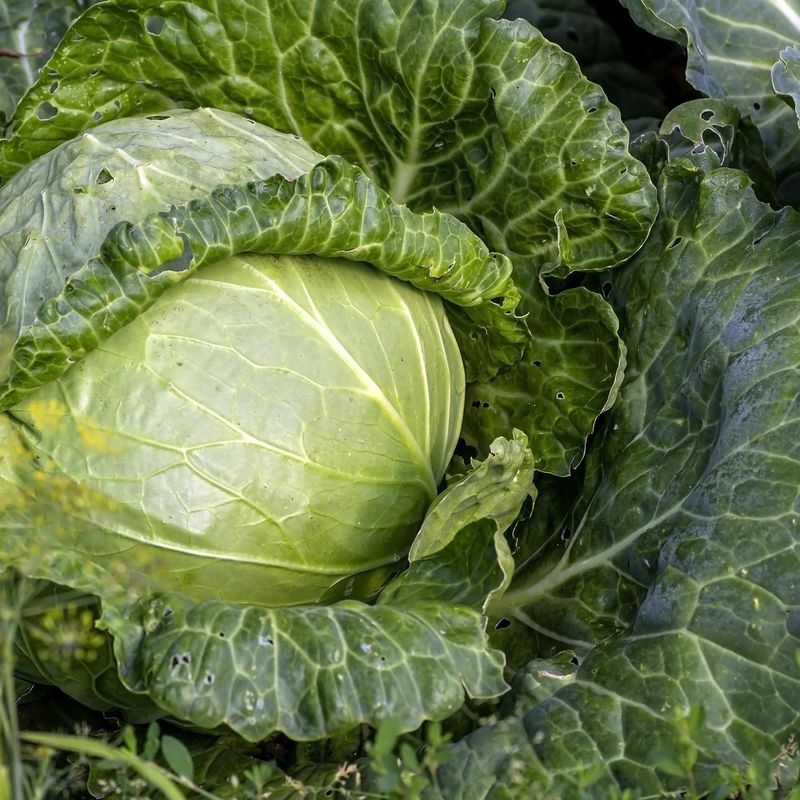
Sturdy and dependable, cabbage is a classic cold weather crop that has fed families for centuries. It handles frost with hardly a shrug.
Those thick, layered leaves work like a built in coat, protecting the plant from freezing temperatures.
Cabbage can survive nights well below freezing, and cooler weather actually helps the heads grow firm and sweet.
Start seeds in mid summer for a fall harvest. Cabbage likes rich soil and plenty of water to form a big, solid head. Keep an eye out for hungry caterpillars, which love the leaves as much as we do.
One tip worth knowing is that cabbage grows best when the weather stays cool and steady. The crisp autumn air in Pennsylvania creates just the right conditions for tight, heavy heads full of flavor.
You can leave cabbage in the garden through several frosts. When you’re ready, cut the head off at the base. Sometimes small new heads will sprout from the leftover stem, giving you a little extra bonus later on.
Cabbage stores well too. Kept in a cool, dark place, a head can last for weeks. That makes it a great crop for stretching your homegrown food into winter.
In the kitchen, cabbage is endlessly useful. Shred it for coleslaw, toss it into soups, or cook it down for hearty meals. It’s also the star of homemade sauerkraut.
Full of vitamin C and fiber, cabbage is as good for you as it is easy to grow. For a fall garden that keeps producing through the frost, this tough and tasty crop is a true winner.
7. Leeks
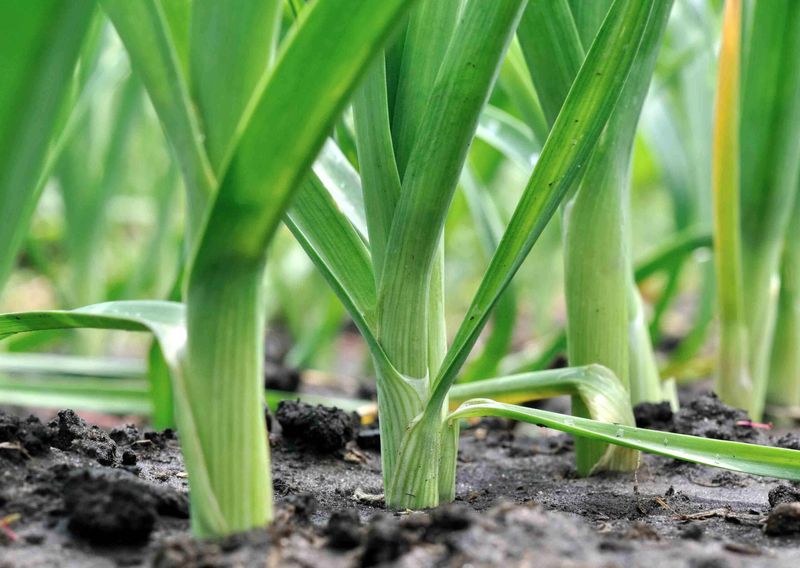
Often overlooked, leeks are one of the toughest vegetables you can grow in a Pennsylvania fall garden. They stand tall and strong even when the cold rolls in.
These mild cousins of the onion look like giant green scallions. Their long white stalks have a gentle, sweet flavor that shines in soups and stews. Best of all, they barely notice a frost.
Leeks are famous for handling deep cold. Many gardeners leave them in the ground all winter and harvest them fresh whenever they need one. A layer of mulch around the base keeps the soil workable even during freezing weeks.
Growing leeks takes patience. Plant them early in the season, since they need a long time to reach full size. As they grow, mound soil around the stalks. This trick, called blanching, keeps the lower part white and tender.
When it’s time to harvest, dig around the base and lift the whole plant. Rinse well, because dirt can hide between the tightly packed layers. Then trim off the roots and tough green tops.
Leeks bring a soft, buttery onion flavor to the table. They’re the heart of potato leek soup and add gentle depth to almost any dish. Sautéed slowly, they turn sweet and silky.
They’re also a good source of vitamins and fiber, adding both taste and nutrition to your fall meals.
For gardeners who want something reliable that keeps standing through the frost, leeks are a fantastic choice. They quietly hold their ground while everything else fades, ready whenever you want a fresh harvest.