Why Are Louisiana Camellias Blooming Weeks Before They Should
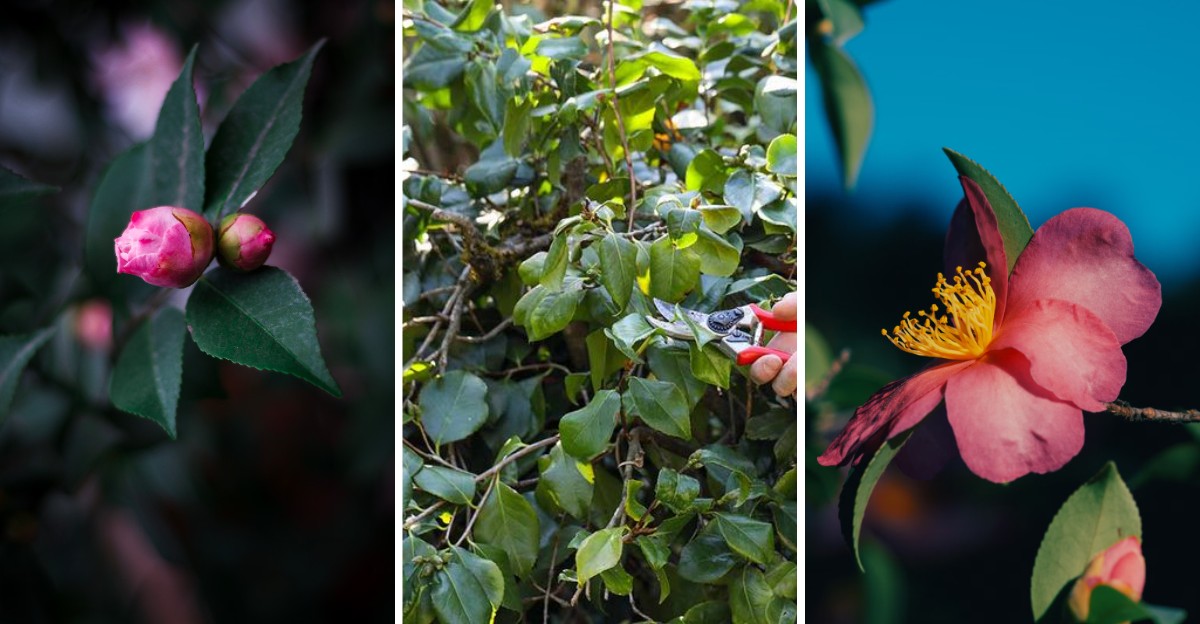
Blooms are breaking early across Louisiana, and nobody warned you. Your shrubs shouldn’t be flowering yet, but here they are. Neighbors keep asking about your early blooms.
Gardeners swap photos, all stunned by your premature color. Weather swings alone can’t explain your shift. Watering habits push your buds toward early wake. Soil chemistry quietly rewrites your plant’s internal clock.
Pruning choices from your summer resurface now, unexpectedly. Louisiana adds its own humid twist to this pattern. Temperature dips at night trick shrubs into confusion.
Stress from drought can trigger surprising early bud break. None of this happens by accident. Each factor layers onto the next, building momentum. You need to know whether this harms your plants.
Light exposure changes how buds set their clocks. Humidity levels this fall are wildly inconsistent. Answers arrive once you notice the pattern. Stay with this, because the real reasons behind it will surprise you.
1. A Hot, Soggy Summer Followed By A Sudden Cool Snap
Camellias keep an internal calendar, and weather is the pen that writes on it. When Louisiana bakes through a long humid stretch and then drops fifteen degrees over a weekend, buds read that shift as the starting gun for fall.
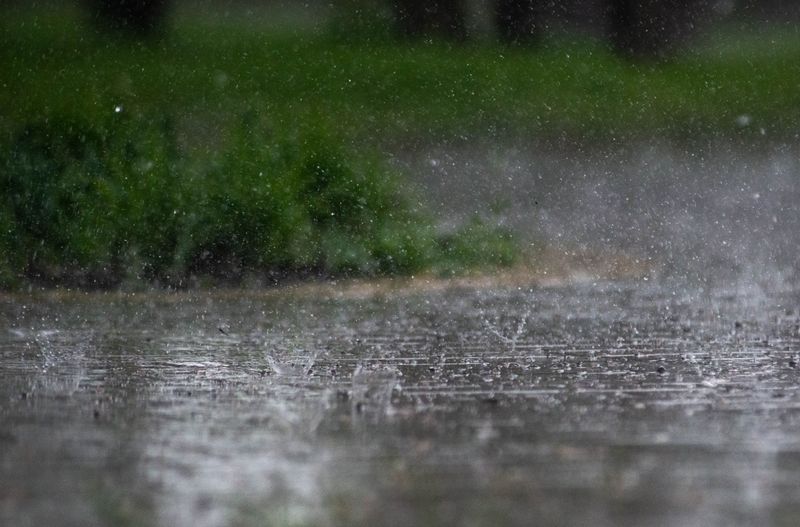
The plants are not confused so much as opportunistic. A cool front paired with steady rain mimics the exact conditions camellias normally feel in late October.
Gulf Coast gardeners have watched this pattern for years. A tropical system rolls through, humidity spikes, then a dry northern breeze slides in behind it.
That one-two punch triggers hormones inside the flower buds that had been sitting tight since midsummer. Once those hormones move, the bud swells and there is no putting it back to sleep.
Sasanqua types react fastest because they are already wired for autumn flowering. Japonica varieties usually hold out longer, but a strong September cool-down can coax a few early ones open anyway.
What should you do about it? Honestly, not much beyond enjoying the show. Keep the root zone evenly moist so the plant is not fighting drought stress while it flowers.
A two-inch layer of pine straw helps buffer soil temperature swings that make the situation worse.
Fun bit of history: camellias are believed to have arrived in Louisiana sometime in the 1800s from Asia, where mild damp winters are normal. Our climate flirts with those conditions far earlier in the year, which is part of why the timing feels scrambled.
2. Sasanqua Varieties Were Built For Early Fall Anyway
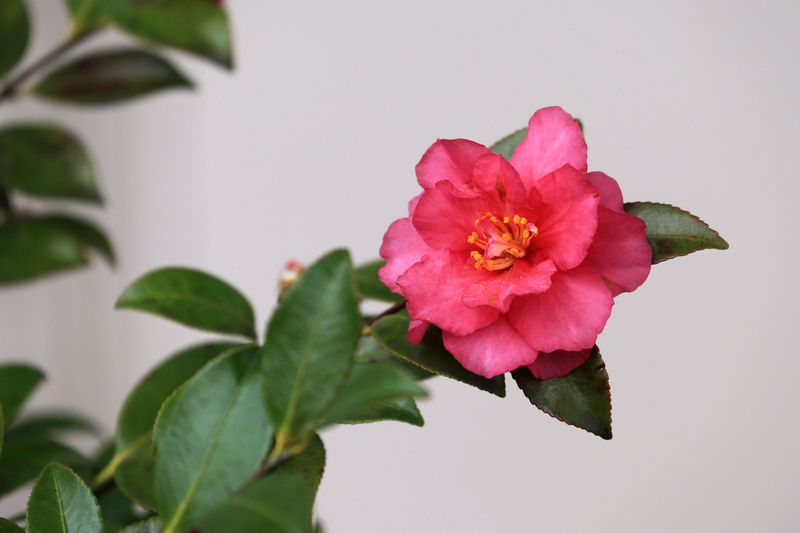
Here is a twist that surprises a lot of folks: some camellias are not early at all, they are right on time and simply misjudged. Camellia sasanqua naturally opens from September through December, while Camellia japonica handles the December through March shift.
If your shrub has smaller leaves and looser, slightly ruffled petals, you likely have a sasanqua doing exactly what it was bred to do.
Nurseries across Louisiana sell both types side by side, often with faded tags. Ten years later the homeowner has no idea which one is planted by the mailbox.
Your Louisiana Garden Changes Every Week. Your Plan Should Too.
Gardening in Louisiana changes quickly throughout the season. Every Friday you’ll receive a simple weekly plan showing exactly what to plant, prune, fertilize, harvest, and protect so you never miss the right timing.
A quick check helps. Sasanqua leaves usually measure under two inches and feel thinner, and the flowers drop petal by petal rather than falling as a whole bloom.
Japonica leaves are broader, thicker, and glossier, and the spent flowers plop to the ground in one piece.
Popular sasanqua names in the region include Shishi Gashira, Yuletide, and Mine No Yuki. Several of these routinely start flowering before Halloween decorations go up.
Knowing which type you own changes how you care for the plant. Sasanquas take more sun, handle pruning right after flowering, and rarely need coddling.
Japonicas want afternoon shade and a lighter touch. Mixing up the two leads to unnecessary worry in September and disappointment in February.
Snap a photo of a leaf next to a coin and ask a local extension agent. Identification takes about thirty seconds and settles the debate for good.
3. Drought Stress Can Push Buds Open Ahead Of Schedule
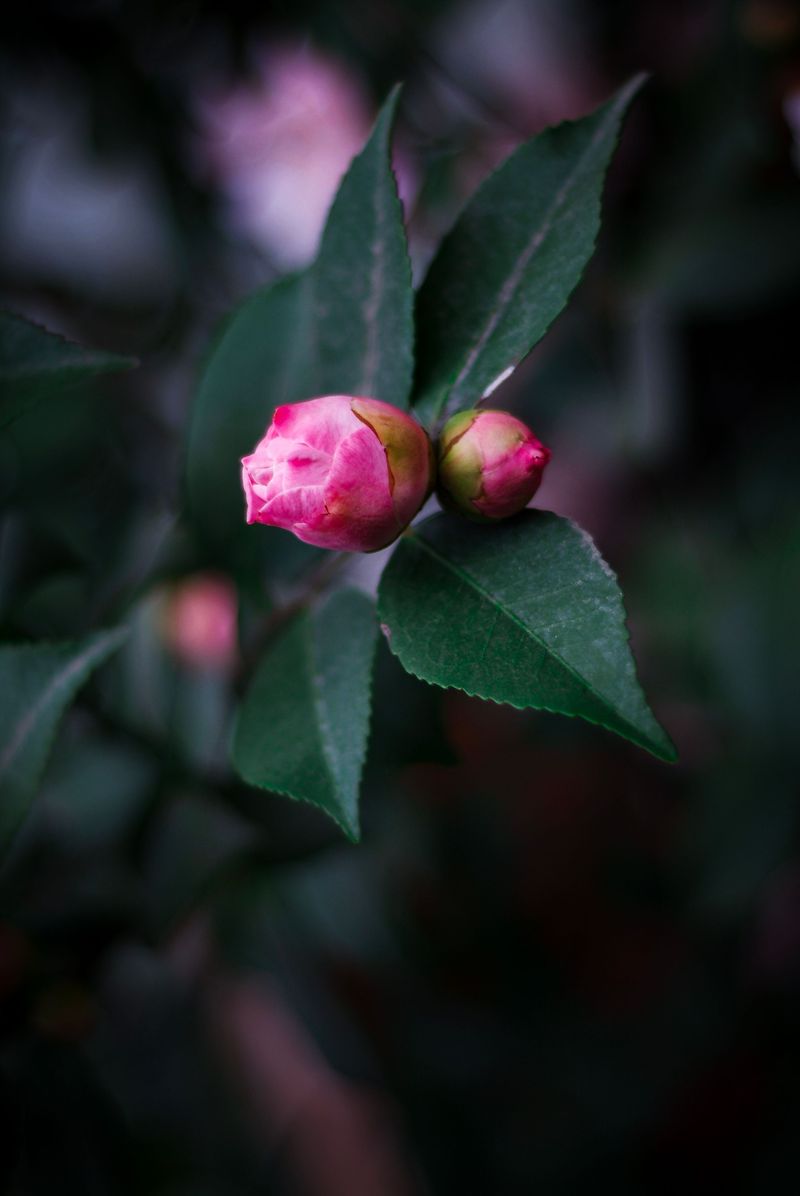
Plants under pressure often rush to reproduce. When a camellia spends August with cracked, thirsty soil, it can read that hardship as a signal to flower while it still has resources.
Louisiana summers swing hard between flooding downpours and three-week dry spells. Camellias sit in that whiplash all season.
Shallow roots make the problem worse. Camellias keep most of their feeder roots close to the surface, so a hot week without rain hits them quickly.
Watch for leaves that look dull rather than glossy, or edges that curl slightly upward. Those clues show up days before any bloom weirdness starts.
Deep, slow watering beats a daily sprinkle. Let a hose trickle at the base for twenty minutes once or twice a week, aiming for moisture that reaches six inches down.
A screwdriver pushed into the soil tells you plenty. If it slides in easily, moisture is fine, and if it fights you, water.
Mulch does heavy lifting here. Pine straw, pine bark, or chopped leaves spread three inches thick hold humidity in the root zone and keep soil from cooking.
Leave a small gap around the trunk so bark stays dry and comfortable. One caution worth repeating: stressed plants that bloom early often produce smaller, shorter-lived flowers.
Steady moisture through September and October gives you fuller blooms later and a healthier shrub going into winter. Consistency matters more than volume with these shrubs.
4. Too Much Nitrogen Fertilizer Affects The Timing
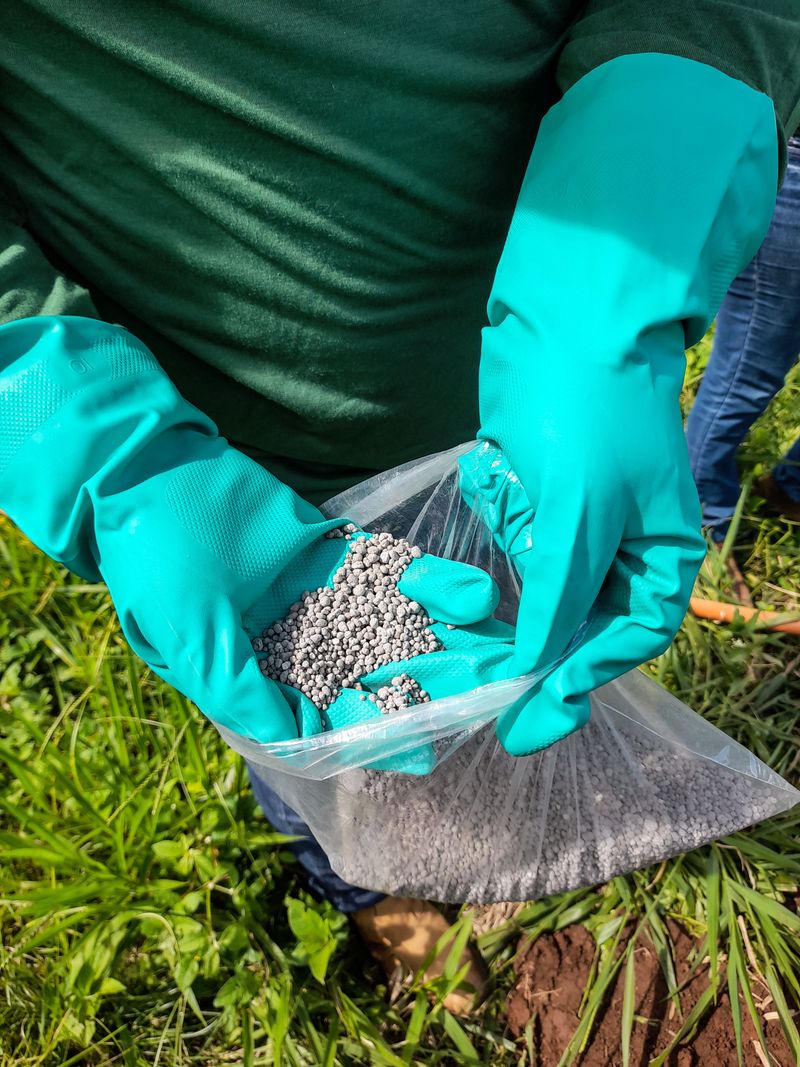
Lawn fertilizer is the sneaky culprit in a surprising number of camellia mysteries. Those high-nitrogen blends spread across St. Augustine grass drift into nearby shrub beds and throw the whole system off.
Nitrogen pushes leafy growth first, then the plant delays flowering to catch up. The result is a shrub with lush foliage and buds that open at odd moments.
Timing of feeding matters as much as the formula. Feeding camellias after midsummer encourages tender new shoots that compete with bud development.
In Louisiana, the safer window runs from March through early June. After that, put the bag away and let the plant settle.
Look for a fertilizer labeled for azaleas and camellias, since those blends carry lower nitrogen and include the acid-forming ingredients these shrubs prefer. A slow-release option spread thinly beats a heavy dose.
Follow the rate on the label rather than eyeballing it. More is genuinely not better with acid-loving shrubs.
If you suspect lawn runoff is reaching your beds, build a slight berm or widen the mulched area. Even a foot of buffer cuts down on drift.
Watering deeply after any fertilizer application also helps move salts past the shallow feeder roots.
Curious detail: camellias evolved in lean, acidic forest soils where nutrients trickle in slowly from decaying leaves. Dumping rich fertilizer on them is a bit like handing a marathon runner three desserts before the race.
5. Warm Nights Are Shifting The Bloom Clock
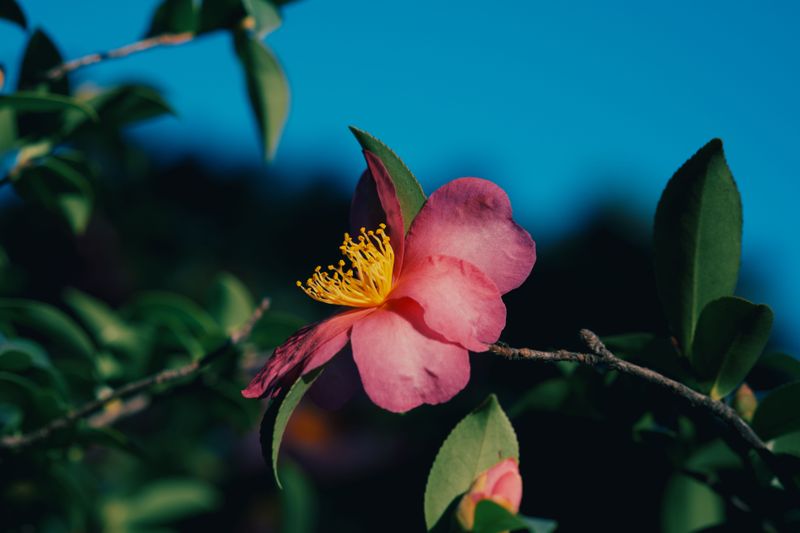
Daytime highs get all the attention, but nighttime lows do the real work for flowering shrubs. Camellias track the gap between warm days and cool nights to decide when buds should swell.
Across south Louisiana, overnight temperatures have been trending milder, which shortens the chill cue plants rely on.
Cities feel this most sharply. Concrete, asphalt, and rooftops in Baton Rouge or New Orleans soak up heat all day and release it after dark.
A camellia planted three feet from a brick wall experiences a different microclimate than the same variety out in an open field.
Pay attention to where your shrubs sit. West-facing beds against a house heat up the most, while north and east sides stay noticeably cooler.
Moving a struggling potted camellia to the east side often fixes erratic bloom timing within a season.
For in-ground plants, shade helps. High limbs from oaks or pines filter afternoon sun and drop those night temperatures by a few degrees. Camellias grew for centuries under exactly that kind of canopy in their native forests.
Here is a practical tip worth trying: keep a cheap outdoor thermometer near your camellia bed and check it at sunrise for a few weeks. Comparing those readings to your local forecast shows how far your microclimate drifts from the official numbers.
That data helps you decide whether to relocate, add shade, or simply relax and let the shrub do its thing.
6. Pruning At The Wrong Time Disrupts Bud Development
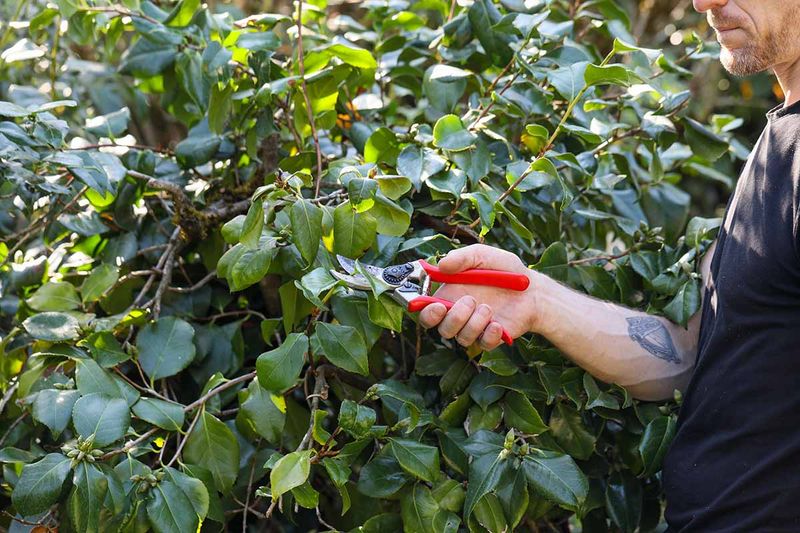
Grab the shears in August and you may accidentally reschedule your whole flowering season. Camellias set next year’s buds during late spring and early summer, so summer cuts remove the very growth that was supposed to bloom.
What remains often responds with rushed, uneven flowering. The right window opens right after a shrub finishes blooming. For sasanquas that means winter, and for japonicas it means early spring.
Pruning then gives the plant a full season to build strong wood and set buds calmly. Heavy shearing causes another problem worth mentioning. Cutting a camellia into a tight ball creates a dense outer shell that blocks light and air from the interior.
Buds inside get weak, and the outer ones open out of sync with each other. Thinning works better than shearing. Reach inside and remove a few older branches at their base, which opens the canopy without triggering a stress response.
Three or four well-chosen cuts often do more good than an hour of clipping. Use clean, sharp bypass pruners and wipe the blades between plants. Ragged cuts invite trouble that shows up months later as weak growth.
A friendly reminder for September: resist the urge to tidy up right now, even if the shrub looks shaggy.
Let it flower, watch which branches perform well, and make your notes for the proper pruning window ahead. Patience this month pays off with a fuller display next year.
7. Soil pH Drift Throws Off Nutrient Uptake
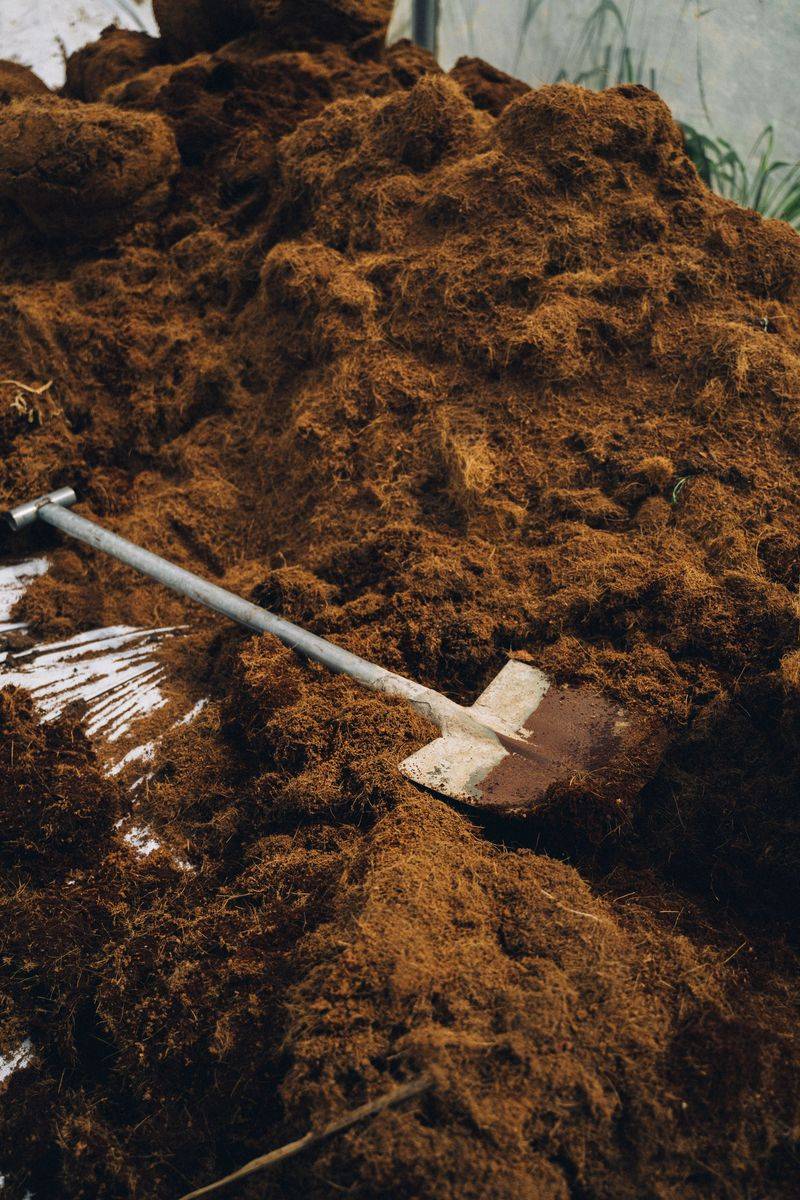
Yellowing leaves with green veins are the classic sign that soil chemistry has wandered. Camellias want acidic ground, roughly between pH 5.0 and 6.5, and Louisiana soils drift upward over time.
Concrete foundations, driveway runoff, and hard tap water all nudge the number higher. When pH climbs, iron and manganese lock up where roots cannot reach them.
The shrub then struggles to fuel normal bud development and may flower at unusual times or produce fewer petals.
Testing is simple to arrange. The LSU AgCenter offers soil analysis services, and home kits give a rough reading in minutes.
Collect samples from several spots around the root zone, mix them, and let the results guide you rather than guessing.
Lowering pH takes patience. Elemental sulfur applied in small amounts over a couple of seasons works gradually and safely. Pine straw mulch helps too, adding a mild acidity as it breaks down year after year.
Coffee grounds get recommended constantly online, and they do contribute a little, though the effect is modest. Think of them as a small supporting player rather than the main fix.
Watch the water you use as well. Municipal water in some areas can run alkaline, so collecting rainwater in a barrel gives your camellias something closer to what they enjoyed in their forest homeland.
Small adjustments compound. A season of steady care usually brings leaf color and bloom timing back toward normal.
8. Young Plants And Nursery Stock Often Flower Off-Cycle
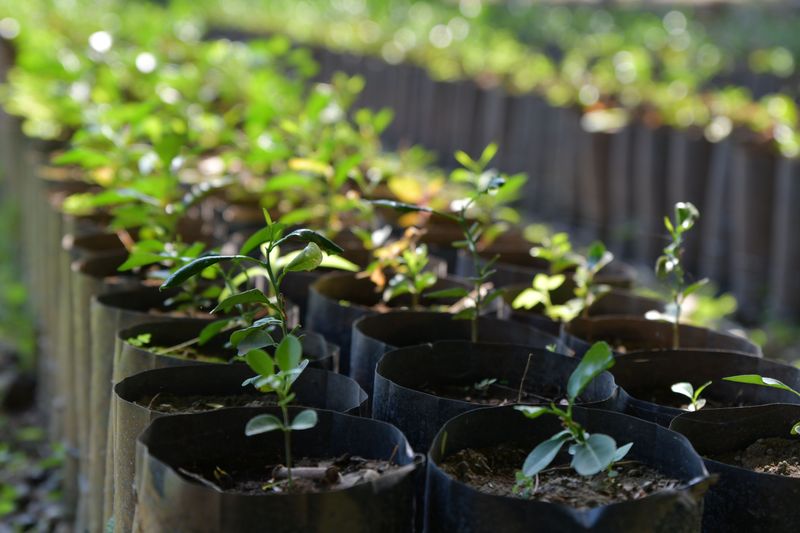
Ever buy a camellia in full flower in September and wonder how the nursery managed it? Growers use controlled greenhouses, careful shading, and timed feeding to bring plants into bloom for the selling season.
Once that shrub lands in your yard, its internal schedule stays scrambled for a year or two. Container-grown plants also experience root conditions very different from open ground. Pots heat up quickly, dry out fast, and hold roots in a tight circle.
All of that adds stress signals that can trigger flowering earlier than a settled, established shrub would. Give new plants time. Most camellias need two or three seasons in the ground before they find a consistent rhythm.
The first year after planting is about roots, not flowers, so do not panic if the timing looks strange. Plant slightly high when you install one, with the top of the root ball an inch above grade.
Camellias struggle when sitting in soggy clay, and Louisiana clay holds water like a bowl. Loosen any circling roots before backfilling so they spread outward.
Water regularly through the first two summers, then ease off as the shrub establishes. Mulch generously, skip the fertilizer for the first few months, and let the plant settle in.
A little background note: Alabama and Louisiana had thriving camellia breeding programs in the mid-1900s, when Gulf Coast gardeners traded cuttings enthusiastically. That legacy is still visible in some cultivars sold today.