This Camouflaged Caterpillar Is Hiding In Plain Sight On Alabama Citrus And Herbs
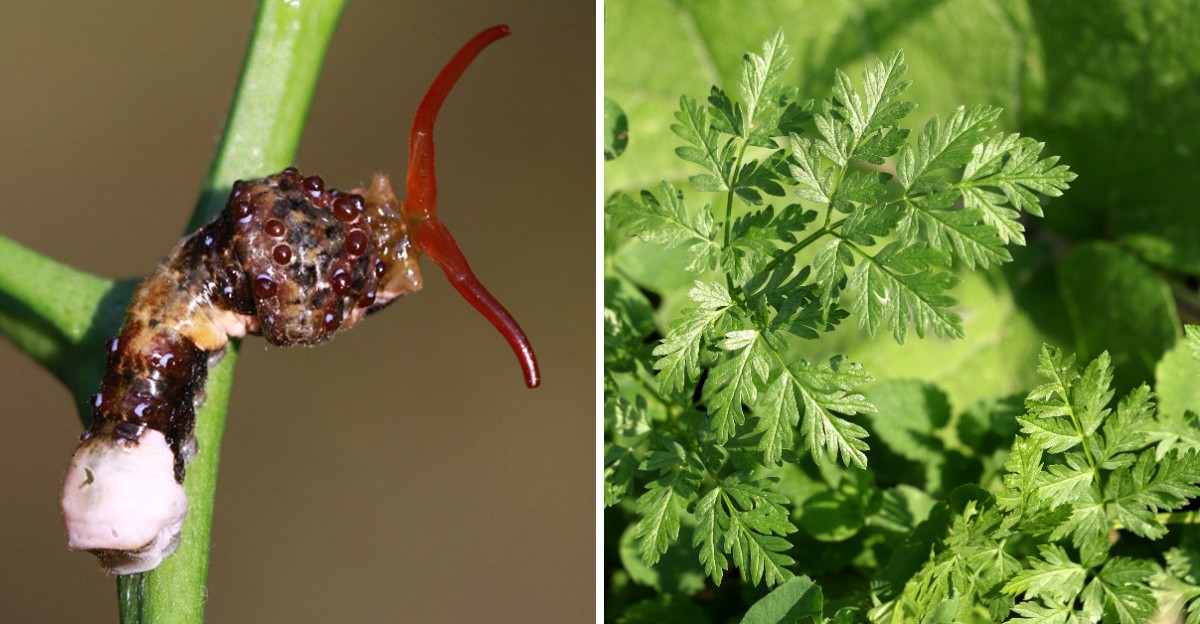
That brown blob on your basil leaf just blinked. Bird droppings simply do not move like that. Southern gardens across Alabama hide clever tricksters few people notice. This insect wears feces as flawless camouflage.
Its posture even mimics fresh droppings when threatened. Gardeners often walk right past it without ever noticing its presence. Closer inspection reveals tiny legs and a hungry mouth.
Your basil leaves carry the evidence in ragged holes. Humid Alabama summers let this creature feed undisturbed for weeks at a stretch. Few gardeners realize what hides beneath that shiny shell.
Patience rewards anyone willing to watch it closely all season. Understanding its disguise changes how you see the garden.
Eventually this creature transforms into a butterfly, surprising many gardeners. Some gardeners even welcome this insect once they learn its role.
Curiosity now pulls you closer than caution could manage. You will not look at your garden the same way again.
The Gardener’s Best Disguise Artist
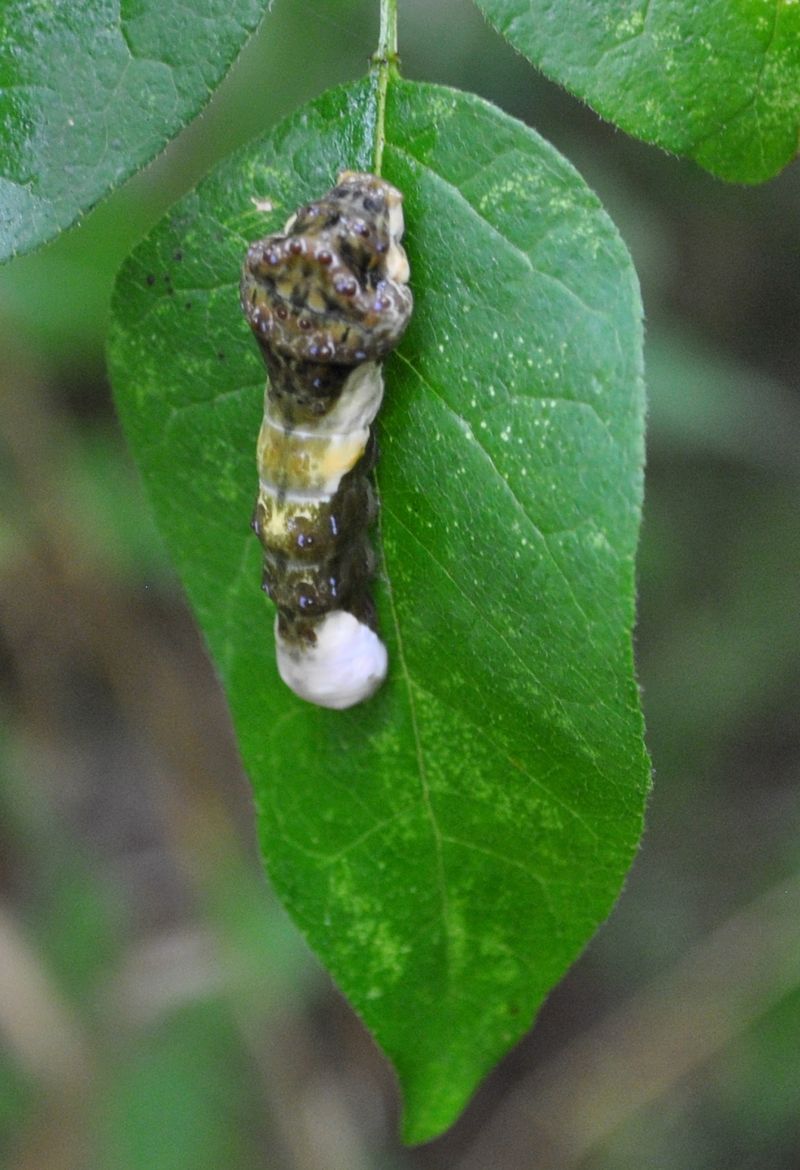
Nature rarely hands out a costume this convincing. The young giant swallowtail caterpillar looks exactly like a splat of bird droppings, complete with a shiny brown body and irregular white saddle markings.
The trick works because birds, lizards, and wasps have no interest in eating waste. A hungry predator glances at the leaf, sees something unappetizing, and moves along.
Scientists call this style of camouflage masquerade, which is different from blending into the background. Instead of hiding, the caterpillar pretends to be an object no one wants.
It even behaves the part. Rather than tucking itself under foliage, it perches boldly on the upper surface of a leaf where bird droppings would naturally land.
Younger caterpillars lean hard into the glossy look, and the shine mimics the wet appearance of fresh droppings. As they grow, the pattern stretches and becomes lumpier, with mottled brown, cream, and gray patches.
Size gives them away eventually. A full-grown larva can stretch past two inches, which is a suspiciously large deposit for any songbird.
Alabama gardeners often discover them in September while harvesting or pruning, when the caterpillars are at their biggest and easiest to notice. That late-season timing catches people off guard, since many assume caterpillar season wrapped up in July.
Once you recognize the shape, you start spotting them everywhere. Friends who garden nearby will suddenly report the same strange lumps on their plants, and the mystery unravels quickly.
Why Citrus Trees Top Its Menu
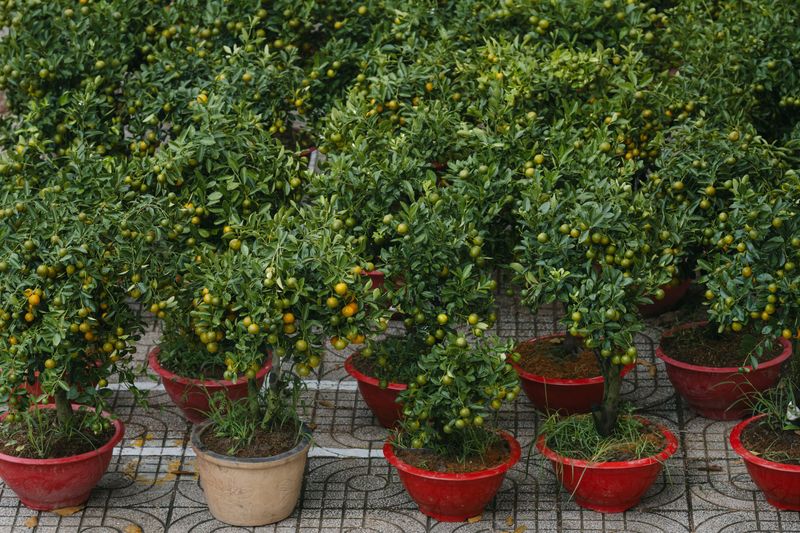
Ask any Gulf Coast citrus grower about orange dogs and you’ll likely hear a familiar complaint. That nickname belongs to this caterpillar, earned from generations of feeding on orange, lemon, lime, grapefruit, and satsuma trees.
Citrus leaves contain aromatic oils that many insects avoid. This species evolved to handle those compounds, turning a defended plant into a private buffet with little competition.
Backyard citrus, especially satsumas and Meyer lemons, has grown more common in pots or protected spots along the southern half of Alabama. More citrus means more host plants, and the butterflies have noticed.
Your Alabama Garden Changes Every Week. Your Plan Should Too.
Gardening in Alabama changes quickly throughout the season. Every Friday you’ll receive a simple weekly plan showing exactly what to plant, prune, fertilize, harvest, and protect so you never miss the right timing.
Damage usually shows up as ragged, half-eaten leaves near branch tips. Tender new growth gets hit first because it is softer and easier to chew.
Mature trees shrug this off. A healthy six-foot satsuma can lose a scattering of leaves without any real setback to fruit production.
Young trees and small container plants are the ones worth watching. A sapling with only two dozen leaves can get stripped noticeably if several larvae settle in at once.
September feeding tends to be heavy because caterpillars are racing to finish growing before cooler weather arrives. That urgency makes them chew faster and grow visibly larger within days.
A quick weekly leaf check handles the problem before it grows. Lift a few branches, look along the upper leaf surfaces, and count what you find.
Herb Garden Favorites It Quietly Visits
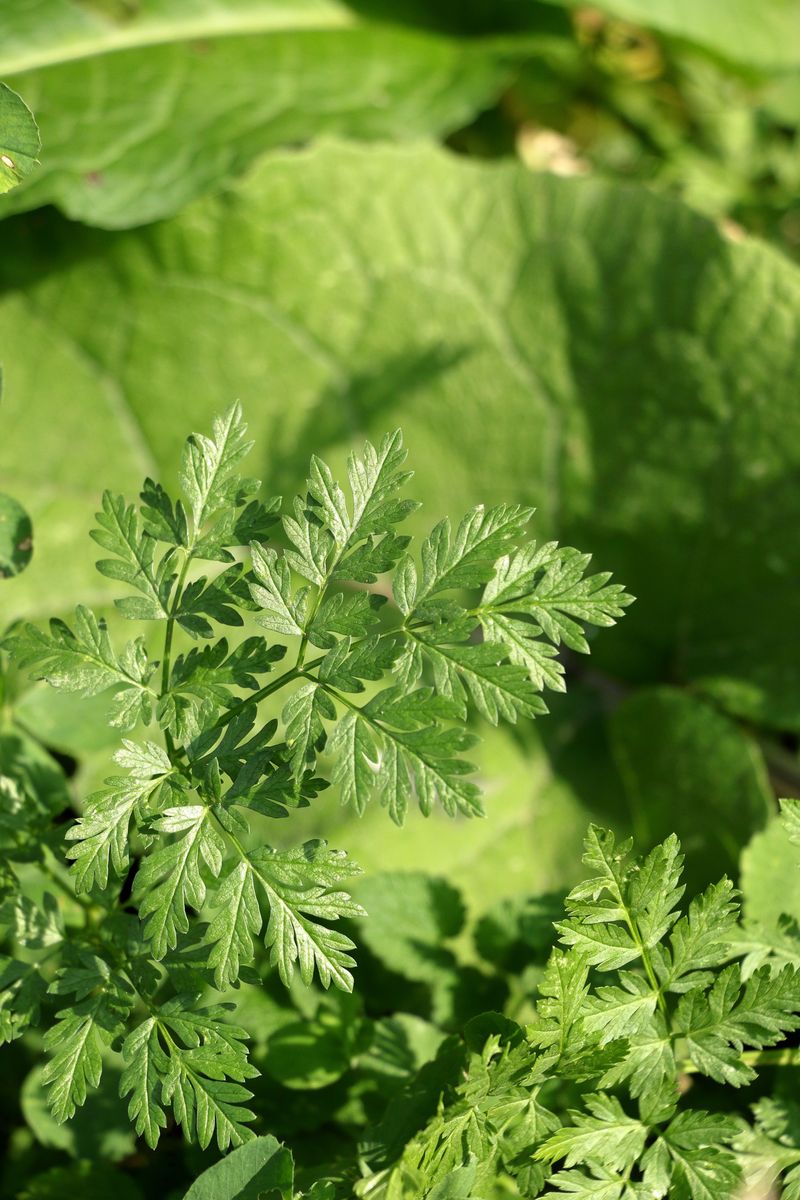
Herb beds hold a secret connection to citrus that surprises a lot of people. Rue, a blue-green herb with lacy leaves, belongs to the same plant family as oranges and lemons.
Because of that family tie, rue ranks among the top herb targets for this caterpillar in Alabama gardens. Gas plant and hoptree fall into the same group and get visited too.
Herb gardeners sometimes plant rue specifically to draw butterflies away from prized citrus. The strategy works surprisingly well as a decoy crop.
Fennel, dill, and parsley host a different guest, the black swallowtail, whose larvae wear green, black, and yellow stripes instead of the droppings disguise. Sorting out which caterpillar sits on which herb becomes an easy garden puzzle once you know the pattern.
A handy rule: droppings costume on citrus or rue points to the giant swallowtail. Striped and colorful on dill or parsley points to its cousin.
Rue carries a warning of its own. The sap can cause skin irritation and blistering when combined with sunlight, so gloves and long sleeves make sense during handling.
September is prime time in herb beds, since rue stays lush while other herbs bolt or fade in late-summer heat. Caterpillars concentrate there simply because the food is still good.
Plant a rue clump in a back corner and you create a designated nursery. Your basil and lemon tree get left in peace, and you gain a front-row seat to the whole process.
The Hidden Horns That Pop Out When Startled
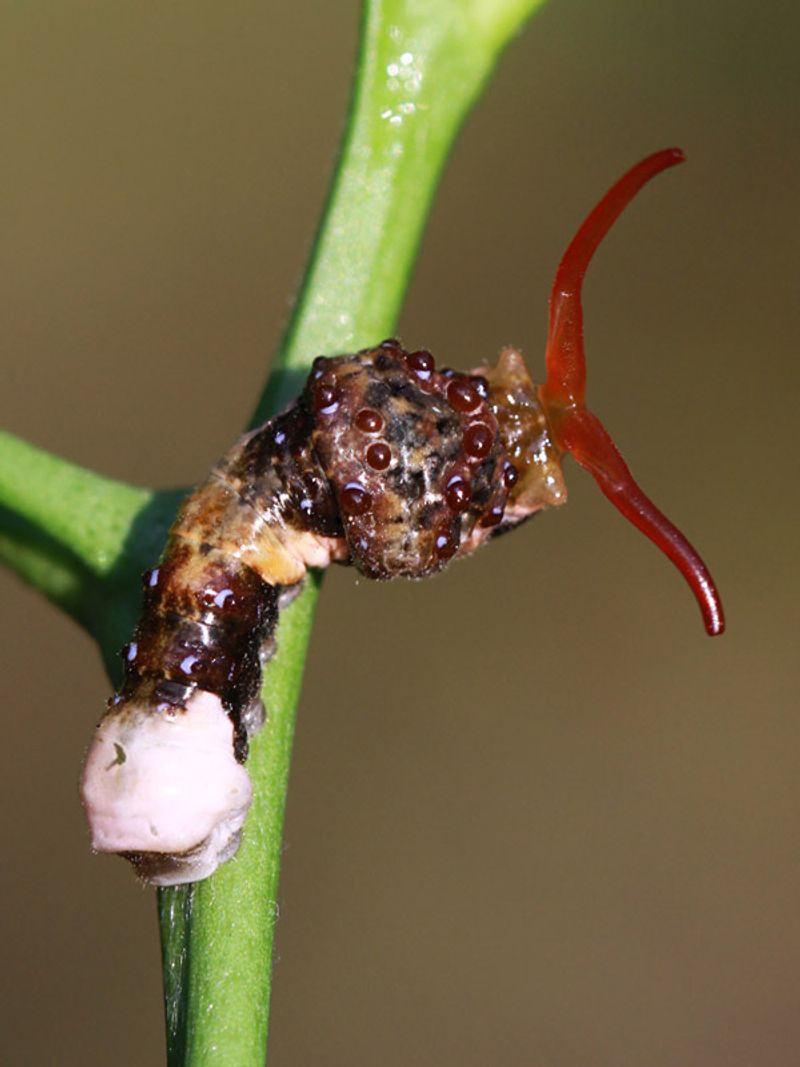
Poke one gently and you get a small surprise show. A bright orange, forked structure shoots up from behind the head like a tiny pair of horns.
That organ is called an osmeterium, and it belongs to swallowtail caterpillars across the world. It stays tucked inside a pocket until the larva feels threatened.
Along with the flash of color comes a strong smell, sour and citrusy in a way most people find unpleasant. The chemicals inside are related to compounds found in the plants the caterpillar eats.
Ants, spiders, and small wasps back off fast. For a soft-bodied creature with no shell and no speed, that combination of color and odor buys valuable seconds.
Kids often find this fascinating, and it makes for a memorable backyard science moment. A light touch with a leaf tip is enough to trigger it, though repeated poking stresses the animal, so once is plenty.
The scent can linger on fingers for a while, which is worth knowing before you handle one bare-handed. A quick wash with soap clears it.
Interestingly, the osmeterium appears only in the caterpillar stage. Adult butterflies rely on flight and bold wing patterns instead.
Watching the horns emerge changes how you see the whole insect. What looked like a lumpy brown blob suddenly reveals itself as a well-equipped little survivor with more than one trick ready.
From Leaf Lump To The Largest Butterfly Around
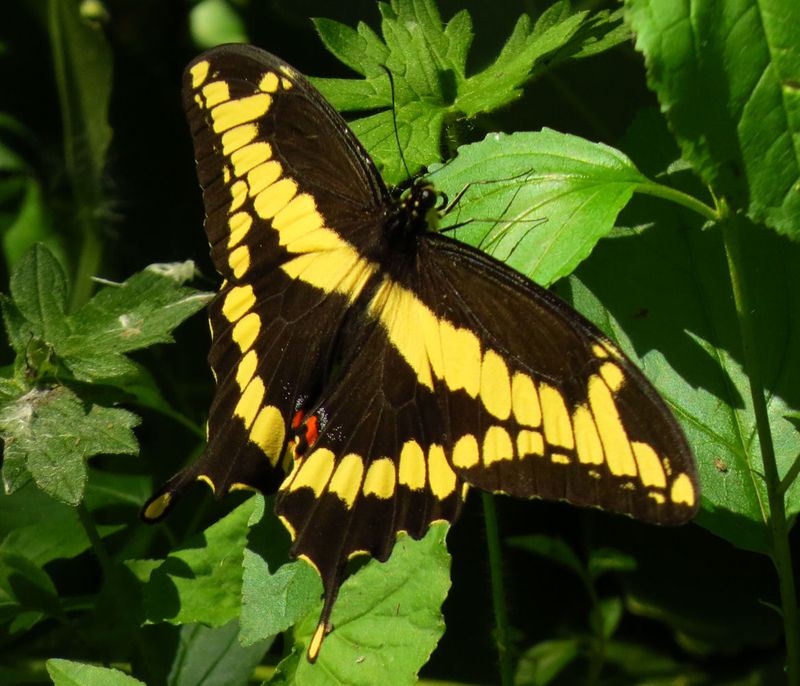
That homely brown lump transforms into one of the largest butterflies found north of Mexico.
Adult giant swallowtails span four to six inches across, with dark chocolate wings crossed by bold yellow bands that form a wide V when the wings open. Seeing one glide through a garden looks unlike anything else in the yard.
Before the butterfly appears, the caterpillar forms a chrysalis that mimics a broken twig, brown and angled and anchored by a silk thread. The disguise continues right through the resting stage.
Alabama typically sees two to three generations per year. September larvae often belong to the final round, and many of those chrysalises wait out winter before emerging in spring.
Adults sip nectar from lantana, zinnia, pentas, azalea, and milkweed, so a flower-filled yard keeps them hanging around. They tend to flutter their wings while feeding, hovering rather than settling fully.
Pollination comes as a bonus. Those long legs and broad wings brush pollen between blooms as the butterfly works a flower bed.
Females lay single small eggs on leaf tips, scattering them across multiple plants rather than clustering. That spreading habit limits how much damage any one tree takes.
Knowing the ending makes the chewed leaves easier to accept. A few nibbled citrus leaves in exchange for a six-inch butterfly drifting past your porch is a trade many Alabama gardeners happily make.
Smart Ways To Share Your Garden With Them
A measured approach works better than aggressive removal. For established citrus trees, the simplest approach is doing nothing at all and letting the leaves regrow.
Small trees under three feet deserve closer attention. Handpicking works well, and moving larvae to a rue plant or a larger tree solves the issue without any spray.
Wear gloves during relocation, both for the odor and to keep skin oils off the caterpillar. Snipping the leaf they sit on and carrying the whole piece is gentler than pulling them free.
Broad-spectrum insecticides can have unintended effects, since they also affect bees, ladybugs, and the parasitic wasps that naturally keep caterpillar numbers in check.
Row cover fabric over a young potted tree during peak egg-laying weeks blocks females from landing. Remove it once the flush of new growth hardens off.
September brings a natural slowdown as temperatures ease and generations wind down. Waiting a couple of weeks often resolves the situation on its own.
Consider planting one sacrificial host at the edge of the yard. Rue, hoptree, or an extra nursery citrus gives butterflies somewhere to lay eggs while your favorites stay tidy.
Gardeners who make room for these visitors often notice more butterflies over time. That growing population turns a late-summer yard into something worth sitting outside for, coffee in hand, watching what drifts by.