These 8 Crops Still Have Time To Thrive In New Jersey This Fall
Frost hasn’t touched your garden, and your harvest continues. Warm soil in New Jersey holds heat longer than you think. Your tomatoes may be slowing, but your next crop isn’t.
Cooler nights actually sweeten vegetables you plant right now. Gardeners who stop early miss weeks of your harvest. New Jersey’s growing season stretches further than you expect.
Time still favors you if you plant fast enough now. Late October or mid-November marks your real turning point. Some crops reward the patience you give them now.
Each kind grows fast once you let nights turn cool. Waiting shrinks your flavor, yield, and the weeks you keep. Any gardener who acts now gains a longer season for you.
Timing matters more to you than effort once nights drop. Texture and sweetness shift the moment you let temperatures fall. Ignore this window and you’ll spend winter without the harvest you could have grown.
1. Spinach Rewards Late Planters
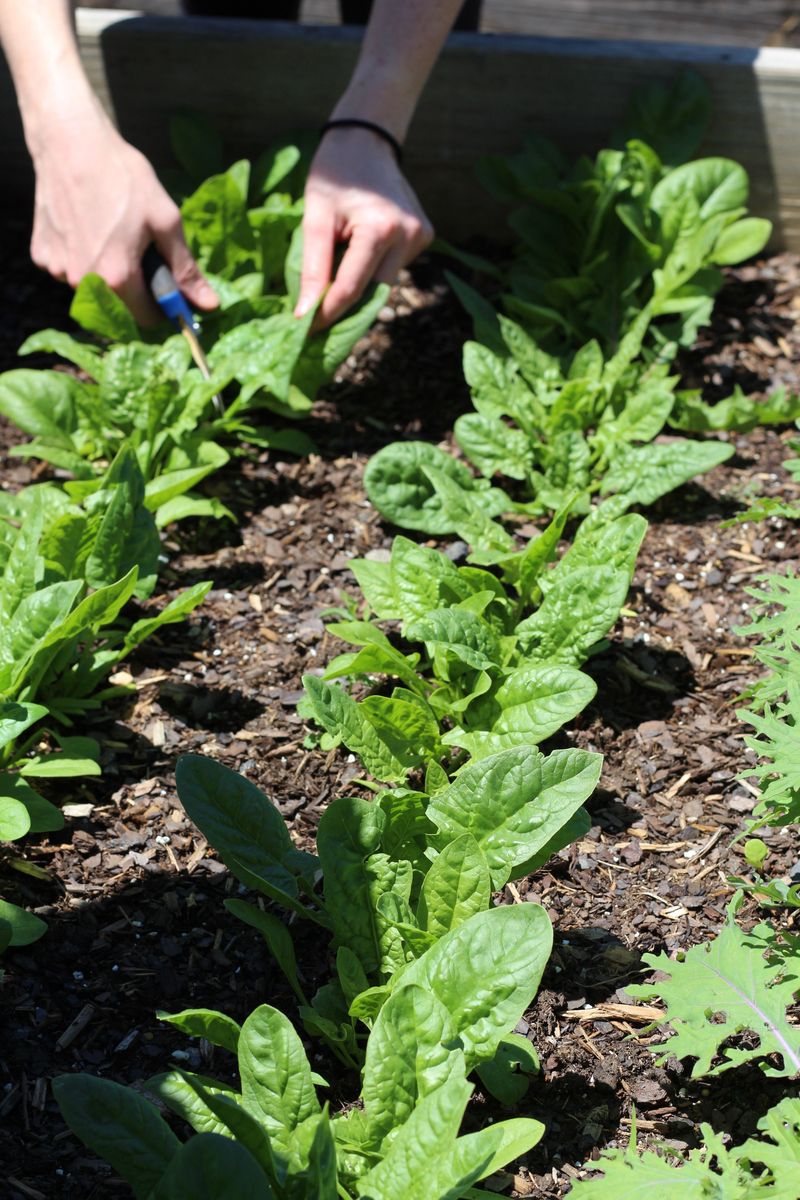
Few vegetables handle a New Jersey autumn as gracefully as spinach. Seeds sprout happily in cooling soil, and the plants shrug off light frosts that would flatten a basil plant.
Sow seeds about half an inch deep, spacing them two inches apart in rows. Thin the seedlings once true leaves appear so each plant has elbow room to widen out.
Germination can be sluggish if the ground is still holding summer warmth. A quick trick is to chill seeds in the refrigerator for a week before sowing, which nudges them into action faster.
Spinach appreciates soil with plenty of organic matter, so work in compost before you plant. Steady moisture keeps leaves tender rather than tough and bitter.
Here is the part that surprises new gardeners. Cold weather pushes spinach to store extra sugars in its leaves, so November harvests taste noticeably sweeter than anything you picked in May.
Start snipping outer leaves when they reach three or four inches. Leave the center crown intact and the plant keeps pushing new growth for weeks.
Varieties like Bloomsdale Long Standing and Tyee do well in the Mid-Atlantic. Both handle chilly nights without much fuss.
Toss a row cover over the bed once temperatures dip into the twenties. With a row cover, spinach can often survive winter and offer an early harvest as soon as the ground thaws, well before garden centers restock for spring.
2. Radishes Race To The Finish
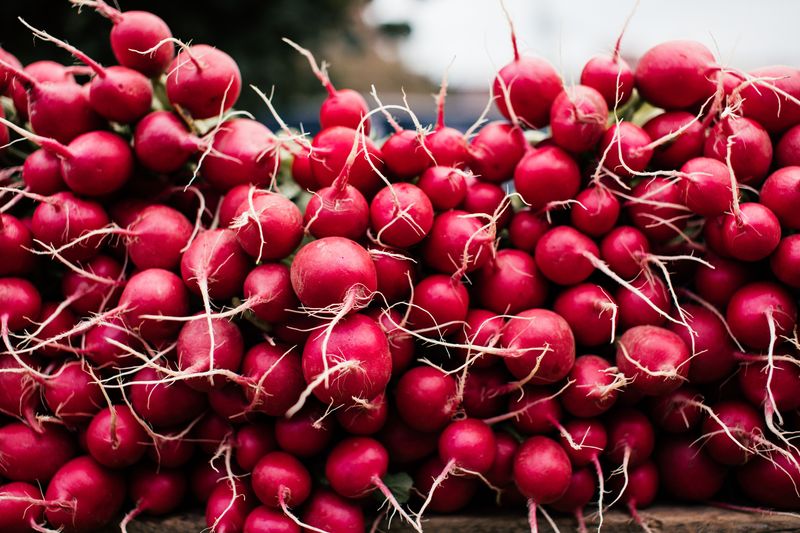
Radishes suit anyone who wants quick results. Radishes go from seed to plate in three to four weeks, making them one of the fastest crops to mature in a September garden. Scatter seeds a quarter inch deep and thin the seedlings to about two inches apart.
Cool autumn temperatures actually improve flavor. Summer-grown radishes often turn woody and sharp, while fall crops stay crisp with a milder bite.
Loose, rock-free soil helps roots swell evenly. If your bed is heavy clay, a few inches of compost mixed in makes a real difference in shape and size.
Your New Jersey Garden Changes Every Week. Your Plan Should Too.
Gardening in New Jersey changes quickly throughout the season. Every Friday you’ll receive a simple weekly plan showing exactly what to plant, prune, fertilize, harvest, and protect so you never miss the right timing.
Water consistently. Dry spells followed by heavy soaking can cause roots to split, which looks odd even though the radish still tastes fine.
Try Cherry Belle for quick classic red globes, or French Breakfast for oblong roots with white tips. Daikon types need longer, roughly sixty days, so get those in the ground early in the month.
Succession planting works beautifully with this crop. Drop a new short row every ten days and you will have fresh radishes rolling in through late October.
Do not overlook the greens. Young radish leaves are edible and make a peppery addition to soups or sautes, which means less waste from every planting.
Flea beetles can nibble the foliage in early fall. A lightweight row cover keeps them off while the roots do their work underground.
3. Kale Gets Sweeter After Frost
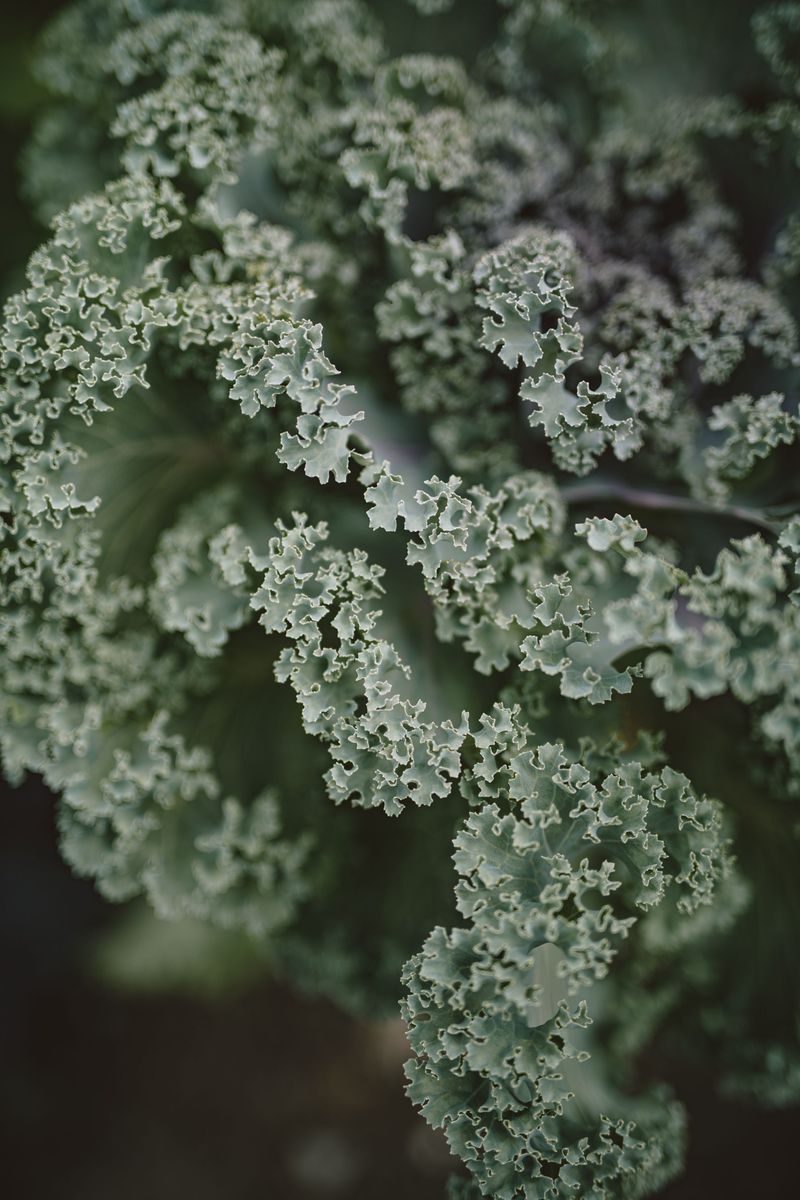
Kale is one of the most commonly recommended crops for a November harvest. The plant handles temperatures into the low twenties and keeps producing leaves long after the tomatoes are compost.
September is prime transplant time. Garden centers across the state stock kale starts now, and a transplant gets you harvesting weeks sooner than seed would.
Give each plant a foot or more of space. Kale grows outward and upward, and crowded plants compete for light and nutrients.
Frost triggers a sugar boost in the leaves, softening the mineral edge that turns some people off in summer. Gardeners who dislike kale in July often become converts by Thanksgiving.
Harvest from the bottom up, taking older outer leaves and leaving the growing tip alone. One well-tended plant can feed a household for months on that rhythm.
Lacinato, also called dinosaur kale, has flat dark leaves that hold up in soups. Red Russian offers tender purple-veined foliage that shines raw in salads.
Cabbage worms are the main nuisance in early fall. Check leaf undersides weekly and pick off the green caterpillars, or drape netting over the row. Feed plants with a nitrogen-rich fertilizer or fish emulsion every few weeks for lush growth.
Water deeply during dry September stretches, since New Jersey autumns can turn unexpectedly arid. Mulch the base with straw to steady soil temperature as the weeks cool down.
4. Lettuce Loves The Cooling Days
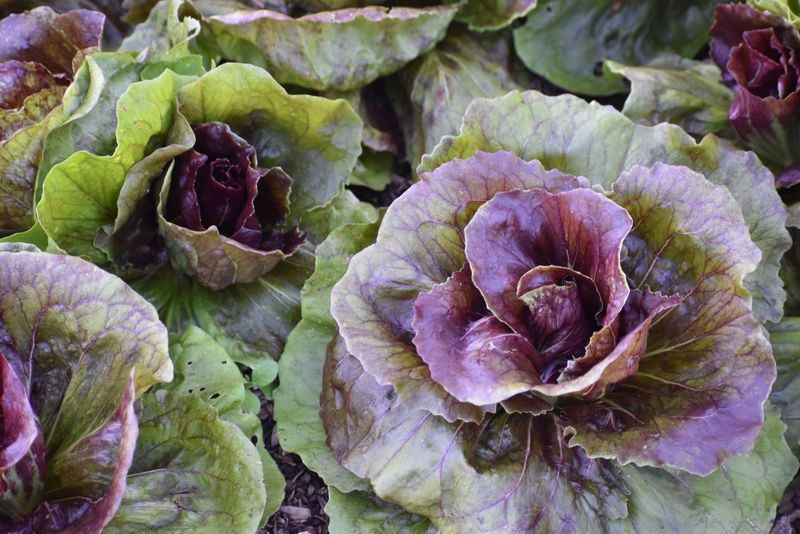
Summer lettuce often bolts and turns bitter. Autumn lettuce performs quite differently, staying tender and mild for weeks.
Loose-leaf types are your best bet this late in the season. Varieties such as Black Seeded Simpson, Salad Bowl, and Red Sails mature in roughly forty-five days.
Sow seeds shallowly, barely covering them, since lettuce seed needs light to germinate. Keep the surface moist until sprouts appear.
Baby leaf harvesting speeds things up considerably. Broadcast seed thickly in a small patch, then cut the whole stand with scissors at three inches tall and let it regrow.
Head types like romaine need more time, so choose faster-maturing selections if you are planting in mid or late September. Butterhead varieties split the difference nicely.
Shade from taller neighbors helps during warm early-month afternoons. Once the air cools, full sun encourages steady leafy growth.
Slugs find fall lettuce irresistible after rainy spells. Set out a shallow dish of beer or scatter iron phosphate bait around the bed to keep populations down.
A simple low tunnel of plastic or fabric stretches the harvest well past the first frost. New Jersey growers regularly pick salad greens into December using nothing more elaborate than hoops and a cover.
Cut in the morning when leaves are full of moisture. They stay crisp far longer in the refrigerator, and the flavor is noticeably brighter than midday picking.
5. Garlic Goes In Now For Next Summer
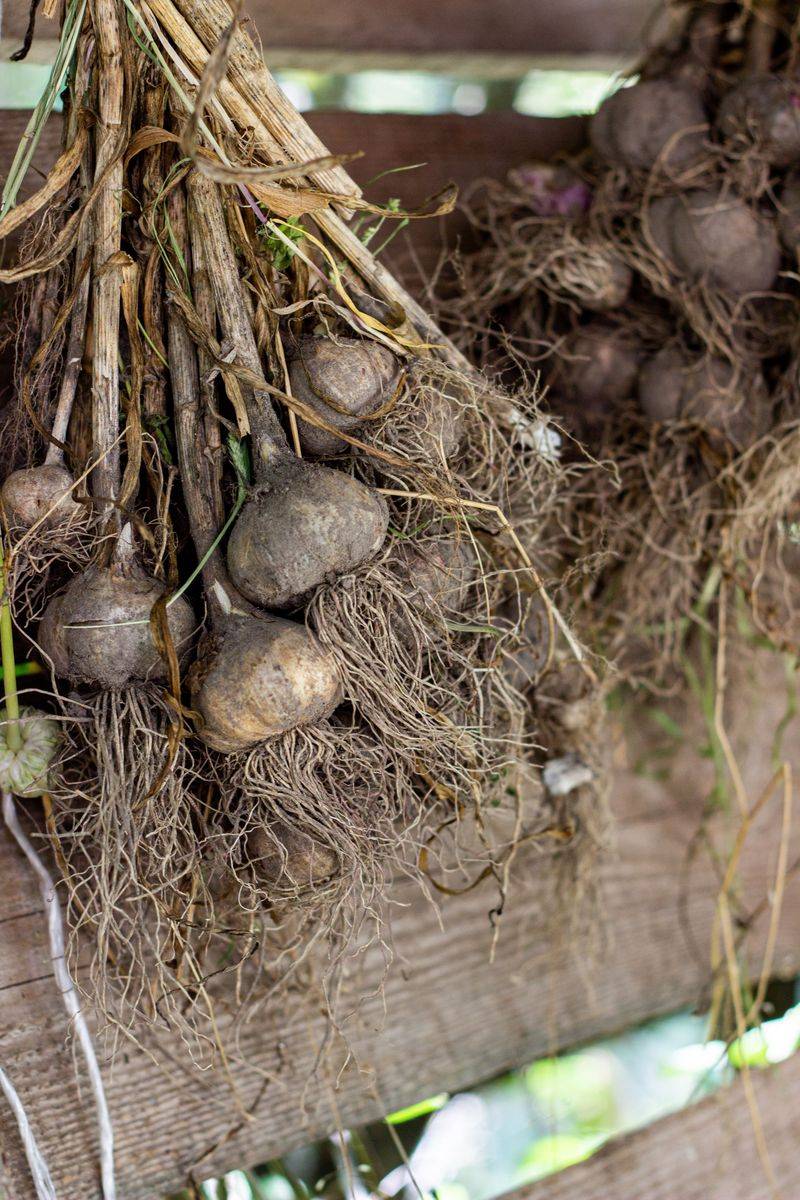
Garlic is a slower crop, planted in fall for a harvest the following summer. Cloves tucked into New Jersey soil this fall become fat bulbs you pull next July.
Late September through October is the sweet spot for planting across most of the state. Roots establish before the ground chills, then growth pauses until spring.
Choose hardneck types for our climate. Music, German Extra Hardy, and Chesnok Red all perform reliably through Mid-Atlantic winters.
Skip the grocery store bulbs, which are often treated to resist sprouting. Order from a seed company or pick up locally grown garlic at a farmers market.
Separate the head into individual cloves right before planting, keeping papery wrappers on. Set each clove pointed end up, two inches deep and six inches apart.
A four-inch blanket of straw mulch protects cloves from freeze-and-thaw heaving. It also smothers the spring weeds that would otherwise compete with young shoots.
Green shoots may poke up before winter arrives, and that is perfectly normal. The plants pause through the cold and resume growing as days lengthen.
Come June, hardneck varieties send up curly flower stalks called scapes. Snap them off and use them in pesto or stir-fries, since removing them channels energy into bigger bulbs.
Each clove planted this month grows into its own full head by next summer, and a single bulb usually contains eight to ten cloves. That return makes garlic a worthwhile fall planting choice.
6. Arugula Brings The Peppery Punch
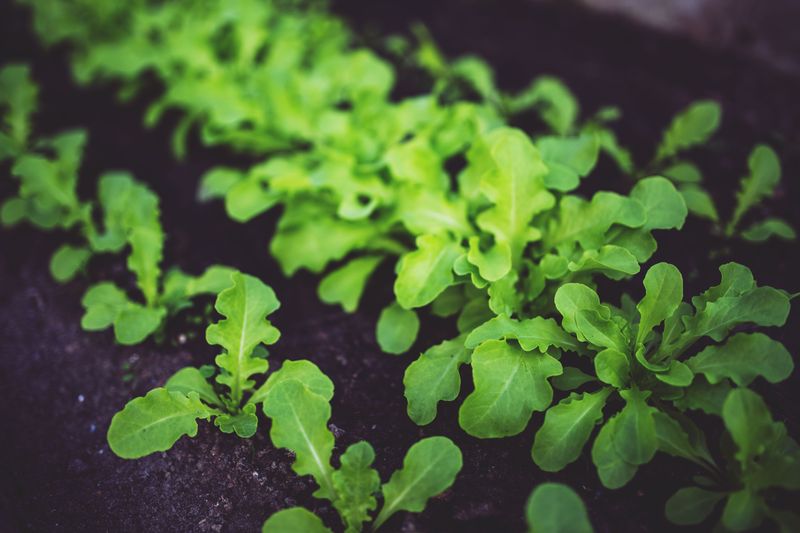
Arugula is a low-maintenance crop to grow. Arugula germinates in a few days and hands you harvestable leaves in three to four weeks.
Sprinkle seed across a prepared patch and rake lightly to cover. Precision is not required, which makes this a forgiving crop for beginners.
Cool weather tames the heat in arugula leaves. Summer plantings can taste aggressively sharp, while September and October crops keep a pleasant nutty spice.
Harvest with scissors when leaves reach two or three inches, cutting an inch above the soil line. The patch regrows two or three more times before petering out.
Wild or rustic arugula has narrower, more deeply lobed leaves and a stronger flavor. It also handles cold better than the standard salad type.
Flea beetles leave tiny shot holes in the foliage during warm early-fall spells. The damage is cosmetic and the leaves remain perfectly good to eat.
Arugula shines beyond salads. Wilt a handful into pasta, layer it on flatbread fresh from the oven, or blend it into a sharp green sauce for roasted potatoes.
Plant a fresh strip every two weeks for continuous picking. Because the crop finishes so quickly, you can squeeze in several rounds before hard freezes arrive.
Italian gardeners have grown this green for centuries, calling it rucola, though it only became widely popular on American restaurant menus in recent decades.
7. Turnips Deliver Two Harvests In One
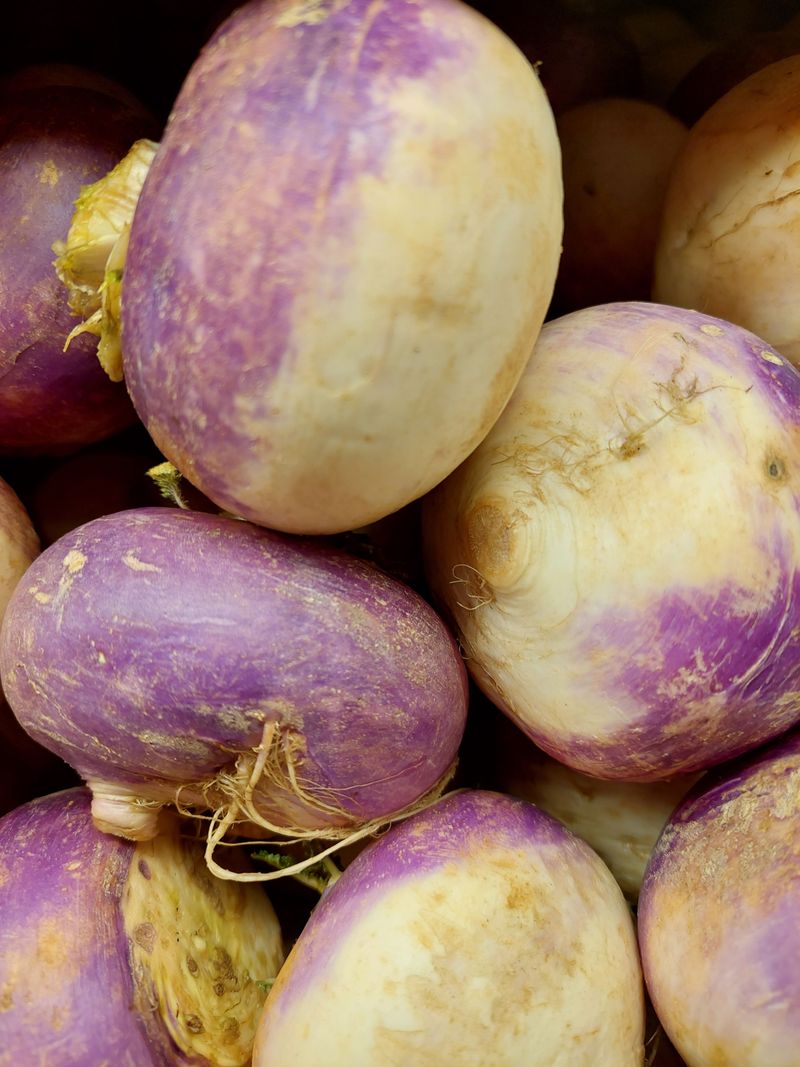
Two vegetables from a single seed packet is a decent bargain. Turnips give you sweet roots below ground and nutritious greens above, all within about fifty days.
Direct sow seeds a half inch deep in early to mid September. Thin seedlings to four inches apart once they are a couple inches tall.
Roots develop best in loose soil worked to a depth of eight inches. Remove stones and break up clumps so bulbs can expand without distortion.
Purple Top White Globe is the classic choice, ready around fifty-five days. Hakurei, a Japanese salad turnip, matures faster and tastes mild enough to eat raw like an apple.
Harvest roots when they reach two to three inches across. Larger turnips tend toward a stronger, more fibrous texture that some people find less appealing.
Frost improves flavor considerably, converting starches into sugars. Jersey gardeners often leave roots in the ground under straw and pull them as needed into December.
Snip young outer greens while roots are still developing. Take only a few leaves per plant so the bulb keeps growing underneath.
Braise the greens with a little bacon and vinegar for a Southern-style side dish. The roots roast beautifully alongside carrots and potatoes.
Water regularly during dry stretches to prevent woody roots and bitter greens. An inch per week keeps everything growing steadily and tender through the cooling autumn.
8. Cilantro Finally Behaves In Autumn
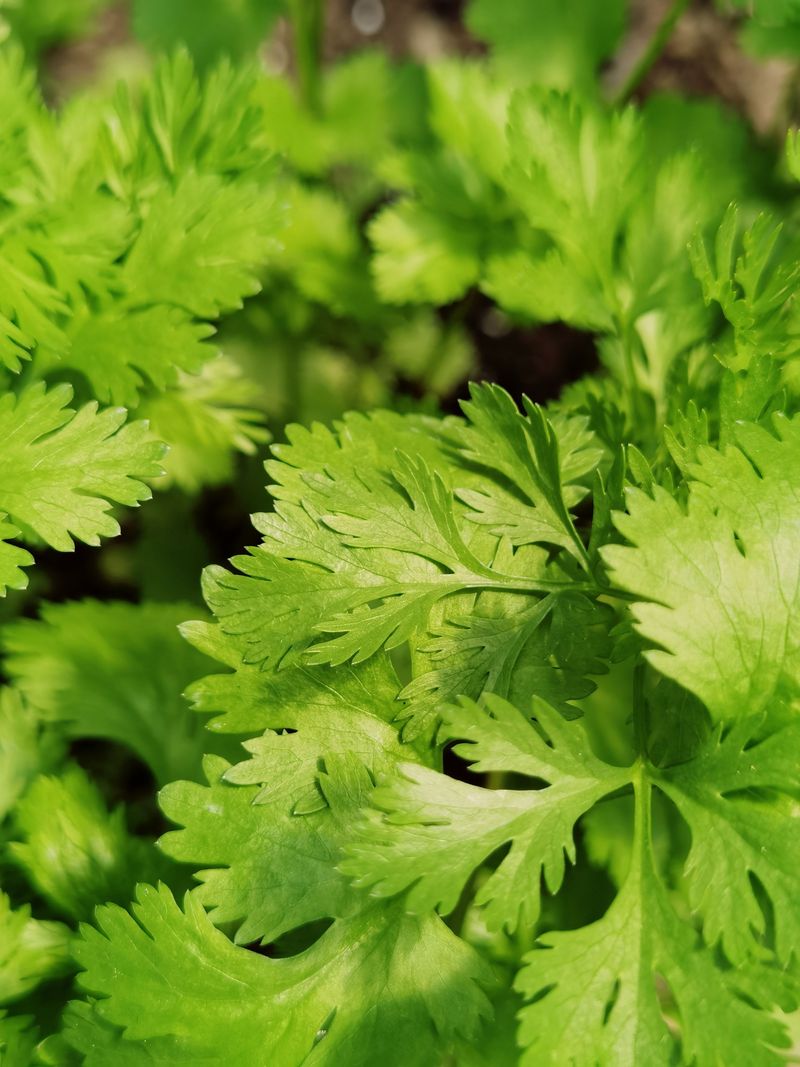
Cilantro often bolts quickly in July heat, frustrating gardeners who want a longer harvest. Plant it in September instead and the herb grows far more reliably.
Hot weather sends cilantro straight to flower, cutting the leaf harvest short. Cool autumn air keeps plants producing lacy foliage for a much longer stretch.
Sow seeds a quarter inch deep directly where they will grow. Cilantro dislikes transplanting because of its taproot, so skip the seed trays.
Each seed is actually a husk containing two seeds. Soaking them overnight softens the shell and speeds up germination noticeably.
Space plants six inches apart, or sow thickly for baby leaf cutting. Slow-bolt varieties such as Santo and Calypso extend the harvest window further.
Pick outer stems at the base rather than shearing the top. The center keeps generating new growth that way.
Plants tolerate light frost without much complaint. In milder South Jersey spots, cilantro sometimes carries on through a good part of winter with a row cover.
Let a few plants flower in spring and you get coriander seed, the warm citrusy spice used in curries and pickling. The white blossoms also draw in beneficial insects.
Self-sowing is a bonus. Volunteer seedlings often pop up the following season in unplanned spots, which some gardeners welcome as a bonus rather than a nuisance.
Pair a September cilantro planting with late peppers and you have salsa ingredients timed almost perfectly together.