Before You Plant A Florida Mangrove, Know These Things About Property Lines
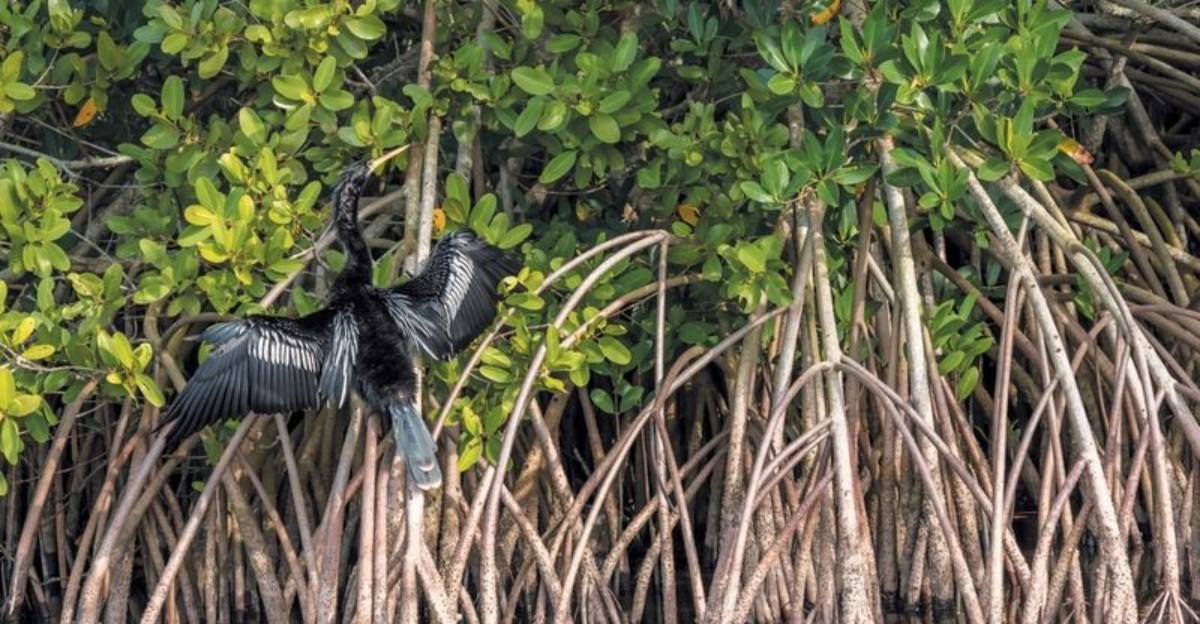
A mangrove looks like an easy pick for a waterfront yard, native, low maintenance, exactly the kind of plant that belongs along Florida water. Planting one without checking the rules first can create restrictions and paperwork problems that surprise many homeowners.
Mangroves aren’t treated like other yard plants. They’re protected under state law in ways that limit trimming, removal, and even how close to the water they can be touched once established, regardless of who owns the property they’re growing on.
Plant one in the wrong spot, too close to a property line, a dock, or a neighbor’s view, and removing or even shaping it later isn’t as simple as picking up a pair of shears.
Florida takes mangrove protection seriously enough that a homeowner can end up needing a permit just to trim branches on their own land. Knowing the rules before planting saves a lot of trouble down the line.
1. Find The Real Shoreline Before Planting Your First Mangrove
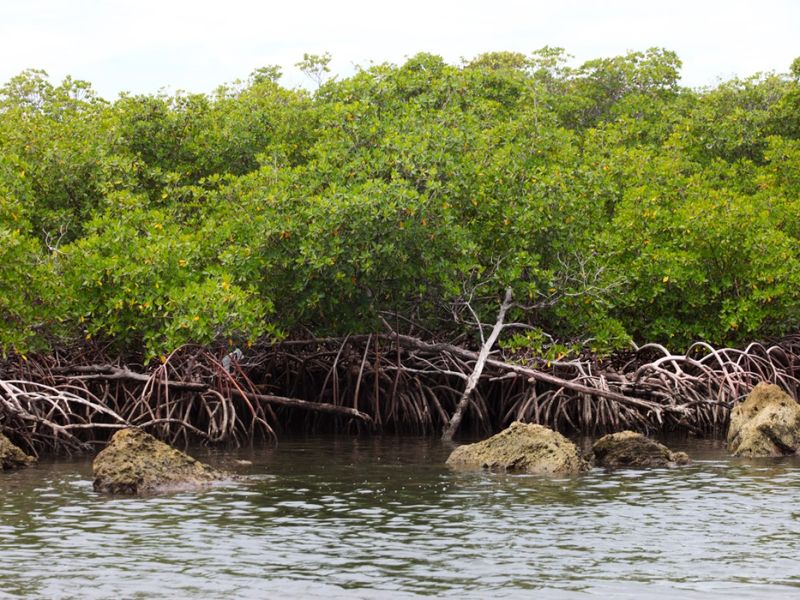
Most folks assume the shoreline is wherever the water happens to sit when they walk outside. Tides move, though, and Florida law uses a much steadier measuring stick.
The legal boundary between private upland property and state-owned foreshore is the Mean High Water Line, often shortened to MHWL. It represents the average height of all high tides recorded across a 19-year cycle.
That long window smooths out storm surges, king tides, and quiet afternoons when the bay looks like glass. What you see on any single day may sit well above or below the true line.
Areas below the Mean High Water Line are generally considered state-owned submerged lands, subject to Florida’s public trust protections.
A Mean High Water Line survey, performed by a licensed Florida surveyor, gives you the real answer. Coastal construction projects and ownership questions often require one anyway, so the cost can do double duty.
Ask the surveyor to stake or flag the line so you can actually see it. Photograph those markers before they wash away, and keep the survey with your property records.
Once you know where your ground truly ends, every planting choice afterward gets simpler and far less risky.
2. Do Not Assume Everything Beyond Your Backyard Belongs To You
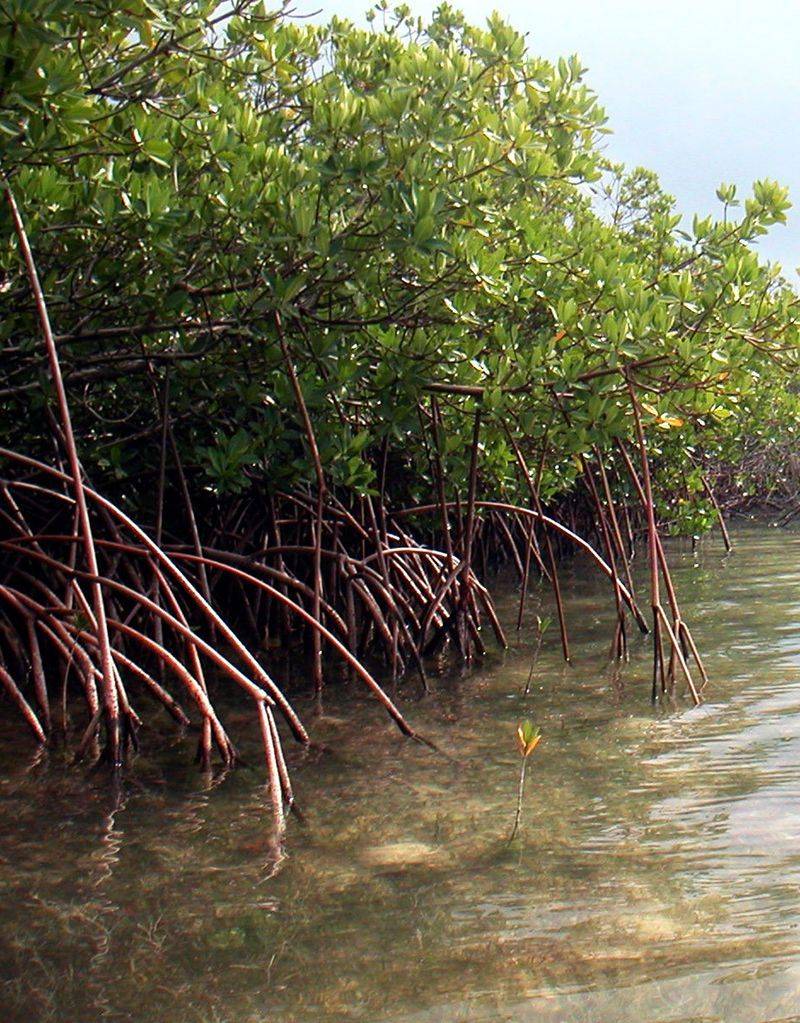
Buying a waterfront home feels like buying the view, the breeze, and the little cove out front. Legally speaking, the purchase stops sooner than that.
Florida waterfront owners hold what are called riparian rights. Those are legal privileges attached to using the adjacent water, not a title deed for the water itself.
Submerged lands under navigable waters are held by the state in trust for the public. Your rights allow reasonable use, such as access and navigation, but they do not create private ownership past your surveyed line.
Picture it like a library card. You can borrow and enjoy the books, yet the shelves belong to everyone.
Mangrove seedlings planted out on those flats sit on public bottomland. Regulators may view the work as an unpermitted alteration of state property, even when your intentions were purely green-thumbed.
Your Florida Garden Changes Every Week. Your Plan Should Too.
Gardening in Florida changes quickly throughout the season. Every Friday you’ll receive a simple weekly plan showing exactly what to plant, prune, fertilize, harvest, and protect so you never miss the right timing.
Neighbors and boaters also use that shared space, which is part of why the state keeps it open. A row of new growth can quietly reduce room that others rely on.
Before you extend anything waterward, look at your plat map and your survey side by side. Mark the boundary mentally and physically, then plan your project inside it.
Working within your own lines keeps the project pleasant instead of paperwork-heavy.
3. Check The Mean High Water Line Before Moving Waterward
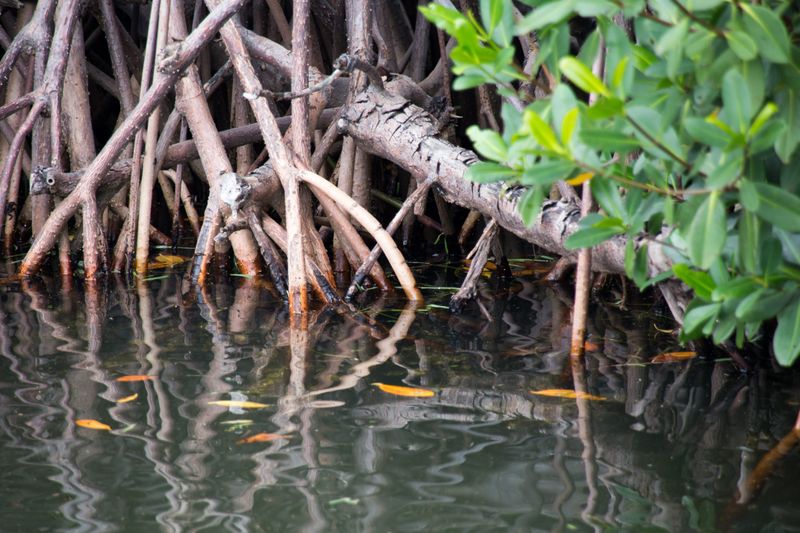
Here is a number worth remembering: 19 years. That is how long the tidal record runs when Florida establishes a Mean High Water Line.
The MHWL is set where the average high tide elevation meets the shore. Because it comes from decades of data, it does not shift just because last weekend brought unusually high water.
Everything waterward of that intersection is treated as state-owned submerged land. Planting out there may require review and permitting through the Florida Department of Environmental Protection.
People sometimes plant first and ask questions later, then discover the shoreline has a paperwork trail attached. Reversing the work can be trickier than doing it correctly the first time.
If your survey is decades old, consider updating it. Shorelines erode, accrete, and rebuild after storms, and older documents may no longer match what is outside your door.
Talking with FDEP staff early is genuinely helpful. Bring your survey, a sketch of your plan, and photos of the site so the conversation stays concrete.
Ask specifically whether your proposed planting area falls landward or waterward of the line. That single question shapes whether you need authorization.
Knowing the answer up front turns a gray area into a clear, confident plan you can actually follow through on.
4. Keep Neighboring Riparian Rights In The Picture
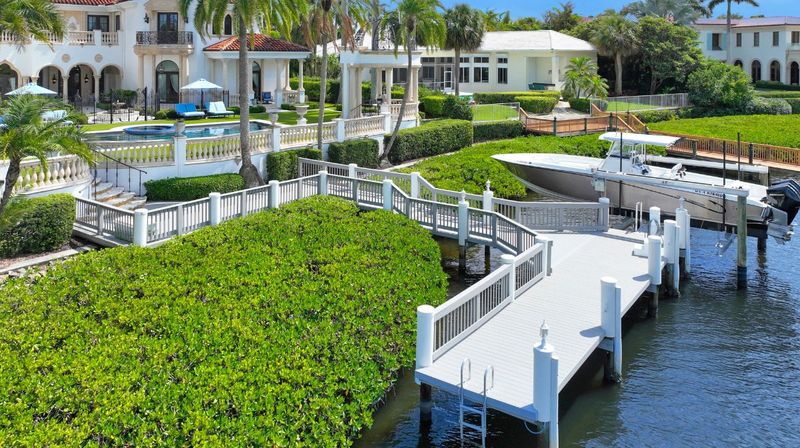
Shoreline projects rarely stay private, because water views are shared by nature. What grows on your edge shows up in your neighbor’s morning coffee scene too.
Riparian rights commonly involve access to the water and certain uses of the waterfront, while views and other issues can depend on the specific circumstances and applicable law.
A screen of tall growth can eventually block sightlines or crowd a neighbor’s dock approach. Disputes in Florida have started over exactly that kind of gradual change.
Talking to the people next door before planting costs nothing and buys goodwill. Sketch your plan, walk the shoreline together, and let them picture the mature height.
Consider planting in clusters rather than a solid wall. Leaving view windows keeps the shoreline natural-looking while preserving everyone’s outlook.
Pay attention to riparian lines too, which are the imaginary extensions of side property boundaries out toward the water. Those lines guide where docks and access corridors belong.
Written agreements help when neighbors are agreeable. A short email confirming the conversation protects both parties if memories fade or the house changes hands.
Neighborly planning also keeps future buyers from inheriting friction. A shoreline that works for two households tends to stay peaceful for decades.
5. Read The Deed For Easements And Waterfront Restrictions

Deeds are not exciting reading, yet they hide the rules that decide your project’s fate. A quiet afternoon with a highlighter can spare you months of trouble.
Easements grant someone else limited rights to use part of your land for a defined purpose. Utility corridors, drainage paths, and shared walkways to the water are common examples along Florida coastlines.
Conservation easements appear often in waterfront neighborhoods. They may limit clearing, restrict new plantings, or require that shoreline vegetation stay in a specific condition.
Easements usually show up recorded in deeds or on recorded plats, and they travel with the land to each new owner. Buying the property means inheriting those obligations whether or not anyone mentioned them at closing.
Pull your recorded documents from the county clerk’s office if you cannot find your copies. Many Florida counties offer online records searches at no charge.
Watch for language about setbacks, shoreline buffers, and vegetation maintenance. Wording can be technical, so a real estate attorney or title company can translate the confusing parts.
Overlay the easement locations onto your survey before choosing planting spots. Seeing the restricted zones drawn out makes placement decisions obvious.
A little document detective work turns vague worry into a clear map of where planting is genuinely welcome.
6. Get The Riparian Owner’s Approval On Shared Or Association Property
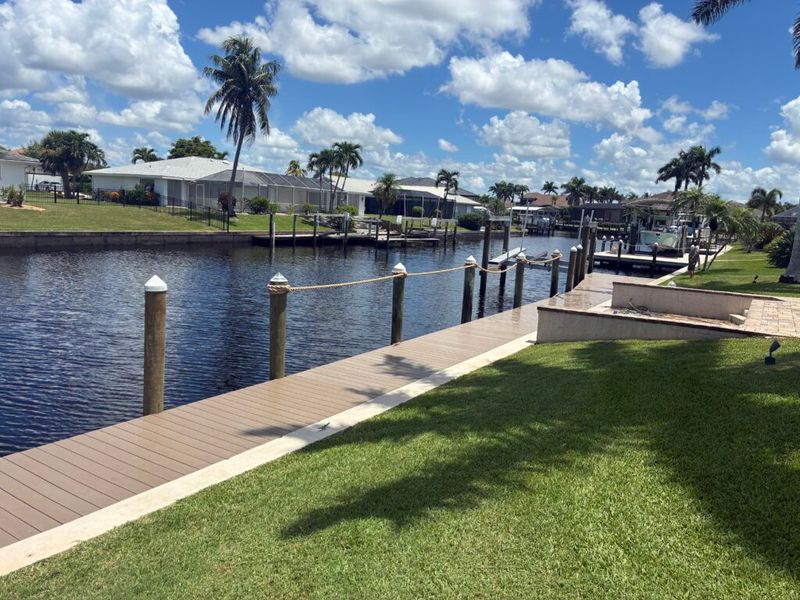
Shared shoreline sounds lovely until someone plants something the rest of the community did not expect. That is where association rules earn their keep.
Homeowners associations and condominium boards frequently control common waterfront areas. Their covenants may cover landscaping, vegetation height, and any alteration along the seawall or shore.
If the shoreline is common property, the association is effectively the riparian owner. Approval from that body, in writing, should come before any shovel touches soil.
Even on individually owned lots, community documents can limit what you plant near the water. Architectural review committees often need to sign off on shoreline changes.
Submit a simple proposal with a site sketch, plant species, quantity, and expected mature size. Boards approve requests far more readily when the details are spelled out.
Where two owners share a waterfront strip, get both signatures on the plan. Shared responsibility works best when everyone agreed to the same picture from day one.
Keep copies of approvals with your property paperwork. Board members change, and documentation prevents a friendly project from becoming a future violation notice.
Ask about maintenance expectations too, since trimming rules later on may involve permits. Clarifying who handles upkeep protects both you and the association down the road.
7. Know That A Rooted Mangrove Gains Legal Protection
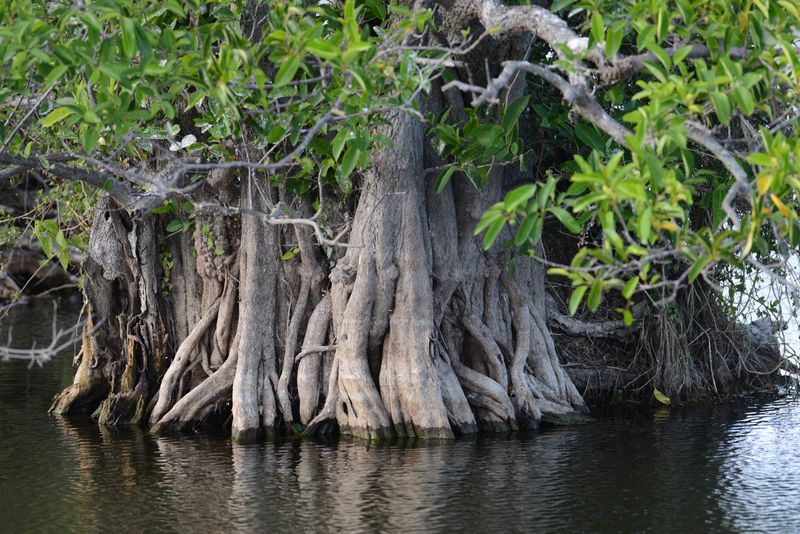
Plant it, and the law starts paying attention. Once mangroves are established, they are protected under Florida’s mangrove regulations, including rules covering trimming and removal.
The Mangrove Trimming and Preservation Act, passed in 1996, regulates trimming, alteration, and removal of red, black, and white mangroves. Protection applies statewide, on private shorelines as well as public ones.
Size does not grant an exemption. Seedlings that root along your shore fall under the same protections as mature trees, and removal typically requires a permit.
That detail surprises plenty of homeowners who assumed small plants meant small rules. Unauthorized trimming or removal can bring meaningful fines.
Think of planting as a long-term commitment rather than a reversible weekend project. Once established, changing your mind involves a regulatory process, not a chainsaw.
Volunteer seedlings arriving on their own get the same protection, which matters if you like a clear view. Learn to recognize the seedlings early and understand your options before doing anything.
Documentation helps here as well. Photograph your shoreline now, so you have a record of conditions before and after any planting.
Approach the decision the way you would a permanent structure. Choosing the right location on day one is far easier than requesting permission to undo it years later.
8. Check Local Mangrove Authority Before Starting A Shoreline Project
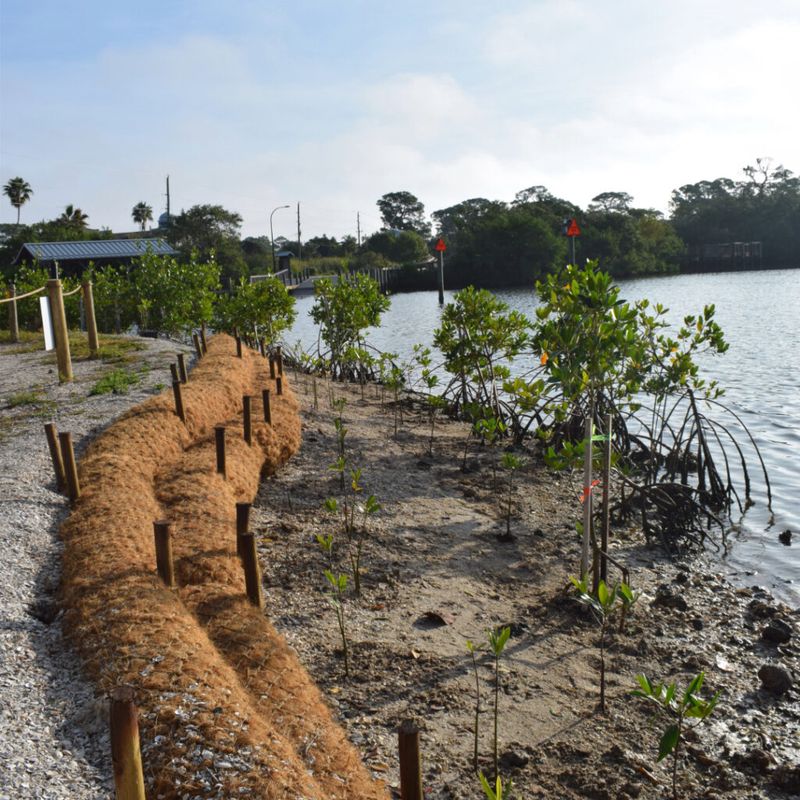
One phone call can replace a whole lot of guessing. Regulators would much rather answer questions than write citations.
The Florida Department of Environmental Protection oversees mangrove alteration regulations. Some local governments have delegated authority to handle certain permitting and enforcement responsibilities.
That means your county or city may be the office you actually deal with. Rules and forms can differ from one delegated jurisdiction to the next.
Contact FDEP or your delegated local government before any shoreline work begins. Describe the project honestly, including size, location, and species involved.
Permit requirements can hinge on details like mangrove height, the depth of the mangrove fringe, and the overall scope of the job. Even trimming may need authorization depending on those factors.
Write down who you spoke with and what they told you. Notes and emails create a helpful paper trail if questions arise later.
Also ask whether a professional mangrove trimmer must be involved for certain work. Some activities require qualified oversight rather than a do-it-yourself approach.
Treating the permit office as a resource instead of an obstacle makes the whole project smoother, cheaper, and considerably less nerve-wracking.
9. Plan For Future Growth Before Today’s Planting Creates Tomorrow’s Boundary Problem
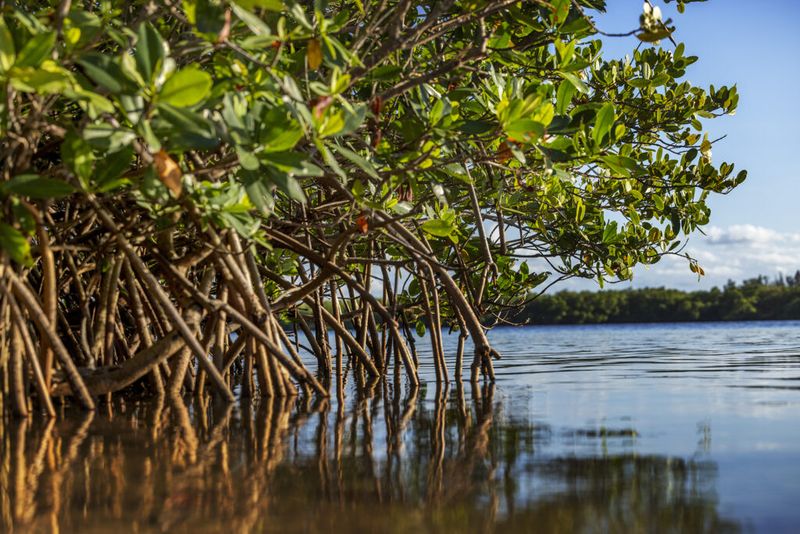
A seedling that fits in your palm today can become a canopy taller than your roofline. Time is the variable most planting plans forget.
Mangroves spread as well as grow upward, gradually expanding the fringe along a shoreline. Views change, navigation channels narrow, and the look of a waterfront slowly transforms.
Those same roots do remarkable work. They trap sediment, buffer wave energy, and help hold a shoreline together during rough weather.
So the goal is not fewer mangroves. The goal is putting them where their mature size becomes an asset instead of a headache.
Sketch your shoreline and mark your dock, your boat path, your neighbor’s sightlines, and your surveyed boundary. Then imagine full-grown plants filling that space and see what conflicts appear.
Leave breathing room along riparian lines and access corridors. Space now prevents crowding arguments later.
Remember that established plants are protected, so future trimming may require permits and professional help. Thoughtful placement on planting day reduces how often you will need that process.
Talk with a coastal ecologist or native plant nursery about spacing and species suited to your specific shoreline conditions.
Plan for the shoreline you want in twenty years, and today’s small seedlings will feel like one of your smartest decisions.