The Garlic Planting Mistake That Leads To Tiny Bulbs In Your Pennsylvania Garden
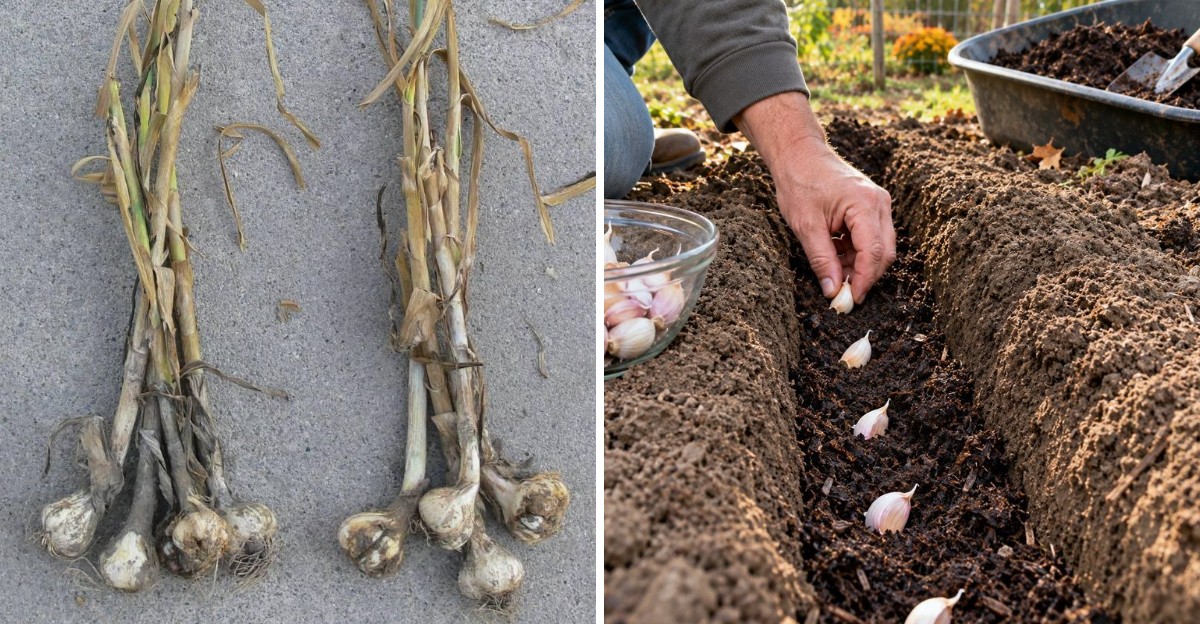
You kneel in the July sun, loosen the soil with a fork, and lift out a garlic head barely bigger than the clove you planted last October.
The leaves looked healthy all spring. The bed got water. Nothing obviously went wrong, yet the harvest basket is full of little knuckle-sized heads.
Most of the time in Pennsylvania gardens, the culprit is not the weather or the variety at all. It is how close together those cloves went into the ground back in fall.
Most gardeners never think twice about spacing, just tucking cloves in wherever there is room and hoping for the best come summer.
Getting the spacing right is the cheapest, fastest change you can make, and it pays off with heads twice the size next summer.
Crowded Cloves Compete For Limited Space
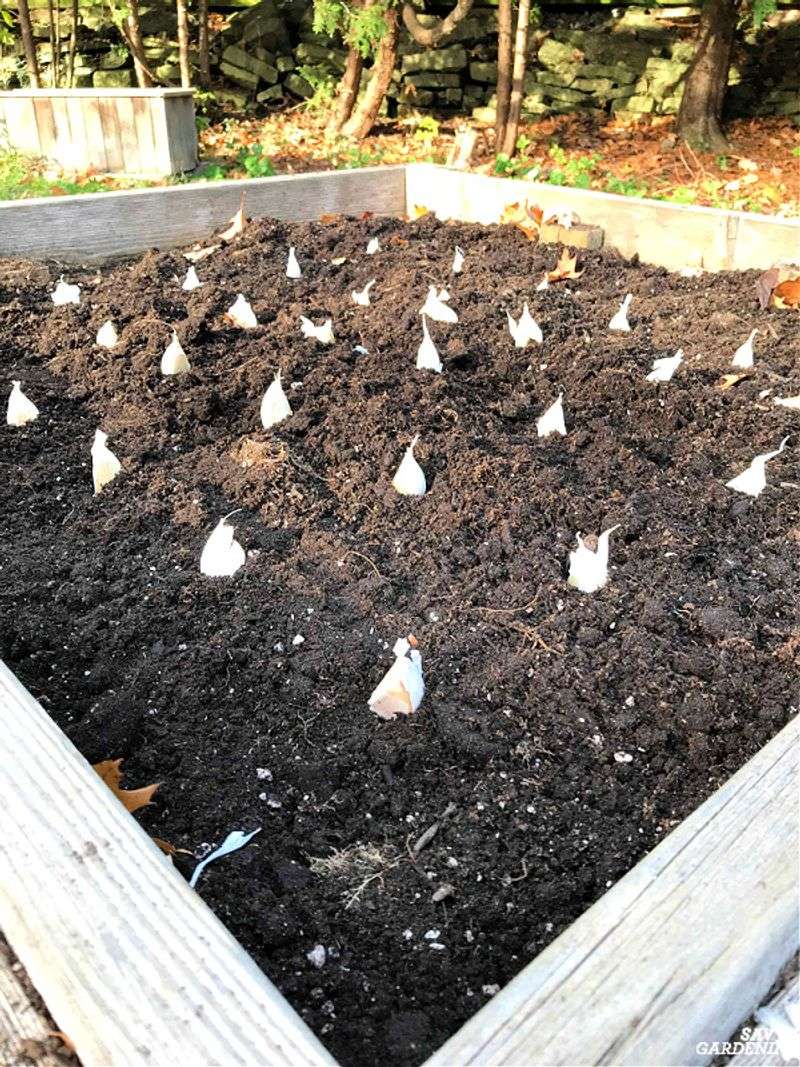
Picture a tidy row where cloves sit three inches apart, looking neat and efficient in October. By July, that tidy row hands you bulbs the size of walnuts instead.
Crowding is the quiet thief behind most disappointing Pennsylvania garlic harvests, hiding in plain sight the whole growing season.
Each garlic plant needs a certain volume of soil to itself. Roots spread outward, not just down, hunting nitrogen, water, and phosphorus throughout the season.
When two plants share that space, both settle for less than they need.
Competition shows up above ground first. Leaves stay narrower and shorter, and since each leaf connects to a wrapper layer around the bulb, fewer healthy leaves means a smaller bulb underneath.
Pennsylvania springs can be generous with rain, which fools gardeners into thinking crowded plants will be fine through summer. Then June turns dry, and packed rows drain the top few inches of moisture in days.
Air movement matters too here. Tight stands stay damp after storms, which encourages leaf diseases that shut down growth weeks before harvest.
Spacing is free, takes no extra work, and pays back at harvest more than almost any other decision you make in the fall.
Thin out now if you already planted thick. Pulling every other clove in early spring feels wasteful, but the greens are edible and the survivors reward you.
Six Inches Apart Gives Bulbs Room
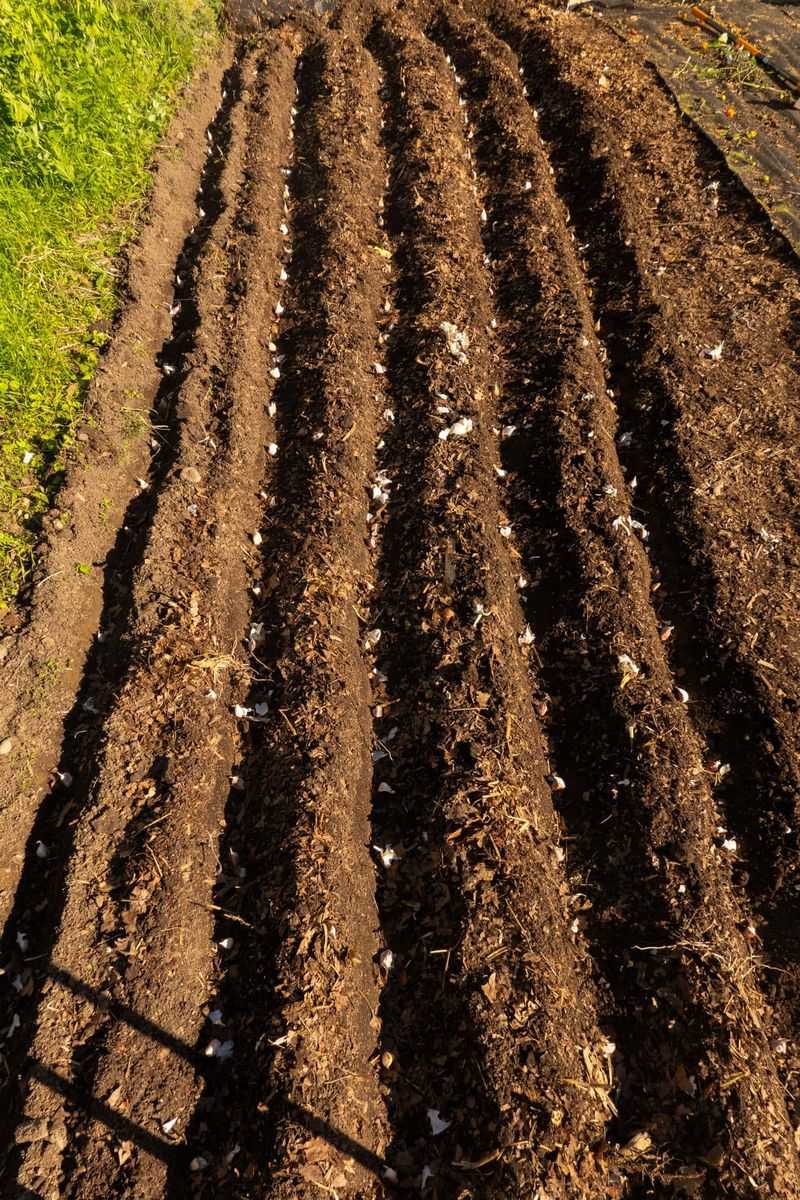
Penn State Extension puts a number on it clearly. Set cloves 6 to 7 inches apart within the row, with rows about 1 foot apart. Those figures are not arbitrary at all.
They reflect how much soil a mature hardneck plant actually claims for itself over a full growing season.
Grab a ruler or cut a stick to six inches and use it as you plant. Eyeballing distance almost always drifts tighter, especially near the end of a row.
The foot between rows earns its keep in April and May. You need a path for hoeing, mulch pulling, and watering without stepping on shallow roots nearby.
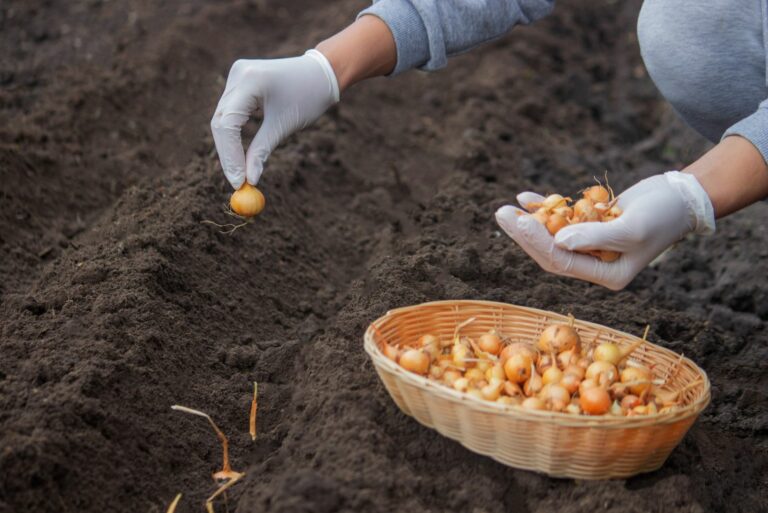
Orientation matters as much as distance here. Plant each clove with the pointed tip up and the flat root plate down so the shoot does not waste energy turning itself around.
Your Pennsylvania Garden Changes Every Week. Your Plan Should Too.
Gardening in Pennsylvania changes quickly throughout the season. Every Friday you’ll receive a simple weekly plan showing exactly what to plant, prune, fertilize, harvest, and protect so you never miss the right timing.
Do the math before you order seed garlic for the season. A 20 foot row at 6 inch spacing holds about 40 cloves, which is roughly four to six good sized heads broken apart.
Raised beds allow a grid pattern instead of rows too. Keep the same six to seven inches in every direction, and you get the same result with less walking space lost.
Small Seed Cloves Produce Small Bulbs
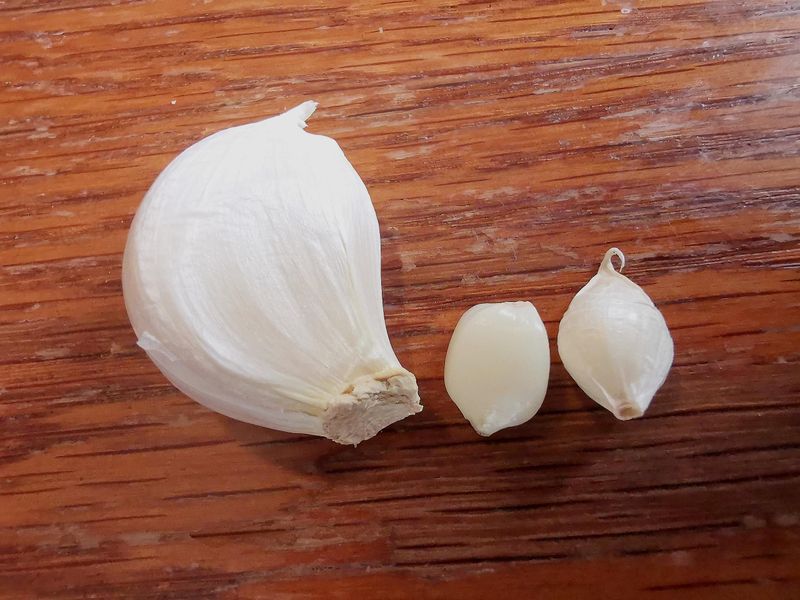
Garlic has a habit of passing along its size from one generation to the next. Plant a skinny clove from the center of a small head, and you tend to harvest a small head next summer.
A clove is really a storage package. The bigger it is, the more food the young plant has to build roots before the ground freezes in November.
Strong fall roots translate directly into vigorous spring leaves, and leaves build bulbs through the whole season.
Sort your seed stock on the kitchen table before planting day arrives. Break heads apart a day or two before planting and set the plump outer cloves in one pile.
Saving your own seed works well in Pennsylvania as long as you stay picky about it. Set aside the biggest, cleanest heads every July before you start eating the harvest.
Grocery store garlic is a gamble worth avoiding. Much of it is grown in warmer climates, may be treated to slow sprouting, and often is a softneck type that struggles through a Pennsylvania winter.
One more tip worth remembering. Leave the papery skin on each clove and avoid peeling it. That thin wrapper guards against soil rot during the long wait until spring.
Shallow Planting Leaves Bulbs Exposed
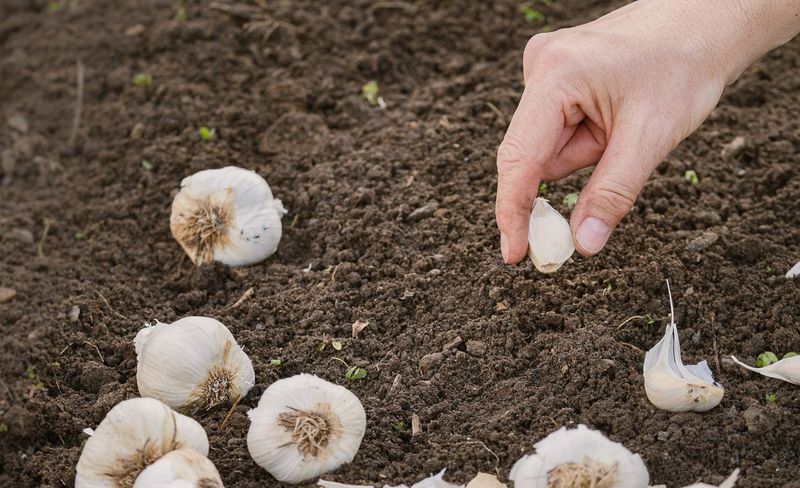
Come March, a shallow clove often shows up sitting on top of the soil, pushed out by freezing and thawing. Penn State Extension recommends setting cloves 1 to 2 inches deep.
Frost heaving is the real enemy here throughout winter. Pennsylvania winters swing above and below freezing repeatedly, and that movement lifts poorly anchored cloves right out of the ground.
Exposed cloves dry out, freeze, or snap their new roots, and a damaged plant never sizes up properly afterward.
Mulch closes the gap nicely. Three to four inches of straw or shredded leaves spread after planting steadies soil temperature and keeps the ground from lifting excessively.
Going too deep causes its own trouble too. Cloves buried four or five inches down in heavy clay may rot or emerge late and weak, wasting weeks of spring growth.
A dibber or a piece of dowel with a mark on it makes depth consistent every time. Push, drop the clove tip up, then firm soil over the hole so no air pocket remains.
Walk the beds after a January thaw if you get one. Any clove that has popped up can be gently pressed back down and recovered with mulch.
Poor Drainage Invites Rot Not Growth
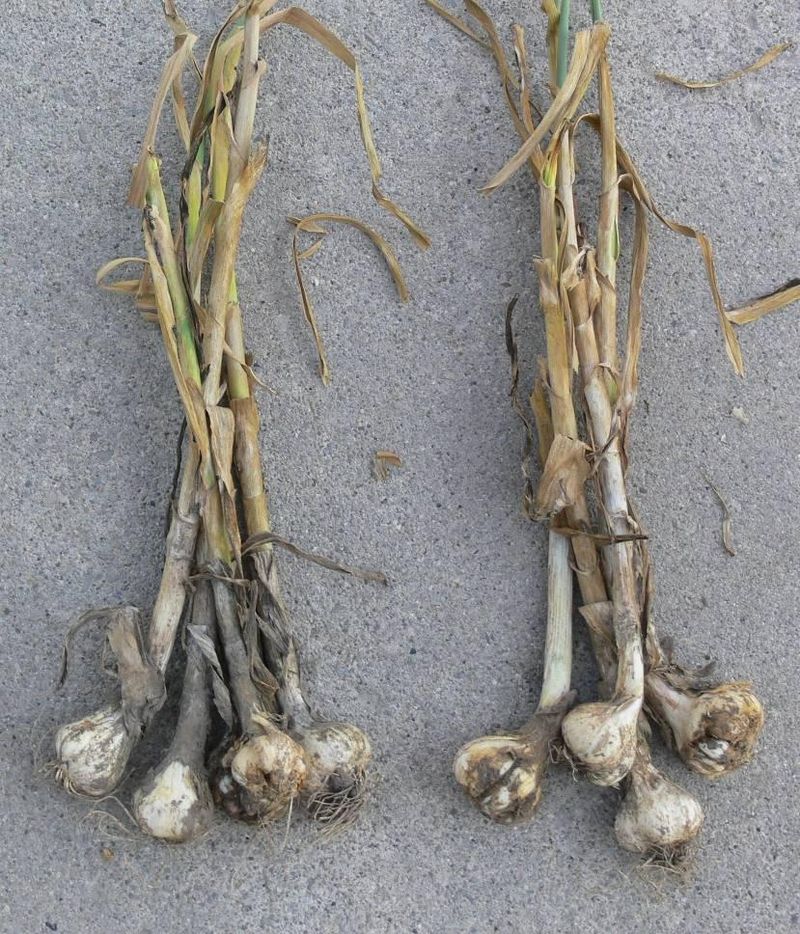
Garlic sits in Pennsylvania soil for roughly nine months, which is a long time to be soaking in water if drainage is poor. Heavy clay and low spots that puddle after a storm are where bulbs turn soft instead of fat.
Waterlogged soil pushes out air, and roots need oxygen just as much as moisture to function properly. Starved roots stop feeding the plant, and fungal problems such as white rot and basal rot move in quickly.
Once rot starts underground, the leaves look fine for a while and then collapse in June without much warning.
Raised beds solve most of this problem. Six to eight inches of height above the surrounding ground drains fast in a wet spring and warms sooner, which garlic appreciates.
Test your site before planting anything. Dig a hole about a foot deep, fill it with water, and see how long it takes to empty completely.
Working in compost, aged leaves, or coarse organic matter loosens tight clay over time and improves the whole bed. Avoid adding sand to clay though, which can create something closer to concrete.
Stop watering roughly two weeks before harvest in July. Dry soil at the end firms the wrappers and helps heads store through winter without going mushy in the basket.
Skipping Fall Compost Costs You Size
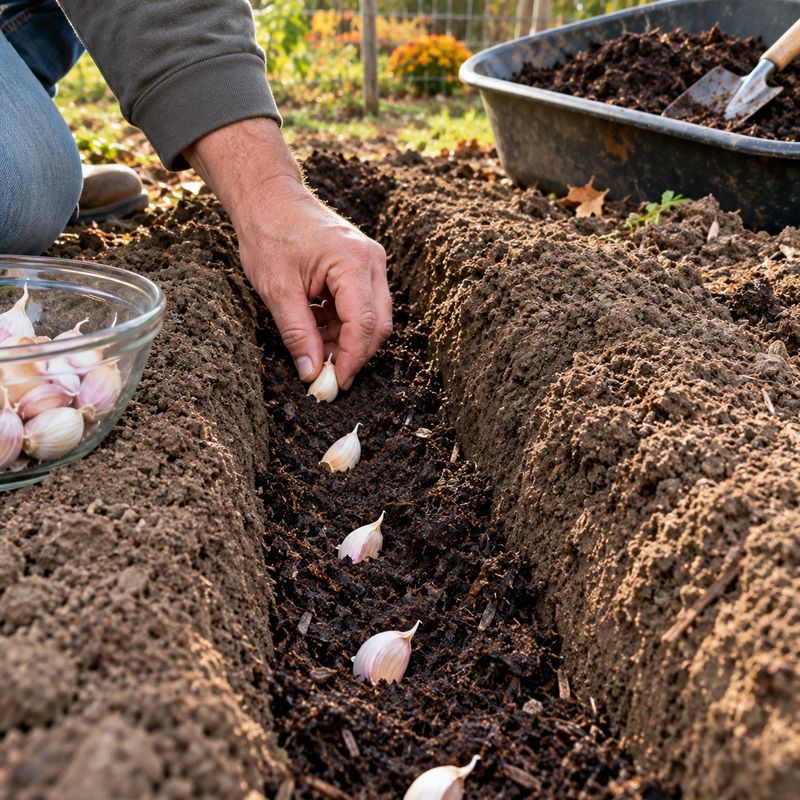
Autumn soil prep is the part everyone rushes, usually because planting day arrives with the first hard frost warning already looming. Garlic is a hungry crop from the start.
Two to three inches of finished compost worked into the top six inches of soil does several jobs at once for the whole bed.
Nutrients release slowly, moisture is held more evenly, and the loose texture lets bulbs expand instead of fighting compacted ground the whole season.
A soil test through Penn State Extension takes the guesswork out of the equation entirely. Garlic generally does best in soil around pH 6.0 to 7.0, and lime takes months to act.
Nitrogen deserves a second round in spring too. A side dressing when leaves start growing in late March or April supports leaf growth during the weeks when bulb size is decided.
Hold off after early May though, since late nitrogen pushes leaves at the expense of storage quality later on.
Of every fix on this list, spacing carries the most weight by far. Rich soil cannot rescue cloves planted three inches apart, but honest 6 to 7 inch spacing will improve your harvest even in an average bed.
Ignoring Variety Choice Undermines Everything Else
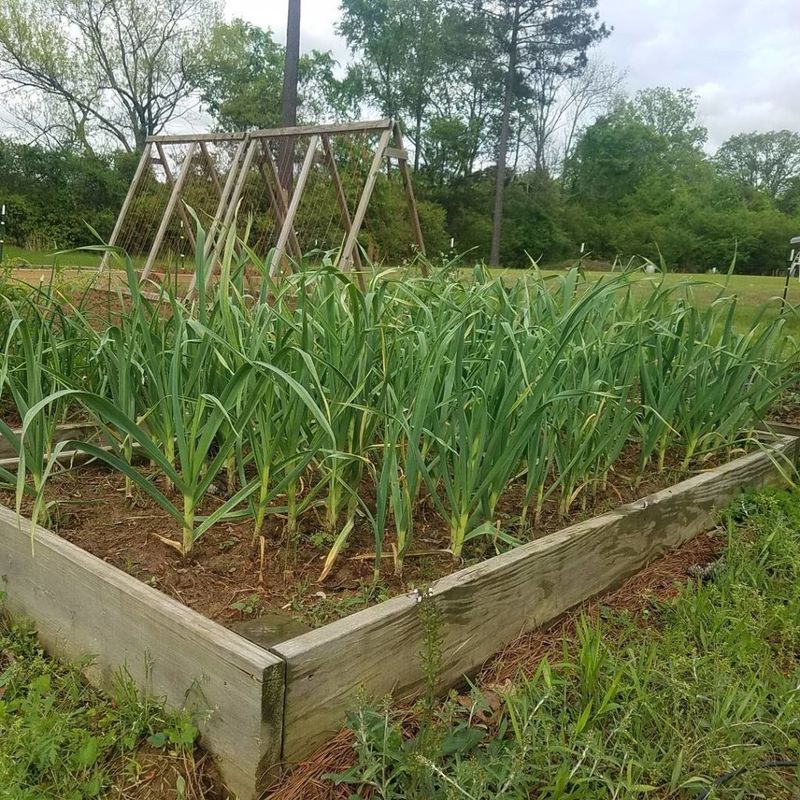
Even with perfect spacing, healthy seed cloves, and rich fall soil, planting the wrong garlic variety for Pennsylvania’s climate quietly caps how large those bulbs can ever get.
Hardneck varieties, including German Extra Hardy, Music, and Chesnok Red, evolved for cold winters and reliably outperform softneck types across most of the state, since softnecks generally prefer the milder winters found farther south.
Hardnecks also send up a flower stalk called a scape in late spring, and removing that scape redirects energy straight into bulb growth rather than letting the plant waste resources on flowering it does not need.
Some gardeners skip that step, assuming any garlic behaves the same way once planted, then wonder why their harvest lags behind a neighbor growing an identical spacing and soil setup with a different variety.
Days to maturity also varies noticeably between varieties, and choosing one suited to Pennsylvania’s growing season length matters just as much as suiting it to winter cold, since a variety needing an unusually long season may bulb up small if harvest arrives before it finishes.
Buying seed garlic specifically grown in a similar climate zone, rather than ordering whatever is cheapest online, gives cloves a genetic head start that generic grocery store bulbs simply cannot match.
Talking to a local grower at a farmers market or checking with Penn State Extension for regionally tested varieties takes very little effort compared to a full season of care invested in a mismatched plant.
Every other fix on this list, spacing, seed size, planting depth, drainage, and fall compost, works best when paired with a variety actually built for Pennsylvania winters, since even ideal conditions cannot fully compensate for a plant fighting its own genetics.