Never Ignore Powdery Mildew On Your Georgia Squash After Summer Storms
Your yellow squash looked picture perfect on Monday, with broad green leaves and fat blossoms soaking up the Georgia sun like nothing could go wrong.
Then a week of afternoon thunderstorms rolled through, dumping rain and leaving the air thick and sticky for days afterward.
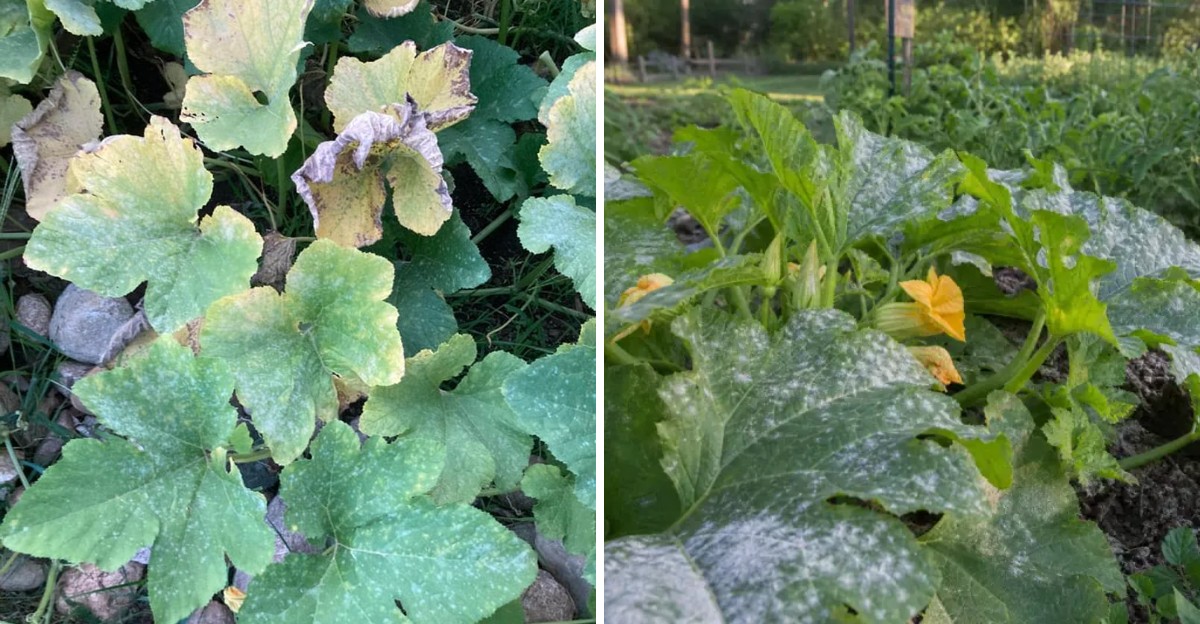
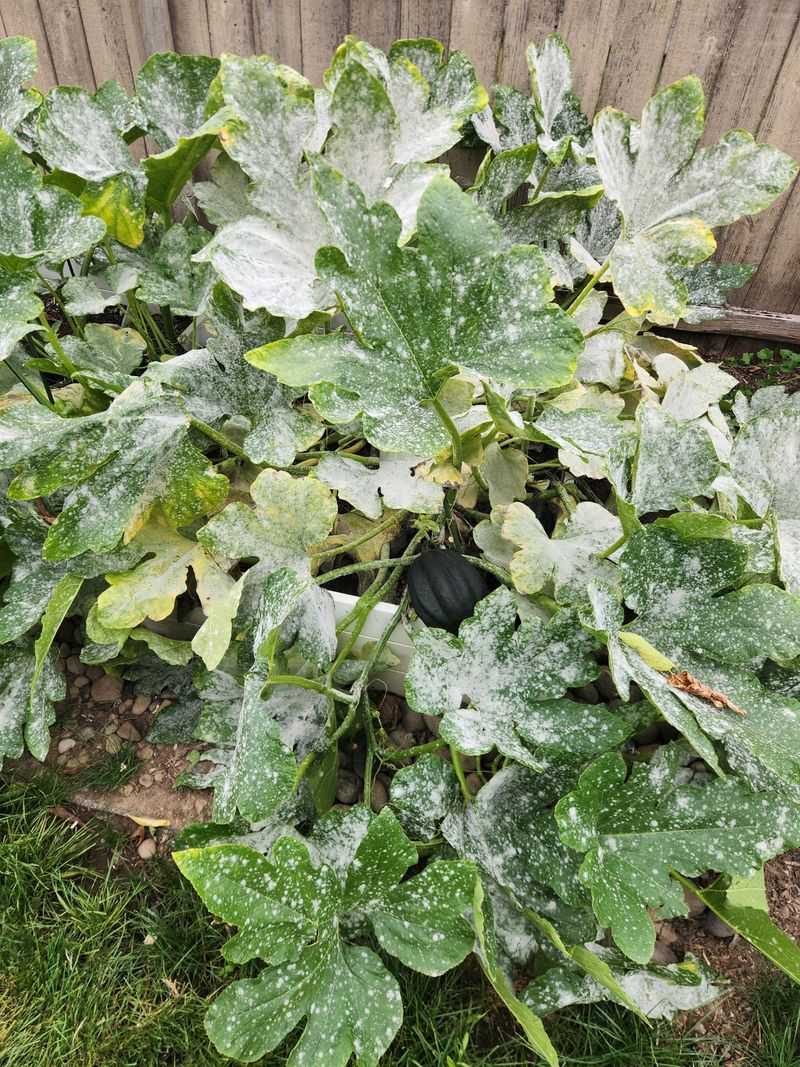
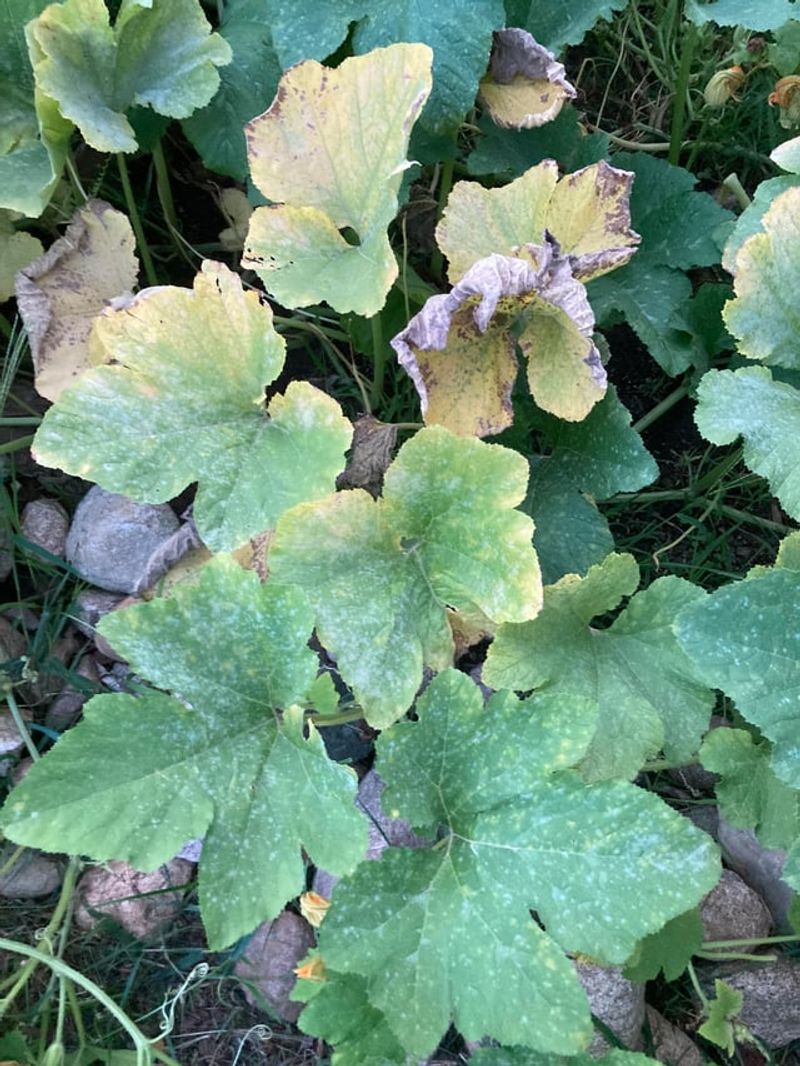
By the weekend, the older leaves wore a dusty white coating that looked like someone spilled flour across the whole patch.
That white film is powdery mildew, and while it rarely takes down a healthy squash plant outright, letting it spread unchecked can quietly rob you of weeks of harvest.
Most gardeners notice the coating and assume the season is basically over, either ignoring it completely or panicking and pulling the whole plant.
Neither reaction fits what is actually happening or what you should do about it.
Storm Humidity Creates Ideal Mildew Conditions
Georgia summers follow a familiar script. Blazing heat, a rumbling afternoon storm, then air so humid it feels like a wet towel pressed against your skin.
Powdery mildew loves that exact pattern more than almost anything else it could ask for.
Unlike most plant diseases, the fungi behind powdery mildew do not need standing water on the leaf to get started at all. University of Georgia Extension notes that these fungi thrive in high humidity paired with warm temperatures.
That is precisely the microclimate left behind when a storm soaks the ground and the sun starts pulling that moisture back into the air.
Heavy rain can actually wash some spores off foliage, so the storm itself is not the villain here. Trouble comes in the muggy days afterward instead.
Nighttime helps the fungus too. Temperatures drop, relative humidity climbs toward saturation, and spores that landed on the leaves get the moist air they need to germinate.
Practical takeaway worth remembering: treat the three or four days after a storm stretch as your inspection window. Flip over a few older, shaded leaves near the crown.
Catching it while the spots are the size of a dime gives you real options. Waiting until the whole canopy looks dusted means you are managing damage instead of preventing it.
White Coating Spreads Fast Once It Starts
One small white circle on Tuesday. Half a leaf by Friday. That is not your imagination, and it is not exaggeration either.
Powdery mildew reproduces through spores that form right on the surface of the leaf, so the fungus does not have to wait for rain to move at all.
A puff of wind, a brush from your sleeve, or a hose splash can carry thousands of spores to healthy foliage a few feet away in seconds.
Warm Georgia temperatures shorten the cycle even more. Under favorable conditions, a new batch of spores can mature within days, meaning the infection compounds instead of creeping.
Look for the pattern rather than a single spot. Infections usually begin on older, lower leaves, then climb up and outward, showing up on leaf stems and even the main vine.
Your Georgia Garden Changes Every Week. Your Plan Should Too.
Gardening in Georgia changes quickly throughout the season. Every Friday you’ll receive a simple weekly plan showing exactly what to plant, prune, fertilize, harvest, and protect so you never miss the right timing.
Because of that speed, removing badly coated leaves early matters quite a bit. Snip them off, bag them, and take them out of the garden entirely.
Wash your hands and clean your pruners before moving to healthy plants or other cucurbits like cucumbers and pumpkins, which can share the same trouble.
Fun detail worth knowing here: what looks like dust is actually the fungus itself, a web of threads and upright spore chains sitting on the leaf surface. Rubbing it partly off does not cure anything.
Reduced Airflow Makes Infections Worse
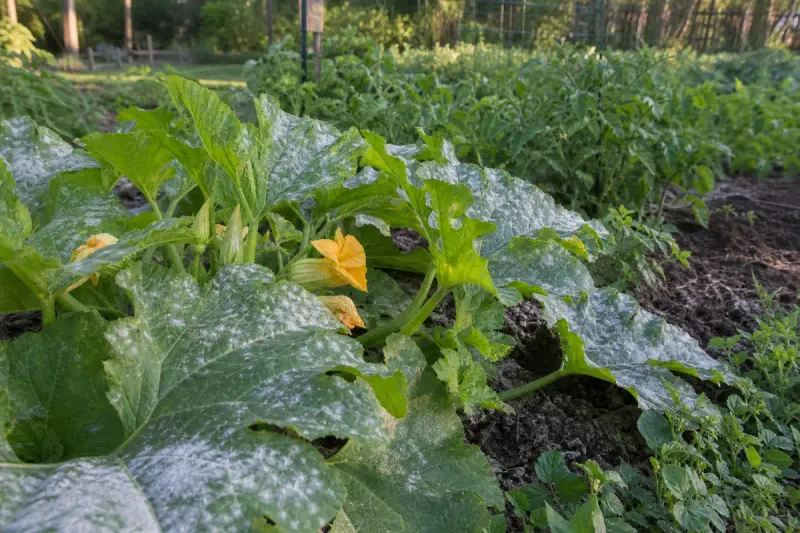
Picture the inside of a mature squash plant after a storm. Leaves the size of dinner plates lean into each other, and the whole tangle traps air that barely moves at all.
Still, humid air is a gift to powdery mildew. Without a breeze to dry leaf surfaces and lower humidity around the foliage, spores sit in comfortable conditions hour after hour.
Storms make crowding worse in ways gardeners often overlook. Wind knocks tall plants into the squash row, rain-heavy leaves sag and mat together.
Shade plays a role too here. A dense, jumbled canopy keeps sunlight off the interior leaves, and shaded foliage dries slowly while also being the tissue most prone to infection.
What helps: walk the patch once storms pass and reset things properly. Stand fallen plants back upright, pull weeds crowding the base, and prune out a few of the oldest, lowest leaves.
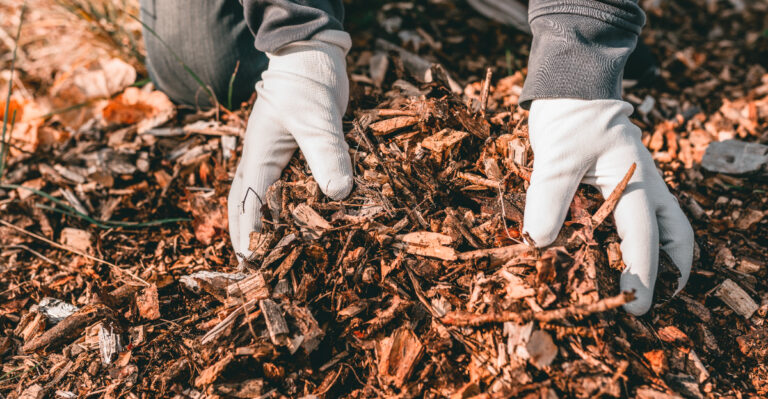
Mulch under the plants reduces splash and helps the ground surface dry faster than bare, compacted soil.
None of that is fancy work, and it takes maybe fifteen minutes per row. The payoff is a canopy that dries by mid morning instead of staying clammy until noon.
Untreated Mildew Weakens The Whole Plant
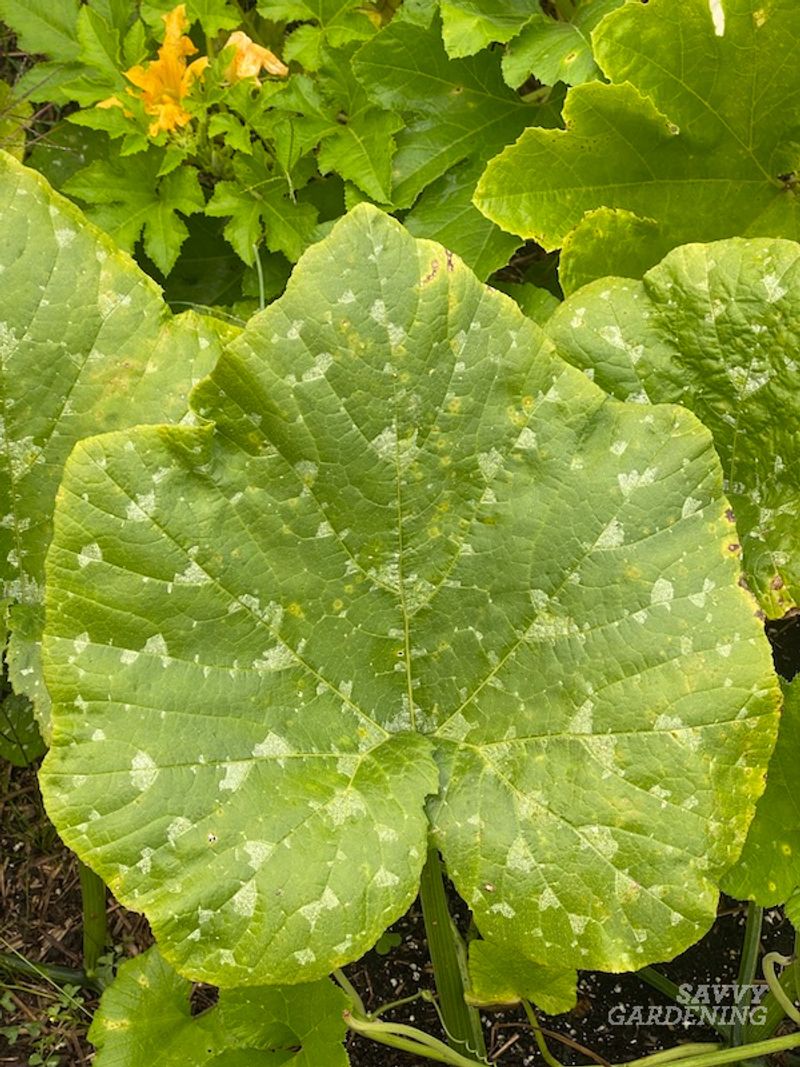
Here is the honest version, because scare stories do not help anybody deal with this properly. Powdery mildew is unlikely to flat-out take down an otherwise healthy squash plant.
What it does instead is drain the plant’s engine slowly over time. The fungus feeds on leaf tissue and blocks sunlight, so photosynthesis drops and the plant has less energy for setting fruit.
UGA Extension guidance on cucurbits points to real consequences when infections are left alone. Leaves yellow, brown, and fade back early, which shortens the productive life of the planting.
Fewer working leaves means smaller squash, slower production, and an earlier end to your picking season overall.
There is a second problem people rarely expect here. When the canopy thins out, developing fruit loses its shade cover and can get sunscald, those pale, leathery patches.
Flavor and quality can slip as well, since a stressed plant simply does not fill fruit the way a vigorous one does.
So the urgency is about the harvest, not a funeral for the plant. A plant you manage in early August may keep producing into September, while an ignored one often quits weeks sooner.
Better Spacing Slows Future Outbreaks
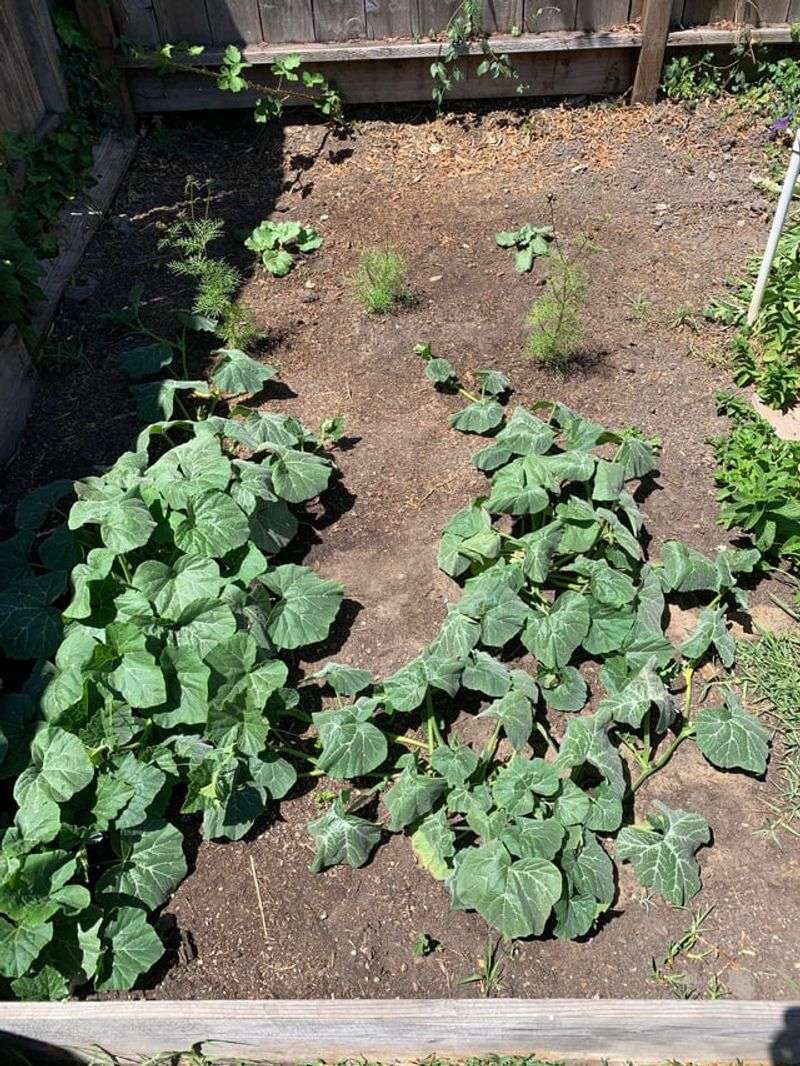
Spacing is the cheapest mildew control in the garden, and it costs nothing but a little planning at planting time back in spring.
Summer squash grows into a bush far bigger than the seedling suggests, so those tidy transplants set eighteen inches apart turn into an impenetrable thicket by July.
Following the wider end of recommended spacing for bush-type squash, generally around two to three feet between plants, keeps sunlight and breeze moving where you need them.
Row direction matters more than gardeners assume too. Running rows in line with the prevailing summer breeze lets air sweep through the patch rather than stalling against a solid green wall.
Give the patch an open edge too. Squash planted tight against a fence, shed, or thick hedge loses airflow on that side and tends to show mildew there first.
Consider planting fewer plants on purpose instead. Four well-spaced squash plants that stay healthy through September usually outproduce eight crowded ones that collapse in August.
Succession planting is another Georgia-friendly trick worth trying. Starting a second small batch in midsummer gives you fresh, vigorous plants coming on just as the first group begins struggling.
Morning Watering Beats Evening Watering
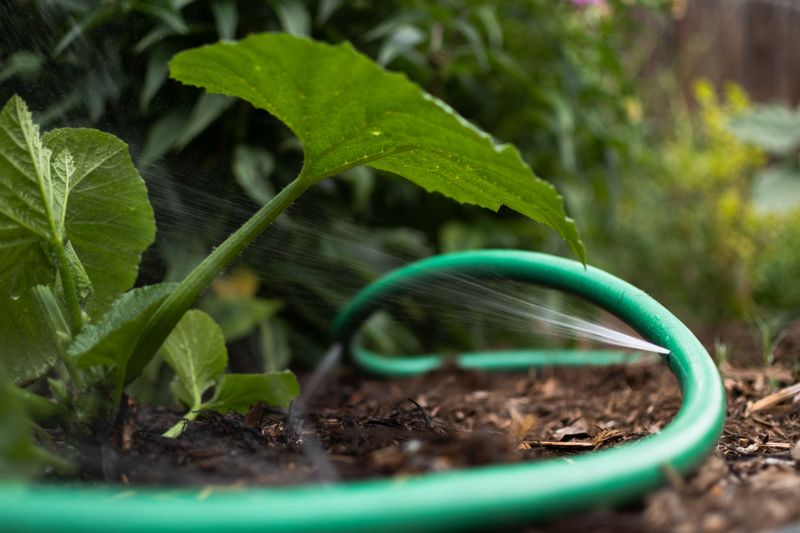
Evening watering feels logical after a hot Georgia day, and it is one of the habits that quietly helps powdery mildew along without you realizing it.
Water applied at dusk leaves foliage damp through the night, right when temperatures fall and humidity spikes to its highest point.
Shift to early morning instead for a real improvement. Watering shortly after sunrise gives leaves and soil surface the entire day to dry out.
Where the water goes counts as much as when you apply it. Soaker hoses and drip lines deliver moisture straight to the root zone, keeping leaves dry entirely.
Water deeply and less often rather than a light daily sprinkle. Deep soaking encourages roots to reach down, and the plant handles Georgia heat with less stress.
After a storm week, hold off on irrigation entirely until you check soil moisture a few inches down. Adding water to already saturated ground only prolongs the humid conditions under the canopy.
One small habit helps as well here. Avoid working in the patch while leaves are still wet with dew or rain, since brushing past damp foliage moves spores efficiently.
Early Action Saves The Rest Of Harvest
The goal is not a spotless plant. The goal is keeping enough healthy leaf area to finish the season with squash in your basket at the end.
Once you spot those first white patches, act the same week rather than waiting. Remove the worst leaves, bag them, improve airflow, and decide whether you want to use a fungicide.
If you go the spray route, read the label and follow it exactly, including days-to-harvest intervals listed there. UGA Extension publications list options for home gardeners, including sulfur and potassium bicarbonate products.
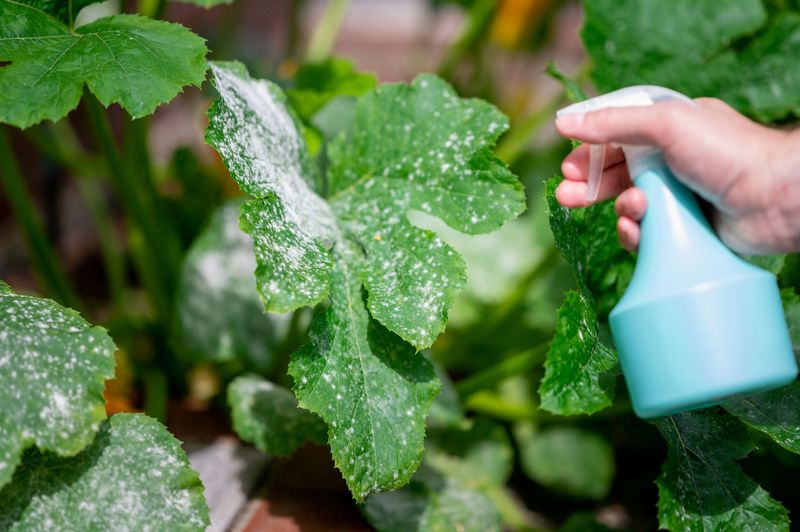
Coverage decides results here. Spores sit on both leaf surfaces, so spraying only the tops leaves half the problem untouched entirely.
Keep picking too, throughout this whole process. Harvesting squash regularly signals the plant to keep producing instead of pouring energy into a few oversized fruits.
Plan ahead for next year while it is fresh in your mind right now. Clean up old squash debris at season’s end, rotate where cucurbits go, and look for resistant varieties.
Handle it early, and you trade a dusty setback for several more weeks of dinners off the same plants.