Why Maryland Pepper Plants Are Suddenly Setting Fruit Again
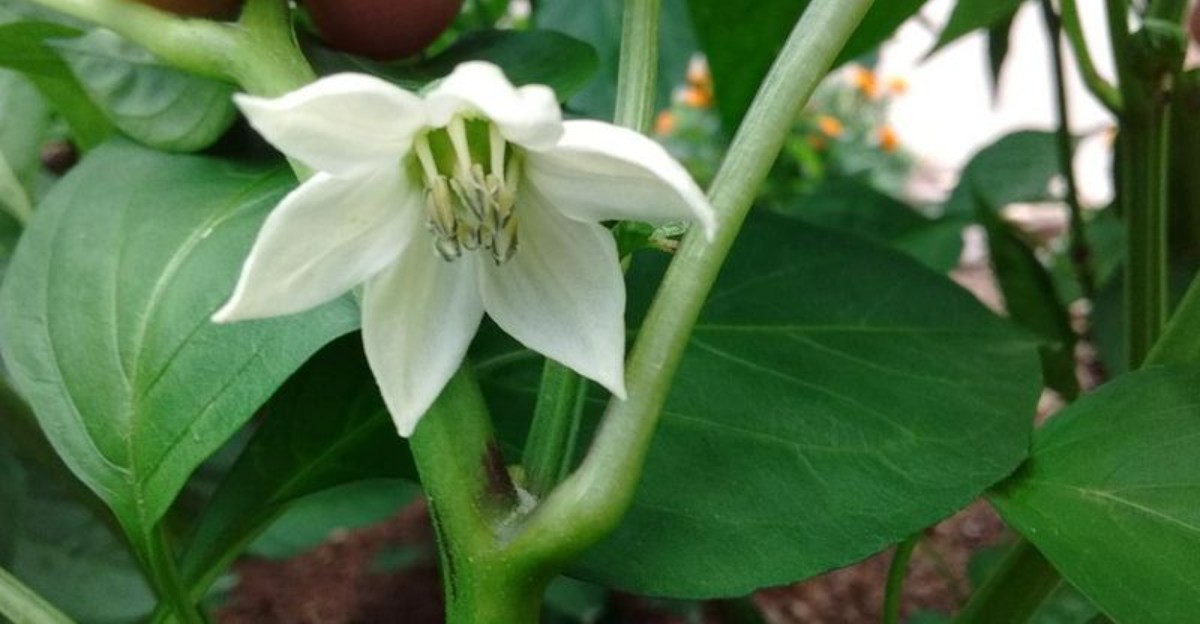
August in Maryland felt like standing inside a warm, damp dish towel for six straight weeks. Out in the soggy garden, blossoms kept opening and then quietly letting go of their own stems.
Weeks slid by with tall leafy plants, humming bees, and almost nothing worth carrying back indoors. Then the nights softened around Labor Day, and something out there quietly changed its mind.
Now small green nubs are appearing exactly where blossoms used to vanish without leaving a single trace. Gardeners from Frederick down to the Eastern Shore are doing slow double takes over their morning coffee.
None of this is magic, though the timing feels suspiciously polite after such a rude, sticky summer. Apparently the whole backyard just needed a light sweater and a slightly better attitude about life.
The Return Of Pollen-Friendly Nights
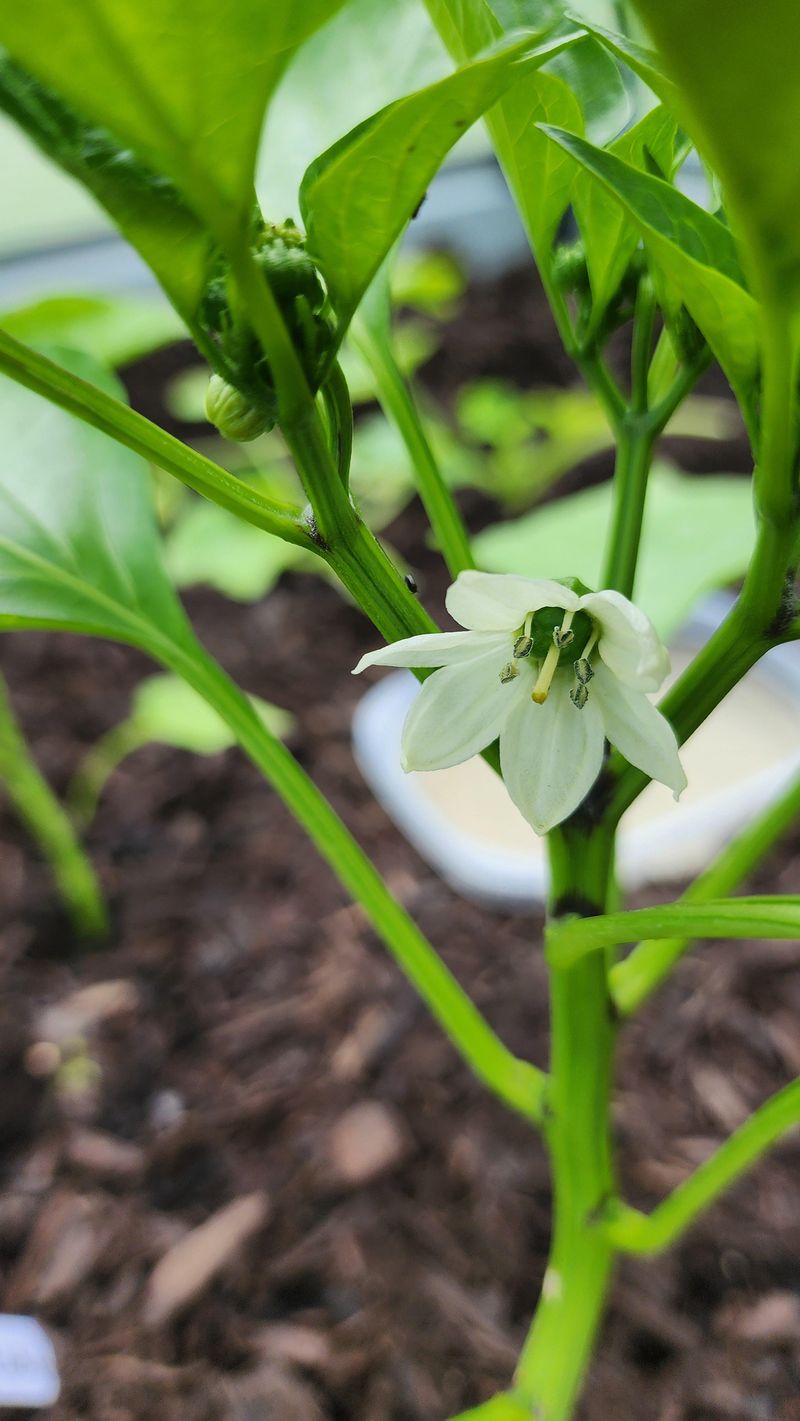
Pepper pollen is fussier than most gardeners realize, and Maryland summers push it past its limit. Once nights stay above 75 degrees, that pollen turns sticky and refuses to work.
Blossoms still open on schedule, which is why the plants looked busy all through July. Without workable pollen, though, each flower simply dried at the joint and dropped off.
September flips that switch across the state, with nights sliding into the fifties and low sixties. Cooler air lets pollen stay loose and fertile, so flowers finally finish the job.
Daytime highs matter too, and mid-eighties suit peppers far better than the mid-nineties of August. Humidity easing off helps as well, since damp pollen clumps instead of spreading.
Shade from a tall neighbor or a fence can shave a few degrees off leaf temperature. Gardeners in Baltimore row houses often see fruit set earlier than open-field plots.
Bees notice the change first, working flowers hard during mild mornings instead of hiding in shade. Peppers mostly self-pollinate, yet a little insect jostling improves the odds nicely.
Root systems are also enormous by now, having spent two months building while fruit stalled. All that stored energy pours into the first blossoms that actually stick.
Fun fact: bell types sulk in heat more than hot peppers bred for desert climates. Jalapenos and cayennes often kept producing while the bells sat on strike.
So the sudden fruit is less mystery than delayed payment for a long, patient summer. Your plants were not lazy, just waiting for the thermostat to cooperate.
Late Season Timing Across The Chesapeake Region
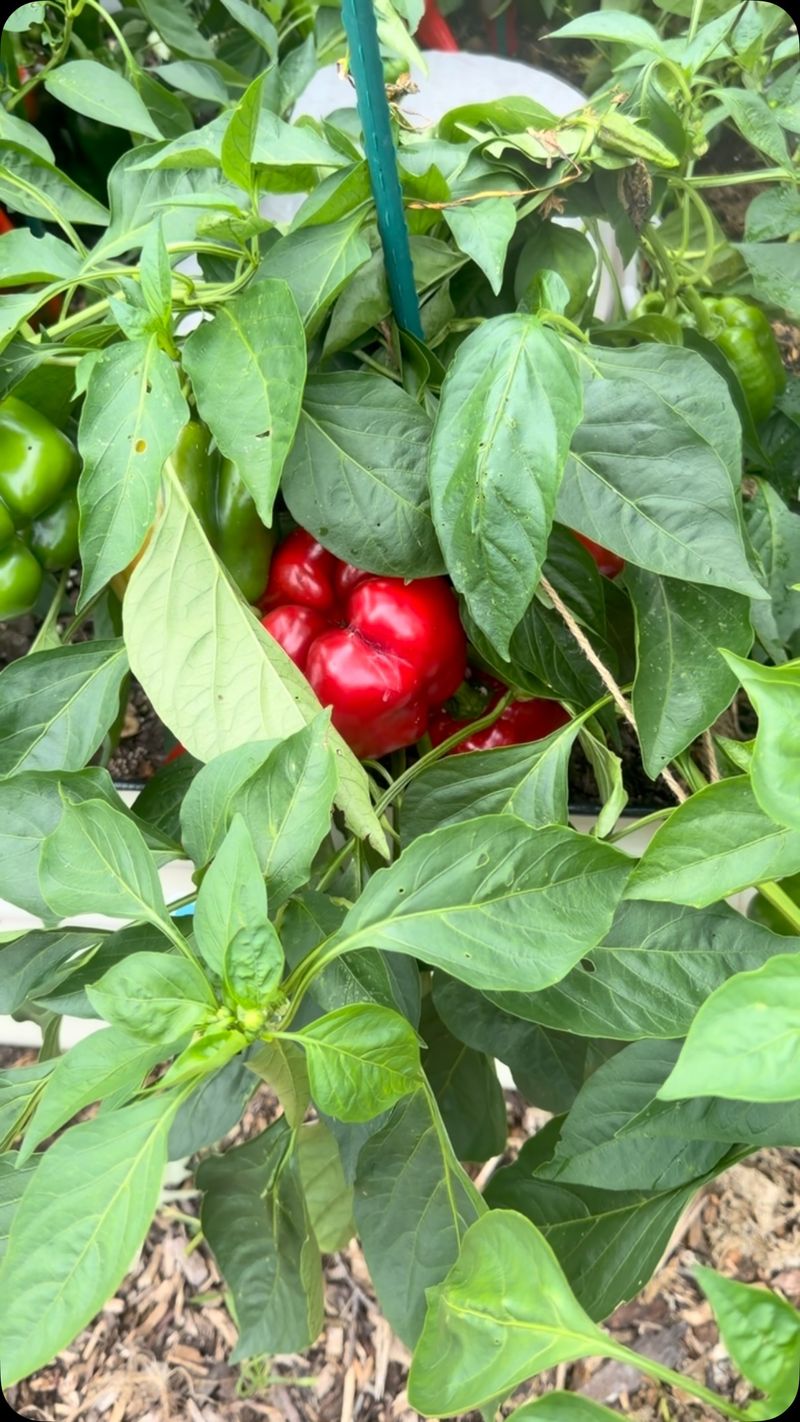
Timing is the whole story in a Maryland garden, where September behaves like a second spring. Cool fronts usually arrive after Labor Day, and pepper flowers respond within about ten days.
Much of central Maryland sits in zones 7a and 7b, with first frost around late October. Western Maryland runs colder, sometimes seeing a light freeze by the first week.
That leaves roughly six to eight weeks between the new fruit set and the first frost. Small peppers can size up in three weeks, while big bells need closer to five.
Ripening to red or orange takes extra time, and shorter days slow the color change. Green harvests are still delicious, so there is no shame in picking early.
Your Maryland Garden Changes Every Week. Your Plan Should Too.
Gardening in Maryland changes quickly throughout the season. Every Friday you’ll receive a simple weekly plan showing exactly what to plant, prune, fertilize, harvest, and protect so you never miss the right timing.
Flowers appearing after the first week of October rarely have time to turn into anything. Pinching those late blossoms sends energy toward fruit already hanging on the plant.
Coastal spots near Annapolis and Ocean City stay warm longer thanks to water holding heat. Gardens there often stretch harvest into early November during a mild autumn.
Watching the ten day forecast becomes the most useful gardening tool of the month. One clear, still night in the upper thirties can end the season quickly.
Keeping an old sheet by the back door buys two or three extra weeks. Covered plants shrug off a light frost and keep ripening the next afternoon.
Counting backward from your average frost date makes every decision easier this time of year. Mark it on the calendar and let the math guide your pruning.
The Overfeeding Mistake Behind Empty Plants
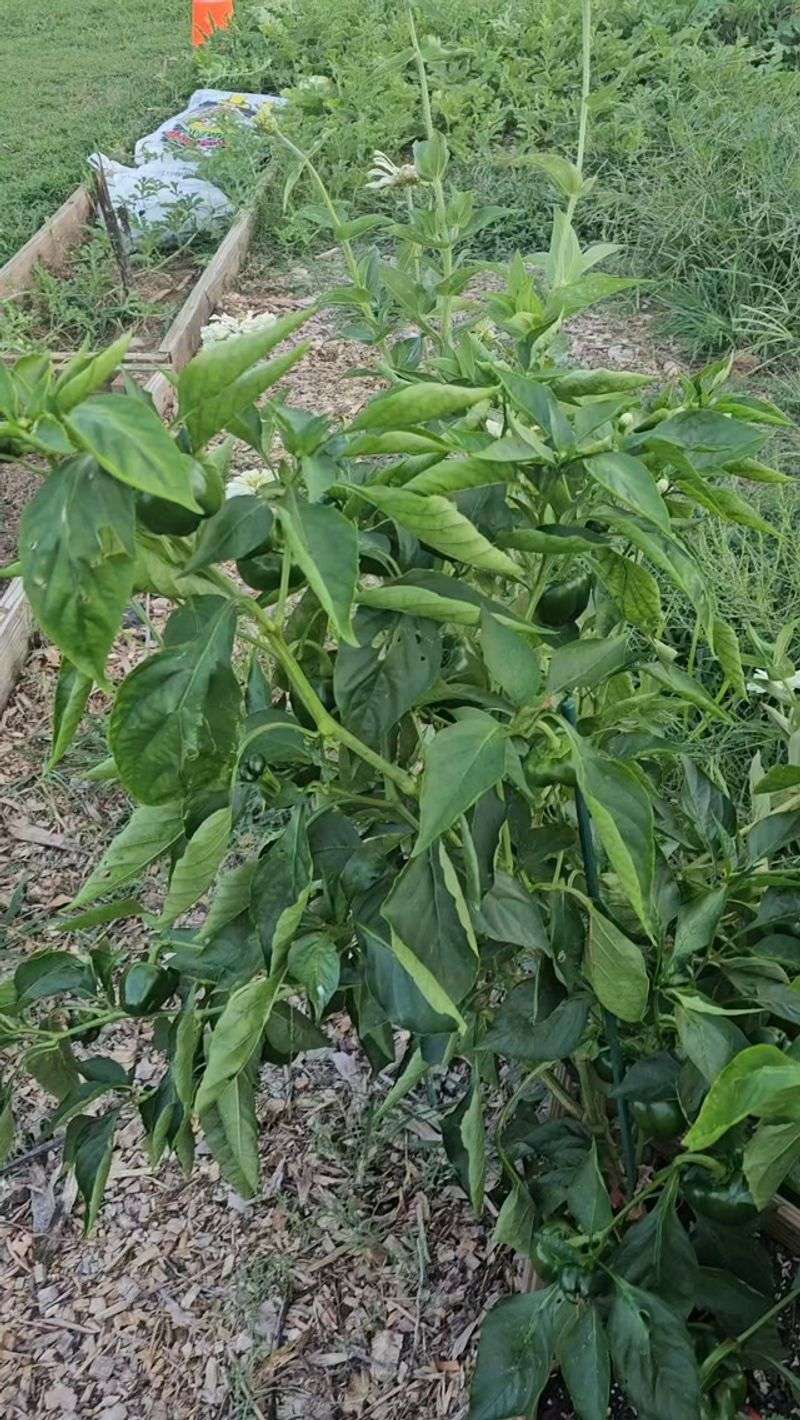
Here is the trap many gardeners fall into during a fruitless July. Blossoms drop, panic sets in, and out comes the high nitrogen lawn style fertilizer.
Nitrogen tells a pepper plant to build more leaves, thicker stems, and even more leaves. You end up with a gorgeous green shrub carrying almost nothing worth picking.
Heat was the real problem, not hunger, so the extra feeding just added confusion. Now that nights are cooler, that leafy growth competes with the new fruit.
Switching to a fertilizer with more phosphorus and potassium supports flowers and fruit instead. Look for numbers like 5-10-10 rather than anything heavy on the first digit.
Overwatering causes similar trouble, especially in Maryland clay that holds moisture like a sponge. Soggy roots cannot take up calcium, which shows up later as sunken brown spots.
Another common misstep is yanking plants out in August after weeks of no harvest. Those same plants were three weeks away from a genuine comeback.
Patience costs nothing, while a replacement seedling in August has no real chance. Leaving established roots alone is the cheapest gardening decision available.
Trim some of that excess leafy growth to open the plant to light and air. Sunlight reaching the center encourages the flowers you actually want.
Go easy on the shears though, since leaves also shade fruit from harsh afternoon sun. Removing a third of the canopy is plenty for one week.
Feeding lightly every two weeks beats one giant dose that shocks the roots. Steady and boring wins the late season pepper game.
Steady Water And Smart Harvest Habits
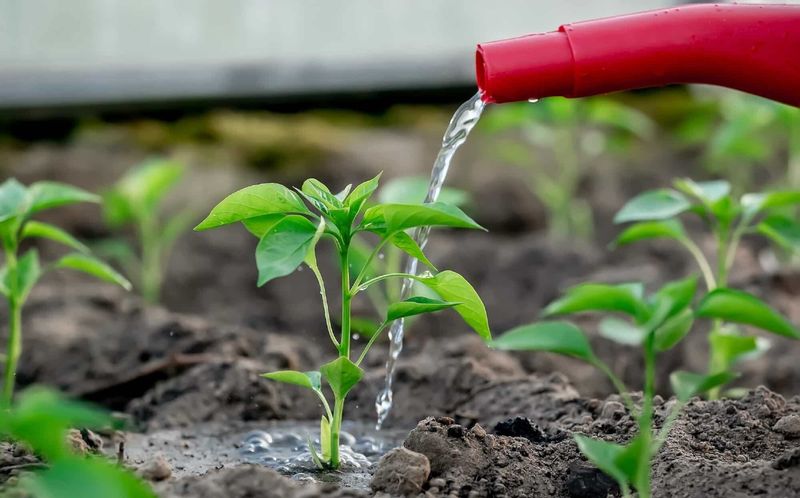
Nothing pushes a pepper plant forward this month like water it can count on. One deep soak twice a week beats a daily splash every time.
Aim for about an inch of water each week, more during a dry, breezy stretch. Stick a finger two inches into the soil before reaching for the hose.
Mulch is the quiet hero here, holding moisture steady while September afternoons still run warm. Two inches of straw or shredded leaves keeps roots from swinging between wet and dry.
Harvesting often is the trick most people skip, and it matters as much as any fertilizer. Every pepper left hanging tells the plant its work for the year is finished.
Pick fruit while it is firm and glossy, even at the green stage. Fresh picking signals the plant to keep flowering and setting more pods.
Support matters now too, since a loaded branch snaps easily during a September thunderstorm. A single stake and soft twine can save a season’s worth of fruit on the Eastern Shore.
A liquid feed rich in potassium every other week keeps the new fruit sizing up. Fish emulsion or a tomato formula both work fine for this stretch.
Watering at the base rather than overhead keeps leaves dry and fungus at bay. Morning is the best time, giving foliage hours to dry before evening.
Do these few things and the second flush arrives thick and fast. Your kitchen counter will run out of space before the plants run out of ambition.
Flavor And Size Of The Autumn Crop
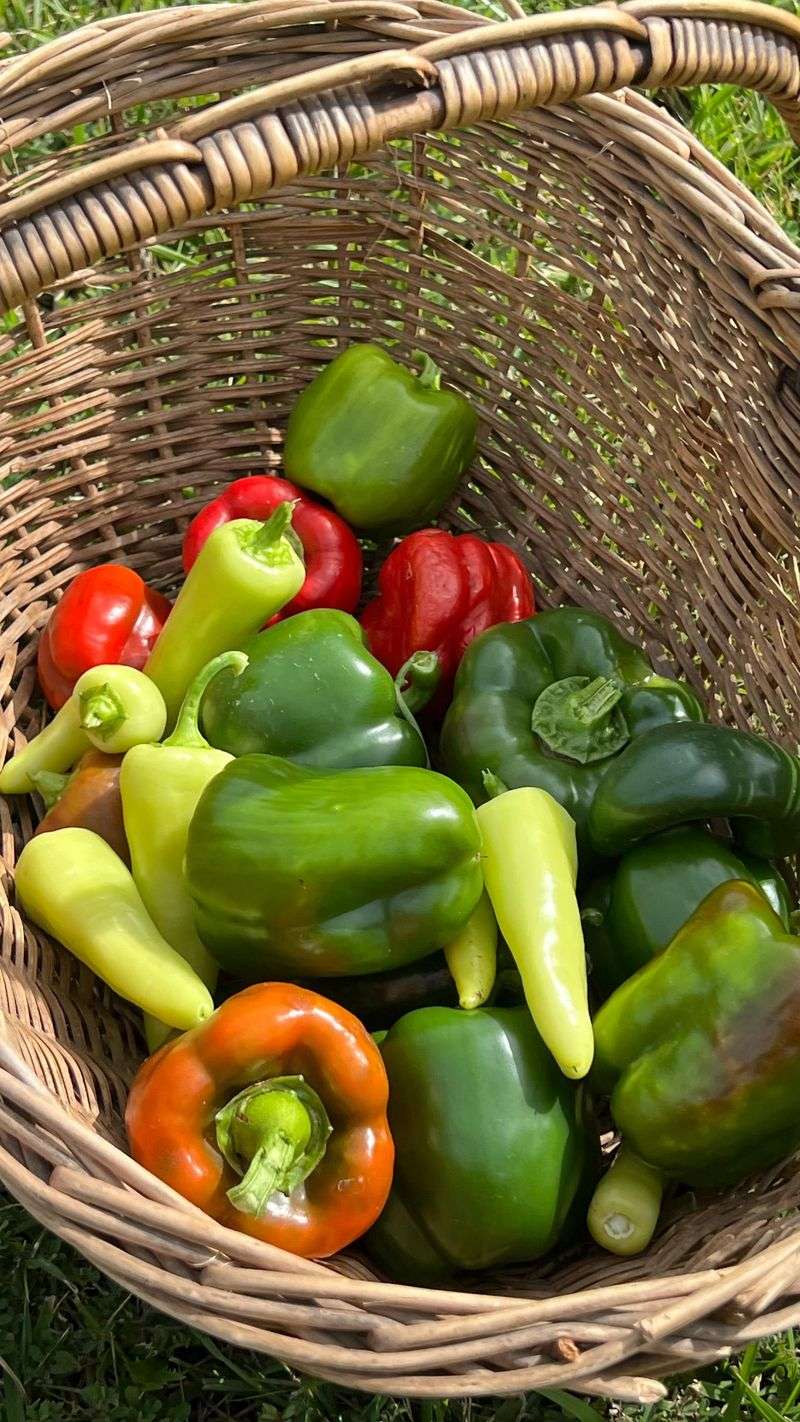
Late season peppers often taste noticeably better, and longtime gardeners swear by them. Cool nights concentrate sugars in the fruit while summer heat stress fades away.
Walls come out thicker on bells grown in September, with a crisp snap when sliced. Hot varieties can pick up sharper heat under the stress of fluctuating fall temperatures.
Size may run slightly smaller than midsummer fruit, since days are shorter now. Flavor usually makes up the difference, especially in roasted dishes.
Color changes happen slower under October light, so red and orange bells take real patience. A sunny windowsill finishes the job indoors when frost threatens first.
Insect pressure drops in fall, which means fewer chewed shoulders and cleaner fruit. Ladybugs move in as the heat breaks, helping keep aphid numbers in check.
Yields can surprise you, with some plants setting a dozen or more pods in a single week. Gardeners who nearly pulled their plants in August end up giving bags away.
Seed savers love this window, because fully ripe fall fruit holds mature seed. Let one pepper turn deep red on the plant and set it aside.
Thin walled frying types ripen fastest, so they often deliver the biggest fall numbers. Shishitos and banana peppers reward anyone short on remaining warm days.
Freezing is the easiest way to keep a big haul, since peppers need no blanching. Slice, spread on a tray, and bag them once solid.
Roasting a tray of late peppers fills a kitchen with the smell of summer. Come February, those jars taste like a small taste of summer saved for later.
Shade Cloth And Variety Choices For Next Summer
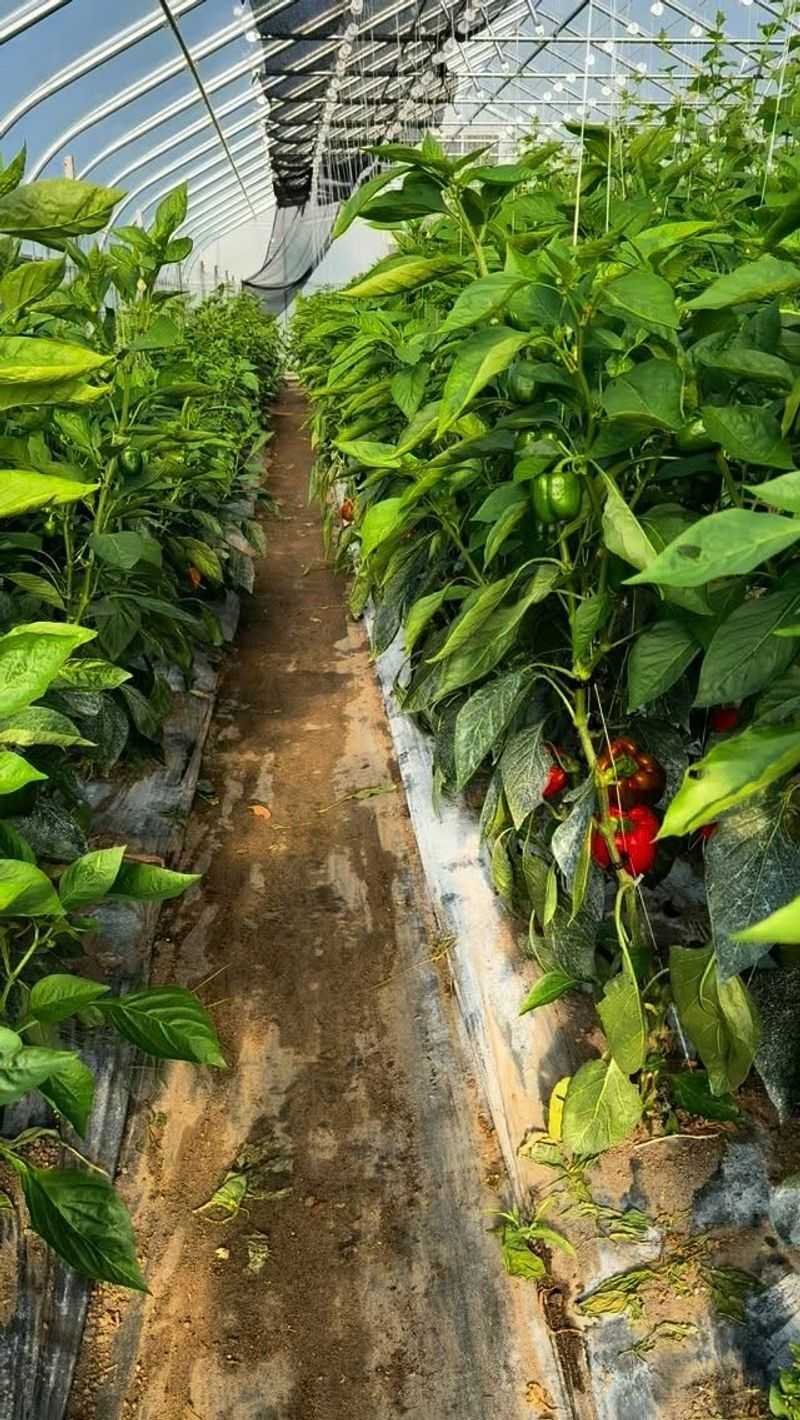
Next July does not have to be a repeat of this one. A few decisions made in spring keep fruit coming straight through the worst heat.
Shade cloth rated around thirty percent hung over the bed drops leaf temperature several degrees. Hoops and clips cost little and store flat in the shed.
Variety choice matters even more, and heat tolerant names exist for a reason. Look for types bred in the South, which shrug off sticky Maryland nights.
Small fruited peppers handle humidity better than giant blocky bells in general. Planting both spreads your risk across a long, unpredictable season.
Getting transplants in the ground by mid May gives you fruit before the heat lands. Early set peppers ripen in June and July while late flowers stall.
Mulch early, before soil bakes, and keep it thick all summer long. Cooler roots mean a plant that keeps flowering instead of coasting.
A little calcium worked into the planting hole helps guard against the sunken spots on fruit shoulders, alongside steady watering. Crushed eggshells help slowly, while gypsum works faster in heavy clay.
Container growers get an extra advantage, since pots can be rolled into afternoon shade. Move them back once the heat wave passes and flowering resumes.
Keeping a simple garden notebook beats memory, which tends to be generous and wrong. Write down the week flowers stopped and the week they returned.
Those notes turn next summer’s blossom drop into a shrug instead of a crisis. You will know the fruit is coming, just on the weather’s schedule.