7 Pennsylvania Wildlife Encounters That Are More Common In September
September changes the wildlife calendar in Pennsylvania in ways that most homeowners notice without fully understanding.
Animals that were relatively easy to ignore through summer suddenly become more visible, more active, and in some cases more likely to end up in your yard, on your porch, or somewhere unexpected.
The encounters that were occasional through July and August start happening with a frequency that catches people off guard.
It’s not coincidence. September triggers real behavioral shifts in a wide range of Pennsylvania wildlife, driven by the changing season, shifting food availability, and the biological pressures that fall sets in motion for animals preparing for what’s ahead.
Knowing which encounters are coming and why makes each one more interesting and easier to respond to correctly when it happens in your yard.
1. White-Tailed Deer Near Roads And Gardens
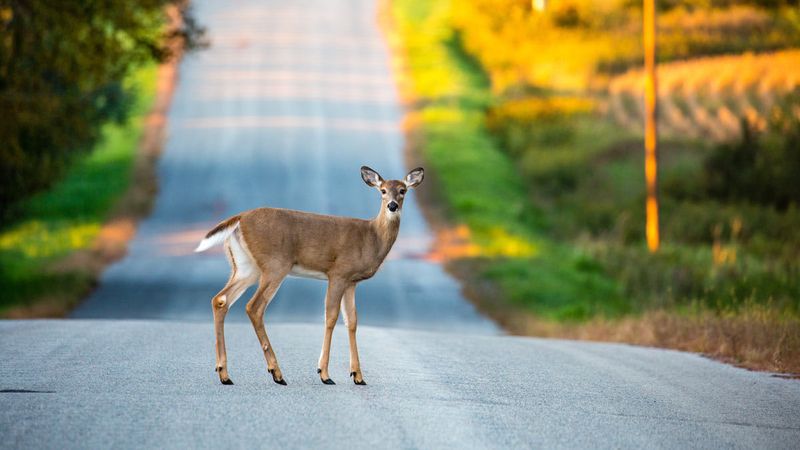
Ever glanced out your window at dusk and spotted a graceful deer standing perfectly still? September makes moments like that far more common across Pennsylvania. Deer start feeding heavily now as they build energy for the coming breeding season.
They munch on garden plants, fallen apples, and tender greens whenever they can find them.
That hunger pulls them closer to backyards, flower beds, and vegetable patches. If you grow anything tasty, you might wake up to nibbled leaves and missing blooms.
Roadsides also become busier spots for deer during this month. As the weather cools, they move around more at dawn and dusk. Drivers should slow down and stay alert, especially near wooded areas and open fields.
One deer crossing the road usually means others are nearby, so keep scanning ahead. Their eyes often reflect headlights, giving you a quick warning at night. Gentle braking beats swerving, which can send your car into danger.
To protect your garden, try fencing, netting, or plants deer tend to avoid. Strong-smelling herbs like mint and lavender can help keep them away. Motion-activated sprinklers also surprise them and send them looking elsewhere.
Watching deer can be peaceful and rewarding when done from a safe distance. Avoid feeding them, since that habit draws too many animals close to homes. It also makes them less cautious around people and traffic.
Fun fact: a white-tailed deer flashes its bright tail like a flag to warn others of danger. That flash of white is where its name comes from. Enjoy these elegant visitors while respecting their wild nature this fall.
2. Black Bears Searching For Food
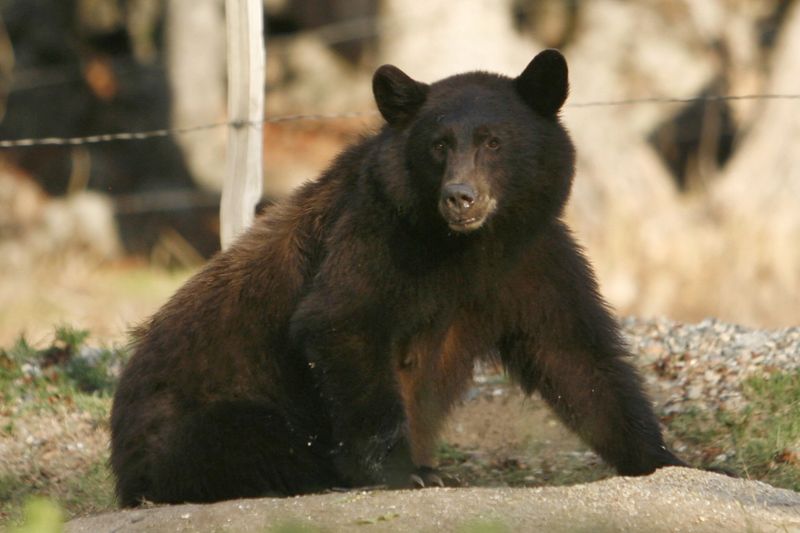
Picture a big, curious black bear sniffing around a trash can just beyond your porch light. That scene happens more often in September than most folks expect. Bears are laser-focused on eating right now, packing in calories before winter arrives.
Late summer and early fall push them to search wider and wander farther. They follow their noses toward berries, acorns, nuts, and anything that smells like a meal. Sometimes that trail leads them straight into neighborhoods and backyards.
Bird feeders, pet food, and open garbage cans act like magnets for hungry bears. Once a bear finds an easy snack, it often returns hoping for more. That is why removing food sources matters so much this time of year.
Your Pennsylvania Garden Changes Every Week. Your Plan Should Too.
Gardening in Pennsylvania changes quickly throughout the season. Every Friday you’ll receive a simple weekly plan showing exactly what to plant, prune, fertilize, harvest, and protect so you never miss the right timing.
Bring feeders inside at night and store trash in secure containers or a garage. Clean grills after cooking, since lingering smells can attract curious noses. Feed pets indoors to avoid leaving tempting leftovers outside.
If you spot a bear, stay calm and give it plenty of space. Never approach for a closer look or a quick photo. Make yourself look big, speak firmly, and back away slowly toward safety.
Most bears want nothing to do with people and will leave on their own. Problems usually start only when food rewards teach them to hang around. Keeping your property clean protects both you and the bear.
Here is something neat: black bears have an incredible sense of smell, stronger than a bloodhound.
They can detect food from over a mile away. Respecting their space keeps these powerful animals wild and your home peaceful.
3. Monarch Butterflies Passing Through
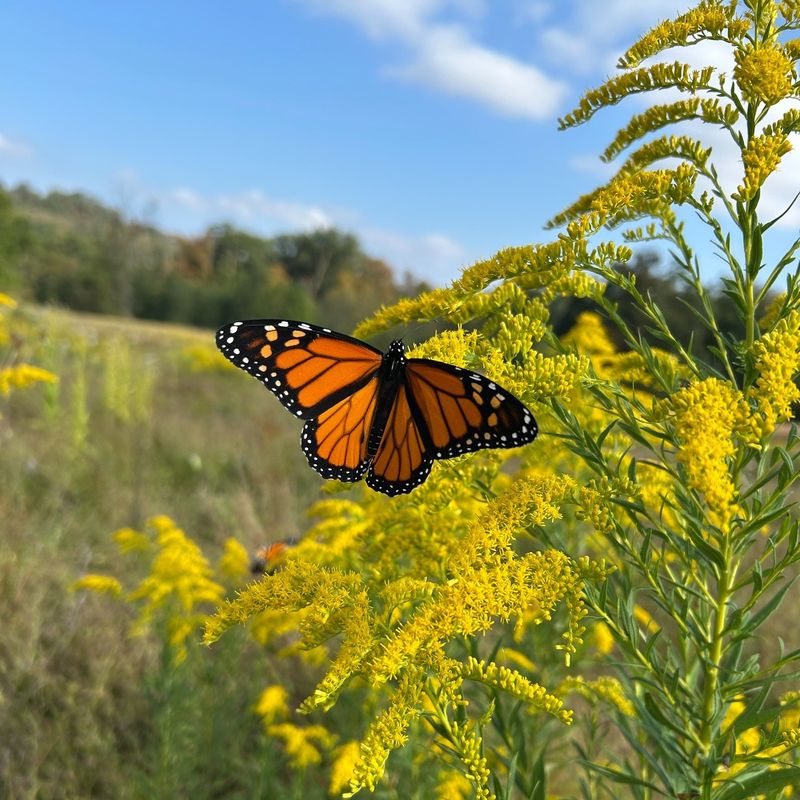
Few sights match the beauty of a bright orange monarch butterfly drifting across a sunny field.
September turns Pennsylvania into a busy highway for these amazing travelers. They are journeying south toward warmer overwintering grounds, and the timing lines up perfectly this month.
Monarchs cover thousands of miles during their long trip, a feat that seems impossible for such delicate wings. Along the way, they stop to rest and refuel on flowers. Meadows, gardens, and roadside blooms become important pit stops.
You can spot them fluttering over goldenrod, asters, and other late-blooming plants. Cool mornings often find them sunning their wings to warm up. Patience and a quiet approach let you enjoy them without scaring them off.
Want to help these travelers? Plant native flowers that bloom in early fall to give them fuel. Milkweed matters most, since it is the only plant their caterpillars eat.
Avoid using pesticides in your yard, which can harm butterflies and the plants they depend on. Even a small pollinator garden can support many monarchs during migration. Every flower helps them reach their far-off destination.
Watching a cluster of monarchs rest on a tree branch feels almost magical. They gather in groups when temperatures drop, warming together before moving on. Seeing that is a special September treat.
Did you know? The monarchs traveling through now are several generations removed from the ones that flew north in spring. No single butterfly makes the entire round trip.
That makes their instinct to find the same wintering spots truly astonishing and worth protecting.
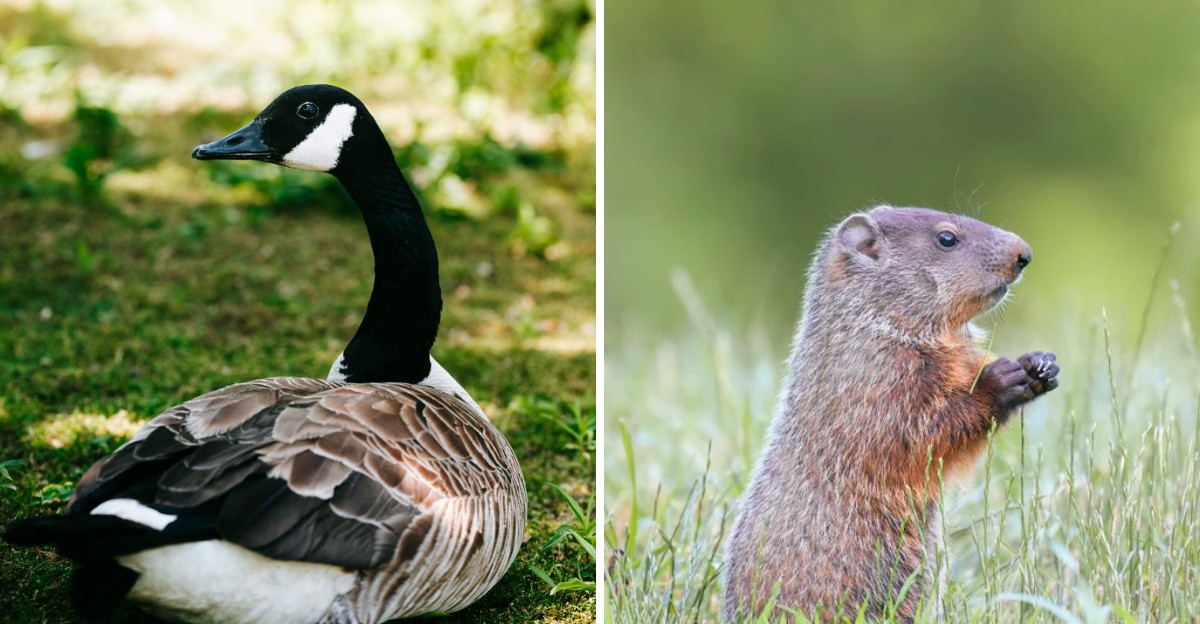
4. Canada Geese Gathering In Larger Groups
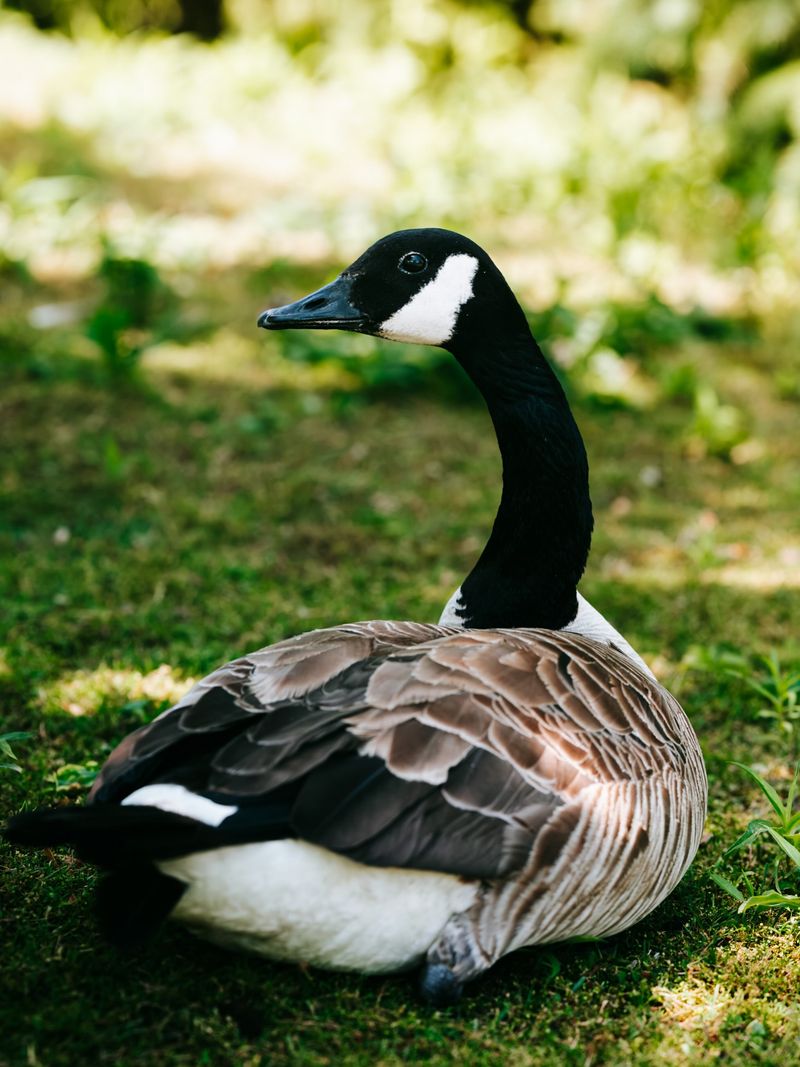
The honking of Canada geese overhead is one of fall’s most familiar sounds. September brings them together in bigger, noisier groups than during summer. As the season shifts, they gather near ponds, fields, parks, and wide open lawns.
These birds prepare for seasonal movements, so you will notice them clustering in larger numbers.
Golf courses, athletic fields, and grassy shorelines become popular gathering spots. Early morning and evening are the best times to watch them feed.
Geese graze on grass, grains, and seeds to build up their energy. Their loud calls help the flock stay connected and coordinated. When one takes off, the whole group often follows in a noisy rush.
Living near a pond means you might see them almost daily this month. While they are fun to watch, large flocks can leave messy lawns behind. Their droppings pile up quickly wherever they gather.
To discourage them from settling in, avoid feeding them bread or scraps. Fed geese lose their natural wariness and tend to stay put. Letting grass grow taller near water can also make an area less inviting.
Keep a respectful distance, especially since geese can be protective and bold. A hissing goose is simply telling you to back off. Give them room and they will usually leave you alone.
Here is a cool tidbit: Canada geese often fly in a V shape to save energy. The lead bird works hardest, then rotates back to rest. This teamwork helps the whole flock travel long distances more easily during their seasonal journeys.
5. Raccoons Becoming More Noticeable At Night
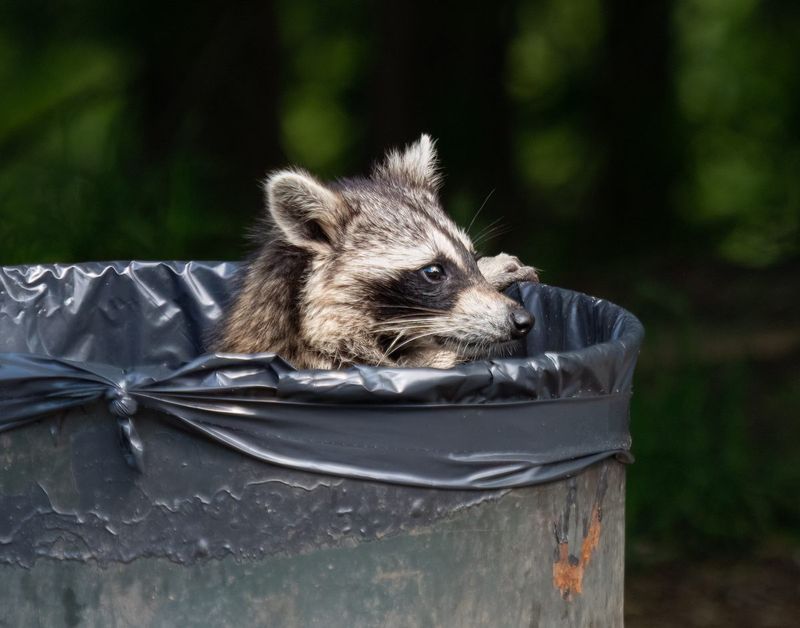
That soft rustling in your yard after dark might just be a masked bandit at work. Raccoons stay busy through fall, and September nights make them easier to notice. They roam around searching for easy meals and fresh water.
These clever animals are famous for raiding trash cans and pet bowls. Their nimble paws can open lids, latches, and containers with surprising skill. Once they find a reliable snack spot, they keep coming back.
Yards with gardens, compost piles, or fallen fruit attract them quickly. They also enjoy pet food left outside overnight. Removing these temptations is the best way to keep them at a distance.
Secure your garbage with tight lids or bungee cords to slow them down. Bring pet dishes indoors before bedtime so nothing tempts them. Clean up spilled birdseed and fallen fruit around your property.
Raccoons are mostly harmless when left alone, but they should never be approached. Wild ones can act unpredictably, especially if they feel cornered. Enjoy watching them from a window instead of up close.
Seal off spaces under decks, sheds, and porches where they might make a den. A little prevention keeps them from settling in for a long stay. Chimney caps and secured attics also help block unwanted guests.
Fun fact: raccoons often dunk their food in water before eating it. Scientists think this habit helps them feel and sort their meal with sensitive paws.
Their curious, hands-on nature makes them one of the most entertaining nighttime visitors you will encounter this fall in Pennsylvania.
6. Woodchucks Preparing For Winter
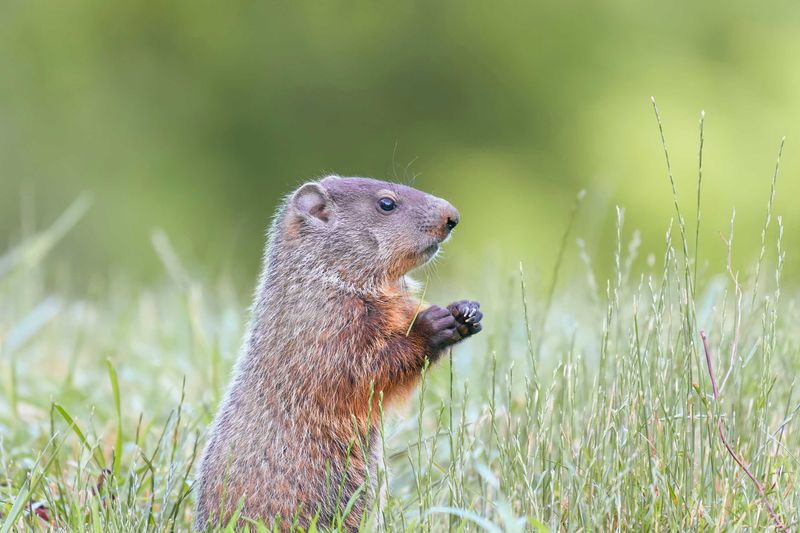
Round, fuzzy, and always munching, the woodchuck is a familiar sight in Pennsylvania fields.
September finds these chubby critters, also called groundhogs, eating almost nonstop. They are building up fat reserves to carry them through the long winter ahead.
You will often spot them near burrows in fields, gardens, and grassy edges. They feast on clover, grasses, vegetables, and garden greens. All that heavy feeding helps them gain the weight they need before hibernating.
Their appetite can be a challenge if you grow your own vegetables. A hungry woodchuck can clear out a garden patch surprisingly fast. Fencing dug a bit into the ground helps block their digging.
Woodchucks are excellent burrowers, creating tunnels with several entrances. These dens keep them safe and warm once the cold sets in. You might notice fresh dirt mounds appearing near their favorite spots.
To protect plants, try raised beds or wire barriers around your garden. Removing brush piles and tall weeds makes your yard less appealing. They prefer areas with good cover close to their burrows.
Watching one stand up on its hind legs to look around is pretty charming. They are cautious animals and dart underground at the first sign of trouble. Give them space and they will happily go about their business.
Here is a fun bit of history: the groundhog is the star of Punxsutawney Phil’s famous weather prediction each February.
Right now, though, these hardworking eaters are focused on one thing. They are fattening up so they can sleep soundly through Pennsylvania’s chilly winter months.
7. Migrating Birds Moving Through Pennsylvania
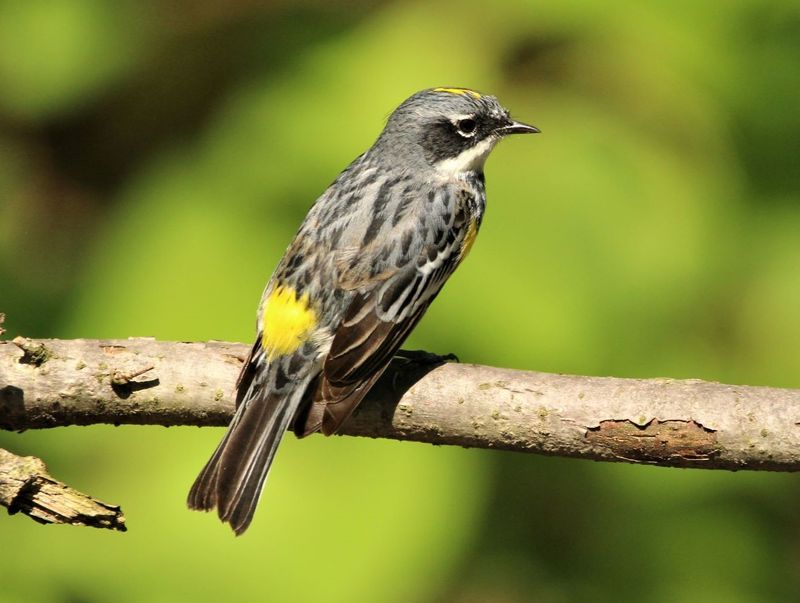
Look up on a crisp September morning and you might catch a river of birds streaming south.
Fall migration hits its stride this month, filling Pennsylvania skies and forests with travelers. Warblers, thrushes, hawks, and many others pass through on their long journeys.
These birds follow ancient routes toward warmer places for the winter. Some travel by day, while others fly under the cover of night. Along the way, they stop to rest and eat in woods, wetlands, and backyards.
Ridges and mountaintops become excellent spots to watch hawks soaring past. They ride rising air currents to save energy during their trip. On a good day, hundreds can drift overhead in steady streams.
Songbirds like colorful warblers flit through trees searching for insects and berries. Their bright feathers make them a delight for birdwatchers. Early morning is often the busiest and best time to look.
Want to help these travelers? Keep bird feeders clean and filled with fresh seed. Leaving native shrubs with berries gives them natural fuel for the road. A shallow water dish also offers a welcome drink.
Turning off bright outdoor lights at night can help night-flying birds stay on course. Glass windows can confuse them, so decals or screens reduce collisions. Small changes at home make a real difference.
Grab a pair of binoculars and a field guide to enjoy the show. Every day can bring different species passing through. Did you know?
Some tiny warblers weighing less than a coin travel thousands of miles each fall, an incredible feat of endurance worth celebrating.