The Hardy Native Ohio Groundcover That Works Better Than Grass On Steep Slopes
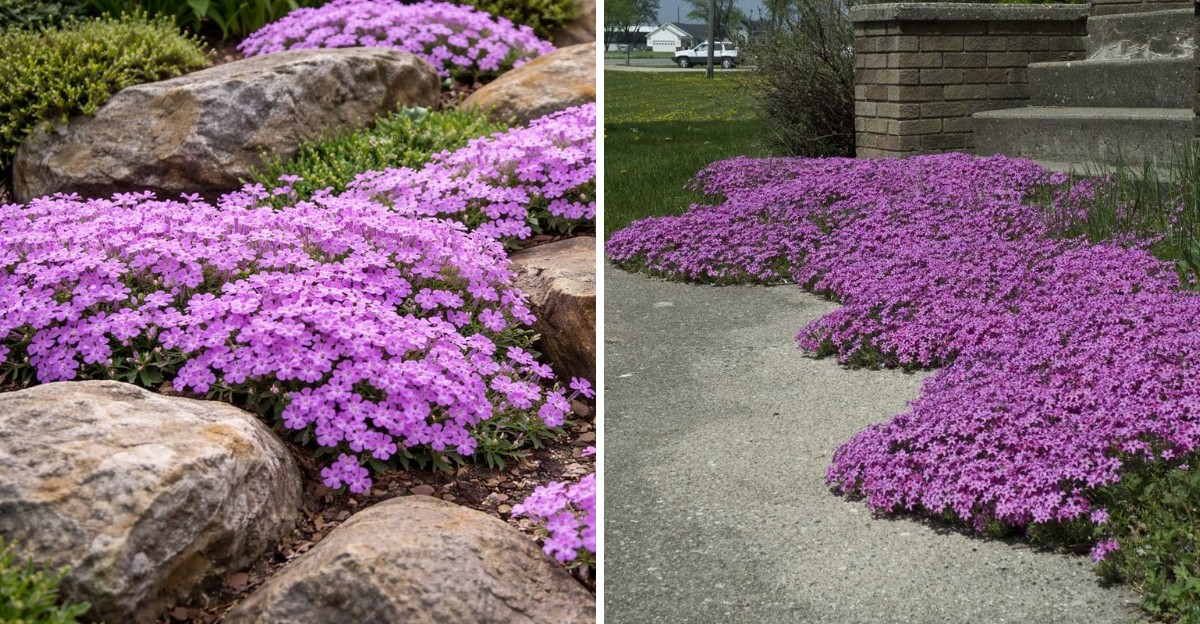
That steep slope out back has been a losing battle with grass for years. Patchy at best.
Bare and washed out at worst, especially anywhere mowing feels more like a safety risk than a chore.
Grass needs flat ground and steady soil contact to hold on. Ohio steep slopes offer neither.
Rain washes seed away before roots ever form. Mowing turns awkward, sometimes dangerous.
Bare patches turn into erosion, and erosion just gets worse every season it’s ignored.
There’s a low, spreading native that handles this kind of terrain without any of that fight. It roots near the surface, spreads steadily, and can form a dense mat that helps protect a slope from erosion.
Come spring, that same stubborn hillside turns into the one part of the yard neighbors actually stop to look at.
1. Meet Creeping Phlox, Ohio’s Slope-Friendly Native
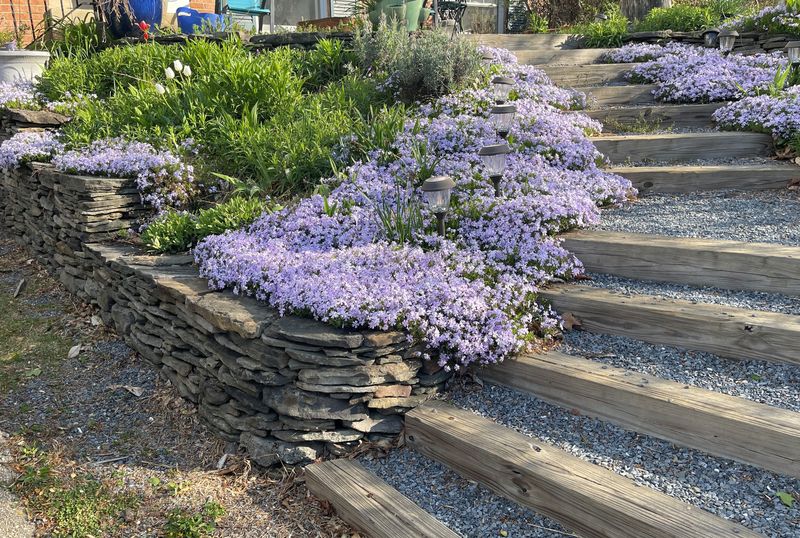
Ask an old-time Ohio gardener about the pink stuff spilling over stone walls each April, and you will probably hear the name moss pink. Botanists call it Phlox subulata, while catalogs list it as creeping phlox, moss phlox, or mountain phlox.
Native range matters here. Phlox subulata is native to parts of the eastern and central United States and is well suited to many Ohio growing conditions.
In the wild, it picks the spots most plants avoid. Think dry ledges, rocky outcrops, sandy banks, and open woodland edges where soil is thin and water drains away fast.
That background explains everything about how it behaves in a yard. A plant that evolved on ledges is not bothered by a slope, poor topsoil, or a stretch of dry July weather.
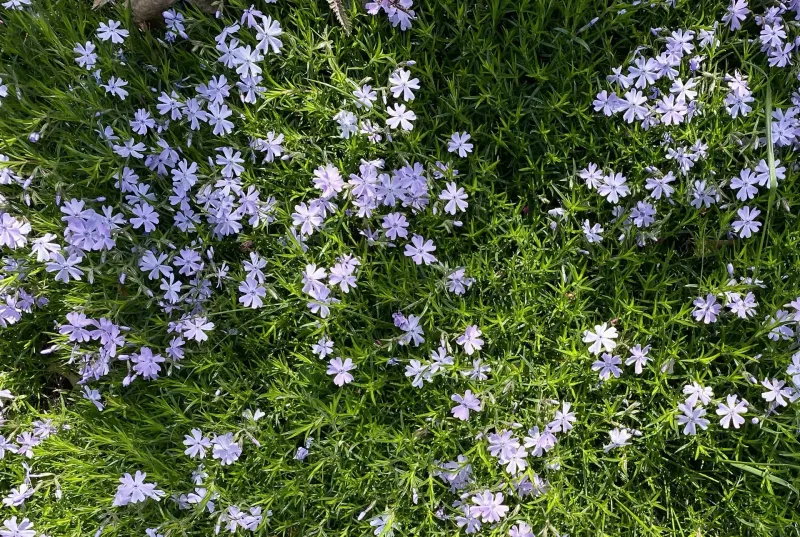
The foliage is a giveaway too. Leaves are short, narrow, and almost needle-like, which is why the mat looks a bit like moss when the flowers are finished.
Height stays low, usually only four to six inches, and the stems creep sideways rather than upward. You get coverage without bulk, which keeps the look tidy on a bank.
Fun bit of history: this plant has been shared over garden fences for generations in the Midwest, long before anyone marketed it as a native groundcover.
2. Cover Steep Ground Without Constant Mowing
Mowing a steep bank is one of those chores nobody signs up for on purpose. Wheels slip, the deck scalps the high spots, and the whole job feels riskier than it should.
Swapping that turf for creeping phlox removes the weekly climb entirely. The plant tops out only a few inches tall, so there is nothing to cut back on a schedule.
Spreading is the real advantage. Stems root as they travel sideways, filling gaps fairly quickly and leaving less open ground for weed seeds to claim.
Once roots settle in, watering becomes occasional rather than routine. Established plants handle dry spells well, which is handy on slopes where water runs off before it soaks in.
Practical tip: plan on regular water through the first growing season. That first year of attention buys you years of easy upkeep afterward.
Your Ohio Garden Changes Every Week. Your Plan Should Too.
Gardening in Ohio changes quickly throughout the season. Every Friday you’ll receive a simple weekly plan showing exactly what to plant, prune, fertilize, harvest, and protect so you never miss the right timing.
Weeding still happens, especially early on. Pulling stray weeds by hand a few times each spring is far less work than hauling equipment up an incline.
Many Ohio homeowners start small, converting one troublesome strip beside a driveway or retaining wall. Seeing the difference in mowing time usually convinces them to expand the planting the following season.
Less equipment, fewer trips uphill, and a slope that finally looks intentional instead of neglected.
3. Let Dense Growth Help Hold Soil
Heavy Ohio downpours have a habit of carving little channels down bare slopes. Mulch floats away, topsoil ends up in the driveway, and the bank looks worse after every storm.
A thick mat of creeping phlox works against that pattern. Foliage grows dense enough to break the force of falling rain before it hits the ground.
Underneath, the spreading root system does the quieter work. The dense growth and shallow root system can help stabilize the upper soil layer and reduce erosion on smaller slopes.
Coverage lasts through the cold months too. The foliage is evergreen to semi-evergreen, so the slope is not left bare when winter rain and snowmelt arrive.
Compare that with turf on a steep pitch. Grass often thins where the slope is driest or shadiest, and thin turf means exposed soil right where runoff moves fastest.
For best results, get plants in while the bank is still stable. Adding a thin layer of mulch between young plants helps hold things together until the mat closes.
Some gardeners pin longer stems down with small landscape staples. Contact with soil encourages rooting along the stem, which speeds up coverage on the steepest sections.
Give it two or three seasons, and that troublesome bank starts behaving like solid ground.
4. Give Creeping Phlox Plenty Of Sun
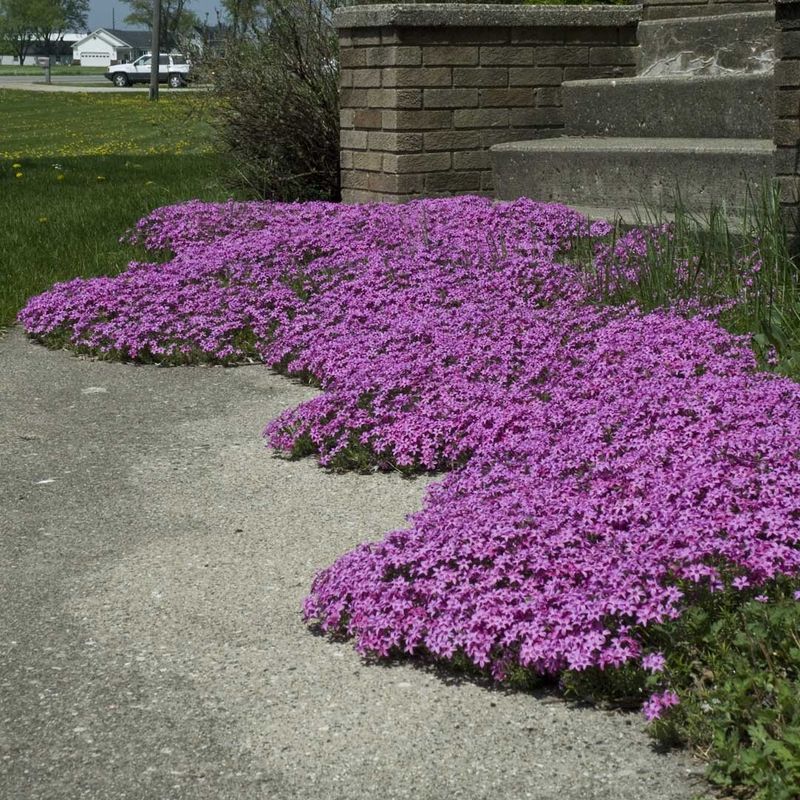
Sunlight is the single biggest factor between a phlox mat that dazzles and one that looks patchy. Full sun is where this plant truly shows off.
Aim for six to eight hours of direct light each day. That much exposure produces heavy flowering and tight, compact growth across the whole planting.
Partial shade is tolerated, but the trade-offs are noticeable. Plants in shadier corners tend to bloom less and stretch out, leaving an open, sparse look instead of a solid carpet.
Morning sun deserves special mention. Early light dries dew off the narrow leaves quickly, and drier foliage reduces the chance of fungal trouble taking hold.
South-facing and west-facing banks in Ohio are often the hottest, driest spots in a yard. Those are exactly the places where this plant outperforms turf and most other groundcovers.
Before planting, spend a day watching your slope. Note when the sun hits it and when shade from the house or a maple takes over.
If tree limbs shade the upper part of a bank, consider a little thinning of branches. Even a modest increase in light can thicken up growth the following spring.
Bottom line: match the sunniest, most stubborn part of your property with this plant, and you have put the right plant in the right place.
5. Choose Soil That Drains Well
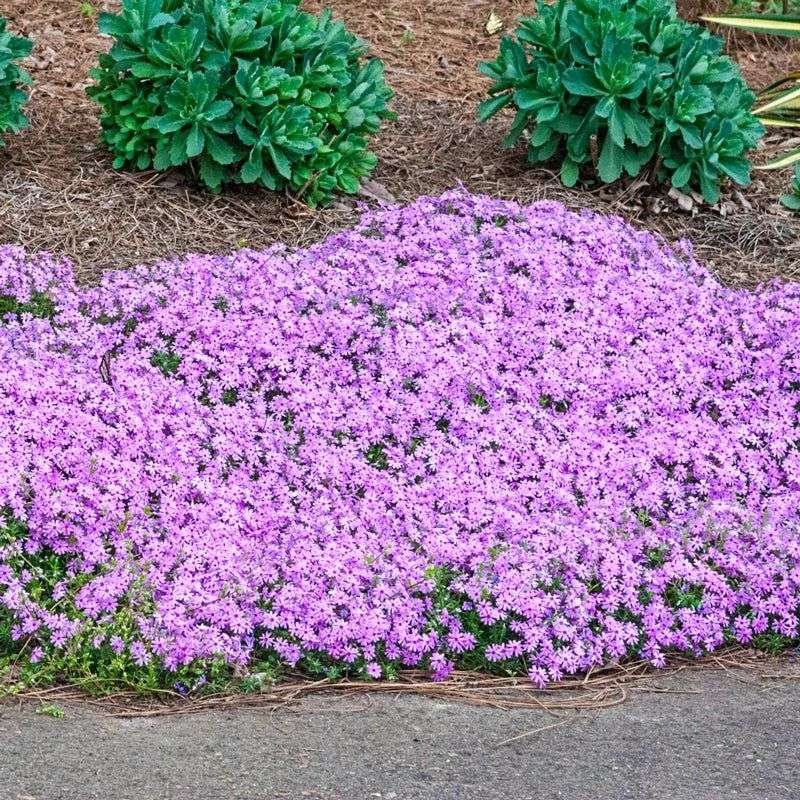
Drainage is the detail most people skip, and it is the one this plant cares about most. Roots want moisture that moves through, not moisture that lingers.
Rocky, sandy, and gravelly soils suit it beautifully. Those gritty conditions mirror the ledges and dry banks where the species grows naturally.
Heavy clay and low spots that stay soggy are a different story. Sitting in standing water leads to weak, unhappy plants that struggle to spread.
Ohio clay is common, so a little prep pays off. Adding compost can improve soil structure, while improving drainage on heavy clay may require a broader approach rather than simply mixing in sand.
On slopes, gravity already helps you. Water naturally sheds downhill, which is part of why banks suit this plant better than flat, compacted ground.
Soil pH is worth a quick check. Slightly acidic to neutral, roughly 6.0 to 7.0, is ideal, though mildly alkaline soil is handled without much fuss.
Skip the deep mulch right over the crowns. A thin layer between plants is fine, but piling material against stems traps moisture where you do not want it.
Test drainage the easy way. Dig a small hole, fill it with water, and if it drains within a few hours, your slope is ready for planting.
6. Enjoy A Carpet Of Spring Flowers
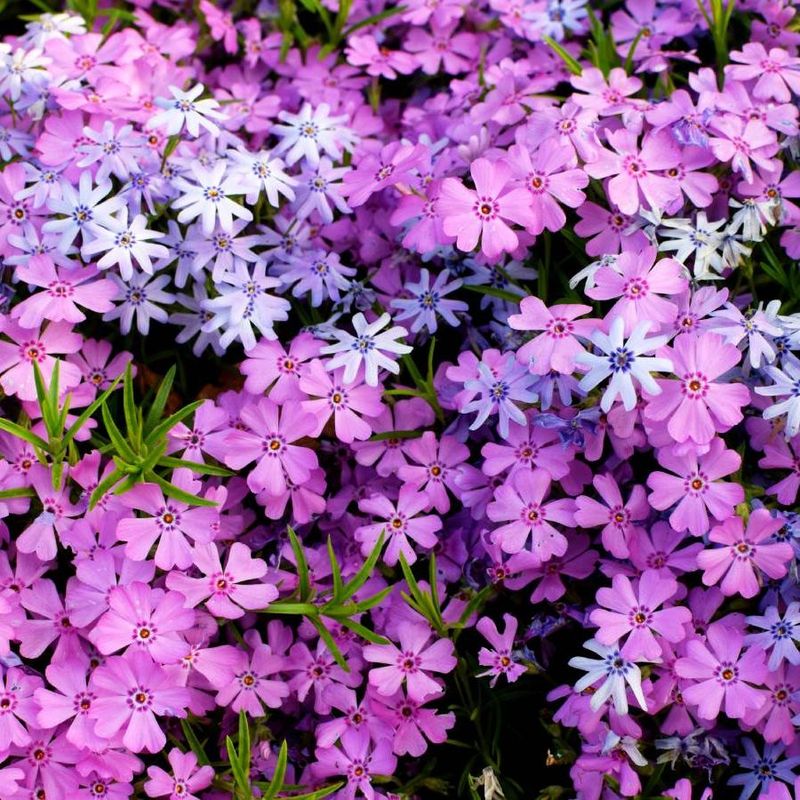
There is a moment in mid-spring when a phlox-covered bank stops looking like landscaping and starts looking like a painting. The foliage vanishes under flowers.
Blooms are small and star-shaped, each with five notched petals. What makes them striking is sheer quantity, packed shoulder to shoulder across the mat.
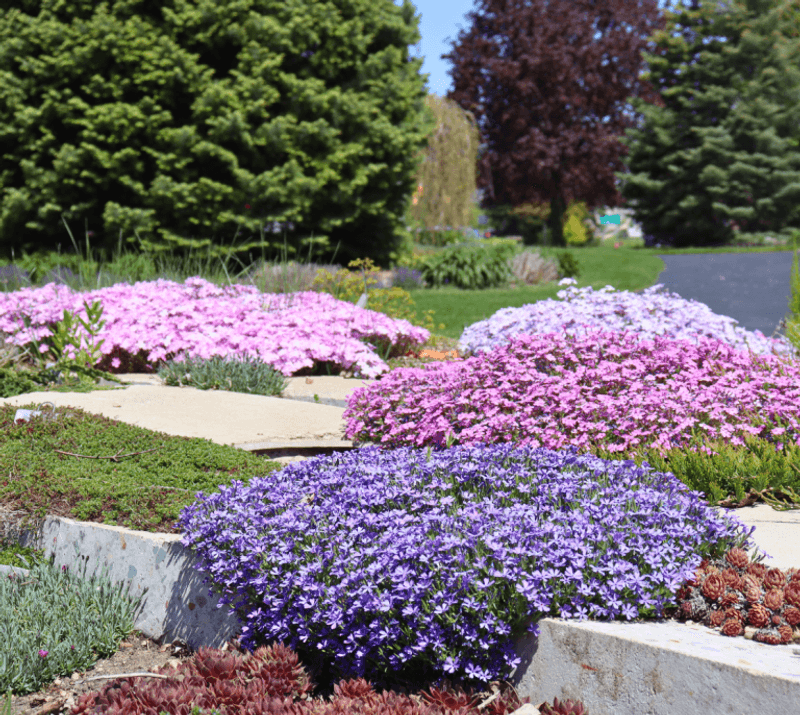
Color choices are generous. Shades run through pink, purple, white, blue, and red, so you can match a house color or mix varieties for a patchwork effect.
Timing in Ohio usually falls between late March and mid-May, depending on the season and your location. The heavy show typically holds for three to four weeks.
That schedule fits nicely with spring bulbs. Daffodils and early tulips can poke up through the mat, and the phlox hides fading bulb foliage later.
Design idea worth trying: plant sweeping ribbons of two colors rather than a random mix. Curved bands read well from the street and make a slope look larger.
Retaining walls and rock edges are natural partners. Stems tumble over the edge and bloom right down the face of the stone.
After the peak fades, the green mat carries on quietly. Think of the flower show as a generous bonus on top of a plant already earning its keep.
7. Give Early Pollinators A Food Source

Early spring is a lean time for insects. Many plants have not opened yet, and pollinators emerging from winter need something to eat right away.
Fragrant phlox flowers arrive at exactly the right moment. All those little blossoms offer nectar during a stretch when options are limited.
Butterflies show up in numbers, drawn by the flat clusters that work as easy landing pads. Hummingbirds visit too, especially where reds and pinks are planted.
Bees are frequent guests, including long-tongued species able to reach into the narrow flower tubes. Native bees benefit most, since they are active early and nesting nearby.
Here is a detail that surprises people. Fragrance strengthens in the evening, which pulls in hawkmoths, also called sphinx moths, at dusk.
Those moths hover like tiny hummingbirds while feeding. Sitting near a blooming slope at twilight is a genuinely fun way to spend twenty minutes.
Skipping insecticides on and around the planting keeps that activity going. A slope full of pollinators does more for your garden than a tidy stretch of turf ever could.
Pairing phlox with later bloomers like coreopsis or bee balm extends the buffet. Early nectar from one, summer nectar from the others, and visitors all season long.
8. Space Plants For A Spreading Mat
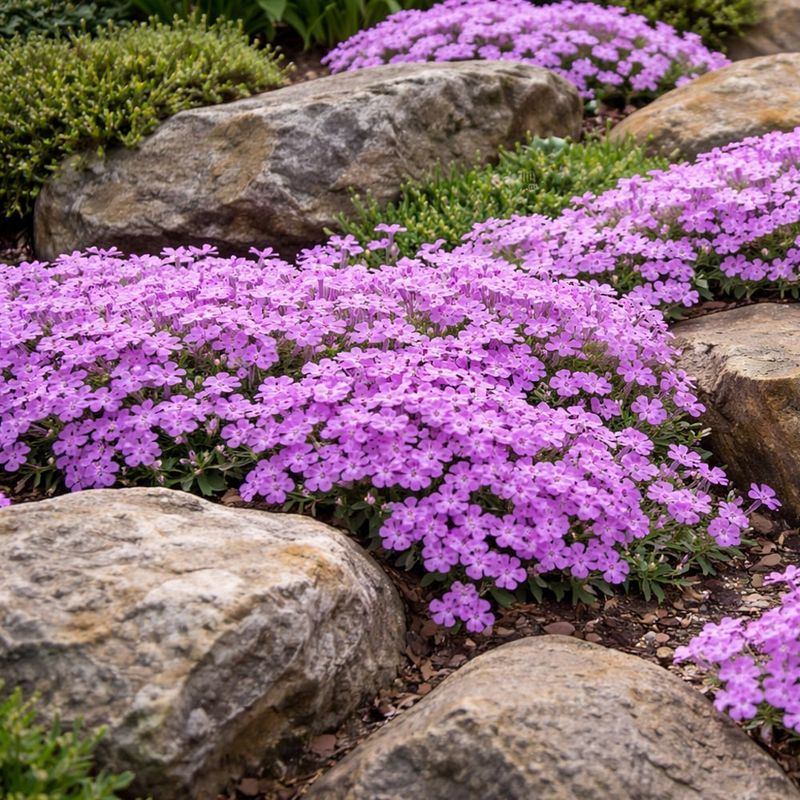
Spacing feels like guesswork at planting time, mostly because young plants look tiny in a big bare area. Resist the urge to crowd them without a plan.
A dependable range is twelve to eighteen inches between plants. That gap lets each one spread outward and meet its neighbors without long stretches of open soil.
Some growers recommend eighteen to twenty-four inches, or even a full two feet, for vigorous varieties. Wider spacing costs less up front and gives roots elbow room.
When you want fast coverage, tighten things up. Nine to twelve inches apart works well on steep banks and along border edges where quick knitting matters.
Staggering rows helps more than lining plants up in a grid. Offset positions close gaps sooner and look natural once growth fills in.
Planting on a slope has its own trick. Set each plant slightly into the hillside on a small level shelf so water soaks in rather than running past the roots.
Spring and early fall are both good planting windows in Ohio. Cooler temperatures and steadier moisture help roots settle before summer heat or winter arrives.
Patience is part of the deal. Expect noticeable spread in year two and a full mat by year three, which is quick for a permanent planting.
9. Trim After Bloom To Keep Growth Dense

One short haircut a year is about the entire maintenance list for this plant. Do it right after flowering finishes, while stems are still soft and green.
Light shearing is all that is needed. Taking off roughly a quarter to a third of the stem length encourages thicker foliage and a neater, more compact shape.
Watch where the blades land. Cutting back into bare, woody, leafless sections is best avoided, since new growth rarely pushes from those older stems.
Hedge shears work fine on large plantings, and hand pruners give better control on small patches. Either way, work across the mat rather than digging into it.
Removing spent blooms shifts the plant’s energy away from making seed. That keeps the planting cleaner and encourages fresh, compact growth after flowering.
A light tidy-up in mid to late fall is another option. Trimming loose stems before winter helps the mat hold a cleaner appearance through the cold months.
Every few years, check for thinning centers. Lifting and dividing older clumps in early fall refreshes the planting and gives you free plants for another slope.
Fifteen minutes of shearing each spring is a fair trade for a hillside that no longer needs a mower.