What White Spots On North Carolina Squash Leaves Mean And How To Stop Them
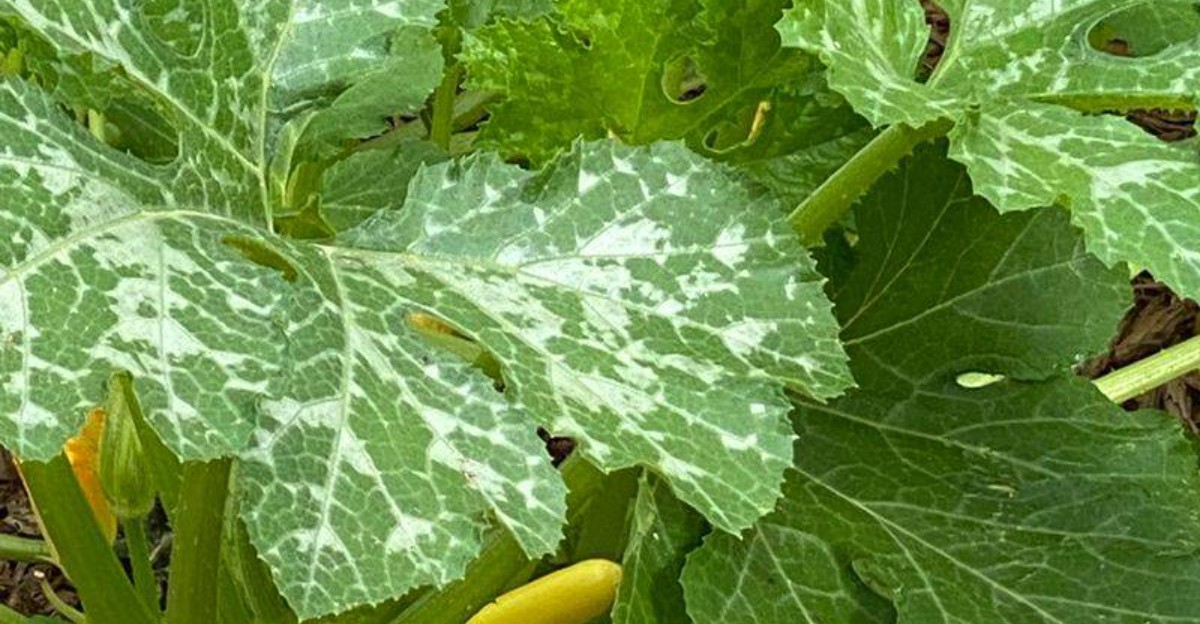
Small white spots spreading across squash leaves are a common sight in North Carolina gardens, especially during humid stretches of the growing season, and they’re almost always a sign of powdery mildew.
This fungal disease thrives in warm, moist conditions and spreads quickly once established, eventually coating leaves in a white, powdery layer that reduces the plant’s ability to photosynthesize effectively.
Left untreated, powdery mildew can significantly weaken squash plants, leading to smaller fruit and an overall shorter productive season.
Improving air circulation around plants and adjusting watering habits to keep foliage drier can go a long way toward slowing its spread.
Catching these white spots early and responding quickly gives squash plants a much better chance of staying productive through the rest of the season.
1. White Powdery Patches Usually Mean Powdery Mildew
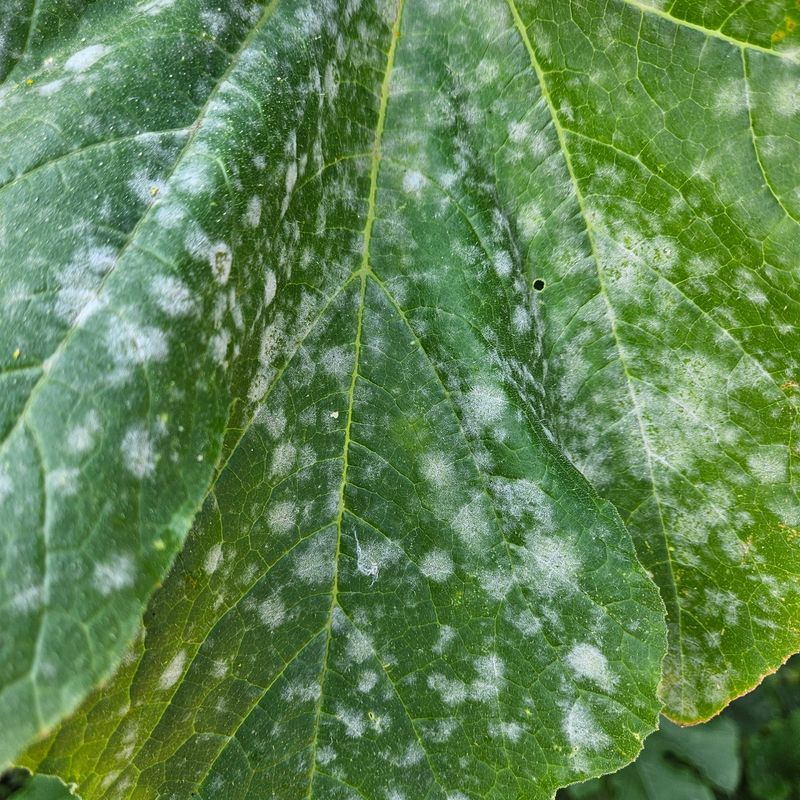
That dusty white coating on your squash leaves has a name, and it is powdery mildew. The patches look almost like someone sprinkled flour across the surface, and they usually start small before growing bigger.
North Carolina summers give this fungus everything it loves. Warm days, cooler nights, and thick humidity create the perfect setting for spores to settle and spread.
As the growing season moves along, the problem tends to get worse, especially on older leaves near the base of the plant.
This fungal disease thrives in warm conditions and can spread quickly when plants are stressed or airflow is poor.
You will often notice it first on the upper side of a leaf, though it can appear on the underside too. Once you learn what it looks like, spotting it early becomes much easier.
The good news is that catching it right away gives you a real advantage. A quick check of your plants two or three times a week lets you find those first tiny patches before they take over.
Fun fact: powdery mildew is one of the oldest plant problems gardeners have written about, going back hundreds of years. Squash, cucumbers, and melons are especially prone to it.
When you see those white spots, treat them as an early warning. Acting fast keeps your vines producing longer and protects the fruit you have been waiting for all summer.
2. The Disease Can Spread Across The Foliage
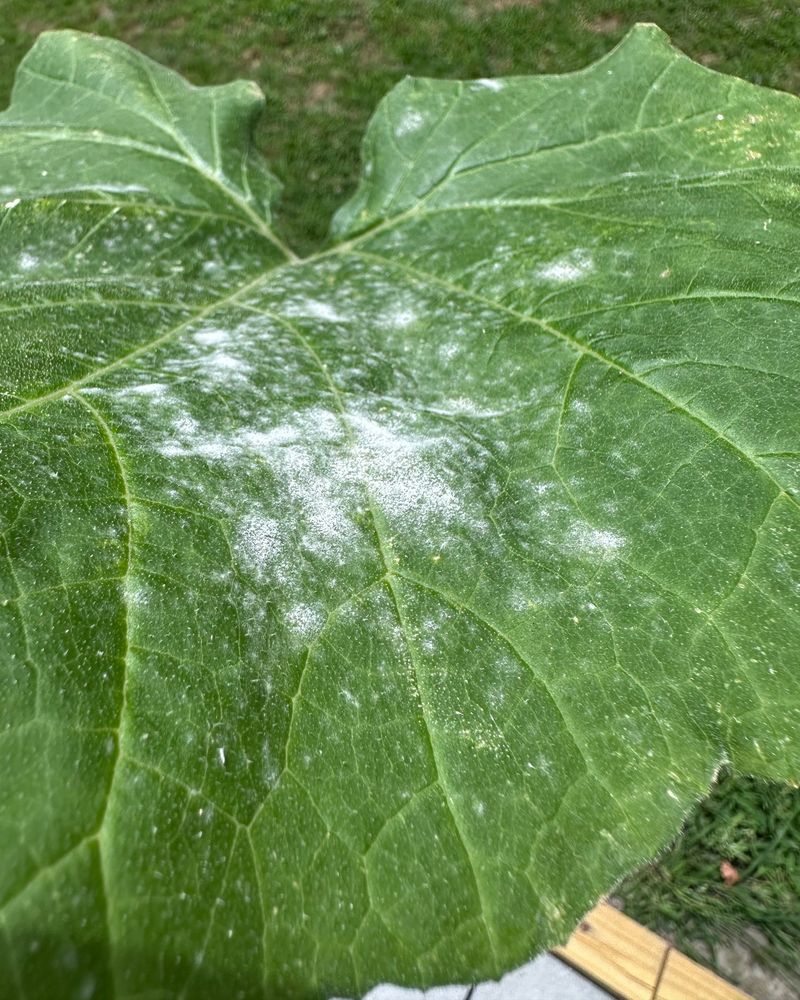
What starts as a few harmless looking dots can turn into a bigger headache fast. Those small white patches do not stay small for long once the fungus gets comfortable.
Over a week or two, the spots widen and join together. Whole sections of a leaf can turn pale and powdery, and the healthy green tissue shrinks in the process.
Here is why that matters so much. Green leaves are the food factories of your squash plant, using sunlight to make energy through photosynthesis. When mildew covers that green surface, the plant loses its ability to feed itself properly.
Weaker plants produce fewer flowers and smaller fruit. You might also notice leaves turning yellow, curling, or looking crispy as the coverage grows.
The spread happens through tiny spores that float on the breeze and land on nearby leaves. One infected leaf can quickly pass the problem to its neighbors, then to the whole plant.
Your North Carolina Garden Changes Every Week. Your Plan Should Too.
Gardening in North Carolina changes quickly throughout the season. Every Friday you’ll receive a simple weekly plan showing exactly what to plant, prune, fertilize, harvest, and protect so you never miss the right timing.
Because of this, early action saves you a lot of trouble. Checking your vines often and treating the first spots keeps the fungus from marching across your entire crop.
Think of it like a small spark before it becomes a bonfire. Handle it while it is contained, and you stay in control.
Keeping your plants strong and watching for changes gives you the upper hand. A squash plant with plenty of clean green leaves will keep pumping out those tasty fruits all season long, which is exactly what every gardener wants.
3. Crowded Vines Encourage Disease Problems
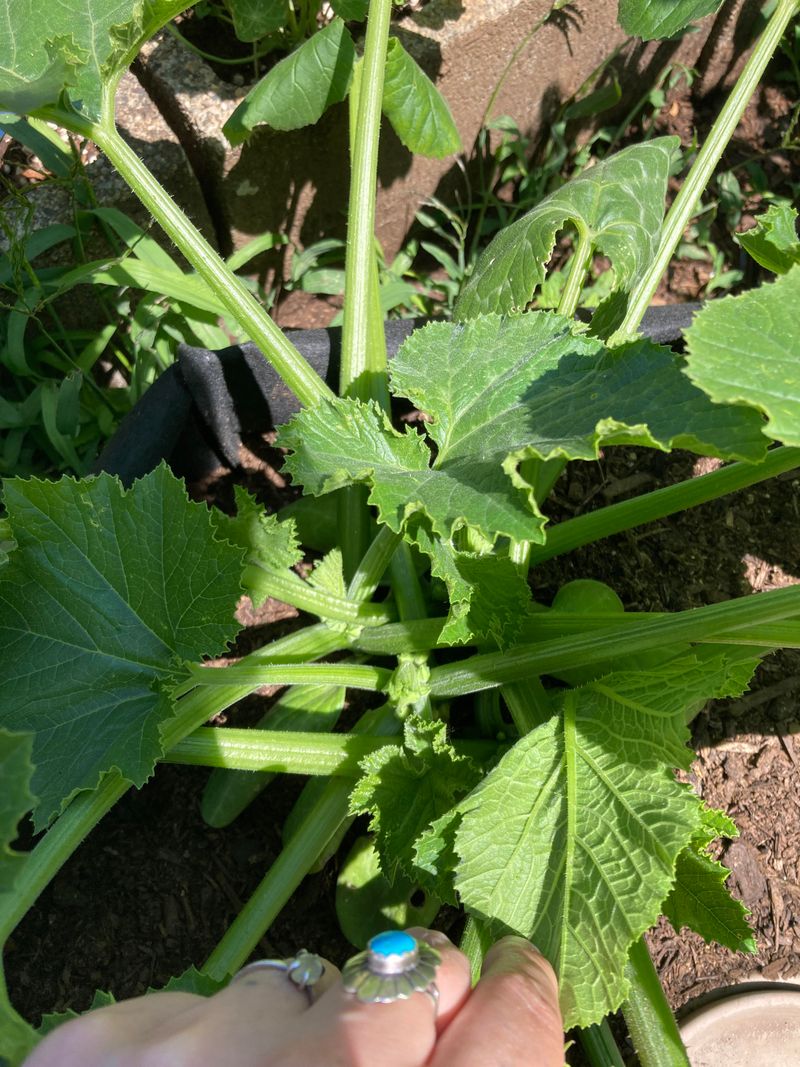
Squash plants love to sprawl, and their big leaves can pile up fast. When vines grow too close, the foliage turns into a thick, tangled mat.
All that crowding traps moisture and blocks the breeze. Air cannot move through the leaves, so humidity lingers right where fungus loves to settle in.
Damp, still air is basically an invitation for powdery mildew and other leaf troubles. The more crowded your plants, the harder it becomes for leaves to dry out and stay healthy.
Spacing makes a huge difference. When you plant squash, give each one plenty of room, usually two to four feet apart depending on the variety. Check your seed packet for the exact spacing it suggests.
Good airflow keeps leaves drier and lowers the chance of disease taking hold. A little breeze moving between plants works like nature’s own fan.
You can help even more by trimming a few crowded leaves or training vines to grow along a trellis. Lifting the foliage off the ground improves circulation and keeps things tidy.
Weeding around your plants matters too, since weeds add to the tangle and steal airflow. A clean, open garden bed breathes better.
Planning your layout before you plant pays off later. It feels tempting to squeeze in extra seeds, but resisting that urge keeps your whole patch healthier.
When your squash has space to stretch out, sunlight reaches more leaves and moisture disappears faster. That simple change alone can cut down on white spots and keep your harvest coming strong.
4. Remove Severely Affected Leaves When Practical
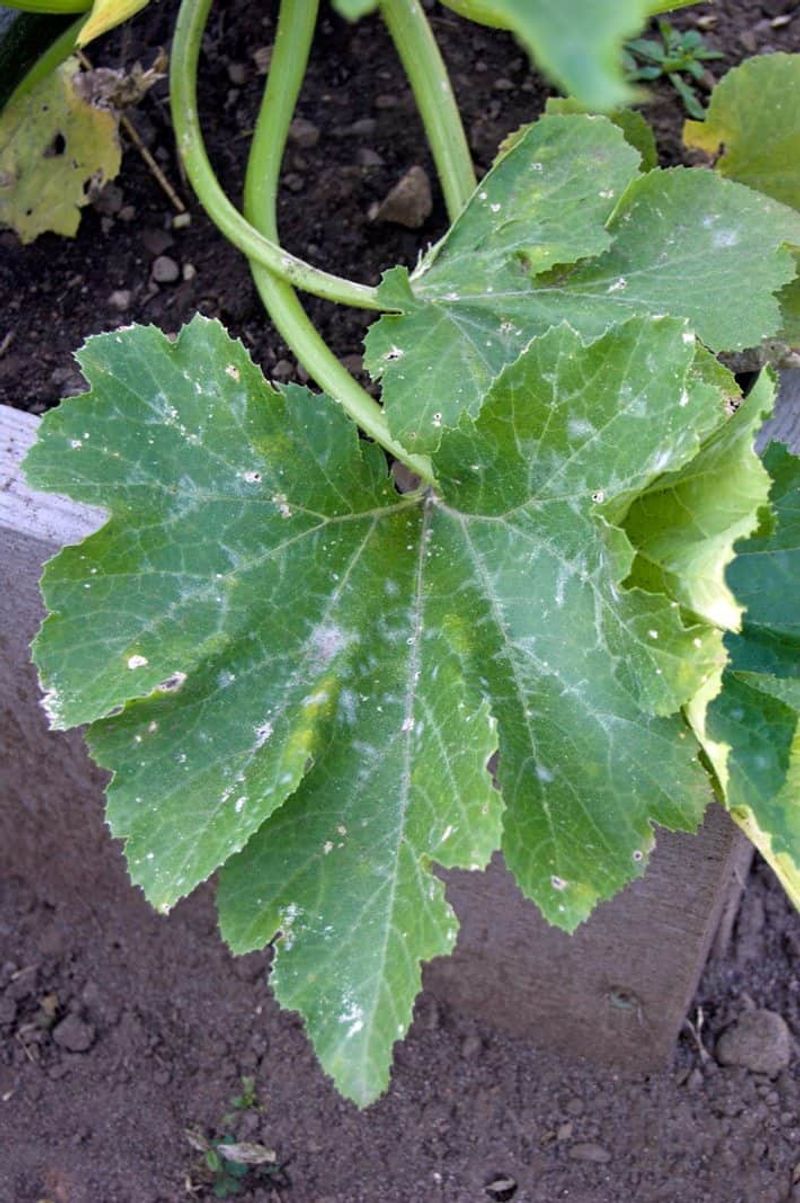
Sometimes a leaf gets so coated in white that it is beyond saving. When that happens, snipping it off can actually help the rest of the plant.
Pulling out heavily infected leaves removes a big source of spores from your garden. Fewer spores floating around means fewer new spots showing up on healthy foliage.
Grab a clean pair of scissors or pruners and cut the worst leaves at the base of their stems. Take only the ones that are mostly covered, not the ones with just a spot or two.
Here is the important part. Do not go overboard and strip away good leaves in a panic. Your plant still needs plenty of green foliage to make energy and grow fruit.
A squash that loses too many leaves gets stressed and slows down. Balance is the goal, so remove the bad and protect the good.
After you cut infected leaves, do not toss them in your compost pile. The spores can survive there and come back later, so bag them up and throw them away instead.
Wiping your tools with rubbing alcohol between cuts keeps you from spreading the fungus yourself. It only takes a few seconds and makes a real difference.
Timing helps too. Early morning is a good moment to check your plants and trim, since you can spot problems clearly in fresh light.
Removing the worst leaves buys your squash time and slows the fungus down, giving your treatments and healthy foliage a better chance to win the battle.
5. Keep Watering Focused On The Root Zone
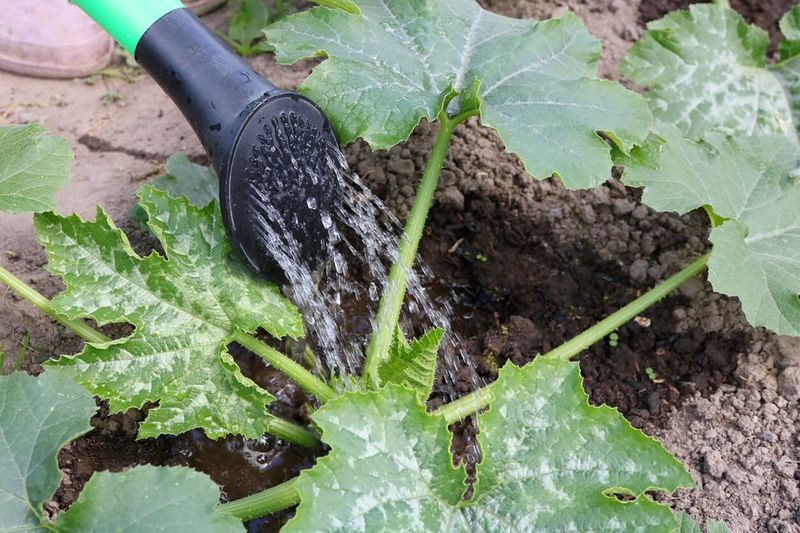
How you water your squash matters more than you might think. Splashing water all over the leaves can set the stage for trouble.
Wet foliage stays damp for hours, and damp leaves invite fungus and other diseases to move in. Aiming your water at the soil instead keeps the leaves dry and healthy.
Drip irrigation is a fantastic tool for this. A slow soaker hose or drip line delivers water right to the roots where the plant actually needs it.
If you water by hand, point the stream at the base of each plant rather than spraying from above. The roots drink it up while the leaves stay out of the splash zone.
Timing helps too. Watering early in the morning gives any stray droplets a chance to dry quickly under the sun.
Evening watering is riskier because leaves stay wet through the cool night. That long stretch of moisture is exactly what fungus loves.
Deep, less frequent watering beats quick daily sprinkles. Soaking the soil well encourages strong roots that reach down and support a bigger plant.
North Carolina summers can swing between drought and heavy storms, so check your soil with your finger before watering. If the top inch feels dry, it is time to give a drink.
Mulch around the base holds moisture in the ground and keeps splashing soil off the leaves during rain. A layer of straw or shredded leaves works well.
Smart watering habits keep your foliage drier, and drier leaves mean far fewer white spots creeping across your squash patch.
6. Do Not Overfeed With Nitrogen
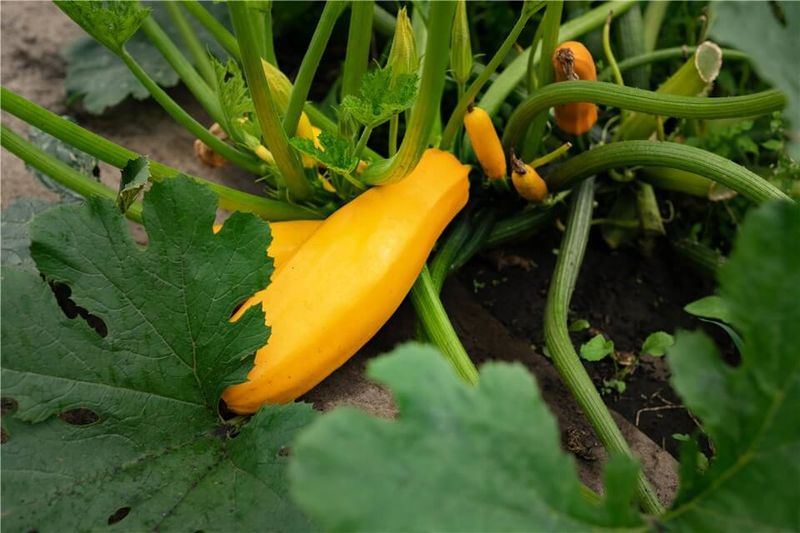
Feeding your squash feels like a kind thing to do, but too much of one nutrient can backfire. Nitrogen is the main culprit here.
Nitrogen pushes plants to grow lots of leaves fast. That sounds great, until you realize all that soft, tender new growth is exactly what fungus finds tasty.
Piling on nitrogen creates thick, lush foliage packed close together. Dense leaves trap humidity and block airflow, which sets up perfect conditions for powdery mildew.
Balance is what your squash really wants. Instead of chasing giant leaves, aim for steady, healthy growth that supports flowers and fruit.
Look for a fertilizer with balanced numbers rather than one loaded with nitrogen. The three numbers on the bag stand for nitrogen, phosphorus, and potassium, so pick a blend that is not top heavy on the first one.
Phosphorus and potassium help your plants produce blooms and strong fruit. Those are the parts you actually want to grow, after all.
Overfeeding also wastes money and can harm the soil over time. A little restraint keeps both your garden and your wallet happier.
Compost is a gentle way to feed squash without overloading them. It releases nutrients slowly and improves the soil at the same time.
Watch how your plants respond. If they are growing tons of leaves but few flowers, that is a clear sign to ease up on the nitrogen.
Feeding wisely keeps foliage sturdy instead of soft and crowded. Balanced plants resist disease better and reward you with a steady flow of squash all season.
7. Use Early Treatment If Disease Is Spreading
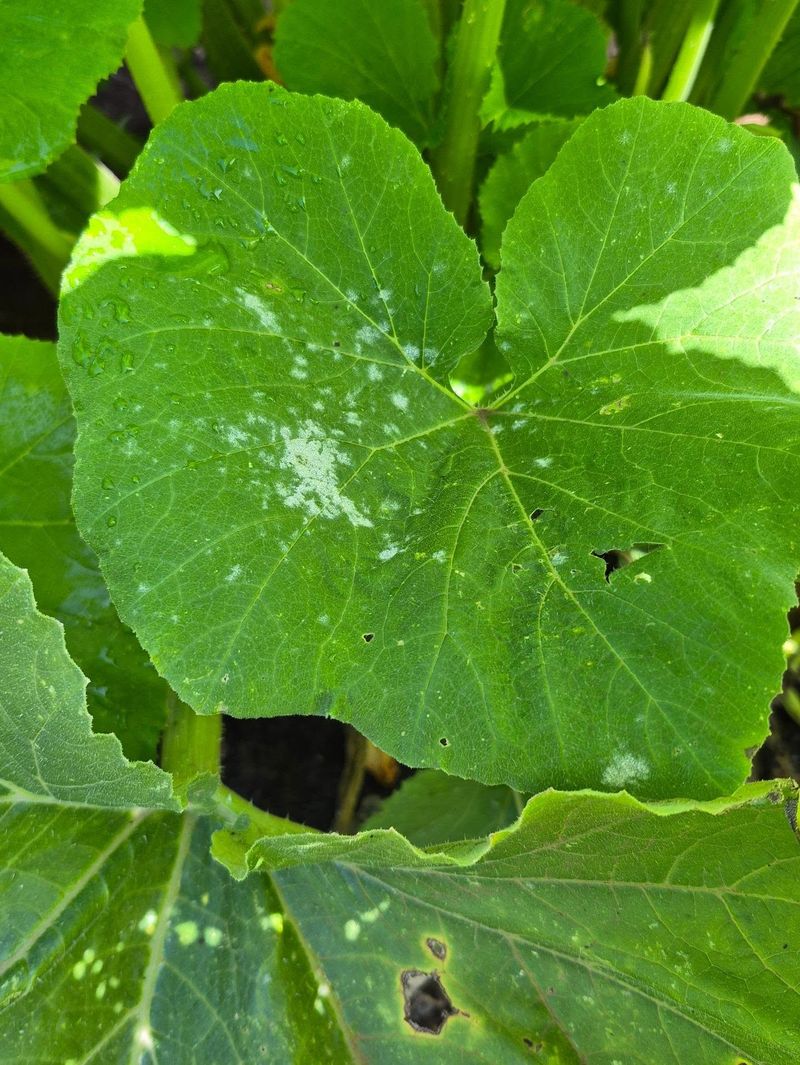
When white spots keep multiplying no matter what you do, it may be time to reach for treatment. Timing is everything with fungicides.
These products work best as a shield, not a rescue. Applying them early, at the very first signs of powdery mildew, gives you far better results than waiting until leaves are covered.
Once mildew has spread widely, treatments struggle to catch up. That is why watching your plants closely and acting quickly pays off so much.
North Carolina gardeners have several options, from store bought sprays to gentler choices like sulfur or potassium bicarbonate. Some folks also try horticultural oils.
Whatever you pick, choose a product that clearly lists squash on the label. Using something not meant for edible plants can cause harm to your crop or your health.
Reading the label is not optional, it is essential. The directions tell you how much to use, how often to spray, and how long to wait before harvesting.
Follow those instructions exactly, since more is not better with these products. Overusing them can damage leaves and waste your effort.
Spray in the early morning or evening when temperatures are mild and bees are less active. This protects the helpful pollinators your squash depends on. Cover both sides of leaves because powdery mildew can appear on either surface.
Regular checks paired with early, careful treatment keep powdery mildew from winning. Stay ahead of it, and your vines will keep producing well into the season.
8. Clean Up Squash Vines After Harvest
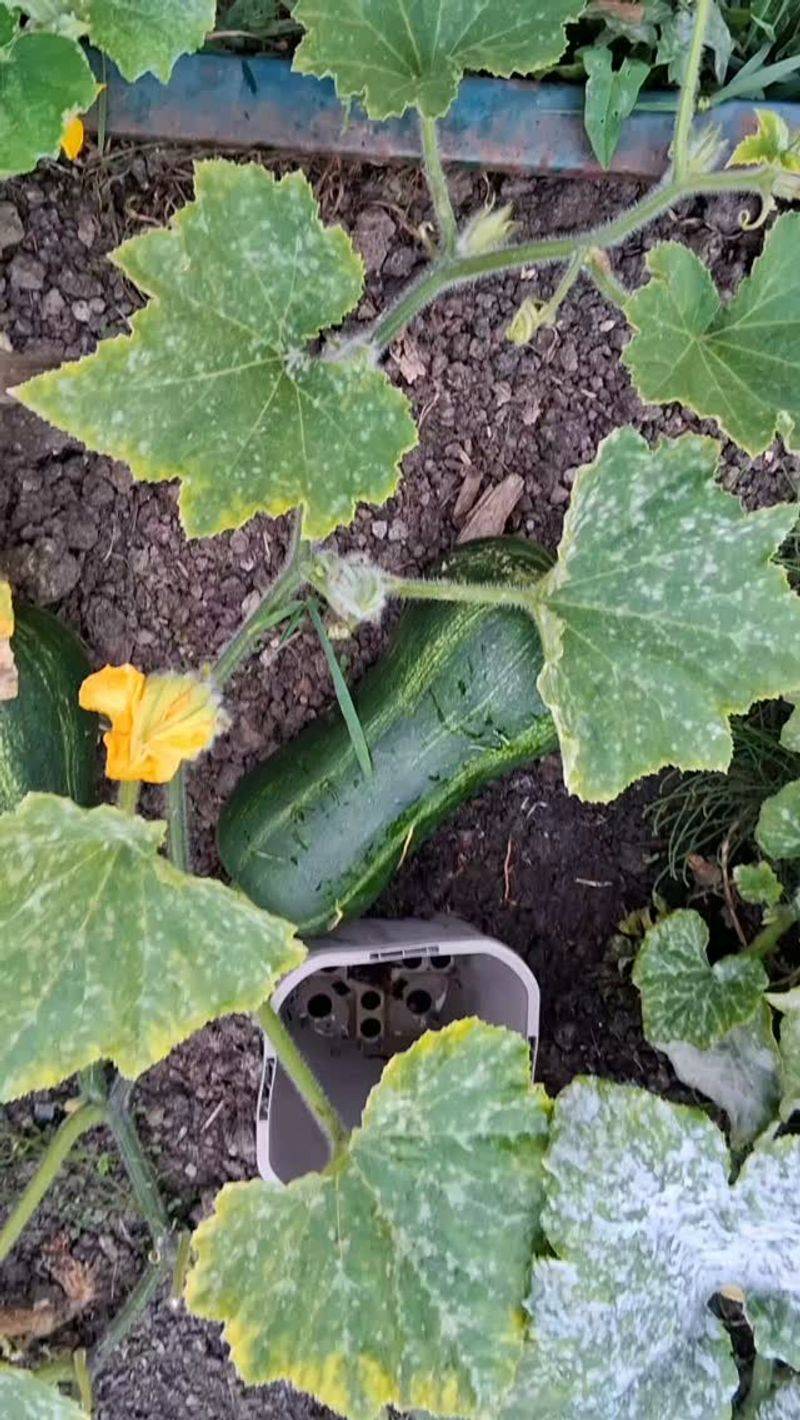
The end of the season is not the moment to walk away from your garden. What you do after harvest shapes how next year goes.
Old squash vines and fallen leaves often carry leftover disease. If you leave them lying around, the spores can wait through winter and attack your fresh plants later.
Clearing out that spent material breaks the cycle. Rake up every vine, leaf, and bit of debris once your plants finish producing.
Pull the whole plant, roots and all, and gather anything that looks diseased. A clean bed leaves the fungus with fewer places to hide.
Do not compost material that had powdery mildew on it. Most home compost piles do not get hot enough to destroy the spores, so bag that debris and toss it instead.
Healthy plant scraps without disease can go in the compost, but when in doubt, leave it out. It is not worth the risk of bringing trouble back.
Turning over your soil after cleanup exposes hidden pests and helps the ground rest. A fresh start sets the stage for stronger plants.
Some gardeners like to rotate where they plant squash each year. Moving your crop to a new spot keeps soilborne problems from building up in one area.
Taking these steps in fall feels like a small chore, but the payoff is big. You give next year’s squash a cleaner, healthier place to grow.
A tidy garden at season’s end means fewer white spots and a much easier start when spring rolls back around.