The One Thing North Carolina Butterfly Weed Needs Before September Ends
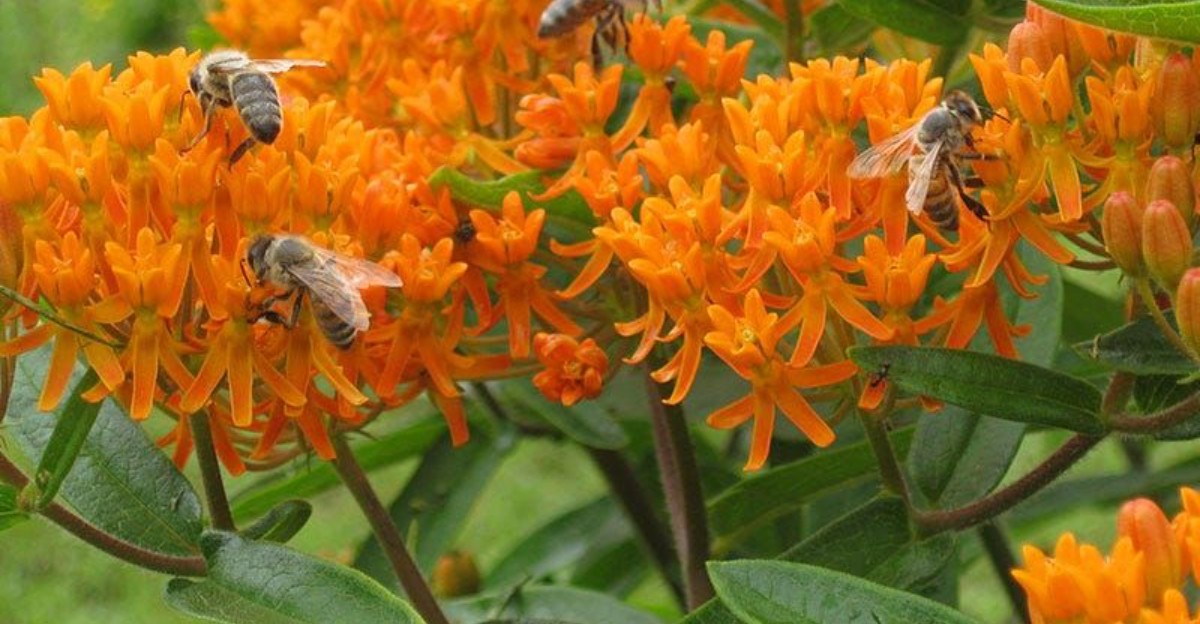
Butterfly weed is a favorite among North Carolina pollinator gardeners, valued for its bright orange blooms and reliable ability to attract monarch butterflies throughout the growing season.
As September comes to a close, this native perennial has one particular need that plays a real role in how well it survives winter and returns strong again next spring.
Skipping this step can leave the plant more vulnerable heading into dormancy, even after a full season of vibrant blooming.
Because butterfly weed relies on a deep taproot system that takes time to establish and recover, getting this task right now matters more than it might initially seem.
Addressing this one need before the month ends helps set butterfly weed up for a fuller comeback next year.
Let The Seed Pods Mature Naturally
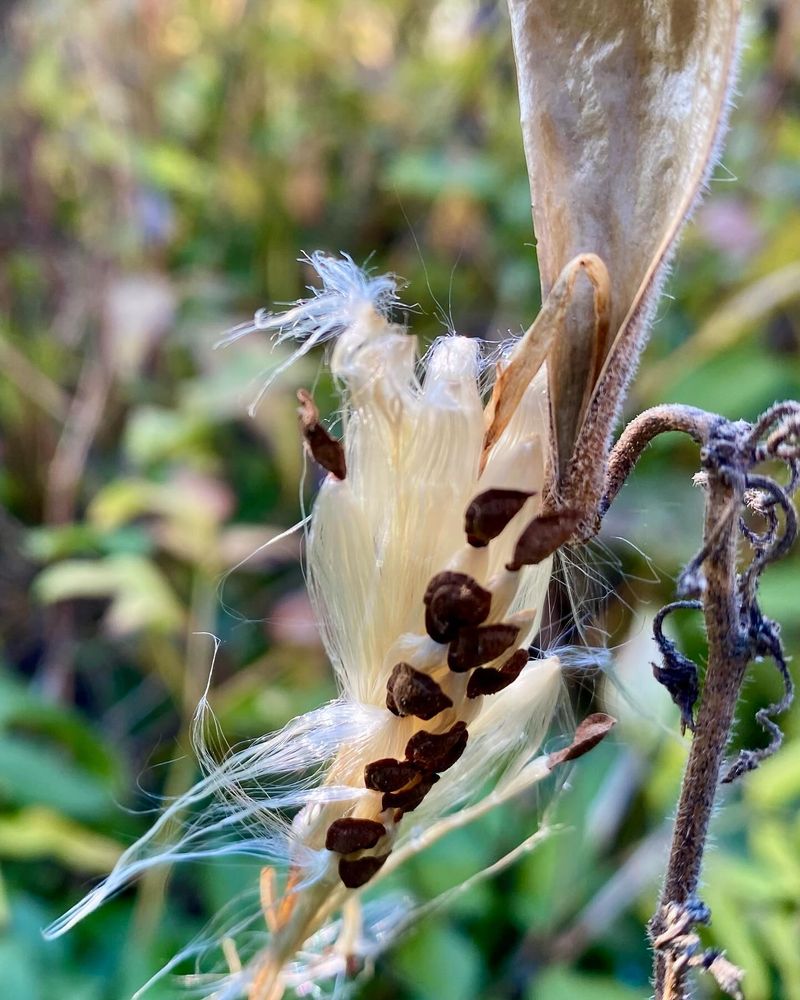
Those long, slender pods forming on your butterfly weed are doing important work right now. September is the sweet spot when seeds inside them finish developing, so patience really pays off.
Cutting the plant back too early stops this natural process in its tracks. When you trim while pods are still filling out, you lose the chance to gather healthy seeds and you interrupt the plant’s own rhythm.
Give the pods time to turn from green to a soft brown color. That color change is your signal that the seeds inside have matured and are nearly ready. Rushing this step means the seeds may never reach full size, leaving them weak and unlikely to sprout.
Let the plant follow its normal timeline instead of forcing it to finish early. Butterfly weed knows what it is doing, and by late September it puts most of its energy into wrapping up seed production before cooler weather arrives.
You can watch the pods swell a little more each week, which makes this a fun part of the season to observe. Monarchs and other pollinators may still visit fading blooms while the pods keep growing quietly.
Holding off on your pruning shears for now protects both the seeds and the plant’s overall health. Once the pods are fully mature, you will have choices about what to do next.
For the strongest results, treat this waiting period as a gift to your garden. A little restraint in September rewards you with better seeds and a happier plant.
Leave Pods If You Want More Butterfly Weed
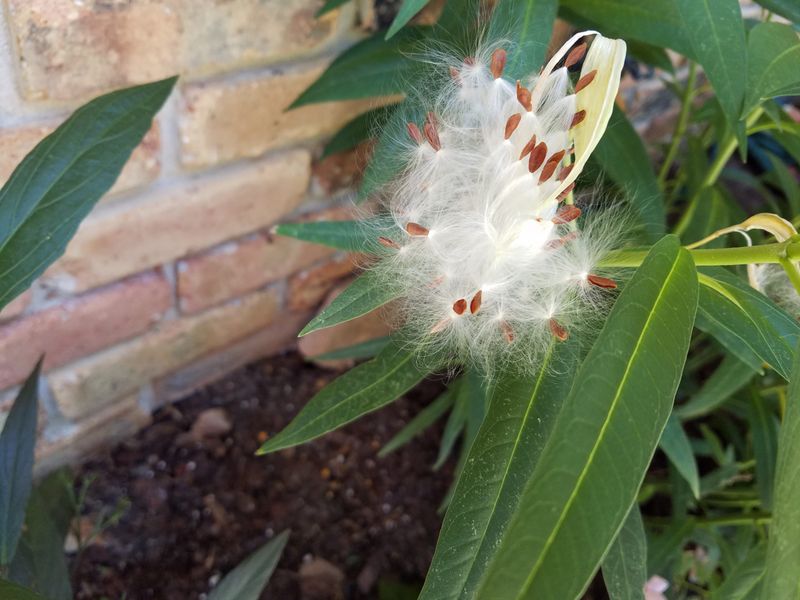
Dreaming of a garden bursting with even more orange blooms? Leaving the pods on your plant is the easiest way to make that happen.
Once those pods mature and split open, they release seeds attached to soft, fluffy tufts. The wind picks them up and carries them across your yard, dropping them in new spots where they can settle into the soil.
Nature handles the planting for you, which means less work and more flowers. Some of those seeds will find just the right patch of ground and sprout into fresh butterfly weed plants the following season.
This natural spreading is a wonderful thing for pollinators. More plants mean more nectar and more places for monarchs to lay their eggs, turning your garden into a busy hub of activity.
Your North Carolina Garden Changes Every Week. Your Plan Should Too.
Gardening in North Carolina changes quickly throughout the season. Every Friday you’ll receive a simple weekly plan showing exactly what to plant, prune, fertilize, harvest, and protect so you never miss the right timing.
You can even help the process along if you like. Gently scatter a few of the fluffy seeds into bare areas where you would love to see new growth appear.
Keep in mind that seedlings may take a season or two before they bloom, so a little patience goes a long way. The wait is worth it when you watch tiny sprouts turn into strong, flowering plants.
Letting the pods open on their own also feeds the local ecosystem in a quiet, natural way. Birds and insects benefit from the extra plants, and your garden grows richer year after year.
For anyone hoping to fill their space with color, this hands-off approach delivers big rewards with almost no effort.
Remove Pods If You Do Not Want Reseeding
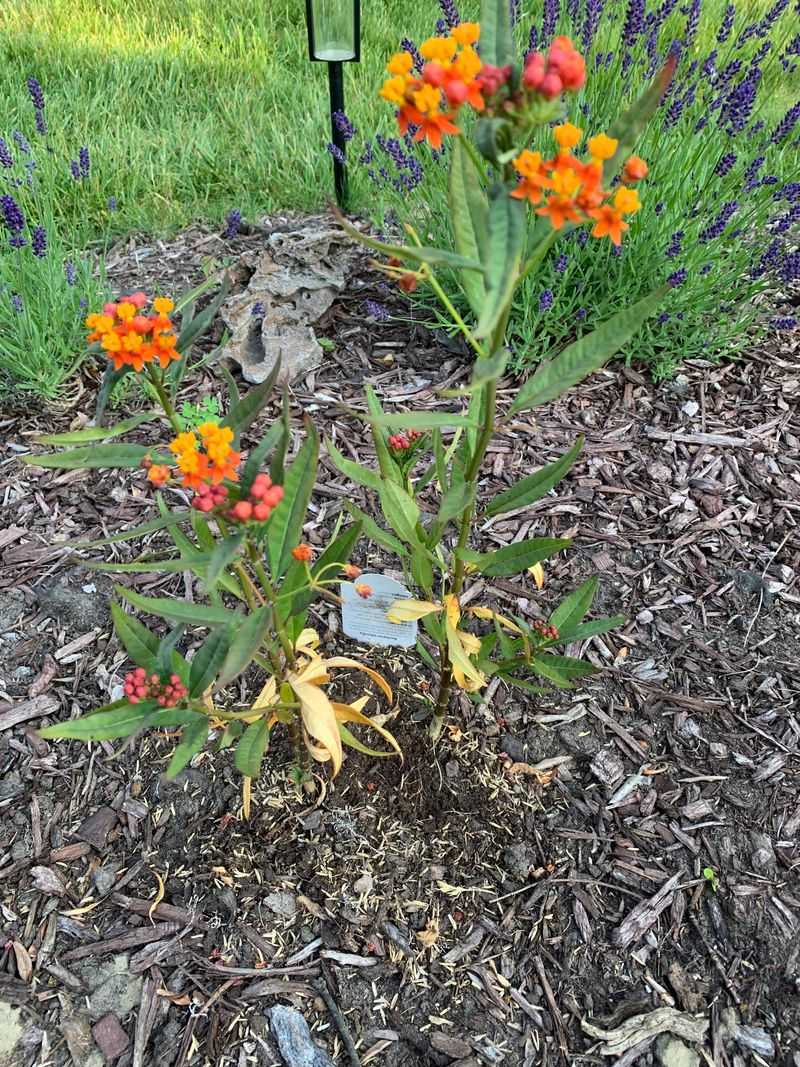
Not everyone wants butterfly weed popping up all over the yard, and that is perfectly fine. If you like your plants right where you put them, removing the pods keeps things neat and controlled.
The trick is timing. Snip the mature pods off before they split open and scatter their fluffy seeds into the breeze.
Watch for pods that have turned brown but have not yet cracked. That is your window to step in and clip them cleanly with garden shears.
Removing the pods early stops the wind from spreading seeds to spots where you would rather not have new plants. This keeps your beds looking tidy and your butterfly weed contained to the area you chose.
Toss the clipped pods into a bag or bin rather than leaving them on the ground. Even a fallen pod can open later and release seeds you were trying to avoid.
This step is especially helpful in smaller gardens where space is limited. You get to enjoy the plant’s beauty without worrying about surprise seedlings crowding your other flowers.
Some gardeners save a few pods indoors for planting later while removing the rest. That way you keep control and still have seeds on hand if you change your mind.
Taking a few minutes to clip pods now saves you weeding time next spring. It is a small task with a big payoff for anyone who loves a well-ordered garden. A little snipping today keeps your butterfly weed exactly where you want it.
Do Not Overwater The Plant
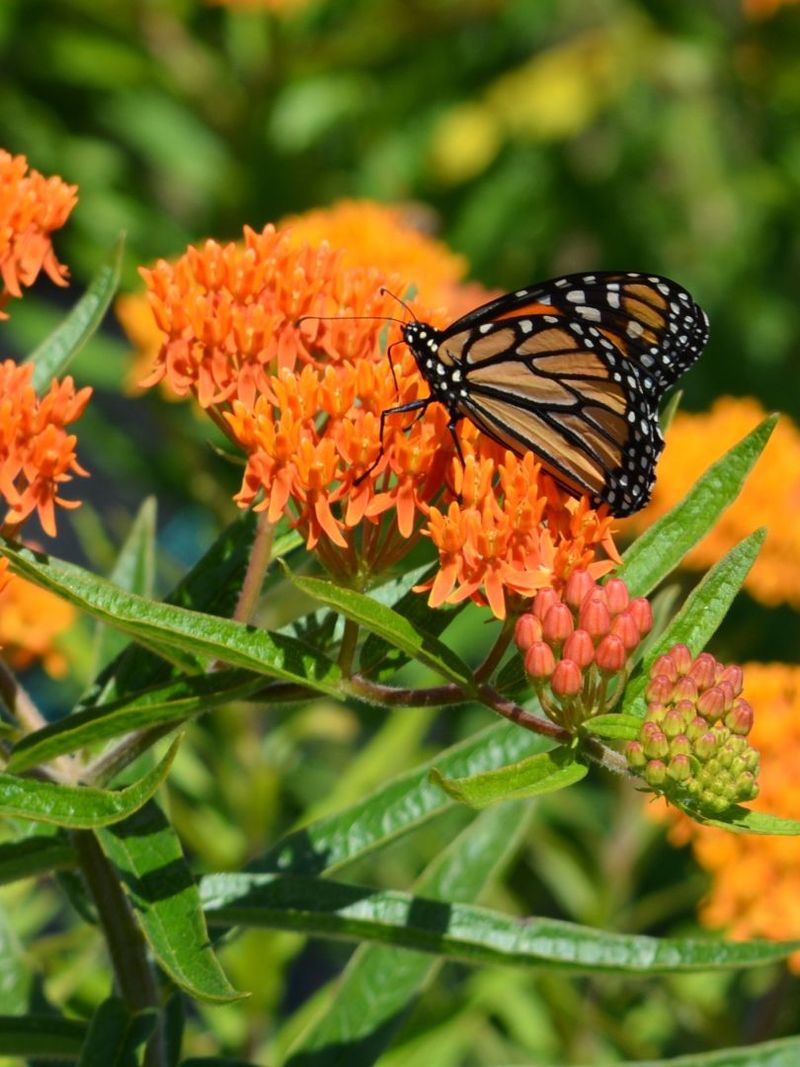
Butterfly weed has a reputation for being tough, and part of that toughness comes from its love of dry feet. This plant thrives in well-drained soil and really dislikes sitting in soggy ground.
As September rolls on, the plant starts slowing down and preparing for its winter rest. Too much water during this time can cause serious trouble for its roots.
Soggy soil around the crown invites problems like rot, which can weaken even a strong, established plant. The deep taproot needs air pockets in the soil, and constant moisture takes those away.
Cut back on watering as the weather cools and rainfall picks up. In most North Carolina gardens, natural rain provides plenty of moisture during fall.
Check your soil before reaching for the hose. If the ground feels damp an inch below the surface, your plant does not need any extra drink.
Butterfly weed actually stores energy better when the soil stays on the drier side heading into dormancy. Overwatering encourages soft, weak growth right when the plant should be toughening up.
If your garden bed holds water after storms, consider adding a bit of sand or grit to improve drainage. Good drainage matters far more than frequent watering for this species.
Think of your butterfly weed as a plant that would rather be a little thirsty than too wet. Letting it dry out between rains keeps the roots happy and healthy. Respecting its need for dry conditions now sets the stage for a strong return later.
Avoid Heavy Fall Fertilizer
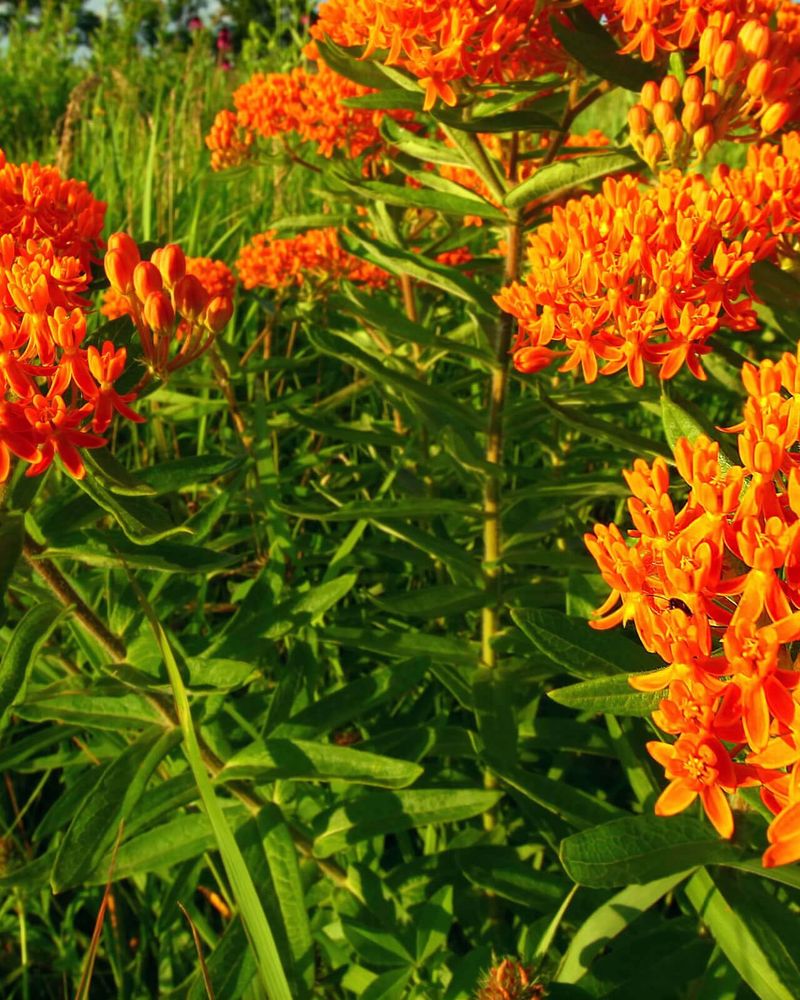
It might feel helpful to give your plants a boost before winter, but butterfly weed does not want a big meal in fall. This native plant is happiest in lean soil and needs very little feeding to thrive.
An established butterfly weed already has what it needs stored in its deep roots. Adding fertilizer now sends the wrong message to the plant.
Too much nitrogen pushes the plant to grow soft, leafy stems late in the season. That tender new growth has no time to toughen up before cold weather arrives.
Weak fall growth can leave the plant stressed and less able to handle winter. Instead of helping, a heavy feeding actually works against your goal of a healthy return next spring.
Skip the fertilizer and let the plant settle into its natural cycle. Butterfly weed evolved in poor, sandy soils where extra nutrients simply were not available, and it grew just fine.
If you fed your garden earlier in the growing season, that is more than enough for this plant. There is no need to add anything as September closes out.
Save your fertilizer for plants that truly crave it, like vegetables or hungry annuals. Butterfly weed prefers a hands-off approach when it comes to feeding.
Letting the soil stay lean encourages strong roots and better blooms down the road. Sometimes the kindest thing you can do is nothing at all.
Holding back on fertilizer now keeps your butterfly weed on track for a beautiful season ahead.
Leave Healthy Stems Until The Plant Goes Dormant
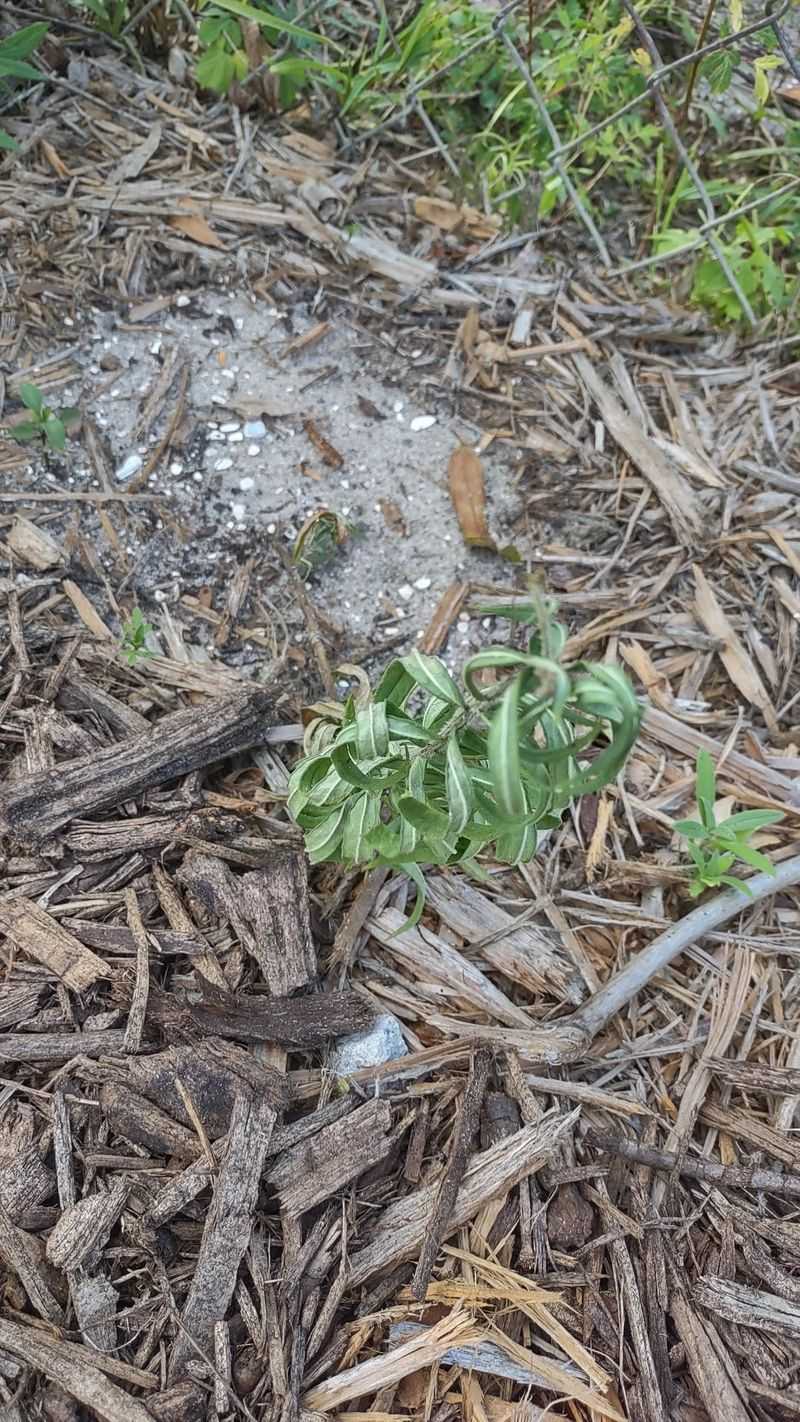
There is real value in letting your butterfly weed stand tall even as its leaves begin to fade. Those stems and yellowing foliage are still doing quiet work for the plant.
As the season winds down, the plant pulls energy from its leaves back into the roots. Cutting everything off too soon interrupts that important transfer.
Wait until the plant has fully entered dormancy before you tidy up. By then the stems have finished their job and the plant has stored what it needs underground.
Standing stems also offer shelter for helpful insects during the cooler months. Some pollinators and beneficial bugs tuck themselves into hollow stalks to wait out winter.
Leaving the plant alone makes your fall cleanup easier too. Once the stems are fully spent and dry, they snap off cleanly with hardly any effort.
Trying to trim green or partly green stems creates extra work and can harm the plant. Patience turns a tough chore into a simple one.
The natural decline of the foliage is a signal, not a problem. When you see the whole plant turn brown and brittle, you will know it is truly ready for cleanup.
Many gardeners even leave the stems standing all winter for extra wildlife benefit. Birds sometimes pick at any remaining seeds, adding life to your quiet garden.
Holding off on the shears rewards both you and your plant. A little patience now means healthier roots and a smoother cleanup when the time is right.
Protect The Root Zone Without Smothering It
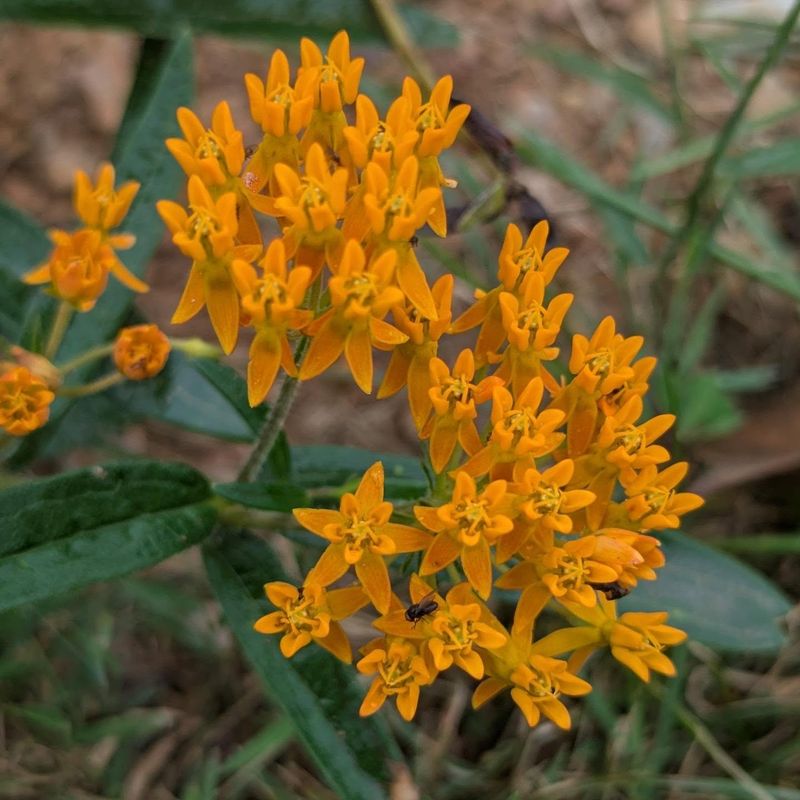
Deep beneath your butterfly weed lies a long taproot that reaches far into the soil. This sturdy root is the plant’s lifeline, storing energy and anchoring it firmly in place.
Because the root goes so deep, the plant handles dry spells and cold weather quite well. Your job is to protect that root zone without going overboard.
Piling heavy, moisture-holding material around the crown is a mistake many gardeners make. Thick, wet mulch traps moisture right where the plant wants it dry.
Too much material around the base can smother the crown and invite rot. The taproot needs breathable, well-drained soil far more than a cozy blanket of mulch.
A thin layer of light mulch is fine if you want to keep weeds down. Just keep it pulled back a few inches from the stems so air can reach the crown.
Good drainage matters more than anything else for this plant. If water pools around the base after rain, the roots may struggle even with a deep taproot.
Skip the temptation to bury the crown in leaves or wood chips. Butterfly weed prefers open, airy soil that dries out between rains.
Focus your energy on making sure water flows away from the plant rather than sitting near it. That simple step protects the root far better than heavy covering.
Treating the root zone with a light touch keeps your butterfly weed strong through winter. The deep root does most of the work, so let it breathe and stay dry.
Prepare For A Strong Spring Return
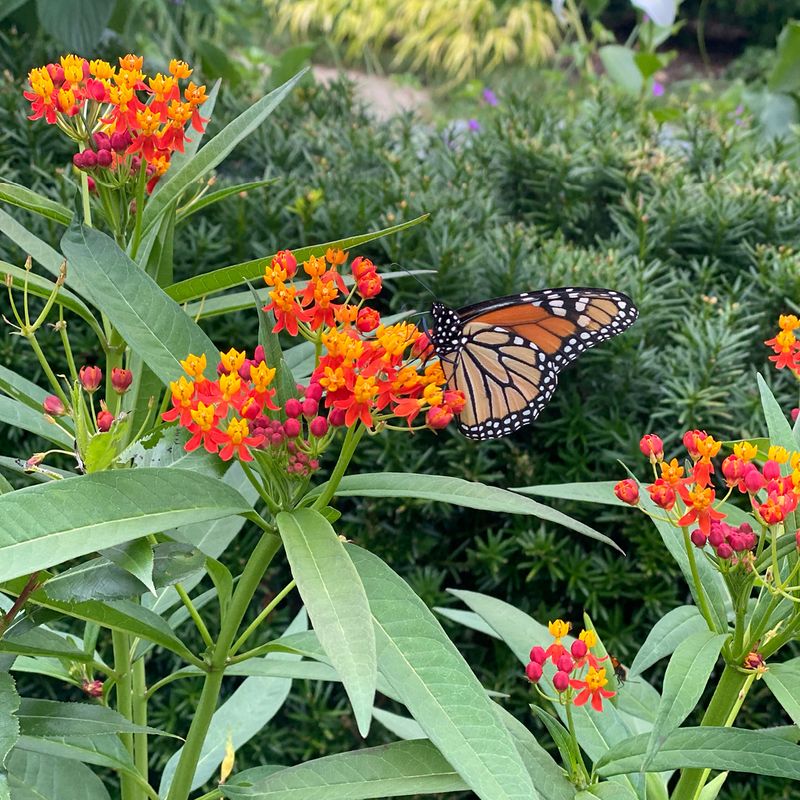
Everything you do in September builds toward one exciting moment, the return of your butterfly weed in spring. With a little care now, that comeback can be stronger than ever.
Allowing the plant to slip into natural dormancy is the biggest gift you can give it. When you let the foliage fade and the roots store energy, the plant rests fully and gathers strength.
Avoiding unnecessary disturbance also makes a real difference. Digging, moving, or fussing with the plant late in the season can stress those deep roots right when they need calm.
Well-drained soil remains your best friend heading into winter. Roots that stay dry and healthy handle cold weather far better than roots sitting in soggy ground.
Established butterfly weed is surprisingly hardy once it settles in. That deep taproot lets it survive North Carolina winters and push out fresh shoots when the soil warms again.
Resist the urge to check on it too often during the cold months. Trust that the plant knows how to rest and recover on its own.
Come spring, you will spot new green growth rising from the base. Those first shoots are proof that your patient fall care truly paid off.
A plant that rests well returns with more vigor, more blooms, and more visits from happy monarchs. Your garden becomes a reliable stop for pollinators year after year.
Setting up for a strong return is the perfect way to close out the season and welcome the beauty ahead.