These New York Native Shrubs Settle In Better When Planted In Fall
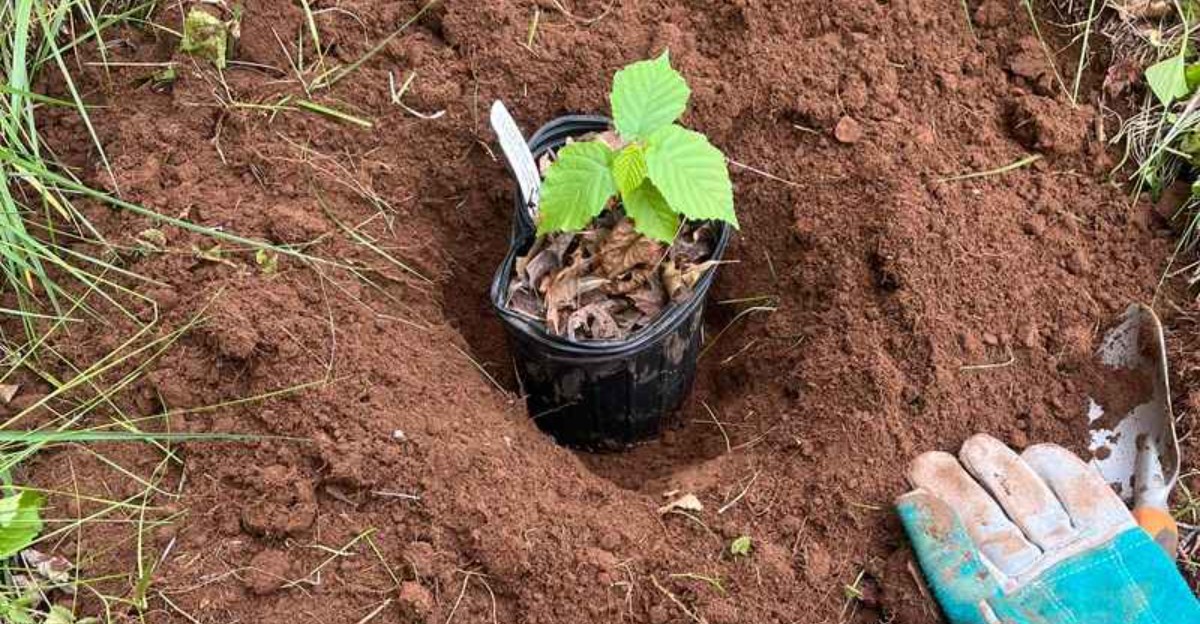
The garden may look like it is winding down, but the soil is still working. Dig a few inches down, and you will find ground that is holding onto summer warmth.
That gives new shrubs time to settle in before winter arrives.
Fall is one of the best times to plant native shrubs in New York. Cooler days mean less stress, autumn rain helps keep roots watered, and plants can focus on getting established instead of battling summer heat.
Native shrubs also bring extra benefits. They feed birds, support pollinators, and handle local weather better than many fussy plants.
Pick the right shrub for the right spot, and it can become a lasting part of your yard.
1. Winterberry Holly Adds Bright Berries After A Fall Start
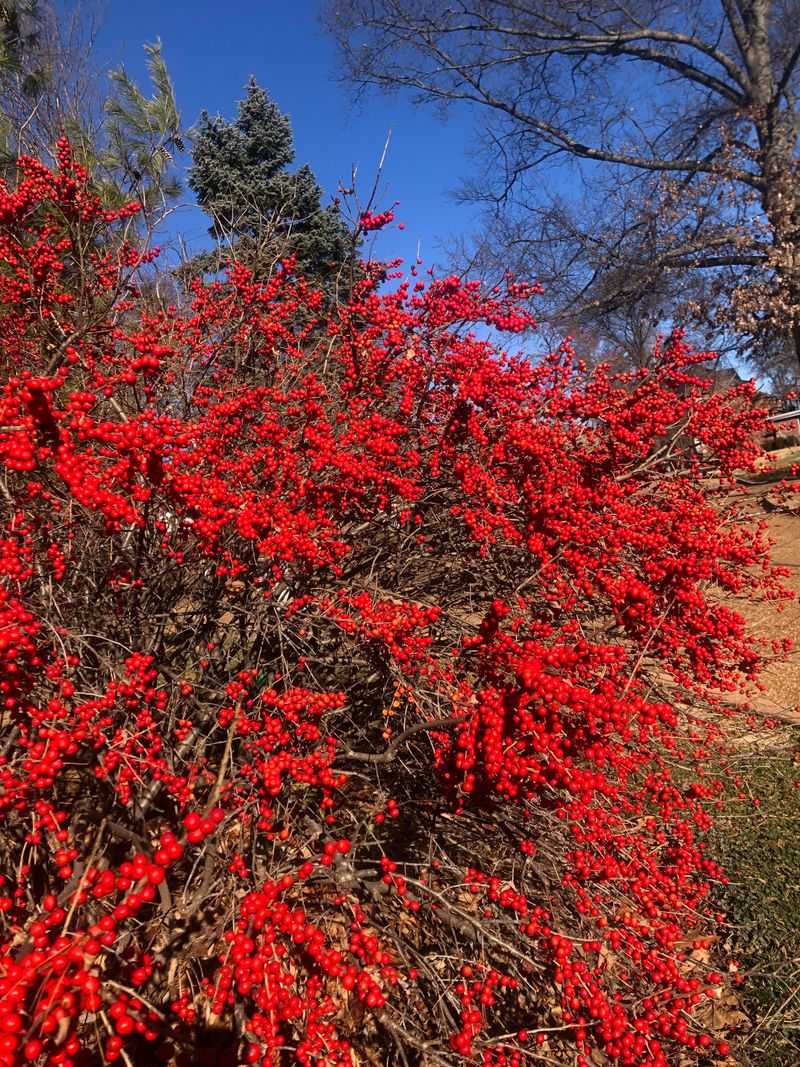
Few shrubs steal the winter show like winterberry holly. The leaves drop away in late fall, leaving bare stems studded with glowing red berries that birds raid all season.
Shopping in autumn gives you a sneaky advantage. Berries are visible then, so you can tell which plants are female and pick with your own eyes instead of trusting a tag.
Here is the catch worth knowing: the species is dioecious, meaning male and female flowers grow on separate plants. One male can often provide pollen for several females when planted nearby, but spacing depends on the cultivar and site conditions.
Female plants carry the fruit, so give them the spotlight. Males can hide behind a shed or tuck into a back corner where nobody looks twice.
Sun matters for berry load. Full sun brings the heaviest crop, though part shade still works if that is what your yard offers.
Moist, acidic soil suits it best, including areas that stay consistently damp but still have some drainage.
Expect a mature height of 6 to 10 feet, with a spreading, suckering habit over time. Give it elbow room rather than crowding it against a walkway.
Patience pays here. Newly planted shrubs often need two or three seasons to build strong roots before hitting peak berry production, and fall planting shortens that wait considerably.
2. Arrowwood Viburnum Builds Strong Roots Before Winter
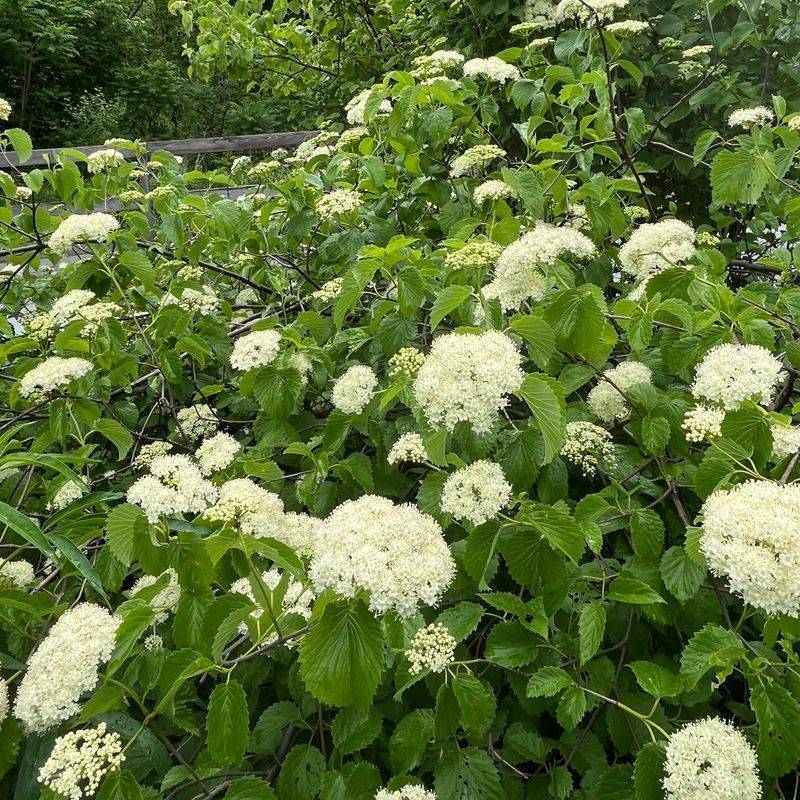
Native people once used the straight, arrow-like stems of this shrub for shafts, which is exactly how it earned its name. Handy history aside, arrowwood viburnum is one of the most dependable structural shrubs you can plant.
Its dense, rounded shape fills gaps in a border without looking scraggly. Creamy white flower clusters open in late spring, drawing bees by the dozen.
Those blooms turn into blue-black berries that ripen from late summer into fall. Robins, cardinals, and thrushes clear them out fast, so enjoy the display while it lasts.
Autumn color runs the range from butter yellow to reddish purple and deep wine. Planted in fall, the shrub gets roughly six weeks of root growth before harder weather rolls in.
Half a day of direct sun or more produces the best growth and fruit set. Moist, well-drained soil is preferred, but it tolerates a surprising spread of soil types and pH levels.
Your New York Garden Changes Every Week. Your Plan Should Too.
Gardening in New York changes quickly throughout the season. Every Friday you’ll receive a simple weekly plan showing exactly what to plant, prune, fertilize, harvest, and protect so you never miss the right timing.
One planting trick makes a big difference: set out two or more genetically different arrowwood viburnums nearby. Cross-pollination boosts berry yield noticeably.
Mature size lands around 10 feet tall and 8 feet wide, so measure before you dig. Skip heavy autumn pruning, since fresh shoots pushed out late can struggle through cold snaps.
Water deeply after planting and mulch lightly. That is honestly most of the work.
3. Ninebark Handles New York Conditions With Easy Growth
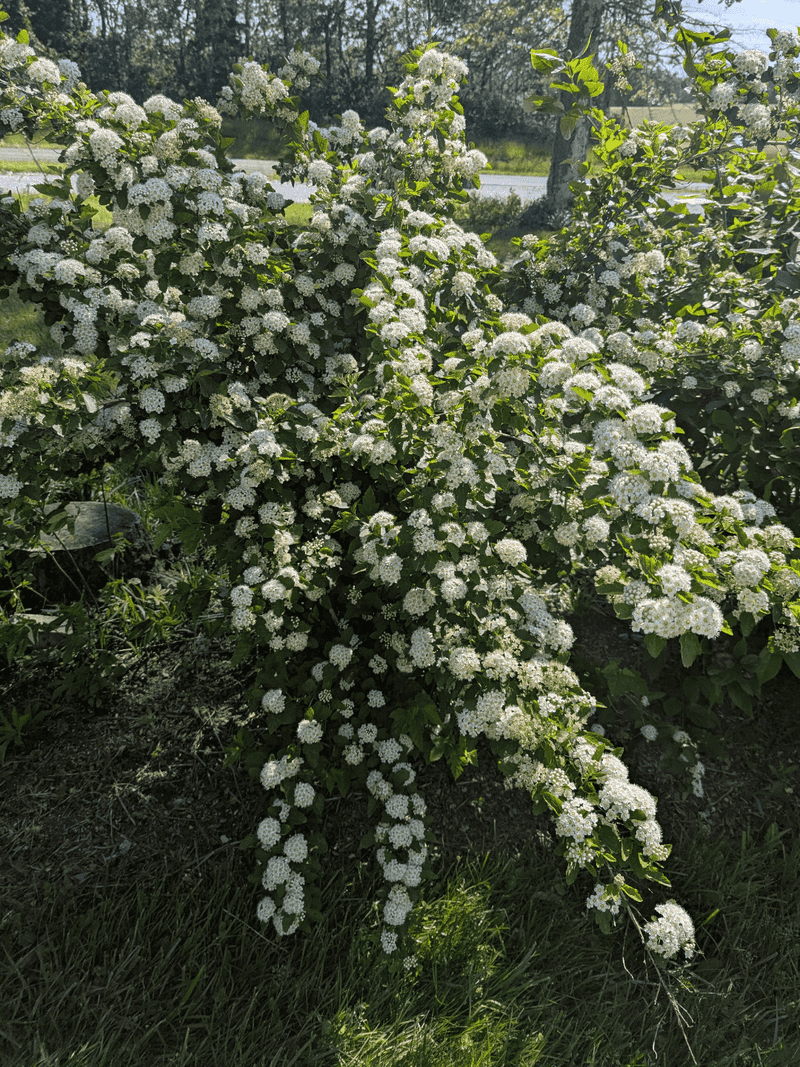
Ninebark got its quirky name from bark that peels in papery layers, supposedly nine of them. Strip back a strand in January and you will see why gardeners find it fascinating.
Texture is the year-round gift here. Winter stems look shaggy and sculptural, which keeps the garden interesting when everything else is asleep.
Spring and early summer bring clusters of pink or white flowers that pollinators swarm. Reddish seed pods follow in fall and hang on for weeks.
Foliage choices are wide, ranging from lime green to deep burgundy depending on the cultivar. Birds and beneficial insects use the shrub for cover and food, so it earns its keep ecologically.
Toughness is the real selling point. Late fall planting works well in the milder pockets of New York, giving roots plenty of settling time before the ground hardens.
Full sun brings the richest leaf color and the heaviest bloom, though light shade is acceptable. Clay, loam, or sand all work, with well-drained, acidic to neutral soil being the sweet spot.
During that first year, keep the soil evenly moist so roots can spread. After it settles in, ninebark shrugs off dry spells with hardly a wilted leaf.
Sizes run 5 to 10 feet tall and 4 to 8 feet wide. Prune right after flowering if you want a tidier silhouette.
4. Spicebush Thrives In Shady Woodland Garden Spots
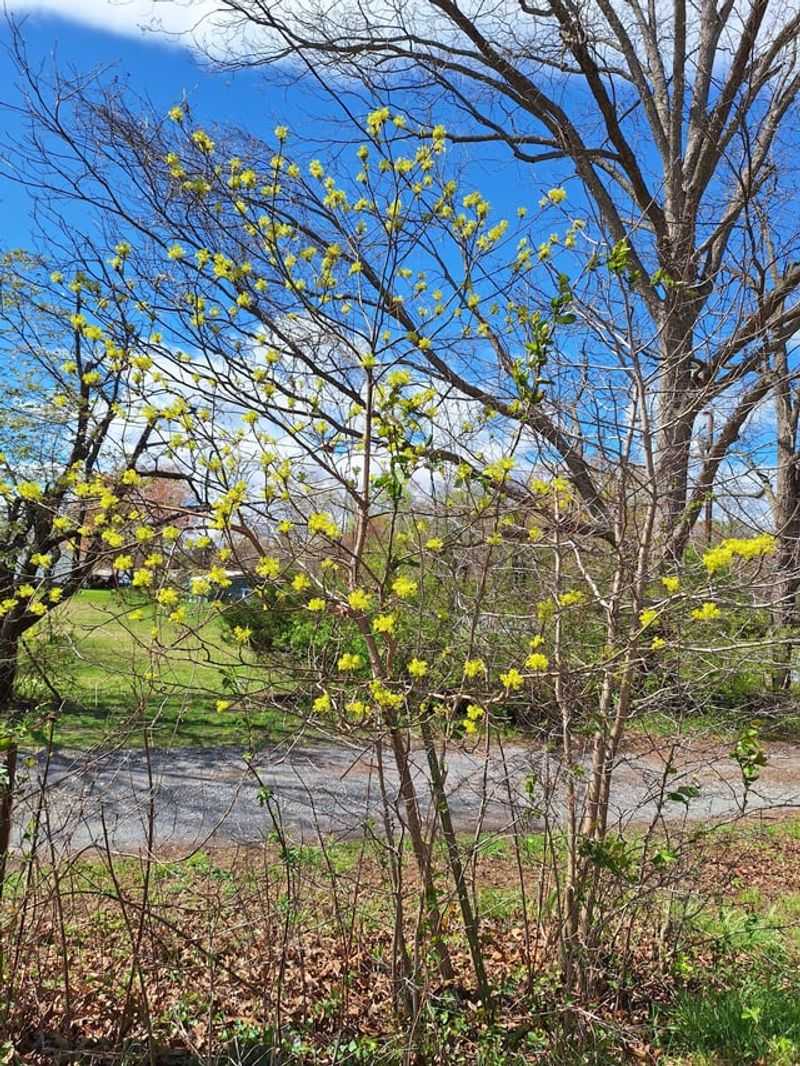
Crush a spicebush leaf between your fingers and you get a scent somewhere between lemon peel and allspice. That aroma is the plant’s built-in defense, though deer and rabbits may still browse it when other food is scarce.
Early spring belongs to spicebush. Tiny fragrant yellow flowers open along bare twigs before most trees have leafed out, lighting up shady corners.
Autumn brings soft, buttery yellow leaves. On female plants, shiny scarlet drupes ripen around September and feed migrating thrushes right when they need high-fat fuel.
Male and female plants grow separately, so fruit requires both. Nurseries sometimes label them, and shopping during fall makes spotting berry-bearing females much simpler.
Butterfly fans have another reason to plant it. Spicebush is the main host for the Spicebush Swallowtail, plus a handful of moth species whose caterpillars fold leaves into little tents.
Streambanks and moist woodlands are its natural haunts, which makes it a natural fit for understory beds beneath larger trees. Soil should stay moist yet drain well, with pH anywhere from 5.0 to 8.0.
Shade is tolerated happily, though more light produces bushier growth, heavier flowering, and stronger fall color. Mature height ranges from 6 to 12 feet, taller in sunnier locations.
Plant it in a group of three for a natural, layered woodland look.
5. Red Osier Dogwood Brings Winter Color To Native Landscapes
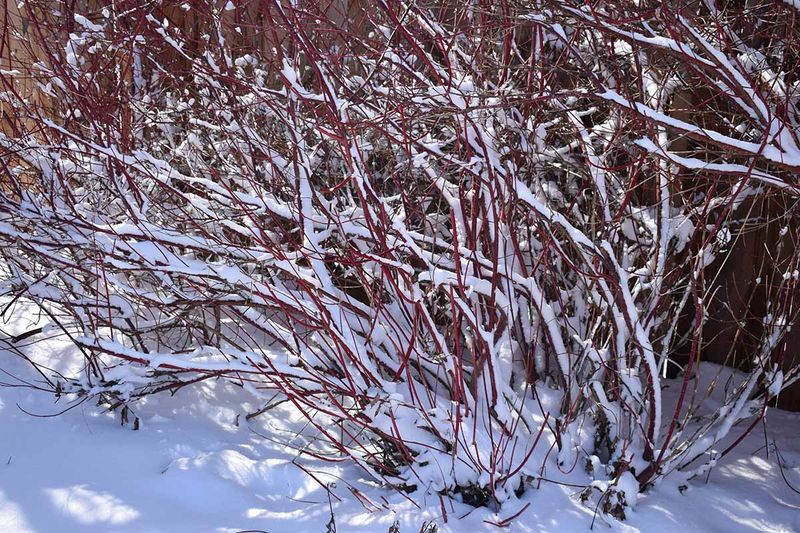
Picture a snowbank with a fistful of red-hot stems shooting out of it. That image sells red osier dogwood every single winter, and no other native shrub does it quite as loudly.
Stem color deepens as autumn temperatures drop. The most intense red shows on young wood, meaning stems one to two years old.
Keeping that glow is simple. Remove about a third of the oldest stems in early spring and the shrub responds with fresh, brightly colored shoots.
Late spring adds flat clusters of creamy white flowers. White berries follow in late summer and draw catbirds, waxwings, and woodpeckers.
Fall foliage turns a rich brick red before dropping, which pairs beautifully with the stems underneath. Cold hardiness is exceptional, so northern New York gardens handle it without trouble.
Adaptability is another strong point. Full sun to partial shade both work, and it grows in wet or dry soil, clay or sand, acidic or alkaline.
Naturally, it grows along bogs and streambanks, and it tolerates wet soils and occasional flooding better than many shrubs. Rain gardens and soggy ditches are ideal placements.
Growth is fast, reaching 6 to 9 feet tall and up to 10 feet wide. It spreads by suckers, so pick a spot where that habit helps rather than annoys.
Planting works anytime from autumn through spring while soil stays unfrozen.
6. New Jersey Tea Fits Sunny Dry Garden Areas
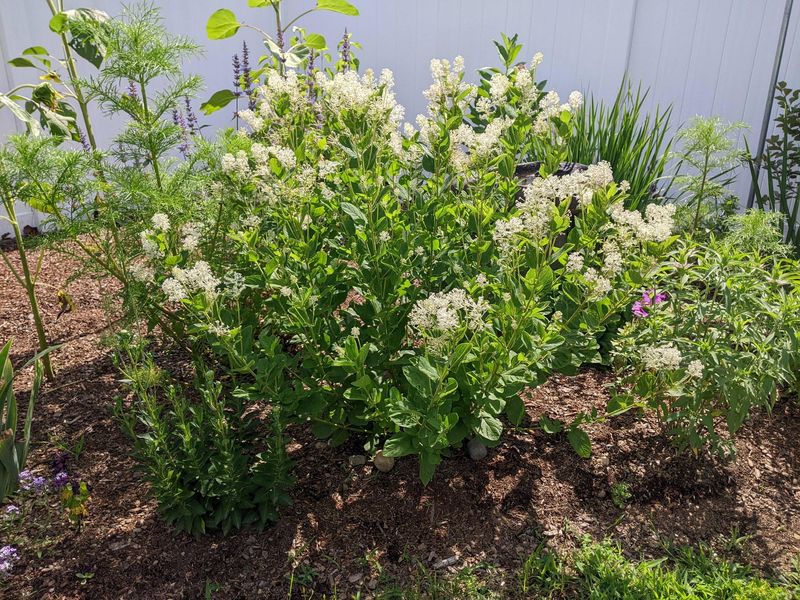
Revolutionary War soldiers brewed the dried leaves of this shrub as a stand-in for imported black tea. The nickname stuck, even though the plant itself is a compact native shrub and not a tea plant at all.
Size makes it useful in small yards. Expect a tidy, rounded mound roughly 3 to 5 feet tall and about as wide.
Late spring into early summer brings puffs of small white to pinkish blossoms with a honey-sweet fragrance. Bees, butterflies, and tiny wasps cover them for weeks.
Below ground, a deep taproot does the heavy lifting. Once that root establishes, drought tolerance becomes remarkable, which suits hot, sandy spots in New York gardens.
Full sun is preferred, with a bit of afternoon shade acceptable. Freely draining sandy or loamy soil works best, and poor, lean ground is fine.
Heavy clay and overly rich, wet soil are the two conditions to avoid. Drainage matters more than fertility here.
Timing favors spring or early fall planting so roots settle before temperature extremes. Because of that taproot, pick the location carefully, since moving an established plant later rarely goes well.
Prune in late winter to keep the shape neat and encourage bushier stems, since flowers form on new growth. Roughly 40 caterpillar species use it as a host plant, making it a quiet powerhouse for backyard wildlife.
7. American Beautyberry Adds Late Season Wildlife Value
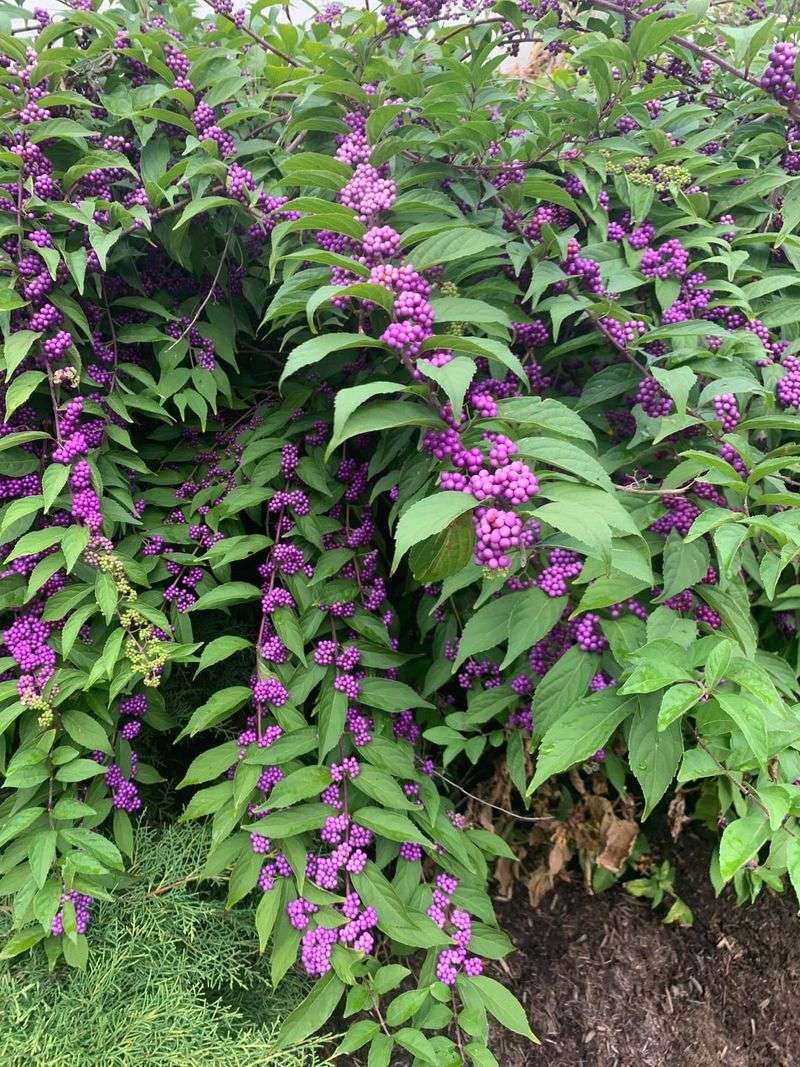
Nothing in the autumn garden looks quite as unreal as beautyberry. Tight rings of violet-purple fruit wrap right around the stems, so bright they almost look painted on.
Songbirds treat those clusters as a late-season pantry. Berries often cling into winter, feeding mockingbirds, thrashers, and finches long after softer fruits have vanished.
Summer growth is quieter. Green leaves cover arching stems, and small lavender-pink flowers open in early to mid-summer, modest but busy with pollinators.
Since fruit forms on new growth, timing your pruning matters. A trim in late winter or very early spring encourages fresh growth while keeping the shrub manageable.
Maintenance needs stay low. Mature plants reach roughly 3 to 8 feet tall and wide, filling space quickly without demanding much attention.
Full sun produces the boldest berry display, while light shade still works with fewer fruits. Well-drained soil enriched with organic matter is best, and it tolerates various soil types as long as the ground is not constantly soggy.
A note on timing for gardeners: in colder northern areas, spring planting is often the safer bet so roots settle before deep cold. In milder downstate areas and along the coast, fall planting helps the shrub establish without summer heat working against it.
Want more plants for free? Collect ripe berries in fall, sow them outdoors, and let winter handle the rest.
8. Highbush Blueberry Rewards Fall Planting With Fruit And Color
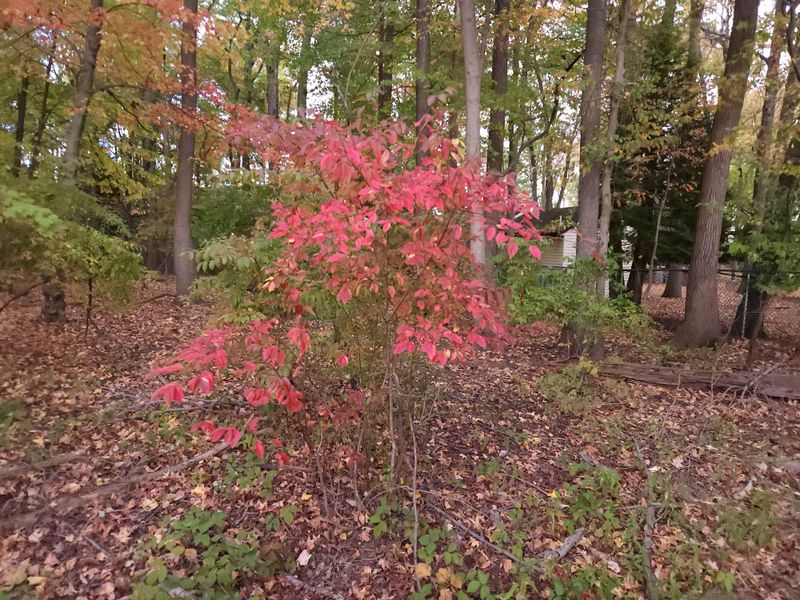
Breakfast and landscaping in one plant. Highbush blueberry hands you buckets of fruit in summer, then turns into a bonfire of red, orange, bronze, and purple leaves come October.
Spring starts things gently with white to pink bell-shaped flowers. Bees work them over eagerly, and the blooms mature into clusters of berries by early to mid-summer.
Over 30 bird species eat those berries, so plan on sharing or draping netting. Small mammals join the buffet too.
Fall planting suits this shrub nicely, letting roots knit into cool soil without summer heat draining moisture. Many state regions provide the chill hours required by common highbush blueberry cultivars, though requirements vary by variety.
Soil chemistry is the one demand you cannot skip. Highly acidic ground, ideally pH 4.3 to 5.5, with steady moisture and excellent drainage, is required, since alkaline soil turns leaves sickly yellow.
Fix your soil before planting, not after. Peat moss and elemental sulfur help lower pH, and a thick mulch of pine needles or wood shavings keeps roots cool and moist.
Sun drives production. More light means more flowers, a bigger harvest, and richer autumn color.
Though self-pollinating, planting two or three varieties that bloom at the same time increases berry size and total yield. Reddish twigs add subtle winter texture, and the shrub hosts caterpillars of over 200 moth and butterfly species.