How To Actually Get A California Fig Tree To Fruit Instead Of Just Growing Leaves
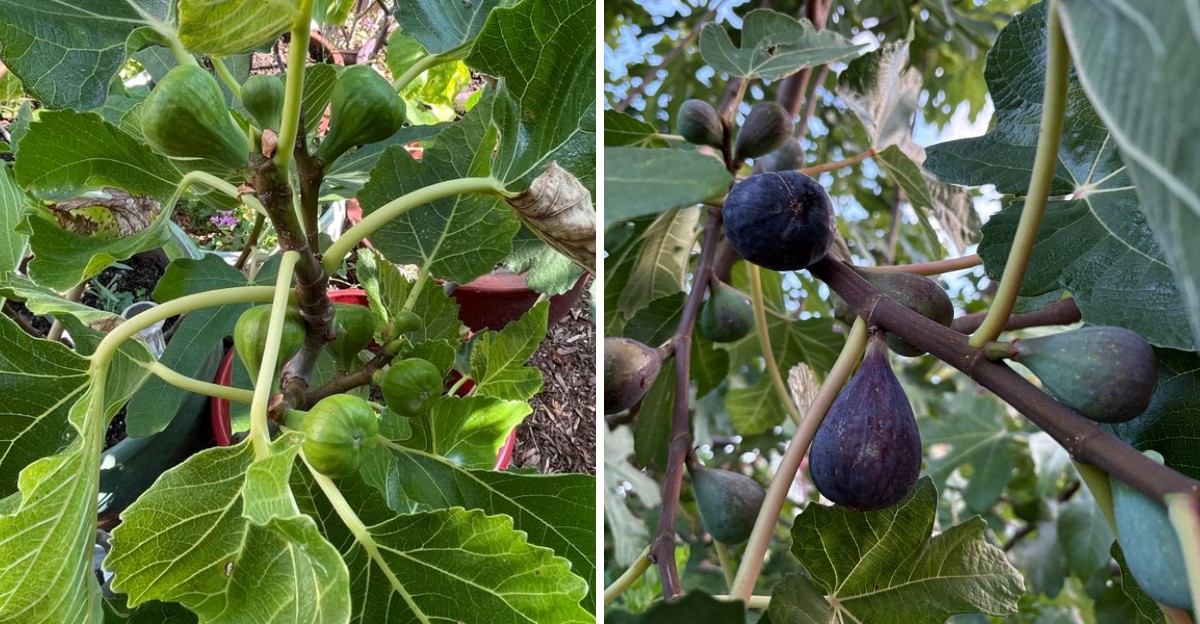
A fig tree in a Sacramento backyard, eight feet tall, glossy green, throwing out leaves the size of dinner plates, and after five years in the ground it has produced maybe four figs total.
Plenty of California gardeners know that frustration well. Most of them assume the tree is sick or the variety is simply a dud that never should have gone in the ground.
The real reason is usually the opposite of what people expect entirely. The tree is too comfortable, too well fed, and too well watered to bother making fruit.
Most gardeners respond by feeding harder or watering more, exactly the wrong move for a tree already stuck in leaf mode.
Once you understand that a fig pushed toward leafy growth is a fig that skips fruiting, the fixes become surprisingly simple to apply.
1. Cut Back On Nitrogen Fertilizer
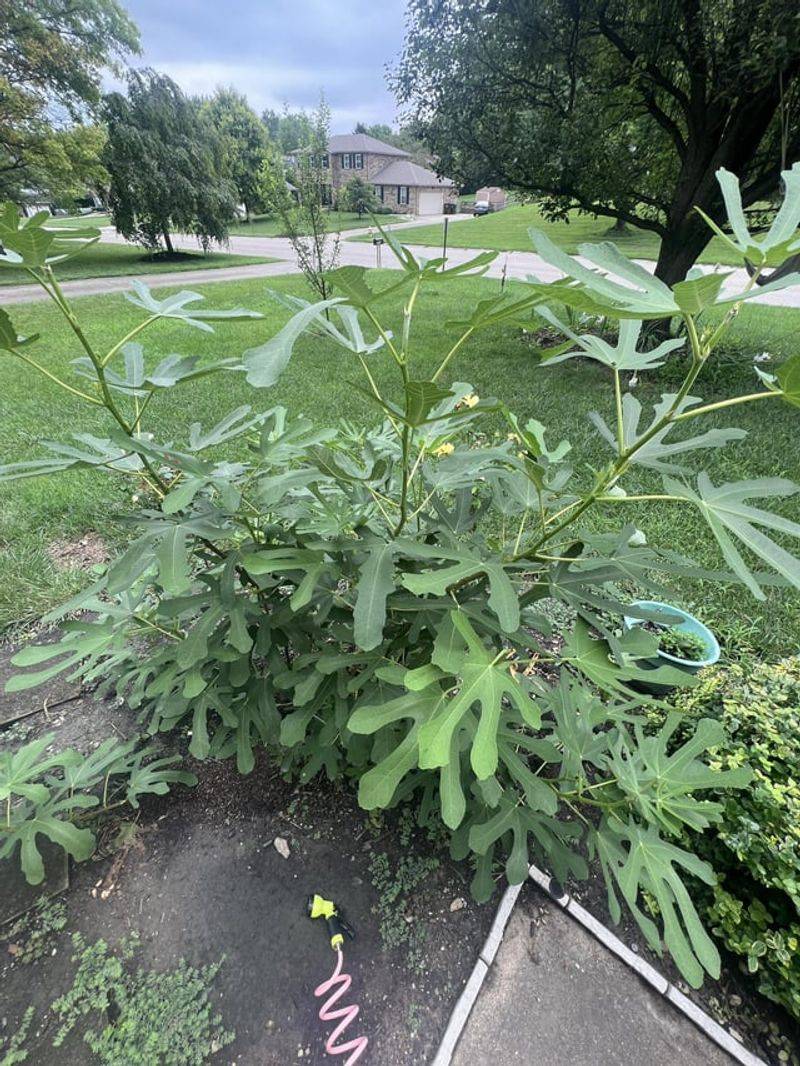
Lawn fertilizer creeping into a fig’s root zone is one of the most common reasons a California tree looks like a giant green umbrella and sets almost nothing worth picking.
Nitrogen sends a simple message to any plant. Build more shoots, build more leaves, and worry about fruit later.
University of California Agriculture and Natural Resources guidance is direct about this exact problem. Figs growing in reasonable garden soil often need no nitrogen fertilizer at all, and too much pushes rank vegetative growth.
Watch where your tree actually lives too. A fig planted in the middle of a fertilized lawn gets fed every time the sprinklers run, even if you never feed it directly yourself.
The fix is mostly subtraction here. Stop the high-nitrogen products, move lawn feeding away from the drip line, and let the tree coast for a season or two.
If leaves turn pale yellow and new growth shrinks below about a foot, that is the point to add a light feeding back in.
Potassium and phosphorus rarely cause the leafy problem, so a balanced low-nitrogen amendment or a thin layer of compost is safer than a lawn blend.
Hungry figs fruit. Pampered figs sulk and grow taller instead, chasing more leaves rather than committing to fruit production.
2. Restrict Roots To Encourage Fruiting
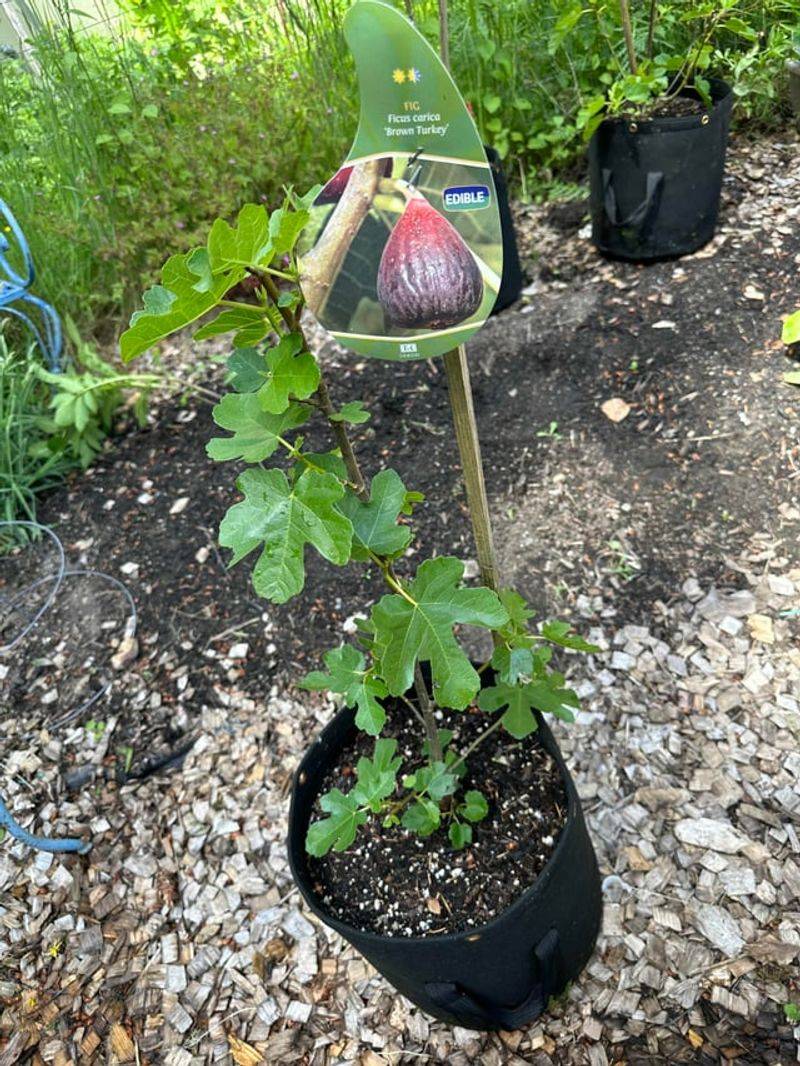
Old Mediterranean growers had a trick worth remembering. Plant the fig against a wall, in a pocket of poor soil, and let it feel a little crowded rather than luxurious.
Modern California gardeners can copy that idea with a container or a buried barrier around the root zone.
Roots that roam freely through rich, irrigated soil fuel endless shoot growth without much restraint. Confine them, and the tree shifts energy from expansion toward reproduction instead.
UC guidance notes that figs adapt well to containers and that limited root space helps keep trees compact and productive over time.
A half wine barrel or a 15 to 25 gallon pot suits most varieties grown in Fresno, Sacramento, or coastal yards. Use a free-draining mix, water regularly, and refresh the soil every two or three years.
In the ground, you can line a planting hole with a heavy plastic root barrier or plant near a concrete driveway edge where soil volume is naturally limited already.
Your California Garden Changes Every Week. Your Plan Should Too.
Gardening in California changes quickly throughout the season. Every Friday you’ll receive a simple weekly plan showing exactly what to plant, prune, fertilize, harvest, and protect so you never miss the right timing.
Do not overdo it though. A fig choked in a tiny pot with bone-dry soil drops fruit instead of ripening it properly.
Pair a smaller root zone with steady water and no fertilizer, and many stubborn leaf machines finally start setting a real crop worth harvesting.
3. Prune Selectively, Not Aggressively
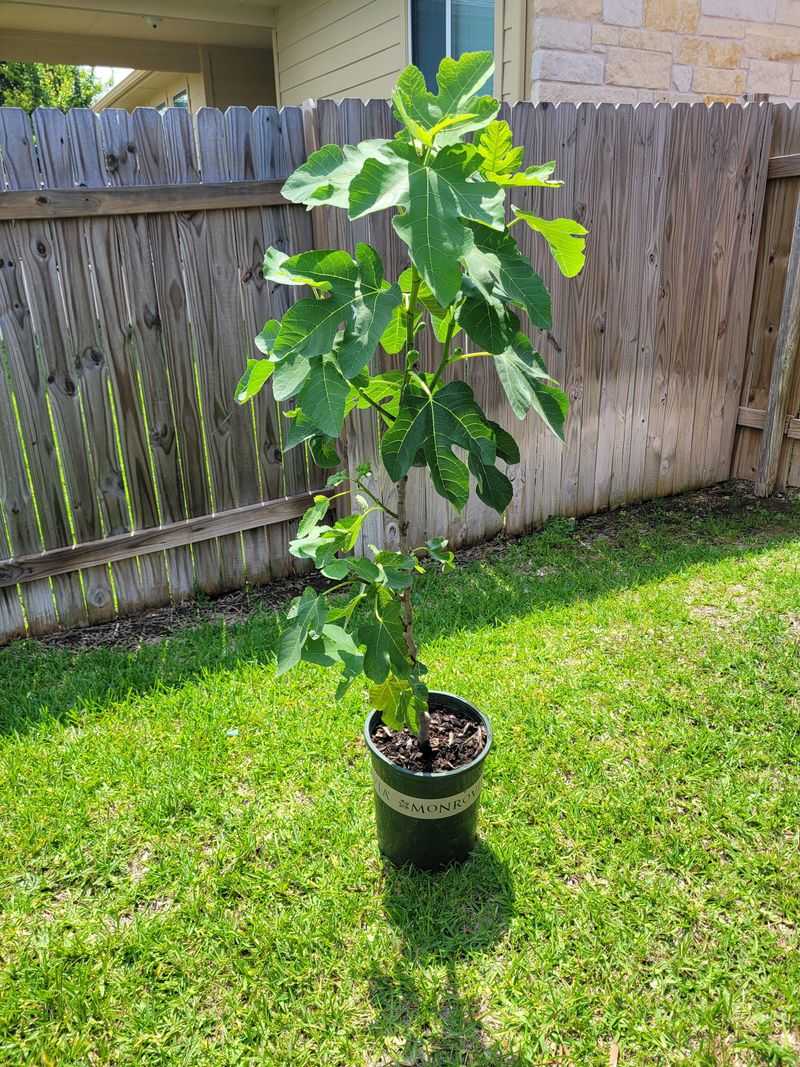
Grab the loppers with too much enthusiasm, and you can prune the crop right off the tree in a single afternoon. Every heavy cut wakes up dormant buds unexpectedly.
Most common figs grown in California produce a main crop on the current season’s new shoots, plus an earlier breba crop on wood formed the previous year.
Cut all that older wood back hard each winter, and you erase the breba figs entirely from the coming season.
UC ANR advice for home figs leans toward light, corrective pruning once the tree has its basic framework established. Remove damaged, crossing, or crowded branches and thin for light.
Timing matters as well here. Dormant winter cuts stimulate the strongest regrowth, while light summer thinning tends to calm a tree down rather than rev it up.
If your fig already looks like a leafy hedge, resist the urge to chop it in half, because that usually doubles the problem come next spring.
Pinching is the one exception worth testing on a vigorous tree. Some California growers pinch the tips of new shoots in early summer, once five or six leaves have formed.
Keep notes on what you cut and what fruited afterward. Trees reveal their habits within two seasons if you pay attention closely.
4. Full Sun Pushes More Fruit Production
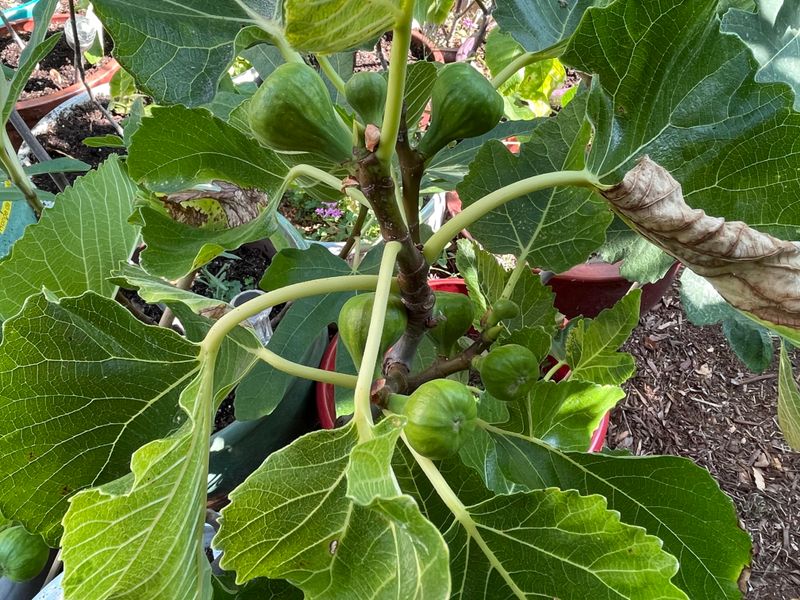
Sunlight is the fuel that turns into sugar, and figs need plenty of both to actually produce fruit worth eating. A tree tucked behind a garage keeps making leaves while it chases light.
Eight hours of direct sun is a reasonable minimum across most of California, and full-day exposure works better in coastal and foggy areas specifically.
Gardeners near Half Moon Bay or the Sunset District often struggle to ripen a main crop because summer fog steals the heat figs depend on.
Warm walls make a real difference for this tree. A south or west facing fence or stucco wall stores heat during the day and releases it at night.
Inland growers in the Central Valley face the opposite issue entirely. Plenty of heat, sometimes too much, so fruit and exposed bark can sunburn during triple digit stretches.
Shade is often self-inflicted too, worth checking for. A dense, unthinned canopy blocks light from reaching the interior, so figs form only along the outer edges.
If your yard genuinely lacks a bright spot, container growing solves two problems at once, letting you park the pot in the sunniest corner available.
5. Consistent Water Beats Feast Or Famine
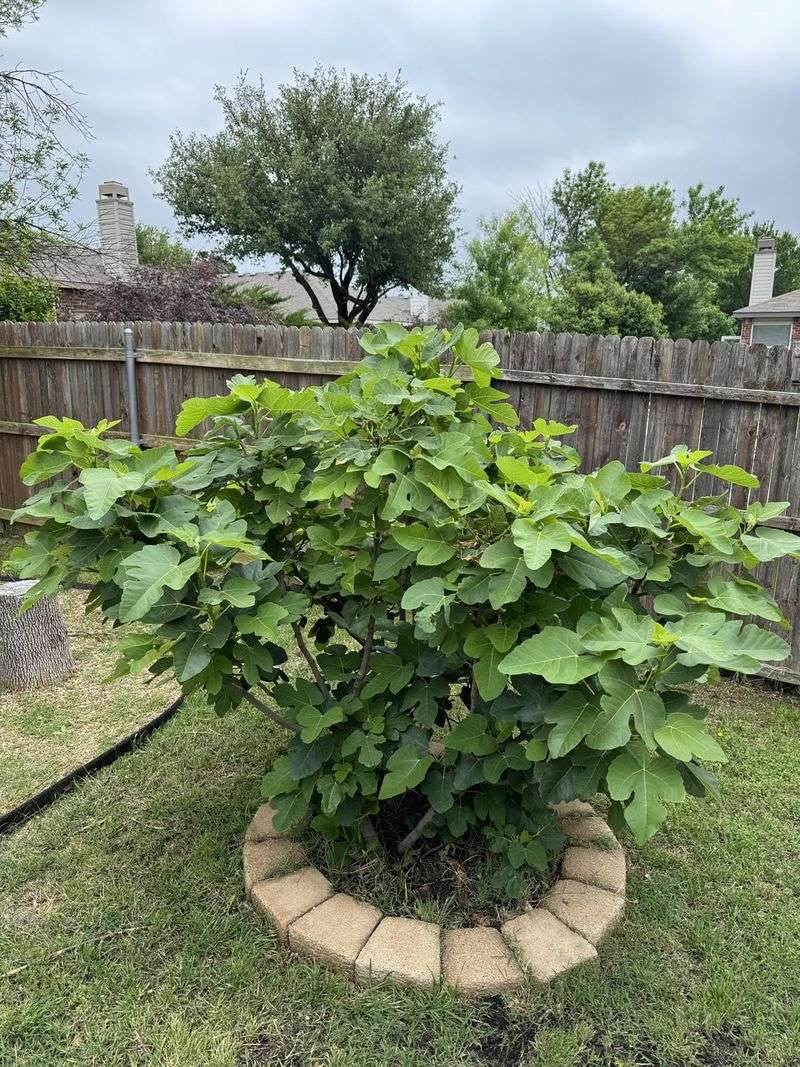
Fig fruit drop is often a watering story more than anything else. A tree that goes bone dry, then gets flooded, will shed young figs and sometimes split the ones that hang on.
Figs are drought tolerant once established, which fools people into thinking they never need irrigation through a California summer at all.
UC guidance for home fruit trees points toward deep, regular soakings during the dry months rather than frequent shallow sprinkles that barely help.
Mulch helps enormously here too. Three or four inches of wood chips over the root zone, kept a few inches off the trunk, evens out soil moisture nicely.
Watch for the classic signs of erratic watering on your tree. Leaves wilting in the afternoon, small figs yellowing and dropping, and split skins right as fruit ripens.
Splitting usually means a heavy watering hit a thirsty tree mid-ripening, catching the fruit off guard during a critical stage.
Late in the season, ease off slightly as figs begin to soften on the branch. Somewhat drier soil during ripening concentrates sugar and reduces splitting.
Just avoid swinging between extremes with your watering schedule. Steady moisture, applied deeply on a schedule you actually keep, beats anything sold in a bottle.
6. Patience Matters With Young Trees
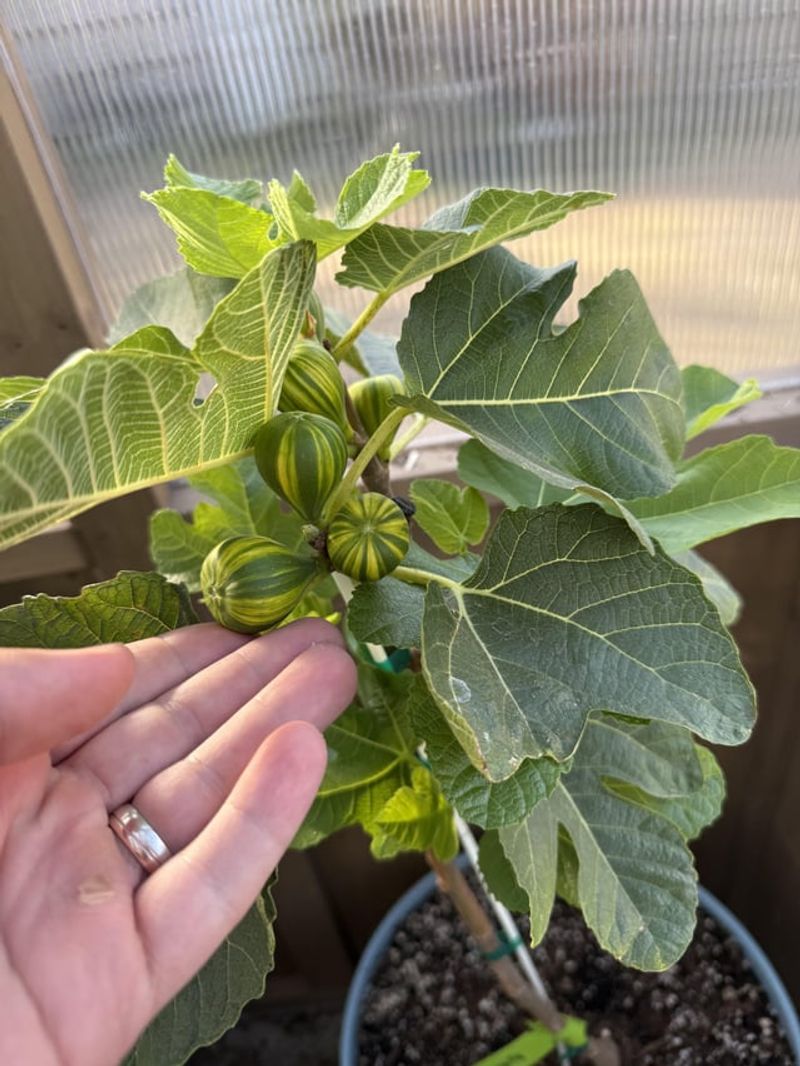
Nursery tags rarely mention the waiting involved with this fruit. A fig grown from a cutting or bought as a bare-root whip often spends its first several years building roots and structure.
Two to five years is a common window for California backyard figs, depending on variety, size at planting, and how hard the tree was cut back during training.
Juvenile growth looks almost exactly like the nitrogen problem described earlier. Long shoots, big leaves, no figs anywhere on the tree yet.
Telling the two apart matters quite a bit, because a three year old tree doing normal juvenile stretching does not need root restriction or a diet at all. It needs time instead.
Check the age and history before you start fixing things on an impatient whim. If the tree is young, growing steadily, and sitting in sun, the best move is often no move at all.
Early figs that form and then drop are also perfectly normal for a young tree still establishing itself. Young trees frequently abort their first attempts entirely.
Use the waiting years wisely instead of rushing things. Train a sturdy framework of three to five main limbs, keep fertilizer minimal, and establish a watering rhythm early on.
7. Stress The Tree Just Enough
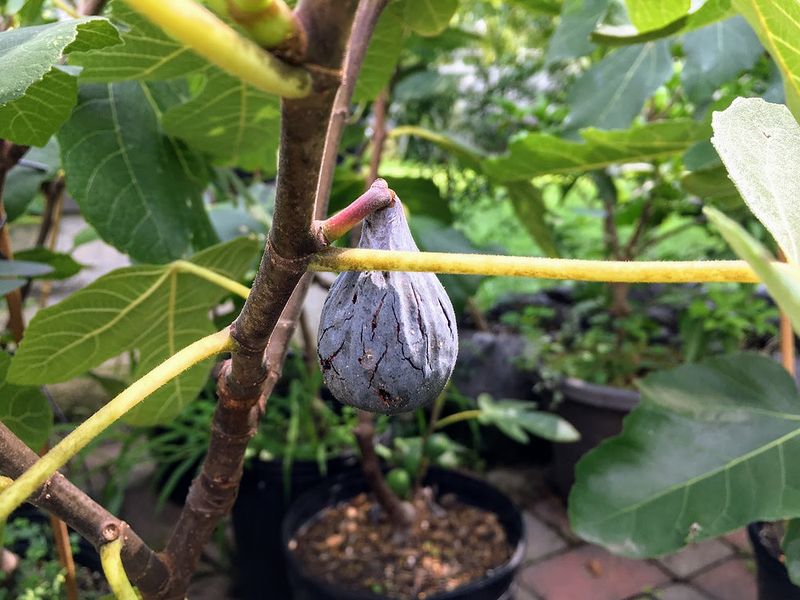
Everything above points the same direction ultimately. A slightly hard life makes a better fig tree overall. Plants living in rich, endlessly watered comfort have no reason to hurry into reproduction.
Limit resources a little, and the tree’s priorities shift toward seeds, which in a fig means the sweet, fleshy fruit we actually eat.
The practical recipe is simple to follow. Skip nitrogen unless leaves go pale, keep roots in a pot or behind a barrier, prune lightly, plant in full sun, and water deeply on a steady schedule.
Balance still counts here though. Genuine stress, meaning drought during ripening or heavy scale infestations, ruins crops instead of improving them.
California hands fig growers a real advantage worth appreciating. Long warm summers, low humidity, and mild winters that suit Mission, Kadota, Brown Turkey, and Violette de Bordeaux varieties well.
Give a stubborn leafy tree two full seasons of lean treatment before judging results, since figs respond on their own timeline rather than yours.
One last note for the impatient gardener out there. A fig that finally fruits tends to keep fruiting, often heavily enough that you will be handing bags to neighbors by August.
8. Choose The Right Variety For Your Climate
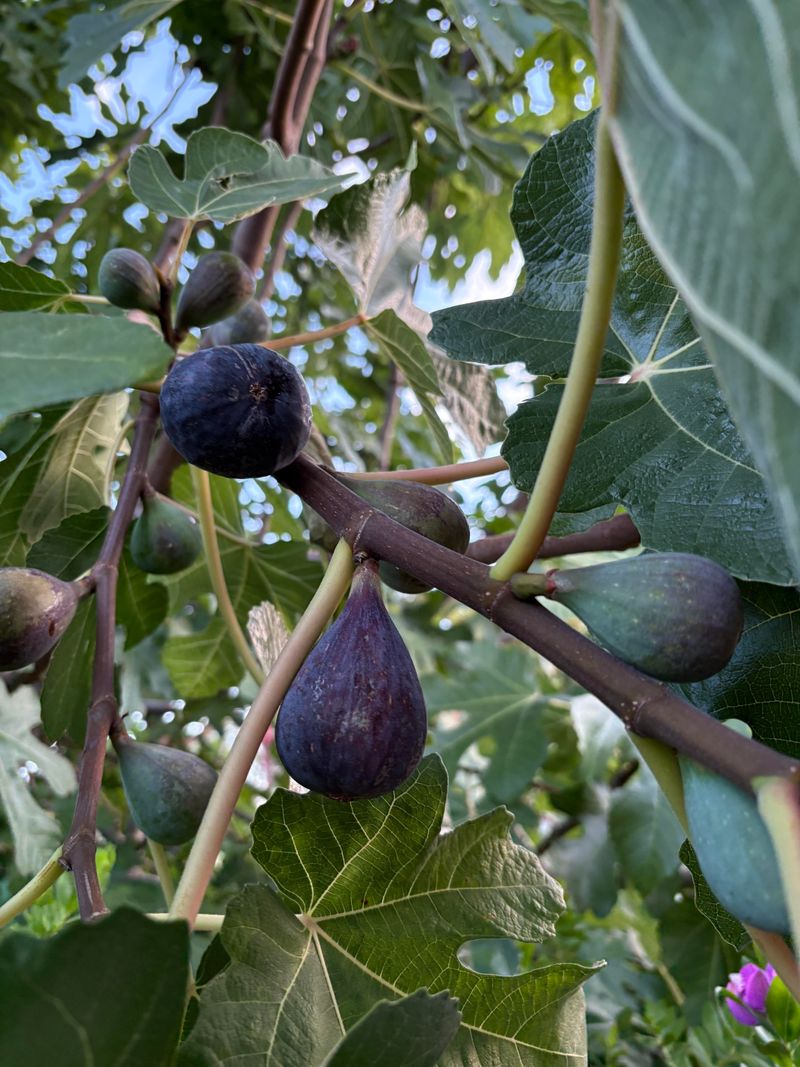
Even with perfect care, planting a fig variety poorly suited to your specific California microclimate can leave you waiting years for a crop that never fully arrives.
Some varieties, like Black Mission and Brown Turkey, tolerate a wide range of conditions and reliably produce both a breba crop and a main crop across most of the state without much fuss.
Others, particularly certain Smyrna-type figs that require pollination by a specific wasp not established in most of California, will grow beautifully and never set usable fruit at all, no matter how carefully everything else on this list gets followed.
Coastal and foggy areas do better with varieties known for reliable breba crops, since that earlier fruit ripens before summer fog fully sets in and steals the heat a main crop would need to finish properly.
Inland Central Valley growers have more flexibility, since intense summer heat suits heavy-bearing varieties like Kadota and Celeste that need real warmth to ripen a full main crop by late summer.
If a tree has been in the ground five or more years, sits in full sun, and still produces almost nothing despite lean feeding and steady water, checking the variety name against known pollination requirements is worth the effort before assuming the problem lies elsewhere.
Nursery tags and online variety databases from university extension programs list pollination needs clearly, and a quick check can save years of frustration with a tree that was simply never going to fruit reliably in a home garden setting.
Swapping a poorly suited variety for one bred for California’s common growing conditions often resolves a fruiting problem faster than any amount of pruning, root restriction, or fertilizer adjustment ever could on its own.
9. Watch For Pests That Mimic Neglect Symptoms
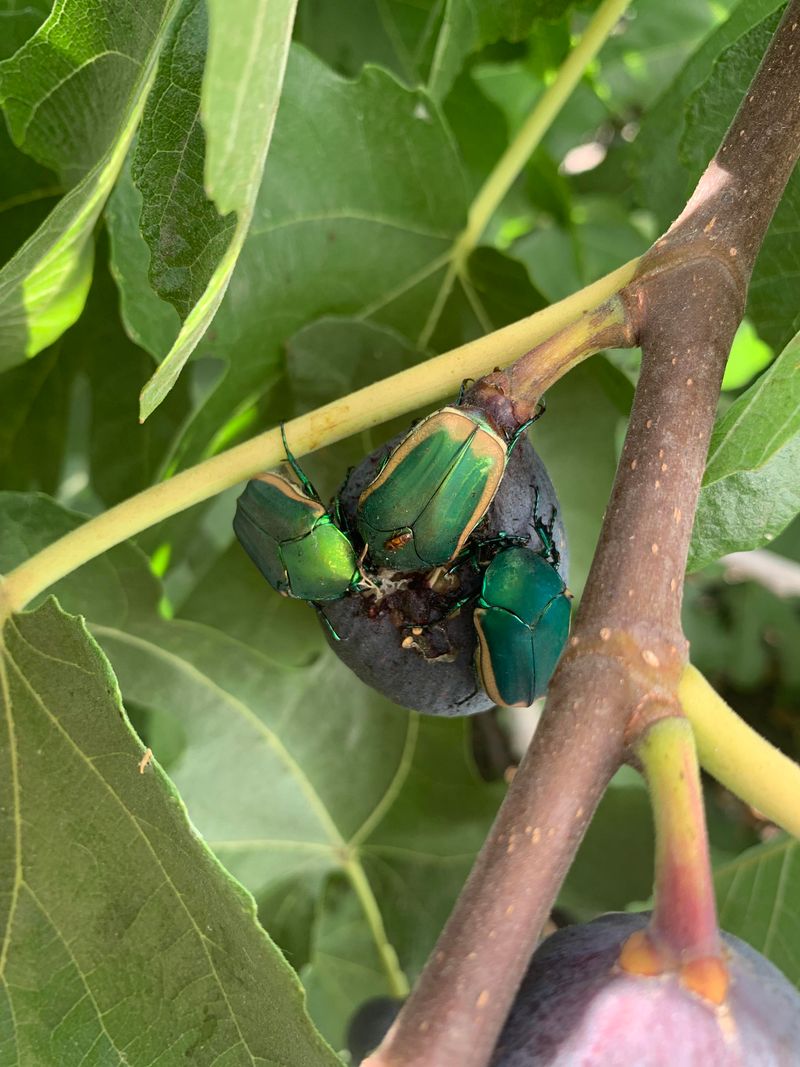
A fig tree that suddenly drops young fruit or shows stunted, yellowing leaves is not always suffering from a fertilizer or watering imbalance, and pests deserve a look before assuming the problem is purely cultural.
Fig beetles, common across much of California, feed on ripening fruit and can cause split or damaged figs that fall before ever reaching the kitchen, mimicking the splitting problem usually blamed on inconsistent watering alone.
Scale insects and mealybugs cluster along stems and the undersides of leaves, quietly draining the tree’s energy and sometimes causing the same pale, weakened foliage that a nitrogen deficiency produces, leading gardeners to misdiagnose the actual cause.
Root knot nematodes, more common in sandy California soils, damage roots underground where nobody thinks to look, producing stunted growth and poor fruiting that gets blamed on overwatering or poor variety choice instead of the actual culprit.
Checking the undersides of leaves regularly, along with a quick look at the trunk and major branches for scale clusters, catches most common pests before they cause damage severe enough to affect an entire season’s crop.
A tree already stressed by heavy nitrogen or inconsistent watering is also more vulnerable to pest pressure in the first place, so addressing the cultural issues covered earlier in this list often reduces pest problems as a side benefit.
For root knot nematodes specifically, a soil test through a county extension office confirms the diagnosis, since symptoms alone can look identical to several other common fig problems unrelated to pests entirely.
Ruling pests out, or treating them early when found, ensures that all the careful work on fertilizer, watering, and pruning actually translates into fruit rather than being quietly undone by an infestation nobody noticed until the crop was already lost.