The Yellow Jackets In Kentucky Yards Are At Their Largest Nest Size Right Now
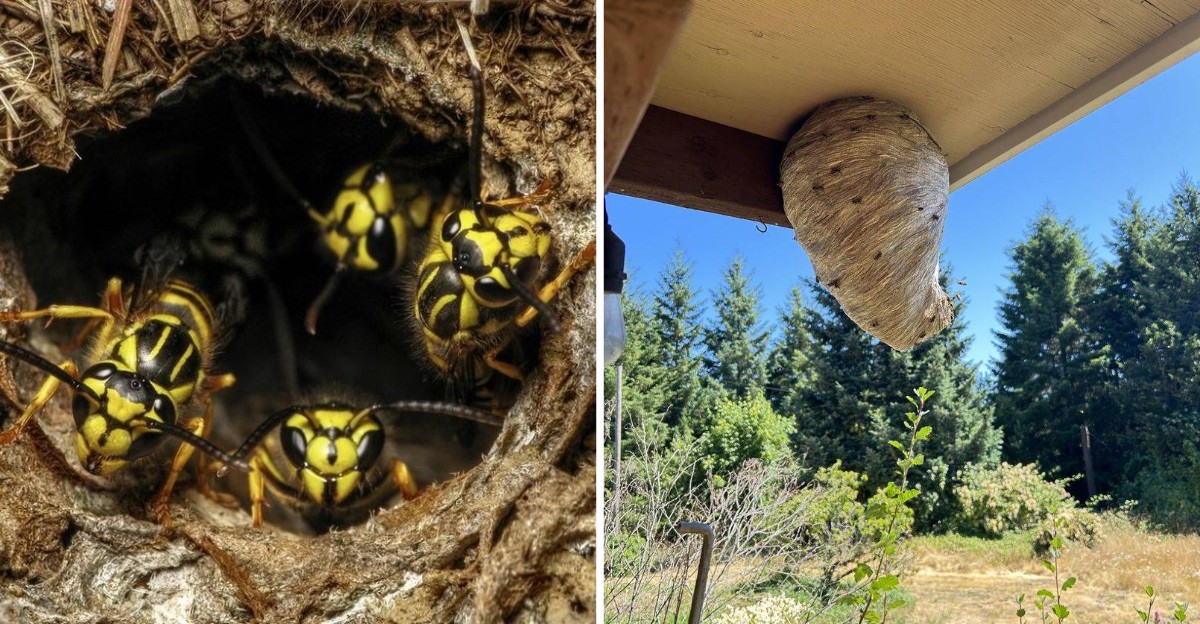
Kentucky backyards feel different in September, when the air cools down and the grass finally slows its growth. Something else is stirring down near the shed, and it is far quieter than your lawn mower.
You may notice heavier traffic around the trash can, the grill, and that half-finished can of soda. The visitors move fast, hover close, and behave like they personally paid for the patio furniture.
What began as a tiny paper cup back in April has been quietly expanding for months now. By now that hidden crowd has reached numbers big enough to fill a small school gym.
Most Kentucky homeowners finally notice the change right around the first backyard cookout of football season. Apparently the uninvited guests prefer pulled pork, and not one of them brought a side dish.
Peak Colony Numbers In Early Fall
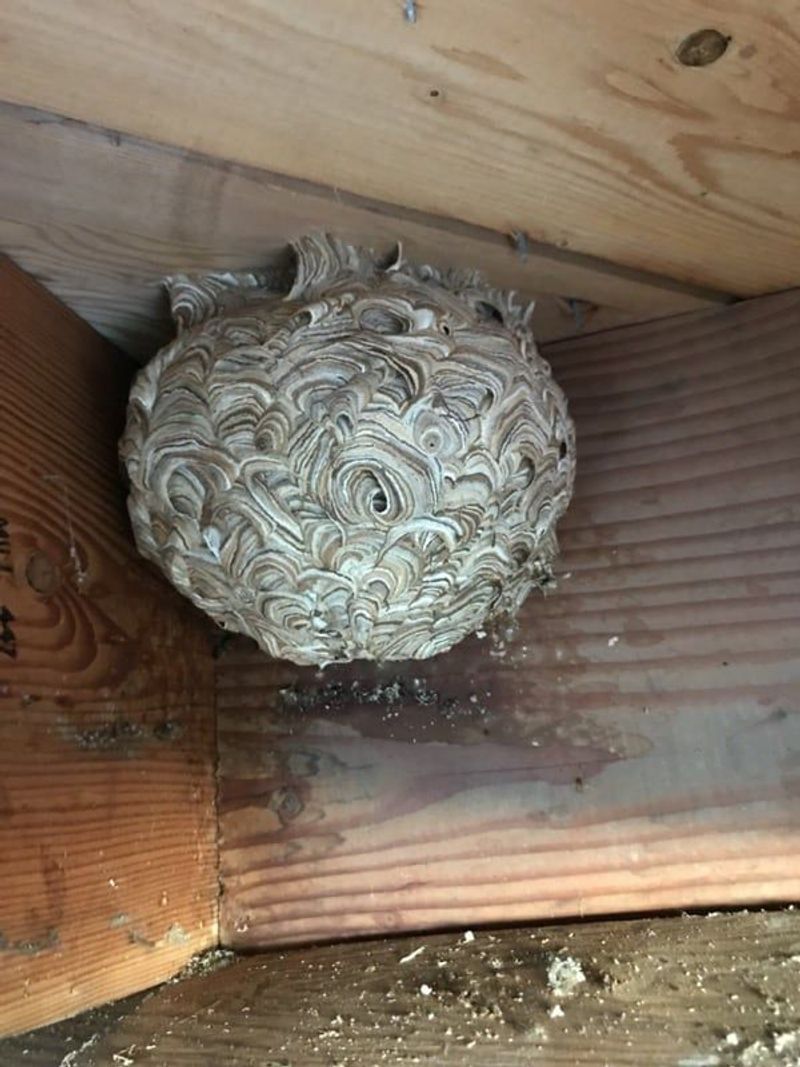
Kentucky yards hit a strange milestone every September, and most folks have no clue it happened. The colony under your grass has grown from a handful of workers to thousands.
A nest that started the size of a golf ball in April can now hold a basketball. Some underground chambers stretch wider than a dinner plate and hold stacked layers of comb.
Workers are busiest right now because the colony needs food for its new queens. Every forager you see is part of a food chain that will end by frost.
Extension specialists in Kentucky report colonies reaching two thousand to five thousand workers by late summer. A few oversized nests in mild years have pushed far past those numbers.
The timing explains the sudden attitude change you notice near the picnic table. More mouths mean more foraging, and more foraging means more run-ins with people.
Nests in wall voids and crawl spaces follow the same schedule as ground colonies. Homeowners often hear a low hum through drywall during the warmest part of the day.
September and early October mark the busiest weeks, then activity drops fast after hard frost. Cold weather scatters the colony, and the old nest stays empty through winter.
Knowing the calendar helps you plan yard work around the quieter hours. Early morning and late evening are calmer, since most foragers stay home in cool air.
Mowing, trimming, and leaf raking stir up vibrations that guards take personally. Scout the lawn for steady insect traffic before you fire up any loud equipment.
A Single Queen And A Summer Of Growth
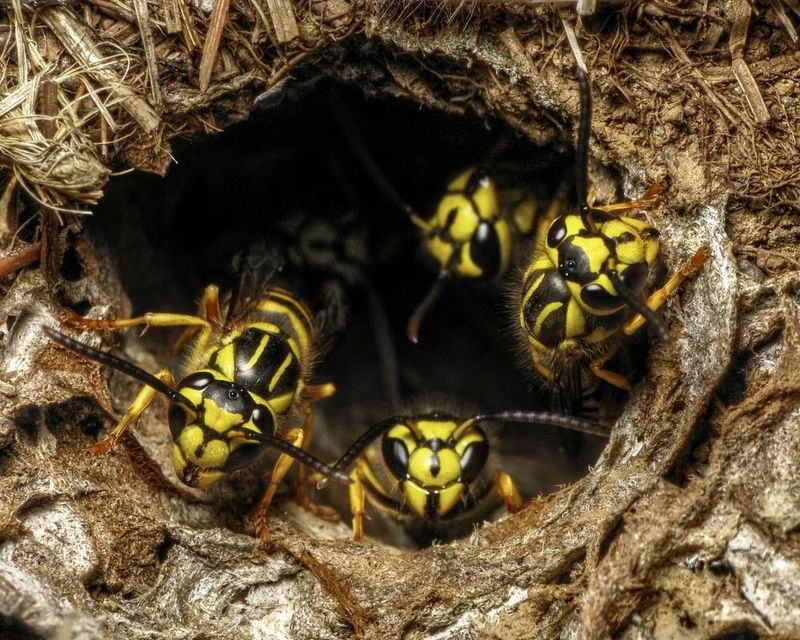
Back in April, one lone queen crawled out of a log pile and started house hunting. She had spent winter tucked under bark, waiting for soil temperatures to climb.
Her first nest was tiny, built from chewed wood fiber mixed with saliva. She laid a few eggs, hunted caterpillars, and fed the first batch herself.
Once those daughters matured, the queen retired to full-time egg laying inside the nest. Workers took over digging, building, guarding, and hauling food back to the brood.
Growth compounds from there, the same way interest builds in a savings account. Twenty workers become two hundred, and two hundred become a couple thousand by Labor Day.
Your Kentucky Garden Changes Every Week. Your Plan Should Too.
Gardening in Kentucky changes quickly throughout the season. Every Friday you’ll receive a simple weekly plan showing exactly what to plant, prune, fertilize, harvest, and protect so you never miss the right timing.
Abandoned mouse burrows, chipmunk tunnels, and mulch beds give the colony free real estate. Kentucky clay holds those tunnels well, which is part of the local problem.
Wet springs slow the buildup because flooded burrows force queens to relocate. Dry, mild springs like the state sometimes sees produce the fattest fall colonies.
Fun fact, the paper these insects make helped inspire the invention of wood pulp paper centuries later. Watching a wasp scrape a fence rail is watching a tiny paper mill at work.
Most colonies raise several hundred new queens before the season closes out. Only a small fraction survive winter, which keeps the yearly cycle in balance.
The whole colony runs on one female’s spring decision. Change what she finds attractive in March, and September looks a lot calmer.
Ground Nests Hidden In Kentucky Lawns And Banks
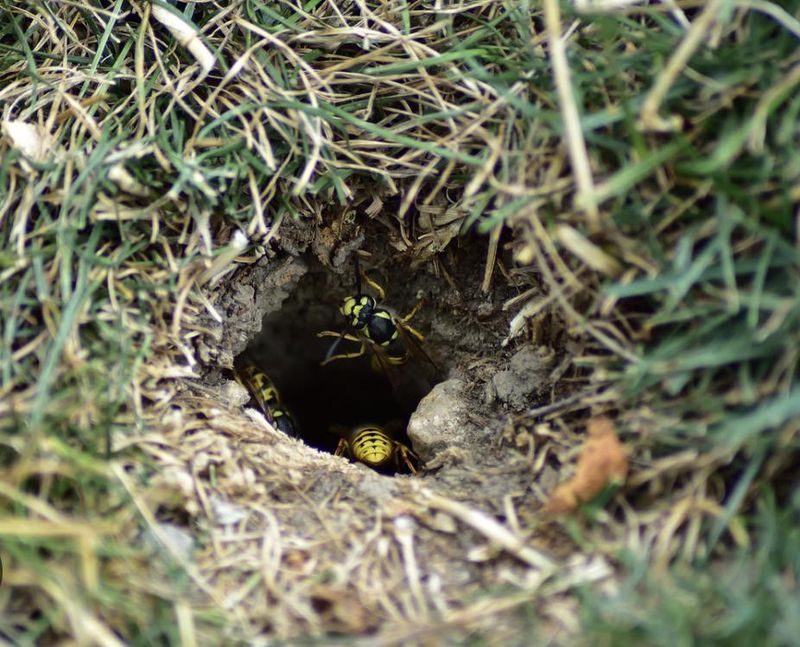
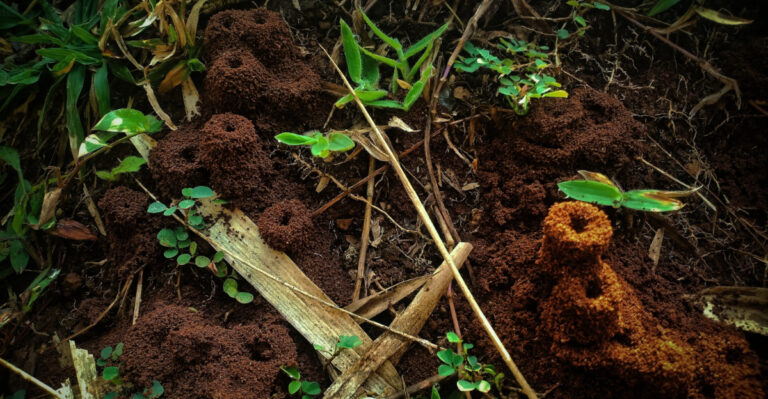
Finding the entrance is half the battle, and it is usually smaller than a quarter. Watch for a steady stream of insects flying the same invisible runway into bare soil.
Sloped banks, ditch edges, and old stump holes rank high on the preferred list. Retaining walls and landscape timbers offer gaps that stay dry through summer storms.
A good trick is standing ten feet back and watching a suspect spot for two minutes. Traffic in both directions confirms an active colony rather than a random visitor.
Mulch beds near foundations hide plenty of nests in Louisville and Lexington neighborhoods. Dense groundcover like pachysandra makes the opening nearly invisible from standing height.
Sound gives away hidden nests too, especially on warm afternoons around three o’clock. Press your ear near siding and listen for a papery rustle behind the wall.
Mark any entrance you find with a garden flag placed several feet away. Flagging keeps family members and the lawn crew from stepping right into trouble.
Pets often discover nests first, which is a rough way to learn geography. Keep dogs leashed near suspect areas until the colony has been handled properly.
Poking a stick into the opening to test it ends badly for the curious. Guards respond to vibration within seconds and can follow a person surprising distances.
Map your findings now, because the same sites attract new colonies in later years. Old burrows and wall gaps tend to stay popular until someone seals them up.
Sugar Cravings And Shorter Days
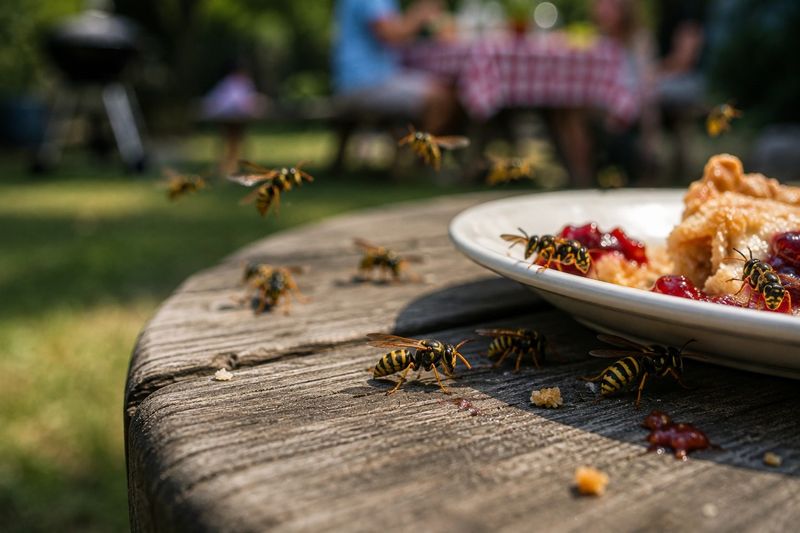
Something shifts in the menu once September arrives, and picnickers feel it immediately. Earlier in summer, these insects hunted caterpillars and flies to feed hungry larvae.
With brood production winding down, workers lose their steady supply of larval sweets. Hungry foragers start chasing soda, cider, fruit, and anything sticky on the table.
Fall festivals, county fairs, and tailgates across Kentucky turn into free buffets. Open cans are risky because a forager can slip inside without anyone noticing.
Pour drinks into clear cups and keep a lid handy between sips. Wipe up spills fast, since sugar residue on a table draws scouts from far away.
Fallen apples, pears, and grapes under backyard trees act like neon signs. Rake fruit twice a week during September and the traffic drops noticeably.
Trash cans need tight lids and an occasional rinse with soapy water. A sticky rim on a garbage bin feeds dozens of workers in a single afternoon.
Hummingbird feeders and grape jelly dishes pull in crowds you did not invite. Take feeders down for two weeks if the buzzing gets heavy near the porch.
Shorter days also push the colony toward producing next year’s queens and males. Those new queens mate, then leave to find sheltered spots for the cold months.
Workers grow bolder as the season ends, which explains the September reputation. They are running out of time, and patience has apparently left the building.
Plan outdoor meals for morning hours when cool temperatures keep foragers sluggish. Evening gatherings after sunset also see far fewer uninvited guests at the table.
Backyard Mistakes That Turn Small Problems Big
Plenty of Kentucky homeowners make the same three errors every fall, usually in that order. Swatting comes first, and swatting releases an alarm chemical that alerts the rest of the colony.
Crushing one worker near the nest signals the whole colony to swarm the entrance. Walking away calmly beats waving arms, even though instinct says otherwise.
Pouring gasoline or bleach down a hole ranks as the second big mistake. Those chemicals poison soil, harm groundwater, and rarely reach the deepest chambers anyway. A few gallons of fuel have taken out sheds, fences, and eyebrows over the years.
Mistake three involves treating at noon when most of the colony is out foraging. Daytime treatment misses workers who return later and simply rebuild the entrance.
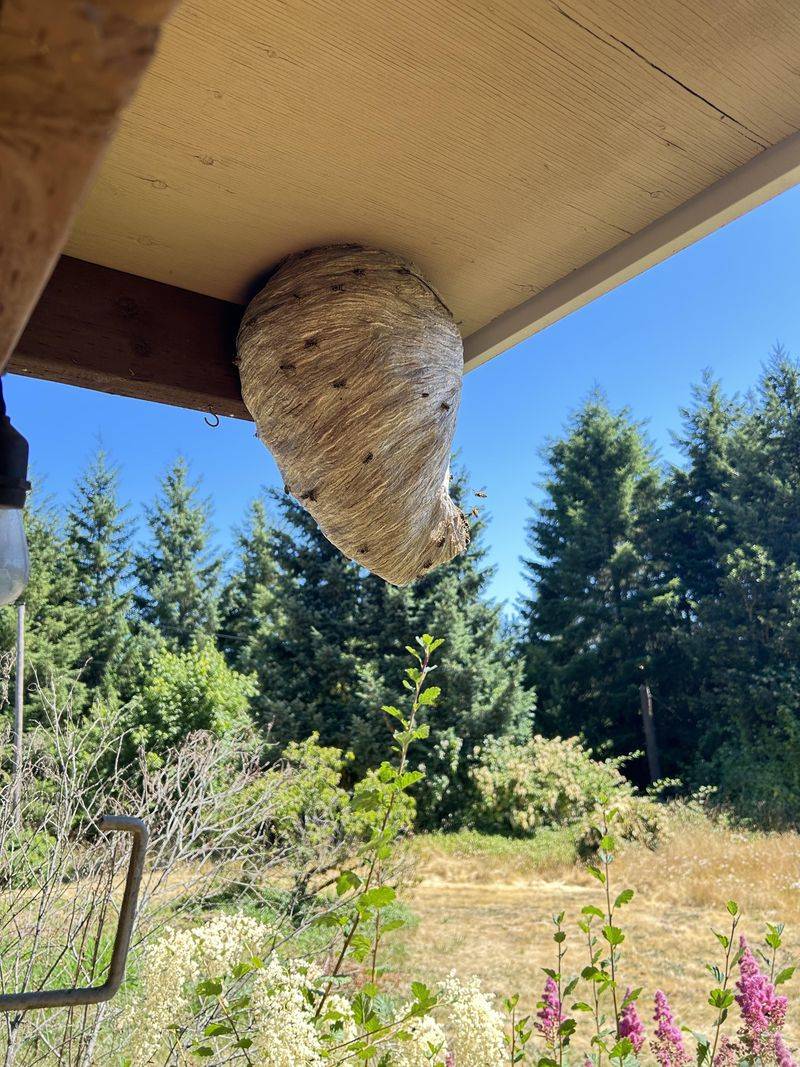
Sealing a wall-void entrance without treating first pushes the colony inward. Trapped workers chew through drywall and end up inside bedrooms and closets.
Mowing over a ground nest counts as an honest accident with painful results. Scout the lawn first, especially along fence lines and around old tree stumps.
Vibration from a string trimmer travels far through soil and triggers guards instantly. Slow down near banks and mulch beds during the last weeks of summer.
Skipping protective clothing is the mistake nobody admits until the hospital bill arrives. Long sleeves, gloves, and a zipped hood cost less than an emergency visit.
Anyone with a sting allergy should hand the job to a licensed professional. Kentucky pest companies handle these calls constantly and finish in under an hour.
Safer Fixes And Fewer Queens Next Spring
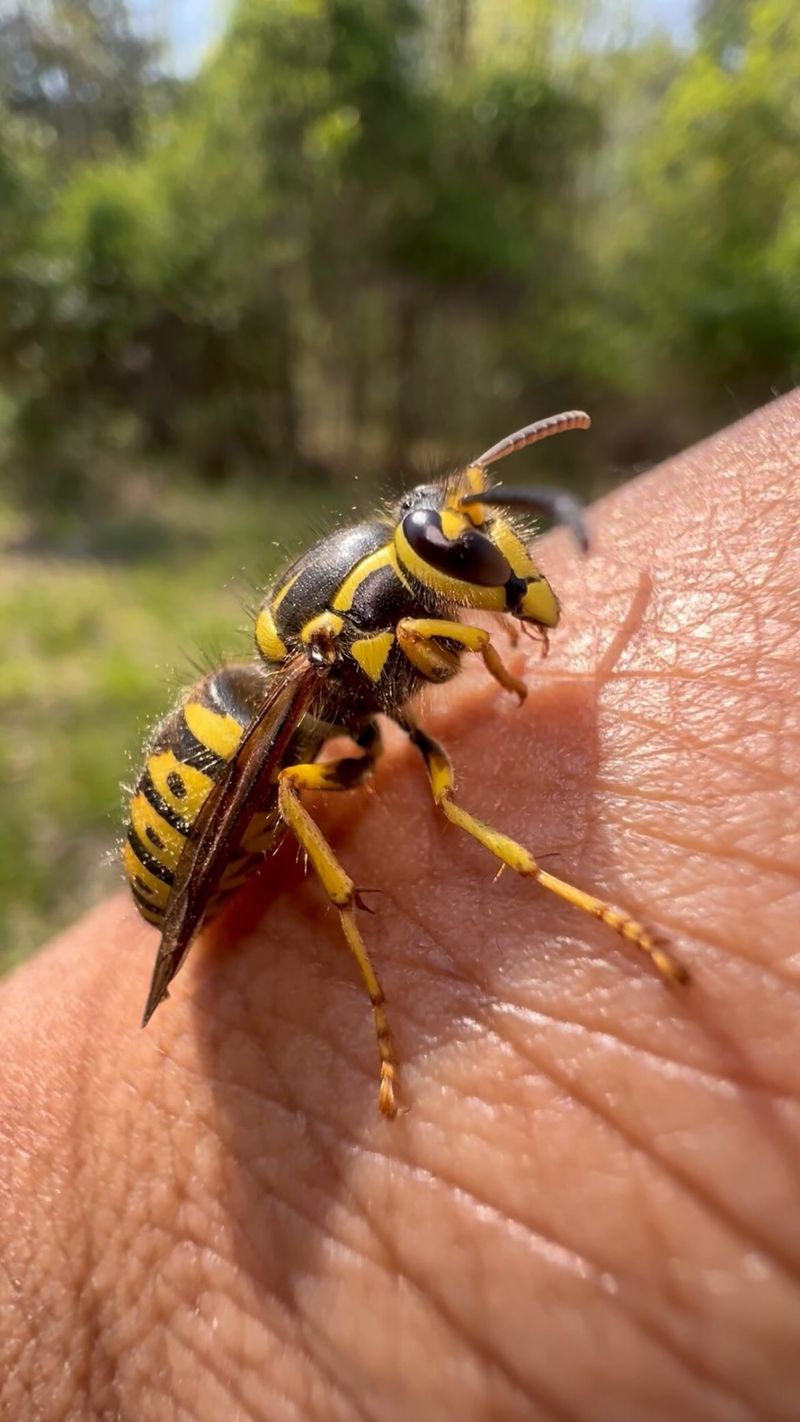
Timing beats brute force, and the best window opens after sunset on a cool evening. Nearly the whole colony is home, sluggish, and less interested in confrontation.
Use a red-filtered flashlight, since white light draws guards straight toward your hand. Set the light on the ground pointing at the entrance, then step back.
Wear long sleeves, thick gloves, boots, and tuck pant legs into your socks. Plan your exit path before you start, and keep it clear of obstacles.
Products labeled for ground nests work best as a dust applied at the opening. Workers track the dust through tunnels, treating chambers you could not reach directly.
Wait two full days before checking, then watch from a safe distance. Seal the hole with soil only after traffic has stopped for forty-eight hours.
Prevention starts in late fall when you close up gaps around the house. Caulk siding cracks, screen vents, and repair torn soffit before spring arrives.
Queens hunt for shelter in October, so tidy sheds and sealed log piles help. Fewer winter hideouts around your property mean fewer nests started next April.
Keep trash tight, fruit picked up, and pet food indoors through the growing season. Small habits in spring prevent the September crowd from ever reaching full strength.
Nests inside walls or high in trees deserve a professional with proper gear. The cost usually runs less than most people expect for a single visit.
Old nests do not get reused, so removal can wait until spring. After frost, the paper structure breaks down on its own.