Pennsylvania Flowering Ground Covers For Shady Spots Under Trees
The ground beneath a mature Pennsylvania tree is one of the most challenging spots in any yard to plant.
Root competition makes moisture and nutrients scarce. The shade can be dense and persistent through the growing season.
And most flowering plants placed there simply refuse to cooperate, fading out within a season before the whole project gets abandoned. But certain flowering ground covers are specifically built for these conditions.
They handle the competition from tree roots, thrive in low to dappled light, and produce blooms that bring color and pollinator activity to spots most gardeners have given up on.
Several of them are native to Pennsylvania, which means they evolved in exactly these conditions and need almost nothing from you once established.
Here’s what actually flowers and thrives in the shady ground beneath Pennsylvania trees.
1. Foamflower (Tiarella Cordifolia)
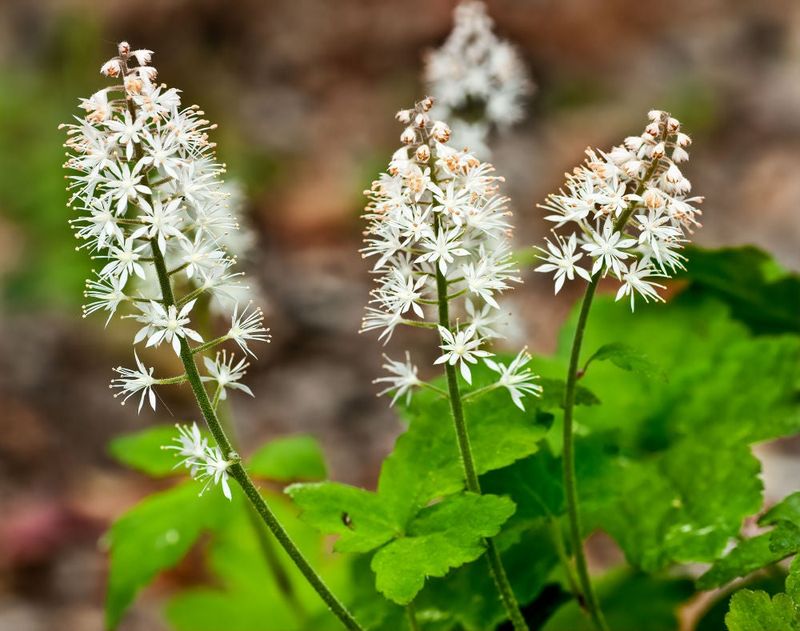
Native to Pennsylvania woodlands, foamflower feels right at home beneath your shade trees. Its name comes from the airy, foamy-looking flower spikes that rise above the leaves in spring.
The blooms are soft white or pale pink, and they look like tiny bottle brushes swaying in the breeze.
Bees and other pollinators visit them, which helps your whole garden stay healthy. The heart-shaped leaves often have dark veins running through them.
Even after the flowers fade, those leaves stay pretty all season long. Some types turn a rich reddish color in fall, adding extra interest. Foamflower forms neat clumps that slowly spread by underground runners.
You will love how it fills in bare patches without taking over everything. It prefers moist, rich soil, so mixing in some compost before planting really helps.
Once settled, it needs little fuss beyond occasional watering during dry spells.
This plant grows about six to twelve inches tall, making it a great front-of-bed choice. Pair it with ferns or hostas for a layered woodland look. Deer usually leave it alone, which is a big win in many Pennsylvania yards.
Plant foamflower in early spring or fall for the best start. Space plants about a foot apart so they have room to spread. Mulch lightly to keep roots cool and moist.
Fun fact: foamflower belongs to the same family as coral bells, and gardeners sometimes cross the two.
The result is a hybrid called Heucherella. If you want a reliable native that shrugs off shade, this cheerful bloomer belongs on your list.
2. Creeping Phlox (Phlox Stolonifera)
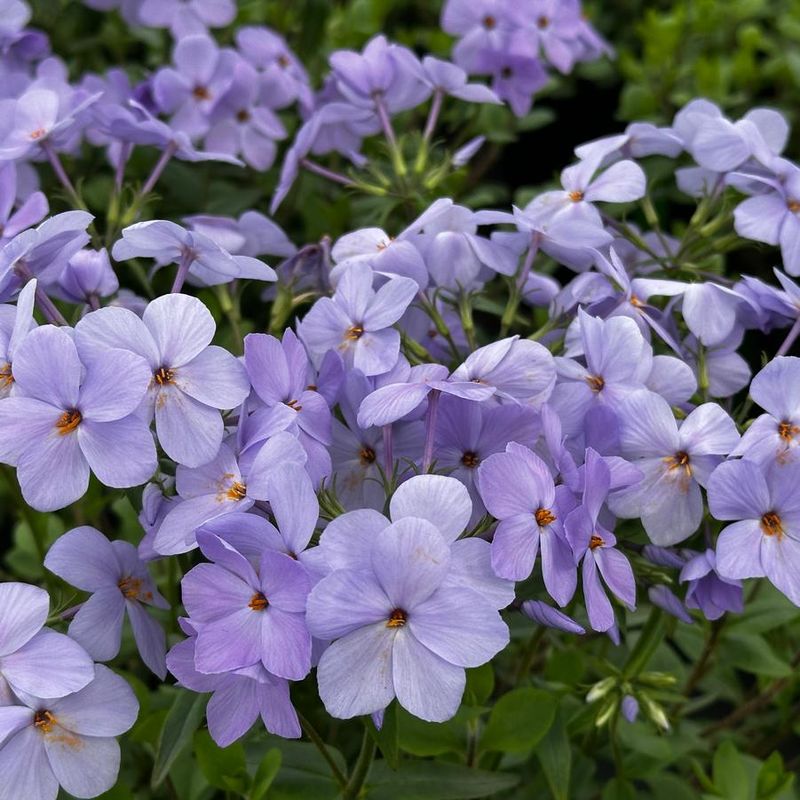
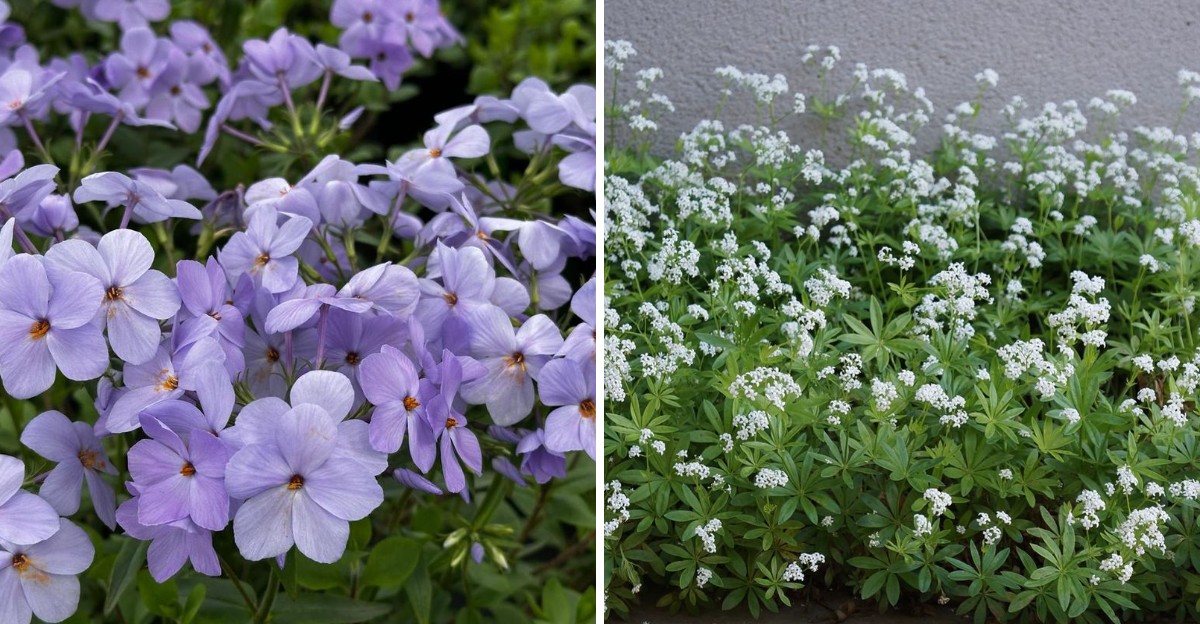
Come spring, creeping phlox puts on a show that is hard to ignore. It blankets the ground with a carpet of purple, blue, pink, or white flowers.
Do not confuse this shade-loving woodland type with the sun-loving moss phlox you see on hillsides.
Phlox stolonifera actually prefers the cool, dappled light found under trees. The flowers have a light, sweet scent that draws butterflies close.
Its stems creep along the ground and root as they go, slowly forming a wider patch each year. That spreading habit makes it perfect for covering tricky bare spots. The leaves stay green and low, hugging the soil.
Your Pennsylvania Garden Changes Every Week. Your Plan Should Too.
Gardening in Pennsylvania changes quickly throughout the season. Every Friday you’ll receive a simple weekly plan showing exactly what to plant, prune, fertilize, harvest, and protect so you never miss the right timing.
This plant likes soil that stays a little moist but drains well. Add some leaf mulch or compost to keep it happy. Once it settles in, it handles Pennsylvania winters without any trouble.
You can plant creeping phlox in spring or early fall. Give each plant about a foot of space to spread out comfortably. Water it during dry stretches, especially the first year.
After the blooms fade, a light trim keeps the plants tidy and encourages fuller growth. It stays fairly short, usually around six to ten inches tall. That makes it a lovely edge for shady paths or beds.
Gardeners love how it pairs with spring bulbs like daffodils. The bulbs pop up through the phlox carpet for a stunning combo.
If you want an early splash of color under your trees, this gentle spreader delivers year after year with very little effort.
3. Wild Ginger (Asarum Canadense)
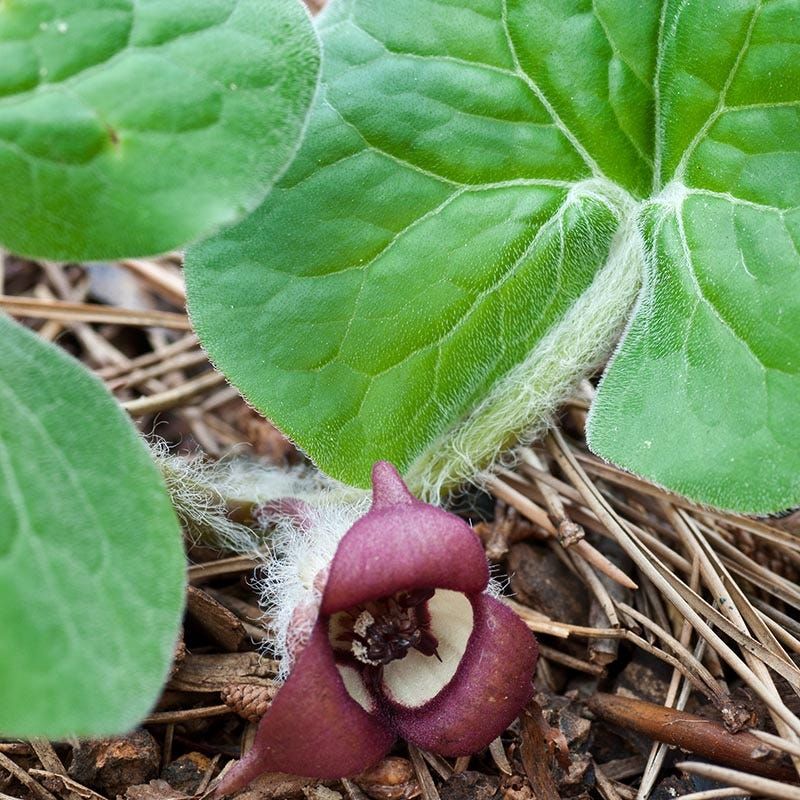
Wild ginger keeps a secret hidden right under its leaves. Its small, brownish flowers bloom close to the ground, almost out of sight.
You have to peek beneath the big, heart-shaped foliage to spot these unusual blooms. Ground beetles and other crawling insects help pollinate them.
While the flowers are quirky, the real star is the lush green carpet of leaves. This Pennsylvania native spreads slowly to form a dense, weed-blocking mat.
It thrives in the deep shade that many other plants avoid. Rich, moist soil full of organic matter suits it best.
The crushed roots give off a spicy scent similar to kitchen ginger. Even so, this plant is not the same ginger you cook with, so leave it in the garden. Native people once used it in traditional ways, adding to its interesting history.
Wild ginger grows about six inches tall and spreads gently over time. It works beautifully along shady borders or between larger woodland plants. Deer and rabbits tend to pass it by.
Plant it in spring or fall, spacing plants about a foot apart. Keep the soil moist while roots establish themselves. A layer of leaf mulch mimics its natural forest floor home.
Once established, it needs almost no care and returns faithfully each year. The soft, fuzzy leaves feel wonderful to touch and look great massed together.
If you have a dark, damp corner under your trees, this native beauty turns it into a tidy green haven that stays attractive from spring through fall.
4. Barrenwort (Epimedium)
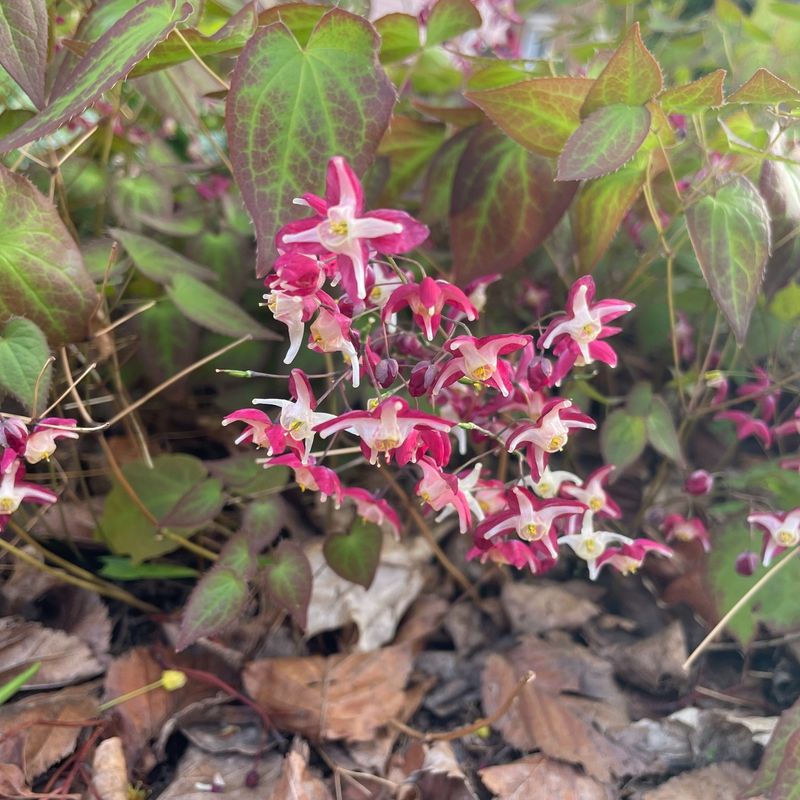
Tough as nails yet delicate to look at, barrenwort surprises many gardeners. Its dainty flowers dangle like tiny fairy hats in spring.
The blooms come in soft yellow, pink, white, or lavender depending on the variety. Despite their fragile appearance, these plants handle dry shade far better than most. That makes barrenwort a lifesaver under greedy tree roots.
The leaves are just as lovely as the flowers, shaped like little hearts. New spring growth often shows reddish tints before turning green. In fall, some types blush with bronze and copper shades.
This plant forms a slow, steady clump that fills space over the years. It handles the competition from tree roots without complaint. Once established, it shrugs off dry spells like a champ.
Barrenwort grows about eight to twelve inches tall. Cutting back the old leaves in late winter lets the fresh flowers shine. That quick trim is about the only chore this plant asks of you.
Plant it in spring or fall in soil enriched with a bit of compost. Water it well the first season so the roots dig in deep. After that, it becomes wonderfully low-maintenance.
Deer and rabbits usually leave barrenwort alone, which is a big plus. It pairs nicely with ferns, hostas, and spring bulbs. The name barrenwort sounds dull, but this plant is anything but boring.
If your shady spot stays dry and stubborn, few plants perform as reliably. Give it a try and watch a difficult corner become a graceful, blooming retreat under your Pennsylvania trees.
5. Lungwort (Pulmonaria)
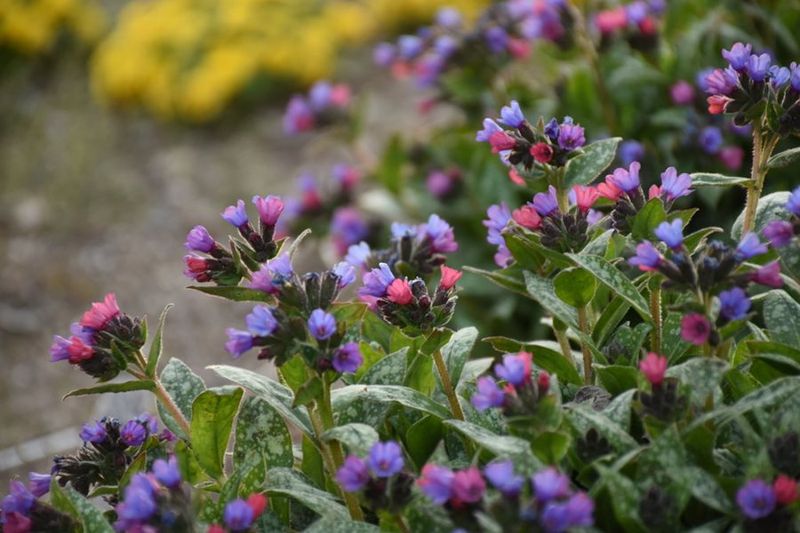
Few plants change color quite like lungwort does. Its flowers open pink and slowly shift to blue as they age.
That means a single plant can show both shades at once, creating a fun two-tone display. The blooms appear in early spring, welcoming hungry bees after winter. Even the leaves grab attention with their silvery spots.
Those speckled leaves stay handsome long after the flowers finish. Some varieties have so much silver they almost glow in the shade. The unusual name comes from an old belief that the spotted leaves helped lung troubles.
Lungwort loves moist, rich soil and cool, shady spots under trees. It forms tidy mounds that spread gently over time. Deer and rabbits usually skip it, likely because of the fuzzy leaves.
This plant grows about nine to twelve inches tall. If the leaves look tired in summer, just cut them back for fresh new growth. It bounces back quickly with a little water.
Plant lungwort in spring or fall and keep the soil moist while it settles. Mixing in compost gives it a strong start. Space plants about a foot apart for a full, leafy look.
It pairs wonderfully with ferns, hostas, and other woodland friends. The spotted foliage adds brightness to dark corners even when nothing is blooming. Powdery mildew can show up in dry conditions, so steady moisture helps.
For an early splash of color and season-long sparkle, lungwort is hard to beat. Tuck it under your trees and enjoy its playful, shifting flowers each spring in your Pennsylvania garden.
6. Sweet Woodruff (Galium Odoratum)
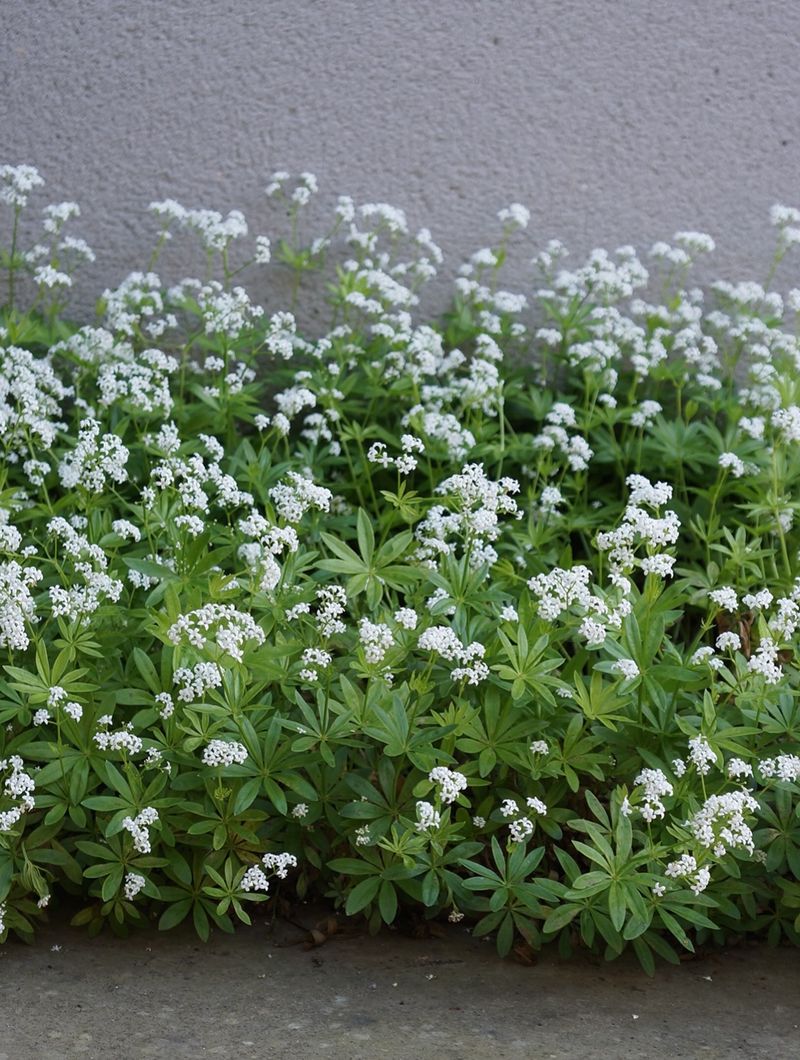
Brush past sweet woodruff and you might catch a hint of fresh hay. Its leaves release a sweet scent when crushed or dried.
In late spring, tiny white star-shaped flowers cover the plants in a bright sprinkle. The whorled leaves circle the stems like little green pinwheels. Together they form a soft, tidy carpet across the ground.
This plant spreads quickly, so it fills shady areas fast. That speedy growth makes it great for covering large bare patches. Just give it room, since it can wander into other beds.
Sweet woodruff loves moist, rich soil and shade under trees. It grows only about six to eight inches tall. The low height keeps it neat and easy to enjoy.
People have long used the dried leaves to freshen linens and flavor drinks. In Germany, it flavors a traditional spring punch called May wine. That fragrant history makes it a fun conversation plant.
Plant it in spring or fall and water well until it takes hold. Once established, it handles dry spells better than you might expect. A little trimming keeps it from spreading too far.
Bees enjoy the small blooms, and deer usually ignore the plant. Its bright green leaves brighten even the darkest corners. Pair it with hostas and ferns for a classic woodland feel.
If you want quick, fragrant coverage under your Pennsylvania trees, sweet woodruff delivers. Just keep an eye on its eager spreading, and you will enjoy a lush, sweet-smelling carpet that returns faithfully every single year.
7. Creeping Jenny (Lysimachia Nummularia)
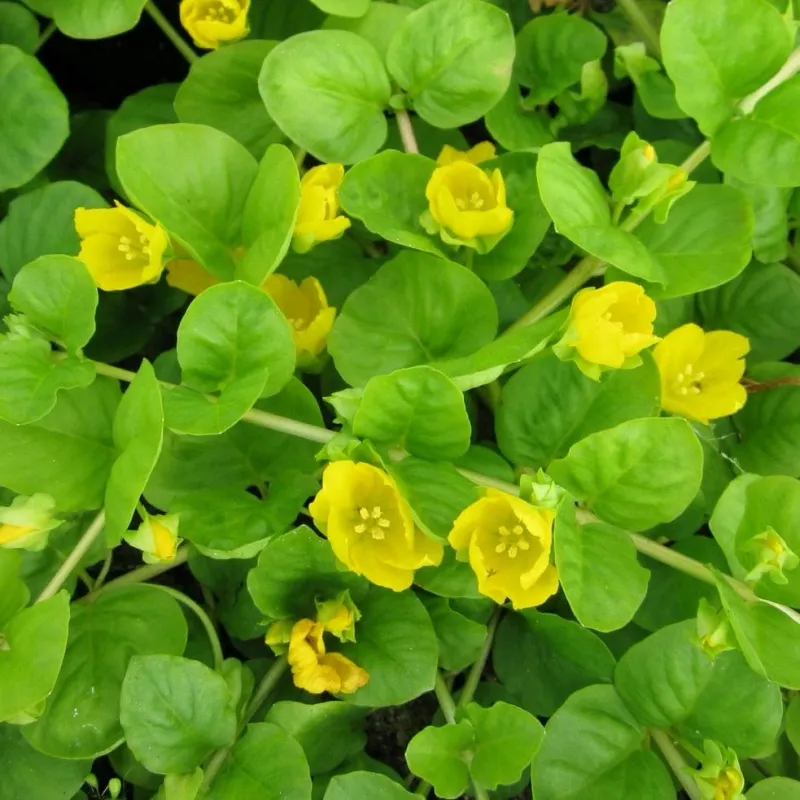
If you want a splash of gold in the shade, creeping jenny brings it. Its round, coin-shaped leaves shine in bright yellow-green, especially the golden variety.
Small yellow cup-shaped flowers pop up in summer for extra cheer. The stems creep along the ground and root as they travel. That habit makes it spread into a bright, low carpet.
This plant handles moist shade under trees very well. It even tolerates damp spots where other plants sulk. The glowing foliage lights up dark corners beautifully.
Creeping jenny stays very low, only about two to four inches tall. That makes it perfect for edging paths or spilling over rocks. It also looks lovely tumbling from containers in shady patios.
Give it moist, rich soil for the best growth. Once settled, it needs little care beyond occasional watering. Keep an eye on it, since it spreads eagerly and can roam.
A quick trim keeps it in bounds if it wanders too far. The golden type stays brighter in a bit more light, so a spot with dappled sun works well. In deeper shade, the leaves lean more toward green.
Plant it in spring after the last frost for a strong start. Space plants about a foot apart and watch them knit together fast. It handles Pennsylvania winters and returns each year.
Deer usually leave it alone, and it rarely has pest problems. For a cheerful, glowing ground cover that thrives in moist shade, creeping jenny is a bright choice. Just plant it where its eager spreading is welcome, and enjoy the golden glow.