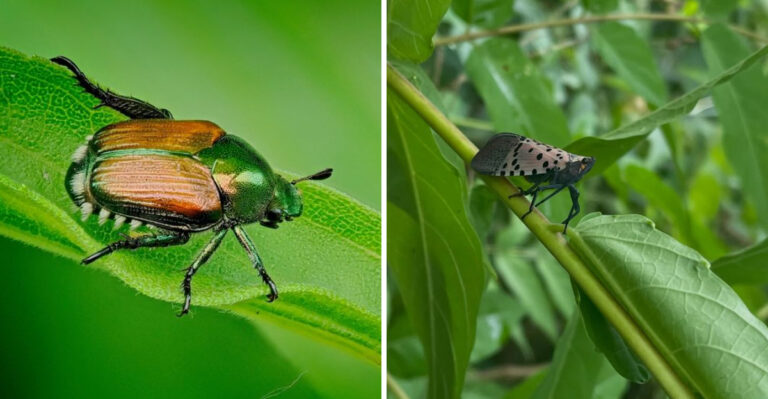
These Are The Pennsylvania Trees Spotted Lanternflies Swarm First
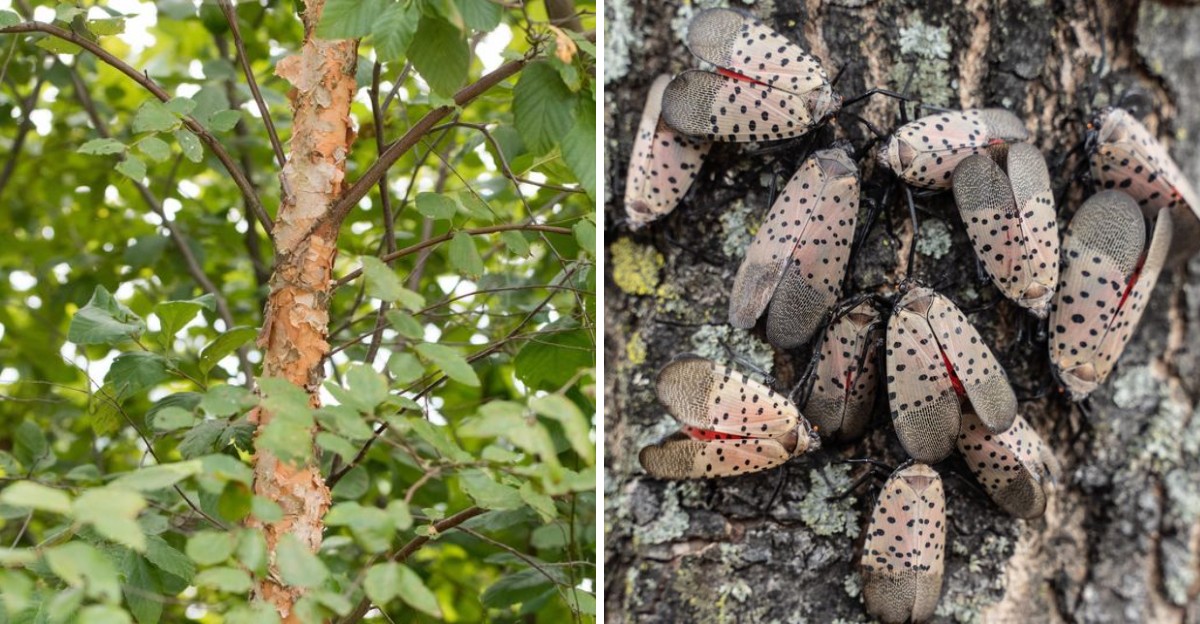
Spotted lanternfly management works better when you understand what these insects are actually doing. Not every tree in a Pennsylvania yard carries equal risk.
Knowing which ones spotted lanternflies target first gives homeowners a real advantage in protecting what matters most and catching infestations before they spread.
These insects are selective. They have clear preferences. And those preferences follow a pattern that is consistent and well documented across Pennsylvania properties where spotted lanternfly pressure has been studied closely.
Understanding that pattern tells you exactly where to look first, what to treat most urgently, and how to structure any management effort around the trees that will consistently draw the highest activity.
1. Tree Of Heaven
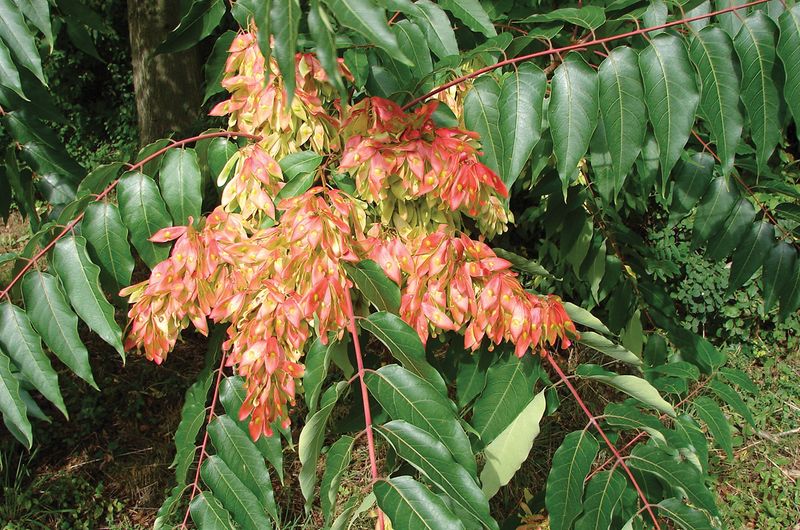
Picture the one tree lanternflies love more than any other, and you are looking at the Tree of Heaven. This fast-growing invader came from China long ago, and the bugs treat it like a favorite restaurant.
Lanternflies gather here in huge numbers to feed on the sweet sap. The tree gives them everything they need to grow and lay eggs.
Because both the tree and the bug are invasive, they team up in a way that spreads trouble fast.
You can spot this tree by its smooth gray bark and long leaves made of many small leaflets. When you crush a leaf, it smells a bit like rotten peanut butter. That funky smell is a helpful clue for finding it.
Many experts suggest removing Tree of Heaven from your yard, but do it carefully. Cutting it down alone often makes it sprout back stronger.
A mix of cutting and treating the stump usually works better, and a professional can guide you.
Some people leave one tree as a trap. They treat it so lanternflies that land on it cannot survive. This can lower the number of pests around your other plants.
Keep an eye out for the shiny black egg masses stuck to the trunk in fall and winter. Scraping them off helps reduce next year’s swarm.
Since this tree draws the biggest crowds, watching it closely gives you an early warning. If you see bugs piling up here first, you know the season has started and it is time to act around the rest of your property.
2. Black Walnut
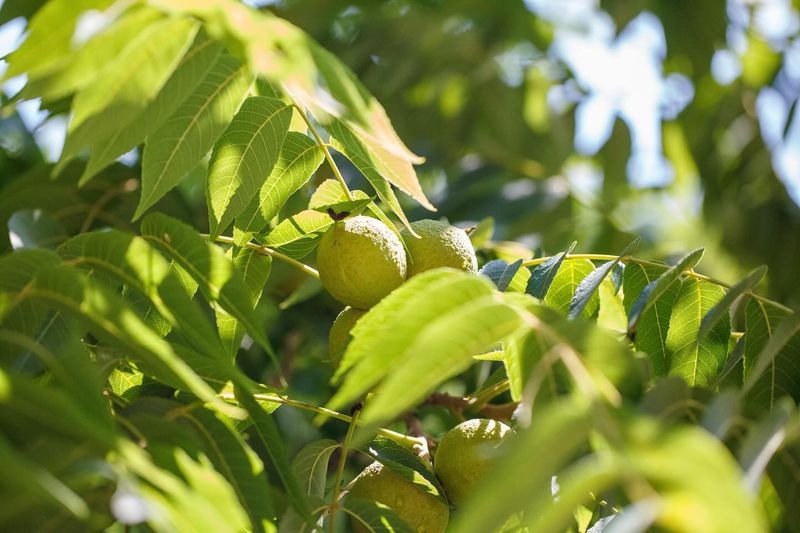
Black Walnut trees hold a special place in Pennsylvania yards, prized for their tasty nuts and beautiful wood. Sadly, lanternflies find them just as tempting as we do.
These bugs slurp the sugary sap from the branches and trunk. When many feed at once, the tree gets stressed and weak. A weak tree makes fewer nuts and becomes an easy target for other problems.
You will notice a black walnut by its dark, rough bark that looks like tiny hills and valleys. The leaves grow in feather-like rows, and the round green nuts drop in fall. The nuts even stain your hands and driveway if you step on them.
One sticky sign of trouble is a shiny coating on the leaves and ground below. Lanternflies leave behind a sweet waste called honeydew. This gooey stuff attracts a black mold that can cover the tree and nearby surfaces.
Your Pennsylvania Garden Changes Every Week. Your Plan Should Too.
Gardening in Pennsylvania changes quickly throughout the season. Every Friday you’ll receive a simple weekly plan showing exactly what to plant, prune, fertilize, harvest, and protect so you never miss the right timing.
To help your walnut, wrap sticky bands around the trunk in spring. These traps catch young lanternflies as they climb up to feed. Just be sure to add a screen guard so birds and squirrels stay safe.
Checking the tree every week during summer pays off. The sooner you spot the bugs, the easier they are to handle before the group grows.
Since walnuts are valuable and long-lived, protecting them is worth the effort. A healthy tree can keep giving shade and nuts for generations, so a little care now saves you a big headache later.
3. Wild Grapevine
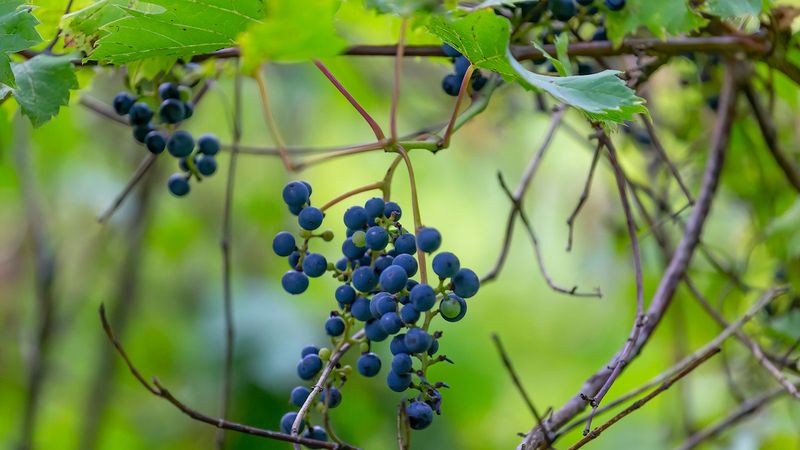
Grapevines might seem like an odd pick since they are not really trees, but lanternflies swarm them so heavily that they earn a spot on this list. Both wild vines and backyard grape plants pull in the bugs like a magnet.
Lanternflies pierce the vines to drink the sap. This robs the plant of energy it needs to make fruit. Grape growers across the state have watched these pests damage whole rows of vines.
Wild grapevines climb over fences, trees, and walls with their curling tendrils. They have heart-shaped leaves and tiny sour grapes in late summer. You often find them tangled along the edges of woods and yards.
Because vines grow low and thick, they give lanternflies a cozy place to gather and feed. The bugs can hide among the leaves, so you might miss them at first glance.
Trimming back wild vines helps a lot. Fewer vines mean fewer feeding spots for the pests. If you grow grapes on purpose, sticky traps and gentle sprays approved for gardens can keep numbers down.
Look under the leaves and along the stems for clusters of bugs. In winter, hunt for the gray egg patches stuck to the woody parts. Scraping these into soapy water stops them cold.
Grapes are a big deal for Pennsylvania farms and wineries, so guarding vines matters beyond just your yard.
Every vine you clean up helps slow the spread. Staying alert with grapevines gives you a strong head start on stopping these hungry visitors.
4. Red Maple
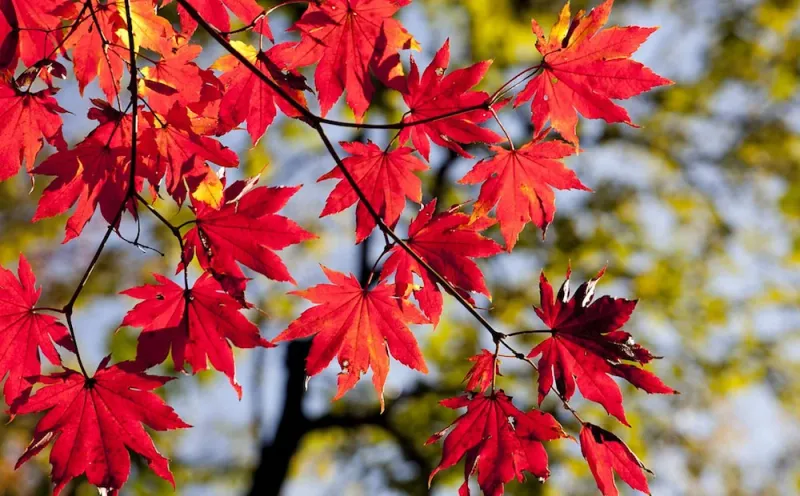
Few trees light up a Pennsylvania fall like the Red Maple, with its blaze of scarlet leaves. Lanternflies, though, care more about the sweet sap flowing inside than the pretty colors.
These bugs gather on maple trunks and branches to feed. Maples make a lot of sap, which is exactly what the pests crave. That steady food supply keeps them coming back all season.
You can recognize a red maple by its leaves with three main points and jagged edges. In spring, red flowers and seeds appear, and the young twigs often glow a soft red. The bark starts smooth and gray, then grows rough with age.
When lanternflies feed heavily, the tree can lose strength over time. You might see that sticky honeydew again, dripping onto cars, decks, or picnic tables parked underneath. The black mold that follows can make a real mess.
To protect your maple, band the trunk with sticky tape in the warmer months. Wrapping the lower few feet catches the young bugs before they reach the leaves. Remember to add a barrier so helpful critters do not get stuck.
Walking around the tree once a week lets you catch problems early. Look up into the branches and down at the ground for signs of the crowd.
Since maples are so common in neighborhoods and parks, they act like signal trees. If your favorite shade maple starts collecting bugs, chances are the whole area is dealing with them too. Quick action keeps your leafy giant strong for many autumns ahead.
5. Silver Maple
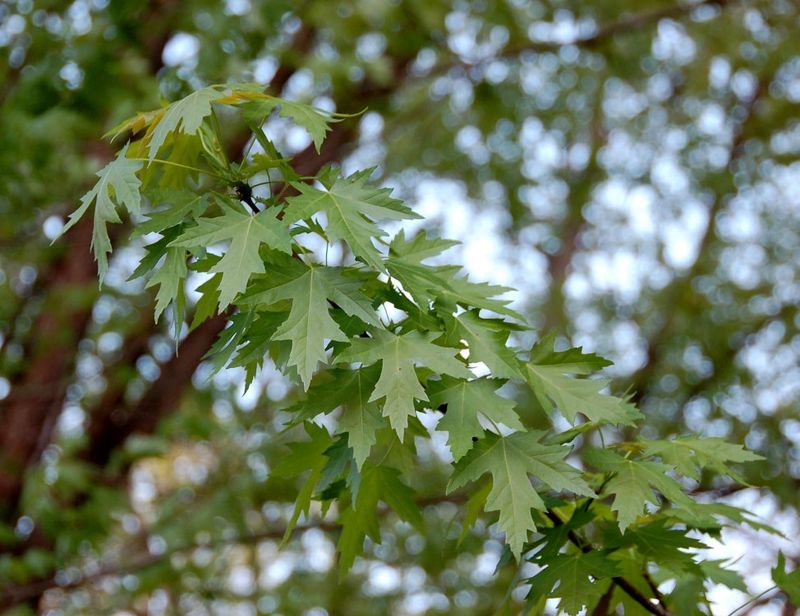
The Silver Maple got its name from the shimmery silver backs of its leaves that flash when the wind blows. Lanternflies do not care about the shine, but they sure love the juicy sap this tree offers.
Silver maples grow fast and big, which means plenty of surface for hungry bugs to land on. The pests cluster along the smooth bark and feed for hours. A large tree can host a surprising number of them.
Spotting this maple is easy once you know the trick. Flip a leaf over and look for that pale silver color underneath.
The leaves have deep cuts between the points, and the tree often grows near creeks and low, wet spots.
Because these trees can get so tall, the upper branches are hard to reach. That means lanternflies sometimes feed way up high where you cannot easily see them.
Watching the ground for honeydew and sooty mold gives you a clue about what is happening above.
Trunk banding still helps here since young bugs must climb up from the ground each spring. Catching them low stops many before they climb into the canopy.
If you have a big silver maple, it might be worth calling a tree expert for tall-tree treatments. They have the right tools to reach high spots safely.
Fun fact about these trees: their soft wood grows quickly, which is why they became popular as shade trees decades ago.
That same fast growth and rich sap now make them a lanternfly hotspot, so keep a close watch through the summer months.
6. Willow
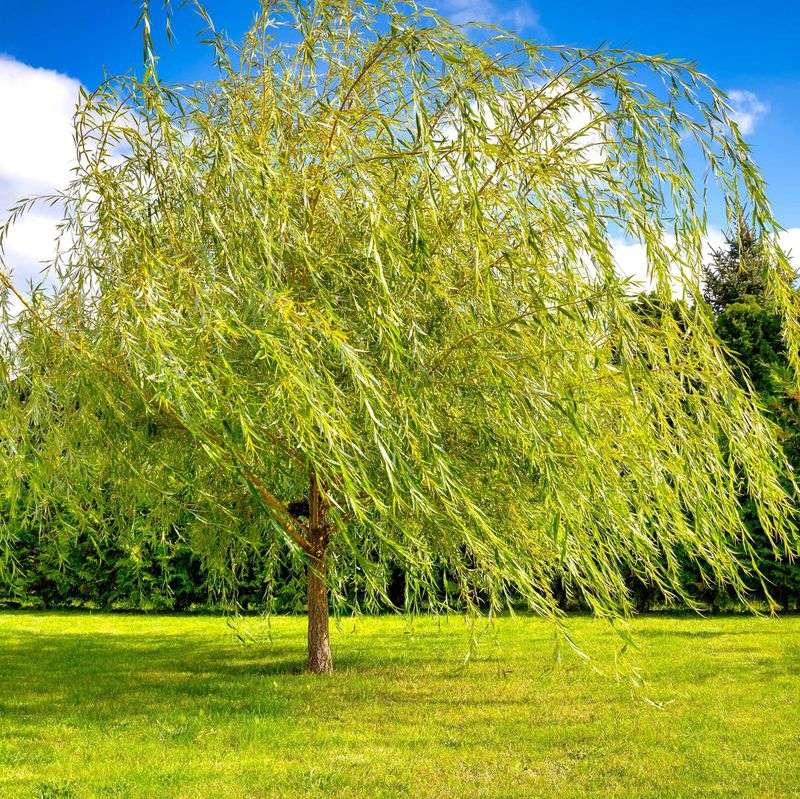
There is something calming about a willow tree with its long branches swaying near the water. Lanternflies feel drawn to it too, but for a much less peaceful reason.
Willows produce plenty of sap that these pests happily drink. The bugs settle on the trunk and the drooping limbs, feeding in busy groups. A willow near a pond or stream can quickly become a gathering spot.
You can pick out a willow by its narrow, pointed leaves and its branches that hang down like curtains.
Weeping willows are the most famous kind, but many willow types grow across the state. They love damp soil, so check trees near water first.
When a crowd of lanternflies feeds on a willow, the tree can grow weak and droopy in a bad way. That sticky honeydew shows up again, coating the leaves and everything below. It turns benches and docks into gooey messes.
To help, wrap sticky bands around the trunk in spring and early summer. This traps the young bugs before they spread through the branches. Adding a wire guard keeps birds and other animals from getting caught.
Scraping egg masses off the bark in the colder months makes a big difference. Each patch you remove means fewer bugs next year.
Since willows often sit near water where people relax, keeping them clean matters for both the tree and your comfort.
A quick weekly check during summer helps you stay ahead of the swarm and keep that peaceful spot truly peaceful.
7. River Birch
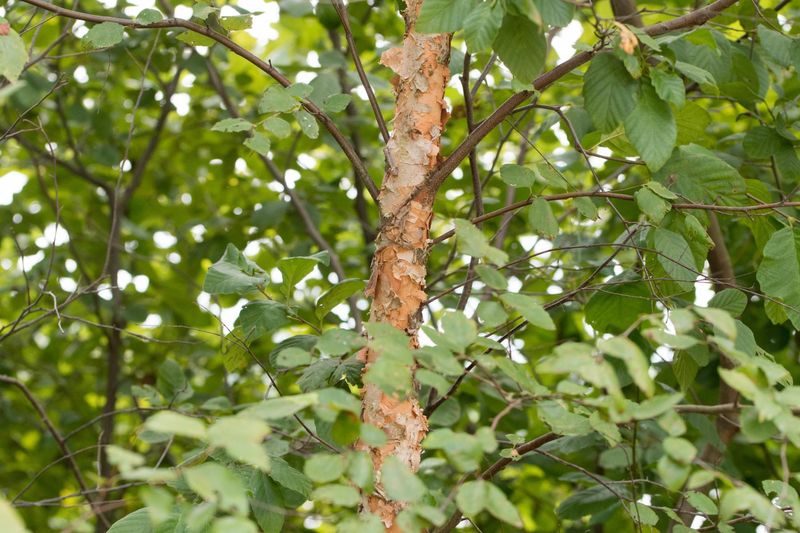
Homeowners plant River Birch for its cool peeling bark that curls off in papery sheets. Lanternflies, however, view this popular yard tree as another easy meal.
The bugs feed on the birch sap, gathering along the trunk and lower branches. Their favorite feeding spots are often right where the bark peels, giving them handy hiding places. A single tree can hold a big group by late summer.
Recognizing a river birch is simple thanks to that flaky bark in shades of tan, cream, and reddish brown.
The leaves are small and pointed with toothed edges. As the name hints, these trees love moist ground and grow well near water.
Heavy feeding stresses the tree and slows its growth. You will likely spot the usual sticky honeydew dripping down, followed by dark sooty mold. This grime can dull the pretty bark that made you plant the tree in the first place.
Sticky trunk bands work well on river birch since the bark gives the bugs an easy climbing path. Wrap the lower trunk in spring and keep a guard in place to protect small animals.
Peek into the peeling bark layers when you inspect the tree. Lanternflies and their eggs sometimes tuck themselves into those flaky spots where they are easy to miss.
Because river birch shows up in so many landscaped yards, it often becomes one of the first ornamental trees the bugs hit.
Keeping yours clean not only saves your tree but also helps slow the spread to your neighbors. A little weekly attention goes a long way toward protecting your yard.