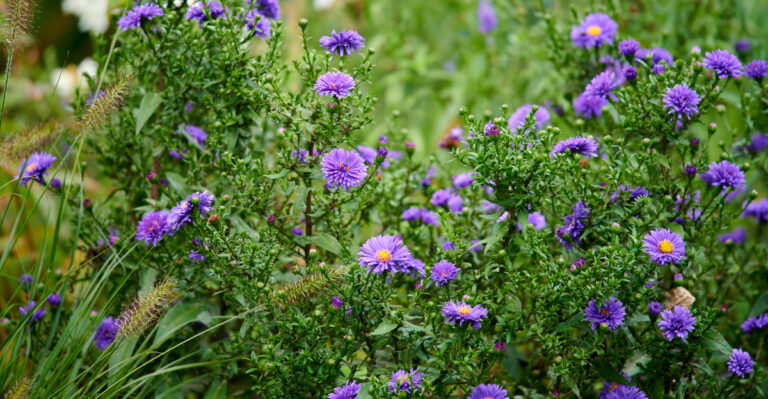
Why Michigan Gardeners Are Testing Soil Before Adding Wood Ash From Their Fire Pit
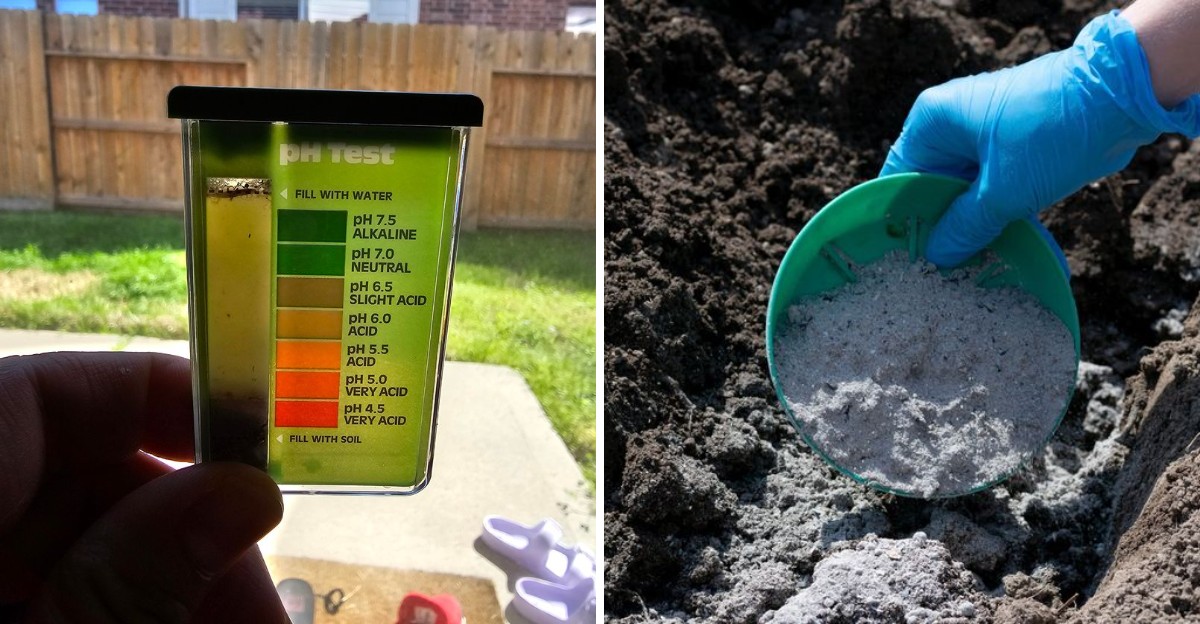
It is Saturday morning, the fire pit from last night has cooled, and a gardener carries the bucket of gray ash straight to the tomato bed and tips it out.
The same way it has been done for years without much thought.
It feels thrifty and harmless, like returning something natural back to the earth where it belongs.
But wood ash is a powerful alkaline material that can swing soil chemistry in a hurry, and in a state where plenty of yards already sit on limestone-influenced ground, that swing is not always a good one.
Most gardeners never question this habit at all, assuming ash from a wood fire must be safe simply because it started as a tree.
More Michigan gardeners are pausing now, pulling a soil sample, and letting the numbers decide before the bucket ever gets tipped.
1. Wood Ash Raises Soil pH Fast
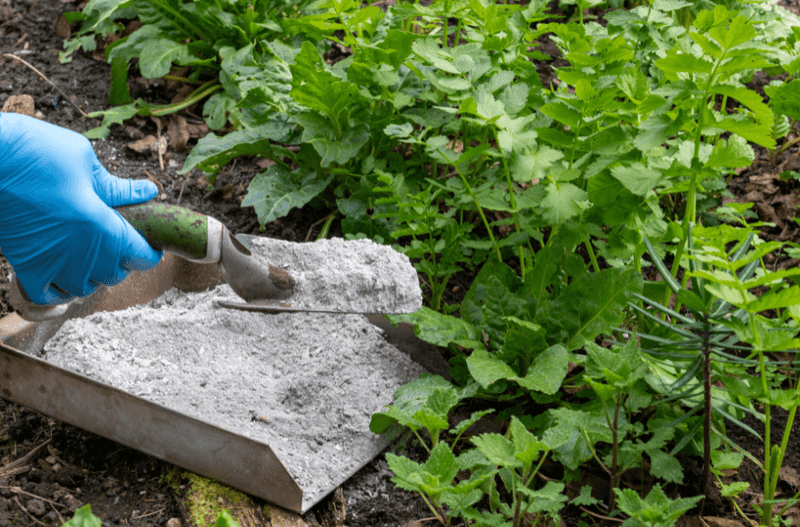
Picture a bucket of fine gray powder sitting beside the fire pit on a Saturday morning. That leftover material is mostly calcium carbonate, the same chemical family found in agricultural lime.
Because of that, Michigan State University Extension describes wood ash as a liming material that raises soil pH rather than a simple fertilizer anyone can spread freely.
Ash also works faster than ground limestone. The particles are fine and dissolve readily, so a pH change can show up within weeks instead of over a full season.
MSU Extension notes that wood ash generally carries somewhere between about one-quarter and one-half the neutralizing power of lime, though the exact strength varies with wood species.
Hardwood ash tends to be stronger than softwood ash overall. Ash from a fire that burned hot and clean holds more alkaline minerals than ash mixed with chunks of charcoal.
Soil pH matters because it controls which nutrients roots can actually absorb from the ground. Iron, manganese, and zinc all become harder to reach as the number climbs.
So the gray stuff is not harmless filler at all. One five gallon bucket spread across a small bed can move pH further than most gardeners expect.
Knowing the starting point turns guesswork into a real decision. A soil test tells you whether that ash is a helpful correction or an overcorrection waiting to happen.
2. Alkaline Soil Gets Worse Not Better
Plenty of Michigan yards sit on ground shaped by limestone bedrock and glacial deposits, and that ground already leans alkaline before anyone adds anything at all.
Soils in parts of the state, especially where builders backfilled with limestone gravel, can test at 7.2, 7.5, or higher before anyone adds a thing.
Dumping ash on that kind of soil pushes the number further in the wrong direction entirely. Nothing dramatic happens on day one, which is part of the problem.
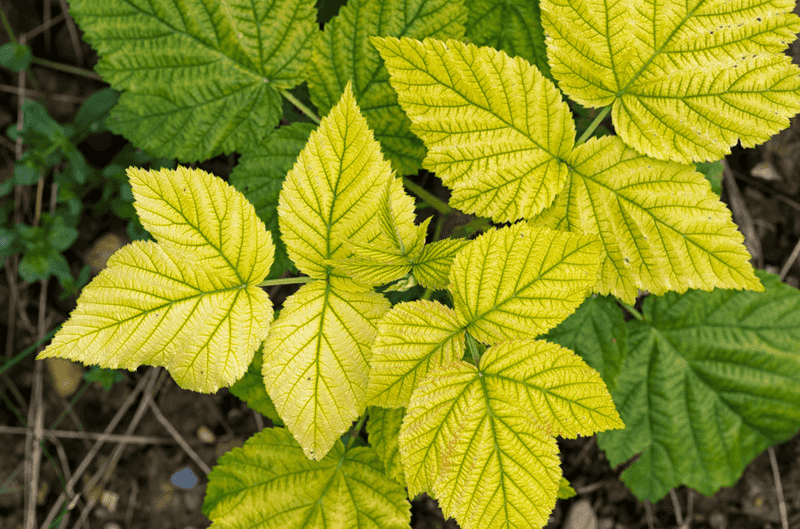
Weeks later, leaves start turning yellow between green veins, a pattern called chlorosis that usually points to iron the roots simply cannot pick up.
MSU Extension advises against applying wood ash to soils that already test above roughly 7.0, since the material only adds to an existing surplus.
Your Michigan Garden Changes Every Week. Your Plan Should Too.
Gardening in Michigan changes quickly throughout the season. Every Friday you’ll receive a simple weekly plan showing exactly what to plant, prune, fertilize, harvest, and protect so you never miss the right timing.
Lowering pH afterward is slow, expensive work too. Elemental sulfur takes months to react, and heavy clay soils resist change more stubbornly than sandy ones.
Around older homes, another hidden factor shows up regularly. Concrete foundations, mortar, and driveway edges leach lime into nearby beds year after year without anyone noticing.
The fix is not complicated though. Pull a sample, send it in, and let the number decide whether ash belongs anywhere near that particular bed.
3. Acid Loving Plants Suffer From Overuse
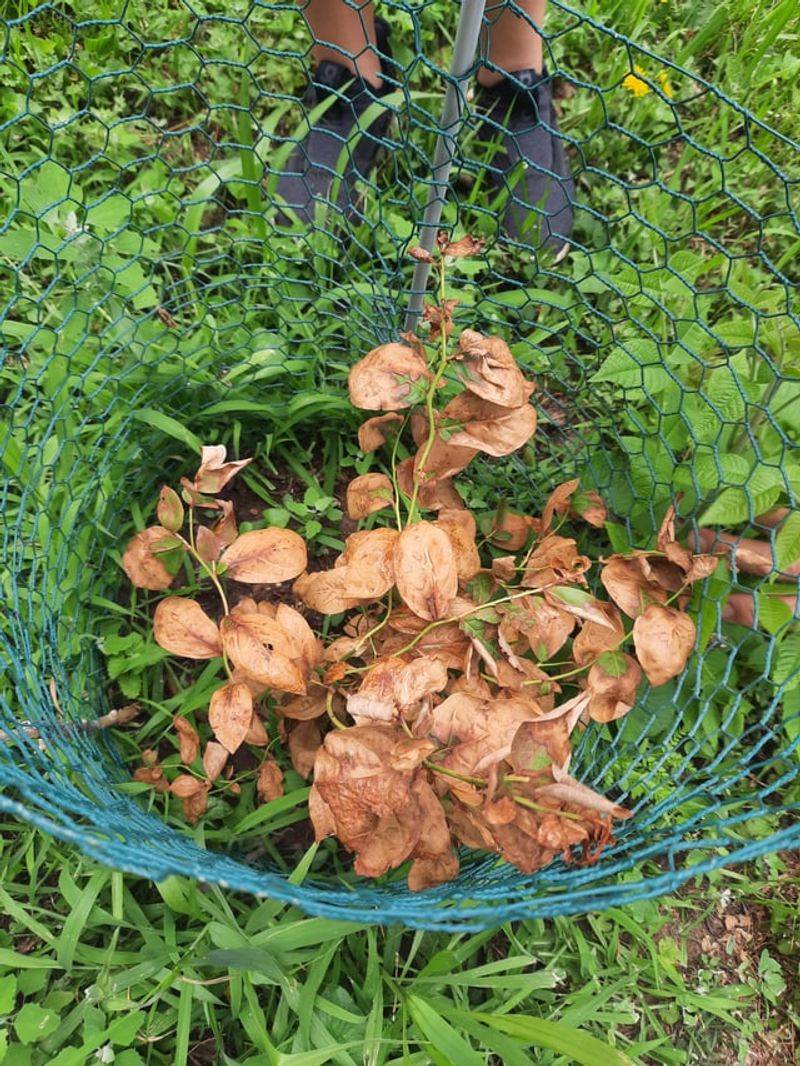
Blueberries are the ones that really give the game away here. Michigan grows more highbush blueberries than nearly anywhere in the country, and those bushes want soil between about 4.5 and 5.5.
Toss fire pit ash around them, and you are undoing the very acidity they depend on to survive and produce fruit each summer.
Rhododendrons, azaleas, and mountain laurel sit in the same camp entirely. So do hollies, pieris, and evergreen favorites such as hemlock and white pine.
Potatoes deserve a mention too in this conversation. Higher pH encourages scab, a rough corky skin disease that makes tubers ugly even when the plants look perfectly healthy above ground.
Strawberries, raspberries, and many conifers also prefer readings on the sour side of neutral rather than alkaline soil.
What makes the damage sneaky is the delay involved. A blueberry bush does not wilt overnight, it slowly pales, sets fewer berries, and limps along for a couple of seasons.
Gardeners who grow acid lovers should treat the fire pit bucket as completely off limits in those specific beds around the yard.
Better to feed blueberries with an acidifying fertilizer and mulch them with pine needles or aged sawdust instead of ash.
4. A Simple Test Prevents Costly Mistakes
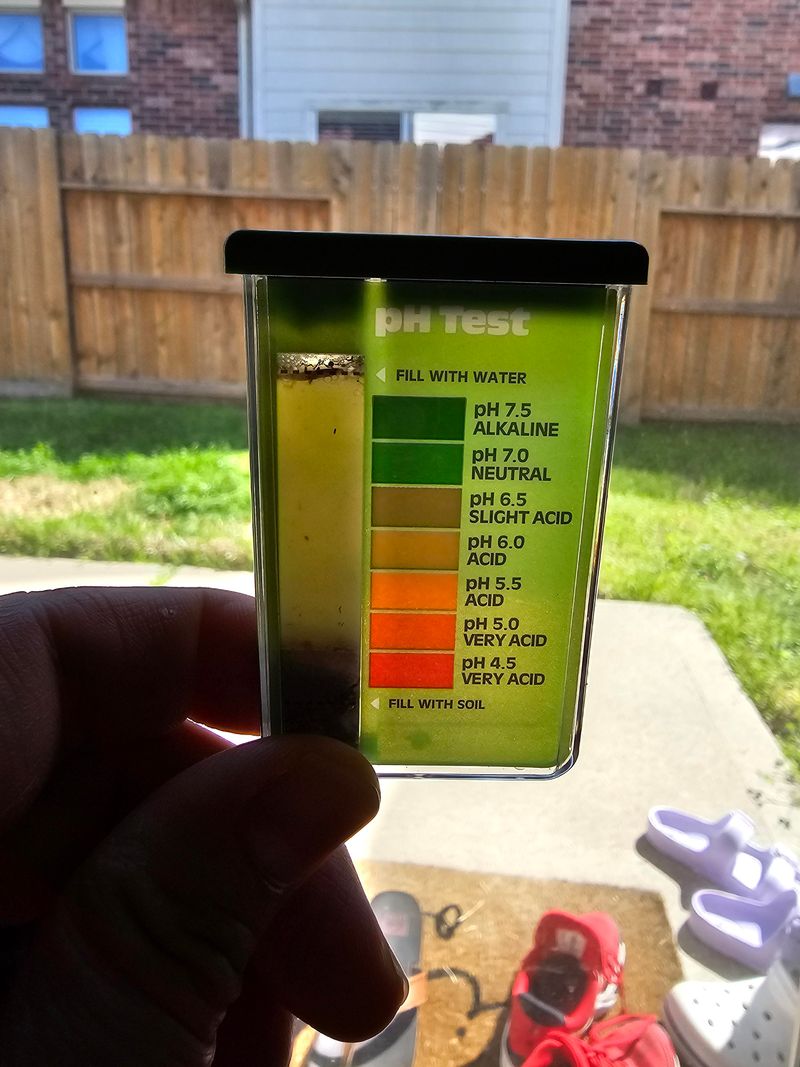
A soil test costs less than a bag of mulch and answers the one question guessing never will settle for certain.
MSU Extension runs a Home Lawn and Garden Soil Test Kit program, available online and through county Extension offices across the whole state of Michigan.
You collect the sample, mail it in, and receive a report with pH, organic matter, and nutrient recommendations tied to what you plan to grow there.
Sampling takes maybe fifteen minutes total. Use a clean trowel, dig down six inches in eight or ten spots around the bed, and mix everything in a plastic bucket.
Avoid galvanized metal containers, which can skew micronutrient readings on the final report. Let the soil dry on newspaper before packaging it up for mailing.
Keep beds separate when testing. The vegetable garden, the blueberry row, and the front lawn can each return different numbers, sometimes a full point apart.
Results also flag potassium levels, which matters because potassium is the nutrient wood ash supplies most generously to soil.
Cheap store probes are tempting but notoriously unreliable compared with an actual lab result from a proper facility.
5. Small Amounts Matter Less Than Timing
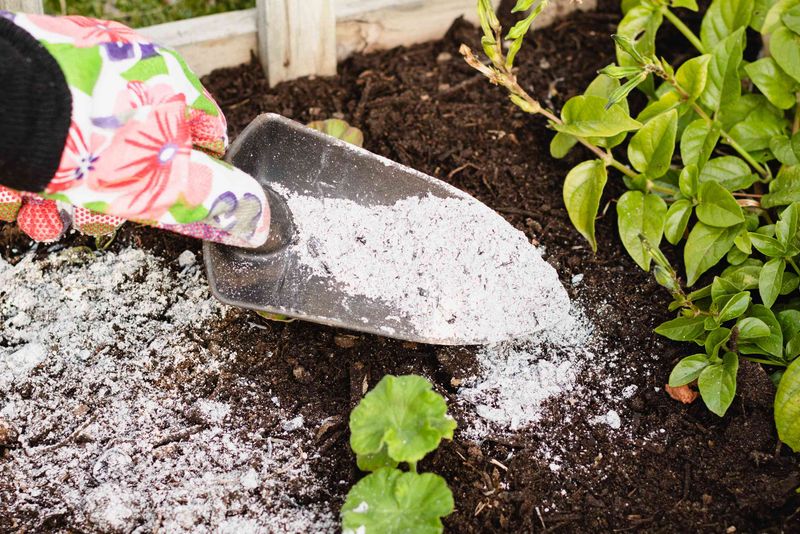
Here is where a lot of well-meaning advice goes sideways for gardeners trying to do the right thing.
People hear that a little ash is fine and assume a bucket here and there cannot hurt, but repeated small doses stack up season after season without anyone tracking it.
General Extension guidance puts a reasonable rate at roughly ten to twenty pounds per thousand square feet per year on soils that actually need lime.
Timing shapes the outcome just as much as quantity does in this whole process. Fall or early spring applications give ash months to react with the soil before roots are actively feeding.
Spreading it on a windy afternoon sends caustic dust into your eyes and your neighbor’s yard, so pick a calm, slightly damp day instead for this task.
Never apply ash directly onto seedlings or fresh transplants under any circumstances. Fresh ash is salty and alkaline enough to burn tender roots and foliage badly.
Mixing ash into the top few inches beats leaving it on the surface, where rain can wash it into concentrated pockets that cause more damage.
Skip anything that came from charcoal briquettes, painted or treated lumber, pallets, or fires that included plastic and glossy paper entirely.
6. Vegetable Beds Need Extra Caution
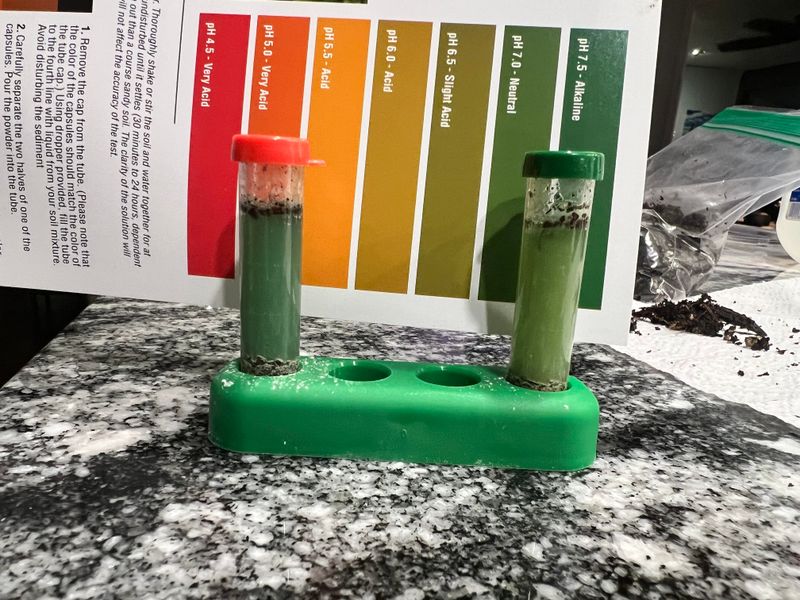
Vegetable gardens run on a narrow band of chemistry that does not tolerate much drifting in either direction over a season.
Most crops perform best somewhere between 6.0 and 7.0, and pushing past that ceiling starts locking up micronutrients that tomatoes and peppers depend on to thrive.
Blossom end rot, yellowing foliage, and stunted growth often trace back to availability problems rather than an actual shortage of nutrients sitting in the ground.
Potatoes are the classic casualty in this scenario, since scab thrives as pH rises above the ideal range for tuber crops.
Raised beds deserve their own warning here too. A confined box holds a small volume of soil, so the same bucket of ash that barely registers across a large plot can spike the pH inside a four by eight frame.
Less soil means less buffering capacity, and the change arrives quickly once ash gets mixed in without testing first.
Compost adds another wrinkle to this whole picture. Homemade compost often trends slightly alkaline already, especially when it includes plenty of kitchen scraps and yard waste mixed together.
A practical approach is to test the vegetable bed on its own, apply nothing until the report arrives, and treat the recommendation as a hard limit rather than a loose suggestion to consider.
7. Know Your Soil Before You Spread Anything
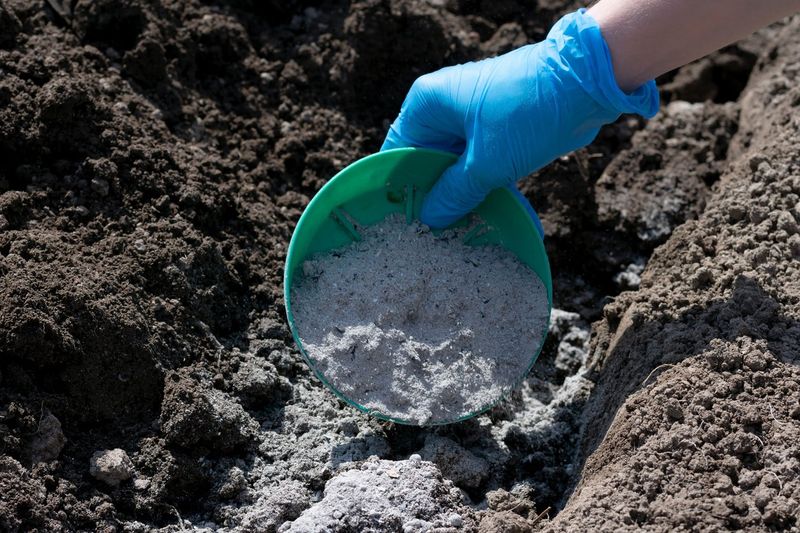
Habit is the real culprit behind most wood ash mishaps happening in Michigan yards every spring.
The fire pit fills up, the garden sits right there, and the bucket gets emptied without a second thought because it feels like recycling something useful.
Sometimes it genuinely helps, particularly on the naturally acidic sandy soils found across parts of northern Michigan where pH already runs low.
Other times it quietly wrecks a whole season of careful planting and tending without the gardener ever realizing what happened.
The difference between those two outcomes is a single number you cannot see, smell, or guess by squeezing a handful of dirt in your hand.
Color tells you nothing about pH at all. Neither does how well last year’s zucchini performed in that same bed.
Only a lab test gives you the reading, and MSU Extension has made that test easy and affordable for Michigan residents across every county.
Think of the process in three simple steps: test first, read the recommendation, then decide whether ash has a job to do in that particular bed.
Pull the sample, wait for the report, and let the soil tell you what it actually needs before dumping anything on it. That one small step keeps a free resource from turning into an expensive problem down the road.
8. Regional Differences Across Michigan Change The Answer
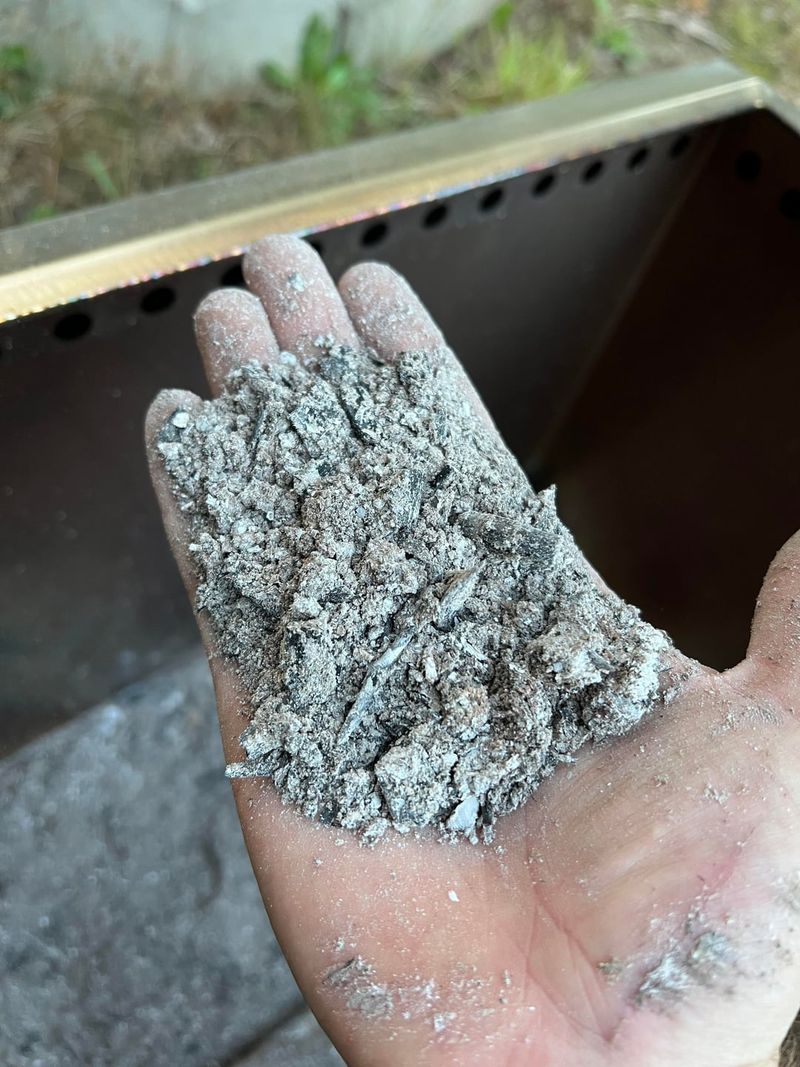
Michigan spans a genuinely wide range of native soil chemistry, and what works safely in one county can backfire badly just a few hours away.
Much of the northern Lower Peninsula and parts of the Upper Peninsula sit on sandier, naturally acidic soils left behind by glacial outwash, where a modest dose of wood ash can actually nudge pH into a more favorable range for common vegetables.
Southeast Michigan and areas built on old lakebed clay or limestone-rich glacial till often start closer to neutral or already alkaline, meaning the same bucket of ash that helps a garden near Traverse City can push a Detroit-area bed into trouble within a single season.
Local building history matters too within a single region.
Newer subdivisions built on graded, imported fill sometimes carry soil trucked in from a completely different part of the state, so a neighbor’s decades-old yard and a five-year-old build next door can test wildly differently despite sitting on the same street.
Well water used for irrigation adds another regional wrinkle worth considering. Hard water drawn from limestone aquifers, common in several parts of the state, gradually raises soil pH over years of watering even without any ash involved at all.
None of this means a gardener needs to become a geology expert before spreading anything. It simply means a blanket rule like wood ash is fine in small amounts falls apart once actual regional variation enters the picture.
A soil test remains the one method that cuts through all of this regional guesswork reliably, since it measures the specific bed in front of a specific gardener rather than relying on a general rule of thumb for the whole state.
Checking with a county MSU Extension office adds another layer of confidence here, since local staff often know common patterns for that specific area and can flag when a result looks unusual for the region.
9. Wood Ash Has Better Uses Beyond The Garden Bed
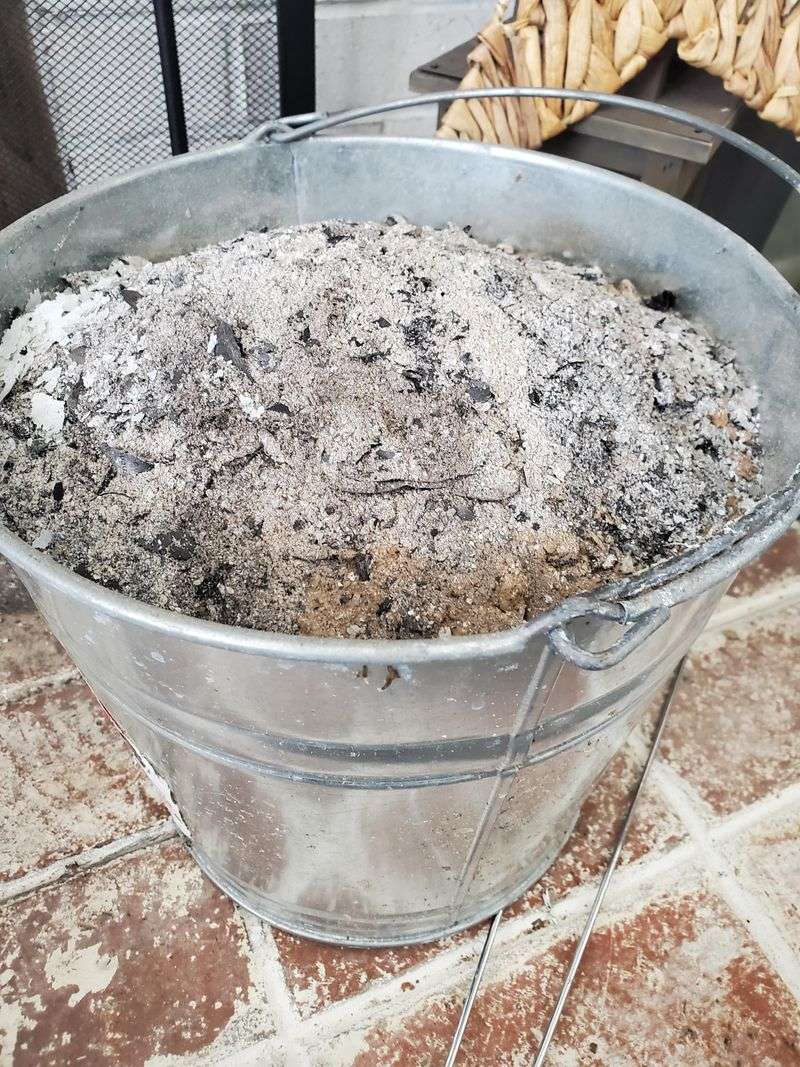
A gardener who tests their soil and finds pH already sits at 6.8 or higher does not need to throw away a perfectly good resource. Wood ash still has plenty of legitimate uses that avoid the whole pH problem entirely.
Composting in thin layers works well for gardeners wanting to use the material responsibly.
Sprinkling a light dusting of ash between thicker layers of kitchen scraps and yard waste lets the alkalinity blend and buffer across a large volume of material rather than concentrating in one planting bed.
Icy walkways and driveways benefit from a scattering of ash during winter, since the gritty texture improves traction on slick surfaces the same way sand does, while also gradually washing away come spring without leaving behind a lasting soil impact in that spot.
Some gardeners use small amounts mixed into potting soil for container plants that specifically tolerate or prefer higher pH, such as certain herbs like lavender or rosemary, which actually appreciate the alkaline boost that would harm blueberries or azaleas nearby.
Ash can also help deter certain soft-bodied garden pests like slugs when sprinkled in a thin ring around vulnerable plants.
The sharp, drying particles are unpleasant for them to cross, though rain washes this protection away quickly and it needs frequent reapplication to stay effective.
For gardeners without a clear use in mind, simply disposing of cooled ash in the regular trash remains a perfectly reasonable choice rather than forcing it into a garden bed that does not need the alkalinity it provides.
Labeling a covered container in the shed specifically for ash awaiting its next use keeps the material organized and prevents the temptation to dump it into the nearest garden bed out of convenience during a busy spring cleanup.
Treating wood ash as a resource with several possible destinations, rather than a single obvious one, removes the pressure to force it into vegetable beds or perennial borders that a soil test has already flagged as unsuitable for more alkalinity.