What St. Augustine Grass Needs After Chinch Bug Damage In Texas
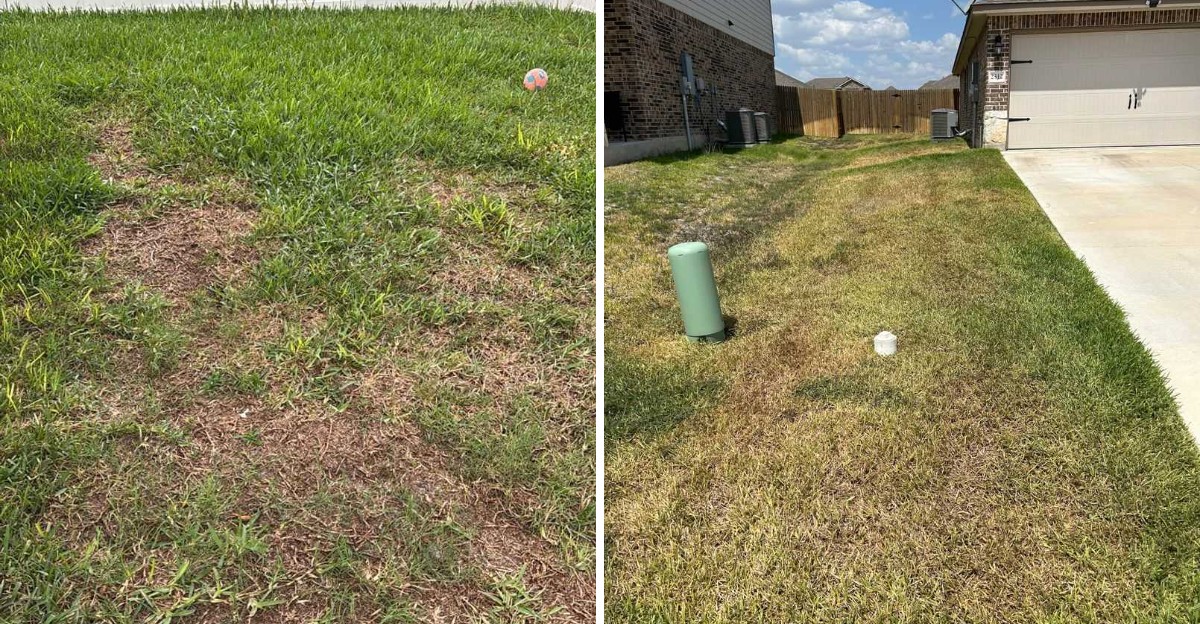
The brown patch near the driveway looked like ordinary drought stress until it kept spreading, even after a full week of deep watering aimed right at the roots.
Pull the grass apart at the edge of that patch, and you might spot tiny black insects with white X-marked wings hiding in there.
That is the southern chinch bug, the number one insect pest of St. Augustine lawns in Texas by a wide margin.
Once they move through an area, the grass they damaged will not simply green back up on its own no matter how much water gets poured on it.
Most homeowners just keep watering harder, assuming drought explains everything and missing the actual insects doing the damage underneath the blades.
Here is what actually brings St. Augustine back after chinch bugs have had their way with it.
1. Confirm Chinch Bugs Before Treating Anything
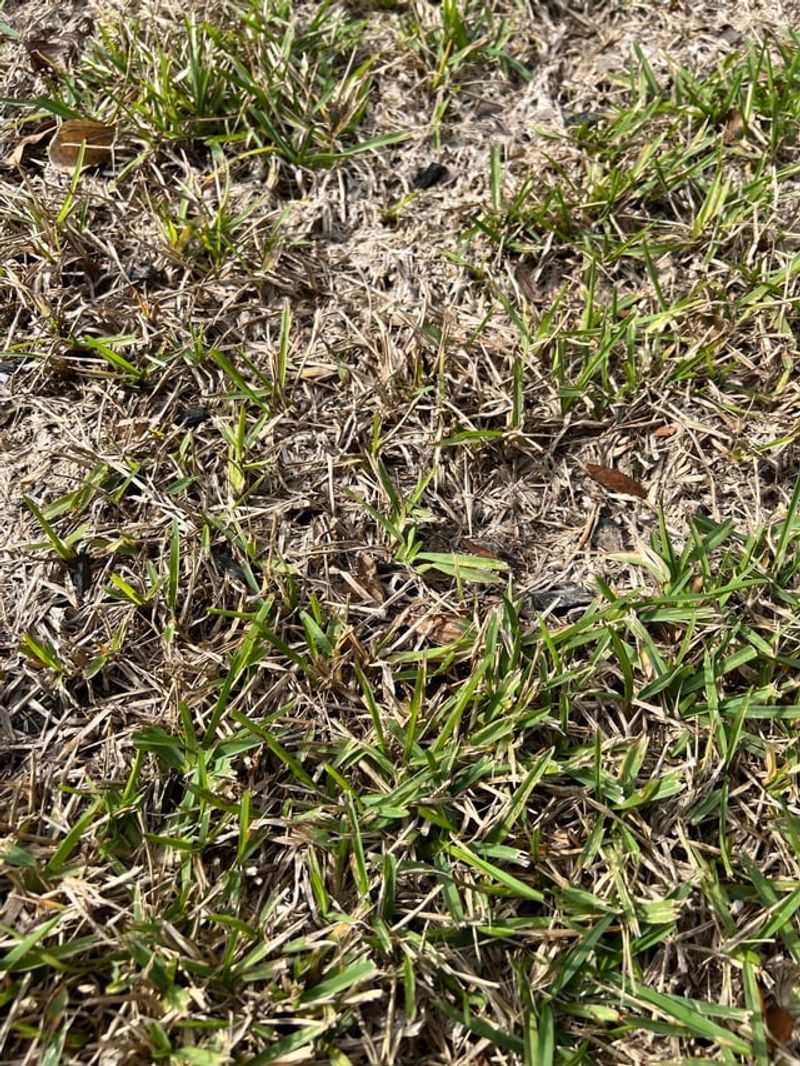
Brown patches lie constantly to anyone trying to diagnose them from a distance. A scorched-looking stretch of St. Augustine along a hot sidewalk could be drought stress, grub feeding, or the real troublemaker.
Texas A&M AgriLife Extension recommends confirming the pest before spending a dime on treatment of any kind. Insecticide sprayed on a simply thirsty lawn fixes nothing at all.
Start by kneeling where yellowing grass meets healthy green grass, because that boundary is where living bugs are actively feeding right now.
Adults run about an eighth of an inch long, black with white wings folded in an X pattern across the back of their bodies.
The float test gives you a reliable second opinion worth trying. Cut both ends out of a coffee can, push it two or three inches into the soil right at the damage edge.
Chinch bugs float up and paddle across the surface where you can count them easily once they surface. Extension guidance generally treats somewhere around 20 to 25 bugs per square foot as worth acting on.
Sample three or four spots instead of one single location, since populations cluster in patches rather than spreading evenly.
Confirming first tells you whether the lawn needs insect control or just a better watering schedule going forward.
2. Deep Watering Supports Damaged Areas
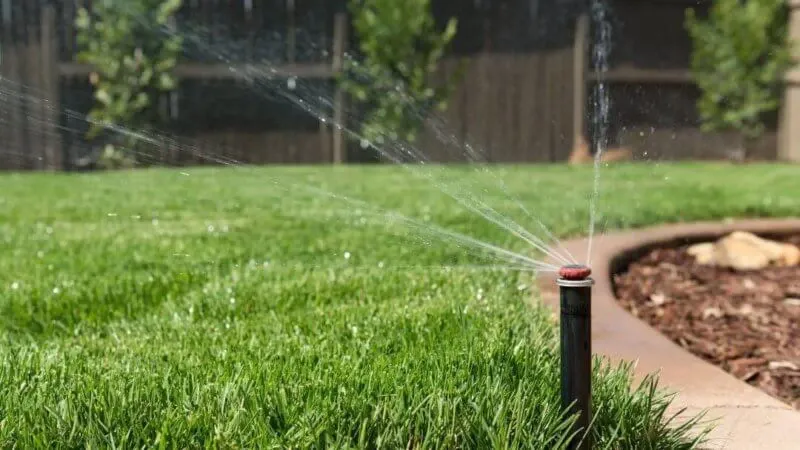
Water becomes the strongest recovery tool you own once the pest question is genuinely settled. Chinch bugs drain sap and inject a toxin that clogs the plant’s internal plumbing.
Shallow daily sprinkles will not repair that kind of internal damage at all. Texas A&M AgriLife Extension advises watering St. Augustine deeply and less often instead.
A tuna can or straight-sided cup set out on the turf measures sprinkler output in minutes flat. Most Texas lawns need about three quarters of an inch to a full inch per watering.
Heavy clay around Dallas and Houston absorbs slowly, so split the run into two shorter cycles about thirty minutes apart to stop runoff.
Early morning, somewhere between 4 a.m. and 9 a.m., is the smartest window for this task. Blades dry quickly after sunrise, which keeps disease from settling into weakened turf.
Your Texas Garden Changes Every Week. Your Plan Should Too.
Gardening in Texas changes quickly throughout the season. Every Friday you’ll receive a simple weekly plan showing exactly what to plant, prune, fertilize, harvest, and protect so you never miss the right timing.
The footprint test works as a quick check anytime. If your steps stay pressed into the grass instead of springing back, the lawn is asking for water.
Chinch bugs favor hot, dry, sun-baked strips along driveways and south-facing slopes, so steady moisture there makes those spots less inviting overall.
3. Overseed Bare Patches Once Bugs Are Gone
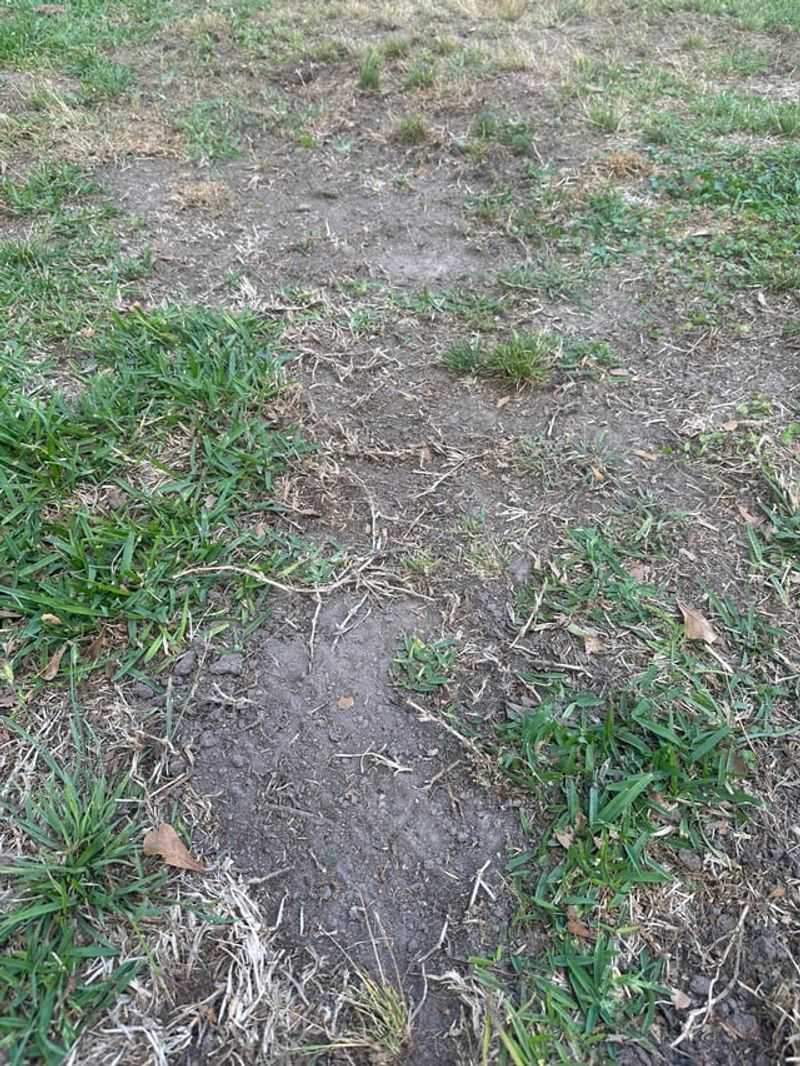
Here is where plenty of homeowners hit a wall unexpectedly. St. Augustine is not sold as practical lawn seed, so filling a bare patch really means replanting with sod or plugs instead.
Texas A&M AgriLife Extension recommends vegetative establishment for this species, and matching the same cultivar keeps blade width and color consistent across the yard.
Before planting a single piece, make sure the infestation is genuinely finished first. Repeat the float test inside the patch and in the green turf around it.
Timing carries real weight in Texas for this kind of project. Late spring through early summer gives new plugs warm soil and months of growing time before frost.
Rake out the old thatch, loosen the top inch or two of soil, then level the area so new pieces sit flush with the surrounding lawn.
Plugs spaced roughly twelve inches apart usually knit together within a season of steady growth. Water new plugs lightly every day for the first week or two.
Small bare spots under a foot across often close on their own without any replanting needed. St. Augustine spreads by above-ground stolons naturally.
4. Avoid Heavy Nitrogen During Recovery
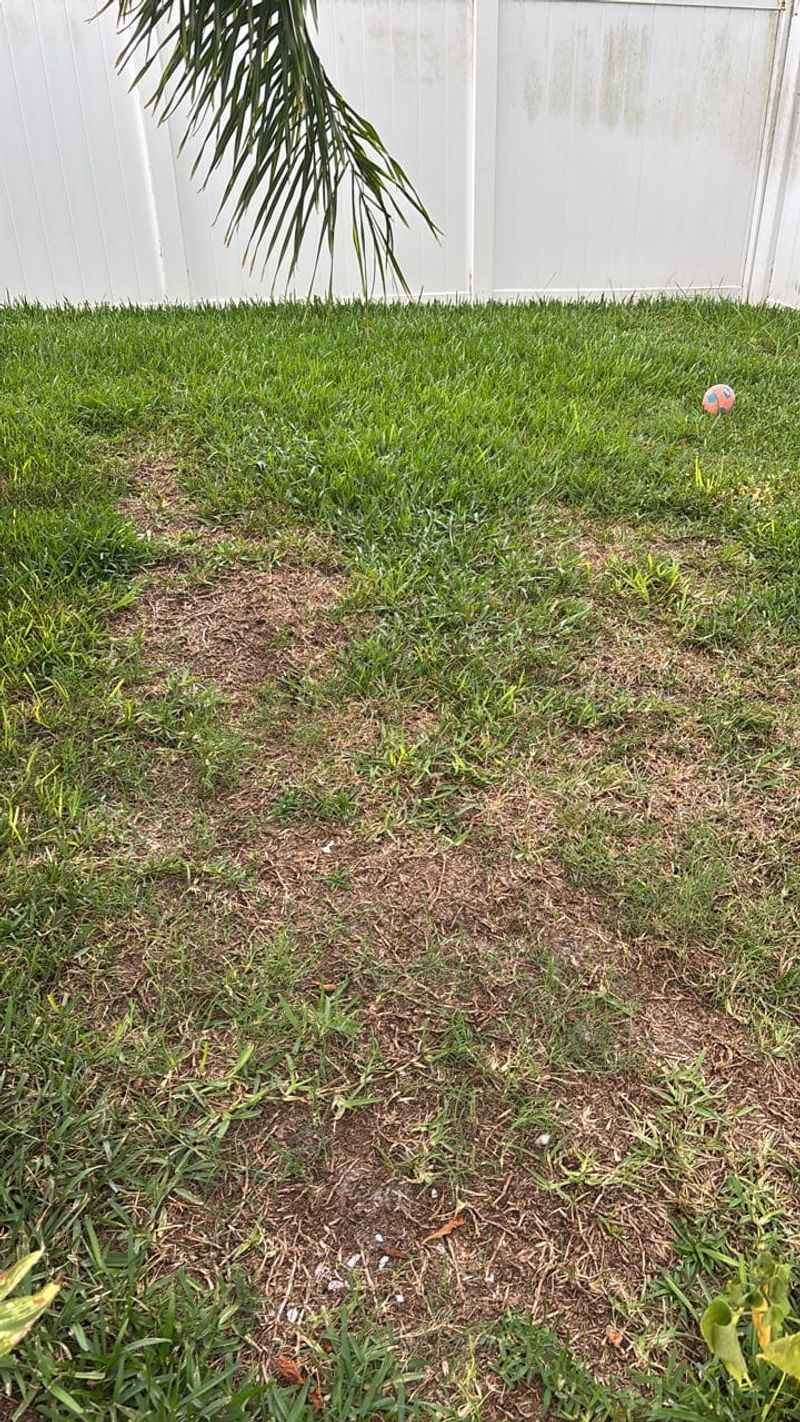
Grabbing a heavy bag of high-nitrogen fertilizer feels like the fastest route back to green grass. Research shared by Texas A&M AgriLife Extension points the other way entirely on this.
Excess nitrogen tends to favor chinch bug populations and produces soft, sappy growth they feed on eagerly throughout the season.
Over-fed St. Augustine also builds thatch faster, handing the next generation of insects a comfortable place to hide from predators.
Disease is the second risk worth considering here. Weakened turf hit with a big nitrogen dose during warm, humid weather becomes far more likely to develop brown patch or gray leaf spot.
A moderate approach serves recovering lawns better overall. Most Texas St. Augustine yards do well with roughly one pound of actual nitrogen per thousand square feet per application.
Slow-release sources feed steadily instead of forcing a growth spurt that damaged roots cannot support properly. Skip fertilizer altogether during peak drought.
A soil test through your county Extension office costs very little and shows what the lawn is actually missing right now. Many Texas soils run short on iron or potassium rather than nitrogen.
5. Reduce Thatch To Limit Future Damage
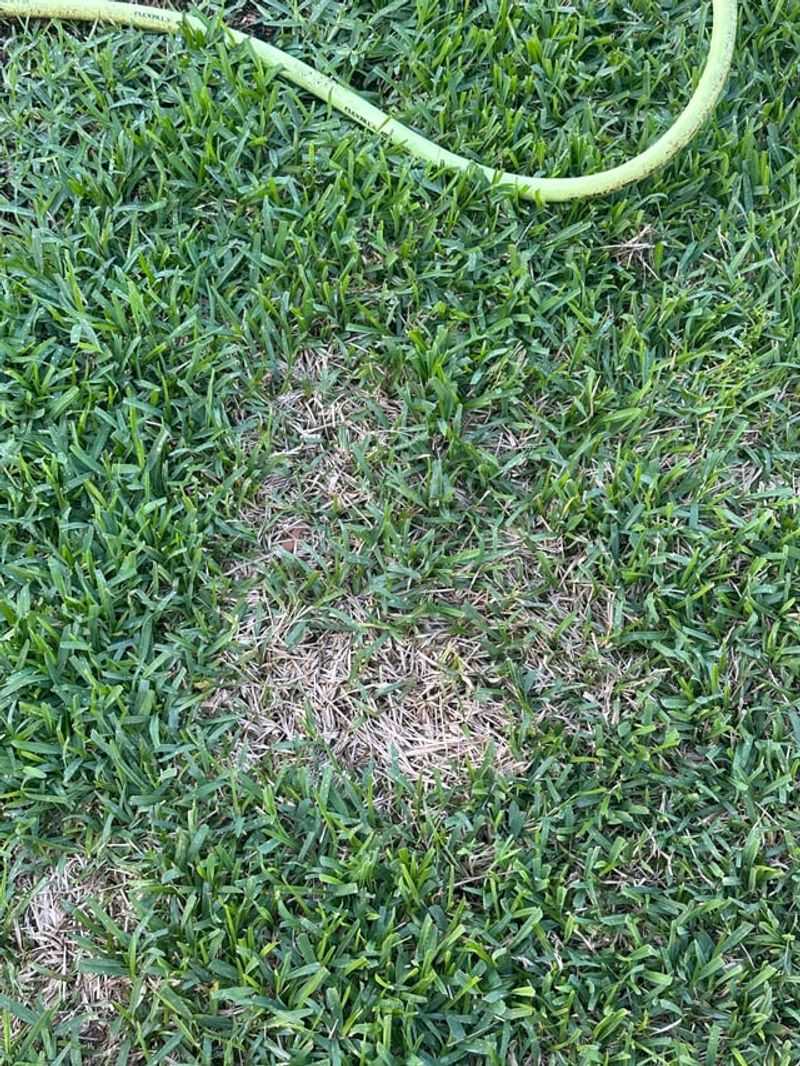
Peel back a section of struggling St. Augustine, and you may find a spongy brown mat sitting between the green blades and the soil below.
That layer of old stolons and undecomposed stems is thatch, and it doubles as prime chinch bug real estate for future infestations.
Once thatch passes about half an inch thick, it shelters insects, blocks water movement, and soaks up insecticide before it ever reaches the pests below the surface.
Buildup usually traces back to predictable habits worth recognizing. Too much nitrogen, frequent shallow watering, and compacted soil that slows the microbes responsible for breaking material down.
Core aeration is the gentlest fix for a lawn in recovery mode. Pulling finger-sized soil plugs relieves compaction and opens paths for air and moisture to reach roots.
Late spring through early summer, while St. Augustine is growing strongly, is the right window across most of Texas for this task.
Vertical mowing, often called dethatching, removes more material but treats the turf roughly. Save it for grass that has already rebuilt decent density.
Mowing habits matter too throughout this whole process. Keep St. Augustine between two and a half and four inches tall, cutting no more than a third at once.
6. Watch Nearby Areas For Continued Spread
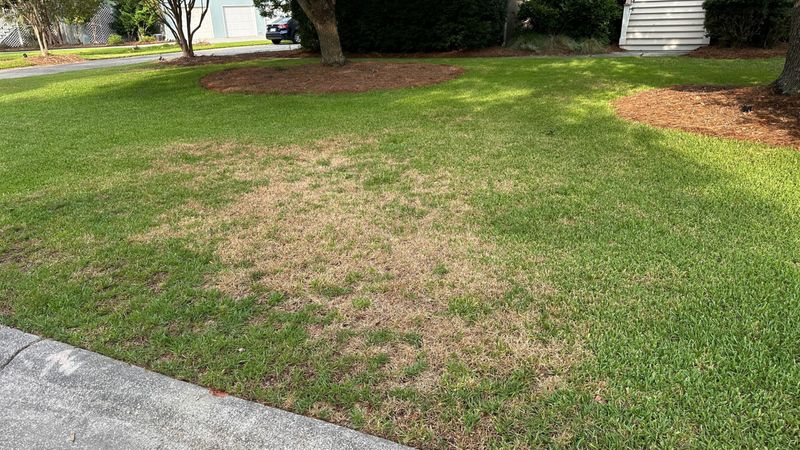
Chinch bugs rarely stop after one patch of damaged lawn. They walk, moving outward from the damaged zone into the healthy turf right beside it.
Treating only the brown area misses the population that already relocated next door to fresh grass. Inspect the margins every week or two through summer without fail.
Sunny strips along driveways, sidewalks, and south-facing brick walls heat up first and usually show trouble earliest in most Texas yards.
Watch for grass that yellows, fades to straw color, and refuses to bounce back after a thorough soaking session. Water-stressed turf perks up within a day of irrigation.
Keep running the float test instead of guessing from memory alone. A coffee can, a jug of water, and five patient minutes will tell you more than any comparison photo.
Peak activity across Texas generally runs June through September, and the warmer southern half of the state can see several overlapping generations.
Big-eyed bugs, certain spiders, and even fire ants prey on chinch bugs naturally, so blanket insecticide sprays can backfire by wiping out that free labor force.
7. Recovery Takes Weeks Not Days
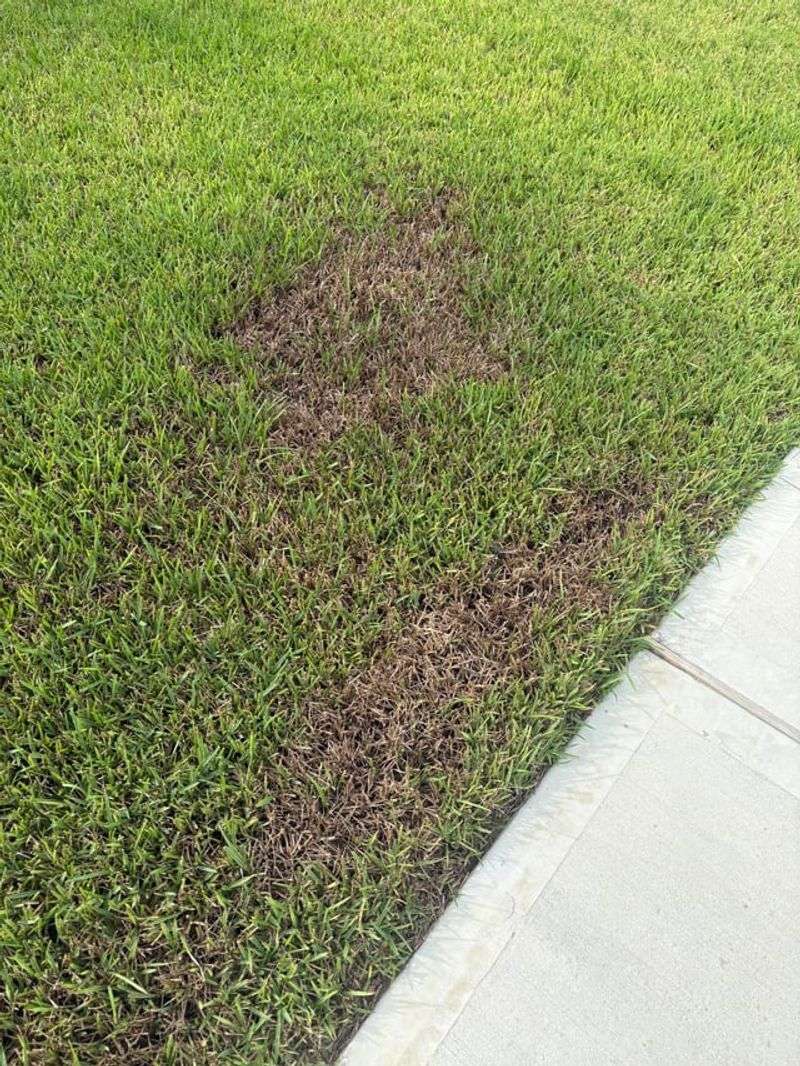
Nobody enjoys hearing it, but a chinch-bug-chewed lawn will not bounce back over a single weekend no matter how much effort goes into it.
Grass that succumbed outright never turns green again on its own. Recovery happens as surviving stolons creep sideways and gradually close the gaps left behind.
In warm Texas weather with steady moisture, small bare spots typically fill in somewhere around four to eight weeks after treatment begins.
Larger areas a few feet across may take most of a growing season, or a replant with plugs or sod instead of natural fill-in.
Damage that appears in September often sits unchanged until spring, since St. Augustine slows down and then goes dormant as temperatures fall.
Progress shows at the edges before anywhere else in the lawn. New runners reaching into bare soil, topped with light-green shoots, signal the plan is working.
A photo taken from the same spot every two weeks makes slow change much easier to track over time. Resist piling on more products while you wait for results.
8. Choose Resistant Cultivars When Replanting
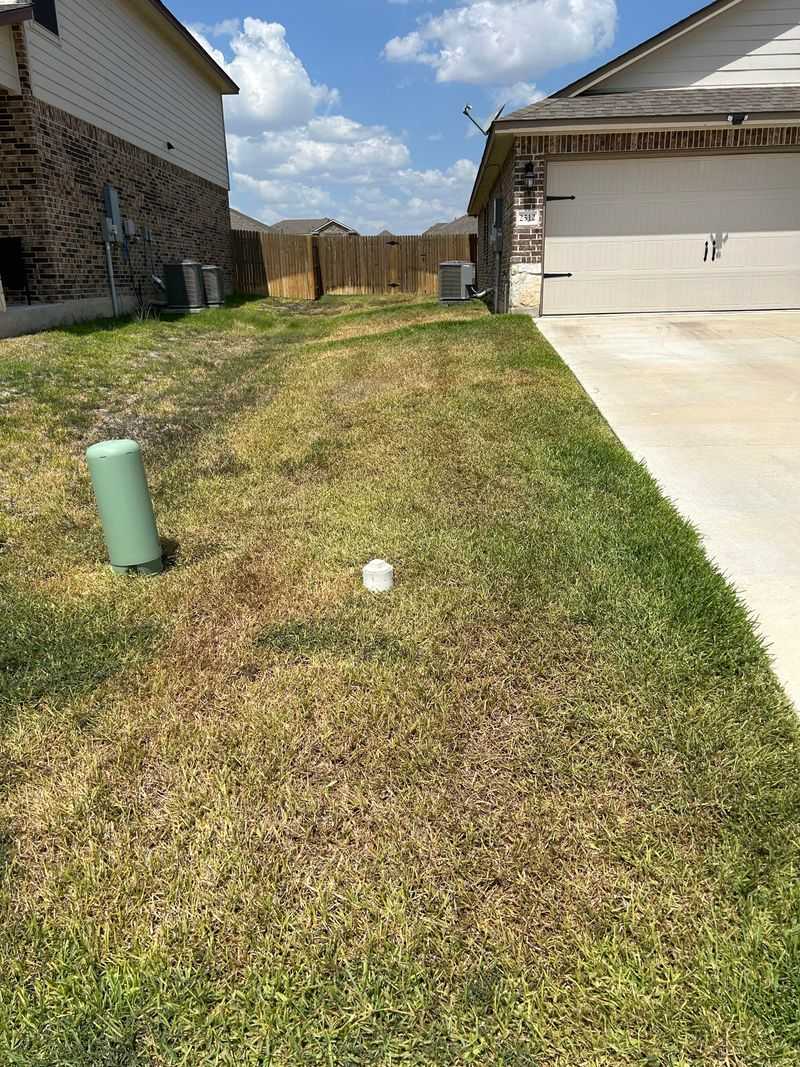
Not every St. Augustine variety handles chinch bug pressure the same way, and choosing the right cultivar when replanting bare patches can reduce future problems considerably down the road.
Floratam, one of the most widely planted cultivars across Texas, was actually bred with some chinch bug resistance built in, though that resistance has weakened over decades as local insect populations adapted to it.
Newer cultivars developed more recently by Texas A&M AgriLife researchers, such as some of the improved varieties released in the past couple of decades, generally show stronger resistance since they incorporate genetics from wild St. Augustine relatives that chinch bugs find less palatable.
Matching a resistant cultivar to your existing lawn requires some care, since mixing significantly different St. Augustine varieties in the same yard can create a patchwork of mismatched color, texture, and growth rate that looks worse than the bare spot did originally.
Your county Extension office keeps current recommendations on which cultivars perform best against chinch bugs in your specific part of the state, since resistance levels and local pest pressure both shift over time as populations continue adapting.
Resistant cultivars are not immune entirely to chinch bug damage, and heavy infestations can still overwhelm even a resistant lawn under the right conditions, so cultivar choice works best as one layer of defense rather than a replacement for monitoring.
Nurseries and sod farms specializing in St. Augustine can usually tell you which cultivar a given batch of sod or plugs actually is, information worth asking for directly rather than assuming all St. Augustine sold locally carries the same resistance traits.
Planting a resistant cultivar in a spot that previously suffered repeated chinch bug damage gives that section of lawn a real head start, especially when paired with the watering and fertilizing practices already covered throughout this guide.
9. Consider Beneficial Nematodes As A Natural Option
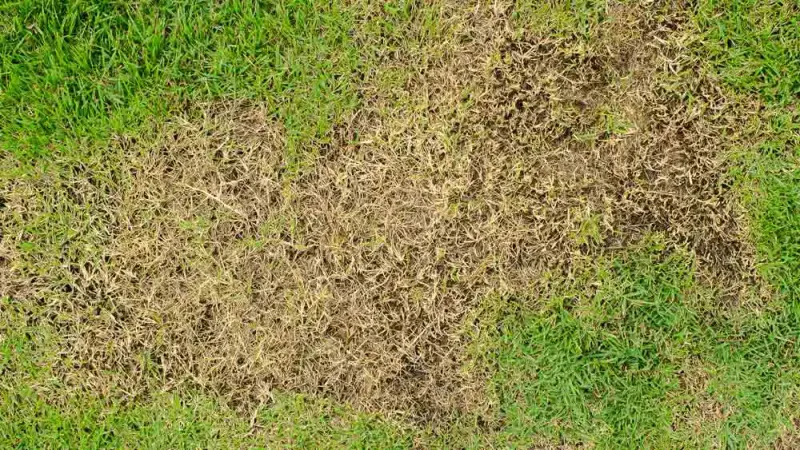
Homeowners looking to avoid repeated chemical insecticide applications have a biological option worth knowing about, since certain beneficial nematodes specifically target chinch bugs without harming the beneficial insects already working in a Texas lawn.
These microscopic roundworms are sold commercially and applied through a garden sprayer or watering can. They seek out chinch bugs in the soil and thatch layer, infecting them with bacteria the nematodes carry and eventually taking out the pest from within.
Application timing matters considerably for this method to work, since nematodes need moist soil and moderate temperatures to survive and move through the lawn, making early morning or evening applications during warmer months the most effective window.
Watering the lawn both before and after applying nematodes helps them travel down into the thatch and soil where chinch bugs actually live, rather than drying out on the grass surface before reaching their target.
Unlike broad-spectrum insecticides, nematodes leave the big-eyed bugs, spiders, and other natural chinch bug predators completely unharmed, preserving that existing pest control system rather than wiping it out alongside the target pest.
Results tend to build over one to two weeks rather than delivering the fast knockdown some chemical products provide, so this approach suits homeowners managing an ongoing or moderate infestation rather than an emergency situation with severe active damage.
Nematode products have a limited shelf life and specific storage requirements, typically needing refrigeration until use.
So, purchasing from a supplier with fast shipping and following storage instructions closely makes a real difference in whether the treatment actually works once applied.
For homeowners already committed to reducing thatch, watering deeply, and avoiding heavy nitrogen as covered earlier, adding beneficial nematodes rounds out a management approach that addresses chinch bugs from multiple angles.