The Secret Countdown Happening In Alabama’s Sunflower Fields Right Now
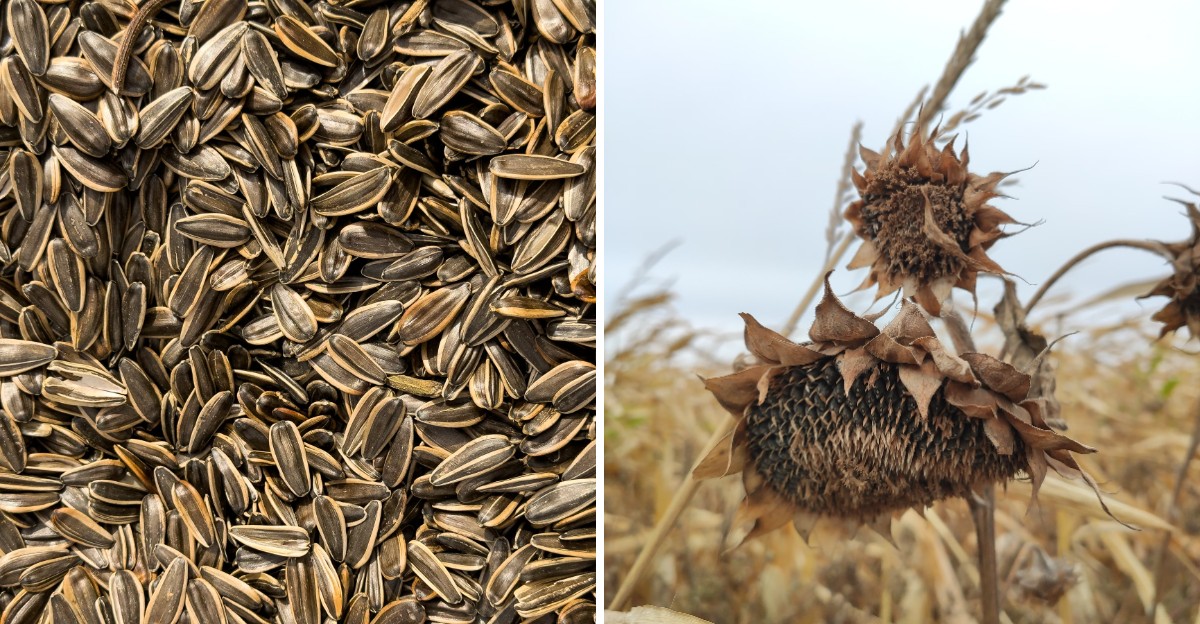
Change moves through an Alabama field the moment those blooms stop tracking sunlight. You notice the color shift, that dull bronze creeping over gold. Petals drop, stems sag, and heads bow toward the soil.
Farmers watch closely because this stage decides everything ahead. Seeds inside those heavy heads race toward a narrow window of readiness. Moisture drains, oil content climbs, and birds start circling with intent.
Photographers wander past, cameras aimed at fading color, missing the real story underneath. Alabama growers track this window like a countdown, not a farewell.
Timing here separates birdseed from oil, cover crop from waste. Wait too long and rain ruins the harvest. Rush it and yields shrink fast.
Nobody strolling past these fields sees the pressure building inside each drooping head. Right now, you’re closing in on what’s ticking beneath that fading canopy. Several countdowns are already running, and each wrong move changes everything.
Heads Bow And The Real Clock Starts
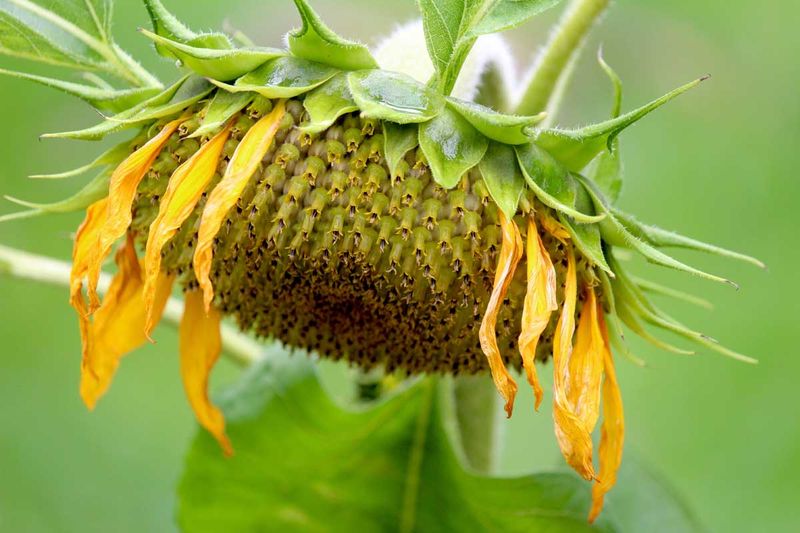
That dramatic droop everyone mistakes for the end of the season is actually the starting gun. When a sunflower head tips forward and points at the soil, it has finished feeding its seeds and switched into drying mode.
Growers call this the R9 stage. The back of the head turns from green to yellow, then to a speckled brown, and the little papery bracts around the edge go crisp.
From that moment, farmers in Alabama typically have about one to three weeks before harvest conditions slip away, though the exact window shifts with weather and variety.
Humidity, afternoon storms, and the state’s stubborn September warmth all push that window around.
Seed moisture is the number being watched. Fresh from the field, seeds often sit near 20 percent moisture, and they need to fall closer to 9 or 10 percent for safe storage.
Here is the useful part for backyard growers. You can read the same signals without any equipment by checking the back of the head and squeezing a seed between your fingers.
If the seed dents easily, wait. If it feels firm and the shell snaps clean, the countdown is nearly finished.
A small trick worth borrowing from commercial fields is the paper bag method. Slip a breathable bag over one or two heads once they brown, and you protect the seeds while the drying continues naturally.
Fun bit of history: sunflowers bowing at harvest time is why old farm journals nicknamed the crop the nodding gold.
Songbirds And Doves Arrive On Schedule
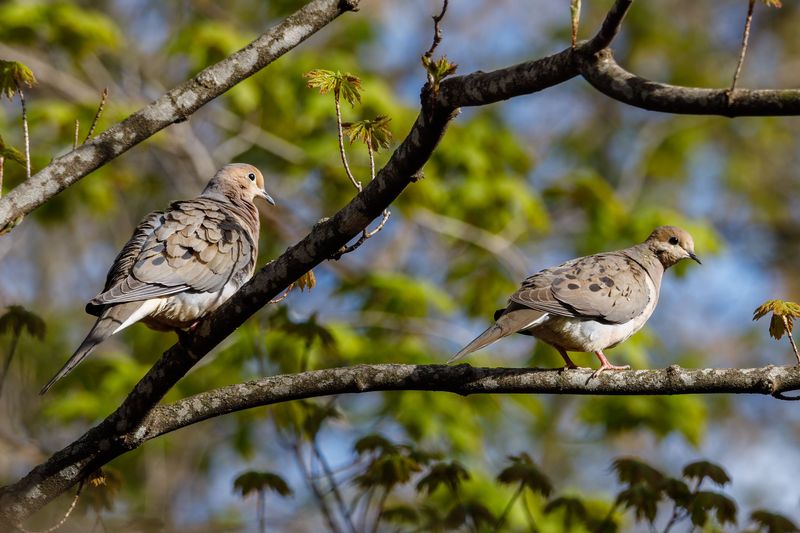
Long before a combine ever rolls in, the field gets visitors with wings and excellent timing. Mourning doves, goldfinches, cardinals, and blackbirds treat a browning sunflower patch like an all-you-can-eat buffet with a posted opening date.
Alabama’s dove season opens in a split schedule, with the North Zone starting in early September and the South Zone about a week later, and that timing is no coincidence.
Wildlife managers plant sunflowers specifically because doves flock to the exposed seed heads once the plants dry down.
Your Alabama Garden Changes Every Week. Your Plan Should Too.
Gardening in Alabama changes quickly throughout the season. Every Friday you’ll receive a simple weekly plan showing exactly what to plant, prune, fertilize, harvest, and protect so you never miss the right timing.
Losses can add up fast in unprotected fields. Blackbird flocks in particular can strip a meaningful share of the seed in a matter of days when they roost nearby.
Growers respond with a mix of tools rather than one magic fix. Reflective tape, propane cannons, kite-style hawk decoys, and simply harvesting a little earlier all help spread the risk.
For a home gardener with a dozen plants, the math flips entirely. Feeding birds may be the whole point, and leaving a few heads standing turns your yard into a free feeding station through autumn.
A balanced approach works well. Cut and dry the heads you want for seed, then leave two or three on the stalk as a thank-you to the finches.
Watch closely and you will notice the pecking order. Goldfinches cling sideways and pick delicately, while doves prefer seeds already knocked to the ground below. Either way, the birds are the loudest sign that the seeds inside have finally ripened.
Head Rot Races The Dry-Down
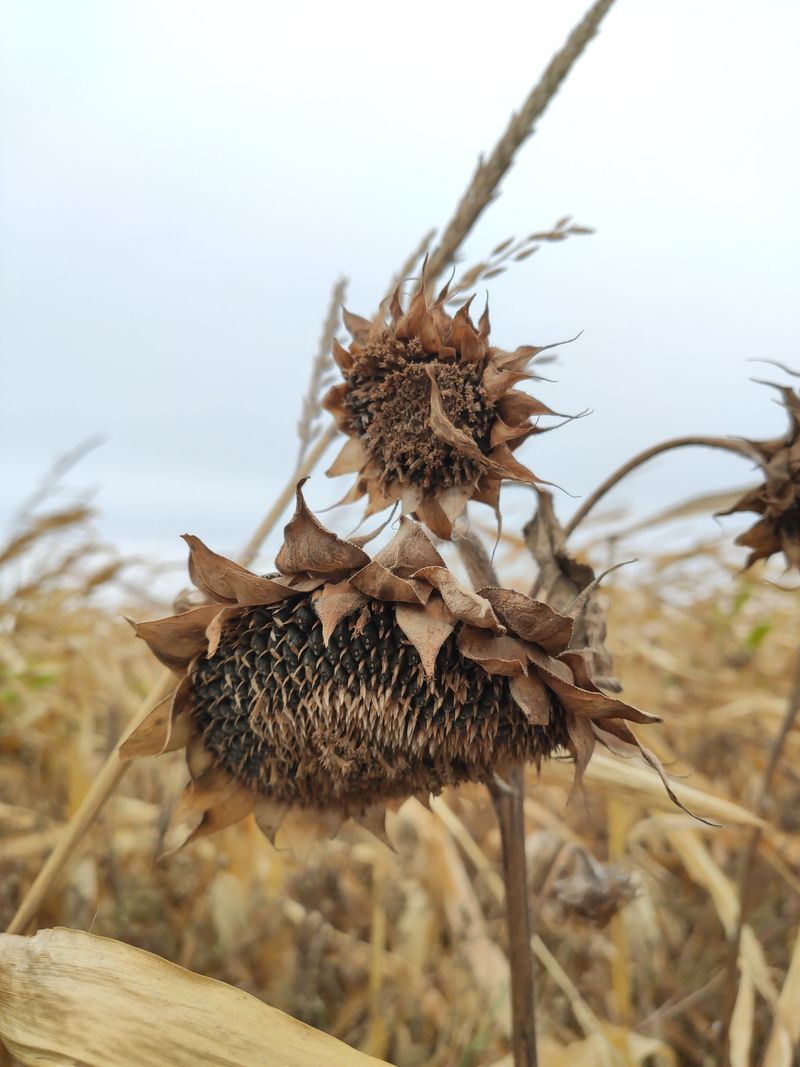
Humidity is the quiet rival in this countdown. Alabama Septembers bring warm nights and heavy dew, and those conditions invite head rot into fields that stay wet too long.
The trouble usually shows as soft brown patches on the back of the head, sometimes with a fuzzy coating, a sign of head rot, not true gray mold. Once it spreads, seeds inside go soft, discolored, and lose their value.
Rhizopus head rot is a common culprit in the Southeast, and it often sneaks in through wounds left by insects or birds. Damaged tissue is basically an open gate.
Timing is the strongest defense available. Fields harvested promptly after reaching proper dryness face far less exposure than ones left standing through two weeks of thunderstorms.
Spacing helps too. Rows planted with a bit of breathing room let breezes move through the canopy, and drier air means fewer problems.
Home growers can borrow the same logic. Hanging cut heads upside down in an airy shed or garage beats leaving them out in the yard once rain is forecast.
Skip the plastic bags entirely. Trapped moisture is the fastest route to a fuzzy, unusable head.
One more practical tip: check heads from underneath rather than the front. The colorful face can look fine while the back is already showing trouble. Catching it early means you can pull the affected heads and save the rest of the batch.
Seed Moisture Hits The Magic Number
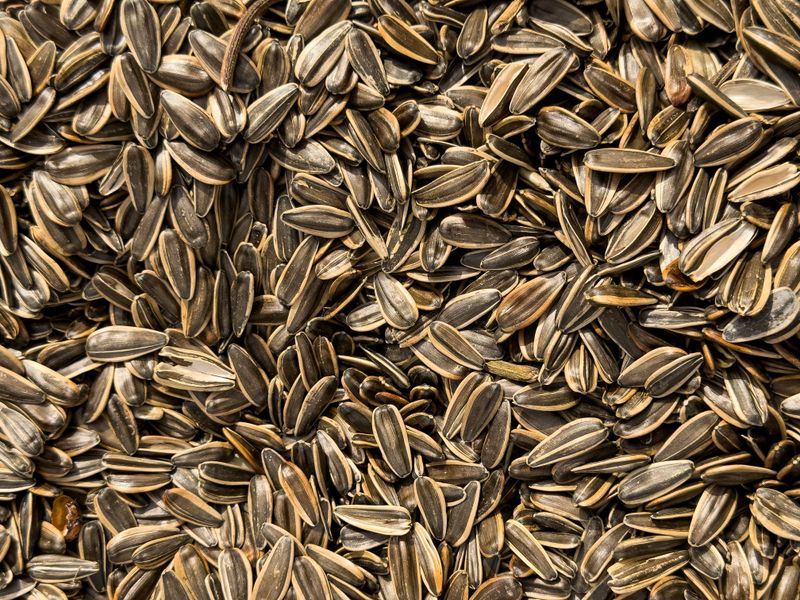
Ask a grower what matters most in late September and the answer is a percentage. Seed moisture decides whether a harvest goes into storage smoothly or can overheat and develop off odors if moisture remains too high.
Most sunflower crops come out of the field somewhere between 12 and 15 percent moisture. Storage safety generally starts around 9 to 10 percent for longer holding.
Harvesting slightly damp and then drying with warm air is common practice on larger operations. Waiting for the field to do all the work invites shattering, bird damage, and weather delays.
Shattering deserves attention because it is sneaky. Over-dry heads drop seed at the slightest bump, and a single windy afternoon can scatter a surprising amount onto the dirt.
Backyard growers have an easier path. Cut heads with about a foot of stalk attached, then hang them in a dry, airy space for one to three weeks.
Test readiness by rubbing your palm across the face of the head. Seeds that release with light pressure are ready, while ones that cling need more time.
Once loose, rub the seeds free over a bucket or tarp, then let them sit another day or two spread thin on a screen.
Store them in a paper sack or a breathable jar with the lid loose. Sealed containers plus lingering moisture can reduce seed quality within a month. A simple label with the date saves plenty of guesswork next spring.
Stalks Become Next Season’s Soil Builders
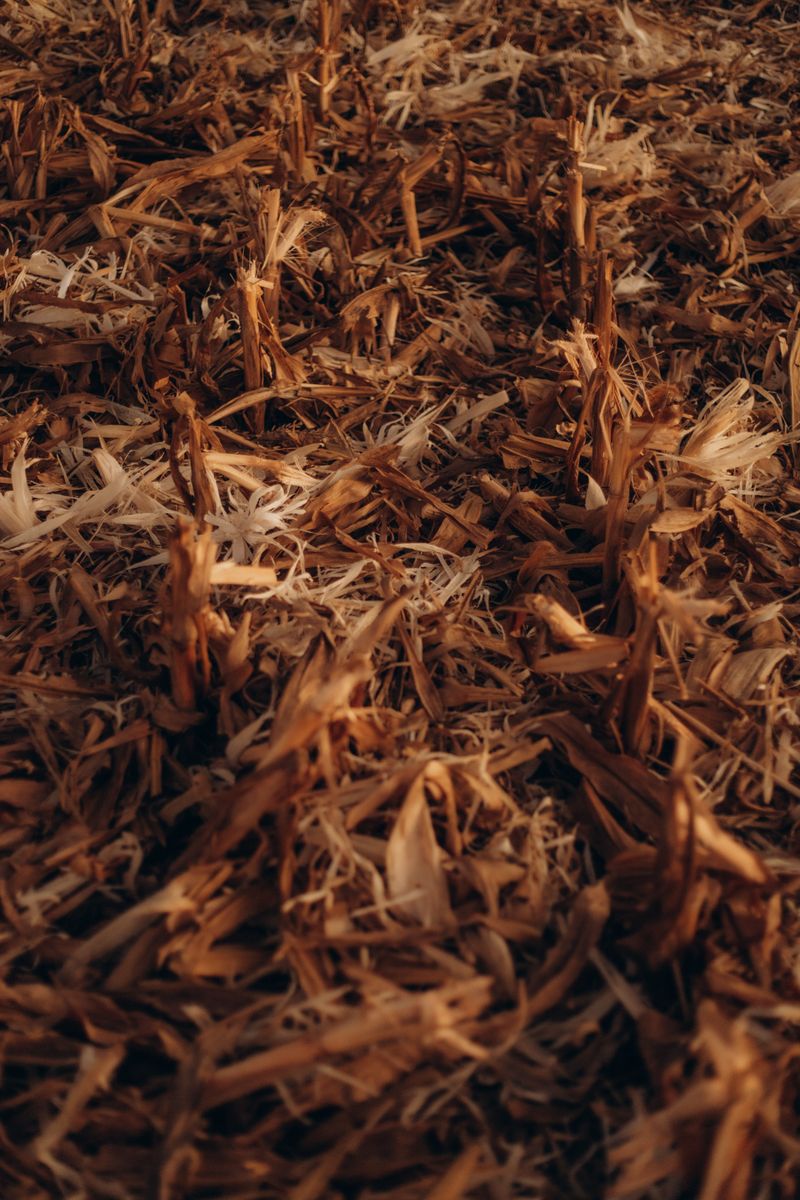
Once the seed is off, the field still has a job to do. Sunflower stalks are tall, fibrous, and loaded with organic matter that feeds soil biology through the cooler months.
Roots are the underrated hero here. Sunflowers send taproots deep, sometimes several feet down, breaking up compacted layers and pulling nutrients toward the surface.
Many Alabama growers chop the residue and leave it in place. Stalks lying across the surface slow erosion during autumn downpours, which matters on the state’s rolling red clay ground.
Timing the cleanup has its own countdown. Residue needs to be sized down before it dries into stubborn woody pieces that resist breaking apart.
Cover crops often follow right behind. Crimson clover, oats, and rye planted into sunflower residue give the ground green protection through winter and set up a better spring.
Home gardeners can mirror this on a small scale. Chop spent stalks into short pieces, toss them in the compost, and let the pile handle the rest over a few months.
A word of caution: sunflower residue can slow the growth of certain nearby seedlings because of natural compounds the plant releases. Composting first neutralizes most of that effect.
Thick hollow stalks also make handy insect hotels. Cut a bundle of six-inch sections, tie them together, and hang them under an eave for native bees. Nothing about the field’s second act is wasted.
U-Pick Gates Close For The Season
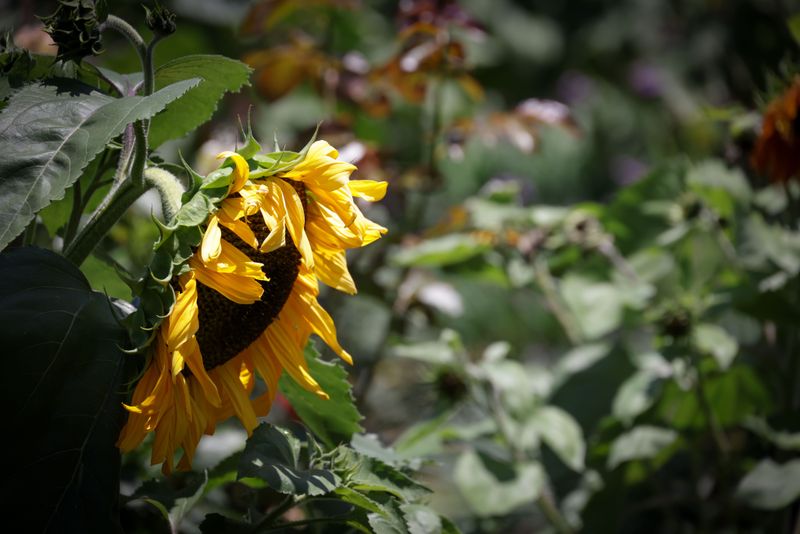
Anyone hoping for one more photo in the gold has a narrow window left. Alabama’s u-pick sunflower farms typically run brief seasons, and the September bloom is often the last round of the year.
Many farms stagger their plantings on purpose. Seeding in waves two or three weeks apart stretches the display from midsummer into early fall instead of one quick burst.
Bloom life is short regardless. A single sunflower typically holds its best color for about one to two weeks, though this can vary by variety and weather, before petals fade and the head starts to bow.
Calling ahead beats showing up hopeful. Farms post bloom updates on social media, and conditions can shift within days after a heavy rain.
Go early in the morning if you can. Light is softer, temperatures are kinder, and the flowers face east, which puts the sun behind you for better pictures.
Bring a bucket with a few inches of water for cut stems. Sunflowers wilt fast in a hot car, and a short drink makes a big difference.
Cut the stalk at an angle and strip lower leaves before putting them in a vase. Fresh water every couple of days keeps them perky for about a week.
Wear closed shoes and expect pollen on your sleeves. Some varieties are pollenless for florists, but field varieties are generous with the yellow dust. Once the gates close, the field belongs to the birds again.