The Tiny Migrating Bird That Can Turn One Chimney Into A Giant Fall Roost In Florida
Your quiet chimney is about to turn into a five-star hotel for hundreds of tiny travelers passing through Florida, and you might not even notice until dusk gives it away.
Chimney swifts pour into roosts like this every fall, and one unused chimney can pull in numbers that seem impossible for a bird barely bigger than your thumb.
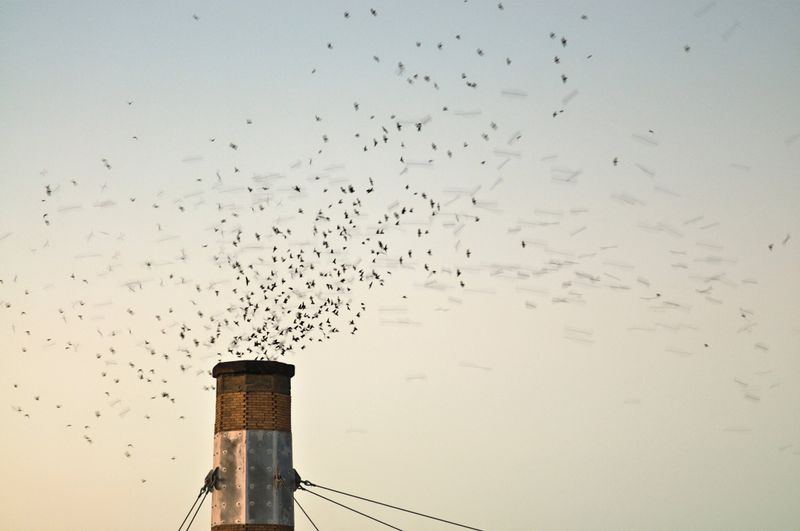
You’ll spot the show right before sunset, when a swirling cloud of them spirals down into the opening one by one, packing in tight for the night before pushing further south.
It looks chaotic from the ground, but every bird knows exactly where it’s headed.
You might assume that chimney sits empty and useless most of the year, yet these birds treat it like prime real estate during migration season. Cap it at the wrong time and you could trap a roost inside without realizing what you’ve done.
Check before you seal anything up this fall. What looks like an empty chimney might be hosting one of the most overlooked migration spectacles in your own backyard.
1. Meet The Chimney Swift, Florida’s Tiny Fall Chimney Visitor
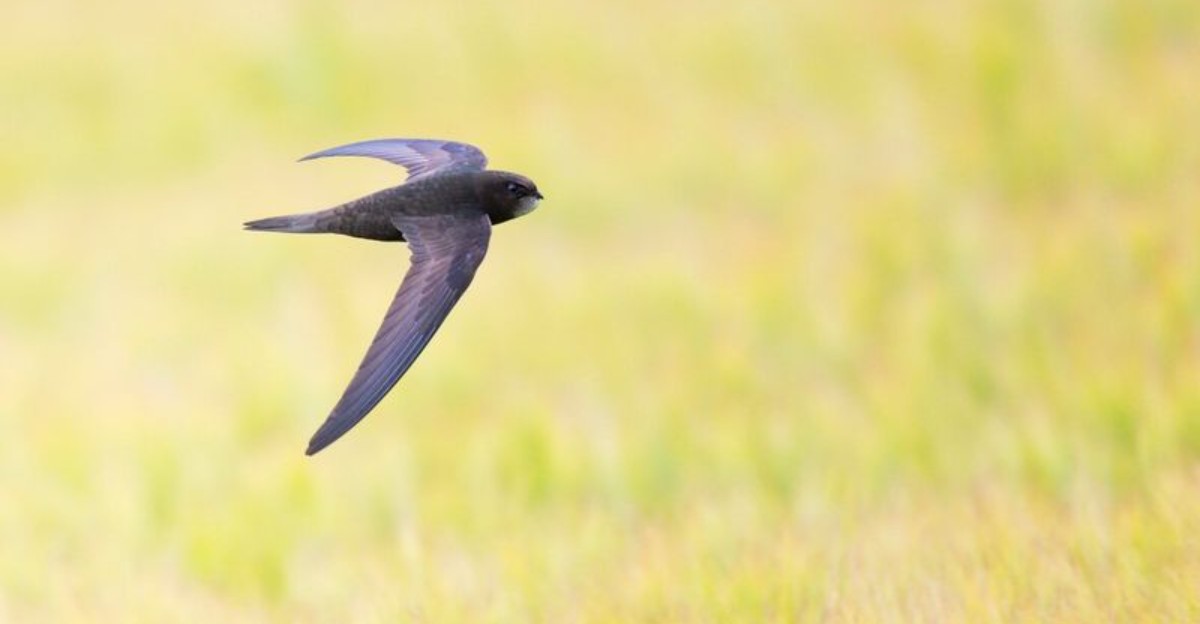
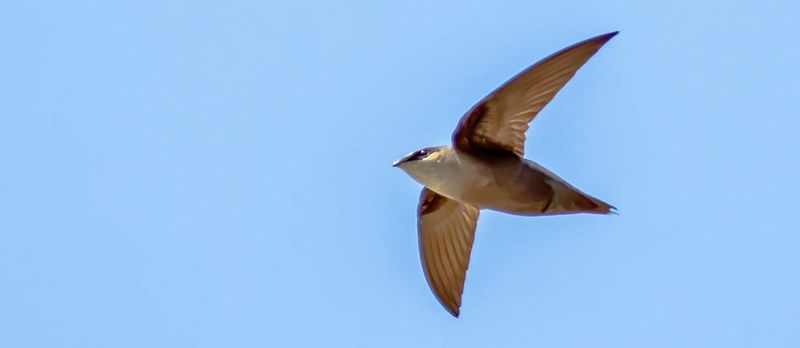
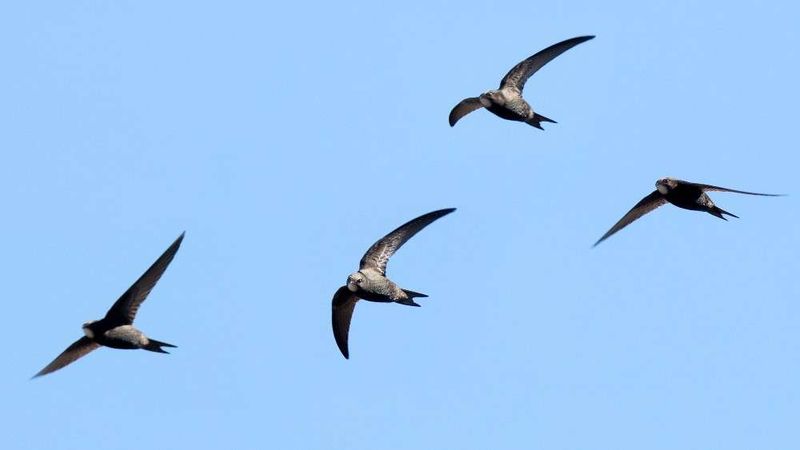
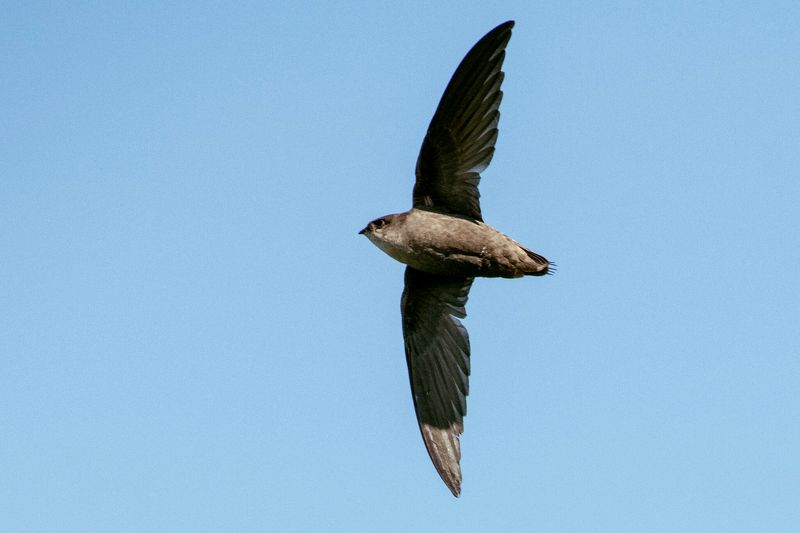
Birders love to call it a cigar with wings, and honestly, that nickname does most of the work. The Chimney Swift, or Chaetura pelagica, has a stubby body, a blunt little tail, and long curved wings that look glued on at odd angles.
Size-wise, it is tiny. Adults measure roughly 4.7 to 5.9 inches long with a wingspan around 10.6 to 12.6 inches, and they weigh somewhere between 0.6 and 1.1 ounces.
Color is simple too: sooty gray-brown all over, with a throat that looks a shade paler in good light. There is no flashy patch to look for, which is why most people identify swifts by shape and flight style instead.
Few birds spend as much time airborne. Swifts feed, drink, bathe, and even mate on the wing, and their feet are built for clinging to vertical walls rather than perching on branches.
Four swift species live in North America, and this one is the most familiar east of the Mississippi River. In Florida, swifts show up for spring and summer to breed and nest, then head south once the nesting season wraps up.
So if you spot a chattering, fast-flapping silhouette over your street in September, you have likely met one.
2. Watch One Bird Lead Hundreds Into A Shared Roost
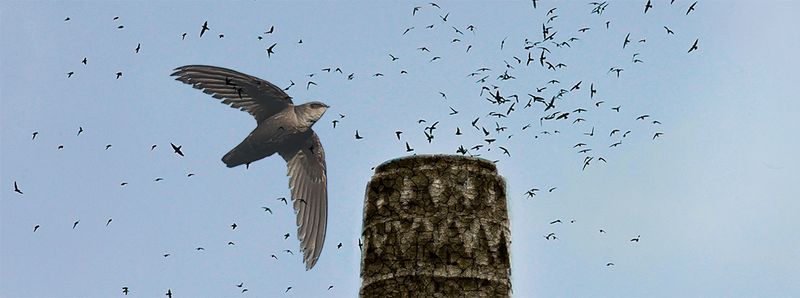
Here is the part that turns casual onlookers into swift fans. During fall migration, swifts gather in communal roosts that can hold hundreds, and in some spots thousands, of birds.
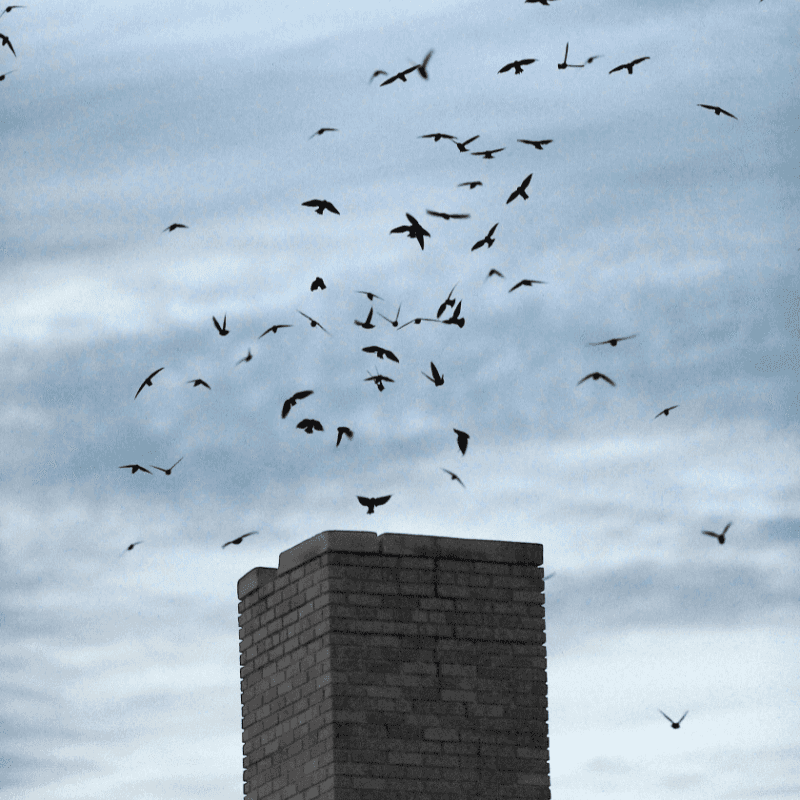
The show starts slowly. A handful of birds circles high above a chimney, then more arrive, and the loose cloud tightens into a swirling funnel that really does look like a small tornado.
Then the flock begins dropping in. Birds follow the group’s movement in a steady stream until the chimney is filled for the night.
Inside, they cling vertically to the rough chimney walls, packed side by side like shingles. Huddling together helps them hold onto body heat on cooler fall evenings, which matters a lot for a bird that weighs less than a slice of bread.
Your Florida Garden Changes Every Week. Your Plan Should Too.
Gardening in Florida changes quickly throughout the season. Every Friday you’ll receive a simple weekly plan showing exactly what to plant, prune, fertilize, harvest, and protect so you never miss the right timing.
If you want to watch, arrive about 20 to 30 minutes before sunset and stand where you can see the chimney top against open sky. Bring a folding chair, skip the flashlight, and keep noise down so the flock settles naturally.
Fun detail: roost sites often get used year after year, so a chimney that drew a crowd last October is worth checking again. Local bird clubs frequently share addresses of reliable spots.
3. Understand Why Old Chimneys Become Swift Shelters
Long before brick towers existed, these birds used hollow trees, caves, and cliff faces. Big hollow trunks were everywhere, and a standing snag with a wide cavity made an excellent overnight shelter.
Widespread logging changed that. As large hollow trees became scarce, swifts adjusted and moved into human structures, which is how they earned their common name.
Chimneys, air shafts, silos, and abandoned buildings now serve as stand-ins for those old trees. Each offers the same basic recipe: an enclosed vertical space that blocks wind and rain and keeps predators out.
Texture is the deal-breaker. Swifts need rough, porous interior surfaces such as masonry, stone, firebrick, or flue tiles with mortared joints, because their small clawed feet grip walls instead of gripping perches.
Smooth metal flues do not work. Birds cannot hold on, and they may end up trapped, which is one reason metal chimneys should stay capped.
Dimensions matter as well. Traditional swift-friendly chimneys usually provide a tall, enclosed shaft with rough interior surfaces, enough depth, and enough space for birds to cling safely.
Check your flue material once, and you will know instantly whether your home qualifies.
4. Follow The Fall Migration That Brings Swifts Back Through Florida
Few small birds rack up frequent flyer miles like this one. Chimney Swifts winter in the Amazon Basin of South America, spending the cooler months across parts of Peru, Ecuador, Chile, and Brazil.
Spring brings them back north. Arrivals in the Southeast, Florida included, generally begin around late March, right as flying insects get busy.
Nesting fills the warm months, and then the return trip starts. Once young birds are strong on the wing, families join larger groups and begin drifting south again.
Travel happens high overhead during daylight hours. Swifts follow well-worn routes, including the Atlantic coast, the eastern edge of the Appalachians, and the Mississippi River corridor, feeding on insects as they go.
Florida sits near the end of the North American leg, which makes it a natural staging area. Roost numbers can swell quickly when a cold front pushes migrants down the peninsula, then drop just as fast a night or two later.
Most swifts have cleared out of Florida by mid-October, so the viewing window is fairly short. Late September through the first half of October usually delivers the biggest crowds.
Keeping simple notes, such as the date and rough count at your local roost, turns a neighborhood chimney into a small science project.
5. Recognize The Scratchy Sounds Coming From Above The Fireplace
Homeowners often meet swifts through their ears first. A scratchy, chattering racket drifts down the flue, and the fireplace suddenly sounds haunted.
The signature call is a loud twitter: fast, high-pitched chirps strung together, with each burst running about three seconds. Heard from a flock, all those overlapping chirps can blur into something oddly like insect buzzing.
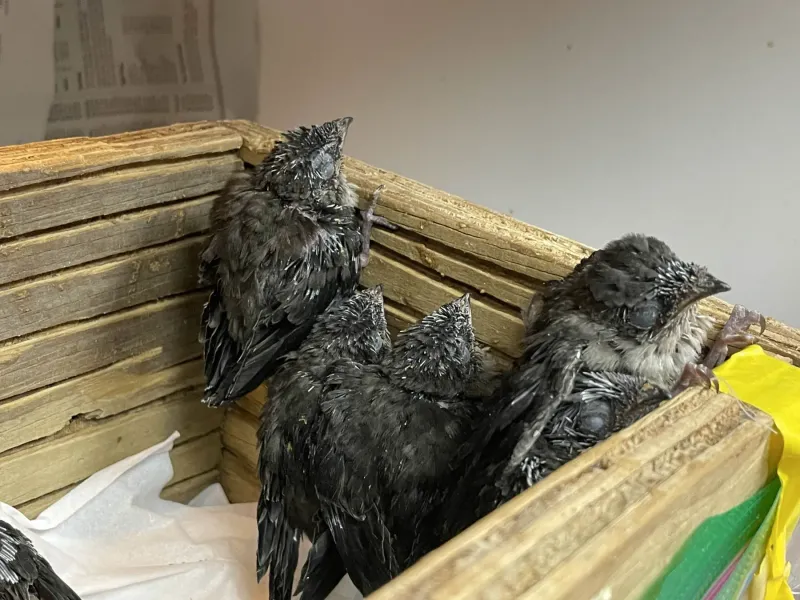
Nestlings add their own layer. Young swifts chatter and make raspy, rattling sounds when they expect a food delivery, and the volume climbs as they grow.
Adults have one more trick. If they sense a disturbance, they may slap their wings together inside the shaft, producing a surprising booming thump that echoes through the firebox.
Knowing these sounds helps you skip an unnecessary panic call. Scratching plus chirping high in the flue points to swifts, while heavy scrabbling low in the firebox, chewing noises, or a strong odor suggests a mammal instead.
Simple response: keep the damper closed, resist the urge to peek with a bright light, and let the noise run its course. Chatter usually peaks for a couple of weeks while young birds are growing, then fades as the family joins migrating flocks.
Recording the sound on your phone also makes it easy to confirm with a local bird group.
6. Protect A Chimney Without Disrupting A Migrating Swift Roost
Legal protection surprises a lot of homeowners. As migratory birds, Chimney Swifts fall under the Migratory Bird Treaty Act, which means the birds, their nests, and eggs are protected, and disturbing active nesting birds may require authorization under federal wildlife protections.
That includes hired help. A professional chimney sweep is not permitted to pull out an active swift nest, no matter how much the chattering bothers you.
Practical steps still exist. Keep the damper closed while swifts are present, which blocks nestlings from tumbling into the firebox and muffles the noise inside your living room.
Skip fireplace fires during the breeding and nesting stretch. Smoke and heat in an occupied flue create a problem nobody wants, and Florida weather rarely demands a fire anyway.
Timing is everything for maintenance. Schedule sweeping and inspections in the fall after the birds have moved on, or in mid-March before they return for the season.
Once the shaft is empty, clearing out the old nest is smart housekeeping. Removing it cuts down on leftover parasites and discourages reuse of a crumbling structure that could break loose later.
Write your service date on the calendar now, because good sweeps book fast in October. A yearly rhythm keeps both your flue safe and your seasonal tenants welcome.
7. Keep Chimney Caps From Creating Problems During Migration Season
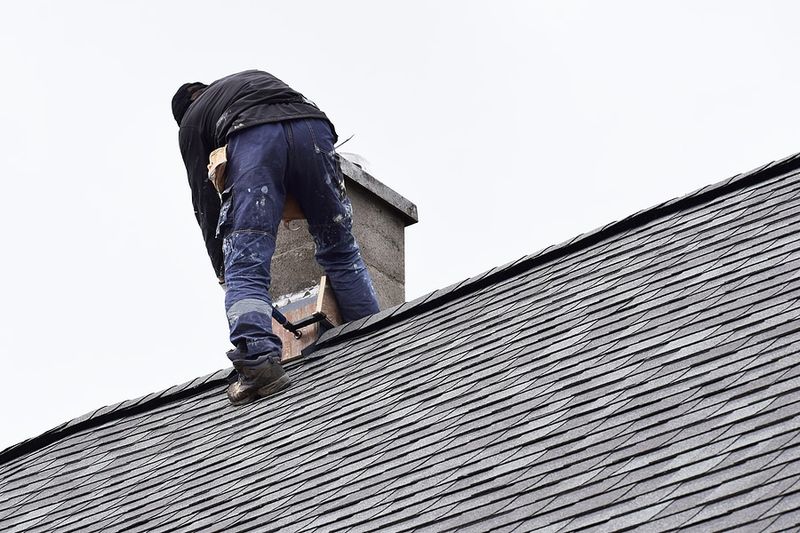
A chimney cap is a simple piece of hardware with big consequences. Caps do their job well, keeping rain, leaves, and swifts out of the flue entirely.
Trouble starts with bad timing. Installing a cap while birds are inside can shut in an entire roosting group, which is exactly the outcome to avoid.
So check before you cap. Listen at the damper on a quiet morning, watch the chimney top at dusk for a few evenings, and only proceed when there is no activity.
For masonry chimneys, some homeowners take the opposite approach. Removing the cap from late April through October opens the shaft for nesting and migration, then it goes back on for the rest of the year.
Metal flues are a different story. Slick walls give swifts nothing to hold, so those chimneys should stay capped year-round to prevent birds from slipping in and getting stuck.
Damaged caps cause quiet problems too. A rusted, loose, or shifted cap can leave a gap just wide enough for a swift to squeeze through, which defeats the purpose.
Give yours a look each spring and fall. A five-minute inspection with binoculars from the yard often reveals bent mesh or a cap that has slid off center.
8. Turn A Backyard Chimney Into A Safe Stopover For Swifts
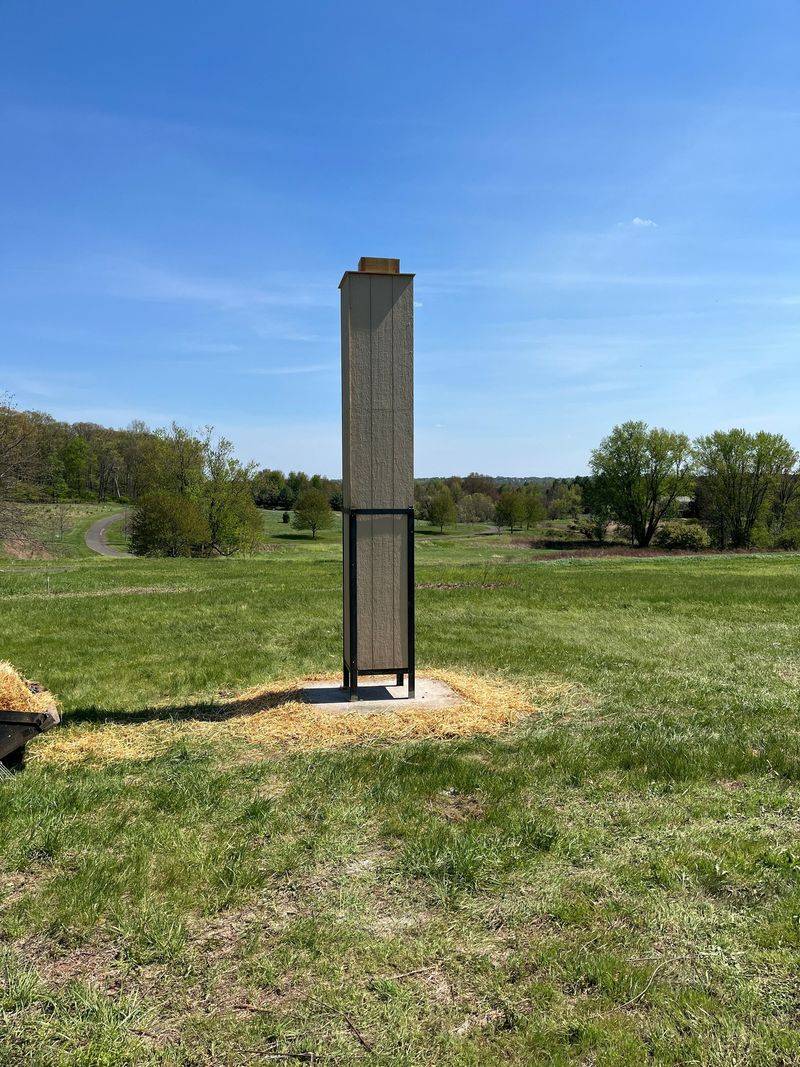
Imagine running a tiny hotel where every guest helps by feeding on flying insects that homeowners often consider pests. That is roughly what hosting swifts feels like, and setting it up takes less effort than most yard projects.
Material comes first. Masonry, stone, firebrick, or masonry flue tiles with mortared joints all provide the gritty surface swift feet need, while smooth metal liners do not.
Then manage the openings. Leaving the top open and the damper closed from April through October creates an accessible shaft without letting anything into the house.
Size guidelines are easy to remember. Aim for a shaft at least eight feet deep, closed at the bottom, with an internal width of fourteen inches or more.
Cleaning still belongs on the list, just at the right moment. Sweeping outside nesting and migration months clears creosote buildup, and a clean surface helps nest material stick where it should.
No suitable chimney? Faux chimneys and purpose-built swift towers give the same vertical shelter, and plans circulate widely among bird conservation groups.
Plenty of homeowners say yes to swifts for practical reasons. The birds work through huge quantities of flying insects, and their numbers have been sliding for decades, so a single open flue genuinely helps.
Tell your neighbors as well, since a cluster of welcoming chimneys makes a better neighborhood stopover.
9. Know When These Seasonal Visitors Will Move On
One evening the funnel forms as usual, and a few nights later the sky above the chimney is simply quiet. That abrupt hush is the normal end of the season.
Southward movement begins in fall, once nesting finishes and the last young birds are flying strongly. Roughly a month after hatching, juveniles are capable enough to travel with the adults.
In the Southeast, including Florida, most swifts have cleared out by mid-October. Across North America as a whole, the majority are gone from breeding areas by early November.
Food drives the schedule. Flying insects thin out as nights cool, so the flocks follow their meals toward warmer skies and the Amazon Basin for the winter.
For homeowners, that departure is your green light. Once several evenings pass with no birds entering or leaving, book the sweep, clear out the old nest, and reinstall a cap if that is your plan.
Mark mid-March on next year’s calendar too, since returns to Florida often start around late March. Finishing maintenance before then keeps the shaft ready.
Meanwhile, jot down your final sighting date. Comparing notes year to year is a small habit that makes the next autumn spiral feel like the return of old friends.