The Texas Native That Looks Right At Home In A Naturalistic Garden
Not every plant in a naturalistic Texas garden needs to announce itself. Some of the most valuable ones are the quiet ones.
The plants that fill space effortlessly, move beautifully in a breeze, and create the kind of layered, unhurried look that takes years to achieve when you’re working against the landscape rather than with it.
There is a native Texas plant that does this better than almost anything else available for naturalistic design.
It doesn’t demand attention. It earns it gradually. Through delicate texture, subtle seasonal color shifts, and seed heads that catch light in a way that stops people mid-step.
Because it’s native, it belongs here in a deep and meaningful way. And because it’s so rarely planted in residential gardens, a yard that has it immediately looks different from every other yard on the street.
Add Texas Blue Grama For A Natural Prairie Look
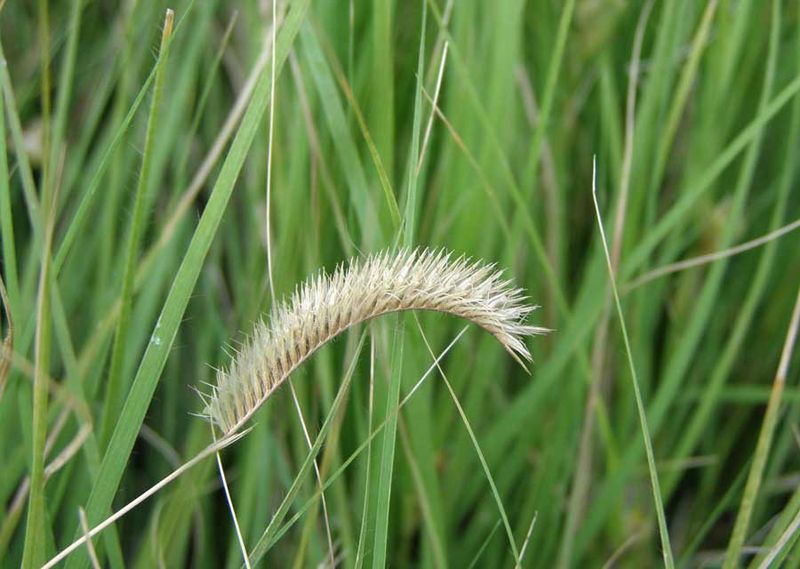
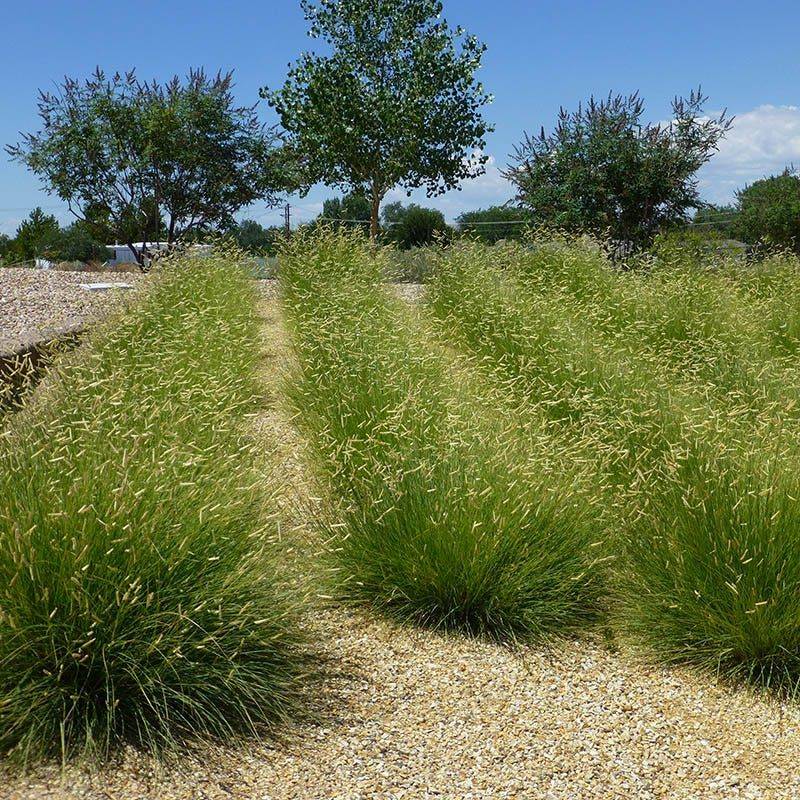
Picture a soft cloud of green swaying gently in the wind, topped with tiny seed heads that curl like little eyelashes.
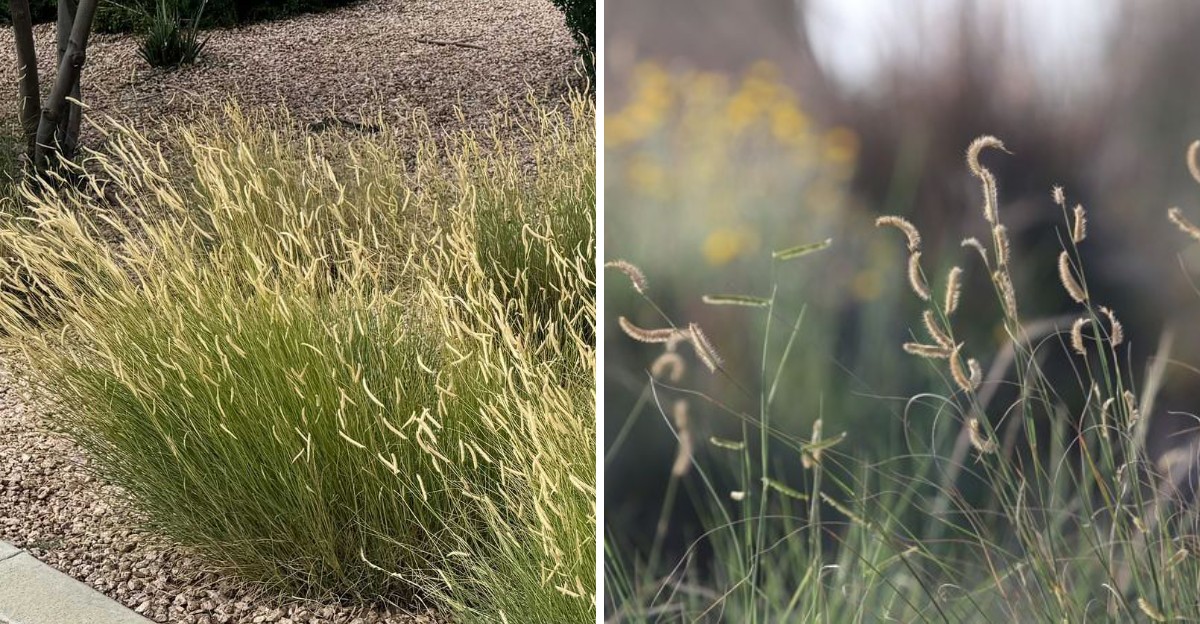
That is Texas blue grama, known by its scientific name Bouteloua gracilis. This native grass is famous for its charming, feathery look.
Gardeners love it because it brings the feel of an open Texas prairie right into a home landscape.
The blades are thin and fine, giving the whole plant a soft, airy appearance. When the seed heads appear, they stick out sideways in a fun, comb-like shape that catches the eye.
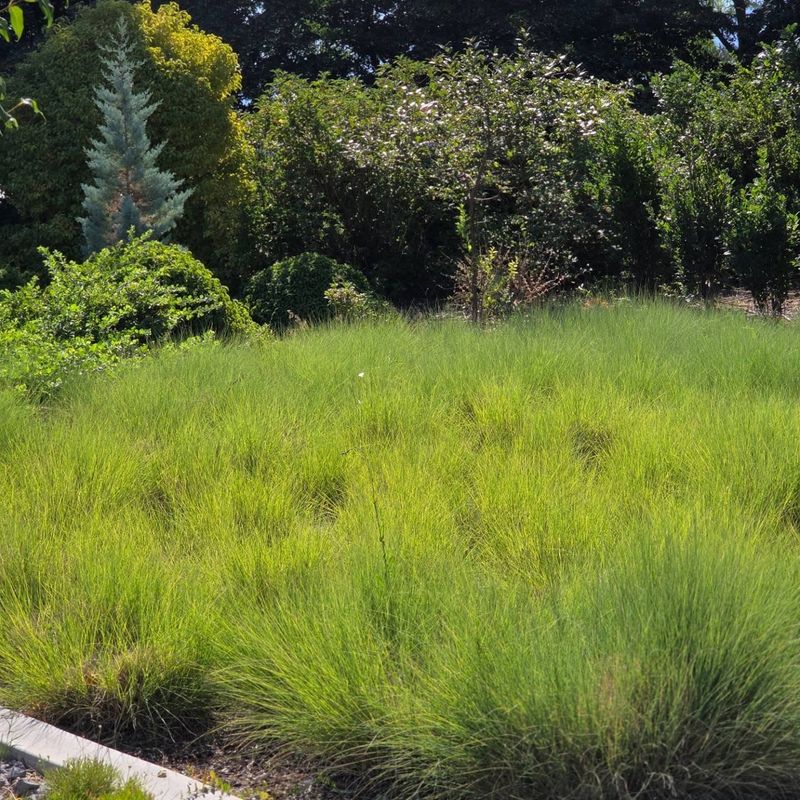
Blue grama grows in small, tidy clumps rather than spreading out of control. This makes it a great choice if you want a natural look without a messy yard.
It usually reaches about one to two feet tall, so it never towers over your other plants.
What makes it truly special is how it changes with the seasons. In summer it stays a fresh green, and in fall it turns lovely shades of tan and gold. Even in winter, the dried grass adds texture and interest to a sleepy garden.
This grass is a true Texas local, growing wild across the state’s plains and grasslands. Planting it feels like inviting a piece of Texas history into your yard. It reminds many people of the wide, open spaces that once covered the region.
If you want a plant that looks relaxed and wild but still neat, this one delivers. It pairs the beauty of nature with the ease of low upkeep.
For any gardener wanting that soft, natural style, blue grama is a wonderful place to start.
Why Blue Grama Fits Native-Style Gardens
Ever notice how the prettiest gardens sometimes look a little wild, like nature planted them itself?
That relaxed style is exactly what blue grama helps you create. Its fine texture and soft shape make a garden feel welcoming instead of stiff.
Because it stays low to the ground, this grass works well as a base layer in your yard. It fills in empty spaces and connects taller plants together, creating a smooth, flowing look. The result feels calm and natural, just like a real Texas grassland.
Your Texas Garden Changes Every Week. Your Plan Should Too.
Gardening in Texas changes quickly throughout the season. Every Friday you’ll receive a simple weekly plan showing exactly what to plant, prune, fertilize, harvest, and protect so you never miss the right timing.
Native-style gardens are all about working with nature rather than fighting it. Blue grama fits this idea perfectly because it belongs here.
It has grown in Texas for thousands of years, so it knows how to thrive without much fuss.
Wildlife loves it too. Small birds enjoy snacking on the seeds, and the grass gives insects and tiny creatures a safe place to hide. By planting it, you are helping build a little home for local animals right in your yard.
Its gentle sway in the wind also adds movement to your garden. Instead of a still, plain space, you get a landscape that feels alive. That motion makes even a small yard more interesting to watch.
Blue grama also blends beautifully with other native plants. It does not compete or crowd them out, so everything grows in balance. This teamwork is what makes a naturalistic garden look so effortless.
For anyone who wants beauty without constant work, this grass is a smart pick. It captures the free, easygoing spirit of the Texas outdoors.
With blue grama, your garden becomes a peaceful spot that both people and wildlife can enjoy.
Give Texas Blue Grama The Right Growing Conditions
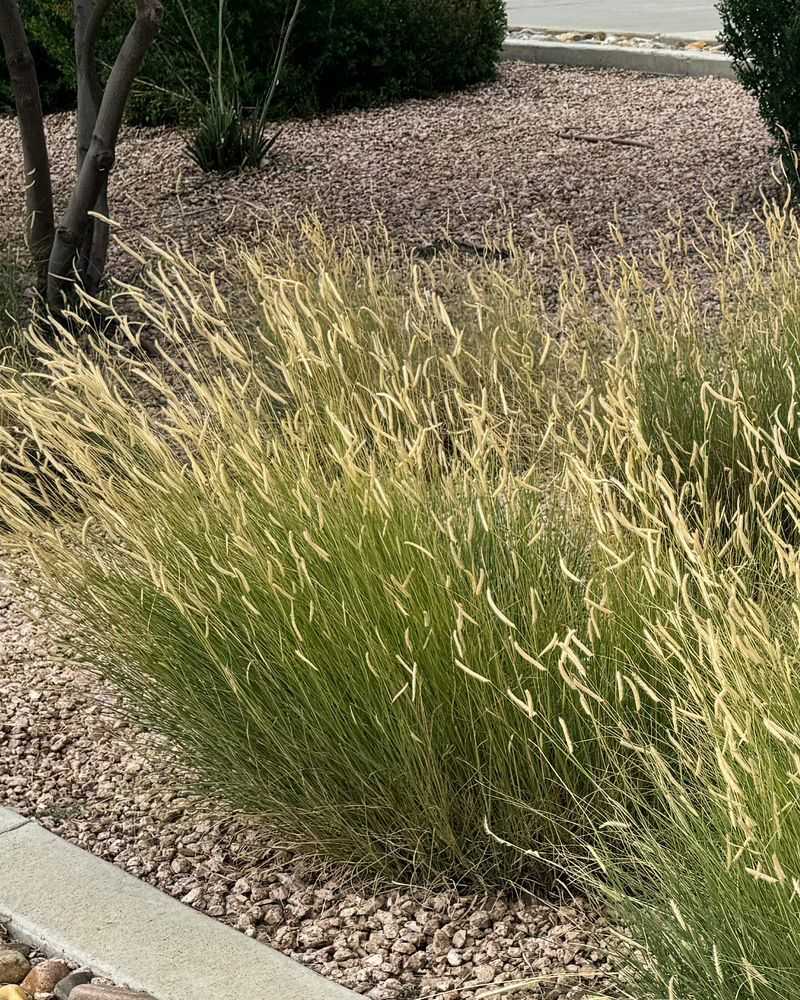
Getting a plant to grow well starts with giving it the home it likes best. For Texas blue grama, that home is a bright, sunny spot with soil that drains quickly. Match those needs, and this grass will reward you with steady, healthy growth.
Full sun is the number one thing this grass craves. It wants at least six hours of direct sunlight each day. Plant it in a shady corner, and it will grow weak and thin instead of full and lush.
Good drainage matters just as much. Blue grama does not like to sit in soggy, wet ground. Sandy or rocky soils work great because water flows through them easily. If your soil holds too much water, mixing in some sand or gravel can help.
When you first plant it, give it regular water to help the roots settle in. This early care is important during the first few weeks. Once the plant is established, it needs very little extra watering.
Spring is a wonderful time to plant blue grama. The warm days and mild temperatures help it grow strong roots. Space the clumps a little apart so they have room to spread and fill in naturally.
You do not need fancy fertilizer to keep this grass happy. In fact, too much can make it grow floppy and weak. A simple, lean soil actually suits it better than rich garden dirt.
Skip the heavy mulch too, since this grass likes its space. A light layer is fine, but do not smother the base. Give blue grama sun, good drainage, and a little patience, and it will flourish for years.
How Blue Grama Handles Texas Heat And Drought
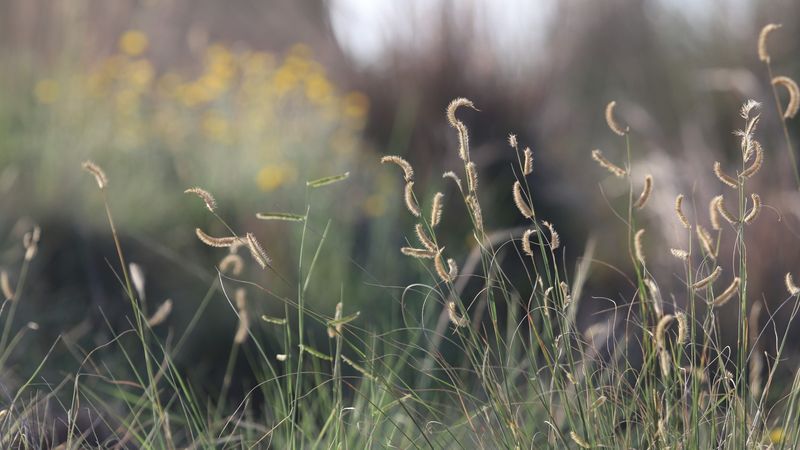
Texas summers can be brutally hot, with weeks of blazing sun and hardly any rain. While many plants wilt and struggle, blue grama just keeps going. This tough little grass is built to handle the harshest weather.
The secret lies underground in its deep, strong roots. These roots reach far down into the soil to find water that other plants cannot get. Even during a long dry spell, blue grama can pull up enough moisture to survive.
Its narrow leaves also help save water. Thin blades lose less moisture to the hot air than wide, flat leaves do. This clever design lets the grass stay green while using very little water.
Because it comes from the dry Texas plains, this grass never expected an easy life. Over thousands of years, it learned to make the most of tough conditions. That natural training makes it a champion at handling drought.
For you, this means way less time spent watering. Once blue grama is settled in, you can mostly leave it alone. Even in the middle of August, it usually stays alive and attractive with little help.
Saving water is good for your wallet and good for the planet too. Using drought-tough plants like this one helps protect our limited water supply. That is a big deal in a state where dry weather is common.
Heat that would fry many garden plants barely bothers blue grama. It soaks up the sun and keeps looking good.
If you want a plant that shrugs off tough Texas summers, this grass is one of the toughest and most reliable choices around.
Use Blue Grama With Wildflowers And Other Natives
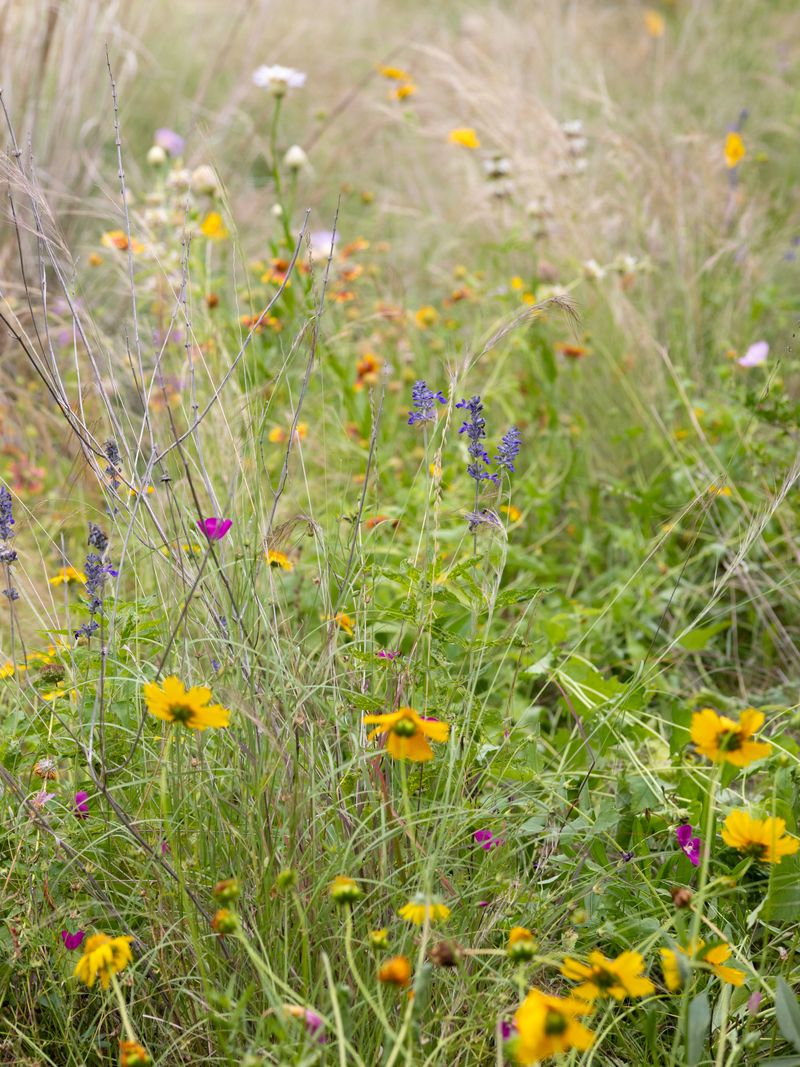
Imagine a garden bursting with colorful wildflowers, all set against a soft backdrop of waving grass.
That is the magic that happens when you pair blue grama with native blooms. Together they create a scene straight out of a Texas meadow.
Blue grama makes a perfect partner for flowers because it does not steal the show. Its gentle green fills the spaces between blossoms and ties everything together.
The flowers pop with color, while the grass adds calm, flowing texture.
Try planting it alongside favorites like black-eyed Susans, purple coneflowers, or Indian blanket.
These native flowers love the same sunny, dry conditions the grass enjoys. That shared taste in growing conditions makes them easy neighbors.
Layering is the trick to a natural look. Put taller flowers toward the back and let the low grass spread near the front. This creates depth, so your garden looks full and rich instead of flat.
Mixing grasses and flowers also copies how real prairies grow. In the wild, grasses and blooms grow side by side in a happy jumble. Recreating that mix gives your yard an authentic, untamed beauty.
This blend does more than look pretty, though. The flowers feed butterflies and bees, while the grass shelters birds and bugs. Your garden becomes a busy, buzzing home for helpful creatures.
You can start small with just a few plants and add more over time. Watch how the grass and flowers grow together and fill in gaps.
Little by little, you will build a lively, layered landscape. With blue grama as your base, a true Texas wildflower garden is easy to grow.
Why More Texas Gardens Are Choosing Native Grasses
Across Texas, more and more people are trading thirsty lawns for tough native grasses. Blue grama sits right at the top of that growing trend. Gardeners are discovering that native plants save time, water, and effort.
One big reason is how little care this grass needs. You do not have to mow it constantly or water it every day. Plant it once, and it mostly takes care of itself for years to come.
Seasonal change is another reason folks love it. In summer the grass glows green, and in fall it turns warm gold. Even the dried winter blades add texture, so your garden looks good all year.
Helping wildlife is a huge bonus too. Native grasses feed and shelter the birds, bees, and butterflies that belong in Texas. By planting blue grama, you give local creatures a helping hand.
Using native plants also protects the environment in bigger ways. Less watering means we use less of our precious water supply. Fewer chemicals and less mowing mean a cleaner, healthier yard.
Many people also just love the natural look these grasses bring. Instead of a plain green carpet, you get a lively, moving landscape. It feels wild and free, yet still tidy and welcoming.
Because it is so hardy, blue grama works for beginners and experts alike. You do not need a green thumb to enjoy success with it. That easy nature makes it a favorite for busy families.
Choosing a native grass like this is a smart, kind choice for your yard. It rewards you with beauty and helps Texas stay green. For a garden that gives back, blue grama truly shines.