New Jersey Lawmakers Are Rethinking Nursery Sales Over A Running Bamboo Dispute
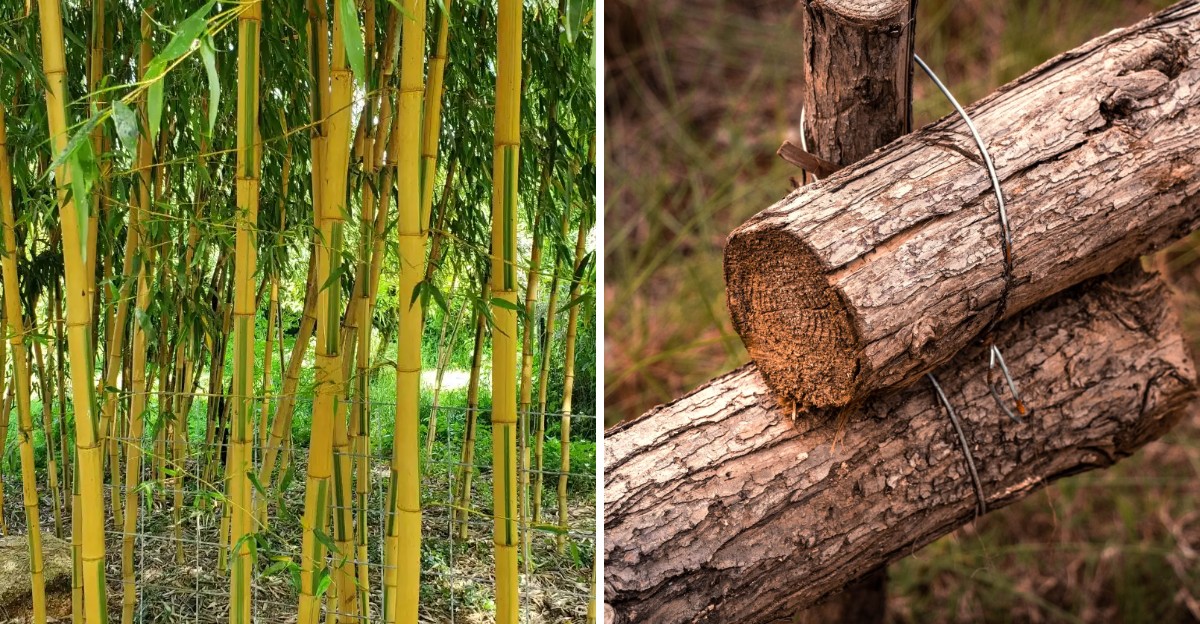
Cracking sounds under your fence line rarely mean good news anymore. Homeowners near you in New Jersey are hearing it before anyone else. Garden centers once sold you this plant as instant protection.
Roots now push steadily toward your driveway without asking permission. Nurseries still sell it near you across the state. Lawmakers in Trenton now want to limit what reaches your yard.
Neighbors near you trade letters over who caused the mess. Towns close to you pass ordinances that rarely match up. Property lines mean little once this stubborn plant reaches you.
Removal costs could land squarely on your shoulders soon. Insurance rarely covers what you’ll need to dig out. Courts in New Jersey may soon decide what protects you.
Bills years in the making at Trenton could still change what nurseries sell you. Pressure keeps building, and it’s heading straight for you. You are about to learn exactly what happens next.
The Backyard Dispute That Reached Trenton
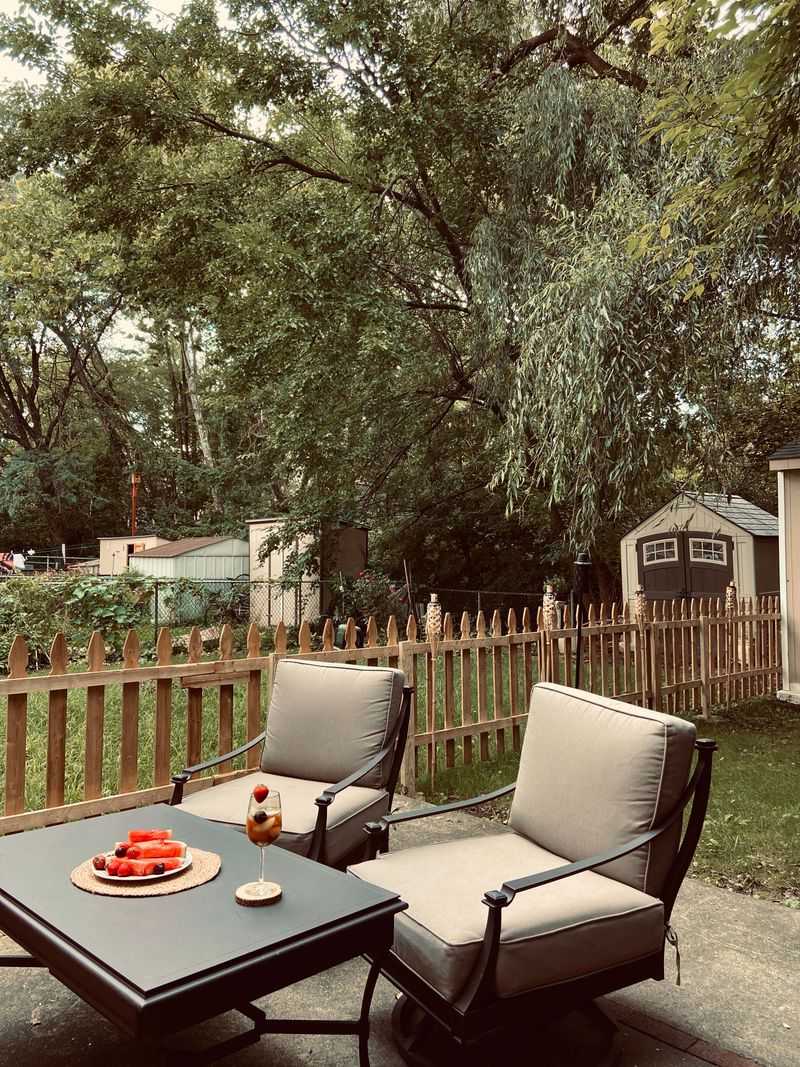
It usually starts small. One homeowner plants a green screen for privacy, and three summers later the neighbor is pulling shoots out of a vegetable bed.
Those disputes piled up across New Jersey for years. Several townships wrote local rules on their own, some requiring setbacks of ten feet or more from property lines, well before the state got involved.
The patchwork created confusion. A plant that was perfectly legal in one municipality could bring a citation two miles down the road.
Homeowners started showing up at council meetings with photo albums of cracked patios and shoots poking through mulch. Lawyers got involved, and small claims filings followed.
State legislators noticed the pattern. When the same complaint arrives from Bergen County, Monmouth County, and the Pine Barrens edge, it stops looking like a neighborhood squabble.
New Jersey has introduced running bamboo legislation in three separate sessions since 2020, from Assembly Bill 284 to Assembly Bill 5112 to the newly pre-filed Senate Bill 336.
Each version has aimed at the same target: requiring certified nurserymen for sales, barrier rules for planting, and disclosure at the point of sale. Why target retail? Supporters argue the cheapest fix happens before a shovel ever touches soil.
Opponents counter that homeowners should keep the right to choose plants for their own land. That tension is exactly what makes the debate interesting.
For readers, the practical takeaway is simple. Before buying any fast-spreading screen plant this fall, call your municipal clerk and ask what local ordinance says.
A five minute phone call can save you a decade of digging and an awkward conversation over the fence.
Why Running Types Behave So Differently From Clumping Kinds

Here is the botanical twist that fuels the whole argument. Not all bamboo travels. Clumping types, often in the Bambusa and Fargesia groups, expand slowly outward like a widening tuft of grass. A clump might gain a few inches of width per season.
Running types, mostly in the Phyllostachys group, send out horizontal underground stems called rhizomes. Those rhizomes can push several feet a year, then pop up shoots far from the original planting.
Your New Jersey Garden Changes Every Week. Your Plan Should Too.
Gardening in New Jersey changes quickly throughout the season. Every Friday you’ll receive a simple weekly plan showing exactly what to plant, prune, fertilize, harvest, and protect so you never miss the right timing.
Gardeners report new canes appearing fifteen or twenty feet away, on the wrong side of a fence, inside a flower border, or along a driveway seam.
Spring is when the pushing is most visible, but autumn is when rhizomes quietly bank energy and extend. That is why September inspections matter.
The difference explains a key detail in the legislative talk. Several proposals would restrict running varieties while leaving clumping types available for sale.
Nursery staff can usually identify which is which by genus name on the tag. If a label only says bamboo with no botanical name, treat that as a reason to ask questions.
Here is a fun bit of history. Phyllostachys aurea, sometimes called golden bamboo, arrived in the United States in the 1880s as an ornamental and has been spreading ever since.
For anyone who wants the tropical look without the wandering, the clumping route is the safer pick. It costs more upfront and grows slower, but it tends to stay where you put it.
How A Certification Requirement Could Change Garden Center Shelves

Walk into a large New Jersey garden center in spring and you will often find tall potted bamboo near the privacy plant section.
Price tags can run from around forty dollars for young starts to well over two hundred for mature, established canes, depending on the nursery.
A certification requirement would reshape that display. Under the current New Jersey proposal, only certified nurserymen could legally sell running bamboo.
That means retailers would need to verify staff credentials, relabel stock by genus, and confirm compliance before a single pot changes hands.
Independent nurseries have raised fair concerns at hearings. Small shops operate on thin margins, and sudden rule changes can create real financial strain.
Some owners have suggested a middle path instead of a flat prohibition. Ideas include mandatory warning tags, required barrier sales, and written disclosure forms signed at checkout.
Similar approaches exist elsewhere. Connecticut requires labeling and planting setbacks rather than banning retail sales outright, which gives New Jersey a nearby model to study.
Big box stores would likely adjust quietly, swapping in arborvitae, holly, or clumping alternatives. The shift might barely register for casual shoppers.
For gardeners, that means fall is a smart time to ask staff what they plan to stock next spring. Nurseries appreciate customers who care about plant behavior, and the conversation often leads to better recommendations.
You might discover excellent screening options you had not considered. Green Giant arborvitae, wax myrtle, or a mixed hedge can deliver privacy without underground surprises.
One more practical note. If a rule does pass, it would likely apply going forward, though how it treats existing plantings remains unclear until specific bill language is finalized. Knowing that distinction helps homeowners plan calmly rather than panic.
Who Pays When Canes Cross The Property Line
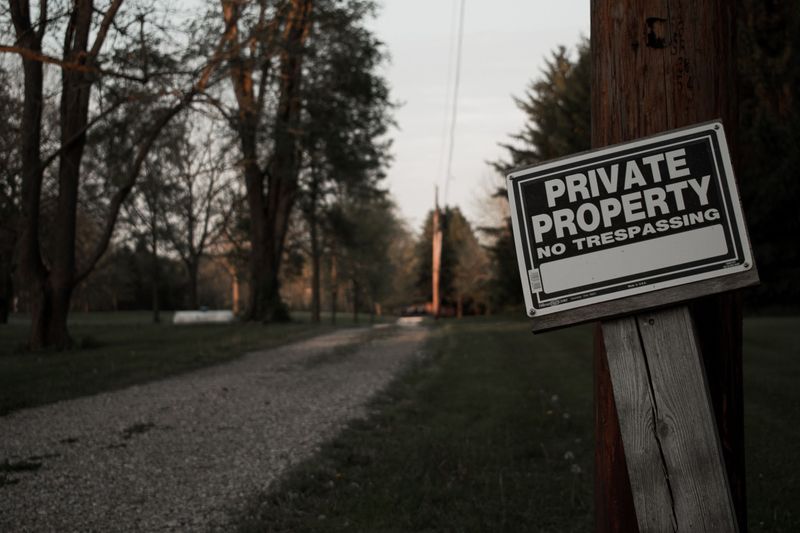
Cost is the part most homeowners worry about. Removing an established running bamboo stand is not a weekend chore.
Homeowners who’ve hired contractors report costs ranging from a few thousand dollars to well past ten thousand, depending on size, access, and how deep the rhizomes have traveled under hardscape.
That price tag is why liability language appears in nearly every draft bill. Lawmakers want clarity on whether the planter, the current owner, or the affected neighbor foots the bill.
Existing local ordinances often place responsibility on the person whose property hosts the original planting. Violations can carry fines and orders to remove encroaching growth.
Court cases have gone both directions. Judges have weighed how long the plant was there, whether the current owner planted it, and whether the neighbor gave notice.
Practical advice for anyone in this situation starts with documentation. Take dated photos, keep a simple log of where shoots appear, and send a polite written note before escalating.
Home insurance rarely covers this kind of damage, so do not count on a claim. Some title searches and property disclosure forms now mention bamboo, which tells you how seriously buyers treat it.
If you are selling a house this fall, disclose any known stand. Not disclosing it can lead to disputes after closing.
Buyers touring homes in September should glance along fence lines and under decks. A few tall canes can hint at a much larger underground network waiting for spring. An hour of looking beats years of digging.
Barriers, Trenches, And What Actually Slows Spread
Containment is possible, and plenty of New Jersey gardeners manage it well. The trick is planning before planting rather than reacting after.
The standard method uses a high density polyethylene barrier, typically 60 mil thick, buried thirty inches deep. The top two inches stay above grade so wandering rhizomes get deflected upward where you can spot them.
Barriers should be installed at an outward angle with seams sealed or overlapped generously. A gap the width of your thumb is enough for a rhizome to slip through.
Trenching offers a lower cost option. You dig a shallow channel around the stand, keep it open, and slice any rhizome that appears crossing the gap.
Both methods need yearly attention. Fall is an ideal time to walk the perimeter, since the growing surge has slowed and new canes are easy to count.
Root pruning with a sharp spade works too. Push the blade straight down along the barrier line and sever anything heading outward.
Some homeowners plant in large above ground containers instead, using stock tanks or concrete planters. Canes stay shorter, but the plant stays put.
One caution worth repeating. Landscape fabric, plastic sheeting, and thin edging do not hold running rhizomes back.
Budget for the real barrier or choose a different plant. Incomplete barriers often lead to the disputes that prompted this legislation.
If you already have an unbarriered stand, installing a barrier now still helps limit future travel.
What Happens Next And How To Weigh In
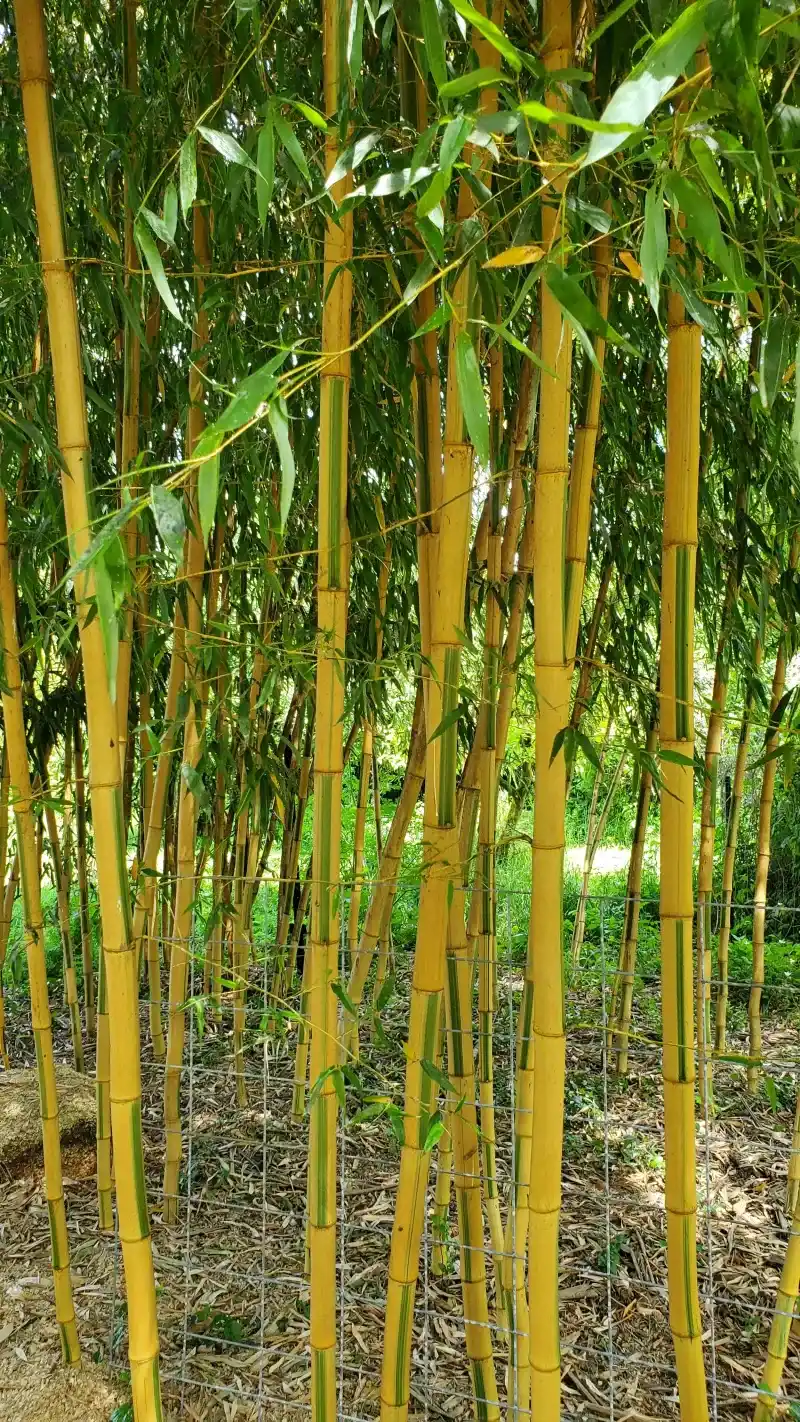
Legislation moves slowly, and this topic has already traveled through several sessions without a final answer. Bills get introduced, referred to committee, and sometimes reintroduced later.
That means the running bamboo question is likely to resurface in future hearings. Watching the agriculture and environment committees is the easiest way to track it.
Residents have more influence here than they expect. Committee hearings accept public testimony, and written comments carry weight when they include photos and specific costs.
Calling your district legislator takes about three minutes. Staffers log the topic, and volume genuinely registers.
Local action often moves faster than state action. If your town lacks an ordinance, a short presentation to the council with neighbor signatures can spark one.
Master Gardener programs run through Rutgers Cooperative Extension are another useful resource. County offices answer plant identification questions and can tell you which varieties behave in your soil.
For now, the practical rule stands on its own regardless of what passes. Check the botanical name, check your local code, and install a proper barrier if you choose a running type.
September is a good month for that homework. Nurseries are quieter, staff have time to talk, and you can plan spring purchases without pressure.
Whatever Trenton decides, the fence line conversation belongs to neighbors. A little courtesy and a shared look at the property boundary solves more problems than any statute. Bring cider. It helps.