Why California Hydrangeas Are Still Wilting Weeks After The Heat Broke
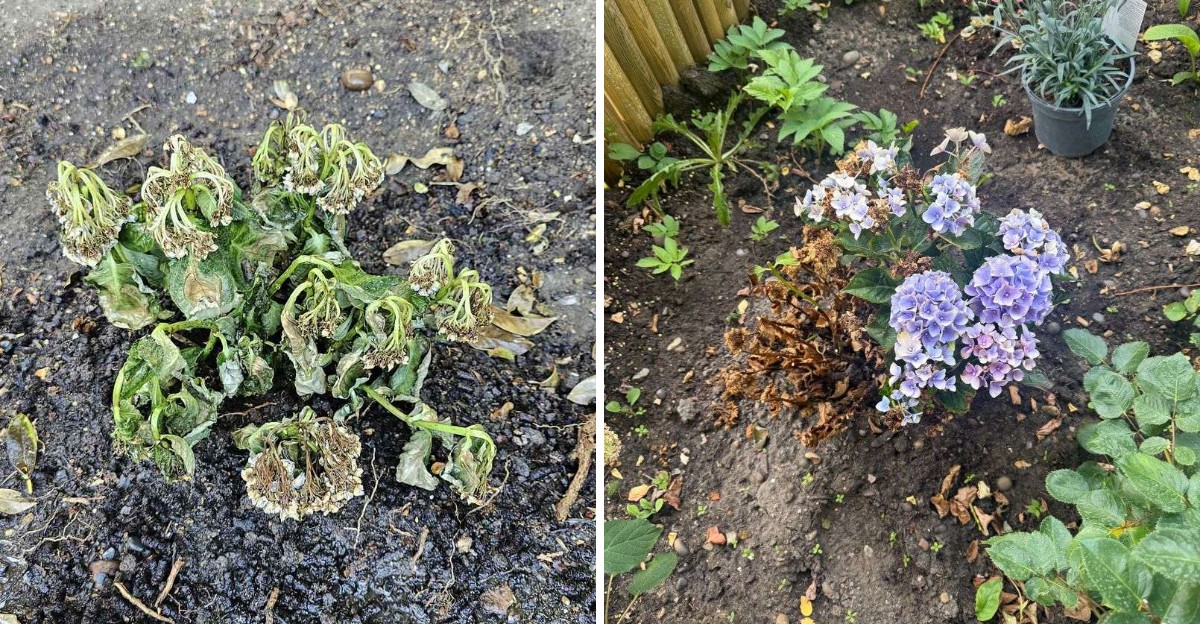
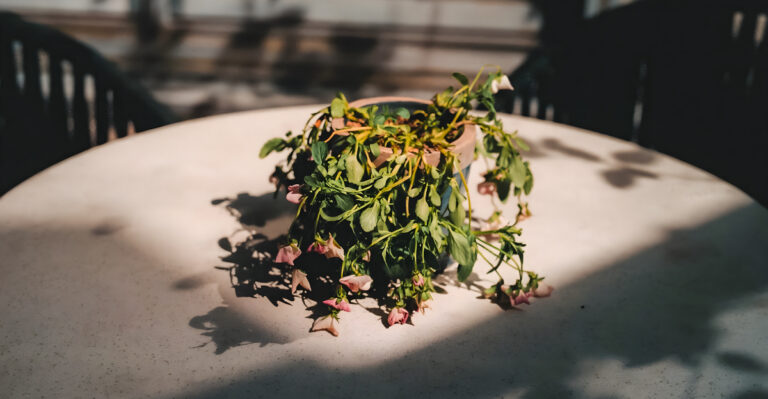
It is a mild 72-degree morning in Santa Rosa, the fog burned off an hour ago, and the hydrangea by the front steps is still flopped over like it just ran a marathon.
The heat wave that scorched the yard ended three weeks ago, so the drooping leaves feel like a genuine mystery to anyone watching this happen.
Here is the thing many gardeners miss entirely. What you are seeing today may be the leftover damage from a problem that already happened weeks earlier.
Most people assume current conditions must explain current symptoms, checking today’s weather and finding nothing that fits the plant’s obvious distress.
Understanding that delay changes how you treat the plant, and it can save a shrub you might otherwise give up on entirely.
1. Root Damage Shows Up With A Delay
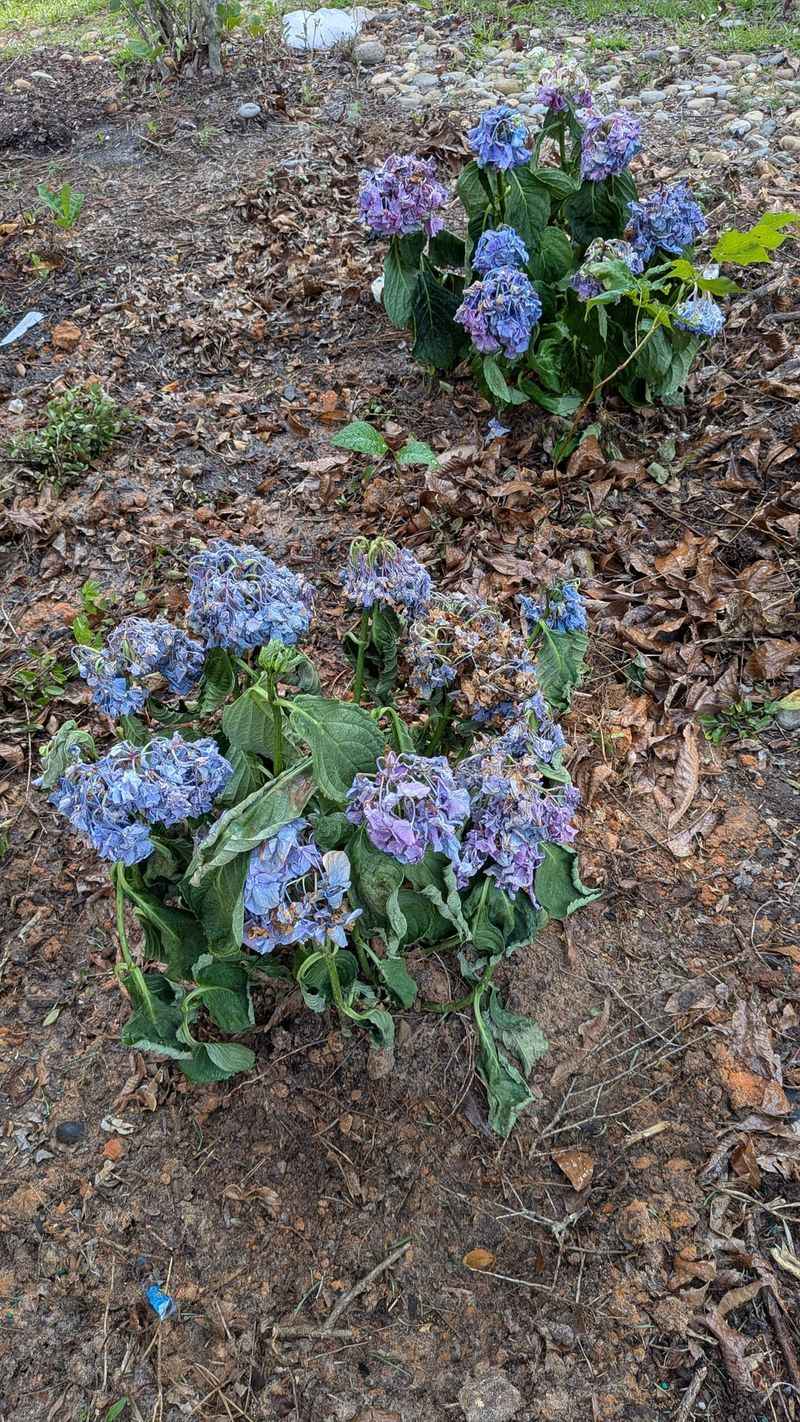
Plants do not report injuries in real time at all. When soil temperatures spike during a heat wave, the thinnest parts of the root system can be damaged or badly weakened.
University of California Agriculture and Natural Resources guidance on heat stress notes that damage to roots often stays hidden while the top of the plant keeps coasting.
The leaves look fine for a while, which is exactly why the eventual wilt feels so confusing to anyone watching the plant closely for warning signs.
Then the plant pushes new leaves, or the days get a little longer, and demand for water climbs past what the shrunken root system can deliver.
That is the moment the drooping starts, sometimes two to four weeks after the hot spell ended completely and conditions turned mild again.
Gardeners naturally look at today’s conditions for an answer to the problem. Cool air, damp soil, no sun scorch, so what is wrong here?
The honest answer is that nothing new is wrong at all. The injury is old, and the symptom is simply arriving late to show itself.
Thinking of it like a sprained ankle helps clarify the timeline involved. You can twist it on Monday and still be limping the following month.
Once you accept the delay, you stop chasing imaginary pests or fungus and start looking underground, where the real story is written.
2. Heat Stress Affected Water Uptake Earlier
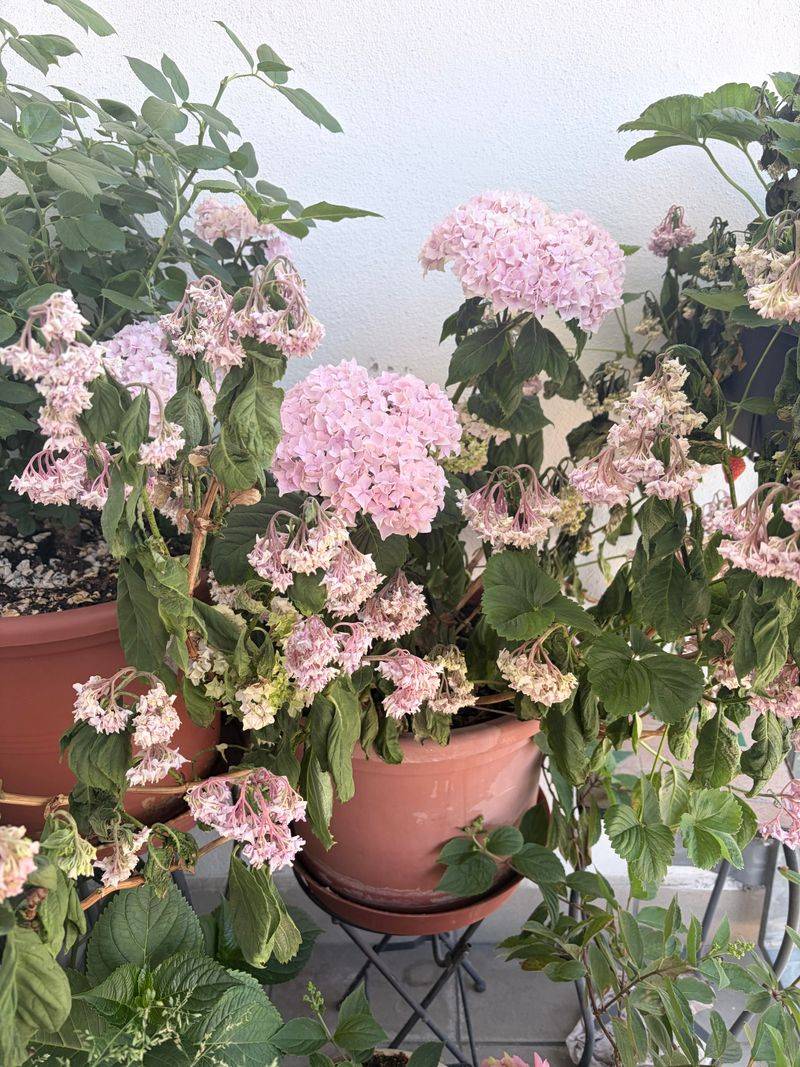
Rewind to the week the thermometer hit triple digits across the region. Hydrangeas have big, thin leaves that lose water fast, faster than most other landscape shrubs.
During that stretch the plant was pulling moisture out of the soil faster than roots could replace it, creating an imbalance that built over time.
Soil in the top few inches also heats up dramatically during a heat wave, especially in pots and in beds with little mulch covering the surface.
UC ANR extension material on heat stress points out that warm soil plus high evaporative demand puts root systems in a genuine bind.
Under that pressure, absorbing tissue gets sacrificed by the plant trying to survive. The plant may have looked like it bounced back once temperatures dropped.
Your California Garden Changes Every Week. Your Plan Should Too.
Gardening in California changes quickly throughout the season. Every Friday you’ll receive a simple weekly plan showing exactly what to plant, prune, fertilize, harvest, and protect so you never miss the right timing.
The leaves perked up because demand fell, not because the roots actually healed underneath the surface where you cannot see them.
That is the trap most gardeners fall into without realizing it. Recovery of appearance is not the same as recovery of function at all.
A smaller, weaker absorbing surface means the shrub is now living on a reduced budget going forward into the rest of the season.
On a warm afternoon, even a normal one in the 80s, it simply cannot keep up, and the leaves sag by 2 p.m. without fail.
3. Soil Moisture May Still Be Off
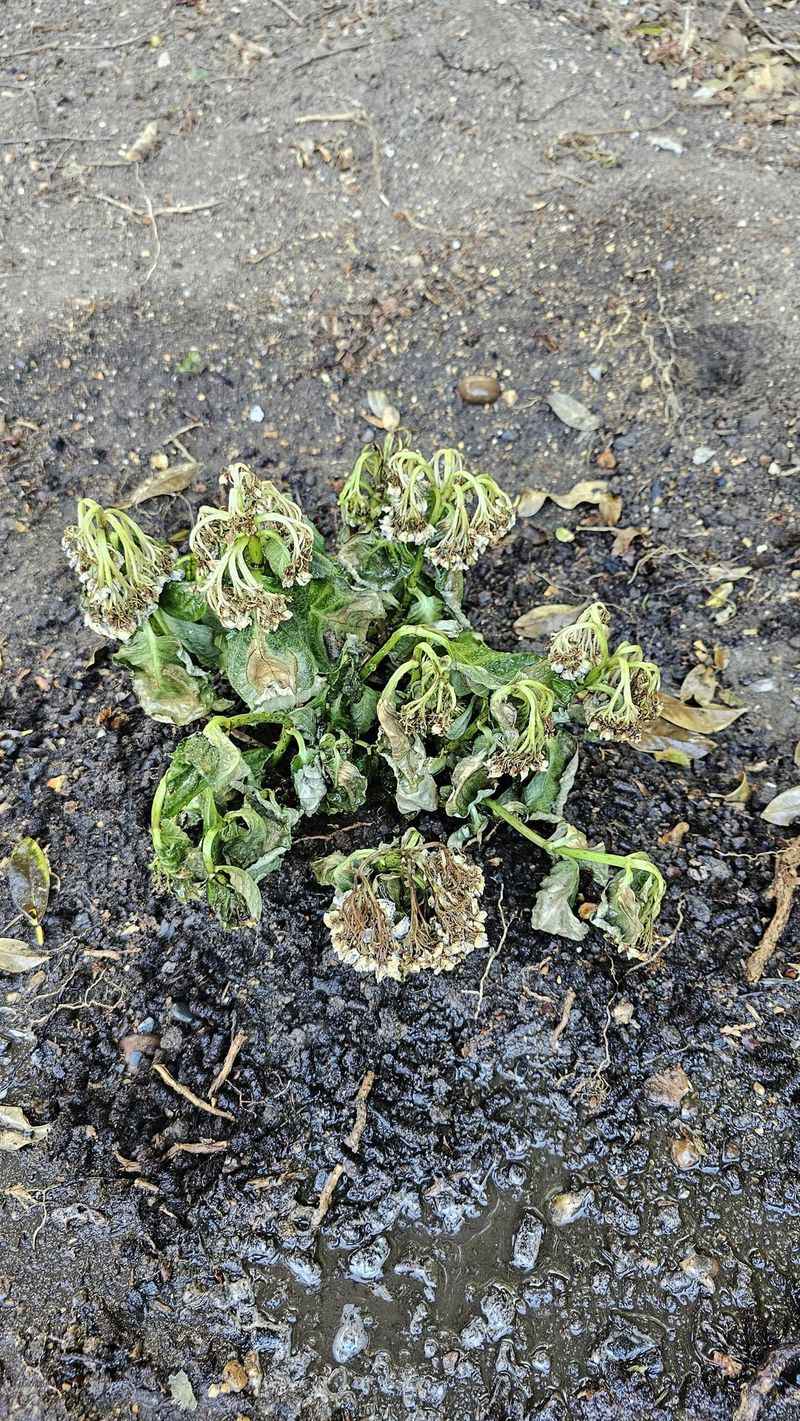
Here is a surprise many people hit when checking their plant. The soil under a wilting hydrangea is often soaking wet, not dry as most would assume.
Panic watering during the heat wave, followed by a plant that cannot drink normally, leaves moisture sitting in the root zone with nowhere to go.
Soggy soil crowds out air pockets, and roots that are already injured suffocate instead of regrowing properly the way they need to for recovery.
That makes the wilting worse, which tempts you to water more, which makes it worse again in a frustrating cycle that feeds itself.
The opposite problem happens too though. Soil that dried out hard during the hot stretch can develop a crust or pull away from the pot walls.
Water then runs down the sides and out the bottom, leaving the middle of the root ball bone dry while the surface looks watered.
Checking by feel beats guessing every time. Push a finger or a wooden dowel four to six inches into the soil and see what comes out.
If the mix is hydrophobic, slow soaking works better than a quick blast of water poured on top. A gentle trickle for 20 minutes helps considerably.
Fixing the moisture picture will not repair broken roots on its own, but it removes a second stress that is quietly blocking recovery.
4. Root Bound Plants Recover Slower
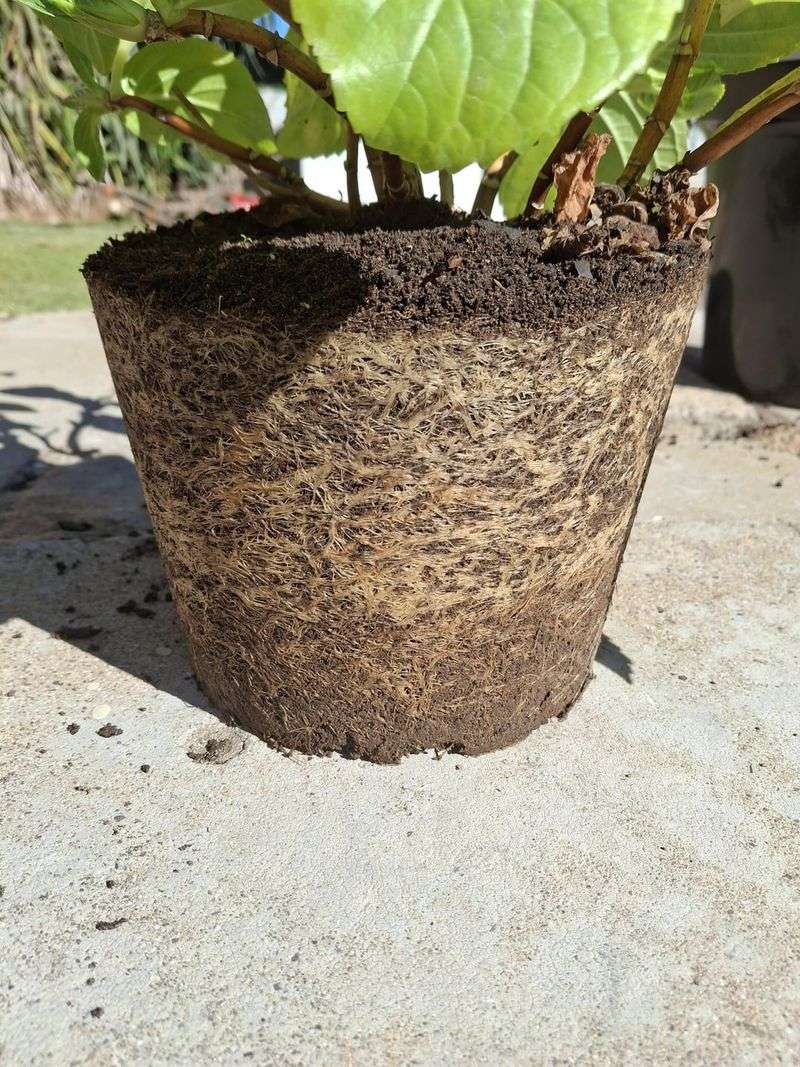
Container hydrangeas live on a much tighter margin than the ones in the ground, and a root bound plant has the tightest margin of all among them.
Circle after circle of roots pressed against the pot wall means very little fresh soil, very little air, and almost no reserve moisture available.
During a heat wave, pot walls act like a heat sink absorbing energy from the sun all day long. Dark plastic containers sitting on a concrete patio push temperatures higher.
After the damage, recovery depends on the plant’s ability to grow new absorbing roots somewhere useful. A root bound plant has nowhere to send them at all.
It is trying to rebuild in a space that is already completely full of old, tangled roots with nowhere left to expand.
Signs to look for include water racing straight through the drain holes and a pot that feels light within a day of watering it.
Repotting into a container one or two sizes larger, with the outer roots teased loose or sliced vertically in a few places, gives new growth room.
Fall or the cool part of spring is kinder timing than midsummer for this kind of disruptive work on a stressed plant.
Be patient after repotting the plant into fresh soil. The shrub spends a season on roots before it spends anything on flowers again.
5. Check Roots Not Just The Weather
Weather gets blamed for almost everything in the garden, and this time it deserves only partial credit for what is actually happening.
Since today’s mild air cannot explain today’s droop, the sensible move is to go look at the part of the plant you cannot see.
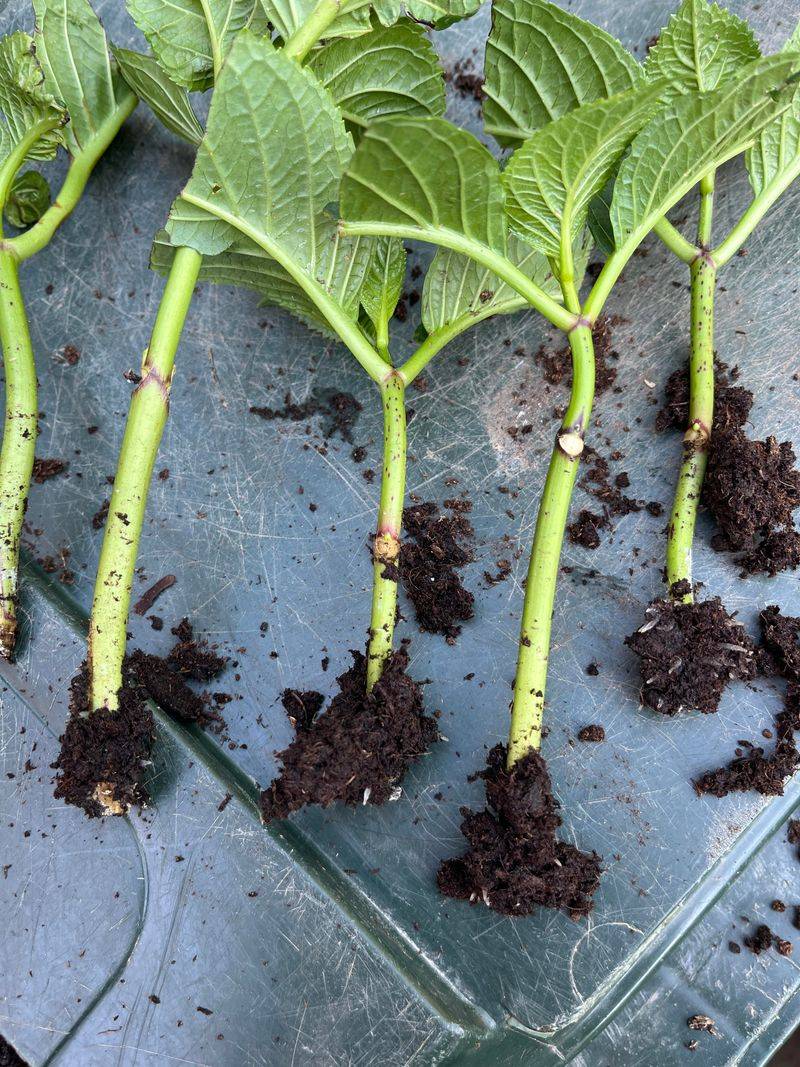
For a potted hydrangea, slide the whole root ball out and inspect it carefully for signs of damage. Healthy roots are firm and pale, usually white.
Heat-injured or rotting roots are brown to black, mushy between your fingers, and sometimes sour smelling when you get close enough to notice.
For a shrub in the ground, dig a small hole eight inches out from the crown and about eight inches deep to check conditions.
You are checking whether fine feeder roots exist at all, and whether the soil there is soggy, dry, or compacted from foot traffic.
UC ANR’s general approach to plant problem diagnosis is to separate the symptom from the cause instead of matching a picture online.
A wilt is just a signal, and several different problems can trigger it depending on what actually happened to the plant earlier.
While you are down there, rule out the other suspects too. Gophers chewing roots, a broken drip emitter, or crown rot at the soil line.
6. Consistent Watering Now Supports Recovery
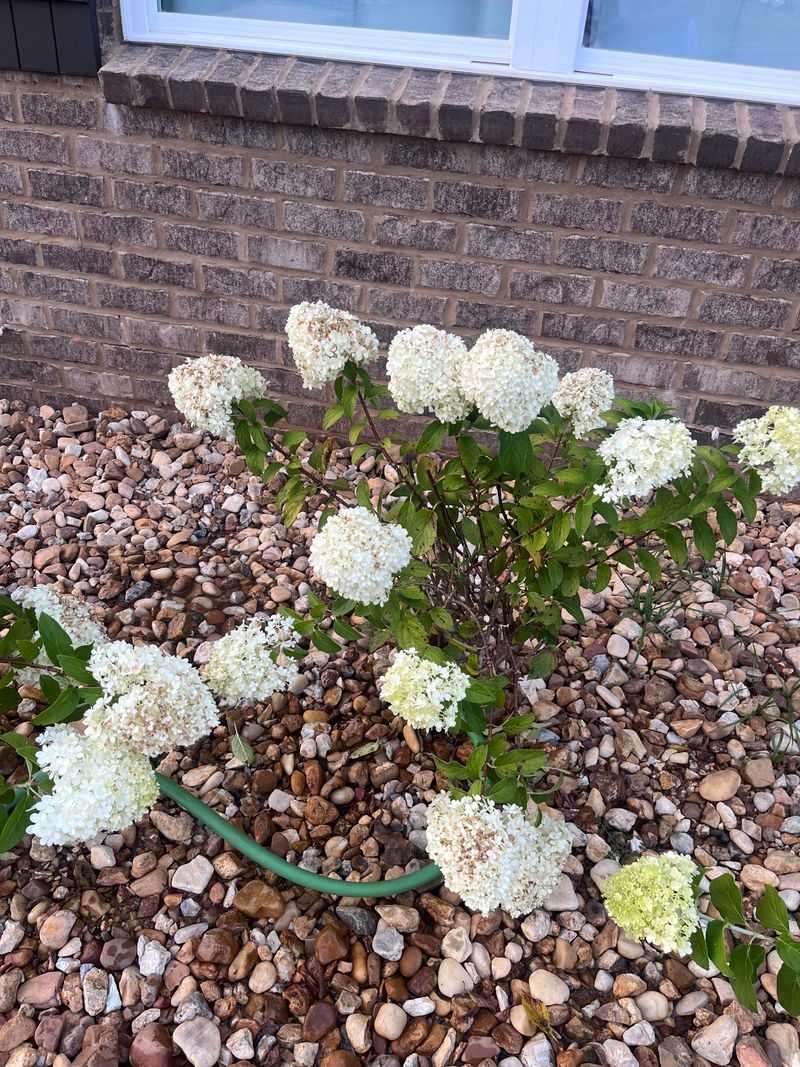
Steady beats dramatic every single time when dealing with a stressed plant trying to recover. A damaged root system cannot handle flooding one day and drought the next.
The goal is soil that stays evenly moist without ever turning into mud that suffocates whatever roots are still trying to function.
Water deeply but only when the top few inches start to dry out completely. For most California yards in mild weather that means every two to four days.
Early morning is the best window for watering any stressed plant. Roots take up water more efficiently before the day heats up considerably.
Two to three inches of mulch spread over the root zone, kept a couple of inches off the stems, moderates soil temperature and slows evaporation nicely.
Skip the fertilizer for now entirely, no matter how tempting it feels to help the plant along. Pushing tender new leaves onto a struggling root system adds stress.
Salts from fertilizer can irritate injured roots too, undoing whatever progress the plant has managed to make on its own so far.
Temporary afternoon shade helps enormously during this recovery period. A shade cloth or moving a pot to the east side of the house cuts water demand.
Light pruning of the most crispy leaves is fine to do, but avoid a hard cutback, since leaves fuel the root regrowth you are counting on.
7. Patience Matters More Than A Quick Fix
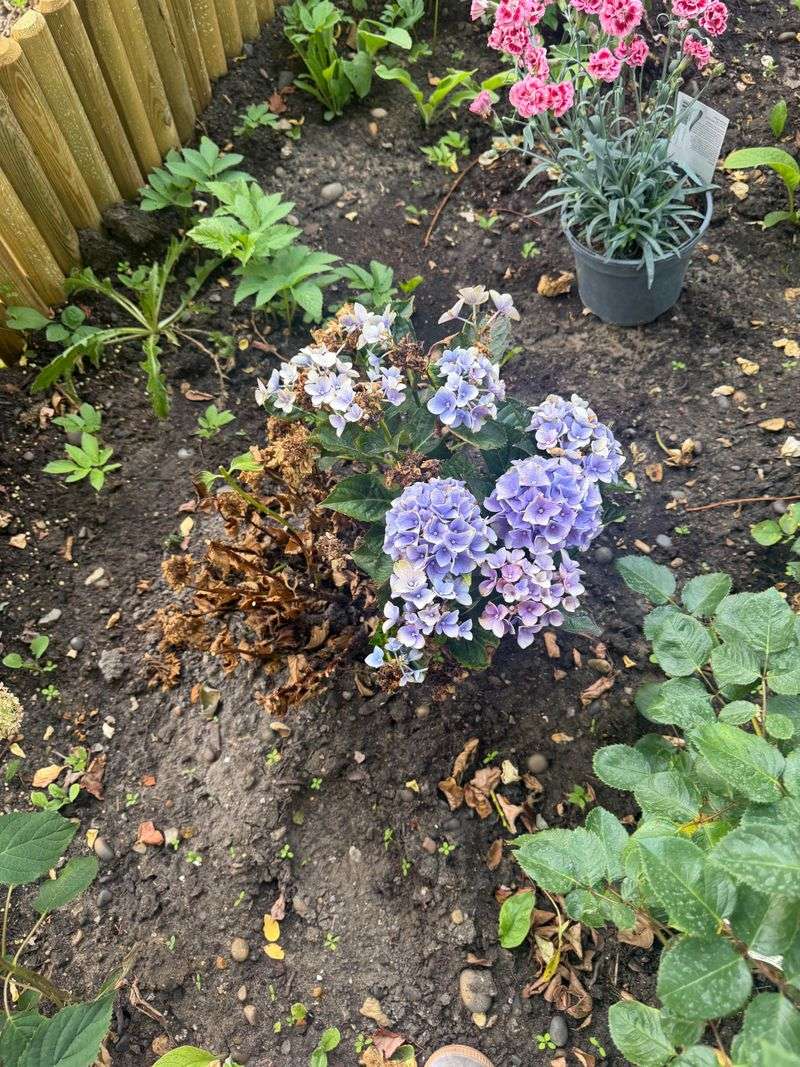
Nobody wants to hear it, but roots rebuild on their own schedule regardless of how much attention or worry you throw at the problem.
A hydrangea that lost a chunk of its absorbing roots in July may not look normal again until the following spring, and that is perfectly ordinary.
Short term, watch for small wins along the way. Fresh leaves at the tips and wilting that starts later in the day than it used to.
Firmer stems all suggest the root system is coming back slowly beneath the surface where you cannot directly observe the progress happening.
Flowers are the last thing to return to a recovering plant. The plant spends its energy on survival first, then leaves, then roots, and only later on blooms.
A season without big mophead flowers is a fair trade for a living shrub that survives to bloom again the following year.
Resist the urge to keep intervening constantly throughout this process. Repeatedly changing watering habits or moving the pot every few days all reset the plant’s progress.
Do keep an eye out for genuine decline though, since not every plant recovers from this kind of stress. Branches that stay brittle and leafless mean trouble.
Planting choices help next time around when starting fresh. Morning sun with afternoon shade and pots at least a size larger give hydrangeas the buffer they need.
8. Wind And Reflected Heat Compound The Damage
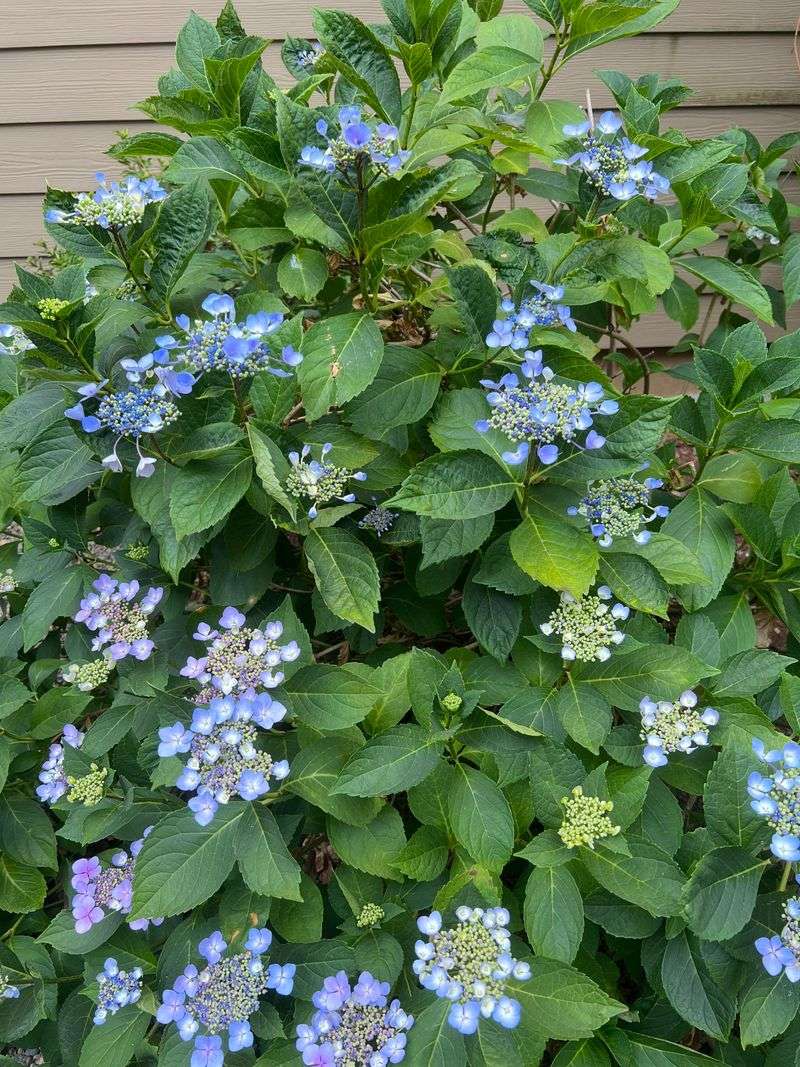
Heat wave damage rarely happens in isolation.
A hydrangea sitting near a hot wall, fence, or driveway often suffers worse root injury than one planted in open ground during the same stretch of extreme temperatures.
South and west-facing walls absorb sun all day and release that stored heat well into the evening, keeping soil temperatures elevated for hours after the air itself has cooled down considerably.
Reflected heat off concrete patios, stucco walls, or light-colored fencing adds another layer of stress on top of direct sun, sometimes pushing root-zone temperatures several degrees higher than a plant sitting just a few feet away in a shadier spot.
Wind compounds the problem further by pulling moisture out of leaves faster than roots can replace it, essentially speeding up the same water-uptake crisis already covered, even on a day that does not feel especially hot to a person standing nearby.
A hydrangea in an exposed, windy corner of a yard, or one squeezed between a hot wall and a sunny walkway, often shows worse and longer-lasting wilt than an identical plant in a more sheltered spot, even after receiving the same care during recovery.
Identifying these microclimate factors matters when deciding whether to simply nurse a struggling plant in place or relocate it once cooler weather arrives, since some spots will keep punishing the same shrub year after year regardless of watering habits.
Moving a severely affected container hydrangea to a spot shielded from reflected heat and prevailing wind, even temporarily during recovery, removes stressors that watering and mulching alone cannot fully offset.
For an in-ground shrub that cannot be moved easily, a temporary windbreak or shade structure positioned between the plant and its harshest heat source can meaningfully ease the burden on a root system already working hard just to rebuild itself.