North Ohio Gardeners Should Start Watching Overnight Temperatures Earlier Than They Think
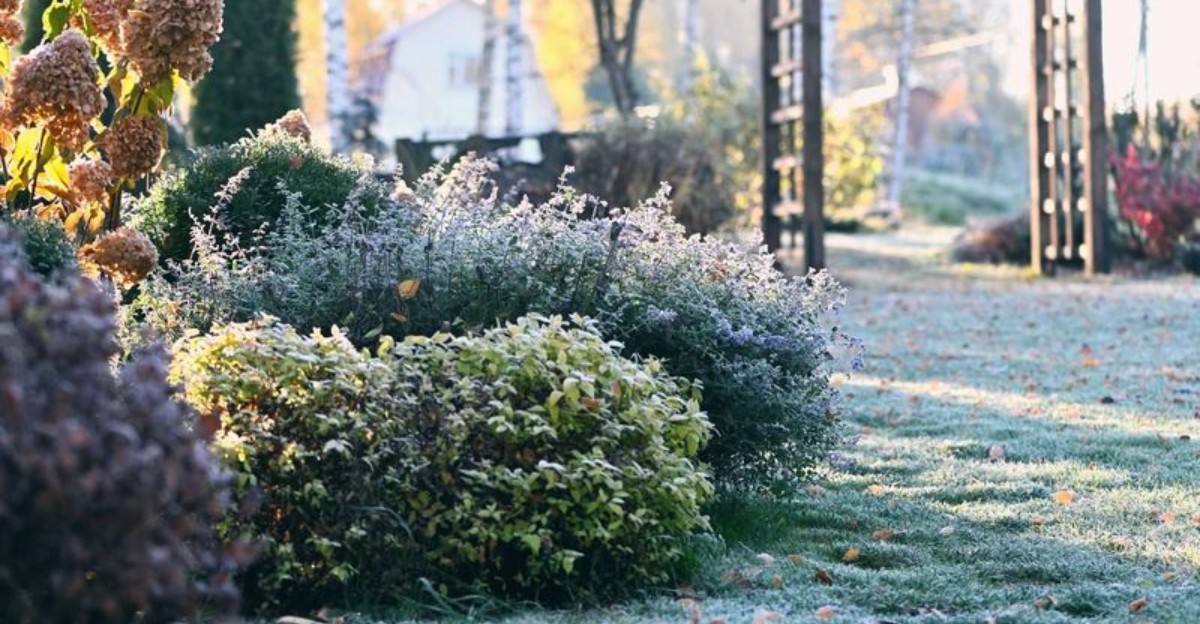
Frost sneaks up on Northern Ohio like an uninvited guest who shows up early to the party.
You might circle a date on the calendar and assume that’s your cue to worry about cold nights, but the real shift happens weeks before that mark. Cooler air pools in low spots and creeps into gardens long before official frost warnings hit the news.
Tender plants take the hit first, often overnight, with zero warning beyond a temperature drop most people miss.
Check your local forecast more often than feels necessary right now. A single cold night can undo weeks of growth in your beds, and by the time frost makes headlines, the damage already happened.
Bring a thermometer into the conversation this month. Trust the numbers over the calendar, because Mother Nature rarely sticks to a schedule anyone expects up north.
Track Overnight Lows Before Frost Appears
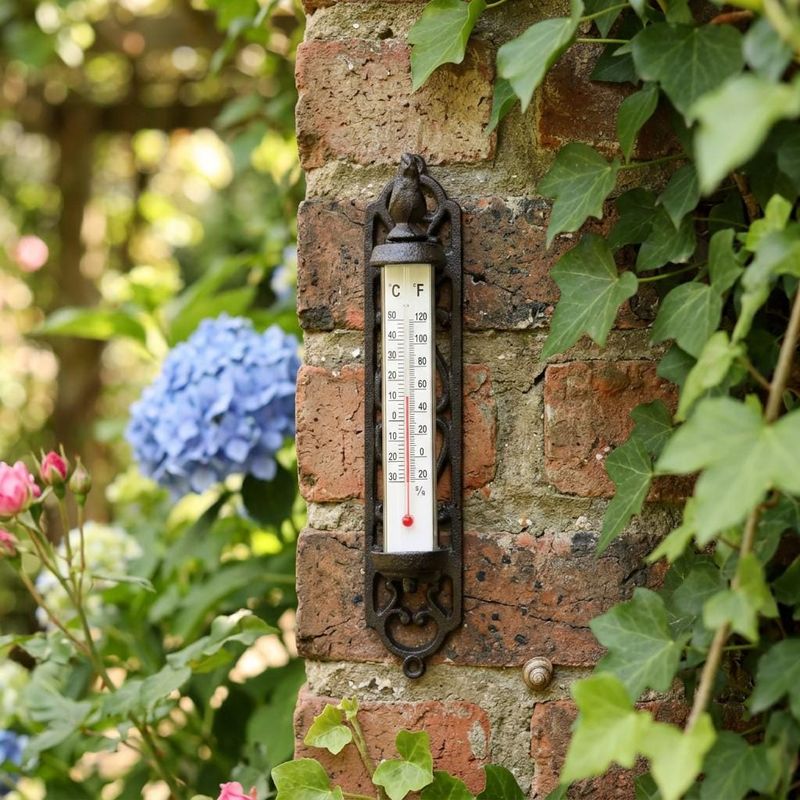
Here is the sneaky part about fall: frost can sometimes form before your official forecast shows freezing temperatures. Under clear skies and calm winds, cold air settles low to the ground and frost can form when the reported low is only in the mid-30s.
That gap between what the forecast says and what your garden feels is why early tracking pays off. Weather stations sit several feet above the ground, often near buildings, while your pepper plants sit right where the chill pools.
Start checking the overnight low every evening in early September, not October. Two weeks of watching gives you a feel for your yard’s personality, including which corners frost first.
A cheap outdoor thermometer placed at plant height tells you more than any app. Compare its morning reading to the official low for a few nights and you will learn your own personal offset.
Low spots at the bottom of a slope collect cold air, so they chill before the rest of the yard. Beds near a south-facing wall or driveway hold warmth longer and often escape the first light frost.
Once you know those patterns, forecasts become useful instead of confusing. You stop guessing and start planning, which is the whole point of watching early.
Know North Ohio’s Earlier Cold Windows
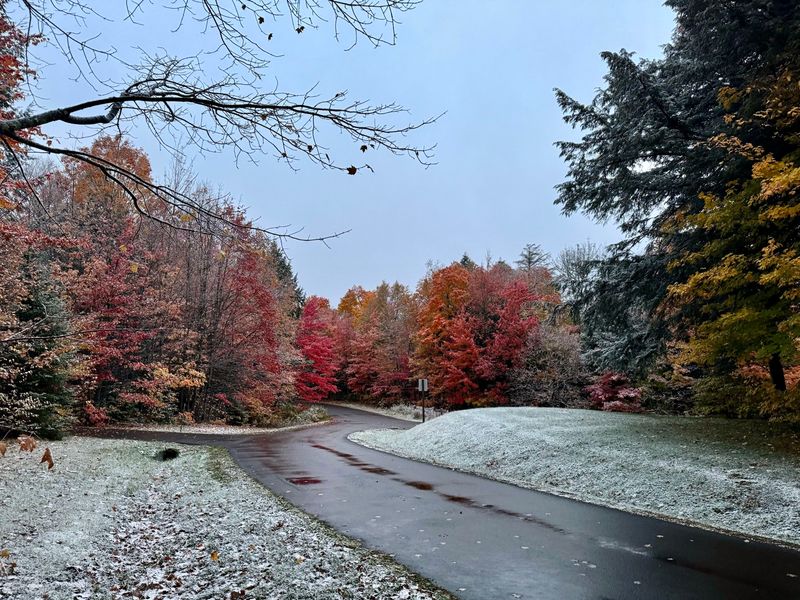
Ohio’s average first fall frost lands around October 16 statewide, but averages hide a lot of local drama. Northern counties often get their first chill well before that date.
Youngstown, for example, frequently sees frost right around October 1. Toledo and much of northwest Ohio typically see theirs near October 6.
Cleveland is the odd one out, thanks to Lake Erie. Depending on how close you are to the shoreline, the first frost may show up around October 14 or hold off until the 26th.
That lake water stays warm into autumn and acts like a giant insulator. Shoreline gardens can run a week or more behind inland towns sitting at the same latitude.
Drive twenty minutes south and the picture changes entirely. Rural inland spots with open fields and low ground cool off much faster after sunset.
Your Ohio Garden Changes Every Week. Your Plan Should Too.
Gardening in Ohio changes quickly throughout the season. Every Friday you’ll receive a simple weekly plan showing exactly what to plant, prune, fertilize, harvest, and protect so you never miss the right timing.
October in this region also loves to swing. A 75-degree afternoon can be followed by a 34-degree morning, then another stretch of mild days.
Because of that seesaw, one cold night does not end the season. Knowing your local window helps you decide what to protect and what can ride it out.
Write your neighborhood’s typical date on the calendar, then start paying attention three weeks before it.
Bring Tender Container Plants Inside First
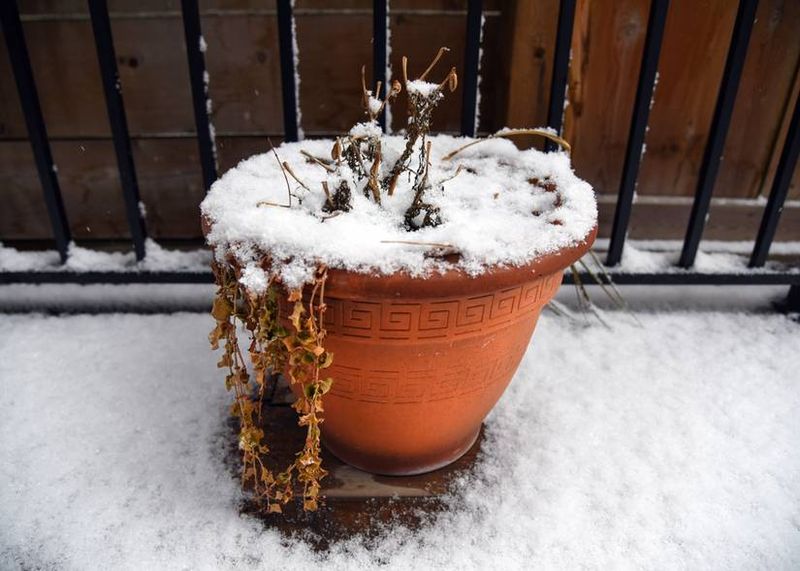
Container plants are the first ones that need your attention, and most gardeners wait too long. Their roots sit above ground in thin-walled pots, so they chill much faster than plants in garden soil.
The magic number to remember is 45 to 50 degrees. Once nighttime lows begin regularly dropping into that range, many tender container plants are ready for an indoor transition.
Many tropicals start showing stress below 50 degrees, and few handle anything under 40. Waiting for a frost warning means rushing the whole process in the dark with a flashlight.
Before anything crosses your threshold, give each pot a careful inspection. Check leaf undersides, stem joints, and the soil surface for hitchhiking insects.
A gentle rinse with the hose, or a wipe-down with soapy water, removes most unwanted passengers. Nobody wants a fungus gnat party in the living room come November.
Light is the other half of the transition. Moving a plant from bright patio sun straight into a dim hallway causes leaf drop and sulking.
Instead, shift pots to shade for a few days, then a screened porch, then indoors over a week or two. Slow and steady keeps the leaves on.
Group them near your brightest window and hold back on water, since indoor growth slows down.
Harvest Vegetables Before Frost Threatens
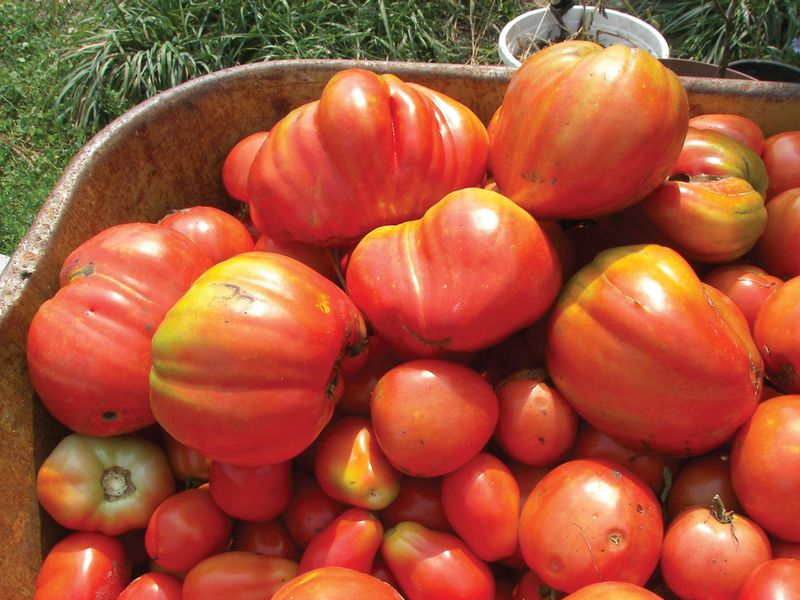
Nothing stings quite like finding mushy tomatoes the morning after a cold snap. High-water-content vegetables turn soft fast, even from a light frost that barely dusts the leaves.
Tomatoes, peppers, eggplants, and tender summer squash like zucchini all sit on the fragile list. When a mid-30s night shows up in the forecast, pick everything close to ready.
Green tomatoes do not need to go to waste. Set them in a single layer indoors, away from direct sun, and many will color up over a couple of weeks.
Peppers keep well in the fridge, and zucchini stores fine on the counter for days. Eggplant prefers cool, not cold, so skip the crisper drawer.
Meanwhile, the cold crops are just getting interesting. Broccoli, cabbage, kale, and Brussels sprouts shrug off light frost, and their flavor often sweetens afterward.
The same goes for spinach, chard, and lettuce, plus root crops like carrots, beets, and turnips. Frost nudges those plants to convert starches into sugars.
Planning ahead helps too. For late summer sowings, choose varieties with short days-to-maturity numbers so they finish before October chill settles in.
Keep a harvest basket by the back door during September. When the forecast turns, you can gather quickly.
Cover Sensitive Plants On Chilly Nights
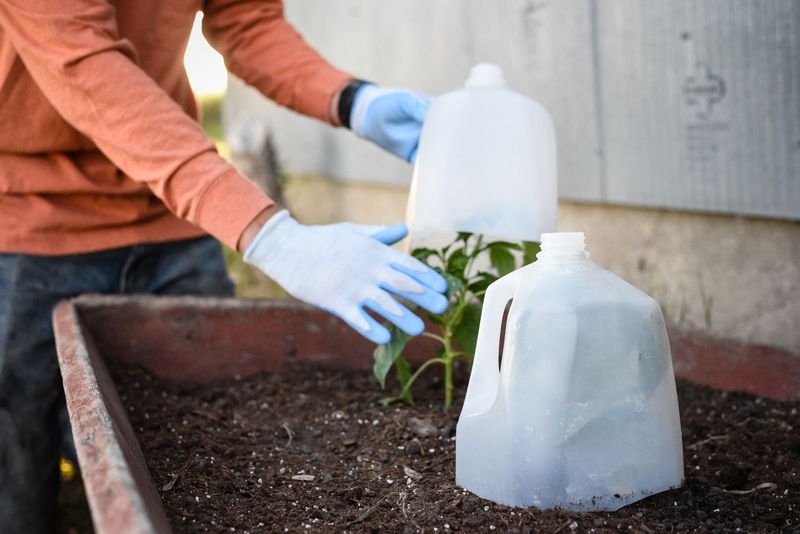
Think of a plant cover as a blanket that traps yesterday’s warmth rather than adding new heat. Soil releases stored heat overnight, and a cover holds that pocket of mild air right around the leaves.
Breathable materials do the job best. Old bed sheets, burlap, commercial frost blankets, and upside-down cardboard boxes all work nicely for a light frost.
Plastic sheeting laid directly on foliage is the one thing to skip. It traps moisture against leaves and can make cold injury worse instead of better.
Technique matters as much as material. Drape the cover so it reaches all the way to the ground, then weigh the edges with bricks, rocks, or soil.
Gaps let the warm air escape and invite cold drafts underneath, which defeats the whole purpose. The goal is a secure cover that traps warmth while limiting cold air gaps.
Timing is simple: cover in the late afternoon while the ground still holds heat, not at 10 p.m. after everything has cooled down.
Uncover in the morning once temperatures climb back above freezing. Leaving covers on through a sunny day can cook tender plants or block needed light.
For taller plants, a few stakes or tomato cages keep fabric off the leaves. That small air gap improves insulation noticeably.
Protect Late Blooms From Sudden Cold

October color is hard-won in northern Ohio, and losing it to one surprise night feels unfair. Late bloomers like dahlias, begonias, and tender annuals can hang on for weeks if you help them through the occasional cold snap.
The approach mirrors what you do for vegetables. Drape old sheets or garden fleece over the plants before sunset, when the soil is still radiating warmth.
Secure the edges so the fabric does not blow loose in an evening breeze. Even a light covering can buy several degrees of protection.
Potted mums, asters, and other fall favorites have an easier option. Slide them under a porch overhang, against the house, or into an unheated garage for the night.
Walls and roofs block the open sky, and that alone reduces how much heat escapes. A spot on the east side of the house often stays a few degrees milder.
Hardy mums and asters tolerate frost fairly well, so save your fabric for the delicate stuff. Dahlias and coleus are the ones worth babysitting.
After a chilly night passes, mild weather usually returns for a while. That extra week or two of blooms is the reward for a few minutes of evening effort.
Move Tropical Plants Before Temperatures Drop
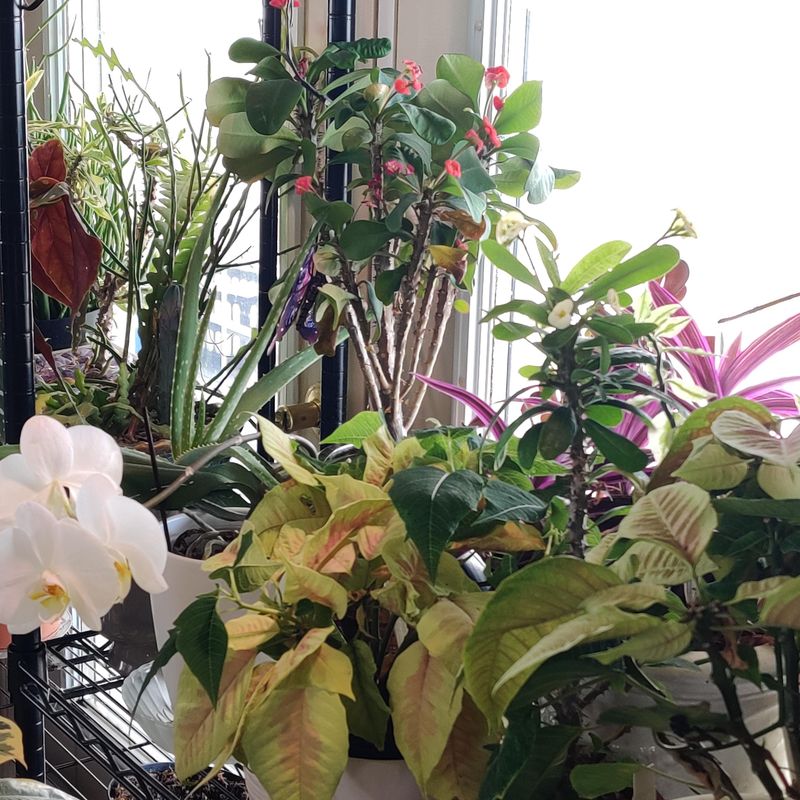
Hibiscus, banana, bird of paradise, and citrus all share one trait: they have no experience with Ohio winters. Most begin showing damage below 50 degrees and cannot handle 32 degrees at all.
The move indoors should happen while nights are still in the mid-40s to low 50s. Pushing it until a frost advisory pops up creates a stressful scramble.
Gradual transitions work far better than sudden ones. A plant that moves at its own pace keeps more leaves and bounces back faster in spring.
Give each one a full pest check first. Look under leaves, along stems, and in leaf joints for scale, mealybugs, spider mites, and aphids.
A hose rinse and a wipe with mild soapy water handles most issues. Treating outside is much easier than chasing bugs across your windowsills in January.
Indoors, aim for the brightest window you have and expect some leaf drop anyway. Cut watering back, since less light means slower growth and slower drying soil.
Plant caddies with wheels are worth every penny for heavy pots. Your back will thank you, and you can roll plants toward sun as it shifts.
Skip fertilizer until the days lengthen again in late winter.
Prepare Frost Supplies Before You Need Them
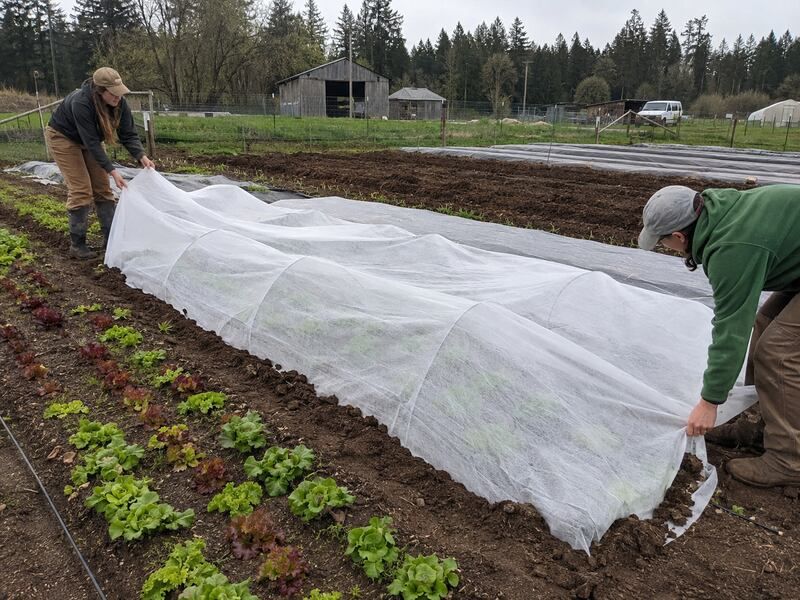
Ever tried to find a frost blanket at 8 p.m. on the first cold night of the season? Shelves empty quickly, and garages get rummaged through in a hurry.
Gathering supplies in late August or early September removes that panic entirely. Everything sits ready in one spot, labeled and folded.
Row covers, garden fleece, and frost blankets are the workhorses. They let air, light, and moisture pass through while holding radiant soil heat near the plants.
Burlap is sturdy and reusable, good for wrapping shrubs or shielding beds from wind. Old cotton bed sheets cost nothing and work beautifully for one-night emergencies.
Flattened cardboard boxes stack easily and make fine cloches for individual plants. Five-gallon buckets and laundry baskets work in a pinch too.
Do not forget the anchoring gear. Landscape pins, bricks, scrap lumber, and spare stakes keep covers pinned down when the wind kicks up.
A headlamp belongs in the kit as well, since fall darkness arrives before most people finish dinner. Working with both hands free makes a real difference.
Store it all in one labeled bin near the door you use most. When the forecast turns, you will be covering plants in ten minutes instead of forty.
Finish Fall Cleanup After Cold Arrives

Cleanup goes smoother once cold weather has already done part of the work. Frost-touched foliage pulls away easily, and you can see exactly what needs attention.
Start with fallen leaves and plant debris, especially thick mats that hold moisture against crowns. Damp piles invite mold and disease over the winter months.
Spent annuals and any diseased material should leave the beds entirely. Tossing infected stems in the compost just saves the problem for next spring.
After the first hard frost, most perennials can be cut back to a few inches. Leave some seed heads standing, though, since coneflowers and grasses feed birds and look lovely in snow.
Water deeply before the ground freezes, particularly evergreens, young trees, and newly planted shrubs. Hydrated roots resist winter burn far better than dry ones.
Mulch comes last, not first. Apply winter mulch after temperatures have cooled and plants have entered dormancy, following the needs of the specific plants.
Applying it that late keeps soil temperatures steady and prevents freeze-thaw cycles from heaving plants out of the ground. Early mulch can keep soil warm and confuse plants that need to rest.
Clean and oil your tools while you are at it. Spring you will be grateful.