The September Watering Mistake That Can Hurt Ohio Plants All Winter
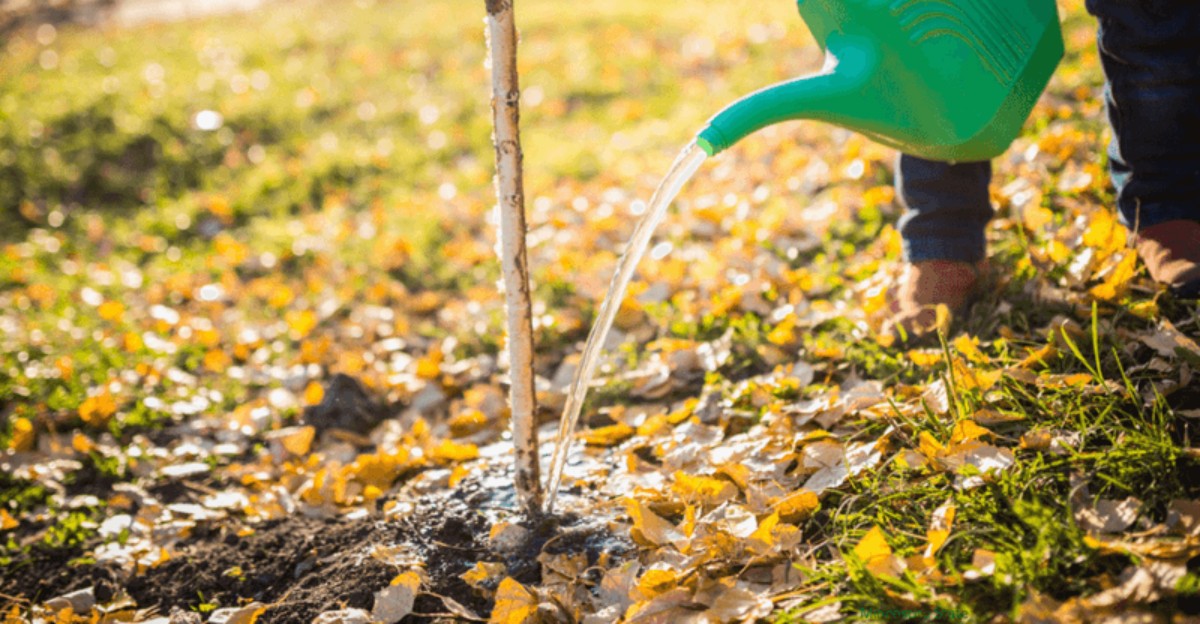
One habit carries over from summer into fall, and it could leave your Ohio plants defenseless once the cold sets in.
You probably water on the same old rhythm you used all summer, but plants don’t need that much once temperatures start to drop.
Overdo it now and roots sit in soil that stays too wet for too long, right as plants should be toughening up for winter instead of soaking in excess moisture.
That extra water also pushes tender new growth that stands zero chance once frost shows up.
Cut back gradually as the month rolls on, and pay attention to what your soil actually needs instead of what your hose is used to giving.
Adjust your routine now, before the ground locks up for the season. A little restraint this month could spare your plants a rough winter and an even rougher spring.
1. Stopping Water Too Soon Before Winter
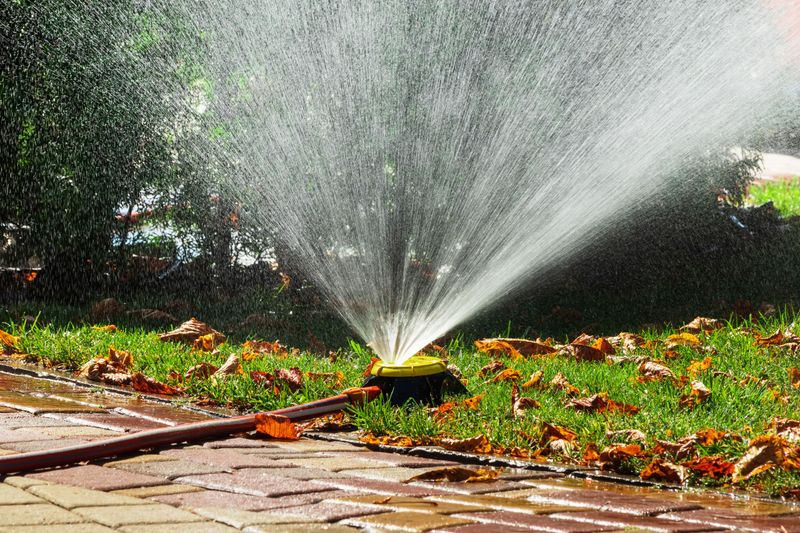
Here is the habit that trips up so many Ohio yards: the maples start blushing red, and the hose gets put away for the season. Leaf color has nothing to do with whether roots are thirsty.
Winter desiccation can be a major source of stress for trees and shrubs in this region, especially when plants enter winter already dry. Bark, buds, and needles keep releasing moisture all through the cold months, even when the branches look fast asleep.
When a plant heads into December already stressed from dry soil, the damage often shows up later. You will see browning tips and crispy edges around March, and by then the repair work is slow and frustrating.
Think of soil moisture as a pantry your plants raid all winter. A full pantry means healthy buds in April, while an empty one means thin growth and sad-looking branches.
September and October rainfall in Ohio can be surprisingly stingy, especially in drought years. Two dry weeks in a row is your cue to drag the hose back out, not to assume the season is over.
Keep watering on your calendar the same way you keep mowing on it. A plant that drinks well in fall handles wind, ice, and sun glare far better than one left to fend for itself.
2. Check Soil Moisture Before Cold Arrives
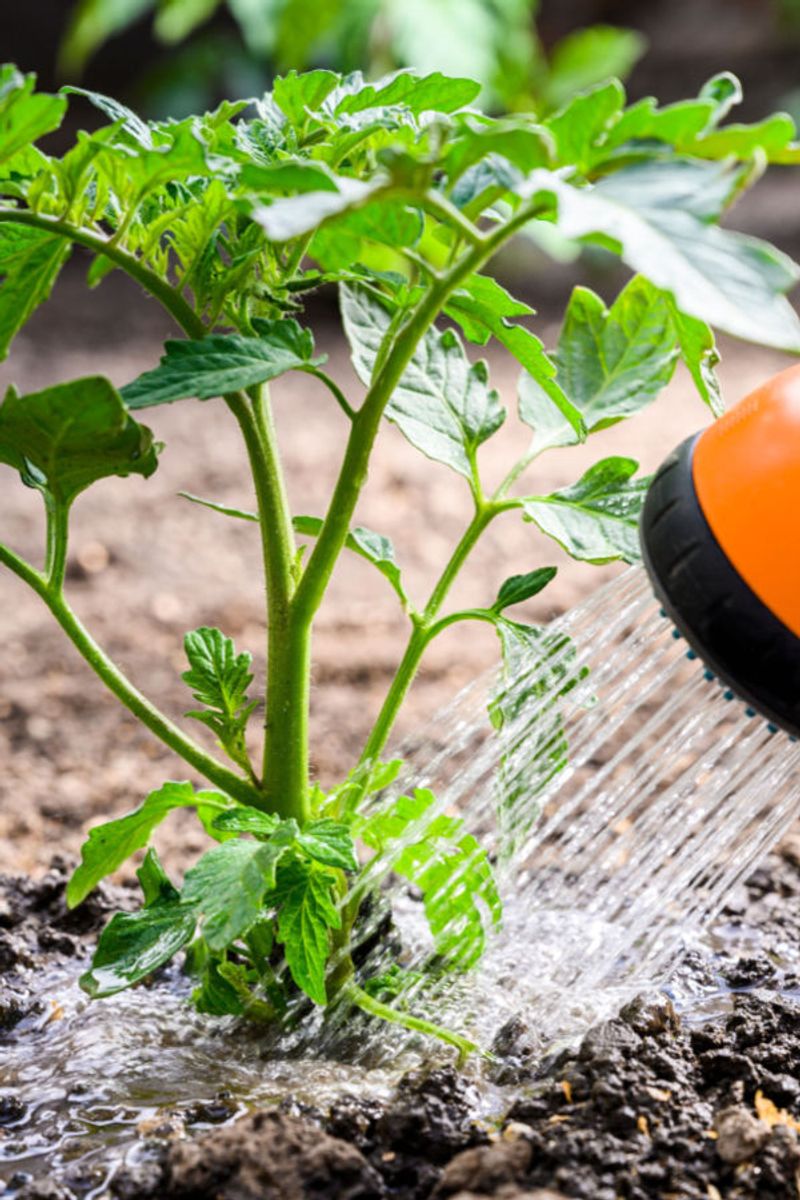
Guessing is the enemy of good watering. A screwdriver, a wooden dowel, or a cheap moisture probe tells you more in five seconds than a week of squinting at the sky.
Push your tool at least six inches down near the root zone. Soil should feel cool and damp like a wrung-out sponge, not muddy and not powdery.
Different plants have different comfort zones. Perennials want moisture four to eight inches deep, while shrubs and trees need it steady at ten to twelve inches, since their roots reach much farther down.
If the probe slides in easily and comes out with soil clinging to it, you are in good shape. If it stops short or comes out clean and dusty, the ground is asking for a drink.
Your Ohio Garden Changes Every Week. Your Plan Should Too.
Gardening in Ohio changes quickly throughout the season. Every Friday you’ll receive a simple weekly plan showing exactly what to plant, prune, fertilize, harvest, and protect so you never miss the right timing.
Ohio clay makes this trickier than it sounds. The top inch can look bone dry after a windy afternoon while the layer below is still holding plenty of water from last week’s rain.
Check a few different spots around the yard instead of just one. Areas near downspouts stay soggy, while soil under wide eaves or big shade trees can go weeks without catching a single raindrop.
A quick Saturday morning check takes maybe ten minutes and keeps you from both extremes.
3. Focus On Newly Planted Trees And Shrubs
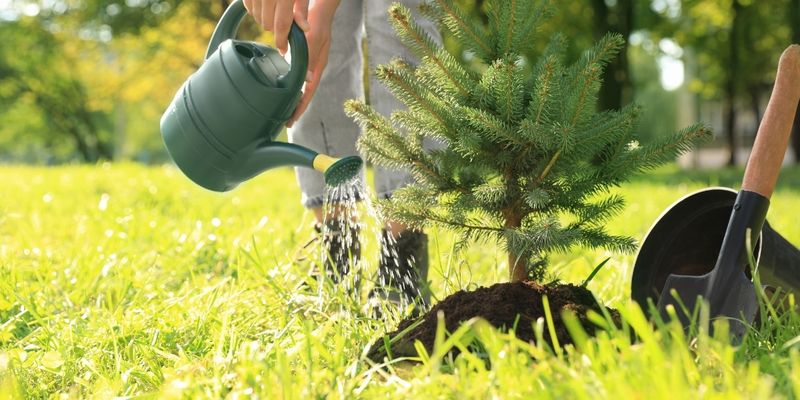
Young transplants are the drama queens of the fall garden, and they have earned the right. Anything planted in the last one to three years has roots still figuring out where they are.
A nursery plant spent its early life in a pot or a tidy field row, where water arrived on schedule. Once it lands in your yard, it has to hunt for moisture with a root ball that has barely spread past its original width.
Give these newcomers extra attention through September and October. Deep watering during dry fall periods helps them establish, and occasional winter watering may help during extended thaws when the ground is workable.
Mature trees have wide, deep root systems that act like built-in reservoirs. A three-year-old redbud has nothing close to that, so it feels dry spells much faster and much harder.
Watch for early warning signs like drooping leaves that do not perk up overnight or foliage that browns from the edges inward. Those are polite requests for water, not permanent damage.
Spring performance depends heavily on what happens now. A well-hydrated young shrub leafs out strong in April, while a thirsty one limps along and sometimes loses whole branches before summer arrives.
4. Keep Evergreens Hydrated Into Late Fall
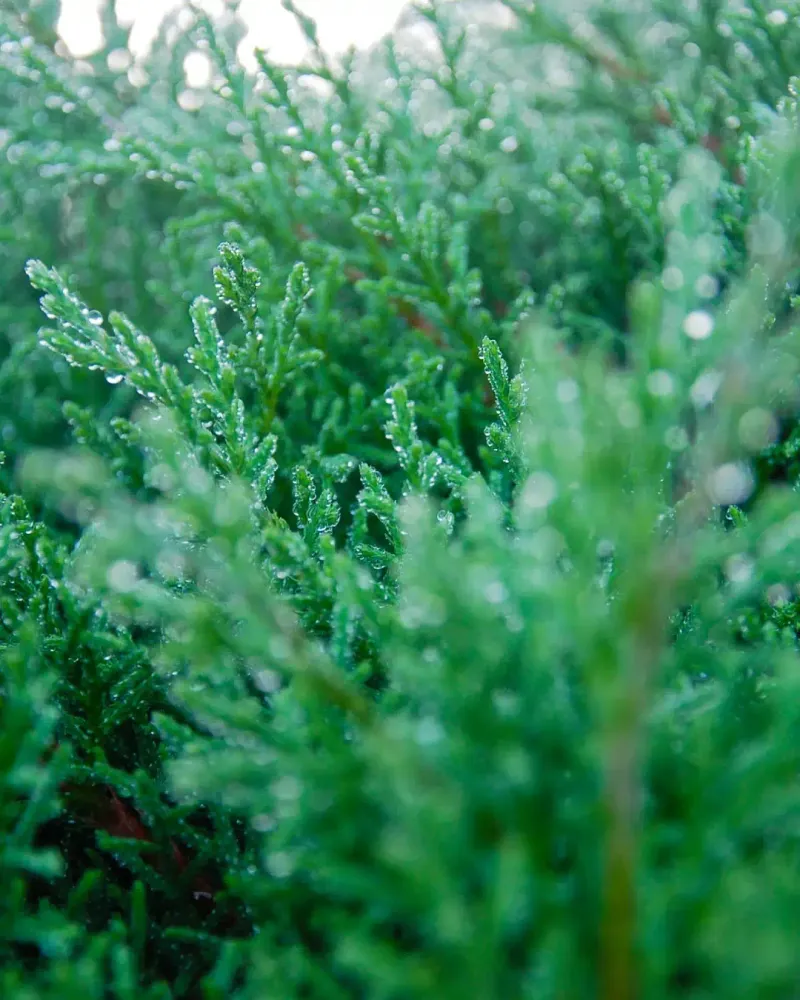
Evergreens do not get the memo about resting. While the oaks and maples drop their leaves and shut down, spruces, pines, arborvitae, and hollies keep every needle in place through the whole winter.
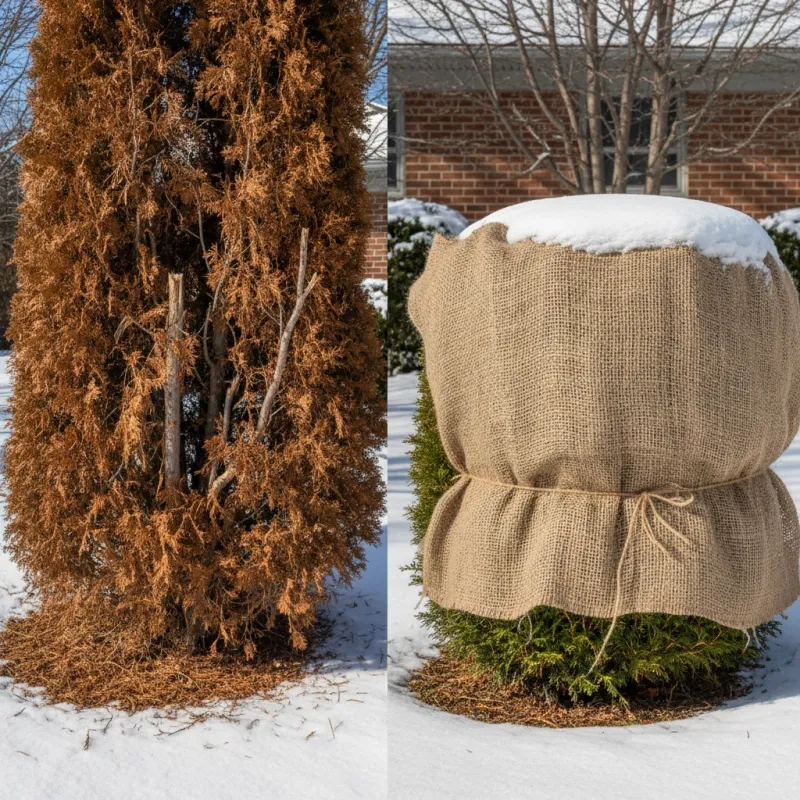
Those needles quietly release water on sunny, windy days, even in January. If the soil underneath is frozen or dry, roots cannot replace what is lost, and the result is winter burn.
Winter burn shows up as orange or bronze needles, usually on the side facing the wind or the afternoon sun. Arborvitae hedges along driveways get hit especially hard in Ohio.
Prevention is simple and cheap. Give evergreens a long, deep soak before the ground freezes so their root zones go into winter fully stocked.
Across Ohio’s USDA Zones 5 and 6, keep deep watering going into late fall when conditions are dry and the ground is still workable. Aim for one to two inches of water each week until the soil starts locking up.
A soaker hose looped around the drip line works beautifully here. Let it run slowly for an hour so water soaks straight down instead of running off across hard clay.
Broadleaf evergreens like rhododendron and boxwood need the same treatment. Their wide leaves lose moisture even faster than needles on a bright, breezy winter afternoon.
5. Water Deeply Instead Of Sprinkling Lightly
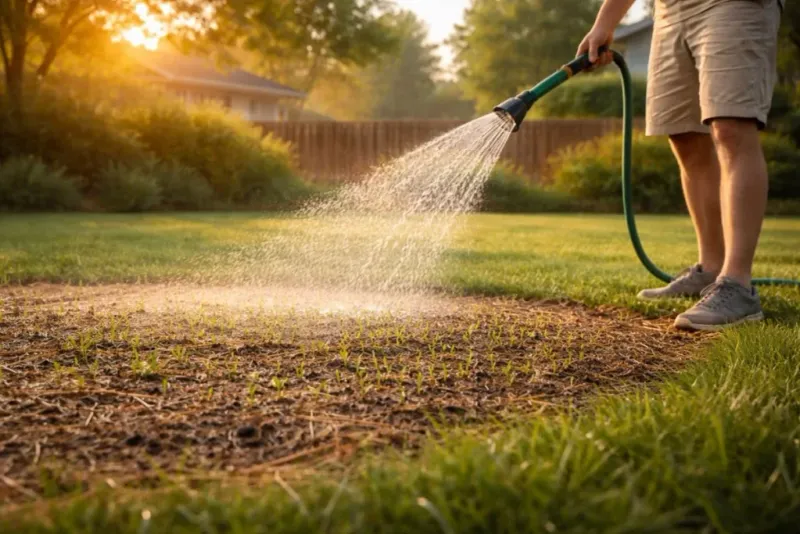
Five minutes with a spray nozzle feels productive. It mostly just wets the mulch and makes you feel better about the afternoon.
Roots grow toward water. Light, frequent sprinkles train them to stay near the surface, where soil dries fastest and winter cold bites hardest.
Deep watering does the opposite. Moisture travels down through the profile, encouraging roots to follow it into cooler, steadier soil where they are far better protected.
The technique is refreshingly low tech. Lay a garden hose at the base of a tree or shrub, turn it to a slow trickle, and let it run thirty minutes to an hour.
Move the hose once or twice around larger specimens so the whole root zone gets treated. Most feeder roots sit out near the drip line, not hugging the trunk.
Soaker hoses and slow-release watering bags handle this job without any babysitting. Fill a bag in the morning and it drips steadily for hours while you go about your day.
One good soak every week or two beats daily sips by a mile. Fewer, longer sessions use roughly the same amount of water but deliver far more benefit where it counts.
Check your work by probing the soil afterward. Damp down to ten inches means you nailed it.
6. Protect Roots Before The Ground Freezes
Moist soil is a better blanket than dry soil, and that surprises a lot of gardeners. Water holds heat longer than air pockets do, so damp ground swings less between warm afternoons and frigid nights.
Roots are the tender part of the plant. Bark protects trunks and branches, but roots have no such armor, and soil temperatures near fifteen degrees Fahrenheit can cause real trouble for shallow ones.
Well-watered ground buffers those extremes. It freezes more slowly, thaws more gradually, and spares roots from the repeated stress of rapid temperature swings.
There is a second benefit too. Roots that go into winter holding good water reserves have something to draw on during those odd January thaws when plants briefly wake up and lose moisture.
Think about the freeze-thaw cycles Ohio is famous for. One week hits sixty degrees, the next drops to twelve, and the soil heaves up and down like a slow-motion trampoline.
Consistent moisture softens that ride considerably. Plants come through spring with fewer broken root hairs and less shock.
Timing matters more than volume here. A thorough soak in mid to late October, while soil still accepts water freely, does more good than three panicked sessions once frost has already settled in.
7. Avoid Overwatering During Rainy Fall Weeks
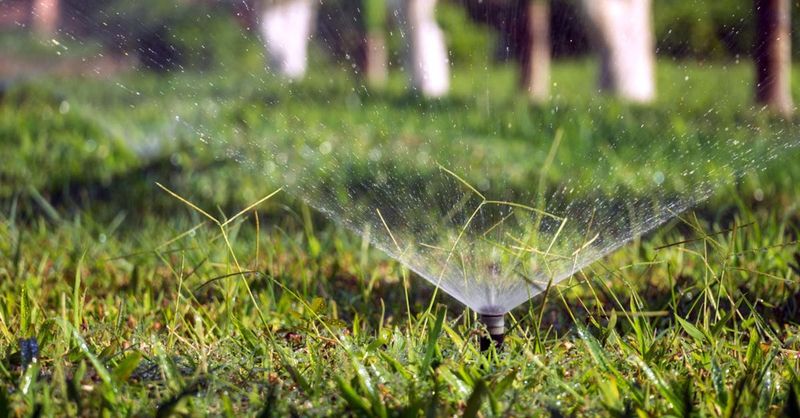
More water is not automatically better, and Ohio autumns love to prove it. Some Octobers deliver steady rain for two straight weeks, turning clay beds into something closer to pudding.
Soggy soil pushes oxygen out of the pore spaces roots depend on. Without air down there, roots struggle, and fungal problems find an easy opening.
Skip supplemental irrigation entirely during genuinely wet stretches. Your rain gauge and your soil probe are the only two opinions worth listening to.
Warning signs of too much moisture look sneaky because they resemble drought. Yellowing leaves, especially on older growth low on the plant, plus wilting despite wet ground, both point to roots in trouble.
Clay-heavy soil makes the risk worse since it drains at a glacial pace. Low spots in the yard and beds tucked against foundations hold water the longest.
Fixing drainage is a fall project worth tackling. Working compost into beds opens up the structure, and raised beds lift root zones above the waterlogged zone entirely.
Also check that downspouts are not dumping straight into a planting bed. An extension pipe costs a few dollars and redirects gallons of runoff away from roots that were already doing fine.
Balance, not volume, is the goal all season.
8. Add Mulch To Hold Fall Moisture
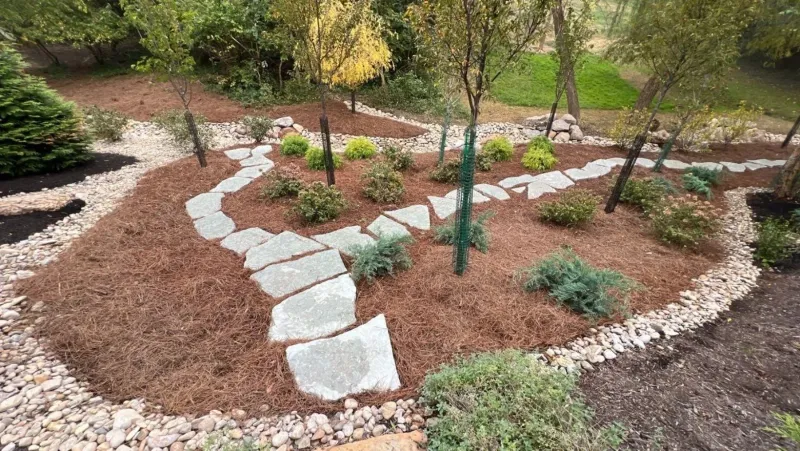
Mulch is one of the simplest tools for keeping fall moisture more consistent. One afternoon of spreading shredded bark buys you months of steadier soil, fewer weeds, and happier roots.
Two to three inches of organic mulch is the sweet spot. Shredded bark, leaf mold, or finished compost all work well and slowly feed the soil as they break down.
The insulating effect is what matters most heading into winter. Mulched ground warms and cools gently, which reduces frost heaving, the annoying habit soil has of shoving small plants right out of the ground.
Moisture retention is the other big win. Mulch slows evaporation dramatically, so the water you applied in October is still hanging around in November instead of vanishing on the first windy day.
Now the rule everyone breaks: keep mulch off the trunk. Those volcano-shaped piles around street trees trap moisture against bark, invite rot, and give voles a cozy winter hideout.
Shape it like a donut instead, leaving three or four inches of bare space around the stem. Spread it outward to the drip line if you have the material.
Shredded autumn leaves work too, and they are free. Run the mower over a pile and rake the results straight into your beds.
9. Finish Seasonal Watering Before Hard Freeze
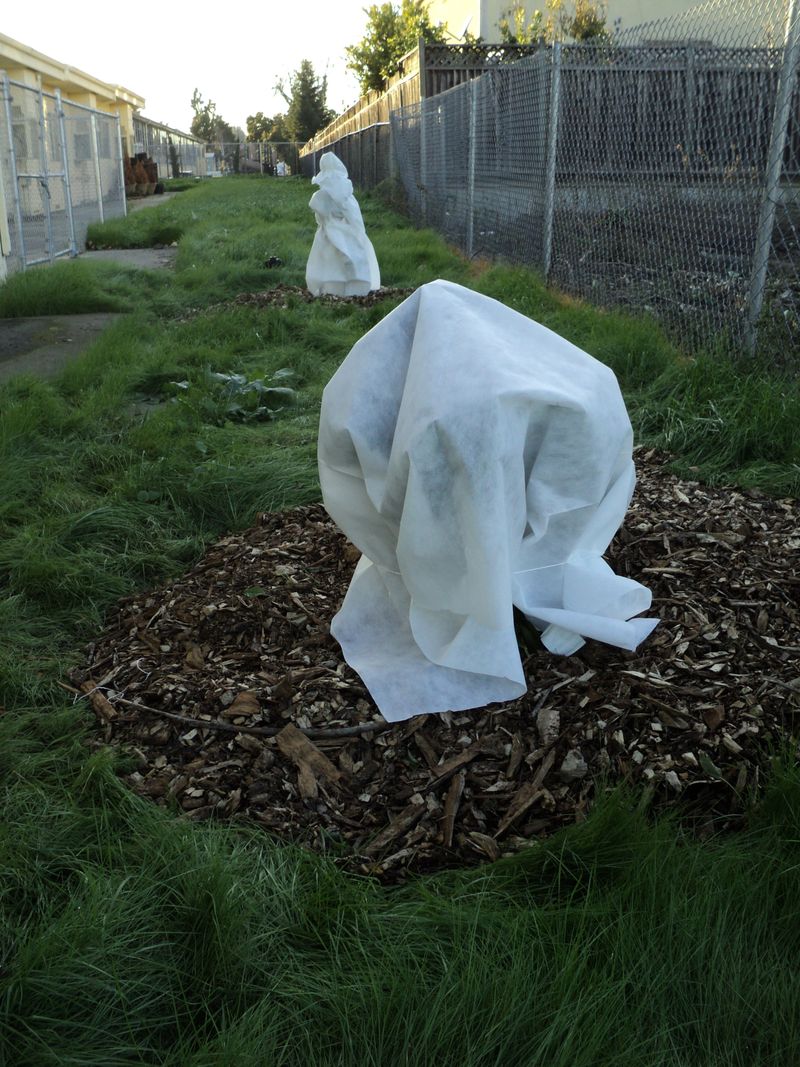
There is a finish line, and knowing where it sits saves you effort. Once soil freezes solid, roots stop taking up water, and any hose time after that is purely decorative.
In Ohio, the ground usually begins locking up sometime in late October or November, depending on how far north you are. Cleveland freezes earlier than Cincinnati most years.
Plan a final deep soak before that happens. Both mature trees and recent plantings benefit from one last thorough session that saturates the whole root zone.
Temperature is your green light. Water when air temperatures sit above forty degrees, and aim for morning so plants have daylight hours to pull moisture in before the thermometer drops.
Morning watering also protects your equipment. Hoses left connected overnight in freezing weather can crack, and outdoor spigots are expensive to repair once they split.
Drain and store hoses after that last session. Shut off the water to exterior faucets if your home has interior valves for them.
During mild winters, keep an eye on things. Ohio sometimes serves up a fifty-degree stretch in January, and if the ground has thawed, young trees and evergreens appreciate a quick drink.
Finish strong in fall and spring becomes the easy season it should be.