The Most Common Fall Vegetable Pests In Pennsylvania
Fall vegetable gardening in Pennsylvania comes with welcome relief from summer’s most intense pest pressure. But it doesn’t come pest free.
The cooler temperatures that make fall planting so rewarding also suit a specific group of insects very well, and Pennsylvania fall gardens can face significant damage from pests that thrive in exactly the conditions that make this season so appealing for everything else.
Most Pennsylvania gardeners are caught off guard the first time fall pest pressure arrives.
The insects involved are often different from the ones that caused problems through summer, and they target the fall crops, brassicas, leafy greens, root vegetables, most aggressively.
Knowing which pests to watch for and when they peak gives you a real advantage in protecting a harvest that weeks of fall planting and tending have been building toward.
1. Cabbage Loopers
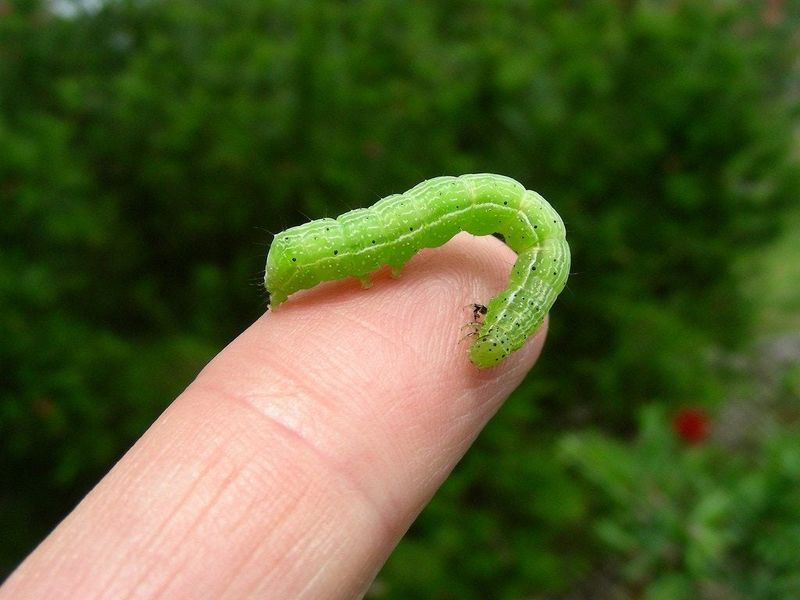
Picture a small green caterpillar humping its way across a leaf like a tiny inchworm. That is the cabbage looper, and it has a big appetite for fall crops like cabbage, broccoli, kale, and cauliflower.
These caterpillars blend in perfectly with green leaves. You might not spot them right away, but you will notice the round holes they leave behind.
They start small and get bigger as they eat, sometimes chewing right through to the center of a cabbage head.
The adult is a brownish moth that flies around at dusk. It lays tiny round eggs on the underside of leaves. Once those eggs hatch, the feeding begins fast.
Checking the bottoms of leaves once or twice a week helps you catch them early. If you see loopers, you can pick them off by hand and drop them into soapy water. It sounds tedious, but it really works for small gardens.
For bigger patches, many gardeners use a natural spray called Bt, which is safe for people and pets but stops caterpillars from eating. Floating row covers also block the moths from ever laying eggs on your plants.
Keeping your garden clean matters too. Pulling out old plant scraps in fall removes hiding spots for pests over winter.
Loopers are stubborn, but they are not impossible to beat. A little regular attention goes a long way.
With steady checking and quick action, your leafy greens can stay full, crunchy, and ready for your dinner plate.
2. Aphids
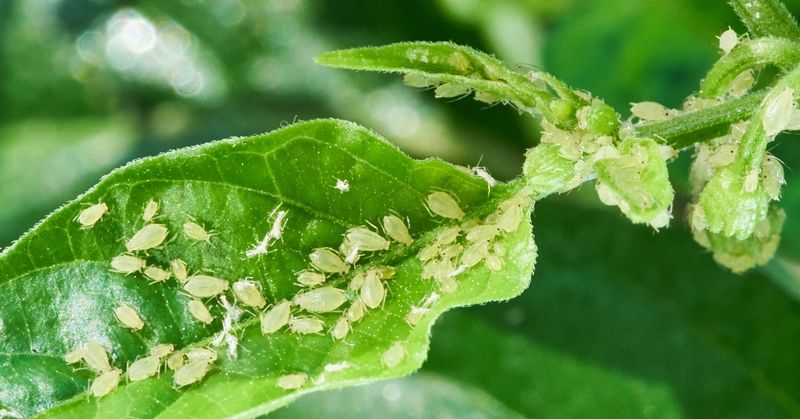
Tiny but mighty in numbers, aphids are some of the sneakiest pests in a Pennsylvania fall garden.
These soft, pear-shaped bugs come in green, black, gray, or even pink, and they gather in crowds on stems and leaves.
What they do is suck the juices right out of your plants. When lots of them feed at once, leaves curl, turn yellow, and look weak. Fall crops like lettuce, spinach, and cabbage are favorite targets.
One tricky thing about aphids is how fast they multiply. A few can turn into hundreds in just a week. They also leave behind a sticky substance called honeydew, which can grow black sooty mold.
Luckily, aphids are pretty easy to knock back. A strong blast of water from the hose can wash many of them off your plants. Doing this every couple of days makes a real difference.
Your Pennsylvania Garden Changes Every Week. Your Plan Should Too.
Gardening in Pennsylvania changes quickly throughout the season. Every Friday you’ll receive a simple weekly plan showing exactly what to plant, prune, fertilize, harvest, and protect so you never miss the right timing.
Nature also lends a hand here. Ladybugs and lacewings love to eat aphids, so welcoming these helpful bugs into your garden keeps the pests under control. Planting flowers nearby attracts them.
If the problem gets bad, a simple spray of insecticidal soap works well and stays gentle on your veggies. Just be sure to spray the undersides of leaves where aphids like to hide.
Checking your plants often is your best defense. The sooner you spot a small cluster, the easier it is to handle before it grows.
With a watchful eye and a garden hose, you can keep aphids from crashing your fall harvest party.
3. Squash Bugs
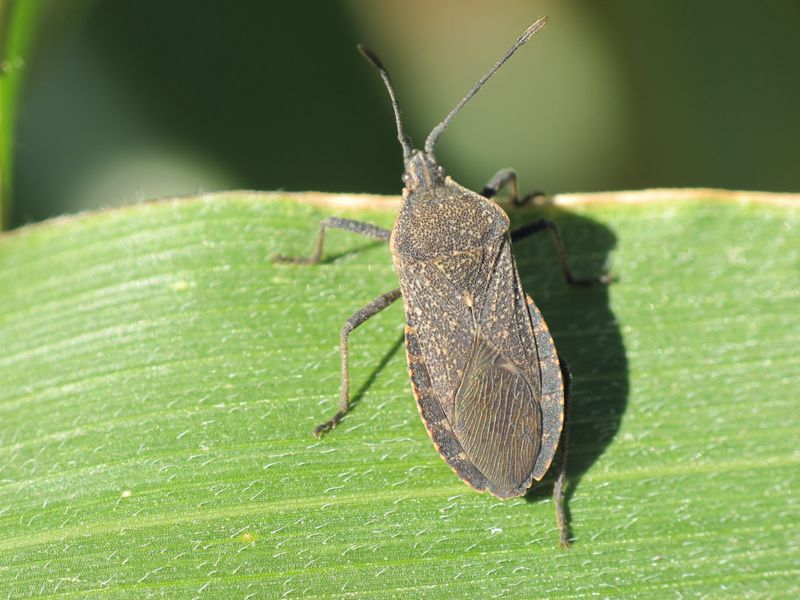
Few pests frustrate gardeners quite like the squash bug. Flat, brownish-gray, and about half an inch long, these insects love pumpkins, squash, and zucchini that ripen into the fall season.
They gather near the base of plants and suck sap from leaves and stems. As they feed, leaves develop yellow spots that later turn brown and crispy. Whole vines can wilt if the bugs take over.
You can spot their eggs easily once you know what to look for. They lay shiny, copper-colored eggs in neat little clusters on the undersides of leaves. Scraping these off before they hatch stops a lot of trouble.
Adult squash bugs are quick and like to hide, which makes them hard to catch. A helpful trick is to lay a board on the ground near your plants at night. In the morning, the bugs hide under it, and you can collect them all at once.
Handpicking is your strongest tool here. Drop the bugs into soapy water whenever you find them. It takes patience, but it protects your vines.
Keeping your garden tidy also helps. Squash bugs spend winter under leaves and garden trash, so cleaning up in fall removes their cozy shelter.
Row covers work great early on, but you must remove them when plants flower so bees can visit. Timing matters with this pest.
Stay alert and check often. Squash bugs are tough customers, but consistent effort keeps their numbers low. Your squash and pumpkins will thank you with a strong, healthy harvest.
4. Flea Beetles
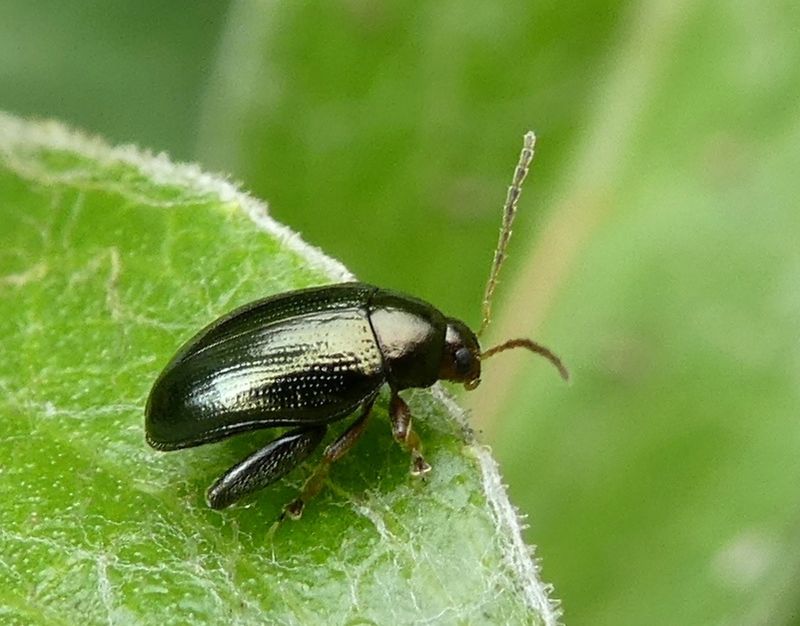
Blink and you might miss them. Flea beetles are teeny black or bronze bugs that jump away like fleas the moment you get close. Despite their small size, they cause plenty of headaches for fall gardeners.
These beetles chew countless tiny holes in leaves, making them look like they were hit with a pepper shaker. Radishes, turnips, arugula, and other greens are among their favorite meals.
Young seedlings suffer the most. A heavy attack can leave a small plant so full of holes that it struggles to grow. Older plants usually handle the damage better, but their leaves still look ragged.
One good way to protect seedlings is with floating row covers. These lightweight sheets let sunlight and water through while keeping the beetles out. Just tuck the edges down so no bugs sneak underneath.
Sticky traps also help catch them. Yellow sticky cards placed near your plants trap the jumping beetles as they move around. It gives you a sense of how many are visiting.
Some gardeners spread a fine dust called diatomaceous earth around their plants. It is harmless to you but rough on soft-bodied pests that crawl through it.
Keeping your soil healthy and your plants strong makes a difference too. A vigorous plant recovers from nibbles much faster than a weak one.
Cleaning up plant debris in fall removes the spots where flea beetles hide during the cold months.
Fewer hideouts mean fewer beetles next spring. Stay watchful early in the season, and these jumpy little pests will have a much harder time.
5. Slugs
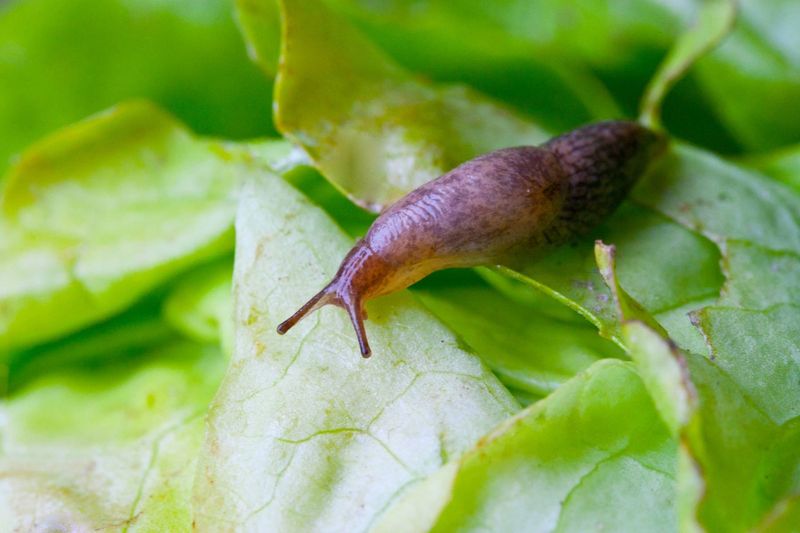
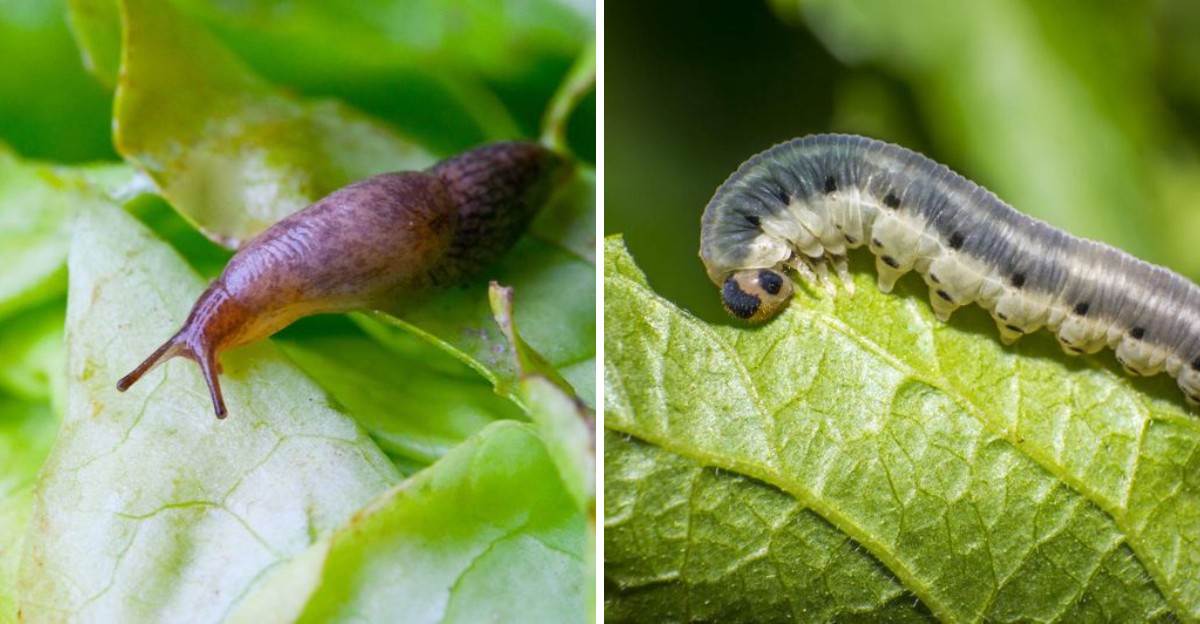
On cool, damp fall nights, slugs come out to feast. These slimy, shell-less creatures may move slowly, but they can do serious damage to your leafy greens and tender seedlings.
Slugs leave two clues behind. First, they chew large, irregular holes in leaves. Second, they leave a shiny, silvery trail of slime wherever they travel. If you see both, you have slugs.
They love wet weather, which Pennsylvania fall often brings. During the day, they hide under leaves, boards, and pots. At night, they crawl out to eat lettuce, spinach, and cabbage.
A popular trick to catch them is a shallow dish of beer set into the soil. Slugs are drawn to it, crawl in, and cannot escape. It sounds strange, but gardeners swear by it.
You can also go on nighttime patrols with a flashlight. Picking slugs off by hand and dropping them in soapy water reduces their numbers quickly.
Making your garden less cozy for them helps a lot. Removing hiding spots like old boards and thick mulch takes away their daytime shelter.
Copper tape is another handy tool. Slugs get a tiny shock when they touch it, so wrapping it around raised beds or containers keeps them out.
Watering in the morning instead of the evening lets your soil dry by nightfall, making it less inviting for these moisture-loving pests.
Slugs are persistent, but a mix of traps, cleanup, and barriers keeps them in check. With a little effort, your greens can stay whole and crisp all fall long.
6. Cabbage Worms
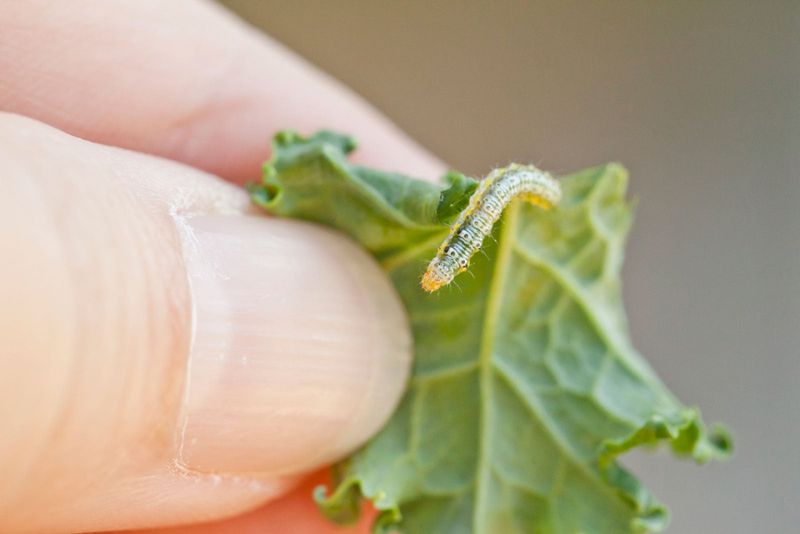
See a pretty white butterfly fluttering over your garden? It may look harmless, but it often means cabbage worms are on the way. These velvety green caterpillars are the offspring of that cabbage white butterfly.
They munch happily on broccoli, cabbage, kale, and Brussels sprouts. Because they are the same green color as the leaves, spotting them takes a careful eye.
Their droppings give them away. If you notice dark green or brown specks on the leaves, look nearby and you will likely find a worm feeding.
These caterpillars can chew deep into cabbage heads and broccoli florets. That makes them a real nuisance when you sit down to eat your harvest.
Handpicking works well for small gardens. Check the tops and bottoms of leaves, pull off any worms you find, and drop them into soapy water.
Row covers are a smart defense. If you cover your crops before the butterflies arrive, they cannot lay eggs on your plants in the first place.
The natural spray Bt is another great choice. It targets caterpillars without harming bees, birds, or people, so it fits nicely into a healthy garden plan.
Inviting helpful wasps and birds into your yard adds an extra layer of protection. These natural hunters keep worm numbers down for free.
A fun fact: those white butterflies are one of the most common in the world, found on nearly every continent.
Beautiful as they are, keeping them away from your veggies pays off. Stay alert, act early, and your fall greens will stay clean and tasty.
7. Cutworms
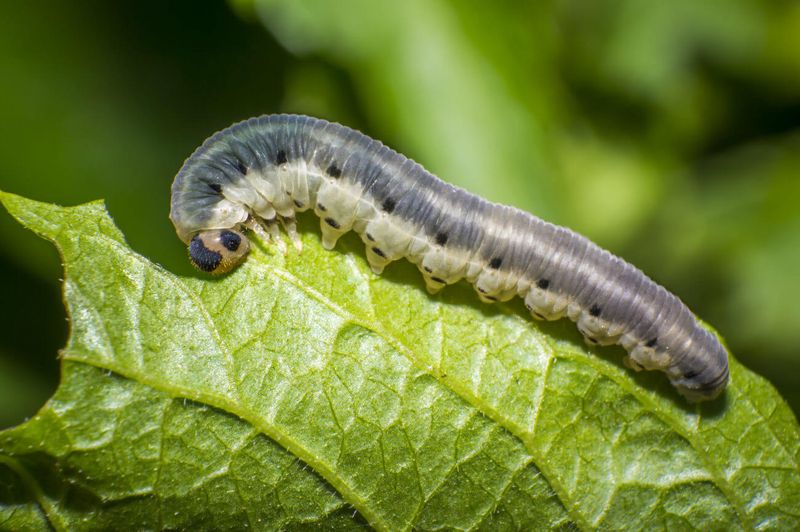
Imagine waking up to find your young seedlings toppled over, cut clean at the base like a tiny lumberjack visited overnight. That is the calling card of the cutworm.
These fat, gray-brown caterpillars curl into a tight C shape when you touch them. They hide in the soil during the day and come out at night to do their damage.
Rather than eating leaves up high, cutworms attack right at the soil line. They chew through stems, causing whole seedlings to fall over. It is heartbreaking to see healthy young plants toppled so quickly.
Fall gardens with fresh transplants are especially at risk. A single cutworm can wreck several plants in just one night.
One classic fix is a collar around each seedling. You can make these from cardboard tubes or cut plastic cups. Push the collar an inch into the soil and let it stick up a couple inches.
The worm cannot cross the barrier. Digging around damaged plants often reveals the culprit hiding just below the surface. Once you find them, drop them into soapy water.
Keeping garden beds free of weeds and old plant matter reduces places for the moths to lay eggs. A clean bed is a less welcoming one.
Some gardeners sprinkle crushed eggshells or diatomaceous earth around stems to make crawling uncomfortable for these pests.
Cutworms are sneaky because they strike at night and hide by day. Still, simple collars and regular cleanup give your seedlings a strong shield. Protect them early, and your fall garden will get off to a sturdy, healthy start.