A Foul Smelling Horn Shaped Growth Is Popping Up In Iowa Mulch Beds Right Now
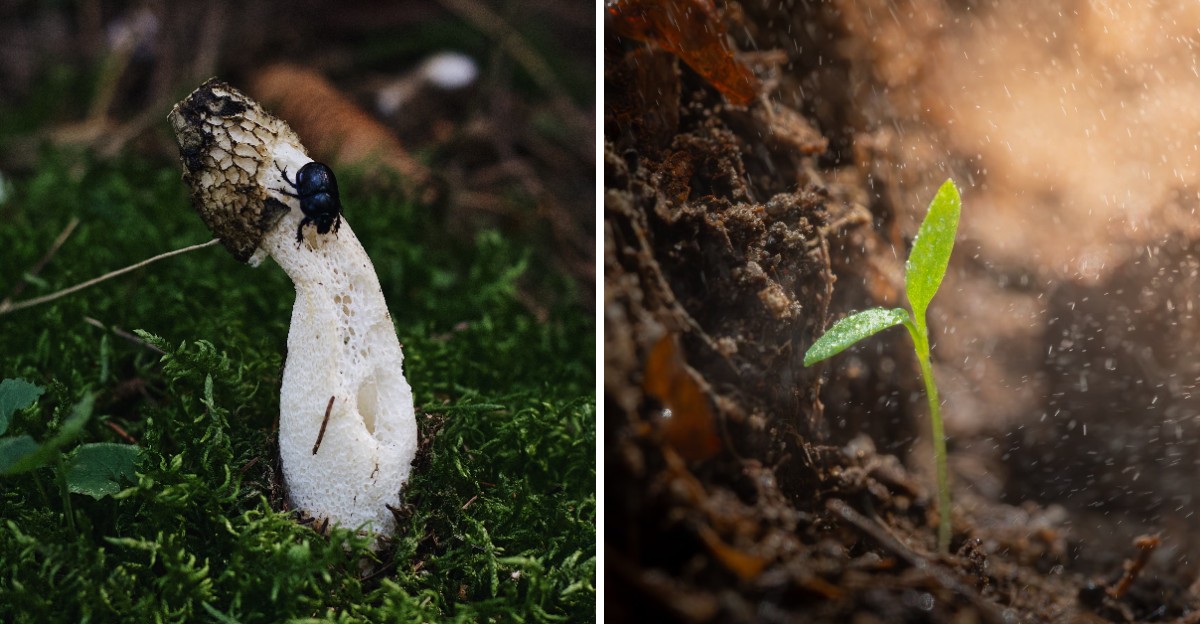
Your nose catches it before your eyes do. A rotten stench drifts across your hostas today. Flies swarm near you, drawn to a pale spike. Iowa gardeners like you keep finding this shape.
Warm, humid days across Iowa have quickened this for you. Des Moines yards and Dubuque flower beds smell just like yours. Boots, maybe yours, nudge this pale growth warily.
Shiny, slimy tips glisten right where you least expect them. Coffee cools while curiosity pulls you closer. Relief comes fast, because your garden faces no real threat.
Answers matter more to you than simple reassurance. Understanding this visitor changes how you view your beds. Spores burst from that shiny cap once it fully ripens.
Beetles and flies swap pollen duty for this odd messenger. Mulch beds like yours invite this fungus in fast. What this thing actually is will surprise you, and you truly need real answers now.
The Odd Shape Rising From Your Mulch
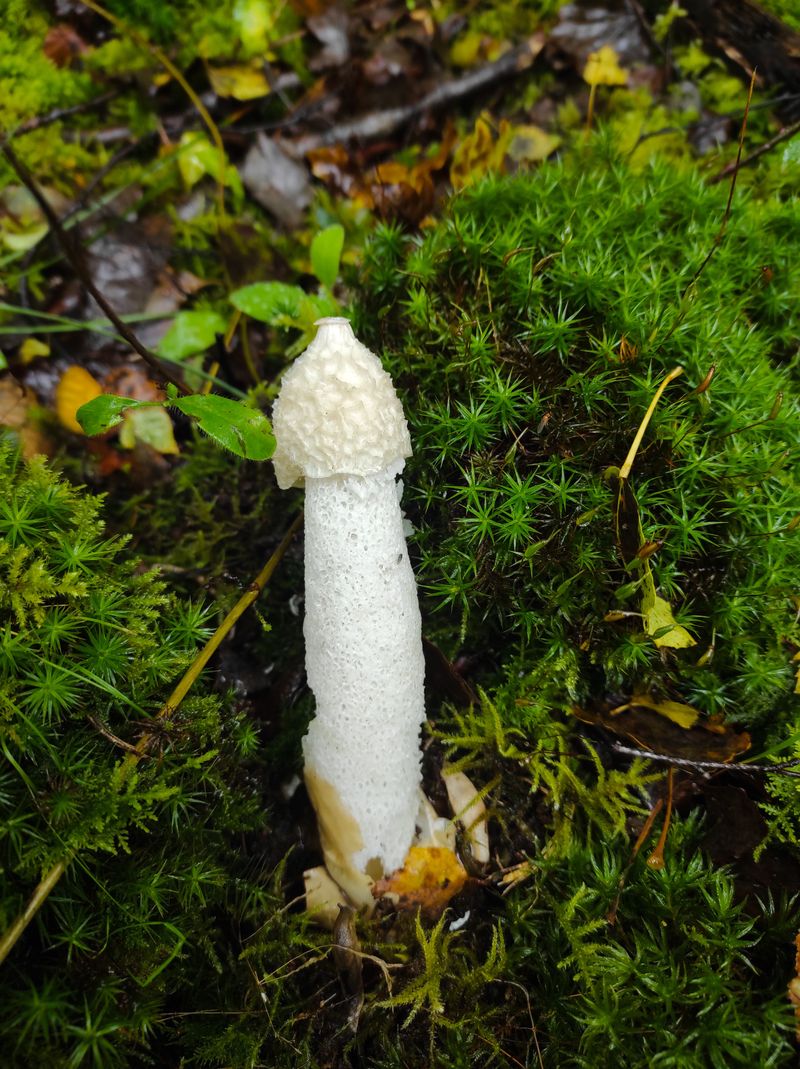
Picture a pointed finger of spongy tissue, cream or orange, standing upright in the mulch overnight. That is a stinkhorn fungus, and it can shoot up to several inches tall in a single warm night.
The tip is usually coated in a slimy, olive-green or brown goo. That slime carries the spores, and it is also the source of the smell that sent you outside investigating.
Iowa yards see a few different kinds. The common stinkhorn has a smooth, tapered cap, while the elegant stinkhorn shows off a bright orange spike that looks almost tropical against black mulch.
There are stranger versions too. The column stinkhorn grows as arching arms that meet at the top, like a little cage, and the dog stinkhorn stays skinny and pale.
Underneath the soil surface, each one starts as a soft white ball about the size of a small egg. Gardeners often find these while weeding and mistake them for puffballs or old golf balls.
Slice one open and you will see a jelly-like layer wrapped around a pale center. That center is the folded-up stalk, waiting for enough moisture to shoot upward.
Once it emerges, the whole structure lasts only a day or two. Flies clean off the slime, the stalk softens, and it collapses into a shriveled little heap.
So if you spotted one and it disappeared before you could show your neighbor, that is normal behavior, not your imagination playing tricks.
Why September In Iowa Sets The Stage
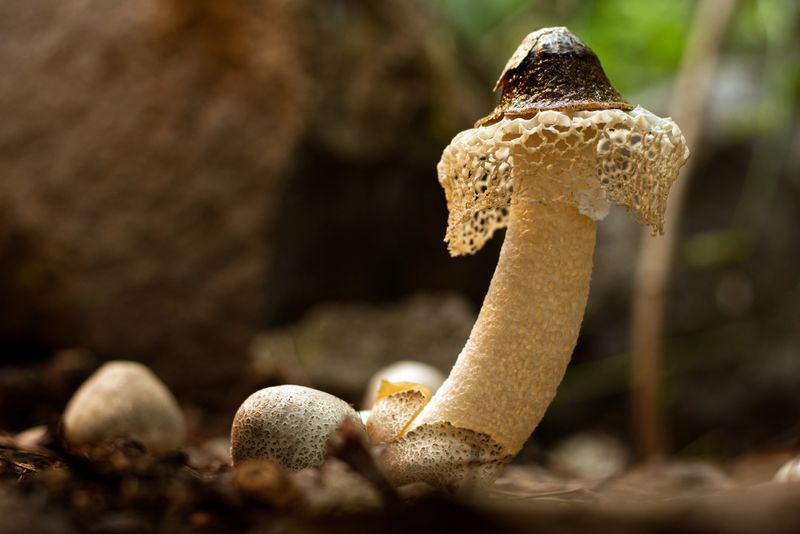
Timing is the whole story here. Stinkhorns need three things at once, and September in Iowa tends to hand them all over at the same moment.
First comes warmth. Soil temperatures in roughly the sixty-to-seventy-degree range tend to favor fungal growth.
Second comes water. Late summer storms and heavy morning dew soak the top inch of mulch, which is exactly where these fungi live and feed.
Third comes food. Mulch put down in spring has spent months breaking apart, and by now it is soft, shredded, and easy for fungi to digest.
Your Iowa Garden Changes Every Week. Your Plan Should Too.
Gardening in Iowa changes quickly throughout the season. Every Friday you’ll receive a simple weekly plan showing exactly what to plant, prune, fertilize, harvest, and protect so you never miss the right timing.
Shade helps too. Beds tucked along the north side of a house or shaded by maples hold moisture far longer than open, sunny borders.
That is why the same corner of your yard may produce them year after year. The conditions there simply favor fungal activity more than anywhere else on the property.
Irrigation can tip the balance as well. Sprinklers running on a timer during a rainy stretch keep mulch permanently damp, which is an open invitation.
Homeowners who mulched heavily in April often notice the strongest flush right about now. Thick layers hold water like a sponge and stay warm well past sunset.
As nights cool later in fall, growth slows, and the first hard frost typically ends the season. The beds go quiet until next summer’s humid stretch rolls back around.
That Smell Has A Job To Do
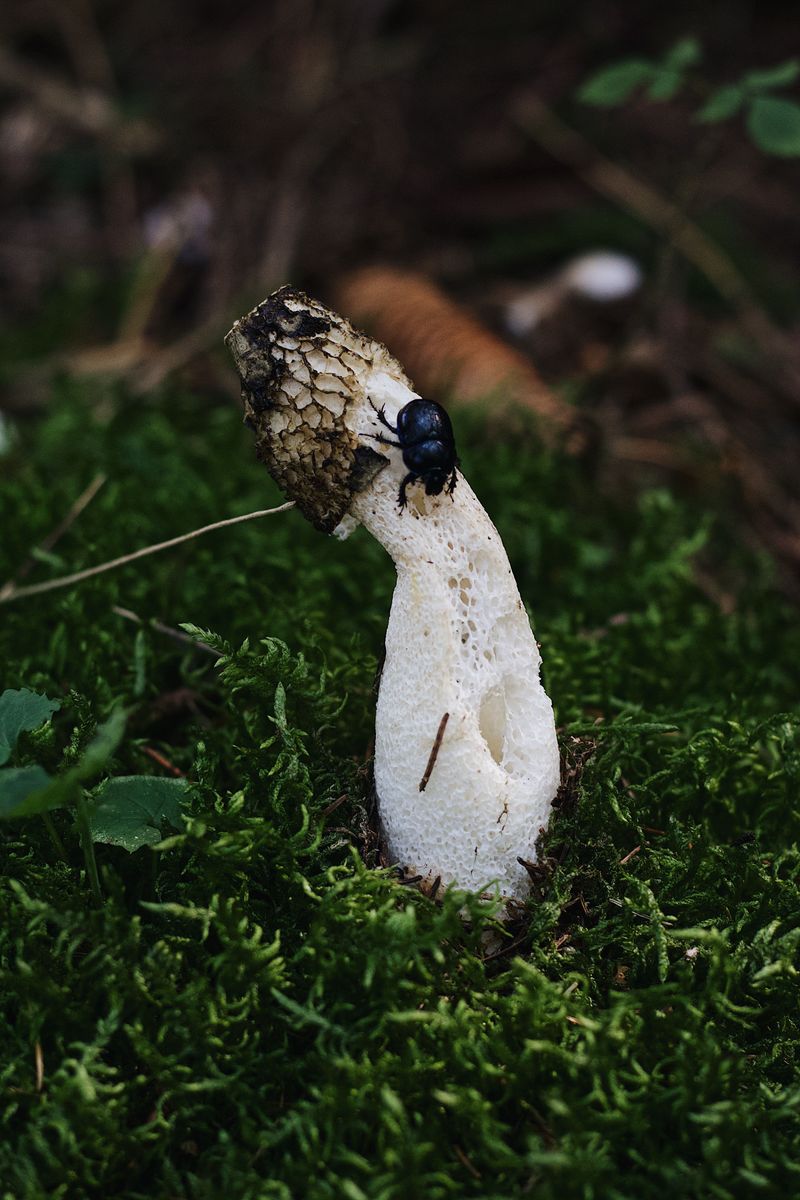
Here is the part that surprises people. The strong odor is not an accident or a sign of rot, it is a carefully evolved advertisement.
Most mushrooms release spores into the air and let the breeze do the work. Stinkhorns took a different route and hired insects instead.
The slime on the cap contains chemicals that mimic spoiled meat and manure. Flies, beetles, and yellowjackets find that scent irresistible and come running.
As they crawl across the cap, spores stick to their legs and mouthparts. The insects then fly off and drop those spores in mulch beds down the block.
It is a delivery service, and it works efficiently. A single stinkhorn can send spores much farther than wind alone would carry them.
You may notice the smell is strongest in mid-morning. Warmth increases the release of those volatile compounds, then fades as the slime gets eaten away.
Standing ten feet away, many folks describe it as a forgotten cooler or a sewer line problem. Some Iowans have called plumbers before checking the flower bed.
One historical note: Victorian-era accounts describe Charles Darwin’s daughter Etty going after them with a pointed stick, burning them quietly so the smell would not offend visitors.
Knowing the purpose behind the stench makes it easier to tolerate. It is simply a plant-world mail carrier doing rounds in your landscaping.
Good News For Your Plants And Soil
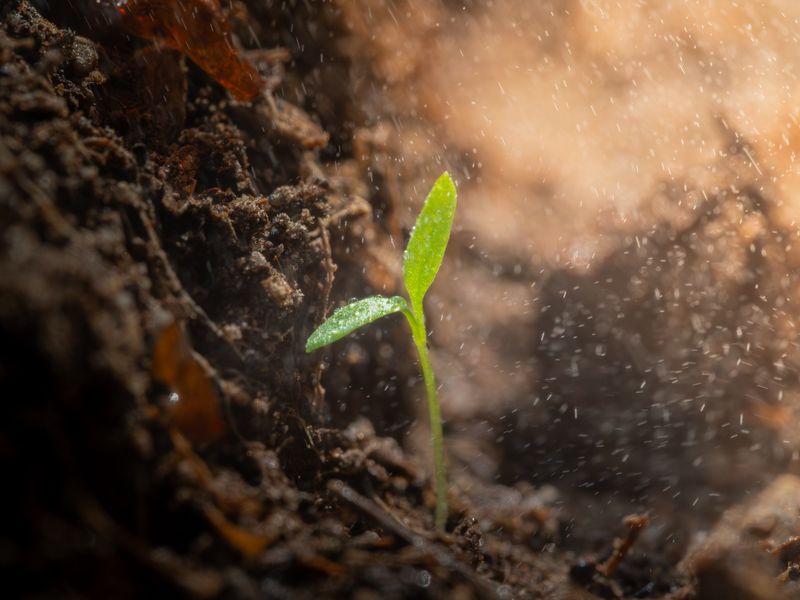
Take a breath, your hydrangeas are fine. Stinkhorns feed on wood and leaf debris, not on living roots, stems, or leaves.
They belong to a group called saprophytes, which means they break down material that has already stopped growing. In your beds, that means shredded bark, old wood chips, and buried twigs.
That breakdown work is genuinely useful. As the fungus digests mulch, it releases nitrogen, carbon, and minerals back into the soil where roots can reach them.
Think of it as free composting happening right in place. The finer the mulch becomes, the better it holds moisture around your perennials.
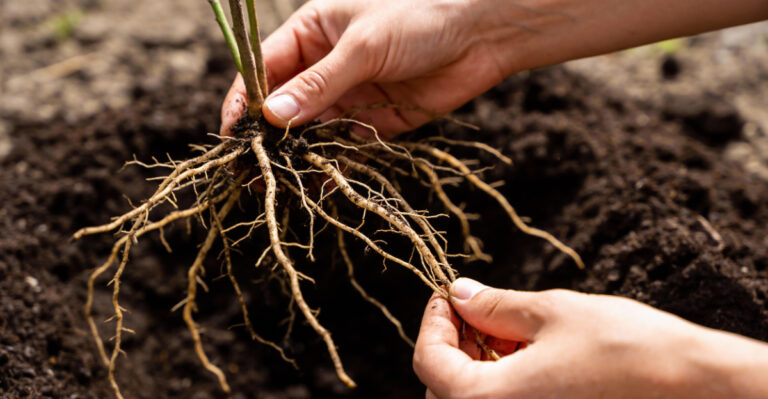
Underground, a web of thin white threads called mycelium spreads through the mulch layer. Turn back a handful and you may see what looks like pale cobwebs or spilled powdered sugar.
That network is a sign of active, biologically healthy soil. Landscapers often take it as evidence the bed is functioning the way it should.
Stinkhorns pose no threat to trees or shrubs either. Unlike root rot organisms, they have no interest in tissue that is still alive and working.
Pets and curious kids are the bigger concern, mostly because the smell attracts them. The fungi are not commonly eaten in North America, though some related species are foraged elsewhere, so it is worth steering little hands and noses elsewhere.
Beyond the odor, there is honestly not much reason to worry. Many gardeners simply wait a few days and let nature finish the job.
Simple Ways To Clear Them Out

Sometimes the smell lands right outside a bedroom window, and patience runs thin. Physical removal is the fastest fix and it takes about two minutes.
Slip on gloves and pull the whole structure, including the soft white base below the surface. Drop it into a bag, seal it, and put it in the trash rather than the compost pile.
Timing matters more than you would think. Catch them while they are still egg-shaped and you prevent the odor stage entirely.
Rake through the mulch afterward to break up any remaining threads. Loosening the surface also helps it dry, which slows the next flush considerably.
Hot, soapy water poured over the spot can help too. A splash of household vinegar works for some gardeners, though it may affect nearby acid-sensitive plants.
Fungicides are generally not recommended here. Store products are built for leaf diseases and do very little against fungi living deep inside a mulch layer.
Instead, adjust the conditions. Thin thick mulch down to two or three inches, pull it back from stems, and let sunlight reach the soil surface.
Water less often but more deeply, ideally in the morning. Surfaces that dry by afternoon are far less welcoming to fungal growth.
Expect a few repeat visits over the next couple of weeks. The underground network is still there, and it will push up new growth after each good rain until cooler weather arrives.
Keeping Next Season’s Beds Less Inviting
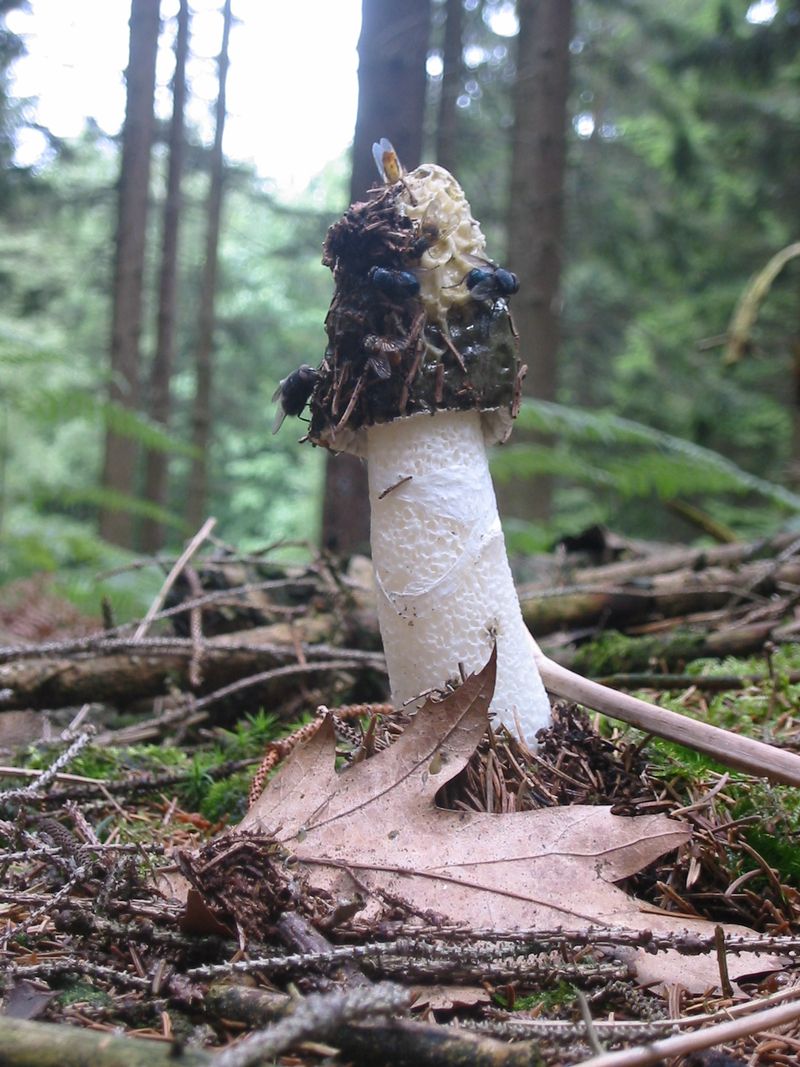
Prevention beats removal, and fall is a smart time to plan for it. A few choices now can make next September much less fragrant.
Start with mulch selection. Finely shredded hardwood breaks down fast and holds water, which is exactly what stinkhorns prefer.
Coarser options behave differently. Larger bark nuggets, pine straw, and cedar chips drain better and decompose more slowly, offering less easy food.
Depth is the other lever. Two to three inches is plenty for weed control, while four or five inches creates a warm, soggy layer underneath.
Refresh mulch by raking and fluffing the old layer before adding new material. Piling fresh on top of compacted mulch builds a thick sponge over time.
Watch your irrigation schedule too. Drip lines or soaker hoses deliver water to roots without soaking the mulch surface all day long.
Improving airflow helps as well. Trimming low shrub branches lets breezes and sun reach the bed, drying things out after storms.
If one bed is a repeat offender, consider replacing the top layer entirely next spring. Removing the spore-filled material gives you a cleaner slate.
Neighbors matter, oddly enough. Spores travel on insects and boots, so a nearby wood chip pile can reseed your yard no matter what you do.
A relaxed approach often works best. Clear them when the smell bothers you, and otherwise let these strange autumn visitors run their short course.