8 California Flowers That Keep Blooming Into Cooler Weather
By mid-October, plenty of California garden beds look like they are packing up for the year without much left worth photographing.
Zinnias have gone leggy, tomato vines sprawl brown across their cages, and the sunflowers are nothing but stalks standing there.
Then you spot a few plants that never got the memo about the season winding down. A clump of purple salvia is still covered in spikes reaching skyward.
California’s fall is mild and slow, and that changes which flowers matter compared to a garden bracing for an early hard freeze.
Most gardeners shop for fall color assuming everything quits by October, missing the plants actually built for this exact stretch of mild weather.
The eight flowers below hold up through cooling nights, shorter days, and the first real rains, with practical notes on planting and pruning.
1. Chrysanthemum Delivers Reliable Fall Color
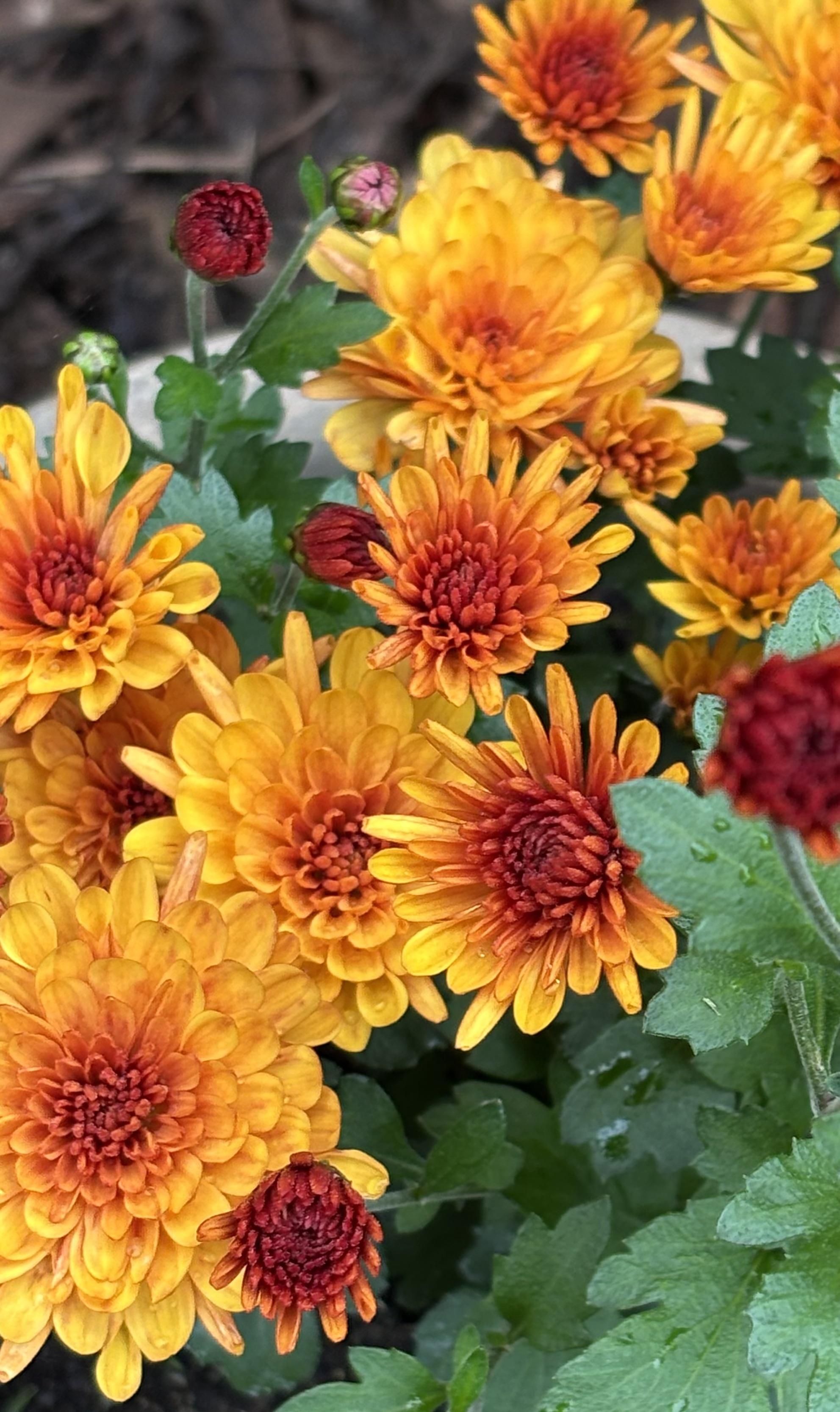
Garden centers stack mums by the pallet every September, and they sell out for good reason worth understanding before buying a single pot.
Chrysanthemums form flower buds as daylight shrinks, which lines up neatly with California’s slow slide toward fall weather each year.
Treat the blooming pots from the store as short-term color if you like, since many are forced into flower and sold at their peak.
Garden mums planted in the ground, though, can return year after year in mild parts of the state without much extra effort involved.
Give them at least six hours of sun and soil that drains well throughout the growing season for the healthiest results overall.
Water at the base, since wet petals invite gray mold during coastal fog rolling through many California neighborhoods each morning.
Pinch stems back twice between spring and early July to build a bushy plant loaded with buds ready to open come fall.
Snap off spent blooms to keep new ones opening through October, and often into November inland where frost arrives later than the coast.
Inland gardeners should watch for petal scorch during a September heat spike still common before real fall weather settles in for good.
2. Salvia Keeps Flowering As Nights Cool
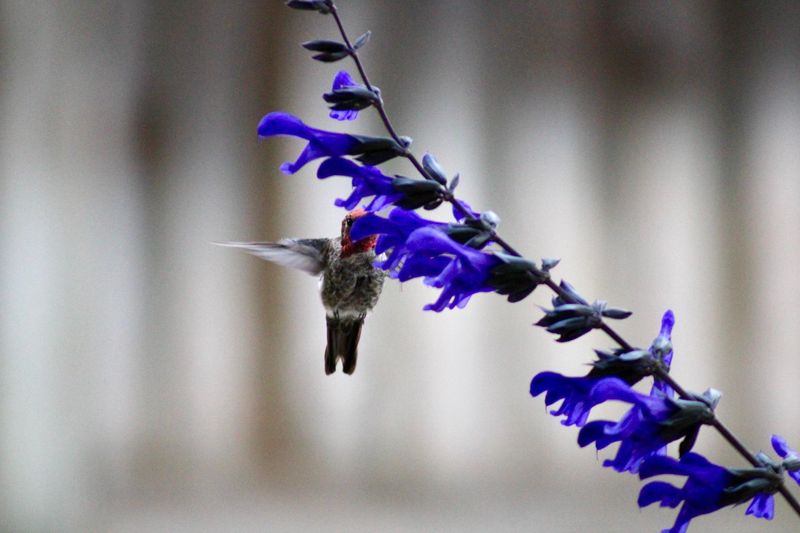
Hummingbirds seem to know exactly which plants are still open for business well after most annuals have quit for the season entirely.
Long after summer annuals quit, salvias push tubular flowers up tall spikes, feeding birds and bees well past Labor Day and into fall.
California grows an enormous salvia family, from native hummingbird sage to Mexican bush sage with its fuzzy purple wands catching the light.
Autumn sage is the workhorse for extended bloom, flowering from spring until the first real chill finally arrives across most regions.
Shearing is the trick that keeps flowers coming reliably. Cut spent spikes back by about a third in midsummer for the best results.
Most salvias want full sun, sharp drainage, and far less water than gardeners assume based on how lush the foliage looks.
Soggy winter soil causes more trouble than summer heat ever will for this whole plant family across the state generally.
Your California Garden Changes Every Week. Your Plan Should Too.
Gardening in California changes quickly throughout the season. Every Friday you’ll receive a simple weekly plan showing exactly what to plant, prune, fertilize, harvest, and protect so you never miss the right timing.
Leave the final round of flowers standing into November for the birds. Seeds feed finches, and dried stems add structure to a quiet bed.
Several salvias appear on the UC Davis Arboretum All-Stars list, chosen for low water use and months of reliable bloom performance.
3. Aster Extends The Garden Season
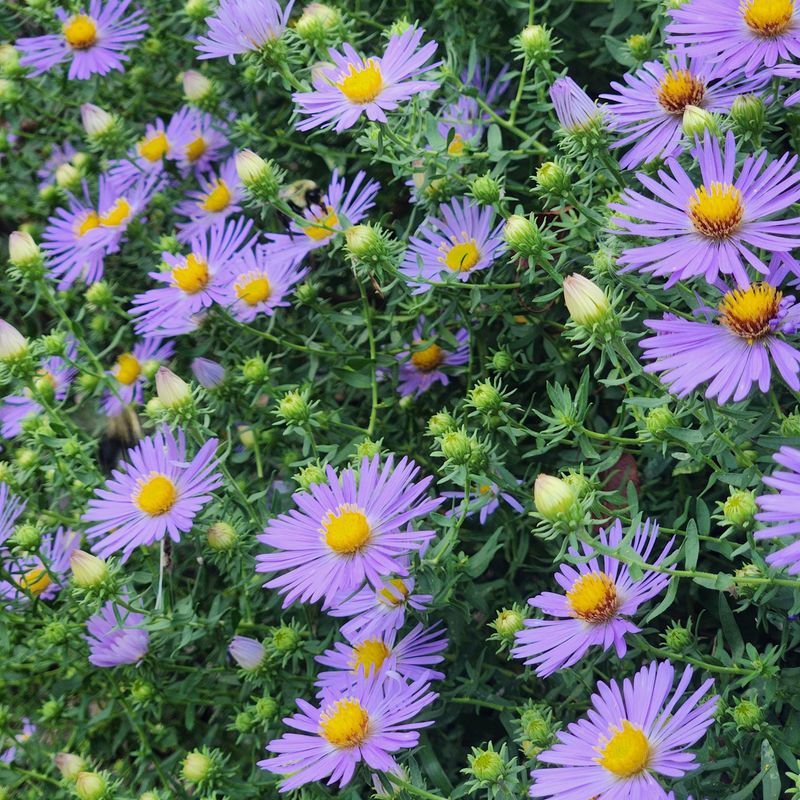
A garden bed can look tired by late September, then a clump of asters opens and the whole corner wakes up again suddenly, almost overnight it seems.
Daisy-shaped flowers arrive in purple, lavender, pink, and white, usually right as mums begin their run through the cooling fall weeks stretching out ahead of them.
Bloom generally starts in late summer and carries through October, sometimes longer along the coast where temperatures stay milder overall throughout the whole fall season.
Pollinators pile on fast once blooms open fully. Late-season nectar is scarce, and asters are one of the few sources still serving butterflies and bees reliably.
Growing them is not fussy at all for most California gardeners willing to give the plants basic care through the season without much specialized attention required.
Full sun to light afternoon shade, average water, and soil that drains keeps plants healthy without much fuss required from the gardener tending the bed regularly.
Powdery mildew is the main headache in foggy coastal gardens, so space plants for airflow and water the soil instead of the leaves whenever possible.
Pinch stems back by a third in late May or early June for shorter, sturdier plants that flower harder without staking needed later in the season.
Divide clumps every three years in early spring, since woody centers bloom poorly compared to the fresher outer growth surrounding them on a mature plant.
4. California Fuchsia Blooms Into Late Fall
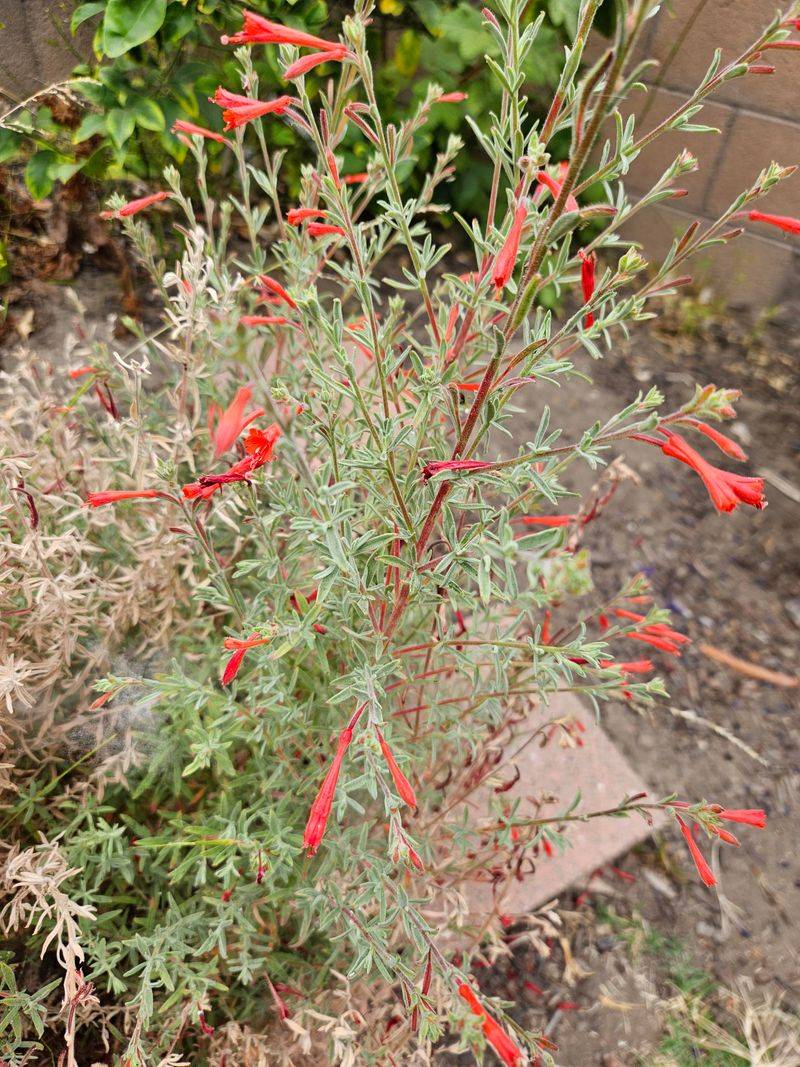
Scarlet trumpets glowing above dusty gray leaves are the calling card of this native plant, better known simply as California fuchsia to most home gardeners.
It hits full stride when almost every other native has gone quiet for the season, filling a real gap in the fall garden that few other plants manage.
Bloom usually runs from late summer into October or November, depending on variety and location across the state’s many distinct microclimates and regional weather patterns.
Anna’s hummingbirds lean on that timing heavily, since little else native is open then to provide the nectar they depend on through the cooler months.
Neglect suits it beautifully overall as a growing strategy. Full sun, lean soil, and almost no summer water produce the strongest flowering display come fall.
Spreading comes with the package too, worth planning around. Underground runners let it wander into a neighbor’s space, so give it a bank or dry slope.
Cut the whole plant back hard in late winter, nearly to the ground, for the healthiest fresh growth returning come spring once temperatures warm again.
Pair it with California buckwheat or native sages for a fall combination that needs no extra water once everything gets established properly over a season or two.
One naming quirk worth mentioning here. Botanists moved the plant from Zauschneria to Epilobium years ago, yet many nursery tags still use the old label regardless.
5. Sedum Holds Color Through Cooler Weeks
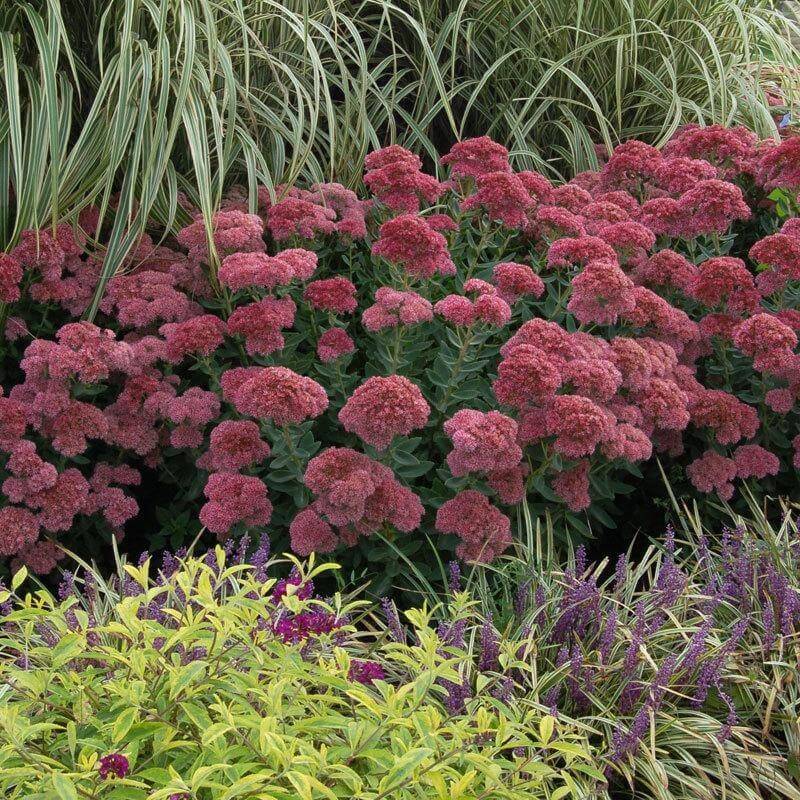
Few plants look good in four different stages throughout a single year, but showy stonecrop manages that feat rather impressively across the whole growing season and beyond.
Broccoli-like buds in summer, dusty pink flowers in early fall, rust-red heads in late fall, and tan skeletons persisting all winter long into the coldest months.
Autumn Joy opens pale pink in September and deepens to copper as temperatures drop, driven by cooling nights rather than simply fading with age like other flowers.
Succulent leaves store water, making this a low-thirst pick for most California gardens dealing with limited irrigation budgets each summer season and beyond into fall.
Full sun and gritty, well-drained soil are the only real demands this plant makes of the gardener tending it throughout the year with minimal fuss otherwise.
Bees work the flat flower heads nonstop through October, drawn in by the landing-pad shape that suits honeybees and small native bees alike during that stretch.
Cut plants back by half in late spring if they grew tall and floppy the previous year, encouraging sturdier stems this time around instead of weak ones.
Leave dried heads standing through winter for texture and bird seed, then cut to the ground before new rosettes emerge come spring from the base below.
Divide crowded clumps every three or four years in early spring to keep the whole planting vigorous and blooming well each fall without the center going bare.
6. Calendula Thrives In Milder Temperatures
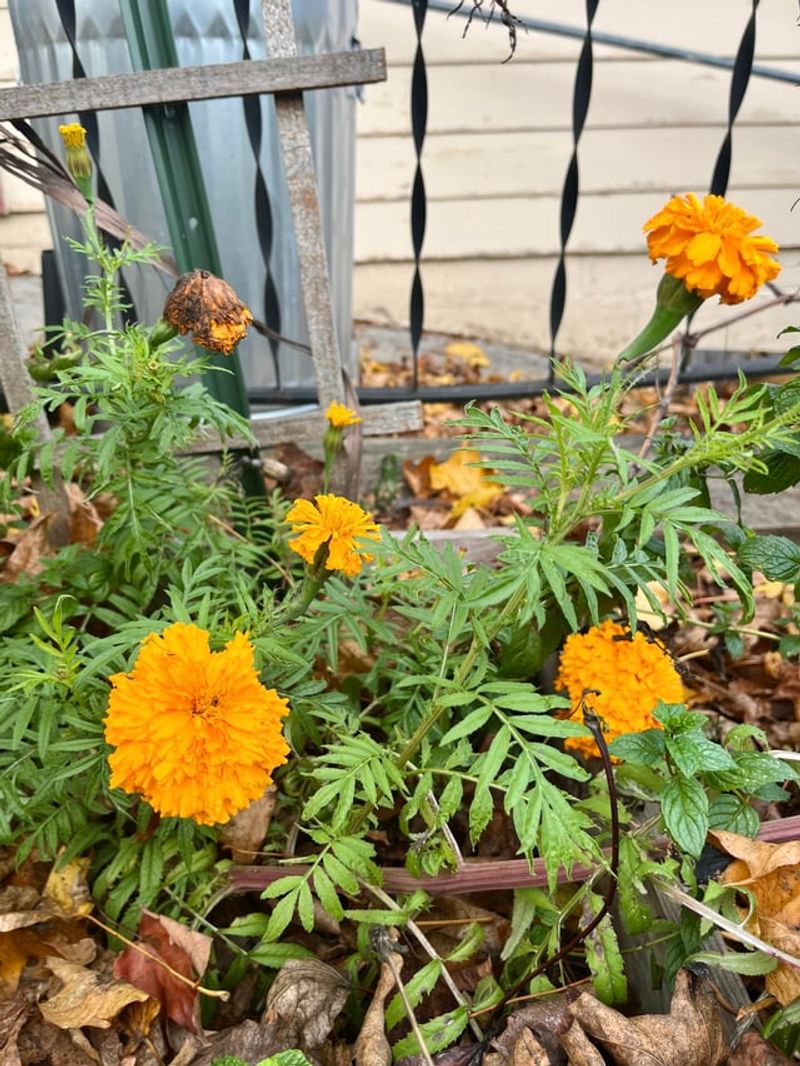
Summer heat makes calendula sulk, but October makes it sing throughout the mild stretch California calls autumn most years without much complaint from the plant itself.
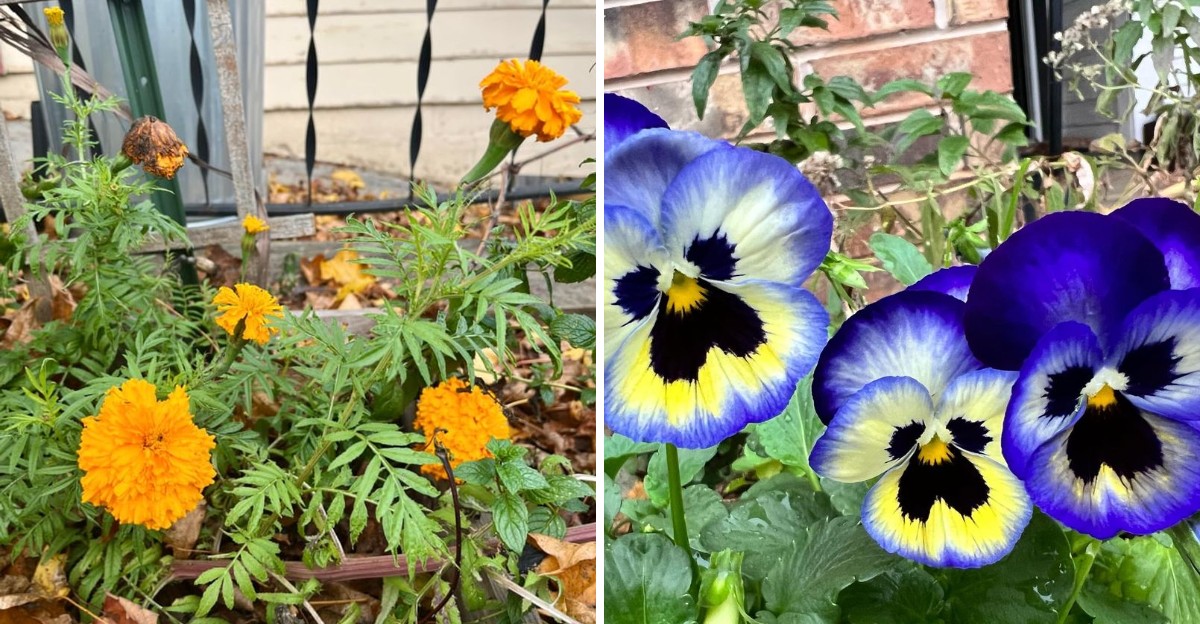
Orange and yellow flowers open wide during that stretch, then keep going for months longer than most gardeners initially expect from what looks like a simple annual.
Sow seeds directly into the ground from late summer through fall for the best results, since germination takes a week or two in warm soil typically.
Also called pot marigold, calendula is not a true marigold at all despite the common nickname most gardeners use casually without realizing the botanical distinction involved.
Trimming matters more here than almost anywhere else on this whole list. Every flower you pick triggers more buds to form quickly in its place.
Full sun and regular water suit calendula well throughout the season, though soil quality stays fairly negotiable since it shrugs at average dirt without much complaint.
Aphids favor the tender new growth on this plant, so knock them off with a hose blast or let ladybugs handle the job naturally over time.
Expect volunteers next season too, worth planning for. Plants self-sow generously, popping up in paths and vegetable rows where they make cheerful, edible company nearby.
Cut stems for the vase as well when you have extra blooms. They hold several days in water and brighten a kitchen while the garden outside drips with rain.
7. Pansies And Violas Take Over From Here
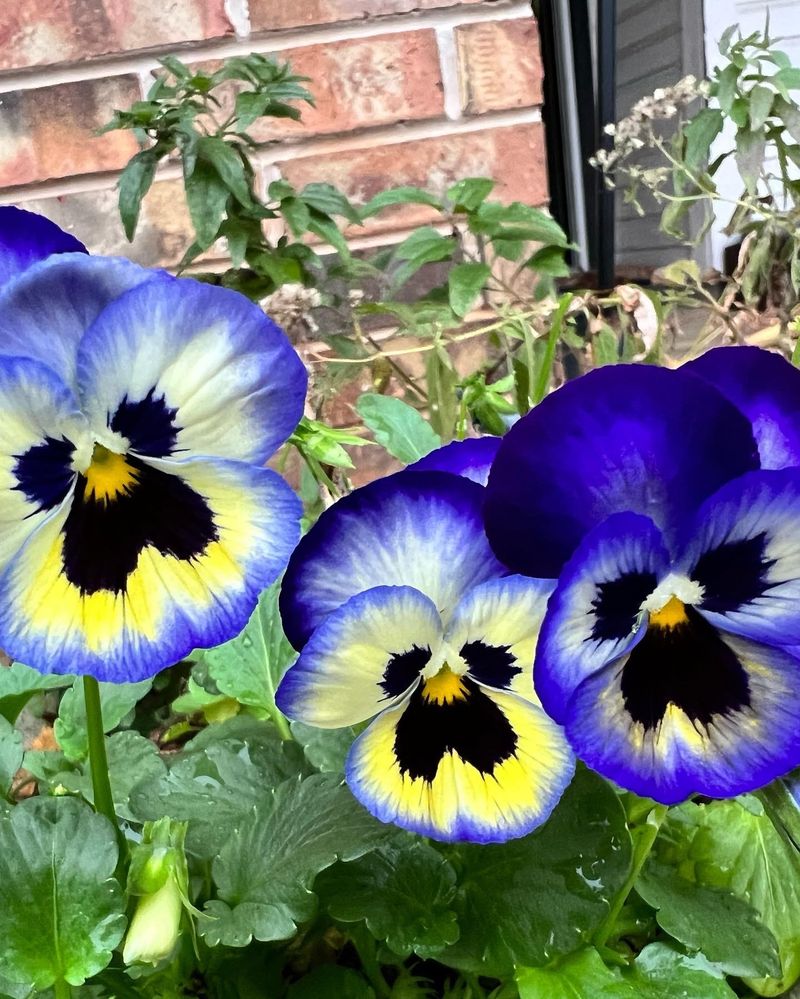
Here is the honest exception on this whole list worth calling out clearly before anyone gets confused about the timing and seasonal logic involved with these two.
Pansies and violas are not summer flowers coasting into autumn, they are cool-season plants you set out in fall specifically for winter and spring color instead.
Nurseries stock six-packs from September onward each year without fail. Plant once the worst heat passes, and roots settle in while the soil stays warm still.
Violas carry smaller flowers but far more of them, and they shrug off frost and rain better than big-faced pansies tend to manage under the same conditions.
Pansies offer bolder colors and dramatic markings by comparison though. Plenty of gardeners simply plant both types together for variety and contrast within the same bed.
Feed lightly every few weeks with a balanced fertilizer, since cold soil slows nutrient uptake and hungry plants turn pale quickly without that regular light feeding.
Pinch off spent flowers, seed pods included, to keep the show running strong throughout the cooler months ahead across most regions of the state generally.
Containers near a door pay off nicely, since you will actually see them in January when little else in the yard looks good or worth noticing.
Snails and slugs treat young transplants as a buffet unfortunately, worth watching for closely. Set traps, hand-pick after dark, or scatter iron phosphate bait around new plantings.
8. Snapdragons Handle A Light Chill Well
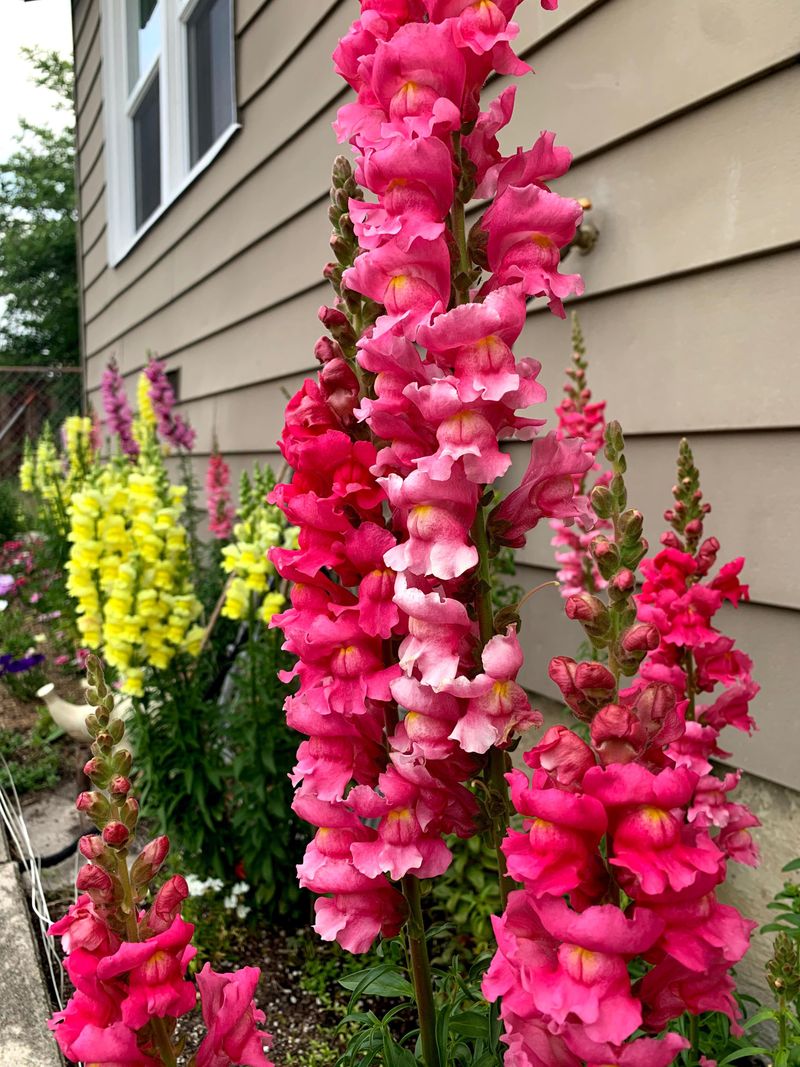
Light frost barely bothers a snapdragon at all compared to how tender annuals nearby have long since packed up for the season entirely by that same point.
Stems stiffen, colors deepen, and flowering continues while other plants struggle nearby, making this a genuinely useful choice for extending the fall display well past when most quit.
Antirrhinum majus is technically a short-lived perennial grown as an annual across most of the state by home gardeners each year without much fuss involved.
Planted in fall across much of California, it blooms during mild winter stretches and then explodes in spring once warmth returns properly to the whole garden.
Pick the height that matches the job at hand carefully. Dwarf types under a foot fit borders and pots, while tall varieties reaching three feet work as cut flowers.
Pinch young plants above the third set of leaves to force branching, since more stems mean more flower spikes coming later in the season once established.
Cut or trim finished spikes promptly, and a second flush usually arrives within a few weeks of that first round finishing up completely on its own.
Rust is the main disease affecting this plant, showing up as brown spots under leaves in damp weather common along the coast during the wetter months ahead.
Full sun and well-drained soil keep snapdragons happy overall, though afternoon shade helps considerably in hotter inland areas away from the coast during any lingering warm spells.