The Reason California Owls Go Silent For Weeks At A Time
All winter your yard had a soundtrack.
Deep hoots after sunset, sometimes two birds trading calls back and forth across the neighborhood. You came to expect it.
Then one week it stopped.
Not gradually. Just gone, and the silence stretched into weeks with nothing filling it.
The natural conclusion is that something happened. A tree came down, someone moved in with a dog, the owls found a better neighborhood.
Here’s the answer, and it’s simpler than any of that.
Owls call loudly when they have a reason to. Territory, courtship, and mate contact all require broadcasting.
When those pressures ease, so does the noise.
California owls run through predictable stretches each year where calling serves no purpose, and during those weeks they mostly stop.
The birds are still there. They just have nothing to announce.
Curious what your yard is actually going through?
1. Calling Follows The Breeding Calendar
Here it is directly.
Owl vocalization is tied to breeding, territory defense, and pair bonding rather than to being an owl in general.
Loud hooting serves specific functions. Establishing boundaries, attracting or reconnecting with a mate, and warning off rivals all require making noise.
When none of those pressures apply, calling drops off substantially.
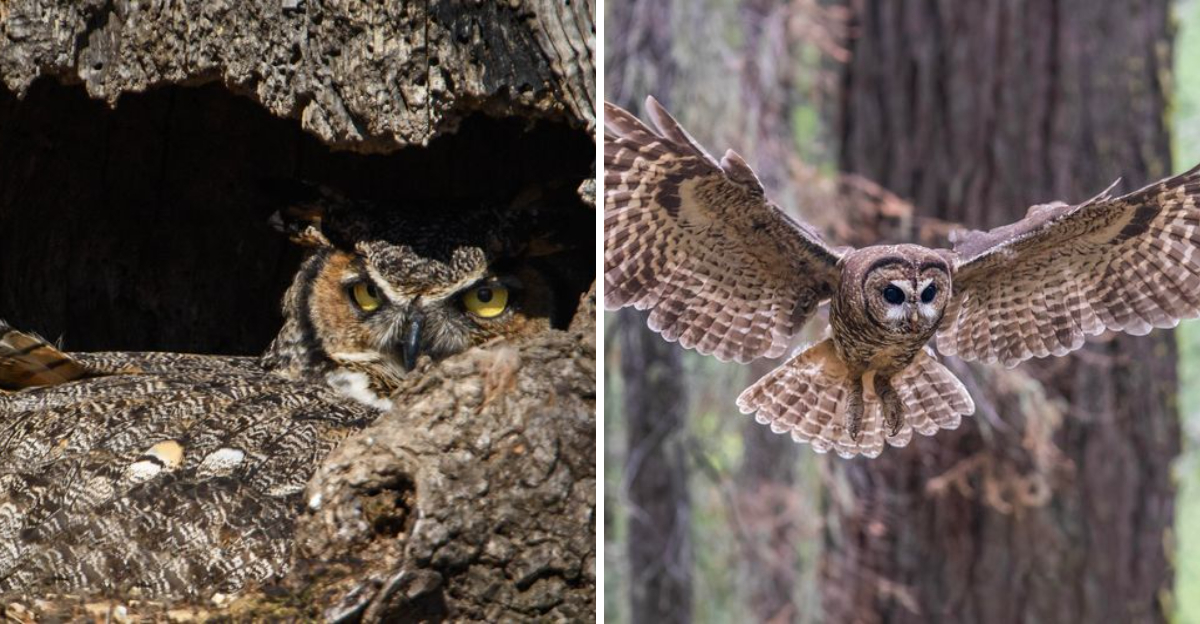
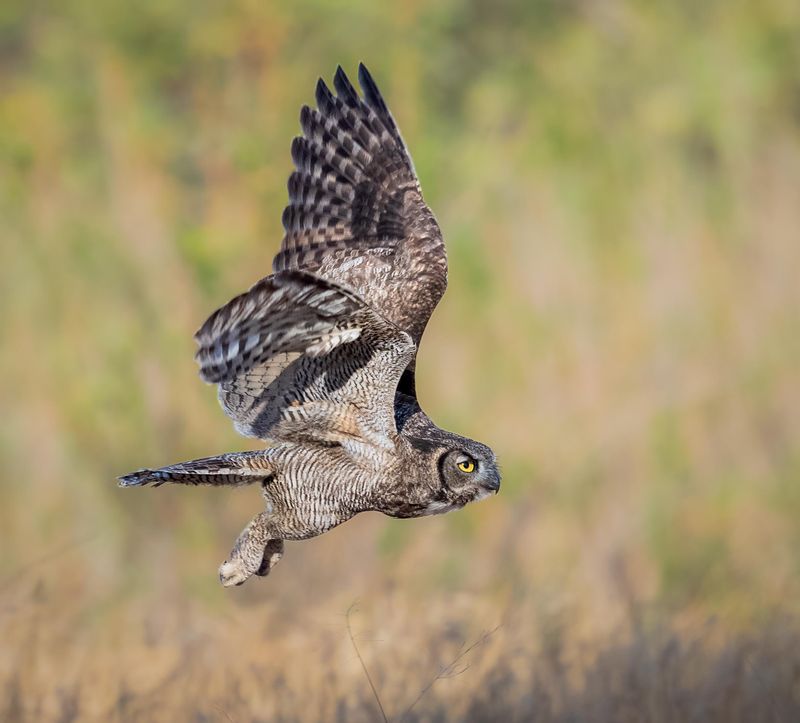
Great horned owls in California typically nest in winter, sometimes as early as December or January, which means fall and early winter are their loudest stretch.
By late spring the pair is raising young, and by summer the young are dispersing.
Neither of those phases rewards loud broadcasting, so the yard goes quiet.
Molt overlaps that same period, adding another reason for reduced activity.
So the silence people notice in June or July usually reflects a bird between obligations rather than a bird that left.
An owl already holding a territory with an established mate has nothing useful to say most nights.
Species timing varies. Barn owls and western screech-owls run their own schedules, which is why neighborhoods with different species sound different across the year.
Everything below explains the pieces of that cycle and what each one sounds like from a porch.
2. Molt Reduces Flight Power And Activity
Late summer can make a familiar owl seem oddly inactive.
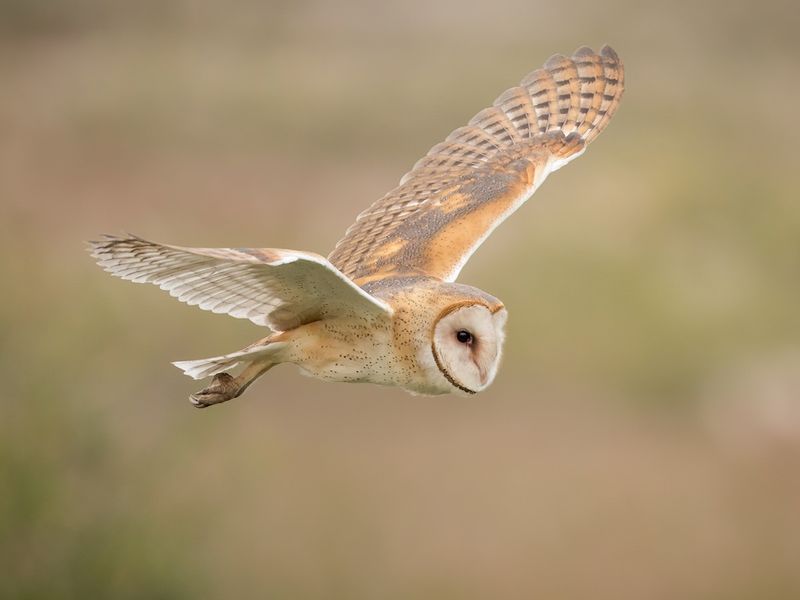
Owls replace worn feathers each year, and that process costs energy and time while new feathers grow.
Feathers aren’t swapped all at once, which lets an owl keep hunting through the process.
Even so, gaps and uneven feather edges reduce lift, soften quick turns, and make fast pursuit harder than usual.
That matters across California, where great horned owls, barn owls, and screech-owls may spend hot months conserving effort.
A bird saving energy during molt tends to choose shorter flights, safer perches, and fewer noisy trips across open ground.
You might still see one at dusk without hearing the bold hoots that carried through cooler months.
Rather than announcing territory, many owls seem content to rest, preen, and let flight feathers rebuild.
Owls molt gradually across multiple years for some feather groups, which spreads the cost rather than grounding the bird.
Your California Garden Changes Every Week. Your Plan Should Too.
Gardening in California changes quickly throughout the season. Every Friday you’ll receive a simple weekly plan showing exactly what to plant, prune, fertilize, harvest, and protect so you never miss the right timing.
Patience is the practical response for backyard listeners. A loud winter followed by a quiet summer doesn’t mean the owls left.
Watching from a respectful distance helps most. Avoid walking under known roost trees or playing recorded calls to force a response.
Quiet weeks are part of the cycle, and a fully feathered owl handles fall better.
3. Quiet Feathers Mean Quiet Hunting Too
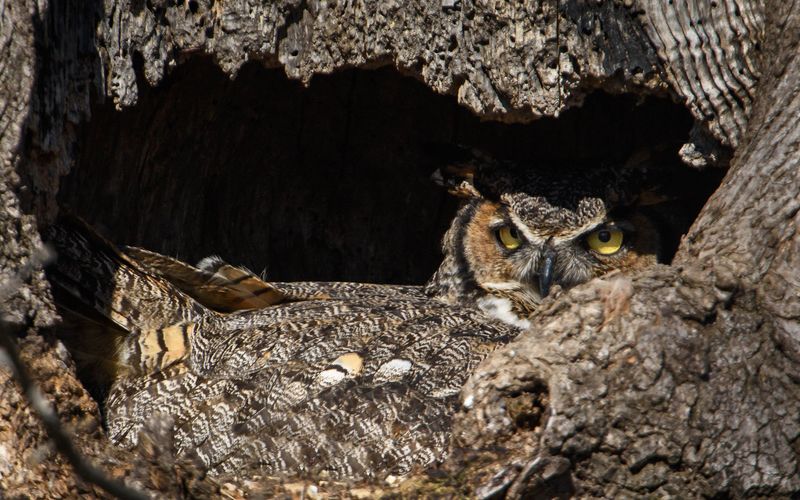
During molt an owl can still fly, though slightly worn or growing feathers make each trip less efficient.
Many birds respond by reducing extra movement and simplifying hunting routes.
That helps explain why some California owls seem quieter for weeks at a stretch.
Less cruising means fewer wingbeats over yards, fewer perch changes, and fewer opportunities for people to hear calls traveling through night air.
Hunting style adjusts too. A great horned owl may wait longer on a single branch, while a barn owl works a smaller patch along a field edge.
Limiting long patrols and dramatic flights conserves strength while the feather coat rebuilds.
That quieter behavior convinces neighbors the birds departed.
More often they’re nearby and harder to notice, traveling less and calling less.
Listening at dawn or immediately after sunset works better than expecting midnight hoots.
Owl feathers include specialized structures that muffle sound in flight, which is part of why they’re hard to detect even when active.
Keeping outdoor lights modest around hunting areas helps, since bright lighting affects both owls and the rodents they hunt.
Letting grassy areas support small mammals gives a molting owl easier hunting close by.
A calm yard means less energy spent on long risky flights until fresher feathers return.
4. Nesting Adults Deliberately Stay Quiet
Nest time changes owl behavior quickly.
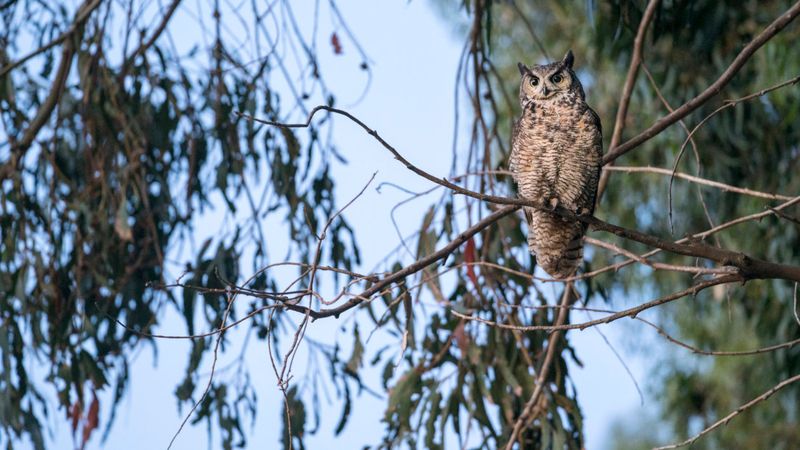
Once eggs hatch or chicks are growing, many parent owls become considerably more careful about sound.
Loud repeated calling near a nest advertises the family’s location to crows, ravens, hawks, and curious mammals.
Owl voices genuinely rise and fall with the breeding cycle.
During active nesting, adults still call occasionally, though many hours that once held bold hoots pass in near silence while parents focus on feeding and guarding.
California backyards make that shift feel dramatic.
A pair calling through winter may go quiet by late spring or summer, not because the territory failed but because staying unnoticed protects the young.
Ravens, jays, and raccoons all cause problems when a nest is easy to locate.
Crows in particular will mob an owl relentlessly once they find one, which costs the adult energy and reveals the nest site.
Quieter adults attract less of that attention during a vulnerable stretch.
If you suspect owls are nesting nearby, skip recorded calls and keep distance from dense trees or barns where they may be hidden.
Let the parents work without interruption. Once the young are stronger and the season shifts, nighttime voices generally return.
Until then, silence may indicate adults choosing caution, which is what successful owl parents typically do.
5. The Between-Season Lull
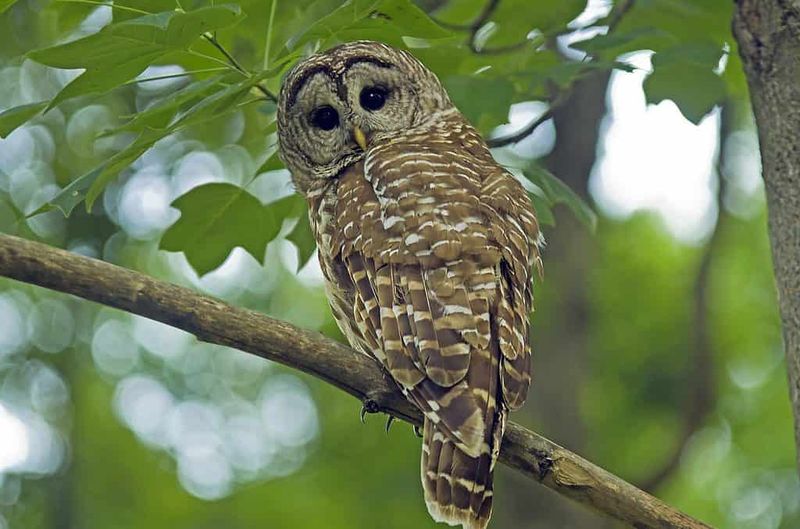
Between one busy season and the next, owls often enter a plain quiet spell.
People expect year-round hooting, and most of the loudest calling ties to territory, courtship, and nesting rather than constant conversation.
That means a natural lull follows the end of chick raising and precedes the next round of pair bonding.
For great horned owls in California the calendar matters considerably. Summer sounds much softer than winter because the main reasons to advertise are temporarily inactive.
An owl already holding its area and partner has little need to declare the obvious every night.
Quiet weeks feel concerning when you enjoyed winter hoots from the porch.
Silence during that middle stretch fits a normal rhythm better than any mystery disappearance.
Checking seasonal patterns beats assuming trouble.
Keeping a simple notebook with dates, weather, and first hoots of the season pays off over years.
You’ll likely notice the same quiet window recurring, which converts surprise into expectation.
Weather affects what you hear too. Wind, rain, and fog all reduce how far sound carries, so some silent nights are acoustic rather than behavioral.
That record also helps kids understand wildlife as a yearly cycle with busy phases, hidden phases, and resting phases that each serve a purpose.
6. Calling Ramps Back Up By Fall
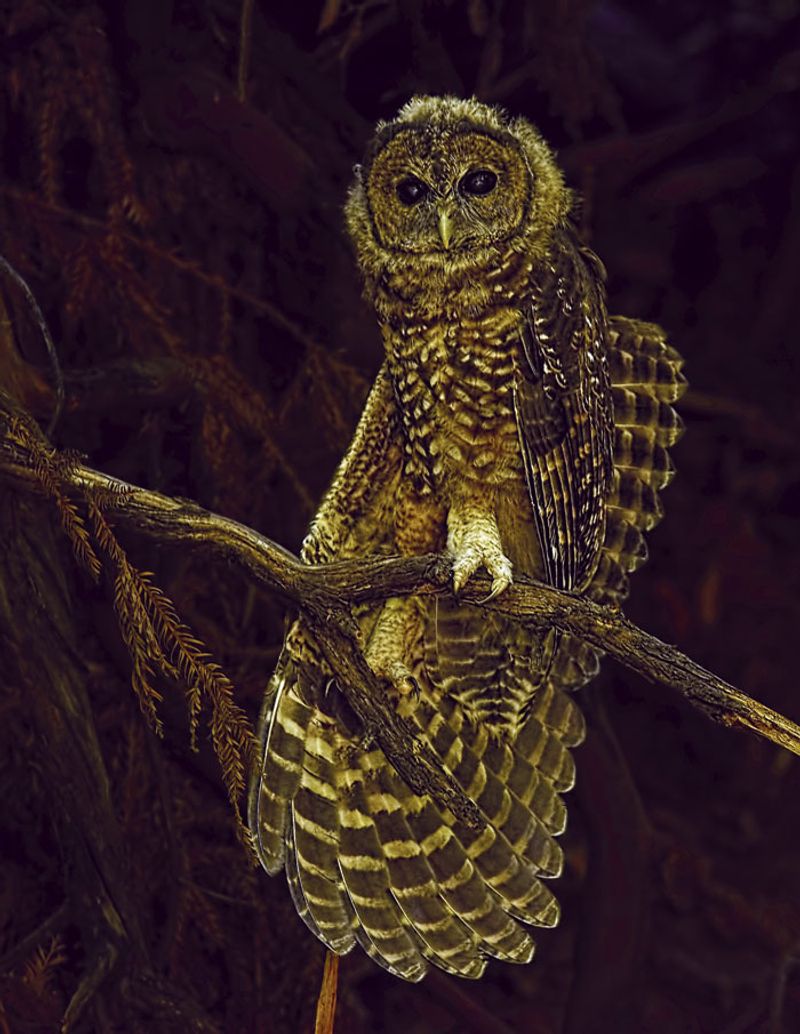
Then the comeback arrives.
As days shorten, several of California’s familiar owls begin sounding like themselves again, and great horned owls are the clearest example.
Fall is when their calling starts building toward winter breeding.
After the summer lull, territorial hoots and courtship exchanges become useful again.
Adults need to reinforce boundaries, reconnect with mates, and prepare for nesting that can begin remarkably early.
That seasonal restart explains why a silent yard suddenly feels occupied by October or November.
Cool air also carries sound better, so hoots may seem richer and reach farther than they did in warm months.
For listening, try calm evenings after sunset and the hour before dawn. Standing still for several minutes improves your odds considerably.
Great horned owls typically open with deep spaced hoots, while other species answer in different rhythms and pitches.
Paired birds sometimes duet, with the female’s call noticeably higher than the male’s, which tells you a pair is established rather than a single bird advertising.
Resist playing recordings to provoke a response, since that stresses the birds and gives you a false picture.
When a neighborhood starts hearing owls again in fall, that return signals the next breeding cycle beginning rather than random noise.
7. Young Owls Disperse Without Announcing It
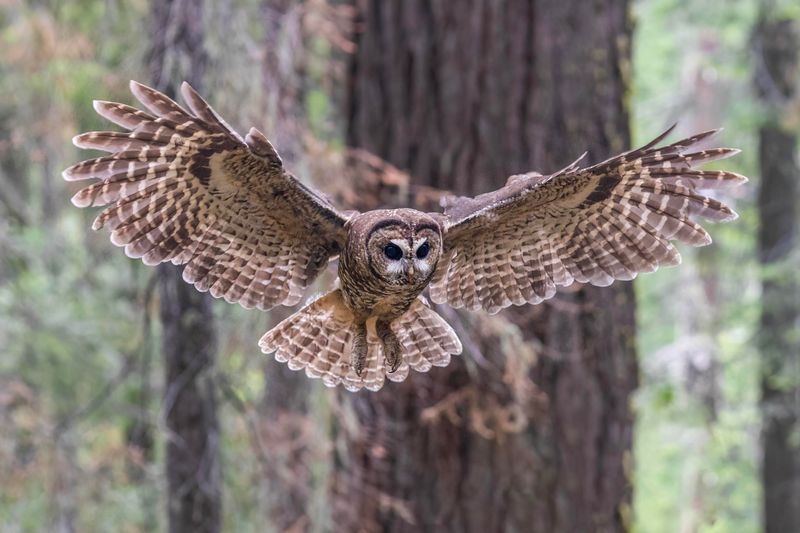
One night you hear raspy begging calls, and weeks later the area seems empty.
Part of that hush comes when young owls leave the places where they were raised.
Their departure makes a neighborhood sound less occupied even though owls remain in the broader area.
Late summer and fall are common dispersal periods, when juveniles move off seeking territory of their own.
Young birds don’t stay indefinitely in the natal territory, and as they wander the familiar chorus around one yard fades.
That shift gets misread constantly.
People assume the whole family vanished when the youngsters are traveling quietly, testing hunting spots, and avoiding trouble while learning the landscape.
Juveniles have practical reasons for staying quiet, since calling attracts established adult owls that may not welcome competition.
Dispersal is also a dangerous period, with mortality highest during that first year, which makes caution sensible.
Listening for changing sound types rather than only hoots gives a fuller picture.
Begging calls, squeaks, and short contact notes come and go before quiet settles in.
Checking again several weeks later often reveals a different pattern, especially if an adult resumes calling nearby.
The cast changed while the habitat stayed in use, which is why patience matters for anyone following local owls.
8. Silence Does Not Mean They Are Gone
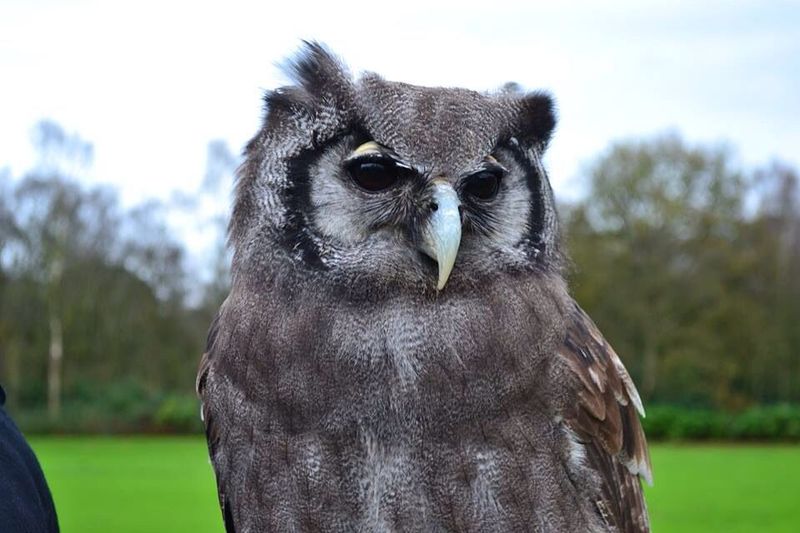
Silence feels unsettling after months of hearing deep hoots outside a window.
The simplest answer is usually correct. Quiet weeks are normal for many California owls, shaped by molt, nesting duties, young birds dispersing, and the pause between breeding seasons.
A backyard going quiet in summer proves nothing about whether owls moved away.
Often the birds are still roosting, hunting, and watching from cover with far less announcement.
Seasonal behavior changes what people hear considerably more than it changes whether owls are present.
Great horned owls, barn owls, and western screech-owls each keep their own timing, and none call loudly every night.
Weather, food availability, and family stage all factor in, which is why a single explanation rarely covers every silent stretch.
What should a curious listener do? Keep notes by month, listen at dusk and dawn, skip playback entirely.
Protecting tall trees, quiet roosts, and field edges where prey lives does more than any listening technique.
Rodenticides deserve mention here, since owls that eat poisoned rodents are affected too, and that risk is documented across California.
Skipping those products supports the birds directly.
Wildlife makes more sense when you follow patterns instead of chasing constant noise.
When fall voices return, most people realize the owls were nearby the whole time.