Why Alabama Lawns Need A Final Nitrogen Boost Before The Season Changes
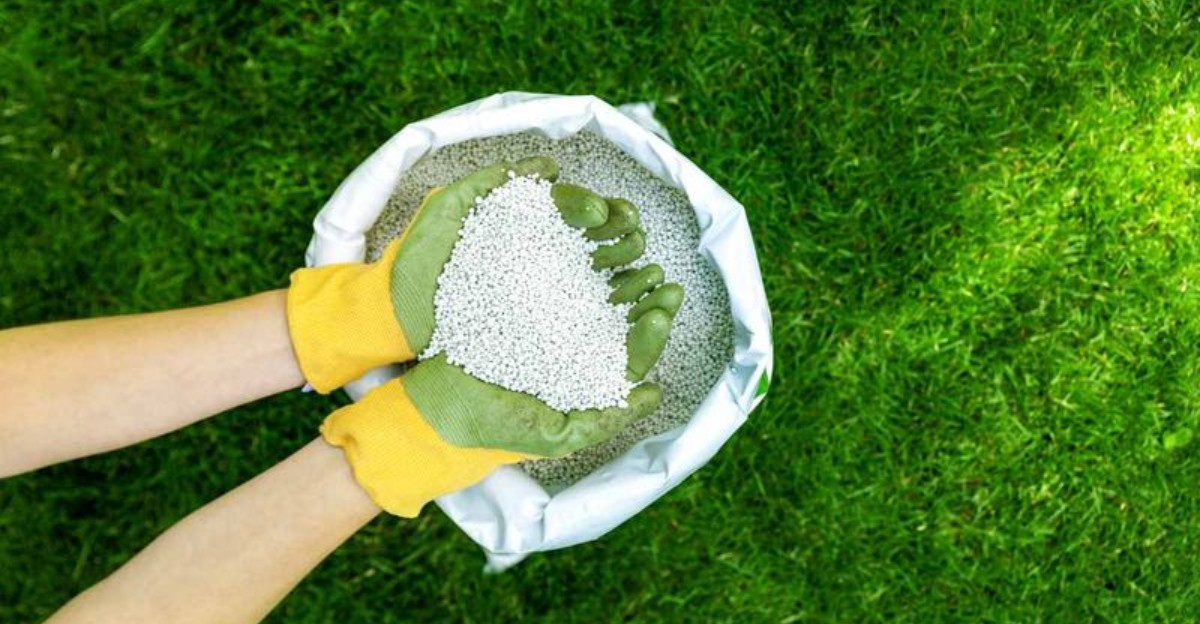
Wait too long and your grass pays for it. Timing decides whether next year looks lush or lean. Alabama soil cools fast once September settles in. Fertilizer applied at the wrong moment wastes money outright.
Roots absorb nutrients differently as temperatures drop. Homeowners across Alabama rush this step each fall. You control the outcome with a smart application. Skip it and thin patches show up by April.
Grass reacts fast once nights turn cooler. Water behaves differently too, soaking deeper without evaporating instantly. Mowing height matters just as much as feeding schedules.
Certain mistakes resurface across countless yards this season. Understanding why changes how you treat your lawn. Late feeding can backfire if applied carelessly.
Soil temperature drives decisions more than the calendar does. Ignore that fact and results fall short later. Your next move determines exactly how strong spring arrives.
1. Warm-Season Grass Runs On A Tight Calendar
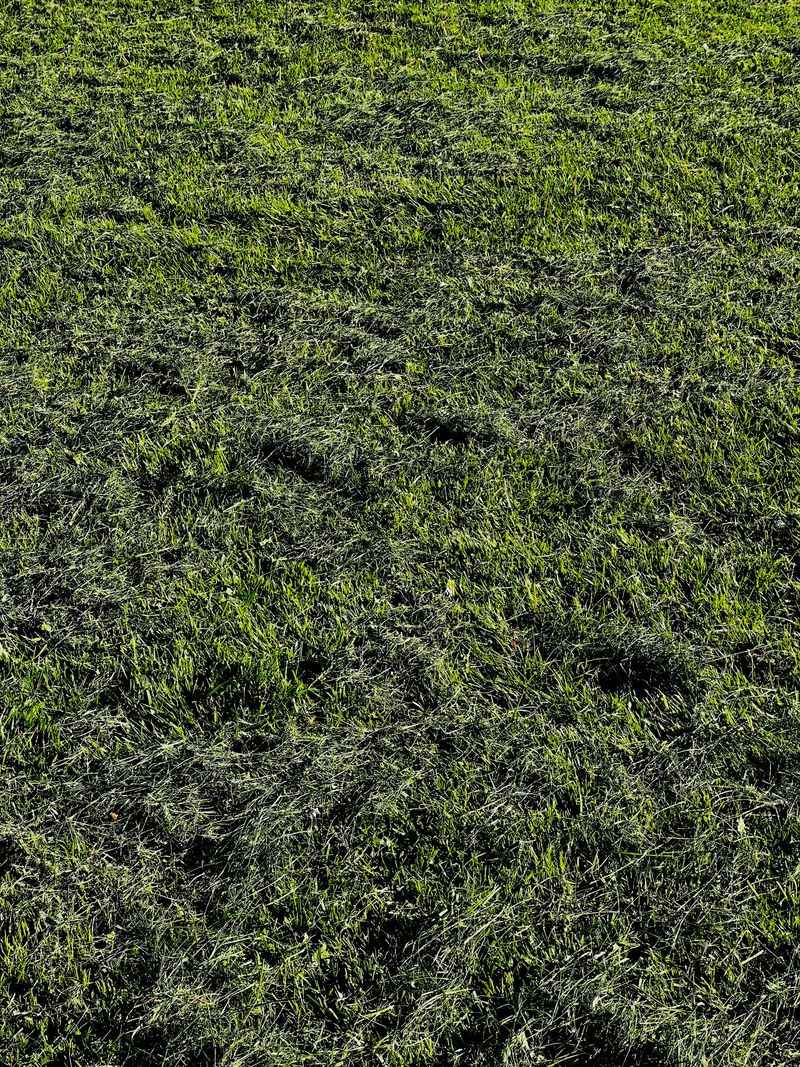
Bermuda, zoysia, and centipede grass all share one habit: they work hard while soil stays warm, then coast. In Alabama, soil temperatures usually hold in the comfortable range through September before sliding down in October.
That narrow window matters more than the calendar date on your phone. Feeding while roots are still active means the grass can actually use what you give it.
Think of it like packing a lunchbox before a long field trip. Nutrients taken in now get stored in stems, stolons, and roots for later use.
Wait too long and the plant slows its uptake, leaving fertilizer sitting on the surface. Rain then carries it toward storm drains instead of into your turf.
North Alabama cools a bit sooner than the Gulf Coast, so timing shifts by region. Folks around Huntsville often finish feeding earlier than neighbors in Mobile or Dothan.
A cheap soil thermometer takes the guesswork out of it. Push it a couple inches down in the morning and check the reading for a few days running.
When soil hovers around the mid-seventies, your grass is still hungry and growing. As soil temperatures drop toward the low sixties, grass uptake gradually slows.
Centipede deserves extra caution because it prefers light meals overall. Too much nitrogen on centipede late in the year can thin the grass instead of thickening it.
Knowing your grass type turns this whole task from guesswork into a simple routine. Write the date on a calendar and repeat it next year.
2. Summer Stress Leaves The Lawn Running On Empty
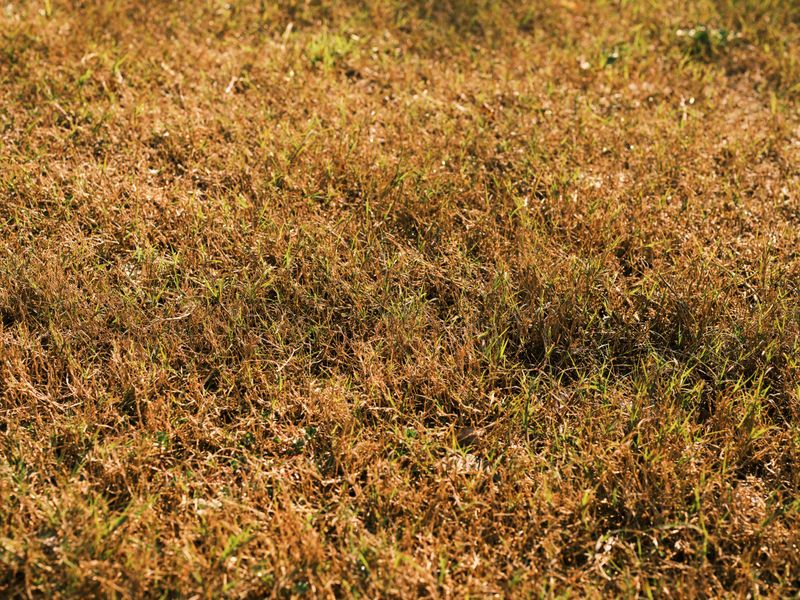
Picture what your yard has survived since May. Blistering afternoons, drought stretches, pop-up thunderstorms, cookouts, dog laps, and a mower blade passing over it weekly.
All that activity drains the plant’s stored energy the same way a long hike empties a backpack. By September, many Alabama lawns look faded, thin, and a little tired around the edges.
Nitrogen is the nutrient most responsible for green color and leaf growth. It also happens to be the one that washes away quickest during heavy summer rain.
Your Alabama Garden Changes Every Week. Your Plan Should Too.
Gardening in Alabama changes quickly throughout the season. Every Friday you’ll receive a simple weekly plan showing exactly what to plant, prune, fertilize, harvest, and protect so you never miss the right timing.
Our sandy and clay-mixed soils hold nutrients unevenly across the state. Coastal sand lets nitrogen slip through, while red clay grips it but drains poorly.
A well-timed feeding helps the turf rebuild tissue before growth slows. Thicker blades shade the soil, and shaded soil means fewer weed seeds sprouting this fall.
You may notice recovery within seven to ten days. Color deepens, thin spots fill in, and the lawn starts looking rested again.
Do not confuse tired turf with insect damage, though. Check for chinch bugs or armyworms before assuming hunger is the whole story.
Armyworms can be more active in Alabama during September. A quick soapy water flush test in a suspicious patch can help confirm the issue in minutes.
Once pests are ruled out, a modest nitrogen application is the simplest fix available. Your grass gets a chance to finish the year strong instead of limping.
3. Roots Keep Working After The Blades Slow Down
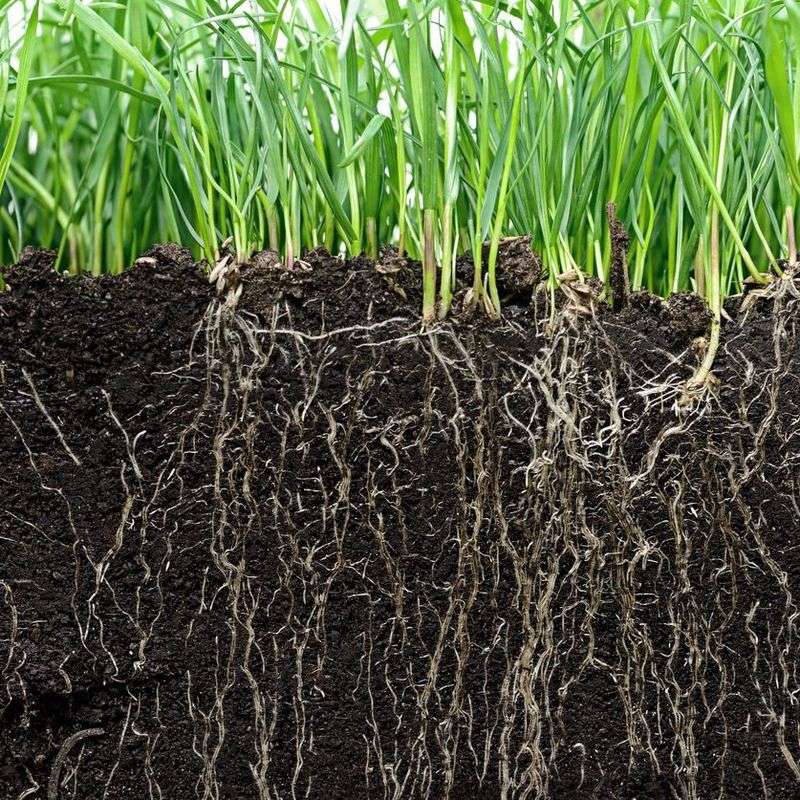
Here is the part folks rarely see: while the top of the lawn quiets down, underground activity keeps humming. Roots continue growing well after blade growth tapers off.
Soil stays warmer than air for weeks, which keeps that root zone active. Feeding during this stretch sends resources straight into the underground network.
Deeper roots mean better drought tolerance next July. They also help turf handle Alabama’s swing between soggy weeks and bone-dry ones.
Carbohydrates stored in rhizomes and stolons act like a savings account. Spring green-up draws heavily on that account, and a thin balance shows.
Lawns fed properly in early fall tend to wake up sooner and more evenly. Neighbors often wonder why one yard greens two weeks ahead of another.
Aerating before feeding makes the boost work harder, especially in compacted clay. Holes let nutrients, air, and water reach the root zone directly.
Core aeration in September fits nicely alongside a feeding schedule. Pull the plugs, leave them to break down, then spread fertilizer afterward.
If aeration is not in the budget, a good raking of thatch helps too. Thatch thicker than half an inch blocks nutrients from soaking in.
Root health rarely gets credit because nobody photographs it. Still, the invisible half of your lawn decides how the visible half performs.
Treat this feeding as an investment in what you cannot see. The payoff shows up above ground months later.
4. Light Rates Outperform Heavy Handfuls
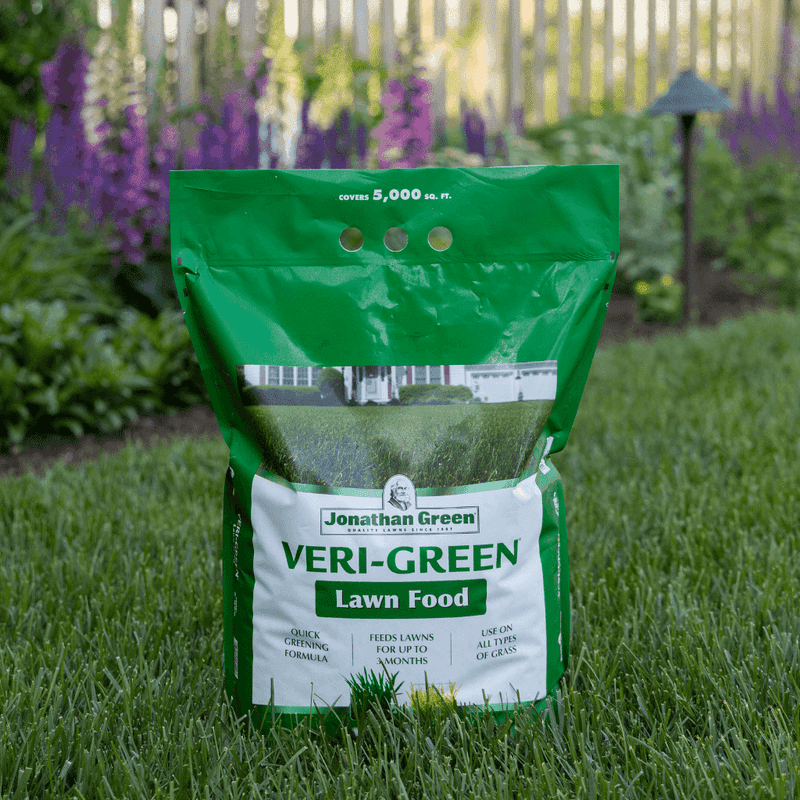
More is not better here, and that trips up plenty of enthusiastic homeowners. A final feeding should be modest, roughly half a pound of nitrogen per thousand square feet.
Compare that to the fuller rates used in June when grass is racing. Late in the season, the goal is nourishment rather than a growth sprint.
Pushing heavy nitrogen now forces tender new blades at an awkward time. Soft growth going into cooler weather is more vulnerable to fungus.
Measure your lawn once and keep the number written down somewhere handy. Guessing square footage is the number one reason spreaders get set wrong.
Calibrate the spreader using the bag’s chart, then walk at a steady pace. Rushing creates stripes that show up embarrassingly a week later.
Overlap each pass slightly rather than leaving gaps between rows. Gapped applications produce a zebra pattern that lingers for a month.
Slow-release formulas suit this application beautifully. They meter out nutrients over several weeks instead of dumping everything at once.
Look for products listing a portion of nitrogen as coated or controlled release. The label does the math for you if you read it closely.
Sweep stray granules off driveways and sidewalks back onto the grass. Concrete cannot use fertilizer, and rain sends it toward creeks instead.
Restraint feels counterintuitive when you want fast results. Your lawn, though, rewards patience far more than enthusiasm this time of year.
5. Fall Weeds Begin Germinating Early
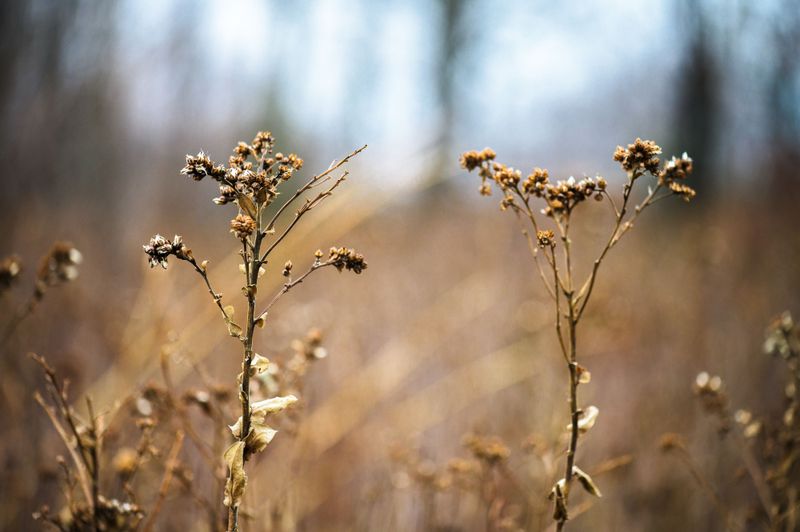
Poa annua, henbit, and chickweed do not announce themselves. They spread quickly across thin lawns by February.
Bare soil is their favorite landing pad. Thick, well-fed turf blocks sunlight and leaves those seeds with nowhere comfortable to settle.
A September feeding thickens the canopy right as weed seeds start waking up. Density becomes your cheapest form of weed control.
Pairing the feeding with a pre-emergent herbicide works even better. Many Alabama gardeners apply pre-emergent when soil temperatures dip toward seventy degrees.
Timing the pre-emergent matters as much as timing the fertilizer. Too early and it fades before the seeds sprout; too late and you have missed them.
Some combination products handle both jobs in a single pass. Read the label carefully, since certain blends do not suit centipede or St. Augustine.
Water the pre-emergent in lightly so it forms a barrier at the surface. A quarter inch of irrigation usually does the trick.
Avoid disturbing the soil afterward with raking or aeration. Breaking that barrier is like poking holes in an umbrella.
Existing weeds will not disappear from a pre-emergent, so pull the stubborn ones by hand. Ten minutes of weeding saves hours in spring.
Homeowners who skip fall prep often deal with heavy henbit growth in March. The ones who prepped sip coffee and admire an even lawn.
6. Watering Turns Granules Into Groceries
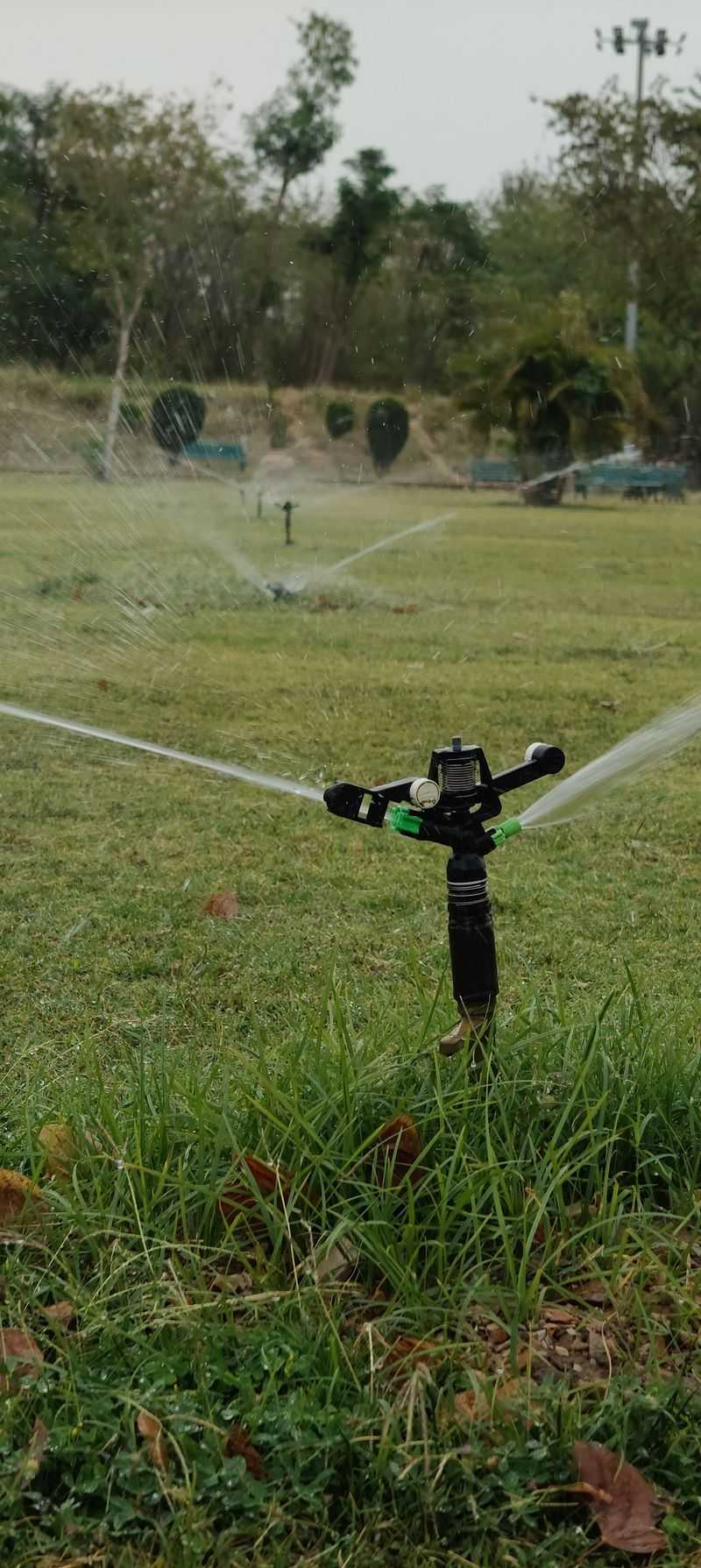
Fertilizer sitting dry on top of the grass accomplishes very little. Water is what dissolves those granules and carries nutrients toward the roots.
Plan to irrigate within a day of spreading, giving the lawn about a quarter to half an inch. A tuna can set on the grass measures it perfectly.
Checking the forecast first saves both money and effort. A gentle rain the next morning handles the job at no cost.
Heavy downpours, however, can move granules off target and into ditches. Skip the application if the radar shows a serious storm rolling in.
Morning watering beats evening watering across the board. Blades dry before nightfall, which discourages fungal problems from settling in.
September in Alabama still brings dry spells that surprise people. Two weeks without rain is common, and thirsty turf cannot use fertilizer well.
Deep, occasional soakings train roots to reach downward. Shallow daily sprinkles keep roots lazy and near the surface.
Aim for roughly one inch of total water per week, rain included. Adjust down as temperatures cool and the grass slows its drinking.
Watch for runoff on slopes and clay-heavy spots. Splitting irrigation into two shorter cycles lets the ground absorb more.
A simple rain gauge takes all the mystery out of this. An inexpensive one and a glance out the window keeps your schedule honest.
7. Potassium Deserves A Seat At The Table
Nitrogen gets the headlines, but potassium is the quiet workhorse of autumn feeding. It strengthens cell walls and helps turf handle cold snaps and disease pressure.
Look at the three numbers on any fertilizer bag. The last one represents potassium, and in fall you want it respectable rather than tiny.
Blends such as 5-0-15 or similar ratios suit this season nicely. Some folks call them winterizer formulas, though the label wording varies by brand.
Alabama winters are mild, yet cold fronts still sneak down from Tennessee. Potassium helps grass shrug off those sudden dips.
Phosphorus, the middle number, is often unnecessary unless a soil test says otherwise. Adding it without reason can cause runoff problems in local waterways.
Speaking of soil tests, Alabama Cooperative Extension offers affordable ones through Auburn University. A small sample mailed off gives you real numbers instead of guesses.
Test results also reveal pH, which quietly controls nutrient availability. Grass struggles to absorb nitrogen when soil turns too acidic.
Much of Alabama sits on naturally acidic red clay. Lime applications in fall can nudge pH back toward a friendlier range.
Balancing nutrients beats chasing green color alone. A lawn fed thoughtfully handles stress better than one pumped full of nitrogen only.
Spend five minutes reading labels before buying. That habit separates satisfying results from expensive disappointment.
8. Mowing Habits Shift Along With The Weather

Feeding and mowing work as a pair, not as separate chores. What you do with the blade shapes how well that nitrogen gets used.
Raising the mower height slightly in fall gives blades more surface for gathering sunlight. More sunlight means more energy stored below ground.
Bermuda usually stays between one and two inches, while zoysia and centipede prefer a bit taller. Check recommendations for your specific variety.
Removing more than a third of the blade at once shocks the plant. Frequent light trims beat occasional scalping sessions.
Sharpen the mower blade before your final few cuts of the season. Torn tips turn brown and open doors for disease.
Leaving clippings on the lawn recycles a surprising amount of nitrogen. Those little green bits break down and feed the soil for free.
Mulching mowers make this easy, and the clippings break down within days. Bagging every time throws away nutrients you already paid for.
Fallen leaves are another September consideration across much of the state. Mow over light leaf litter rather than letting it mat down and smother grass.
Heavy leaf piles should come off entirely, since blocked sunlight weakens turf fast. A quick pass with a rake handles the worst areas.
As growth slows, mowing frequency naturally drops from weekly to biweekly. Let the grass tell you when it needs attention rather than the calendar.