9 Virginia Yard Habits That Keep Squirrels Coming Back
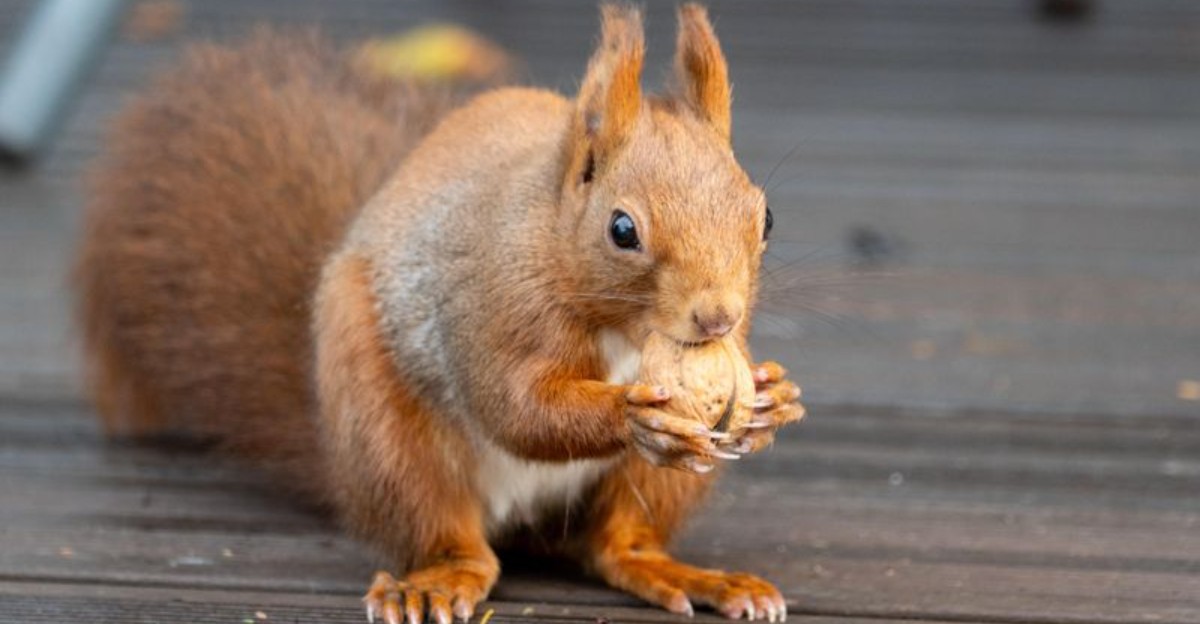
That rustling above the porch may not be the wind. A gray squirrel could be scouting your yard for its next meal.
Virginia yards offer plenty of food and shelter. Acorns, hickory nuts, birdseed, brush piles, and fallen fruit can all draw squirrels closer to homes.
Many of these invitations happen by accident. A feeder gets filled too often, a brush pile stays untouched, or a ripe tomato gets left behind.
Squirrels quickly learn where the easy meals are. Once they find a reliable food source, they may keep coming back.
So, change what makes your yard rewarding, and they may start looking elsewhere.
1. Leaving Fallen Nuts Creates An Easy Food Supply
Walk under a mature oak in Virginia during October and you will hear the steady tick of acorns hitting the ground. To a squirrel, that sound is a dinner bell.
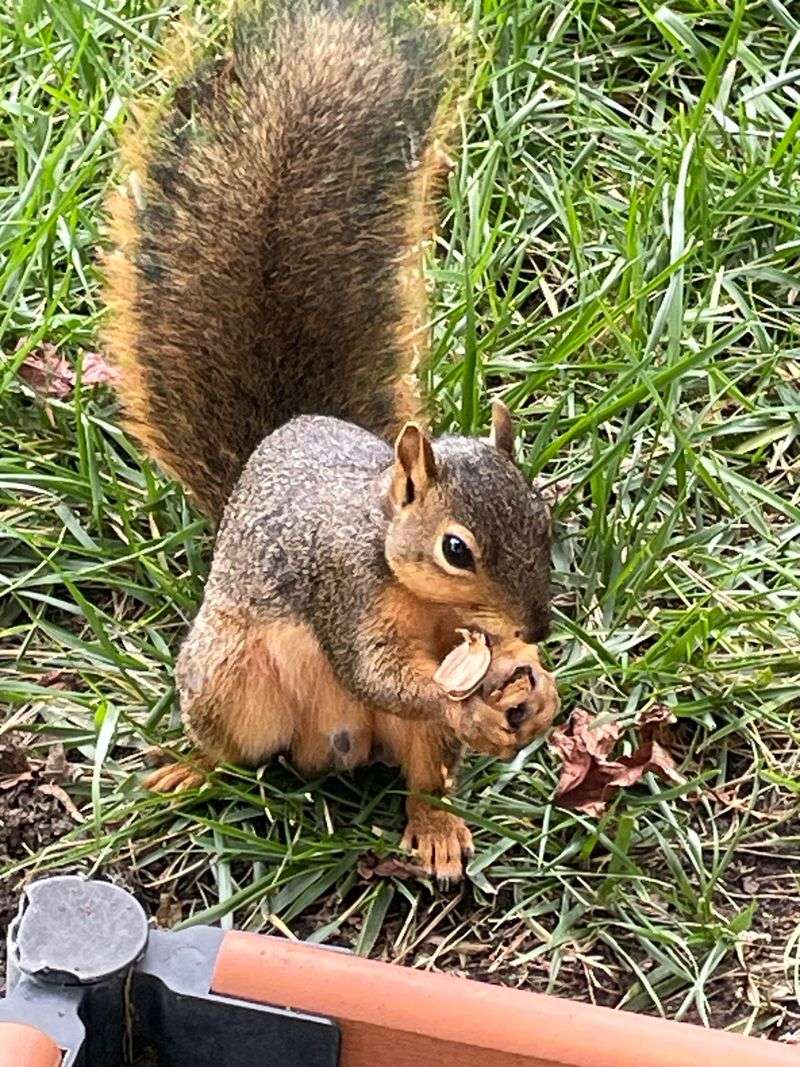
Nuts are the backbone of a squirrel’s diet, and shells help keep their constantly growing teeth worn down. Walnuts, hickory nuts, and acorns rank near the top of their favorites list.
Gray squirrels tend to bury nuts one at a time in scattered spots, a habit called scatter hoarding. Red squirrels take a different approach and pile several into one stash.
Their sense of smell is sharp enough to locate buried food under several inches of soil. Memory helps too, which is why the same yard gets revisited week after week.
You may notice half-chewed walnuts sitting on your patio. Squirrels often gnaw the green husk off before hauling the nut away to bury it.
Raking fallen nuts once or twice a week during peak drop season makes a real difference. A tarp spread under the tree on heavy drop days turns cleanup into a two-minute job.
Collected nuts should go in a sealed bin or off-site, not into an open pile at the edge of the lawn. An open pile simply relocates the buffet.
Homeowners with several oaks sometimes hire a leaf vacuum service in late fall. Cutting the food supply early tends to reduce how many squirrels settle in for winter.
2. Overfilled Bird Feeders Invite More Squirrel Visits
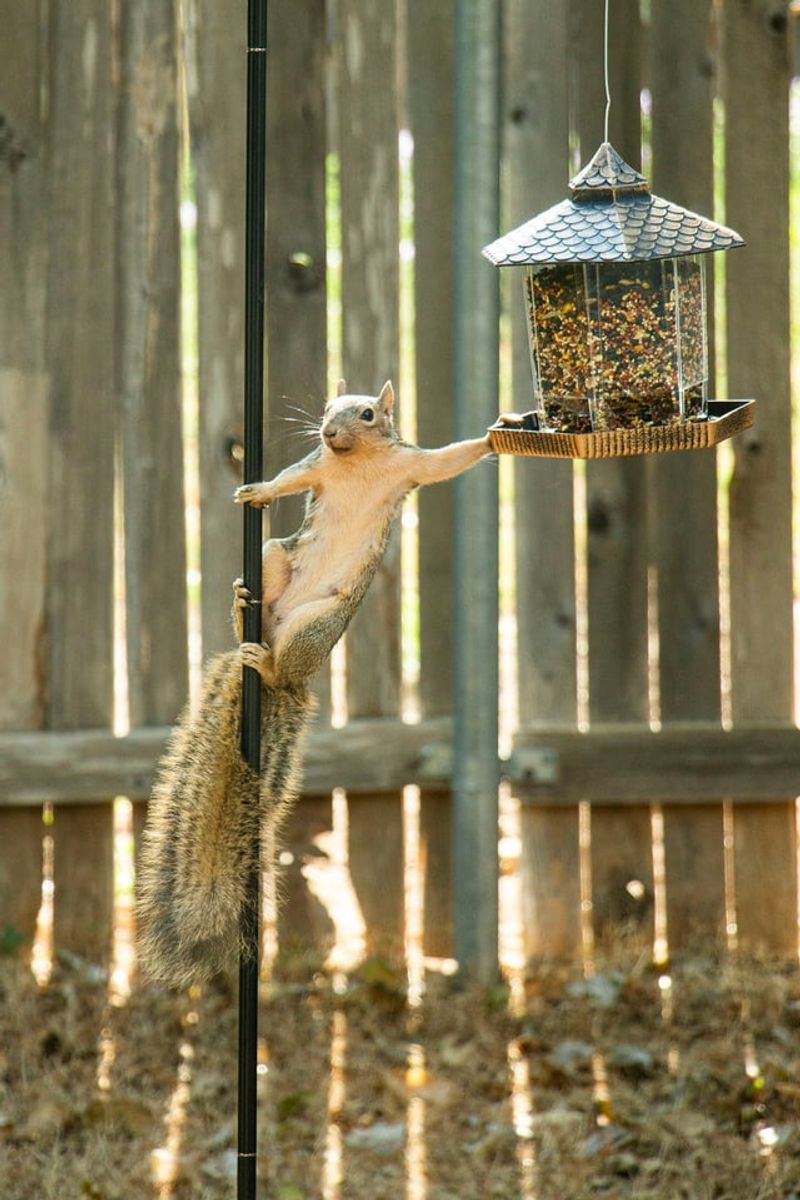
Ask any bird watcher about their biggest frustration, and the answer often has a fluffy tail. A feeder packed with sunflower seeds is basically a vending machine with no coin slot.
Squirrels can make surprisingly long jumps. Rough surfaces like fence posts and tree bark are no obstacle at all.
Placement fixes a lot of problems. Try mounting feeders at least 10 to 15 feet from trees, railings, and rooftops, with the feeder itself about five feet off the ground.
A properly placed baffle can keep squirrels from reaching feeders. Use one on a pole or above a hanging feeder, and keep it away from branches squirrels could use to jump over.
Weight-sensitive feeders are another smart pick. When something heavier than a chickadee lands, the ports close automatically.
Safflower seed is worth trying. Cardinals and several other common feeder birds eat it, and some gardeners find it less attractive to squirrels.
Your Virginia Garden Changes Every Week. Your Plan Should Too.
Gardening in Virginia changes quickly throughout the season. Every Friday you’ll receive a simple weekly plan showing exactly what to plant, prune, fertilize, harvest, and protect so you never miss the right timing.
Some gardeners use hot pepper products to make seed less appealing to mammals, though results can vary. Wear gloves when you handle it.
Skip the petroleum jelly trick on poles. It coats feathers and causes real harm to the birds you are trying to help.
Some folks set up a decoy station with corn and peanuts far from the main feeders. Giving squirrels their own spot often keeps the songbird buffet a little quieter.
3. Skipping Harvest Lets Fruit Draw Wildlife In
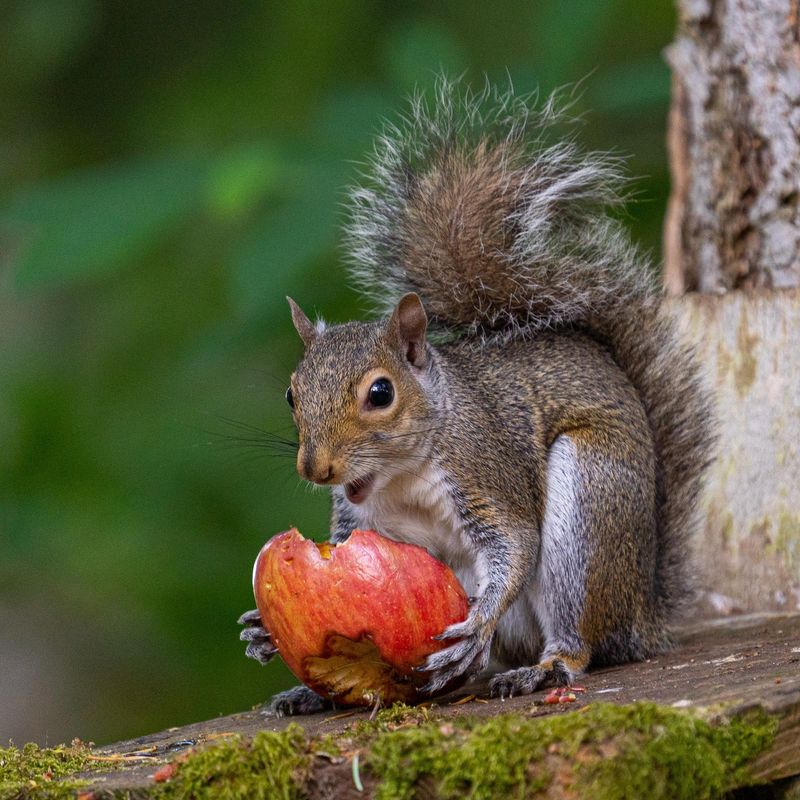
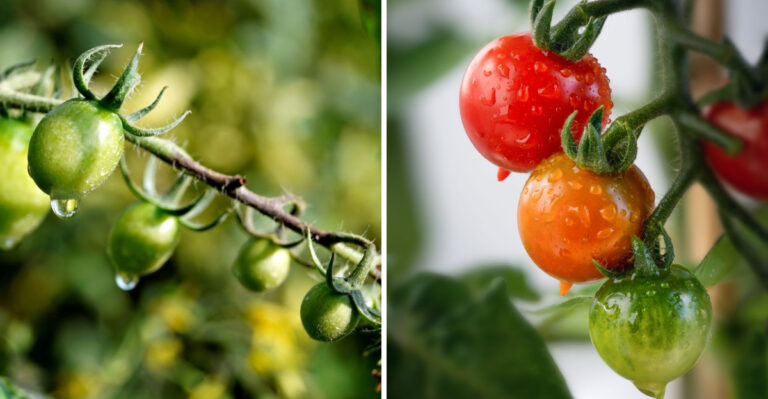
Summer brings peaches heavy on the branch and tomatoes blushing red on the vine. Squirrels track that ripening schedule better than most gardeners do.
Their fruit list is long: peaches, apricots, apples, mulberries, serviceberries, elderberries, blackberries, and raspberries all qualify. Garden tomatoes often disappear first.
What drives people crazy is the waste. A squirrel will take two bites from a perfect peach, drop it, and move on to the next one.
Fruit left hanging past ripeness sends out a scent that carries. Windfall on the ground works even faster as an invitation.
Trees surrounded by thick shrubs or vines see more visits, because cover makes squirrels feel safe while they eat. Opening up the space underneath helps.
Netting offers some protection, though determined squirrels can chew through lightweight mesh. Heavier gauge netting secured at the trunk holds up better.
Pruning matters just as much. Keep branches six to eight feet away from fences, sheds, and neighboring trees so there is no easy launching pad.
A spray of hot sauce mixed with water can discourage nibbling on vegetables. Reapply after rain, which Virginia summers deliver often.
Picking fruit the moment it ripens, or even a day or two early to finish on the counter, removes the temptation. Clean up drops daily during peak season.
4. Keeping Brush Piles Creates Hidden Shelter Spots
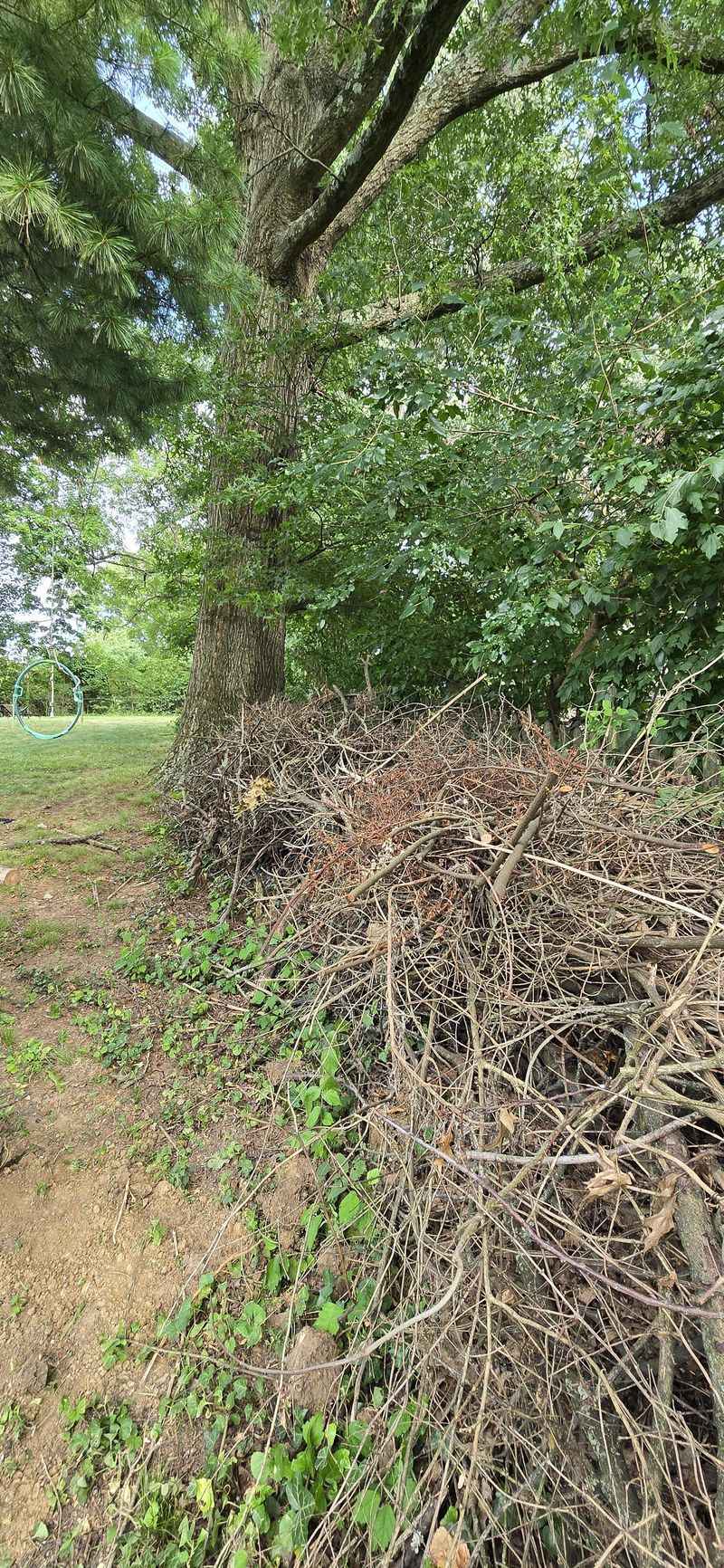
After a storm rolls through Virginia, the fallen limbs usually end up stacked in a corner of the yard. Weeks turn into months, and suddenly that stack is prime real estate.
Brush piles give small mammals exactly what they want: cover, escape routes, and shade. Squirrels may use them for cover, especially when food is nearby.
The tangled gaps between branches also serve as storage. Nuts tucked into those pockets stay hidden from crows and other thieves.
Predator protection is the bigger draw. A squirrel that can duck into brush within a second or two feels comfortable feeding nearby.
Other visitors show up too. Snakes and opossums like brush piles, and their presence can attract foxes and hawks into the neighborhood.
Wildlife habitat has real value, so the answer is not always removal. Location is what counts most.
Position any brush pile well away from your house, deck, shed, and bird feeders. A spot near the back property line keeps activity at a distance.
Chipping limbs into mulch is another option. Mulch spread thin does not offer the hiding spaces a loose pile does.
Hollow sections of standing trees work the same way as brush piles. Sealing large cavities near your roofline closes off a favorite nesting site before winter arrives.
5. Leaving Garden Debris Provides Extra Hiding Places
Gardeners know the feeling. You plant fifty tulip bulbs on a crisp November afternoon, and by morning half the bed looks like it was rototilled.
Loose, freshly turned soil is irresistible to squirrels. Soft ground makes for easy digging, whether they are hunting bulbs or burying acorns.
Seedbeds take the worst hit. Newly sown seeds get dug up and eaten before anything has a chance to sprout.
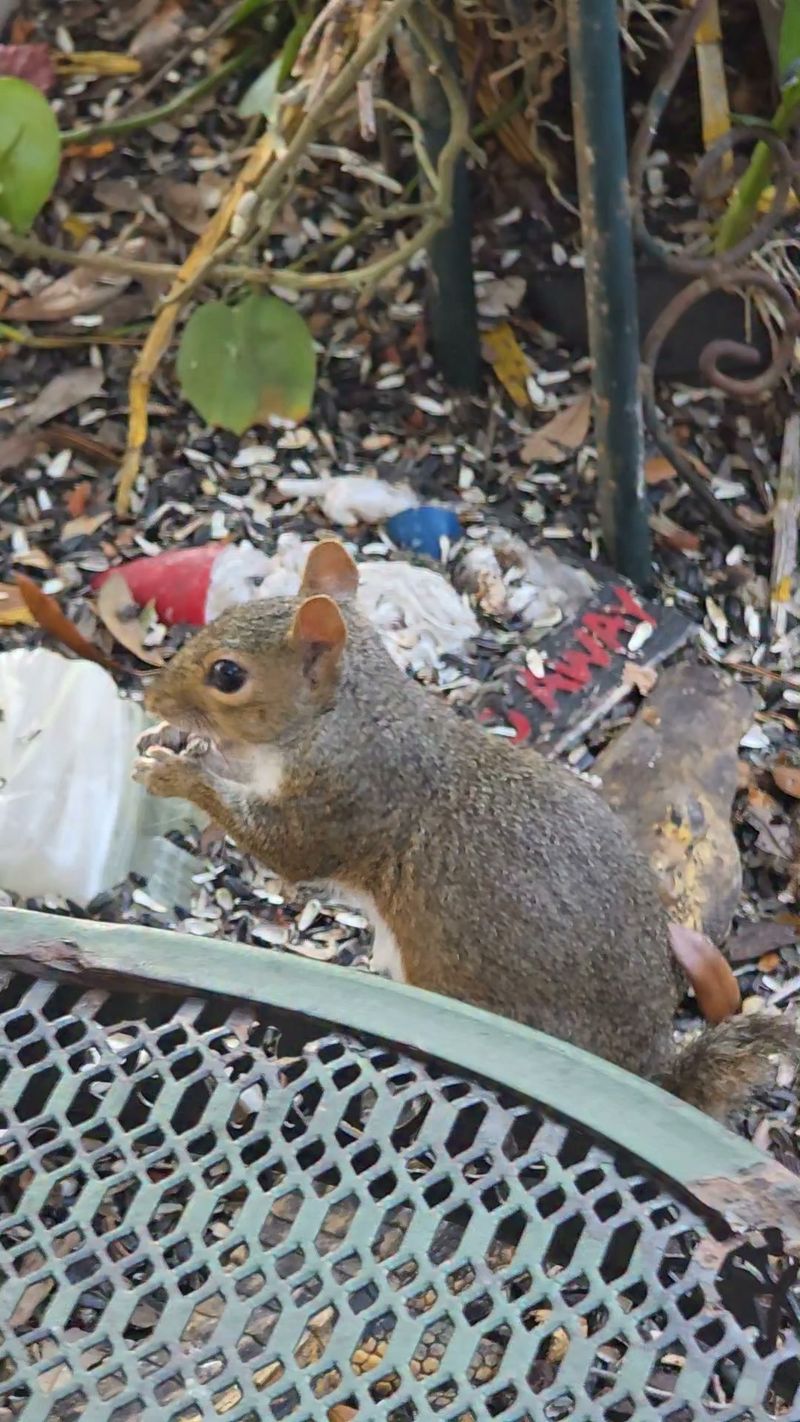
Even litter plays a role. A stray corner of a bulb package left on the ground signals that something worth investigating is buried below.
Old stalks, tipped pots, and stacked row covers create shelter right next to the food. Squirrels appreciate a snack with a hiding spot attached.
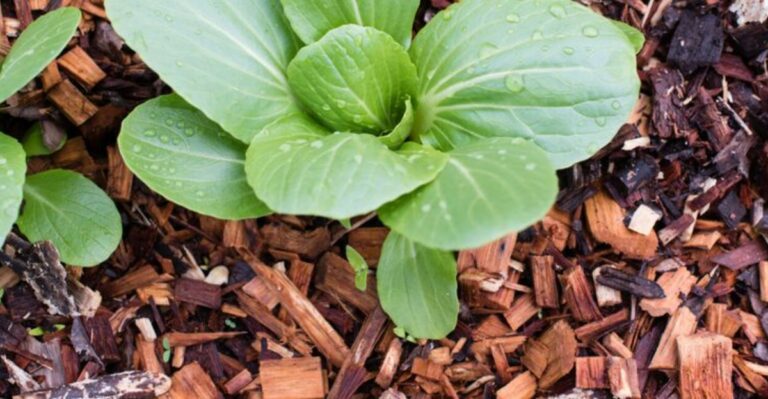
Heavy mulch is one of the better fixes. Bark chunks, shredded hardwood, or a layer of small stones make digging far less pleasant.
Some gardeners push short sharp sticks into the bed with just the tips showing. The unexpected poke tends to send diggers elsewhere.
Chicken wire laid flat over a new bed and covered with mulch also works well. Shoots grow through the openings while paws cannot.
Clearing spent plants, bagging trimmings, and tidying tools at the end of each session takes ten minutes. A neat garden simply offers fewer reasons to linger.
6. Planting Too Many Nut Trees Increases Food Sources
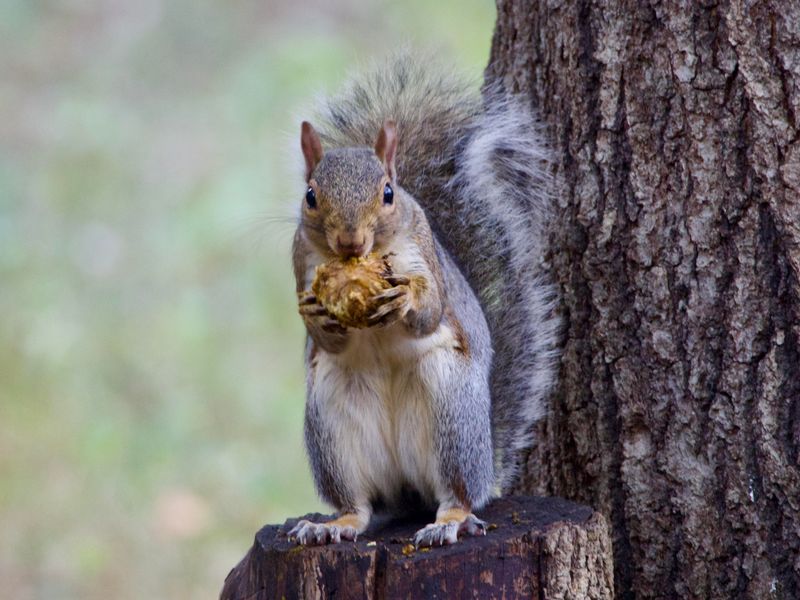
Here is a fun bit of forest trivia: a strong mast year can noticeably boost squirrel numbers the following season. Mast simply means the nut and seed crop the trees produce.
Oaks, hickories, and black walnuts are the heavy hitters. Together they supply most of the calories that carry squirrels through winter.
White oak acorns get eaten right away because they are lower in bitter tannins. Red oak acorns usually get buried for later.
Black walnuts attract attention even before they ripen. Squirrels will strip green husks off and cart the nuts away.
Gray squirrels and fox squirrels both call Virginia home, and both depend on these trees. Food is only part of the appeal.
Big nut trees also provide nesting hollows and leafy dreys tucked into high branch forks. Shelter and groceries in one package is hard to beat.
None of that means you should remove healthy shade trees. Oaks support hundreds of native insect species and cool your house in July.
Balance is the realistic goal. When adding trees, consider mixing in maples, dogwoods, or redbuds instead of stacking more nut producers.
Keeping limbs pruned back from your roofline matters just as much. Trees near the house turn into highways straight to the attic vents.
7. Ignoring Compost Access Gives Squirrels More Options
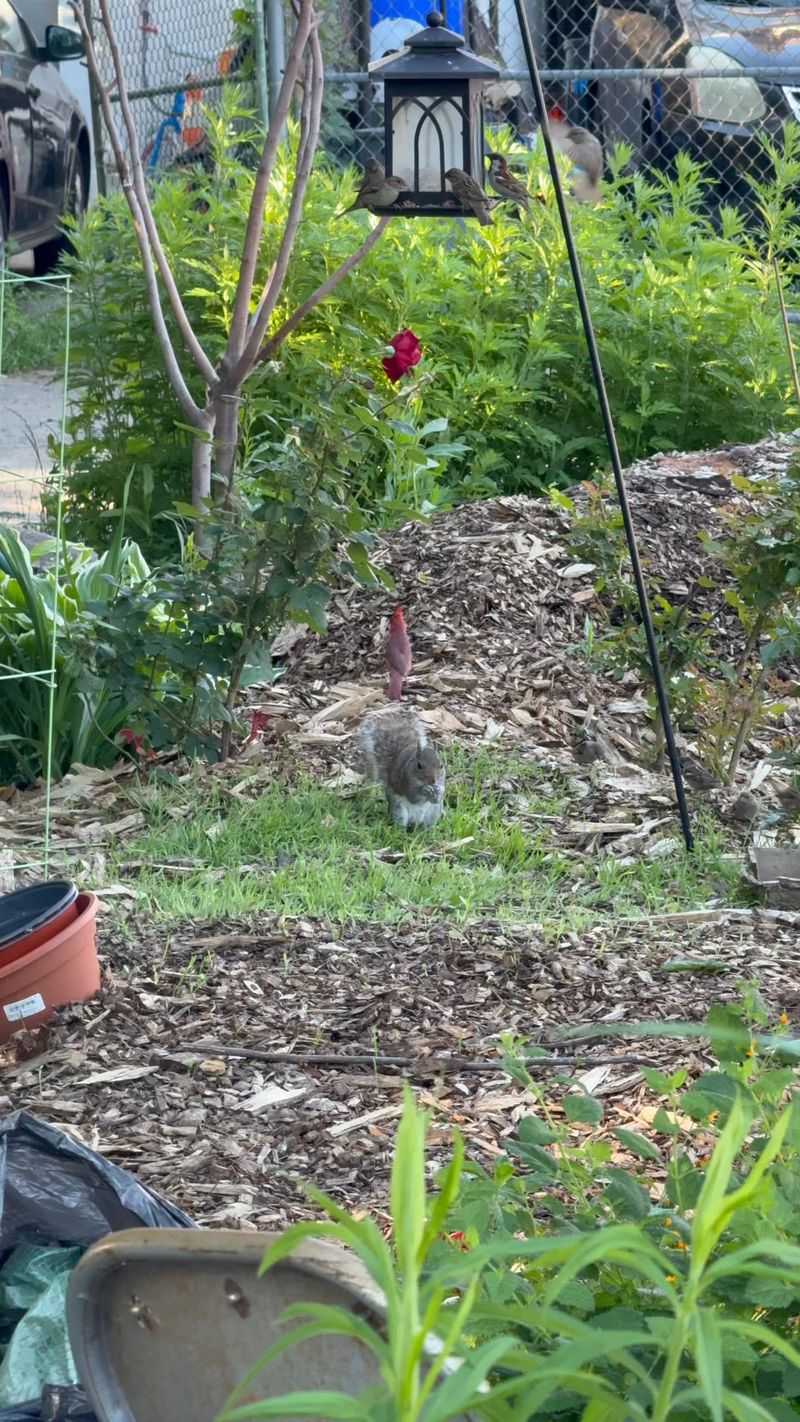
Compost smells like garden gold to you and like takeout to a squirrel. Melon rinds, apple cores, and corn cobs send out a scent trail that travels surprisingly far.
Open bins are the easiest targets. Plastic ones barely slow things down, since squirrel teeth chew through the walls without much trouble.
Beyond the food, an unsecured bin doubles as shelter. Warm, damp, and full of snacks describes a pretty appealing hideout.
Tumbler systems sealed on all sides solve most of the problem. A fully enclosed bin with a locking lid runs a close second.
Lining the sides and bottom with hardware cloth stops chewing and tunneling. Bricks or heavy stones placed around the base block digging from below.
What goes in matters too. Leave out meat, fish, dairy, and greasy leftovers, since those draw the most attention from wildlife.
Balance your greens with plenty of browns like dry leaves, shredded cardboard, and straw. Good balance speeds breakdown and cuts down on strong odors.
Turning the pile regularly helps for the same reason. Buried scraps release far less scent than exposed ones.
A rinse of the bin now and then keeps residue from building up. Some gardeners also sprinkle cayenne, used coffee grounds, or peppermint spray around the base.
Placement is the last piece. Set bins away from brush piles and feeders so your yard does not offer one connected food route.
8. Leaving Outdoor Pet Food Attracts Curious Wildlife
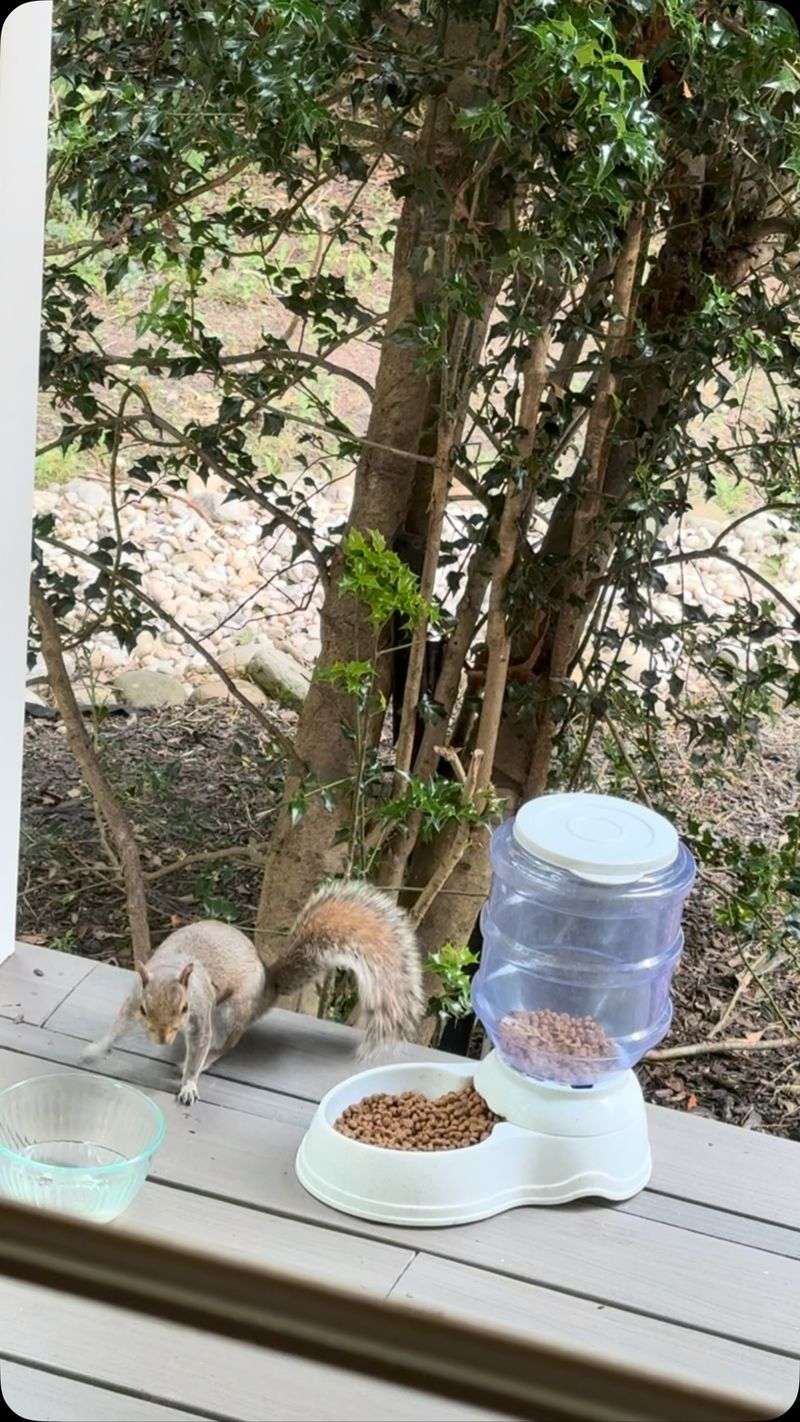
A bowl of kibble left on the back steps rarely stays a secret for long. Word travels fast in the animal world.
Squirrels are opportunistic feeders and may investigate accessible pet food. Dry pet food fits the bill perfectly.
Peanuts show up in plenty of pet food blends and treats. Unsalted, unsweetened peanuts happen to be a squirrel favorite.
The appeal is pure convenience. No digging, no shelling, no climbing, just a scoop of food sitting at ground level.
Squirrels are not the only guests either. Raccoons and skunks follow the same scent, and those visitors bring bigger headaches.
Feeding pets indoors is the cleanest fix. Bowls stay clean, food stays fresh, and nothing draws a crowd.
If outdoor feeding is your routine, stay nearby while your pet eats. Pick up the bowl as soon as the meal ends and rinse away crumbs.
Storage deserves attention too. Bags of kibble kept on a porch or in an open carport get chewed open eventually.
Move food into a metal container with a snug lid, stored in a garage or shed. Plastic bins work only until something decides to test them.
Removing outdoor pet food can reduce one food source that attracts wildlife to the yard. Small effort, noticeable payoff.
9. Overgrown Shrubs Create Safe Travel Routes
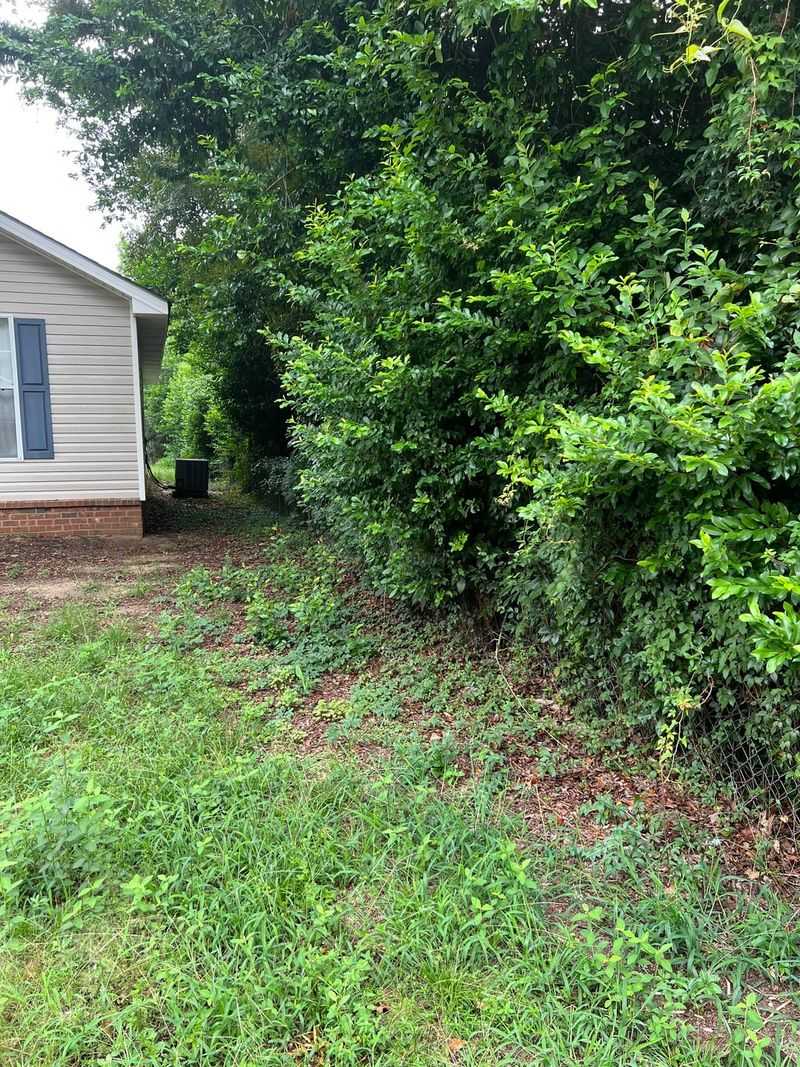
Picture a squirrel crossing your yard. It rarely takes the open lawn if there is a shrubby shortcut available.
Overgrown hedges and dense groundcover form covered corridors. Hawks cannot see through them, which makes travel feel safe.
Those same shrubs double as launch pads. A squirrel can spring several feet from a tall branch onto a gutter or a roof edge.
Once on the roof, attic vents and soffit gaps become the next target. Nesting inside a warm attic beats a windy tree fork every time.
The fix is mostly a pruning job. Trim branches so they sit six to eight feet away from walls, rooflines, and neighboring trees.
Thinning the interior of big shrubs helps as well. Open structure removes the hidden tunnels while the plant still looks good.
Groundcover creeping up against the foundation deserves a trim too. Keeping a clear strip along the house makes approaches feel exposed.
Late winter is a solid pruning window across most of the state, before spring growth takes off. Check individual plant needs, since some bloom on old wood.
Metal flashing or sheet metal collars on smooth posts add another layer of defense. Combined with good trimming, they close the last easy routes.
Tidy edges will not make squirrels vanish from your yard. They will, however, encourage the crew to visit the woods instead of your attic.