The California Tomato Task Worth Doing Once The Worst Of Summer Heat Passes
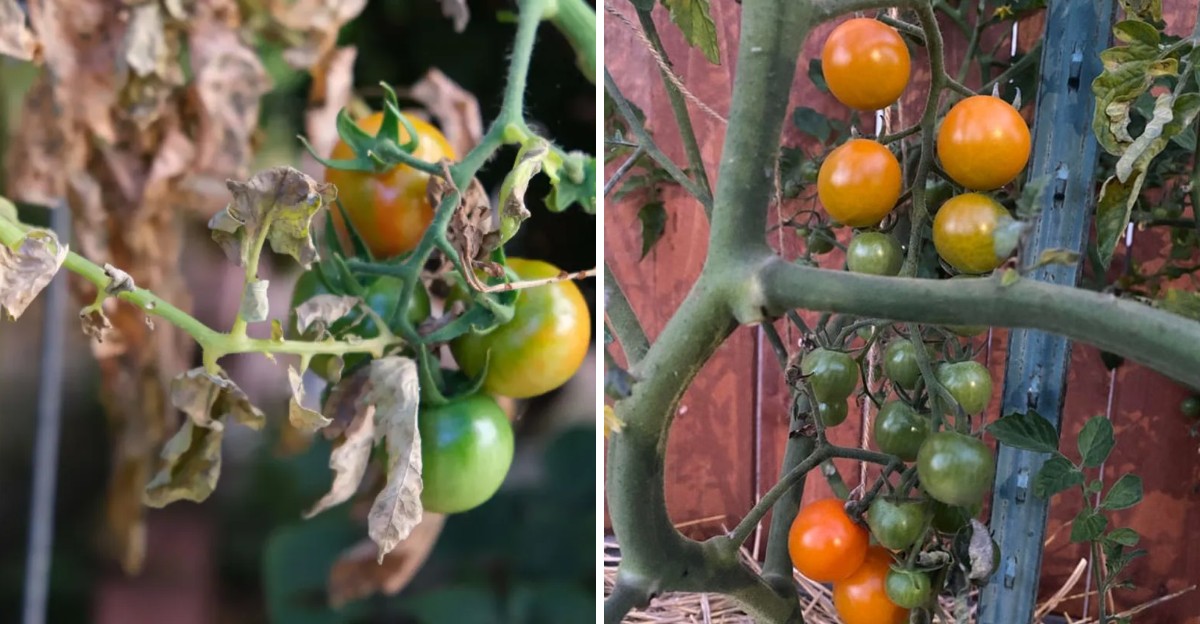
Walk out to the tomato patch in early September, and something looks different. Those plants that sulked through weeks of triple-digit afternoons, dropping flower after flower without setting fruit, are suddenly pushing out fresh blossom clusters.
That is not your imagination at all. University of California Agriculture and Natural Resources guidance explains that extreme heat damages tomato pollen and triggers blossom drop.
So when temperatures ease, healthy plants can genuinely start setting fruit again after weeks of frustrating stagnation through the hottest stretch of summer.
Most gardeners assume the season is basically over once summer heat crushed their tomato harvest, missing this real second chance sitting right there on the vine.
A little work right now can turn that comeback into a real harvest before fall shuts things down for good.
Cooling Temperatures Restart Fruit Set
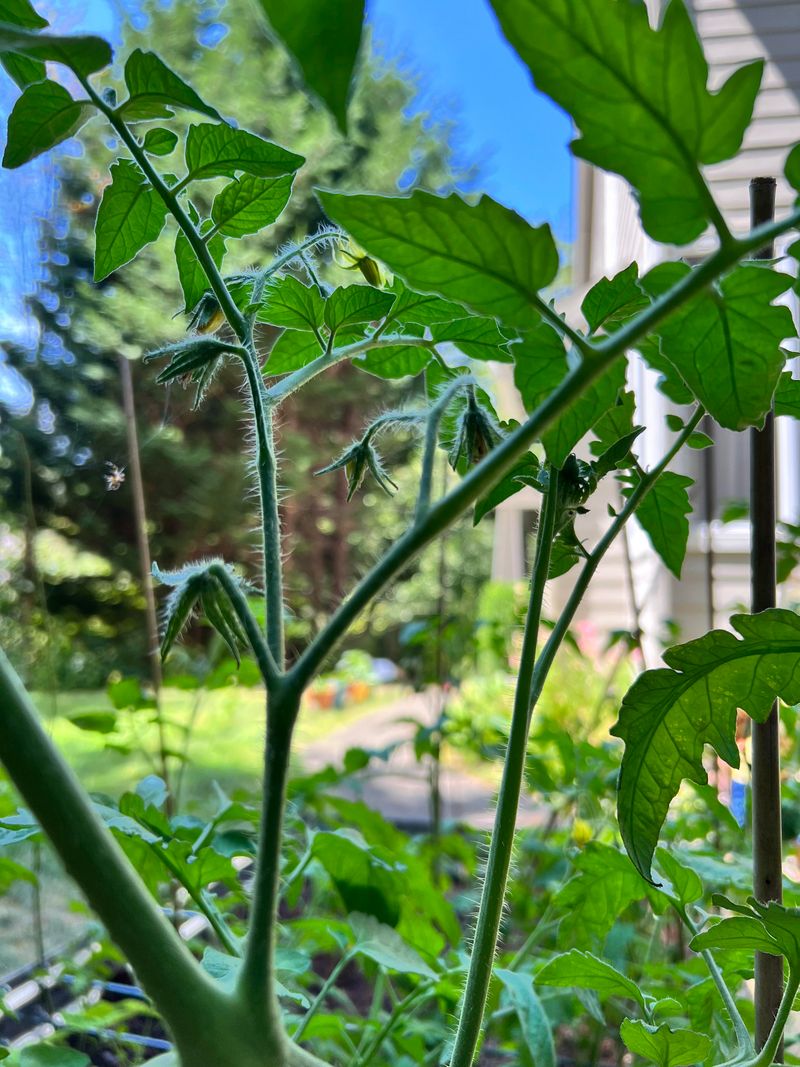
Blame the pollen, not the plant. UC ANR guidance points out that when daytime highs push past roughly 90 to 95 degrees, tomato pollen loses viability.
That is why so many California gardens go through a strange mid-summer stretch where the vines look enormous and green but nothing new is forming.
The plant is still flowering the whole time. The flowers simply cannot do their job in that kind of heat no matter how healthy the plant looks.
Once temperatures moderate, usually in late August through September depending on where you live in the state, that bottleneck opens back up considerably.
Pollen becomes viable again, blossoms hold instead of dropping, and small green fruits begin appearing at the growing tips of the vine.
Inland valleys like Sacramento and Fresno tend to see this shift later than coastal areas, so watch your own thermometer rather than the calendar.
The important part is that the plant has to have survived summer in reasonably good shape overall, without losing too much foliage along the way.
Vines that lost most of their leaves to disease or drought stress will not bounce back the same way as a healthier plant would.
Check your plants honestly right now. Green stems, decent foliage, and new growth at the tips mean you have something worth investing effort in.
Prune Lightly To Redirect Energy
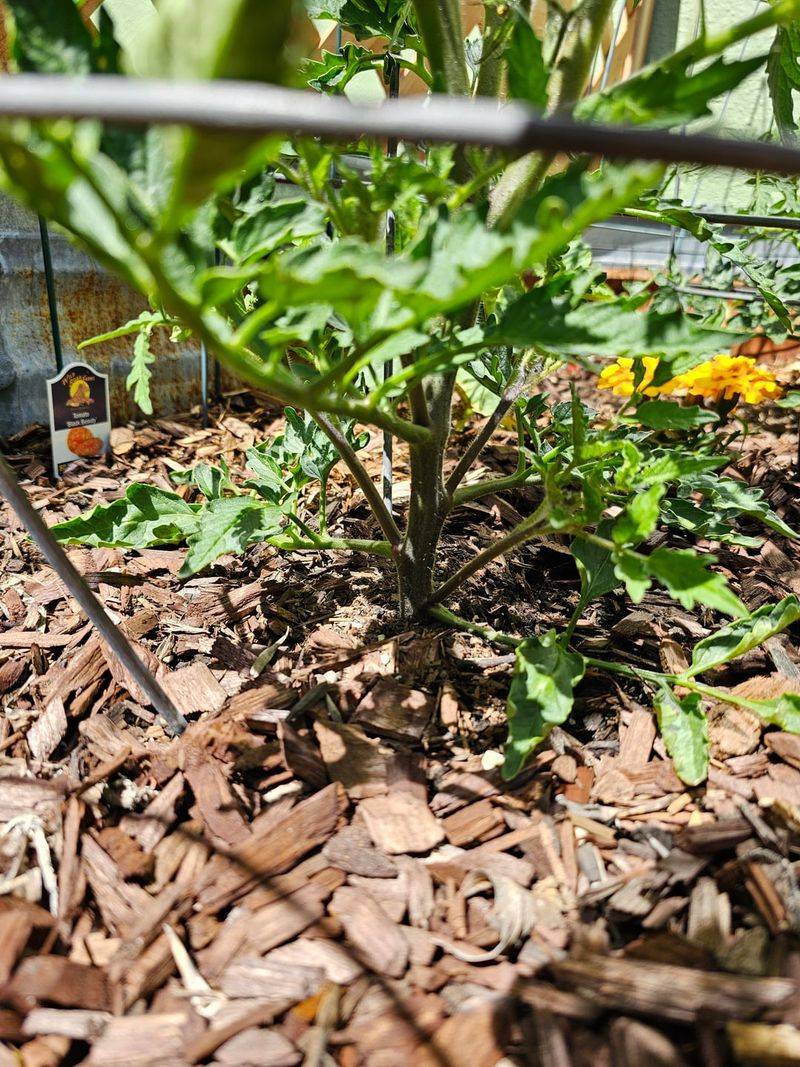
Grab the pruners, but go easy on the cutting. The goal here is not a dramatic haircut, it is a light edit that redirects energy properly.
Start at the bottom of the plant. Strip off yellowed, crispy, or mildew-spotted lower leaves that are no longer feeding the plant at all.
Those leaves also sit closest to the soil, where splashing water spreads disease during any watering or rain event that might occur.
Next, look for long whips of stem that are all leaf and no flower anywhere along their length. Trimming a few back redirects resources.
Resist the urge to strip the canopy bare though. California sun in September still burns, and exposed fruit develops pale, leathery sunscald patches quickly.
Indeterminate varieties benefit most from this kind of light thinning since they keep growing indefinitely throughout the whole season without much natural stopping point.
Your California Garden Changes Every Week. Your Plan Should Too.
Gardening in California changes quickly throughout the season. Every Friday you’ll receive a simple weekly plan showing exactly what to plant, prune, fertilize, harvest, and protect so you never miss the right timing.
Determinate types set their crop all at once and need very little cutting beyond removing damaged growth that no longer serves the plant.
Use clean, sharp bypass pruners and wipe the blades between plants, especially if you have had any disease issues cropping up this season.
Do the work in the morning while it is cool outside. Cuts dry and seal better then, avoiding stress during the hottest part of the day.
Feed Plants For A Second Push
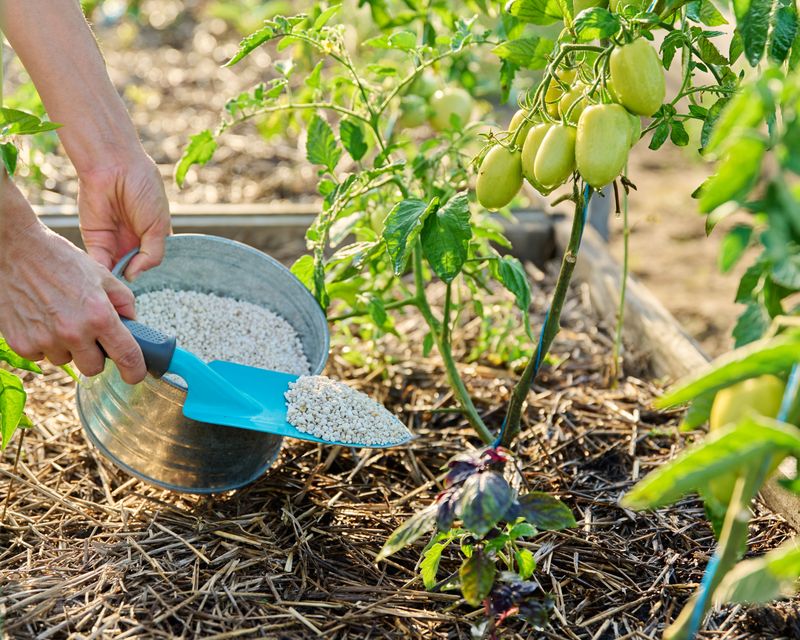
A plant that has been fruiting since June is running on fumes at this point in the season without much left in reserve.
Feeding it now gives the second flush something to work with, but the type of fertilizer matters more than the amount applied.
Heavy nitrogen at this stage is a trap worth avoiding entirely. It pushes out lush green leaves right when you want flowers and fruit instead.
Reach instead for a balanced or slightly lower-nitrogen tomato fertilizer with decent phosphorus and potassium content built into the formula you choose.
Liquid formulas act fast, which matters when your window is measured in weeks rather than months before cold weather finally arrives.
Feeding every two weeks at the rate on the label works well for most in-ground California gardens through September without much adjustment needed.
Container tomatoes drain faster and usually need feeding more often, since nutrients wash right out the bottom every time you water thoroughly.
Always water the soil first, then apply the fertilizer afterward. Dumping concentrated nutrients onto dry roots can scorch them badly, especially in sandy soils.
Steady moisture plus steady feeding beats any single dramatic treatment applied once and forgotten about for the rest of the season.
Remove Spent Growth To Make Room
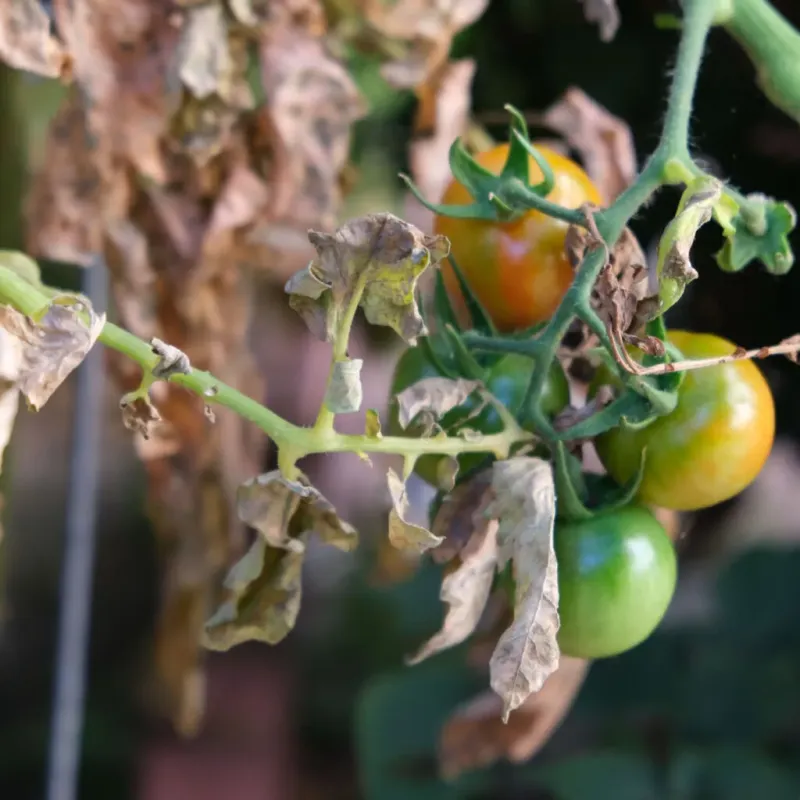
Every shriveled fruit and sun-bleached leaf still hanging on the vine is a small drain on the plant that adds up over time.
Clearing them out is one of those quick jobs that pays off faster than most people expect once they actually get started.
Look first for fruit that stalled completely. Small green tomatoes with tough, cracked, or sunscalded skin from July heat will never ripen properly at all.
Pull those off and toss them without much hesitation. The same goes for any fruit with rot at the blossom end or splits.
Damaged and heavily worn foliage comes next in this cleanup process. Brown, brittle leaves do not photosynthesize anymore, they just trap humidity in the canopy.
Clear fallen debris from the soil surface while you are at it too. Old leaves and dropped fruit sitting at the base attract pests.
Skip the compost pile for anything that looks diseased at all. Home compost rarely gets hot enough to break down tomato pathogens fully.
Once the plant is cleaned up, air moves through the canopy again and sunlight reaches the interior more easily than before the cleanup.
A ten-minute cleanup session, done once a week through September, keeps the plant focused entirely on what is still actively growing.
Watch For A Genuine Fall Flush
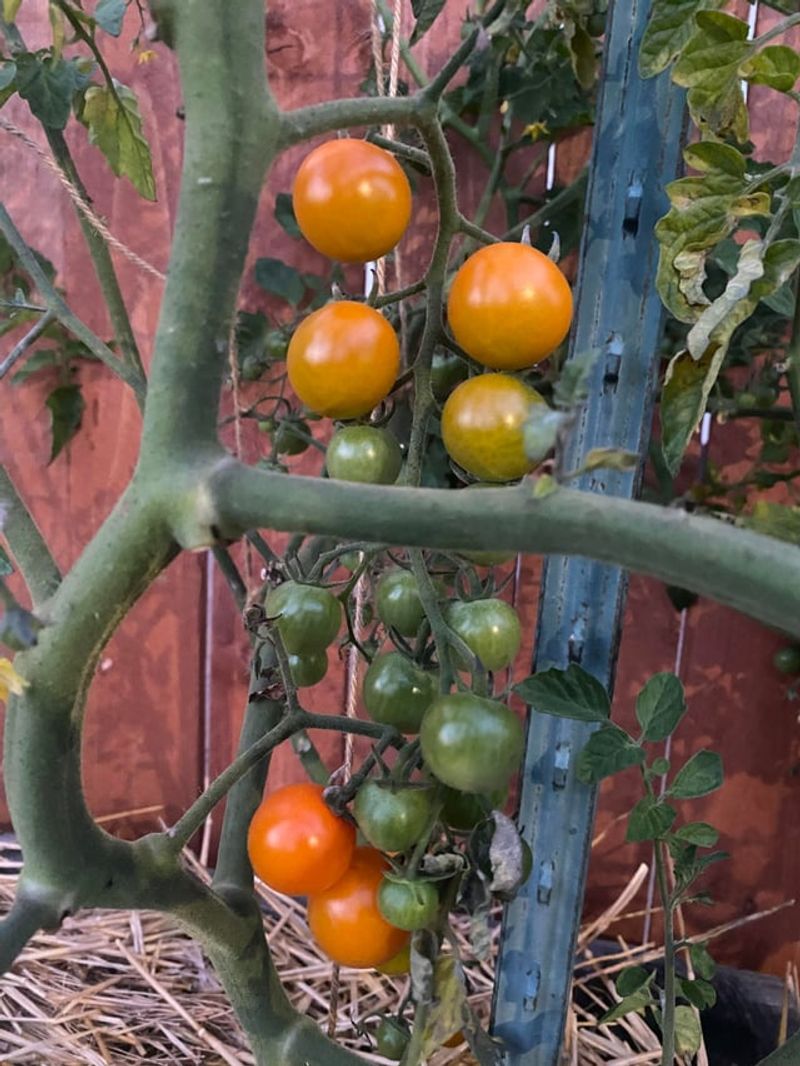
There is a real difference between a plant that is flowering and a plant that is actually setting fruit worth understanding clearly here.
A genuine flush starts with blossoms that stay put on the vine. Instead of yellowing at the stem and dropping within days, they wither differently.
Within a week or two, those swellings become recognizable marble-sized tomatoes forming along the stem in noticeable clusters rather than isolated spots.
Check the growing tips too for additional confirmation. Fresh, bright green new leaves and thickening stems mean the plant has energy in reserve.
Compare that to a struggling plant, where flowers open and drop, leaves stay dull and sparse, and no new growth appears at the top.
That plant is finishing its season no matter what you do at this point, so redirecting effort elsewhere makes more sense.
Timing depends on your microclimate specifically. Coastal gardeners in places like San Diego may see this earlier or more gradually than folks in the Central Valley.
Once fruit is setting, count backward from that point. Most varieties need roughly 30 to 45 days from set to ripe fruit.
Water Consistently As Nights Cool
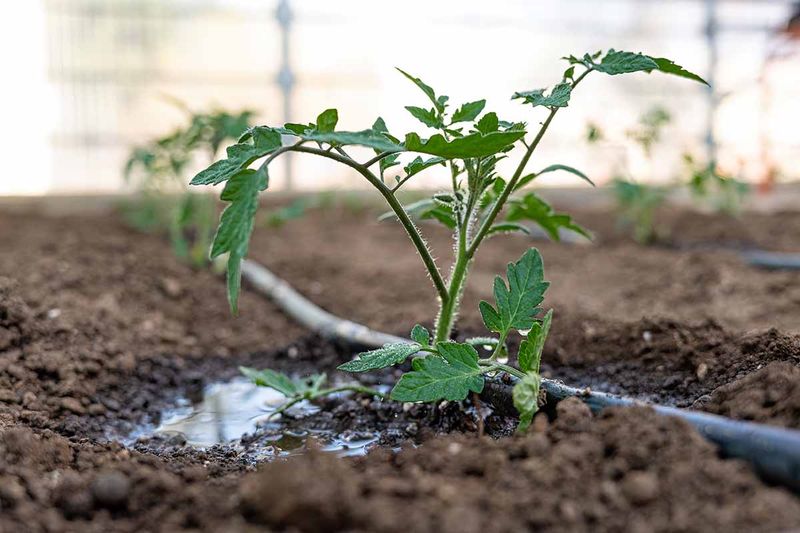
Watering habits that worked in July will drown your plants in October if left unchanged as the season progresses toward cooler weather.
As nights cool and days shorten, tomatoes simply use less water, and the schedule needs to shift with that changing demand accordingly.
The mistake most gardeners make is keeping the timer exactly where it was during the heat wave without adjusting for cooler conditions.
Soggy soil in cooler weather invites root rot and fungal trouble that can undo all the progress made through careful summer care.
Stretch the interval between waterings rather than cutting the volume delivered each time. Deep, less frequent soakings encourage roots to reach down properly.
Test with your finger before turning on the hose each time. Push down two or three inches near the base to check moisture.
Consistency matters enormously for fruit quality throughout this whole process. Wild swings between bone dry and soaking wet cause splitting and blossom end rot.
Mulch earns its keep here considerably. A two to three inch layer of straw evens out soil moisture and buffers roots against temperature swings.
Water at the base, never over the leaves directly. Cooler nights mean foliage stays wet longer, inviting powdery mildew and other fungal problems.
This Timing Window Does Not Last Long
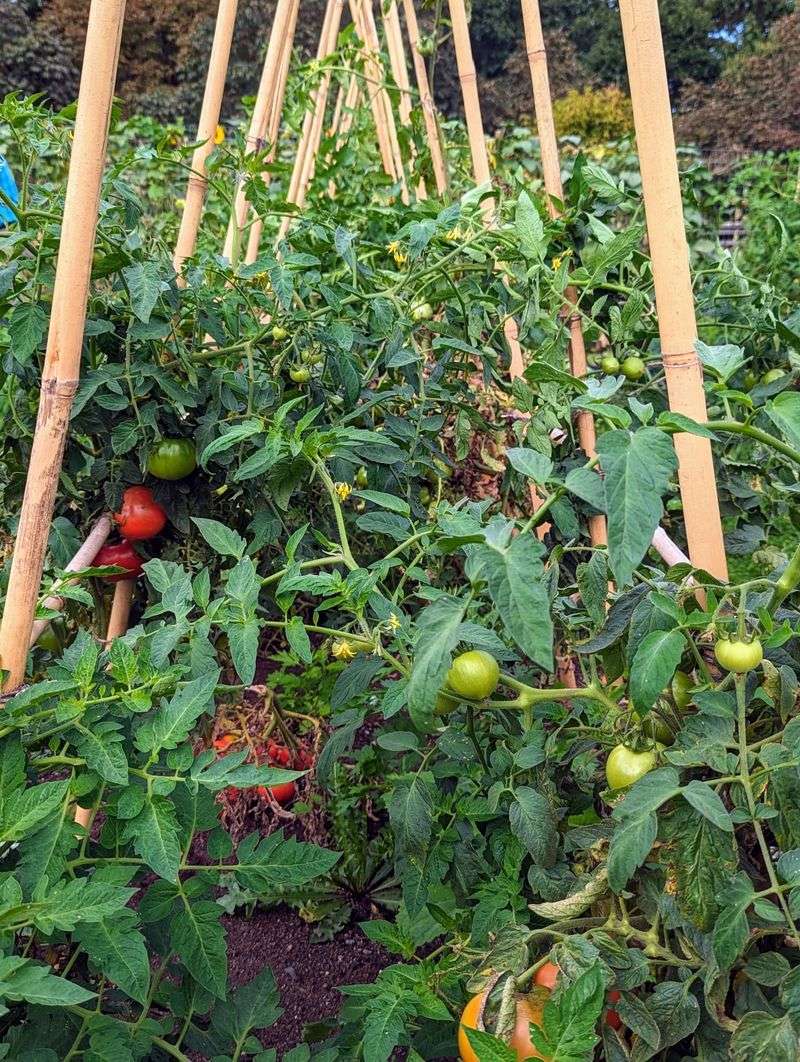
Here is the catch that separates a satisfying fall harvest from a bed full of green marbles in November without much to show for the effort.
The favorable window is genuinely short, and it closes on its own schedule regardless of how well you tend the plants throughout September.
Two things shut it down eventually. Shorter days mean less light for photosynthesis, and cooler nights slow the plant’s internal processes considerably as fall progresses.
UC guidance notes that tomatoes need sustained warmth to ripen properly, and when nighttime temperatures drop into the low 50s, color development stalls badly.
Practical math helps here too. Fruit generally needs a month or more from set to ripe, so blossoms appearing after mid-October will not finish.
Pinch off those late flowers without much regret. Removing them pushes everything the plant has left into the fruit already on the vine.
Watch the forecast for your first cool snap carefully. Mature green tomatoes picked before a cold night will ripen indoors on a counter.
Coastal Southern California gardeners get the longest runway, sometimes stretching into November before things really wind down for the season entirely.