The Meaning Behind Bats Feeding Heavily Over Your Texas Yard In Late September
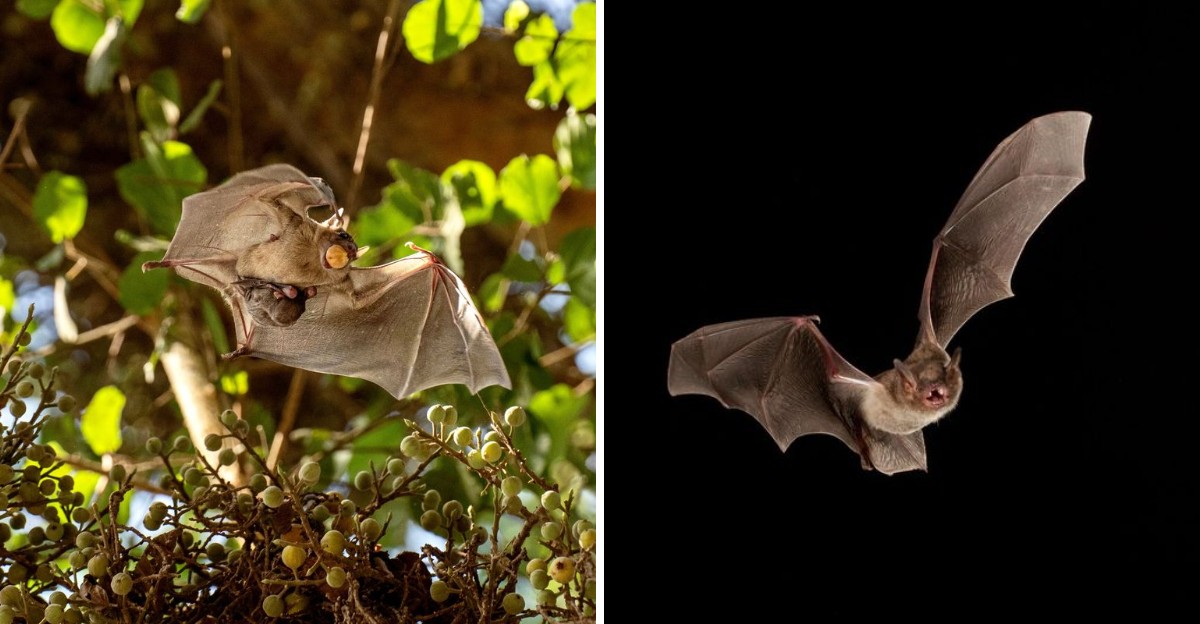
Bats feeding heavily over a Texas yard in late September is one of those wildlife encounters that most people notice without stopping to think much about.
The erratic, fast moving silhouettes against the evening sky are familiar enough by fall.
But when the activity intensifies noticeably, more bats, more frequent passes, concentrated in the same area night after night, something specific is happening. It is not random.
Bats hunting heavily over your yard in late September are responding to real conditions your property is creating at a critical point in the seasonal calendar.
Understanding what those conditions are reveals something genuinely interesting about your yard’s ecosystem and the broader biological shifts happening around your property as fall deepens.
Here’s what bats feeding heavily over your Texas yard in late September is really telling you.
1. They Are Fattening Up For Migration
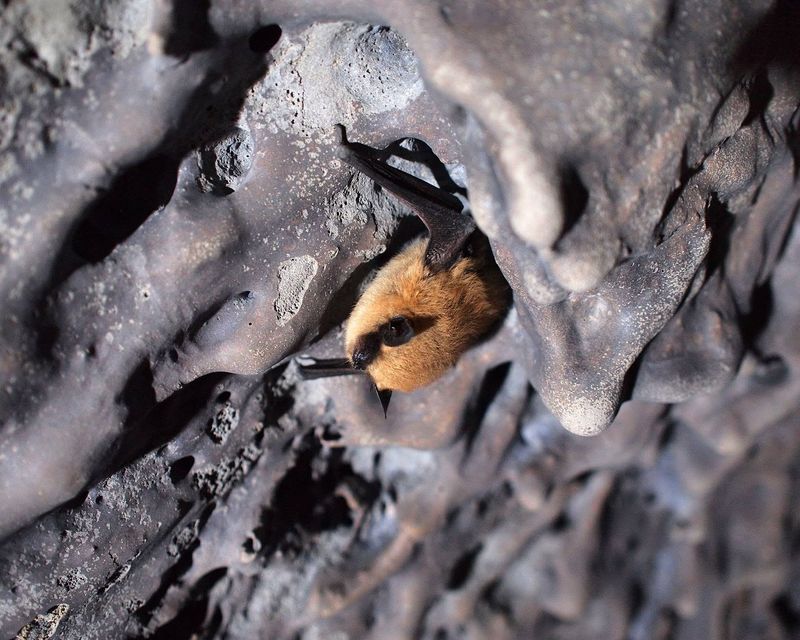
Late September marks a major travel season for many Texas bats. Species like the Mexican free-tailed bat are getting ready to journey hundreds of miles south toward Mexico and Central America.
To make such a long trip, they need plenty of energy stored in their bodies. That energy comes from fat, and the only way to build fat is by eating lots and lots of insects.
You might see them feeding far more than usual during these weeks. A single bat can munch through thousands of bugs in one night, and right now they are packing in extra meals.
Think of it like a runner carbo-loading before a big race. The bats know instinctively that they must fuel up before the long flight ahead of them.
Your yard becomes a handy fueling station, especially if you have gardens, water features, or outdoor lights that draw insects. All those bugs make an easy target for hungry travelers.
Did you know? Mexican free-tailed bats can fly at speeds over 60 miles per hour, making them some of the fastest mammals in the sky.
If you want to help, avoid using heavy pesticides in September. Fewer chemicals mean more insects for the bats to eat, which supports their journey.
Watching this feeding frenzy is a front-row seat to one of nature’s great travel stories. These little creatures are preparing for an adventure that spans countries and continents.
So the next time you see them swooping madly at dusk, remember they are stocking up for the road ahead.
2. Insect Populations Are Peaking
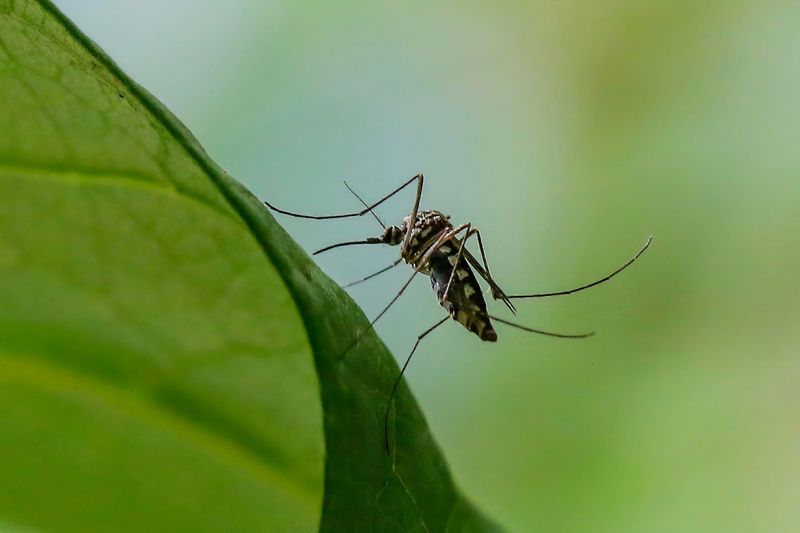
The end of September in Texas often brings a boom in bugs. Warm days mixed with a little rain create perfect conditions for insects to multiply.
Mosquitoes, moths, beetles, and flying ants all seem to appear in huge numbers. For bats, this is like a giant all-you-can-eat buffet spread out across your yard.
More food means more feeding, so the heavy activity you notice is simply the bats taking advantage of the bounty. They eat as much as they can while the getting is good.
This timing is no accident. Bats have evolved to match their busiest feeding with the moments when insects are most plentiful.
Your Texas Garden Changes Every Week. Your Plan Should Too.
Gardening in Texas changes quickly throughout the season. Every Friday you’ll receive a simple weekly plan showing exactly what to plant, prune, fertilize, harvest, and protect so you never miss the right timing.
You benefit too, whether you realize it or not. Every bat overhead is quietly reducing the number of mosquitoes and garden pests bothering your family.
A colony of bats can eat tons of insects in a single summer. That natural pest control saves gardeners and homeowners a lot of trouble and money.
If your yard has standing water, tall grass, or lots of flowering plants, expect even more insects and therefore more bats. These features act like magnets for bugs.
You can encourage healthy insect balance by keeping some native plants around. Native gardens support the whole food chain, from bugs to bats.
Watching the bats zoom after moths is a reminder that everything in nature connects. The peak of insect life feeds the creatures who keep those numbers in check.
So all that fluttering above you signals a thriving, busy ecosystem right in your own backyard.
3. Cooler Temperatures Are Coming
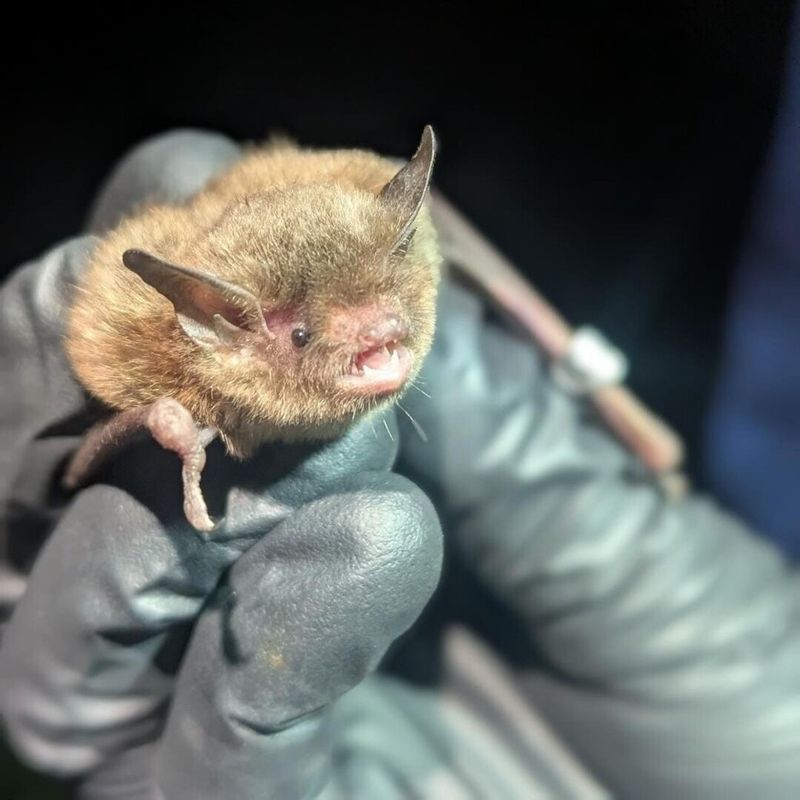
Bats are surprisingly good at sensing shifts in the weather. As late September arrives, the first hints of cooler air start creeping into Texas evenings.
Colder temperatures mean insects will soon become scarce. Bugs slow down and hide when the chill sets in, so the food supply is about to shrink.
Knowing this, bats feed heavily now while insects are still active and easy to catch. They are making the most of the last warm nights before things change.
It’s a bit like grabbing groceries before a storm hits. The bats sense the coming shift and respond by eating extra.
Their bodies also need more fuel to stay warm as nights get cooler. Keeping their energy up helps them handle the dropping temperatures.
You might notice the feeding happening earlier in the evening too. As days grow shorter, dusk comes sooner, and the bats adjust their schedule to match.
This behavior is a natural weather report of sorts. When bats suddenly get busy, autumn is often just around the corner.
For homeowners, this is a good time to check your attic and eaves. Bats sometimes look for cozy spots to rest as the season turns, and you want to seal any gaps early.
Sealing entry points gently and humanely keeps bats outdoors where they belong. Never trap them inside during this active period.
Paying attention to their feeding gives you a clue about the changing seasons. These clever creatures often know the weather is shifting before we grab our jackets.
4. Young Bats Are Learning To Hunt
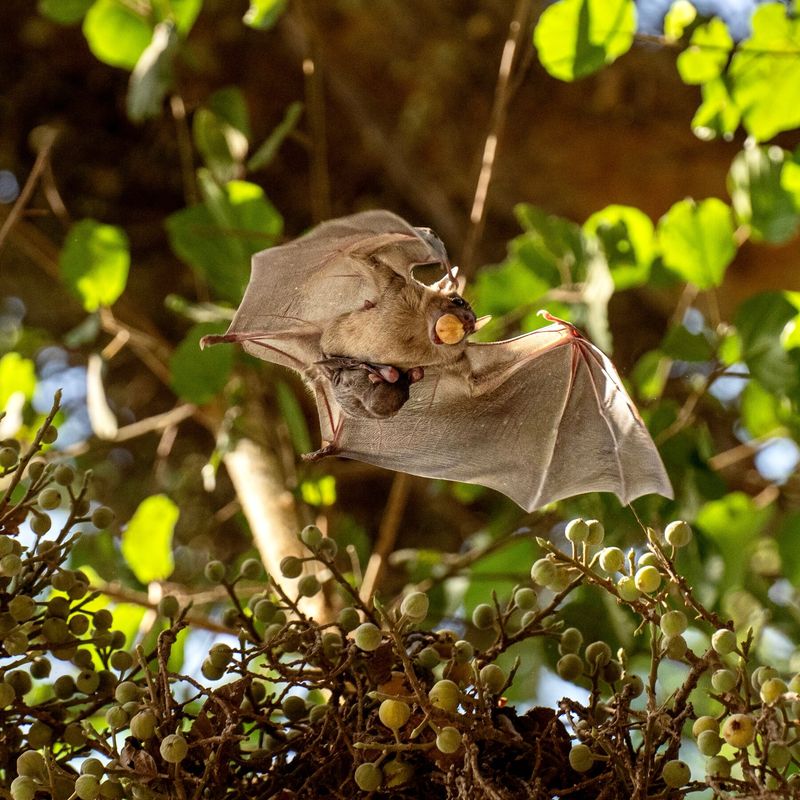
Springtime in Texas is when many baby bats, called pups, are born. By late September, those youngsters have grown enough to fly and feed on their own.
These young bats are still sharpening their skills, though. Hunting insects in midair takes plenty of practice and patience.
You may see extra activity because the sky now holds both experienced adults and eager beginners. The whole colony is out together, making the feeding look especially busy.
Young bats often fly in wobbly, unpredictable patterns as they learn. Watching them dart and dive is a bit like seeing a kid learn to ride a bike.
Every missed insect is a lesson. Over time, the pups get faster and more accurate at snatching bugs from the air.
The adults sometimes seem to guide the young ones toward good feeding areas. Yards with lots of insects become perfect training grounds.
This is one reason your backyard might suddenly feel like a bat playground in early fall. It offers plenty of practice targets for hungry learners.
Fun fact: baby bats can recognize their own mother’s voice among thousands of others in a crowded colony. Their hearing is truly remarkable.
If you enjoy watching them, set up a comfortable chair and observe quietly at dusk. You may spot the difference between smooth adult flight and the clumsier moves of youngsters.
Giving these young bats space to practice helps the next generation thrive. A healthy new group of bats means continued natural pest control for years to come.
So that lively feeding is partly a flying school in action right above you.
5. Your Yard Has A Healthy Environment
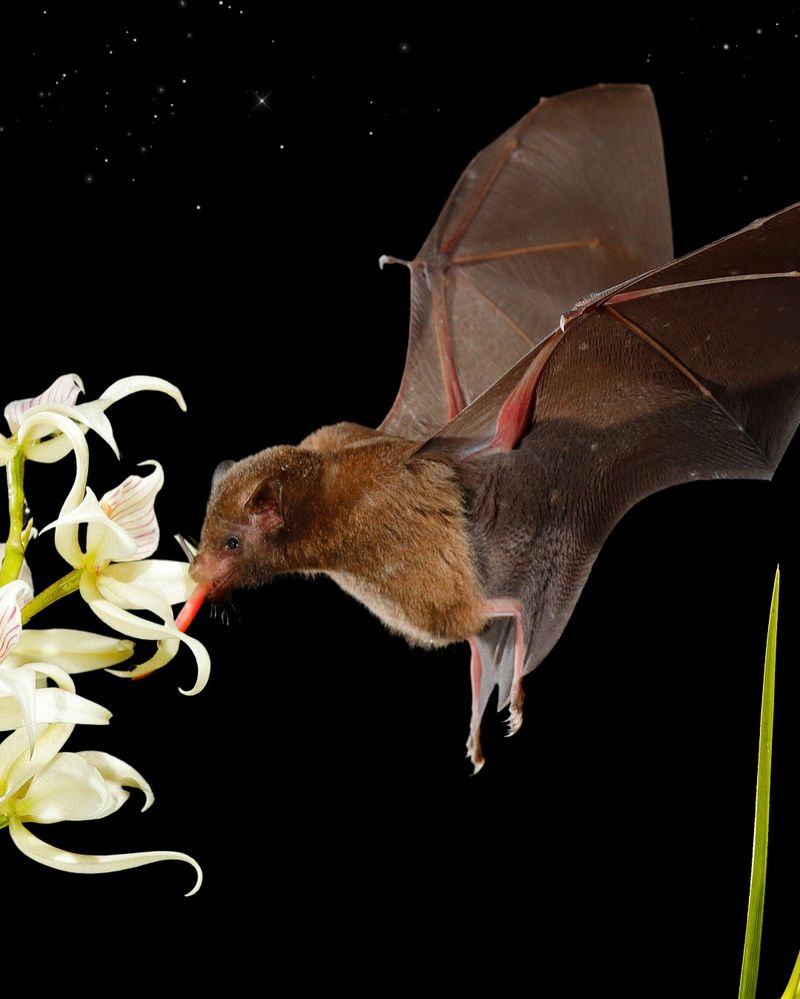
Bats are picky about where they spend their time. When they gather to feed over your property, it usually means your yard is a healthy, thriving space.
A yard full of insects, plants, and clean water attracts the bugs that bats love to eat. That rich environment is what keeps them coming back night after night.
Think of bats as a sign of good news. Their presence often points to a balanced little ecosystem right outside your door.
Places drenched in harsh chemicals tend to have fewer insects and therefore fewer bats. So a busy bat crowd suggests your yard is fairly natural and welcoming.
You can take a bit of pride in that. It means the choices you make about your lawn and garden are supporting local wildlife.
Native flowers, shrubs, and trees all help by giving insects places to live. More bugs bring more bats, and the cycle keeps rolling.
A small pond or birdbath adds even more appeal. Water draws mosquitoes and other insects, which in turn draw hungry bats.
Keeping some areas a little wild also helps. Neat, spotless yards often support less life than ones with a few messy, natural corners.
Homeowners who want to boost this even further can install a bat house. It gives the animals a safe place to rest during the day.
Seeing bats above your home is a quiet compliment from nature. It tells you that your outdoor space is alive and full of activity.
Enjoy knowing your yard is doing its part to keep the local environment strong and balanced.
6. They Are Storing Energy For Hibernation
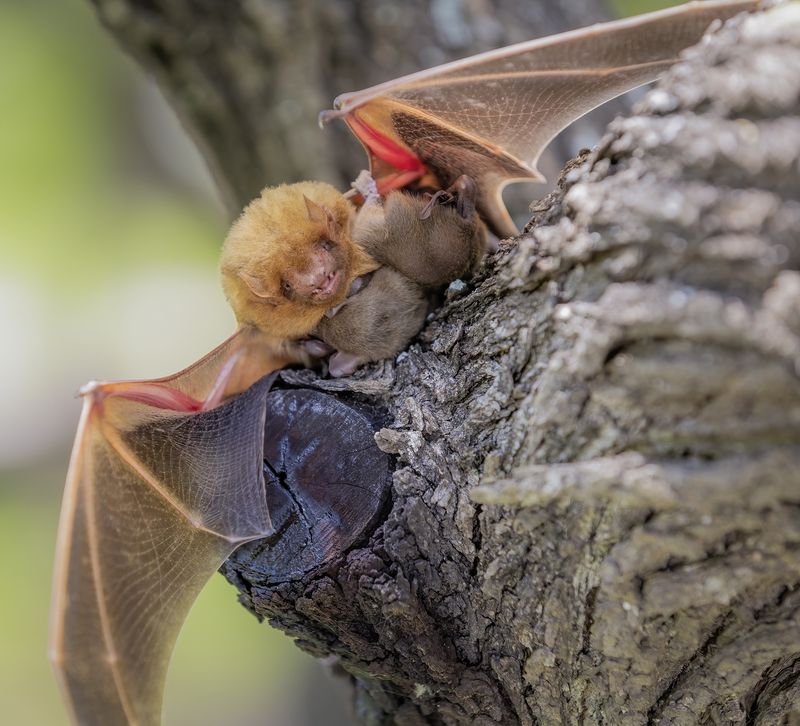
Not every Texas bat travels south for the winter. Some species stay put and slow their bodies way down during the coldest months instead.
This deep rest is called hibernation. To survive it, bats must build up thick layers of fat ahead of time.
Late September is prime fat-building season for these stay-at-home bats. Every insect they catch now helps them make it through the lean winter weeks.
Their feeding becomes heavy and focused because the stakes are high. Without enough stored energy, they cannot rest safely until spring.
It’s similar to how a bear eats plenty before settling into its winter den. The bats are following the same ancient instinct.
During hibernation, a bat’s heartbeat and breathing slow dramatically. This lets them conserve the fat they worked so hard to gather.
You are watching that preparation unfold each evening in September. The busy swooping is really a race to bulk up in time.
Warm caves, old buildings, and tucked-away crevices become their winter homes. They pick spots that stay steady and cool without freezing.
If bats roost near your property, avoid disturbing them once cold weather arrives. Waking a hibernating bat wastes precious energy it needs to survive.
You can support them by leaving natural shelters like dry trees standing when safe. These spots offer perfect resting places.
Understanding this behavior helps you see the bigger picture. That heavy autumn feeding is a smart survival plan built over thousands of years.
So the frenzy above your yard is really nature’s way of getting ready for a long winter’s rest.
7. Nightfall Is Arriving Earlier
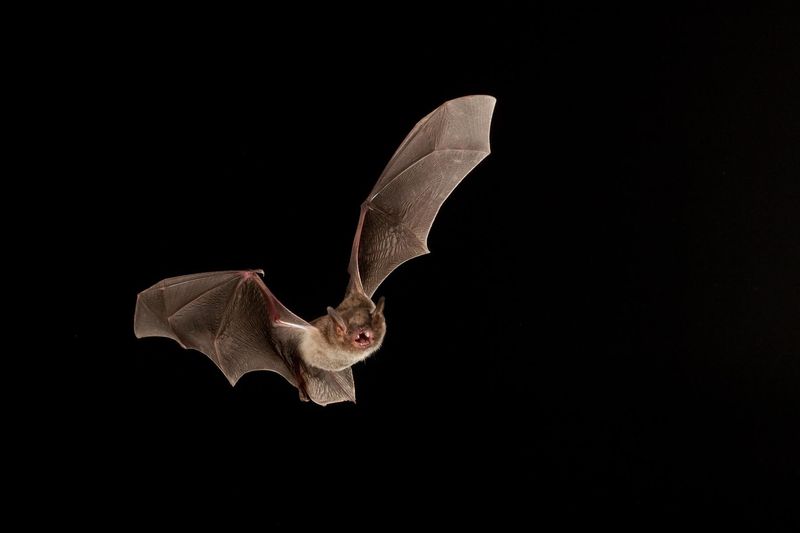
As autumn moves in, the days grow shorter across Texas. The sun sets earlier, and darkness falls sooner than it did in midsummer.
Bats are creatures of the night, so shorter days actually give them more hunting time. They can emerge earlier and stay out longer.
You might notice them appearing while there is still a bit of light in the sky. That is because their internal clocks follow the changing sunset.
More darkness overlapping with active insects creates a longer feeding window. The bats take full advantage of every extra minute.
This shift can make the feeding seem heavier simply because you see more of it. Earlier dusk means you catch the action before bedtime.
Insects also respond to the fading light by becoming active at cooler, earlier hours. The bats follow their food right on schedule.
It’s a neat example of how the whole natural world moves together with the seasons. Sunlight, bugs, and bats all sync up in autumn.
For anyone who enjoys watching wildlife, this is great timing. You no longer have to stay up late to catch the show.
Grab a spot on the porch around sunset and look up. The early darkness of late September makes bat watching easy and fun for the whole family.
Kids especially love spotting the first bat of the evening. It turns an ordinary night into a mini nature adventure.
So part of that heavy feeding is simply the season handing the bats extra hours to hunt. Shorter days truly work in their favor.
Enjoy the show while the autumn evenings make it so easy to see.