The Texas Wildflower That Once Covered Roadsides Statewide Is Making A Comeback
There was a time when certain Texas roadsides looked completely different from what most drivers see today.
Before development, before aggressive land management, before the landscape was shaped primarily for tidiness, one particular wildflower covered open land across the state in numbers that made entire stretches of Texas highway genuinely breathtaking in spring.
Most Texans alive today have never seen it at that scale. But something is changing.
This wildflower is quietly returning to parts of the Texas landscape, helped by conservation programs, native plant advocates, and homeowners who have started sowing it intentionally in their own yards.
The comeback is real and gaining momentum in ways that make this one of the more hopeful native plant stories happening in Texas right now.
Bluebonnets Are Returning To Texas Roadsides
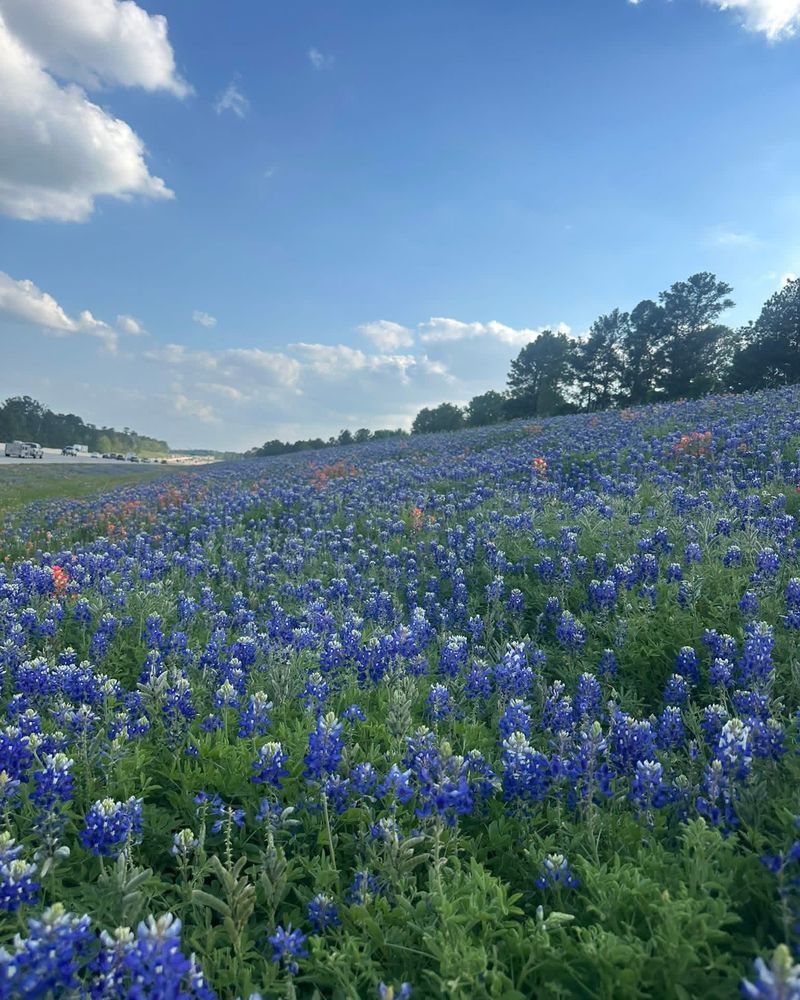
Nothing says spring in Texas quite like a highway lined with waves of blue.
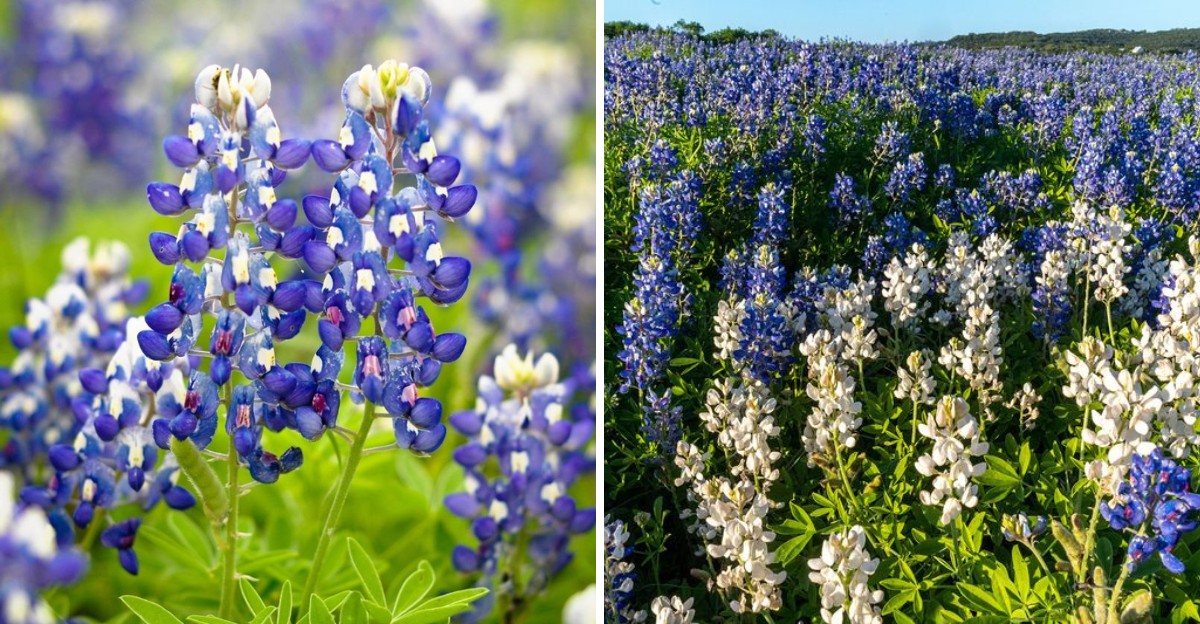
Bluebonnets, known by their scientific name Lupinus texensis, are the official state flower and a symbol of Texas pride. For generations, families have pulled over to snap photos among the blooms.
These flowers grow low to the ground and produce tall spikes covered in blue petals with a white or creamy tip.
Their shape is said to look like the bonnets pioneer women once wore, which is how they earned their name. When thousands bloom together, they create a carpet of color that seems to stretch for miles.
For a while, many people noticed fewer flowers along the roads they traveled each year. The big, jaw-dropping displays were not as common as they used to be.
That worried nature lovers and longtime residents who remembered the brighter days.
Good news has arrived. Thanks to renewed interest, better planting efforts, and helpful weather patterns, bluebonnets are showing up in bigger numbers again.
State agencies scatter seeds along highways on purpose, and everyday people are joining in too.
The comeback matters for more than just pretty pictures. Bluebonnets support bees and other pollinators that keep our ecosystems healthy. They also remind us of the wild beauty that once covered much of the land.
Seeing them return feels like welcoming back an old friend. Each spring brings the hope of another dazzling season.
With a little effort from all of us, these blue beauties can keep spreading across Texas for years to come.
Why Bluebonnets Once Created Such Massive Displays
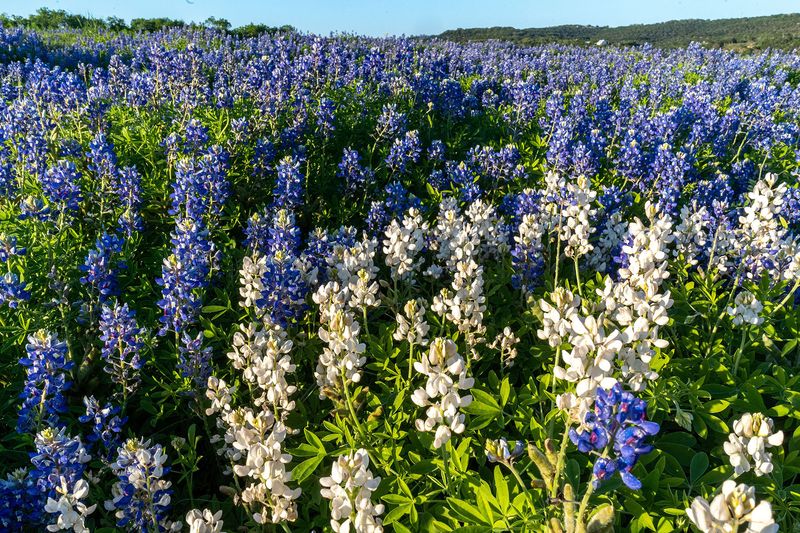
Picture wide open land with plenty of sunshine and just the right kind of soil. That was the perfect recipe that once let bluebonnets spread across Texas like a blue blanket.
These flowers are natives, meaning they have grown here for a very long time and know exactly how to handle the local climate.
Bluebonnets love full sun. They need open ground where taller plants and thick grasses will not block their light. Old prairies and cleared roadsides gave them exactly that kind of space to spread out.
Soil plays a huge role too. These plants prefer well-drained ground that does not stay soggy.
Rocky or sandy soils that let water pass through quickly suit them just fine, which is why they pop up in places other plants avoid.
Your Texas Garden Changes Every Week. Your Plan Should Too.
Gardening in Texas changes quickly throughout the season. Every Friday you’ll receive a simple weekly plan showing exactly what to plant, prune, fertilize, harvest, and protect so you never miss the right timing.
Rainfall timing is another key ingredient. Gentle rains in fall help the seeds sprout, and steady moisture through winter and early spring fuels their growth. When the weather cooperates, the results can be breathtaking.
Bluebonnets also have a special trick. Their roots work with tiny helpers in the soil to pull nitrogen from the air, feeding themselves without needing rich dirt. That skill lets them survive in poor ground where few other flowers can.
Smart land management once encouraged these displays without anyone even trying. Ranchers and road crews left fields alone during blooming season, giving flowers time to spread seeds naturally.
All these pieces working together explain why old-timers remember such incredible shows. When nature and people cooperated, the flowers rewarded everyone with unforgettable views each and every spring.
What Caused Bluebonnet Displays To Decline
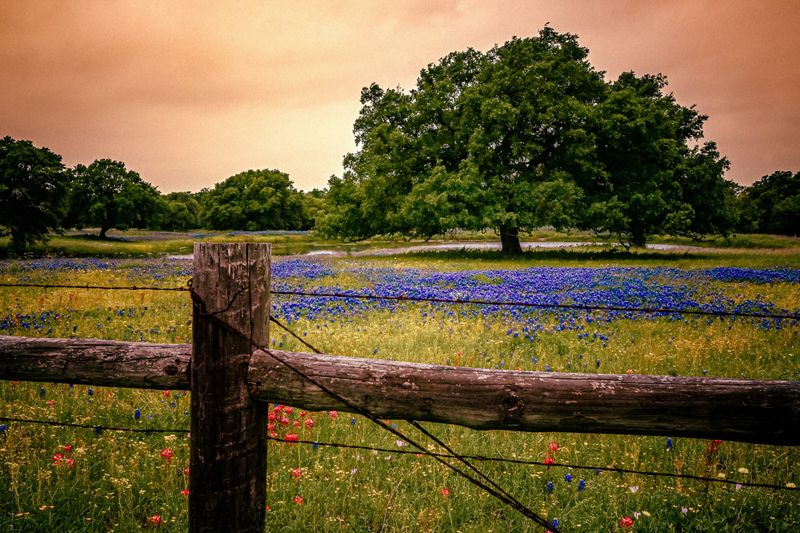
Change crept in slowly, and many folks did not notice until the flowers grew scarce. As Texas grew, more roads, houses, and shopping centers spread across land that once held wild blooms. Concrete and buildings simply took the place of open ground.
Development is one of the biggest reasons for the drop. When bulldozers clear a field to build a neighborhood, the bluebonnet seeds hiding in the soil lose their home. Fewer wild spaces means fewer flowers each spring.
Mowing habits also changed the picture. If road crews cut the grass too early, they trim the flowers before the seeds have a chance to form. Without new seeds falling to the ground, the next season brings a smaller show.
Weed killers added to the problem. Some sprays meant to control unwanted plants also harm bluebonnets. Areas treated with these chemicals often lose their wildflowers along with the weeds.
Loss of native habitat ties all of this together. Bluebonnets depend on healthy prairies and untouched roadsides. When those places shrink, the flowers have nowhere to spread and multiply.
Weather swings played a part too. Dry years without enough fall and winter rain leave seeds unable to sprout. A string of tough seasons can shrink the population quickly.
Understanding these causes helps us fix them. Once people saw what was happening, they started changing mowing schedules and protecting wild areas.
Learning from past mistakes gives the flowers a real chance to thrive again. Awareness truly is the first step toward bringing back the blue.
Why Fall Is The Time To Sow Bluebonnet Seeds
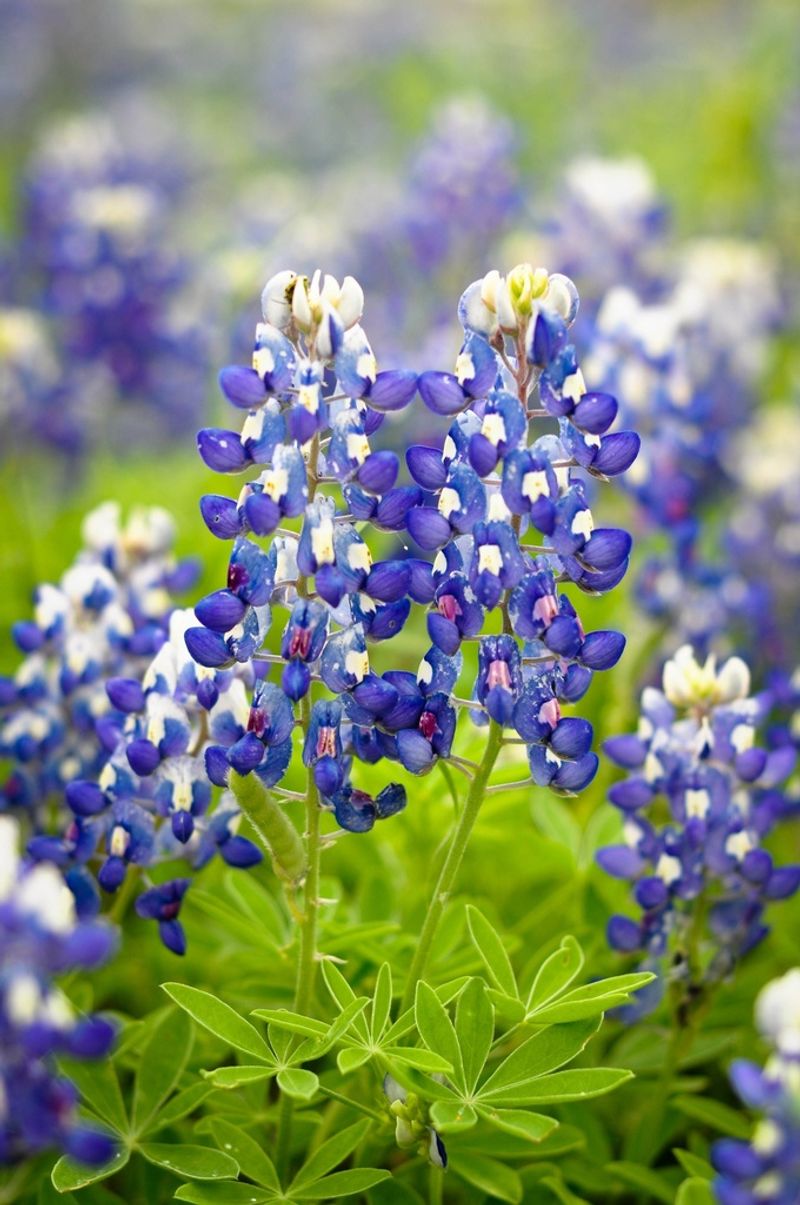
Timing makes all the difference when growing these flowers. Many beginners assume spring is the moment to plant, since that is when blooms appear.
Bluebonnets actually need to start their journey much earlier, in the cool days of autumn.
Fall planting gives seeds time to settle in before winter arrives. Once in the ground, they sprout and grow small leafy rosettes that hug the soil. These little plants spend the cold months building strong roots below the surface.
Think of fall as the head start every bluebonnet needs. While the plant looks tiny and quiet through winter, it is busy getting ready. Come spring, that early effort pays off with tall stalks and plenty of flowers.
Seeds planted in fall also soak up natural moisture. Autumn and winter rains soften their hard outer shells, a process that helps them wake up and grow. Nature basically does the watering for you.
The best window usually falls between September and November. Aim to plant before the first hard freeze so the seeds have time to sprout. Waiting too long into winter can leave them behind schedule.
Patience is part of the fun. You will not see much action for months, and that is perfectly normal. Trust that the roots are working hard even when nothing shows above ground.
Planting at the right time matches the flower’s natural rhythm. Instead of fighting the seasons, you work with them.
Follow this simple schedule, and you set yourself up for a burst of blue when the warm weather finally returns.
How Homeowners Can Create A Roadside-Style Wildflower Patch
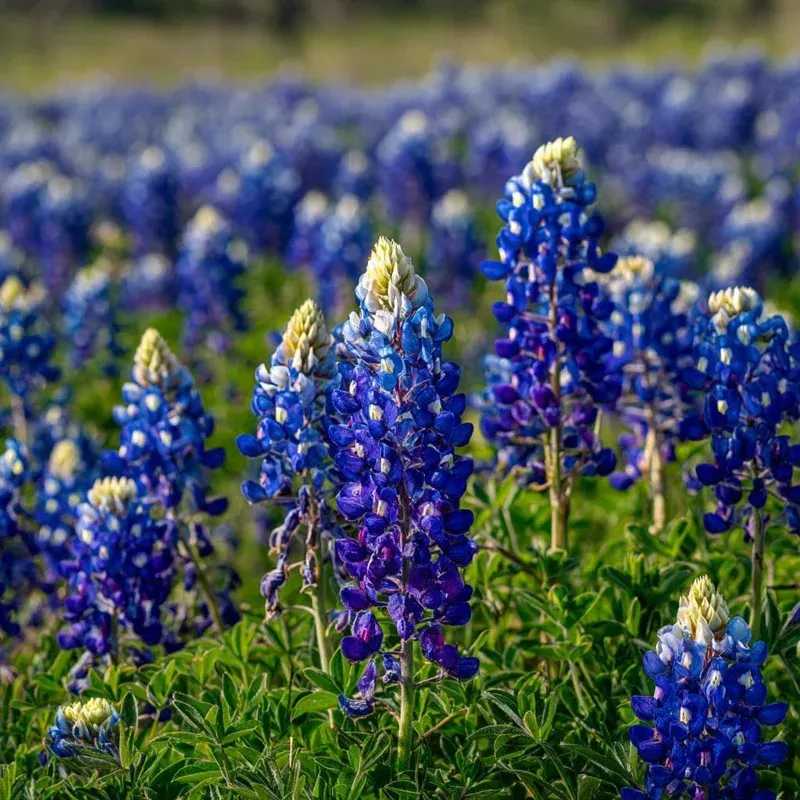
You do not need acres of land to enjoy a slice of Texas beauty. A sunny corner of your yard can become a mini wildflower show with just a bit of planning. Anyone can turn a plain spot into a patch of blue.
Start by picking a location that gets full sun for most of the day. Bluebonnets crave light and will struggle in shady areas. A spot along a fence, driveway, or edge of the lawn often works great.
Prepare the soil next. Loosen the top layer of dirt so seeds can make good contact with the ground.
Avoid rich garden soil packed with fertilizer, since these tough natives actually prefer lean, well-drained earth.
Scatter the seeds evenly across your prepared patch. Press them gently into the soil, but do not bury them deep. A light covering of dirt is all they need to feel snug and safe.
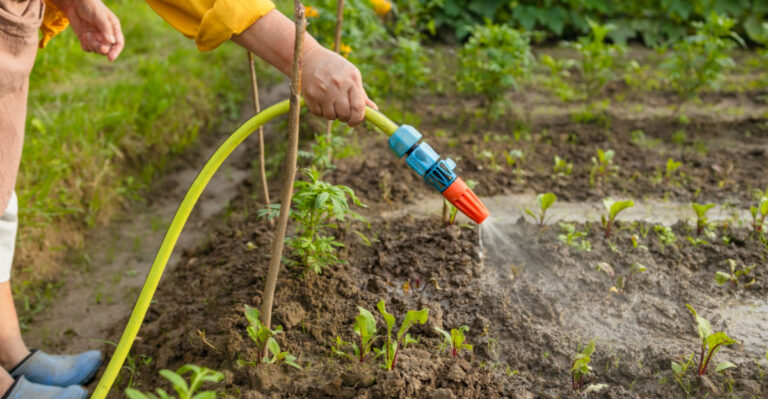
Resist the urge to water too much. Overwatering can rot the seeds or invite unwanted weeds. A single soaking after planting is helpful, and then let the seasonal rains take over the job.
Skip the fertilizer completely. These plants feed themselves through their special roots, so extra nutrients only encourage weeds and floppy growth. Less pampering leads to happier flowers.
Be patient through the winter months. Your seeds are working quietly underground even when the surface looks bare. When spring rolls around, your little patch will reward you with cheerful blue blooms.
Sharing your success with neighbors can spread the joy even further. Before long, your whole street might turn blue.
Let Bluebonnets Complete Their Natural Cycle
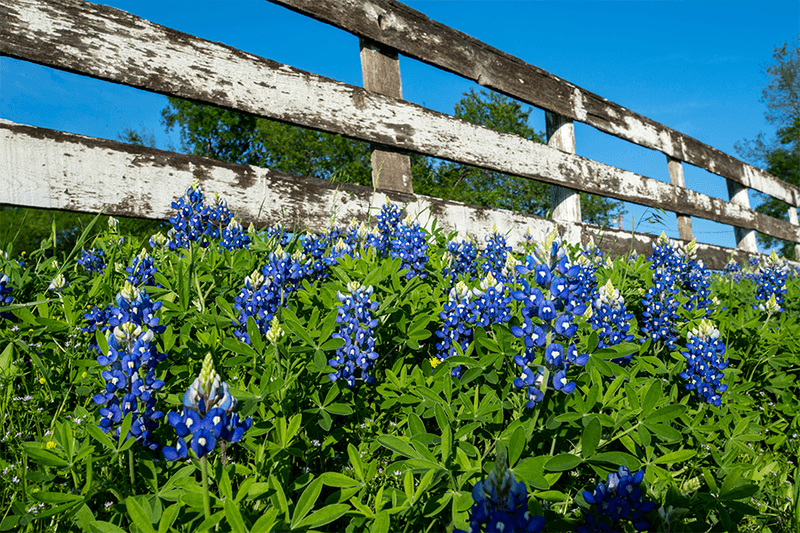
The secret to more flowers next year lies in what you do after the blooms fade. Many eager gardeners tidy up too soon and accidentally stop the cycle. Giving the plants time to finish their work is the kindest thing you can do.
After bluebonnets bloom, they form small pods filled with seeds. These pods need time to ripen and turn brown before they burst open. Each pod scatters fresh seeds that will grow into next spring’s flowers.
Hold off on mowing while the flowers are fading. Cutting them down while pods are still green means no new seeds fall to the ground. That single mistake can leave you with a bare patch the following year.
Wait until the pods look dry and brittle before trimming anything. By then, the seeds have usually dropped and settled into the soil. Now the plants have done their job and passed the torch to the next generation.
Mowing at the right moment actually helps. Once seeds have fallen, a light cut clears away old growth and makes room for other plants. Timing turns a simple chore into a helpful boost.
Nature designed this whole process to repeat itself. Your role is mostly to step back and let it happen. Trust the flowers to know what they are doing.
Following this rhythm rewards you season after season. A patch left to finish its cycle grows fuller and brighter each year.
With patience and good timing, you help keep the beautiful Texas tradition of bluebonnets alive and spreading for future generations to enjoy.