9 Roses Virginia Gardeners Should Treat Differently Than The Rest In September
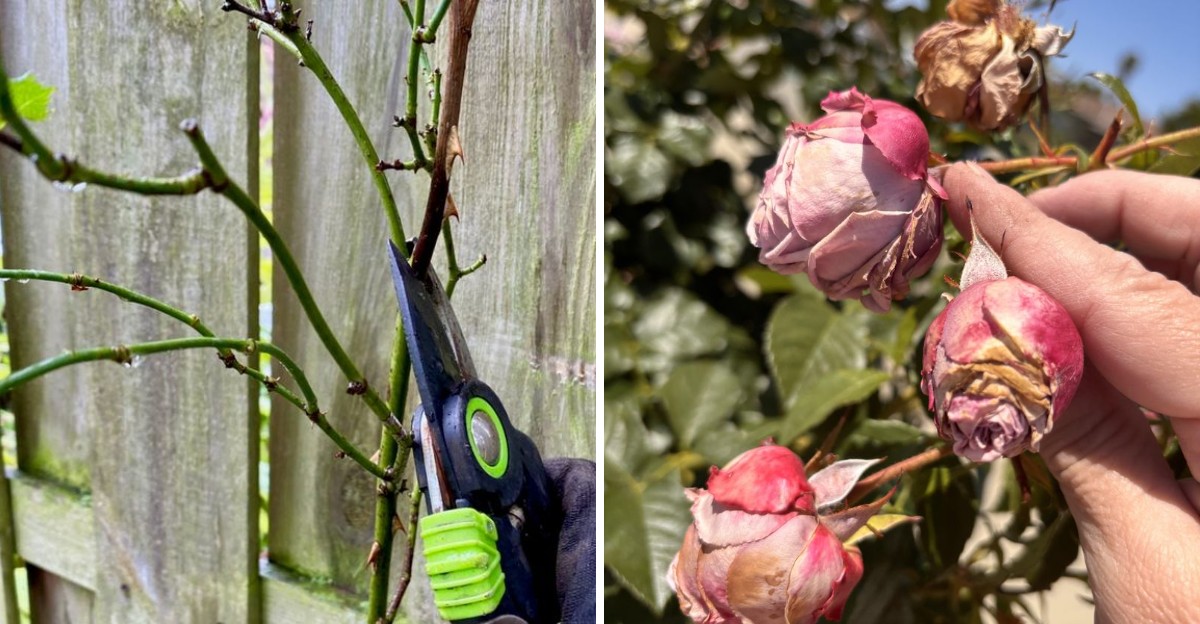
September arrives in Virginia with cooler mornings, softer light, and gardens that finally get a break from summer heat. The beds may look tired, but they are still full of life.
That is when the urge to tidy up kicks in. Clippers come out, dry stems get cut, and everything starts looking a little too uniform.
But not every plant wants the same fall treatment. Some benefit from a careful cleanup. Others are better left alone until spring.
Knowing the difference can make a real impact. Treat every plant the same, and you may remove winter shelter, seed heads, or growth that helps it return strong next year.
1. Hybrid Tea Roses Need A Careful Fall Cleanup
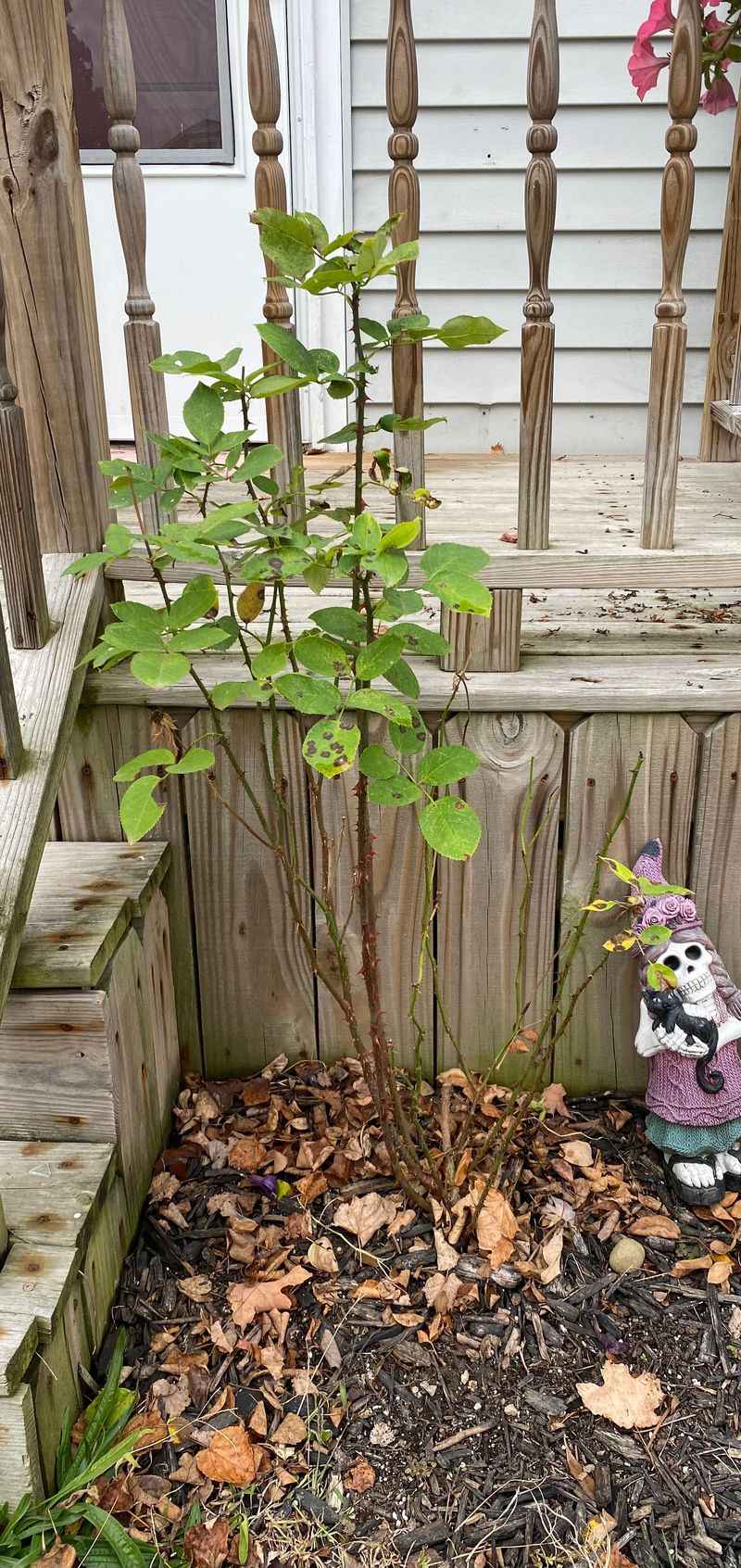
Fussy, elegant, and a little high maintenance, hybrid teas earn their reputation every single September. They reward careful hands and sulk when their bed is left messy through autumn.
Start by putting the trimming shears away for the season around the first week. Letting spent blooms turn into round orange hips tells the plant that dormancy is coming.
Rake beneath each bush and gather every fallen leaf, petal, and shriveled bit of debris. Fungal spores overwinter in that litter and come roaring back the moment spring warms up.
Bag the mess instead of composting it. Home piles rarely get hot enough to handle black spot spores hiding in old leaves.
Resist the urge to shape the bush now, even if it looks lanky and awkward. Snip only stems that are clearly broken, damaged, or rubbing against a healthy cane.
Heavy cuts wake up tender new shoots that cannot harden before Virginia’s first hard frost. Save that satisfying big haircut for late winter, when forsythia starts hinting at spring.
Water deeply about once a week during dry stretches, aiming the hose at the soil. Wet leaves in cool weather invite trouble, so morning watering gives foliage time to dry.
Skip routine fertilizer this month, since late-season feeding can encourage soft growth. Focus on steady care and save regular feeding for the next growing season.
Mounded mulch can wait until late fall, after the ground has cooled and growth stops. Three inches around the crown buffers roots when temperatures bounce around in January.
2. Floribunda Roses Benefit From Light Maintenance
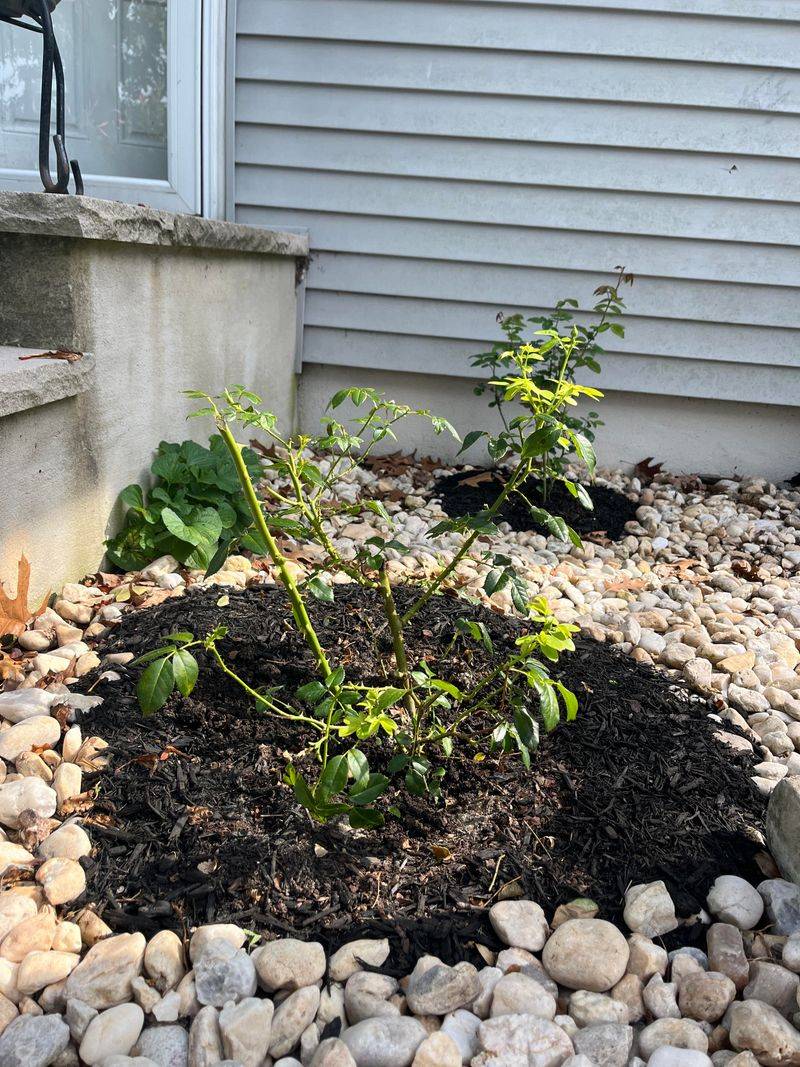
Floribundas bloom in cheerful clusters, like a bouquet that decided to grow itself outdoors. Come September, they ask for much less attention than their showier hybrid tea cousins.
Put down the trimming shears and let the last flowers fade into hips. That small signal nudges the shrub toward rest instead of another round of tender buds.
A light touch is the goal, so limit cuts to awkward canes crossing through the middle. Opening the center a little improves airflow, which matters during humid stretches near the coast.
Big shaping jobs belong in late winter or very early spring, before buds swell. Cutting height now invites soft shoots that struggle when cold air sweeps through the Commonwealth.
Refresh the mulch layer to roughly three inches, keeping it an inch away from the stems. Steady soil temperature protects shallow roots when autumn nights swing from mild to chilly.
Your Virginia Garden Changes Every Week. Your Plan Should Too.
Gardening in Virginia changes quickly throughout the season. Every Friday you’ll receive a simple weekly plan showing exactly what to plant, prune, fertilize, harvest, and protect so you never miss the right timing.
Water deeply but less often as days shorten and evaporation slows down. Soggy soil around the crown causes more grief in fall than a short dry spell.
Clean up fallen leaves weekly, especially under dense varieties where debris collects and stays damp. Clear ground beneath the shrub means fewer spores waiting around for next season’s foliage.
Leave the fertilizer bag in the shed until spring arrives with warm soil. Floribundas store energy better when nobody pushes them into one last growth spurt.
Fun fact: the floribunda class was bred in the early 1900s by crossing polyanthas with hybrid teas. That mix explains the sturdy habit and the constant parade of color.
3. Grandiflora Roses Need Protection From Late Pruning
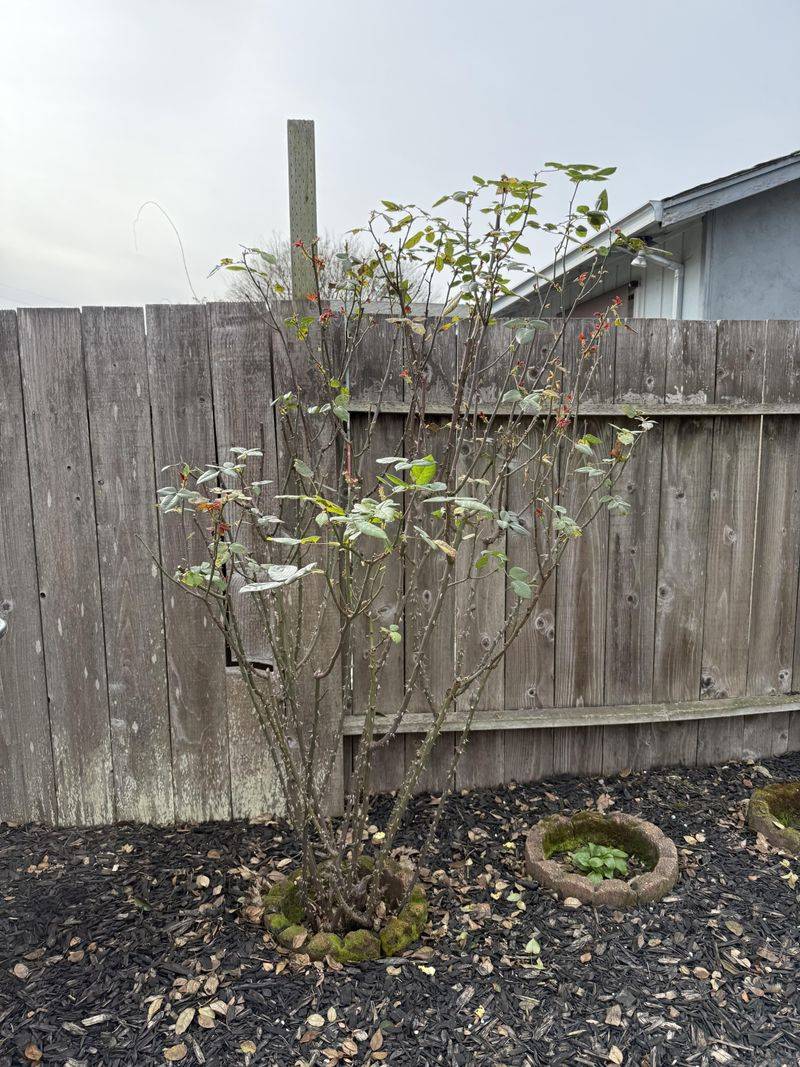
Tall, stately, and slightly dramatic, grandifloras carry hybrid tea flowers on floribunda style stems. September is the month to admire them and mostly leave the pruners hanging on the hook.
Late cuts trick these roses into pushing fresh shoots that have no time to harden. Soft growth caught by an October frost turns mushy and opens doors for disease.
Trim only what looks clearly unhealthy, like failed buds or leaves spotted with black rings. Everything else, including that one cane poking sideways, can wait until late winter.
Stop trimming so the plant can set hips and shift its energy toward the roots. Hips also look charming against frost, adding orange dots to a gray garden.
Rake carefully around the base, since grandifloras grow tall and drop plenty of leaves. Discard that litter in the trash rather than leaving it to mat down over winter.
Once the ground chills in late fall, mound mulch or shredded leaves about ten inches high. Crown protection matters in Zone 7 and the colder pockets of the Commonwealth.
Keep watering through dry September weeks, soaking slowly so moisture reaches deeper roots. Well hydrated canes handle winter wind far better than thirsty, shriveled ones.
Stake or loosely tie very tall canes if your site catches strong gusts. A snapped five foot cane in November is a sad thing to find.
Grandifloras earned their own class in 1954, when the Queen Elizabeth rose blurred the line between groups. Tall bones plus cluster blooms still make them a favorite for back borders.
4. Climbing Roses Need Their Canes Secured Before Winter

Climbers spend all summer reaching for the sky, and September is when you gently talk them down. Long, whippy canes left loose become sails during winter storms rolling across the region.
Walk the trellis or arbor and check every old tie for tightness and wear. Twine cuts into swelling canes over time, leaving wounds that trouble the plant later.
Fasten new growth with soft twine, cloth strips, or flexible ties in a loose figure eight. Leaving a little slack lets canes thicken without being squeezed by the support.
Aim to train canes sideways along horizontal wires rather than straight up. Horizontal training triggers more side shoots, which means a wall of flowers next June.
Shorten wildly tall canes to about four or five feet if wind is a problem. Topping off is not real pruning, so the plant stays calm and keeps its structure.
Hold off on serious cane removal until after bloom next year for once blooming varieties. Cutting the wrong canes now trades away the flowers you have been waiting for.
Clear leaves and old petals from the base, especially where the plant meets a fence. Tight corners trap moisture, and damp corners are where fungal problems settle in.
Water deeply into early fall, since climbers on walls often sit in dry, sheltered soil. Brick and siding shed rain away from roots more than most gardeners realize.
Check ties again after the first big storm, because knots loosen when canes sway. Five quiet minutes in September saves a tangled mess in March.
5. Shrub Roses Need Less Fuss In September
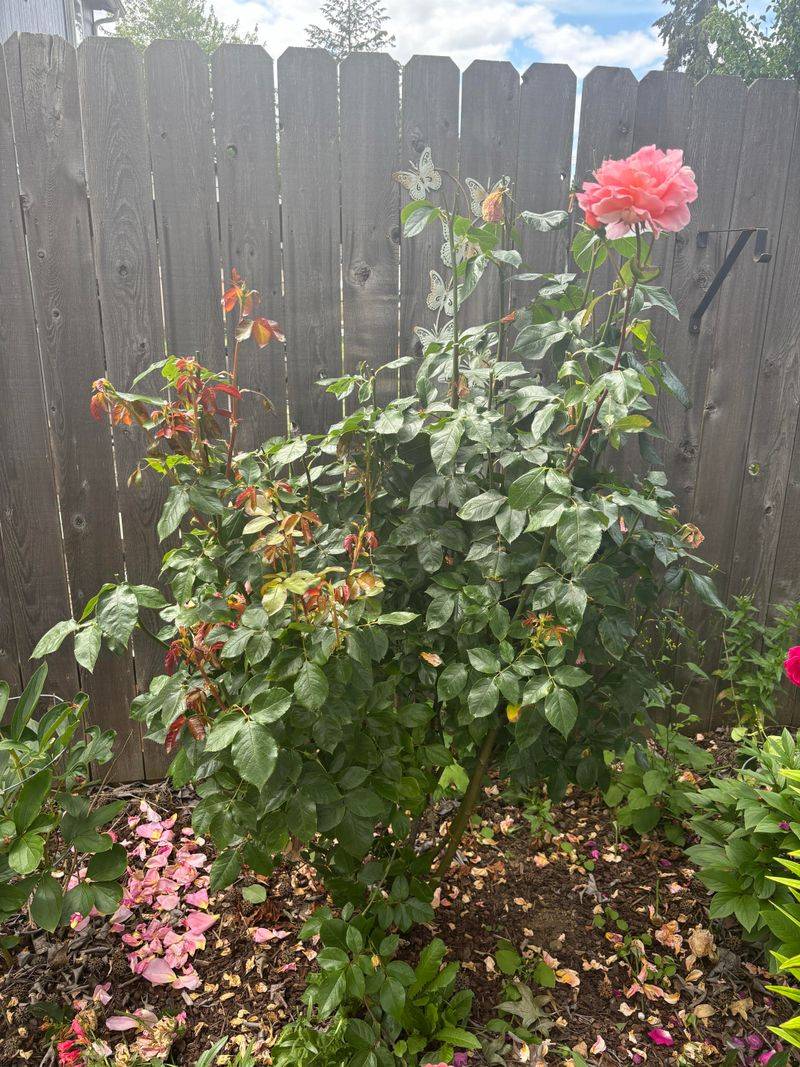
Shrub roses are the laid back neighbors of the rose world, and September proves it. Most of them do fine while you sit on the porch with a cold drink.
Let the last blooms stay put so hips can form along the branches. Hip formation quietly flips a switch, telling the shrub to slow down and store energy.
Heavy pruning has no place this month, even on plants that sprawl past their spot. Reach for the loppers in late winter when the shape is easier to read.
Snip out broken or crossing canes only, and keep those cuts few and small. Light work keeps the plant from waking up when it should be settling down.
Water deeply during dry September stretches in Virginia, then let the top soil dry slightly. Roots stay healthier with that rhythm than with daily sprinkles near the surface.
Mulch stays useful, so top up thin spots with two or three inches of shredded bark. Pull it back from the stems to discourage voles looking for a winter hideout.
Skip fall feeding, because shrub roses hardly need it and late nitrogen causes soft growth. Compost spread in spring covers their needs for most of the growing season.
Watch for Japanese beetle damage fading now, and note which shrubs took the worst hits. Those notes help you plan better spacing and sunnier spots for next year.
Many modern shrub roses, including the Oso Easy and Bonica types, shrug off humidity nicely. Choosing tough varieties means fall chores shrink to raking and admiring.
6. Rugosa Roses Handle Fall Conditions With Little Fuss
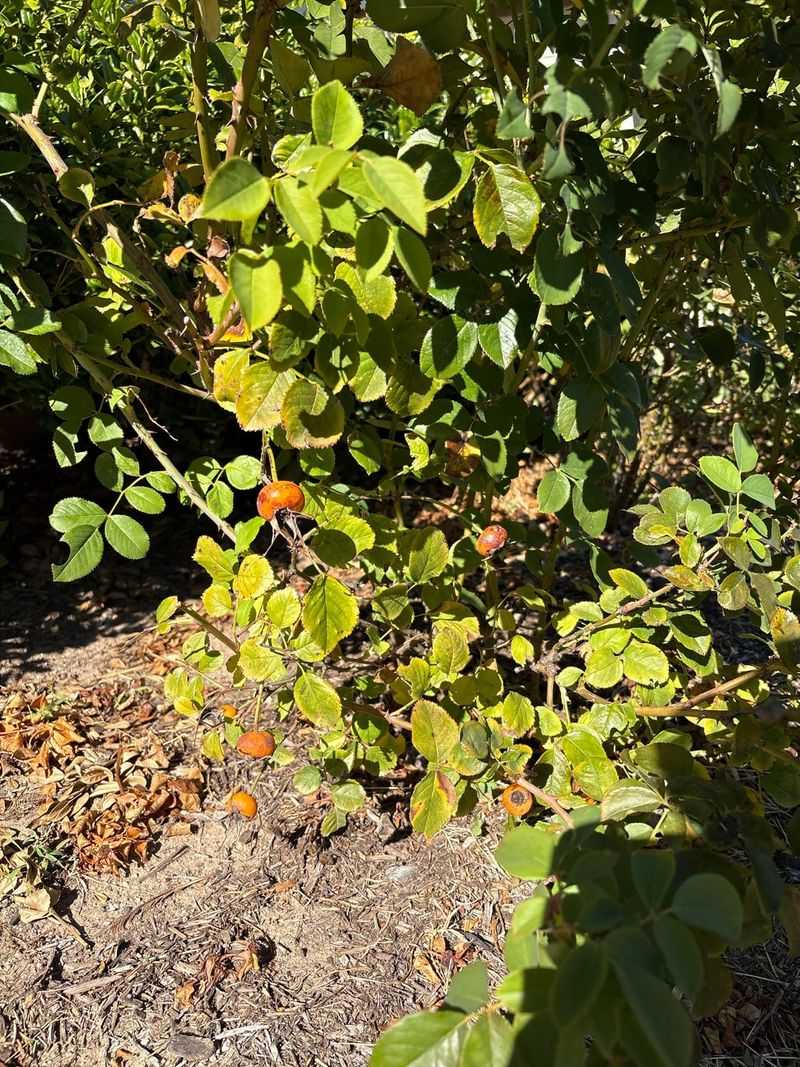
Rugosas grow wild along sandy coasts, so a mid Atlantic autumn feels like an easy afternoon. Their crinkled leaves and thorny canes shrug off wind, salt, and damp weather.
Cherry tomato sized hips ripen bright red and hang on through frost. Leave them alone, since birds love them and gardeners brew them into vitamin rich tea.
Trimming is pointless here, and honestly it would rob you of the best fall feature. The hips are the show, and the show lasts well into December.
Foliage turns buttery yellow, bronze, and warm orange before dropping. Few roses give that kind of autumn color, which makes rugosas worth a spot.
Pruning in September serves no purpose for these tough shrubs. They flower on old and new wood, so wait until early spring for shaping.
Rugosas are generally more disease-resistant than many roses, so they often need less disease management. Keep an eye on the foliage during humid weather.
Water lightly if September turns bone dry, then trust their deep roots. Rugosas dislike soggy clay more than a dusty stretch.
Watch for suckers spreading beyond the bed, because these roses travel by underground runners. Slice unwanted shoots with a sharp spade now, before they settle in for good.
Japanese gardeners have grown Rosa rugosa for centuries, calling it hamanasu, the beach pear. Its salt tolerance makes it a favorite near Virginia Beach and the Eastern Shore.
Skip fertilizer, mulch lightly, and let the shrub do what it has done for ages. Low effort care explains why gardeners plant them near salty driveways.
7. Knock Out Roses Need Pruning Patience In Fall
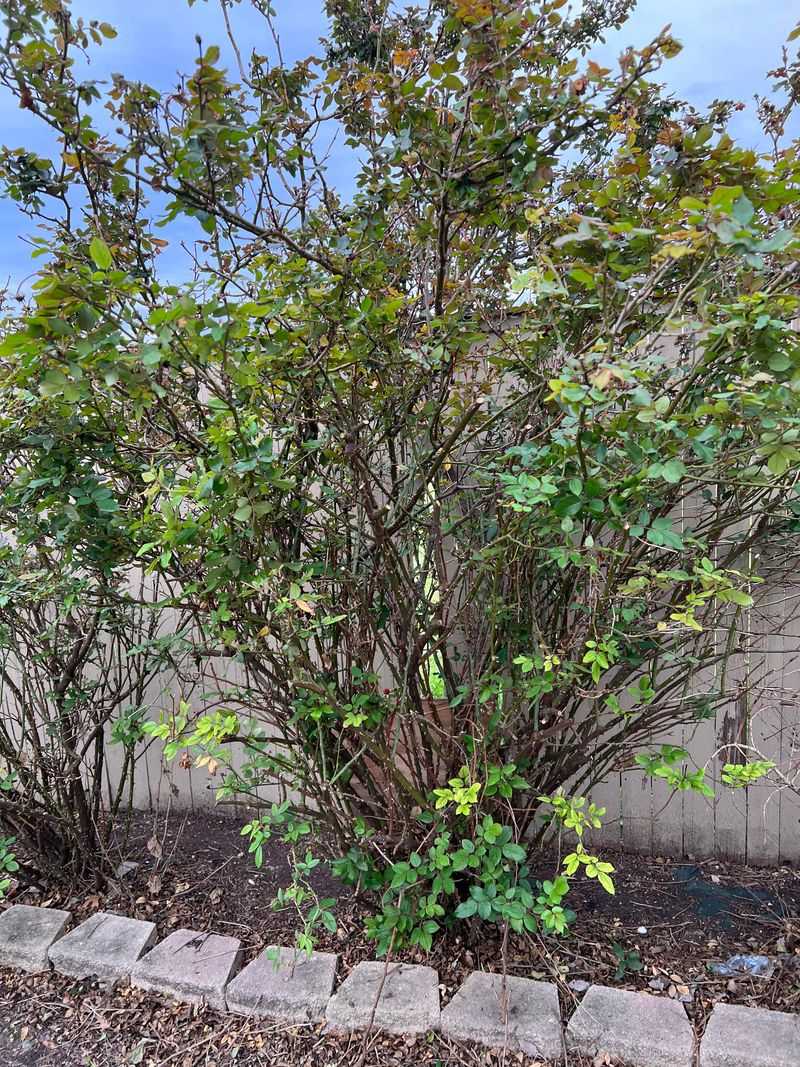
Knock Outs took over American landscapes for a reason, blooming from May until frost with little help. That toughness tempts people to whack them back the moment September arrives.
Patience pays better here, because fresh cuts push soft shoots into cooling weather. Tender growth in October rarely hardens before the first serious cold snap.
A light tidy is fine if a branch flops across the sidewalk or blocks a path. Trim stray stems only, and keep total height reduction near one foot at most.
Save the hard cut, the one that takes the shrub to knee height, for late winter. February or early March works well, right before buds start swelling in the Commonwealth.
Stop trimming and let the small orange hips form across the top of the plant. Hips look tidy on Knock Outs and give birds something to pick at.
Rake fallen leaves from underneath, since rose rosette disease and black spot both spread nearby. Any leaf showing odd red growth or strange thorn clusters should go in the trash.
Inspect canes for witches broom growth, the strange bunched shoots that signal rose rosette. Removing an infected plant promptly can help reduce the risk of rose rosette spreading to nearby roses.
Hold the fertilizer until spring, even though these roses seem to eat anything. Late food equals late growth, and late growth equals winter damage.
Knock Out arrived in 2000 from breeder Bill Radler and quickly became the best selling rose ever. Easy care does not mean no care, especially during a warm southern September.
8. Groundcover Roses Need Good Airflow Around The Canopy
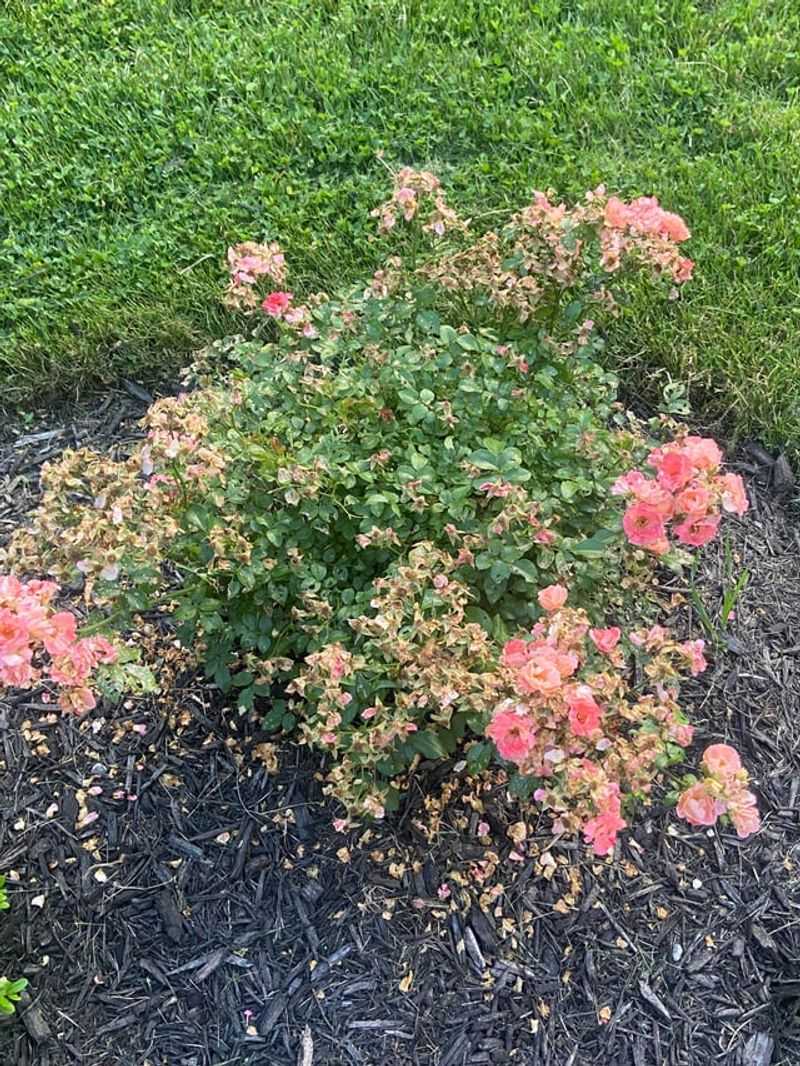
Drift and Flower Carpet roses sprawl low and wide, hugging slopes and spilling over walls. All that dense growth traps humid air, which autumn supplies generously in the Commonwealth.
Airflow becomes the main job this month, and the fix is usually simple. Pull weeds, trim back neighboring perennials, and give the canopy breathing room on every side.
Remove any leaves piled on top of the plant, especially under trees that drop early. Debris sitting on foliage holds moisture against leaves for hours after rain.
Water at the soil line with a wand or drip line rather than overhead. Wet foliage heading into a cool night gives black spot exactly what it wants.
Groundcover types resist disease well, though crowded plantings can still develop problems. Spacing matters more here than any spray you might buy at the garden center.
Leave the pruning shears in the shed, since these roses rebound strongly when cut. Late winter shearing to about one third their height works far better.
Mulch thinly beneath the branches, taking care not to bury low growing stems. Buried canes sometimes rot in the damp clay soils found across much of the state.
Stop trimming and enjoy the last wave of color settling over the bed. Many varieties can keep flowering into fall, depending on the weather.
Fun bit of history: Flower Carpet roses launched in 1989 and changed how gardeners use low roses. Mass planting suddenly looked easy, and slopes stopped being a headache.
9. Disease Prone Roses Need Careful Leaf Cleanup
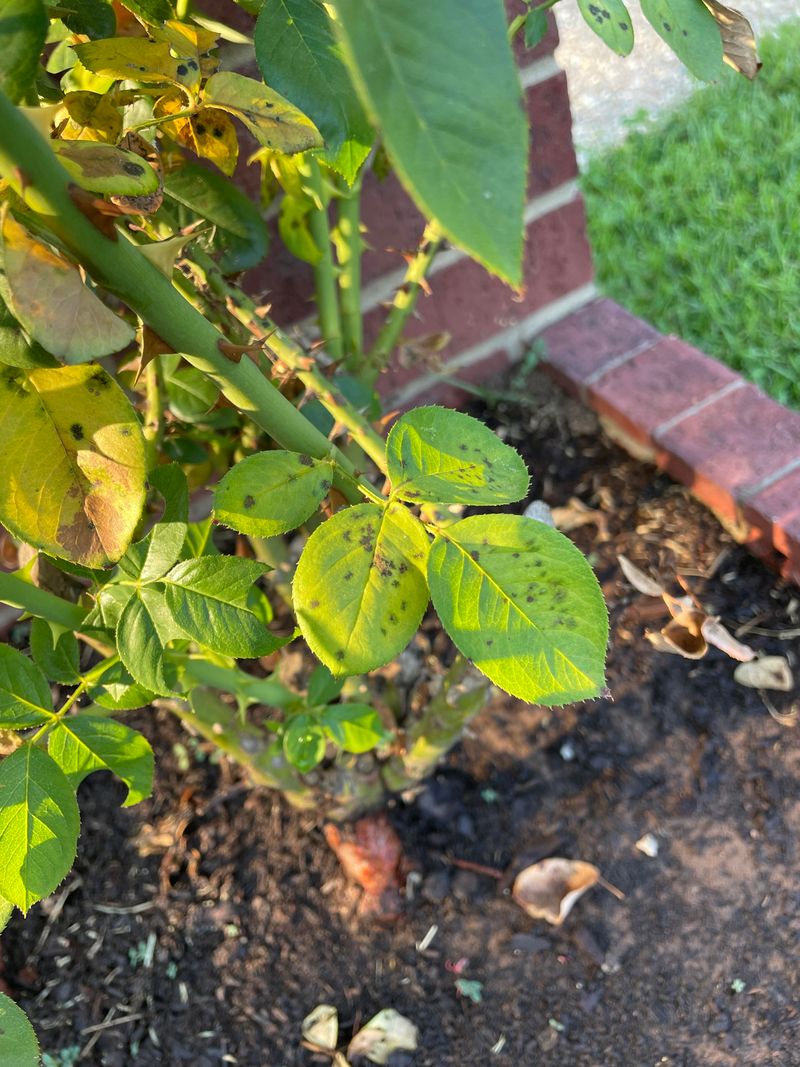
Every garden has one rose that collects spots like a magnet collects paper clips. Those troublesome plants need the most careful September cleanup of anything in the whole bed.
Start by picking up every fallen leaf underneath, working outward to the drip line. Spores rest in that litter and splash back onto fresh growth next April.
Clip spotted leaves still clinging to the canes, holding each stem steady as you cut. Yanking leaves tears bark and creates entry points for more problems.
Seal the debris in a bag for the trash instead of the compost heap. Backyard piles seldom heat enough to handle black spot and downy mildew spores.
Sanitize your pruners with rubbing alcohol between plants, and especially after touching sick ones. A quick wipe stops you from carrying trouble down the entire row.
Water early in the morning at ground level so leaves dry before evening. Humid Virginia nights plus wet foliage is the classic recipe for spotty roses.
Thin out crowded perennials nearby instead of pruning the rose itself right now. Better air movement does more good in September than any hard cut would.
Keep notes on which plants struggled and consider replacing repeat offenders next spring. Disease-resistant varieties can save you plenty of raking and worry, especially in humid weather.
A fresh two inch mulch layer after cleanup blocks splashing soil and trapped spores. Clean ground, dry leaves, and good airflow beat most sprays sold on the shelf.