What It Means When Cardinals Keep Picking Your Arizona Yard — It Isn’t By Chance
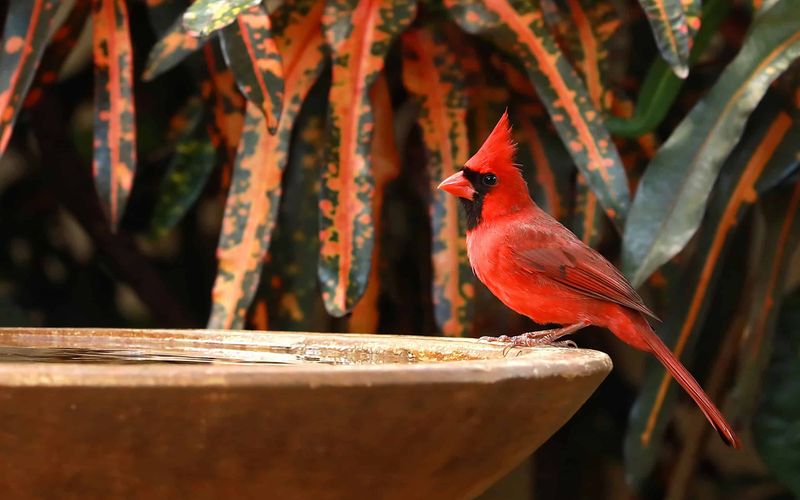
Spotting a bright red cardinal in your Arizona yard once feels like a treat, but seeing the same bird return day after day makes you wonder what is really going on. Some people reach for folklore, assuming the bird carries a message or a sign from someone they have lost.
The more grounded answer is that your yard may simply be offering something useful, and understanding what that is can help you support birds safely and wisely.
Why a repeat visit does not prove a message—or one certain cause
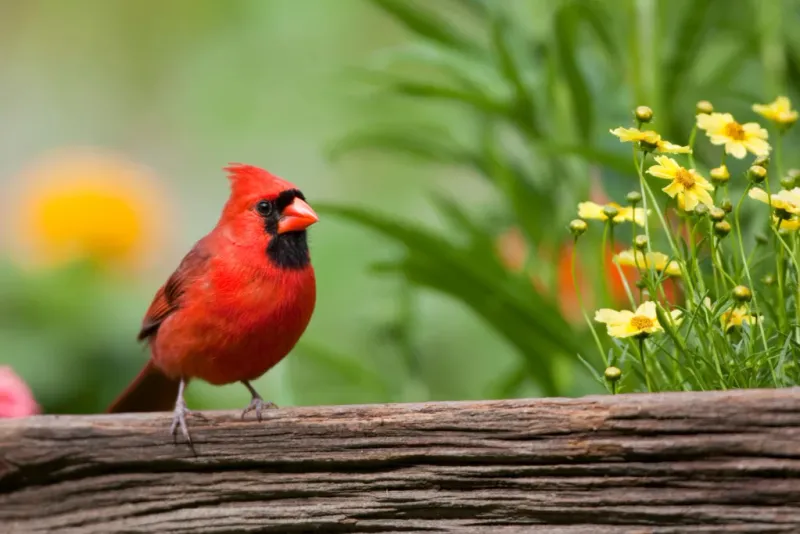
Repeated cardinal sightings feel meaningful, and for many people they are personally significant. Ornithology, though, offers a simpler explanation: a bird comes back when a place keeps meeting its needs.
Cornell Lab of Ornithology’s Northern Cardinal life history describes Northern Cardinals as year-round residents that use backyards, ornamental landscaping, low shrubs, and ground-level foraging areas regularly. A yard that reliably provides food, water, cover, or a defensible perch is simply more useful than one that does not.
That said, repeated visits cannot prove one specific cause. The bird may be covering a large territory that happens to include your property, following a mate or a fledgling, or retracing a familiar daily route.
Using “likely” or “may” matters here because no single sighting pattern establishes a diagnosis.
Scientists do document real communication among birds, including alarm calls, social signals, and territorial songs. That research describes how birds exchange information with each other, not how a bird delivers a personalized spiritual message to a homeowner.
Personal meaning attached to a cardinal visit is a matter of belief, and there is nothing wrong with holding that belief. Ornithology simply works from observable behavior, and the observable behavior points to habitat, not intention.
First, confirm whether the visitor is a cardinal
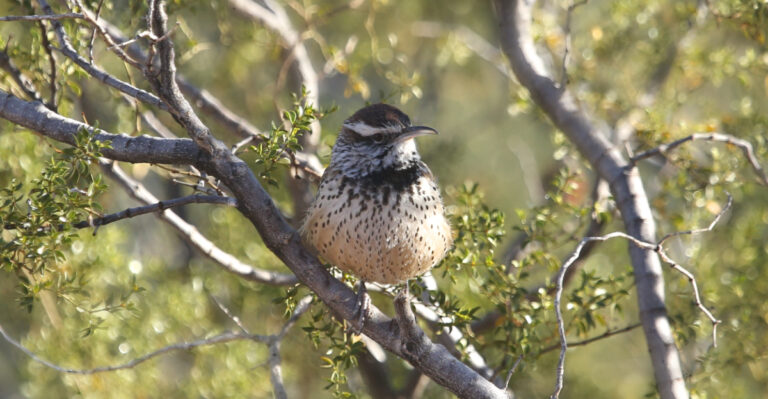
Before reading anything into your visitor’s behavior, make sure you have the right bird. In low-desert Arizona, two crested species with reddish coloring show up in neighborhoods: the Northern Cardinal and the Pyrrhuloxia.
Misidentifying one for the other leads to incorrect assumptions about diet, behavior, and habitat needs.
A male Northern Cardinal is unmistakable up close: nearly all-red plumage, a prominent crest, and a thick orange-red bill. The Audubon field guide for the Northern Cardinal notes that the male’s red coloring is extensive and vivid, while the female is warm brown with reddish tinges on the crest, wings, and tail.
A Pyrrhuloxia, by contrast, is grayish overall with red only on the crest, wings, and tail tip, and its bill is shorter and more curved, almost parrot-like.
A quick glimpse through a window on a bright afternoon can make a Pyrrhuloxia look redder than it is, especially if the bird is partially backlit. Take a moment to watch the bird’s bill shape and overall body color before assuming species.
Both birds are native to the desert Southwest and may use the same neighborhood, so careful identification is worth the extra minute it takes.
Your yard may offer a dependable mix of resources
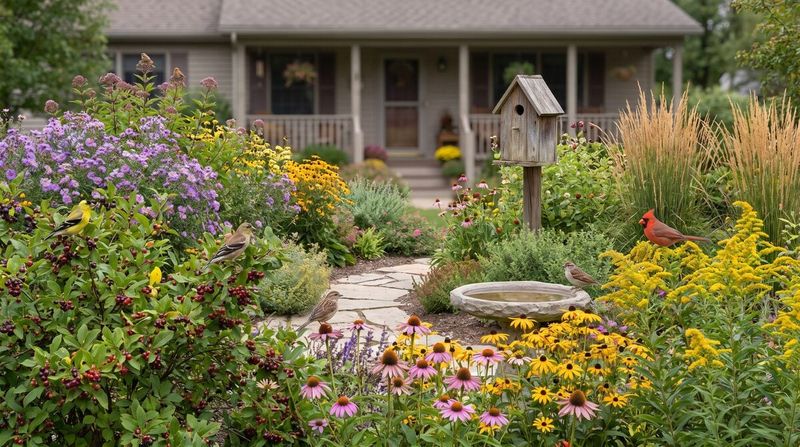
Cardinals are not random in where they spend their time. Their diet consists mainly of seeds and fruit, supplemented by insects and other invertebrates, with nestlings fed mostly insects.
Your Arizona Garden Changes Every Week. Your Plan Should Too.
Gardening in Arizona changes quickly throughout the season. Every Friday you’ll receive a simple weekly plan showing exactly what to plant, prune, fertilize, harvest, and protect so you never miss the right timing.
A yard that grows seed-producing plants, supports a modest insect population, and keeps water available gives a cardinal several reasons to return.
Ground-level foraging is central to how Northern Cardinals feed. They pick up fallen seeds and low fruit rather than clinging to hanging feeders the way finches do.
Layered vegetation helps: dense low shrubs provide cover and foraging spots, while taller trees and fence lines offer elevated perches where males sing to establish or maintain territory. In low-desert Arizona, a native mesquite tree can serve both roles, providing shade, branch structure, and a seed source that birds and other wildlife use throughout the year.
A repeat visitor does not guarantee that your yard is perfectly optimized. The bird may be working a territory that spans several properties, looping back through yours as part of a larger daily circuit.
It may also be following a mate or keeping tabs on a fledgling that has left the nest but is not yet fully independent. Treating your yard’s resources as likely contributors rather than a proven cause keeps expectations realistic while still giving you useful direction for improvement.
Singing, chasing, or window attacks can signal territory
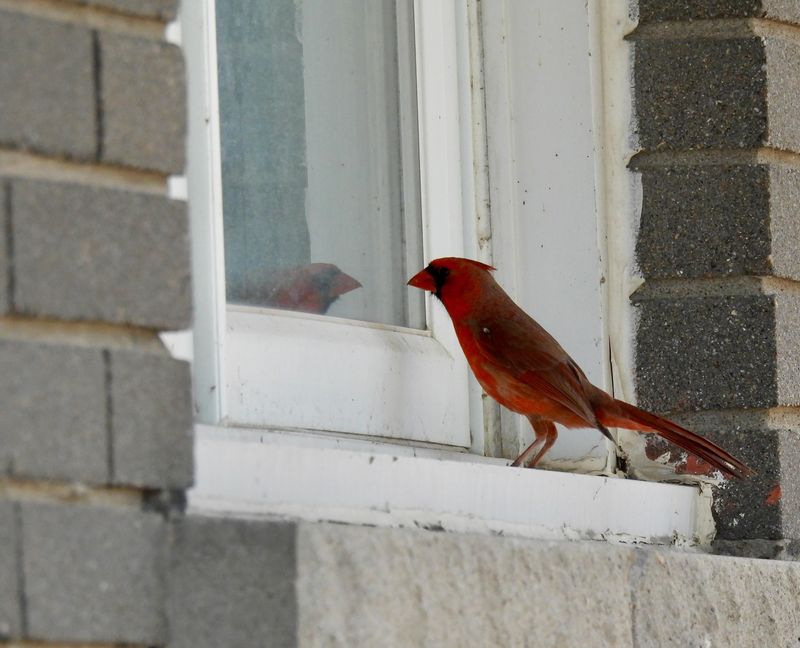
A cardinal that keeps singing loudly from the same fence post, chases another bird out of the yard, or repeatedly strikes a window is not delivering a message. Those behaviors are most likely territorial, especially during breeding season in late winter through summer.
Male Northern Cardinals defend areas against rival males. When a bird sees its own reflection in a window or a car mirror, it registers the image as a competing male and attacks it.
The behavior can go on for days or weeks because the “intruder” never retreats. Cornell Lab’s overview of territoriality in bird communities explains that this kind of repeated boundary defense is a normal part of how birds manage space and access to mates and food.
Territorial use of a yard is different from a bird simply passing through. A territorial male returns because the space is part of what he is defending, not because your yard has been chosen for a personal reason.
If you notice singing from consistent spots, chasing, or window attacks, those are clues that the bird may have a stake in your general area rather than just drifting through. That distinction matters when you are trying to decide whether habitat improvements are likely to pay off.
Build layered, water-wise habitat instead of chasing a guarantee
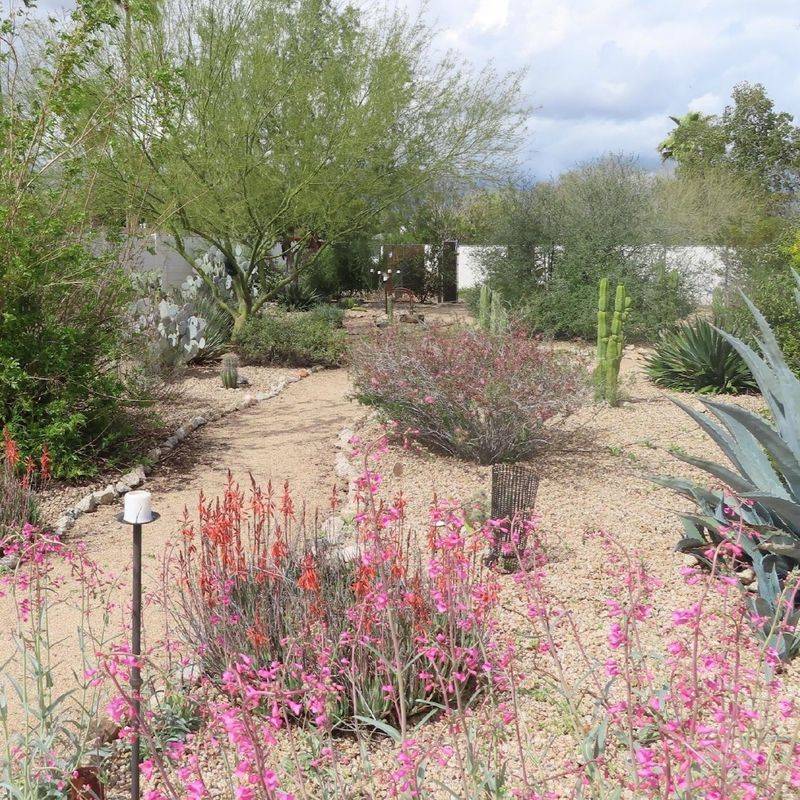
No single plant guarantees a cardinal in your yard, but a thoughtful combination of resources makes your property genuinely more useful to birds. The University of Arizona Cooperative Extension’s guide to landscaping for wildlife habitat elements identifies food, water, cover, and space arrangement as the core factors that attract and support wildlife.
Stacking those elements is more effective than adding one feature in isolation.
In the Phoenix and Tucson metro areas, dense thorny or branching shrubs provide protective cover where birds can hide from predators and shelter from heat. Native or desert-adapted plants that produce seeds or berries extend that value by supplying food without irrigation demands.
Where space allows, a heat-tolerant native tree such as mesquite adds canopy, perching height, and additional foraging opportunities. Palo verde is another option for smaller lots in the low desert, offering similar structure with a lighter footprint.
Water availability is especially important during Arizona’s brutal summer months, but a water feature should be sized and placed carefully. A shallow, shaded basin that can be refilled and scrubbed regularly is far better than a large ornamental fountain that sits stagnant.
Rainwater harvesting can reduce the municipal water needed to keep a basin filled during dry stretches, a practice the University of Arizona Cooperative Extension supports for low-desert landscapes.
Higher-elevation communities in Arizona, including those around Prescott or the White Mountains, face different frost exposure, rainfall patterns, and soil conditions than Phoenix or Tucson. Plant choices that work well at 1,100 feet may not perform the same way at 4,500 feet, so always match recommendations to your actual elevation and climate zone.
Use feeders and birdbaths only when you can manage the risks
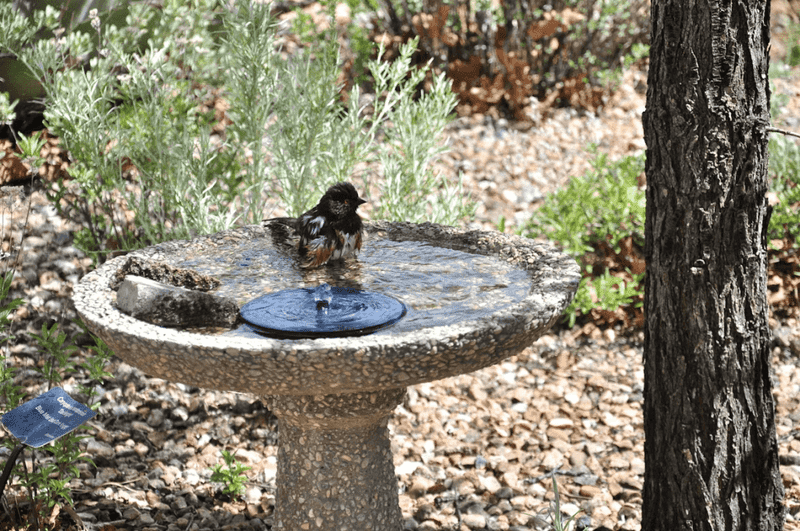
Supplemental food and water are optional, not required. Native plants, cover, and naturally occurring insects can support cardinals without any feeder or birdbath.
If you do add them, the benefits come with real responsibilities that are easy to underestimate in Arizona’s heat.
Cardinals favor black-oil sunflower seed and do best with tray or platform feeders that let them stand while eating rather than cling. Keep portions modest.
Overfilled feeders lead to seed spills on the ground, which attract rodents and can grow mold quickly in humid monsoon conditions. The U.S.
Fish and Wildlife Service recommends cleaning seed feeders at least every two weeks, and more often during wet weather or if you notice sick birds nearby.
Birdbaths need the same attention. Stagnant water spreads disease among birds, and Arizona Game and Fish warns that contaminated water and food can help transmit trichomoniasis and other illnesses through local bird populations.
A shallow basin, rinsed and refilled every two to three days, is safer than a deep one that holds water for a week. Place the bath in partial shade and away from dense shrubs where cats or other predators can crouch unseen.
Any attractant placed near a window raises collision risk. Birds concentrate near feeders and baths and may flush suddenly into glass.
Exterior screens, closely spaced window decals, or patterned films applied to the outside of the glass break up the reflection and give birds a visual cue that a surface is solid. The U.S.
Fish and Wildlife Service’s guidance on bird-window collisions covers placement and treatment options in practical detail. Finally, water in the low desert can draw javelina, coyotes, and raptors, so check local ordinances and your own tolerance for those visitors before installing a permanent feature.
Let observation—not symbolism—guide your conclusion
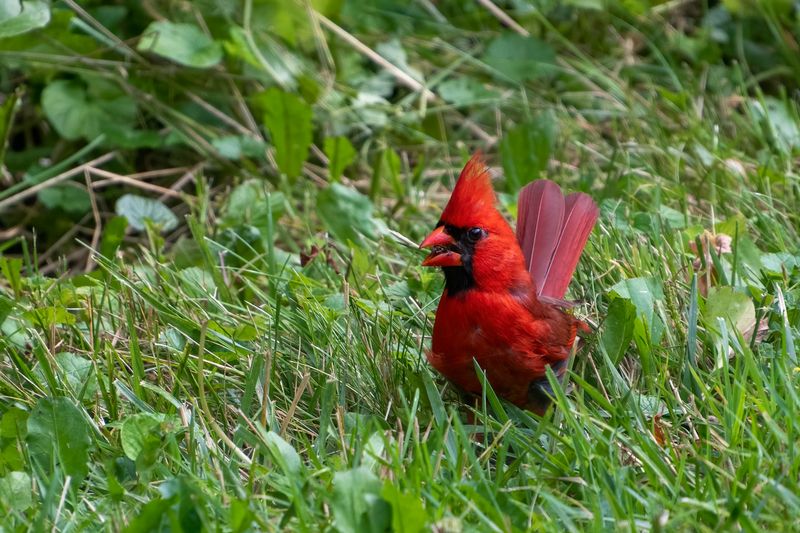
Repeated cardinal visits may mean your yard offers a useful mix of food, cover, water, perches, or territory. They do not establish a spiritual message, and they do not point to one single biological cause with certainty.
Both of those points can be true at once without diminishing the experience of watching a striking bird return to your space.
The most productive next step is simple observation. Watch whether the bird feeds, sings from a fixed spot, chases others, or uses dense cover.
Each behavior points toward a different resource need and gives you a more grounded starting point for any habitat improvements you want to make.
A yard that supports birds well is one with layered native vegetation, clean water managed responsibly, and feeders used carefully if at all. That kind of habitat tends to attract a range of wildlife over time, cardinals included, without overpromising any single outcome.
Success looks like a safer, more sustainable yard rather than a guaranteed daily visitor or a pest-free property. The bird gets to decide the rest.