Pennsylvanians Are Finally Switching From Hydrangeas To These Deer-Resistant Flowering Shrubs
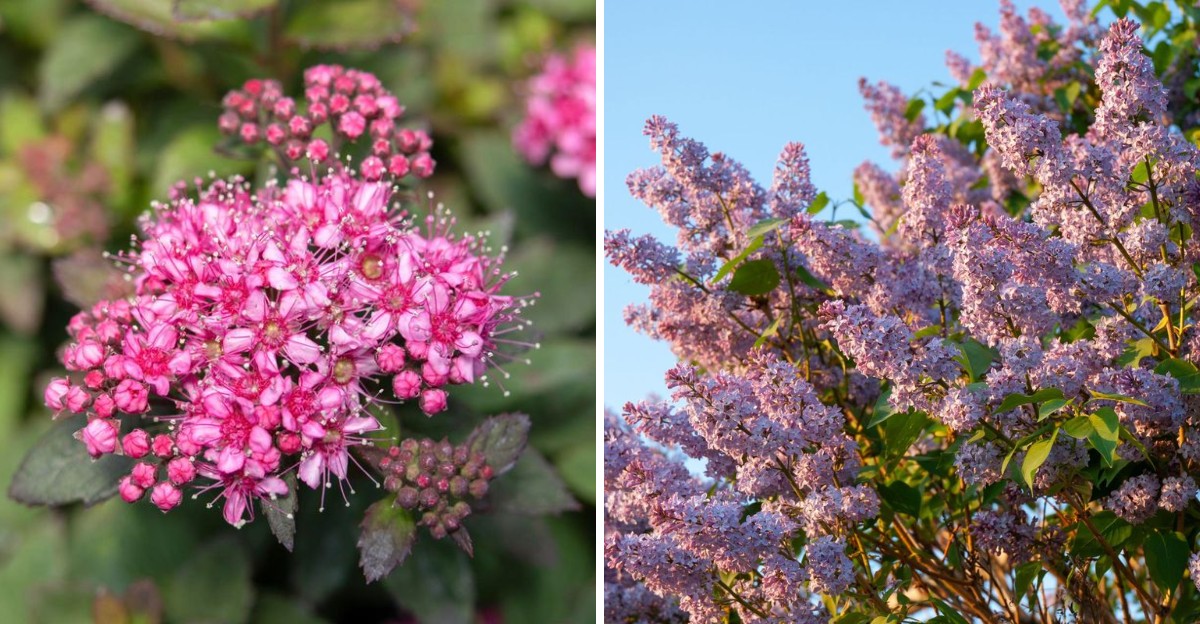
Hydrangeas are one of Pennsylvania’s most beloved garden shrubs, and the enthusiasm for them is completely understandable.
The blooms are spectacular, the varieties are seemingly endless, and the visual impact they deliver through summer is hard to match. But anyone who has gardened in deer country knows the other side of that story.
Deer love hydrangeas. And in Pennsylvania, deer are everywhere.
A shrub that delivers stunning blooms and then gets stripped to bare stems overnight is a particular kind of gardening frustration.
Repeat it enough seasons and even the most devoted hydrangea grower starts wondering whether there’s something better.
There is. Pennsylvania has flowering shrubs that deliver comparable visual impact, bloom reliably, and deer walk right past without a second look.
1. Butterfly Bush (Buddleia)
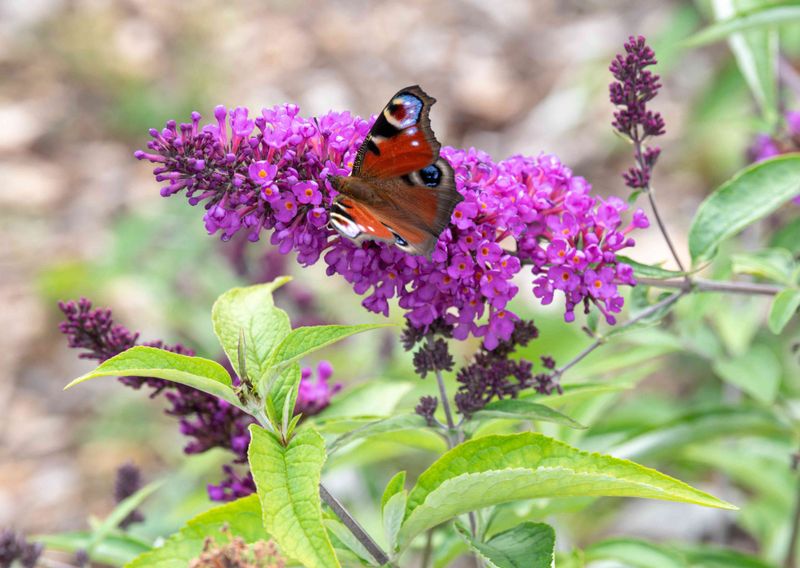
Picture a shrub so busy with butterflies that it looks like it is dancing. That is the butterfly bush, and it earns its name every single summer.
The long, cone-shaped blooms come in purple, pink, white, and blue. They pour out a sweet smell that pulls in butterflies, bees, and hummingbirds from all around.
Deer, on the other hand, tend to leave it alone because the leaves have a fuzzy, bitter feel they do not enjoy.
Pennsylvania gardeners like this plant because it grows fast and blooms from June until the first frost. It handles hot, dry spells without complaining, which makes it perfect for sunny spots that get baked all afternoon.
Give it full sun and soil that drains well. A quick trim in early spring keeps it neat and pushes out even more flowers. Snipping off faded blooms during the season encourages fresh ones to appear.
One tip worth knowing is that some newer types are seedless. These are a smart pick because older kinds can spread more than you want. Ask your local nursery for a well-behaved variety.
A fun bit of history: this shrub was brought to gardens from China and quickly became a favorite around the world for its butterfly magic. Plant it near a patio or window so you can watch the show up close.
With almost no effort, you get months of color and a yard full of fluttering visitors, all while the deer keep strolling right on by.
2. Spirea
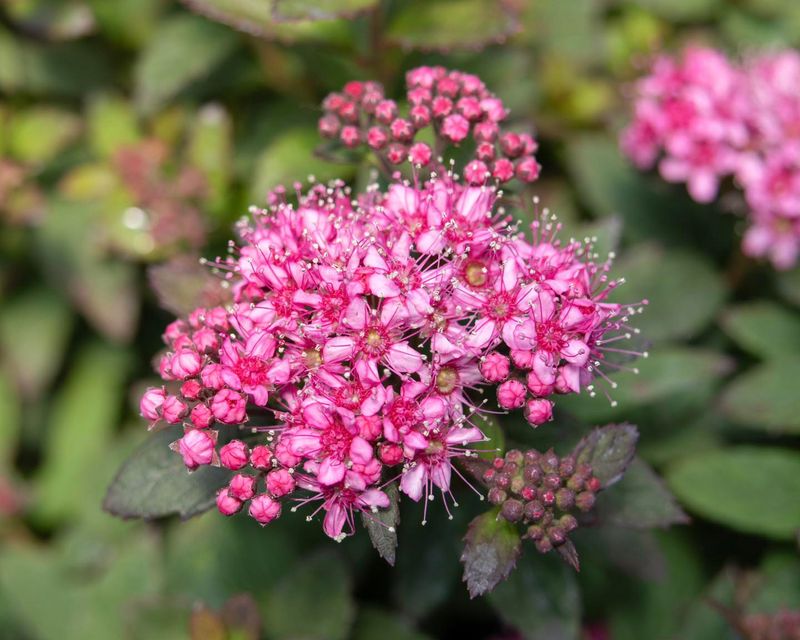
Some shrubs try too hard. Spirea is the opposite, a laid-back plant that looks great with barely any fuss.
This rounded shrub bursts with tiny flower clusters in pink, white, or red. The leaves often shift colors through the seasons, going from golden-green in spring to warm orange and red tones in fall. That means you get more than just flowers to enjoy.
Deer usually skip spirea because the foliage does not taste good to them. That makes it a relief for gardeners tired of replacing chewed-up plants every year.
Spirea loves the sun but will accept a little shade. It is not picky about soil and shrugs off cold Pennsylvania winters like a champ. Once it settles in, it barely needs watering unless the summer turns really dry.
Your Pennsylvania Garden Changes Every Week. Your Plan Should Too.
Gardening in Pennsylvania changes quickly throughout the season. Every Friday you’ll receive a simple weekly plan showing exactly what to plant, prune, fertilize, harvest, and protect so you never miss the right timing.
Trimming is simple. Cut it back after the first flush of blooms, and many types will reward you with a second round of flowers later in the season. Even beginners find this shrub forgiving and hard to mess up.
You can plant spirea as a low hedge, tuck it into a flower bed, or line it along a walkway. The smaller varieties stay compact, so they fit snugly in tight spaces.
Here is something neat: spirea belongs to the rose family, which explains those pretty petals.
Bees and butterflies visit often, adding gentle movement to your yard. For anyone who wants big color with little work, this dependable shrub delivers season after season without inviting the neighborhood deer over for lunch.
3. Boxwood With Flowering Companions
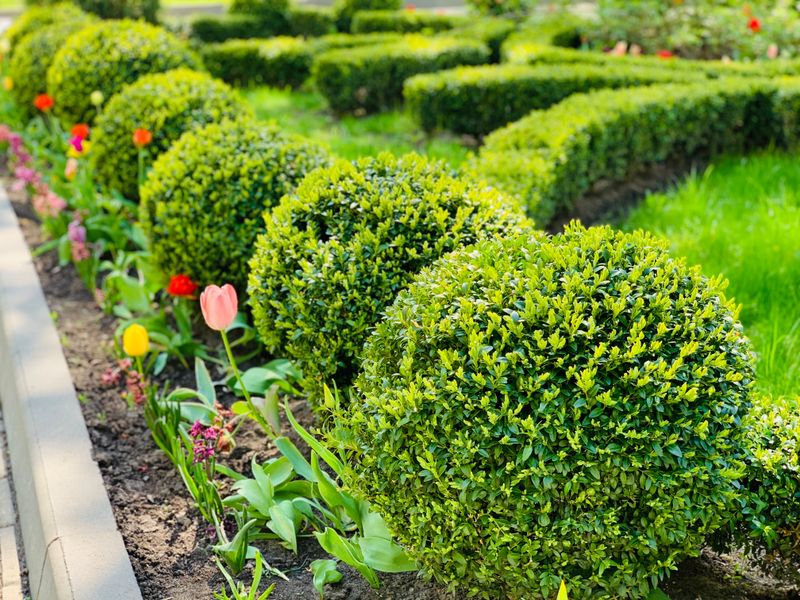
Think of boxwood as the sturdy backbone of a garden that deer refuse to touch. Its tidy green shape holds strong all year long.
While boxwood is famous for its evergreen leaves rather than showy blooms, it produces small, sweet-smelling flowers in spring that bees adore.
Pair it with flowering neighbors, and you get a border that stays green in winter and fills with color in warmer months.
Deer avoid boxwood because the leaves contain oils they find unpleasant. That reliability is exactly why Pennsylvania gardeners plant it along paths, foundations, and formal beds.
Boxwood grows slowly, so it holds its shape for a long time between trimmings. It thrives in full sun or partial shade and handles clay-heavy soil common in many local yards. A layer of mulch keeps the roots cool and happy.
Shaping boxwood is part of the fun. You can clip it into neat balls, low hedges, or leave it soft and natural. Either way, it frames your flowers and makes the whole yard look polished.
Water it well during its first year so the roots grow deep. After that, it becomes tough and low-maintenance.
A little trivia: boxwood has been used in fancy European gardens for centuries because of its ability to hold crisp shapes. Combine it with butterfly bush or spirea for a mix of structure and blossoms.
This partnership gives you a garden that looks put-together in every season, keeps deer at a distance, and rewards you with quiet green beauty and springtime buzz.
4. Bluebeard (Caryopteris)
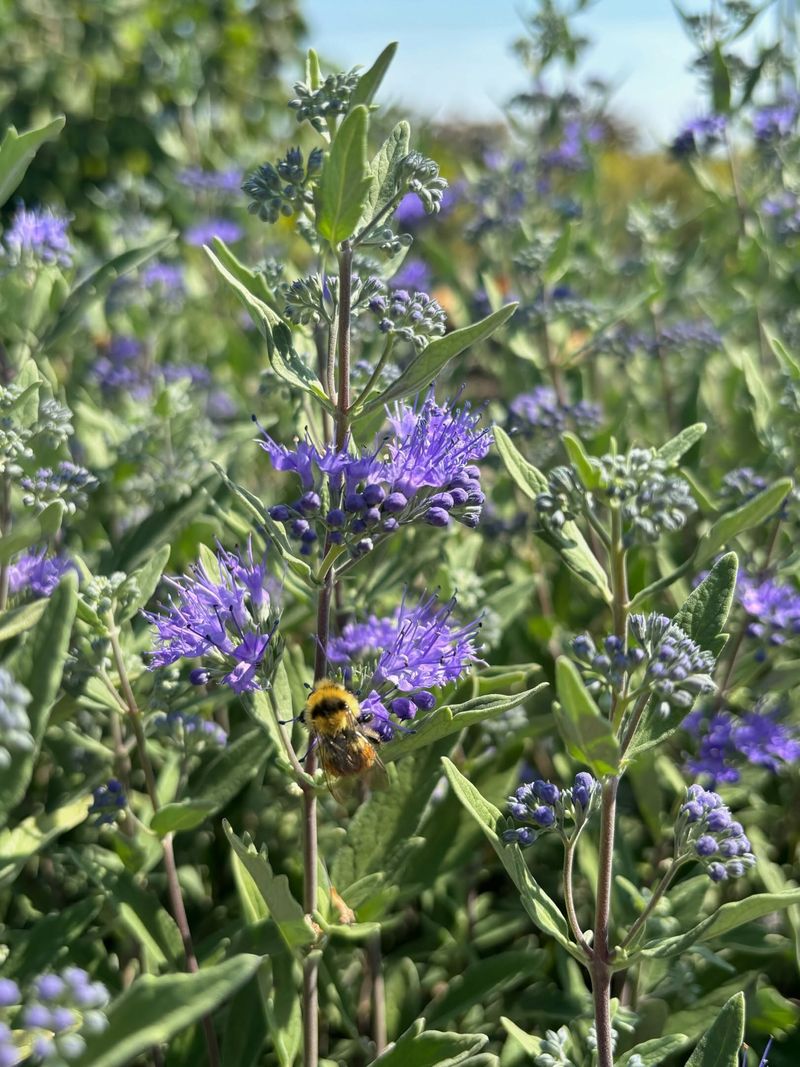
When most flowers start fading in late summer, bluebeard shows up wearing its best blue. It arrives just when the garden needs a fresh spark.
The clouds of soft blue flowers sit on silvery-green leaves that give off a faint, spicy scent. That aroma is a big reason deer keep their distance, since they dislike strongly scented foliage.
Bees and butterflies, though, flock to bluebeard like it is a party. Watching the shrub hum with life on a warm August afternoon is a real treat.
This plant loves full sun and well-drained soil. It handles dry conditions nicely, so you will not need to fuss over watering once it is established. In fact, too much water can make it unhappy, so let the soil dry between drinks.
Pennsylvania winters can knock bluebeard back, but that is normal. Cut it down to a few inches in early spring, and it springs back with strong new growth and even more blooms.
Its compact size makes it a great fit for smaller yards, containers, or the front of a flower bed. The cool blue color also mixes beautifully with yellow and pink flowers nearby.
Here is a fun note: the blue flowers are fairly rare in the shrub world, which makes bluebeard stand out from the usual pinks and whites.
Plant it where late-season color matters most, like near a porch or seating area. You get a burst of unusual blue, a garden full of pollinators, and one less plant on the deer menu, all from a shrub that asks for very little.
5. Potentilla (Shrubby Cinquefoil)
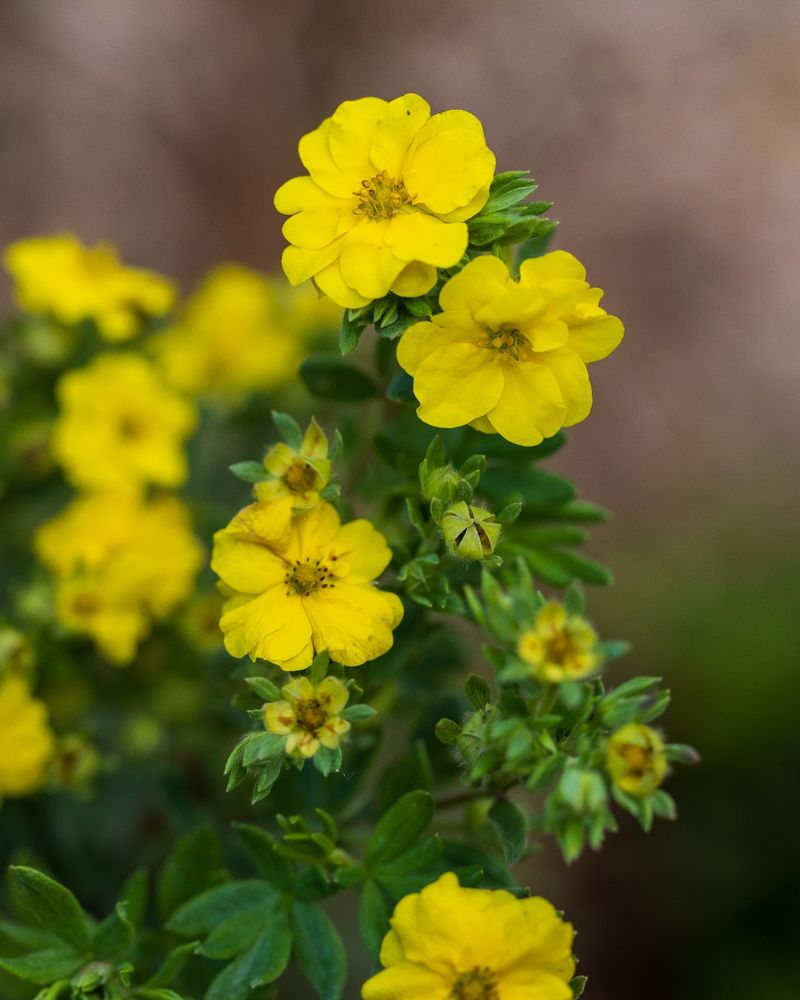
Tough as nails and cheerful as sunshine, potentilla keeps blooming when other plants give up. It is the little shrub that just will not quit.
The bright flowers look like tiny buttercups and come in yellow, white, orange, and pink. They open in early summer and keep going until fall, giving you months of steady color without any drama.
Deer rarely bother potentilla, which is a huge plus for gardeners in deer-heavy neighborhoods. Its small leaves and hardy nature make it a dependable choice year after year.
One of the best things about this shrub is how well it handles harsh conditions. Cold winters, poor soil, and dry spells barely slow it down. That makes it ideal for spots where fussier plants struggle.
Give it full sun for the most flowers, though it will accept a bit of shade. Water it during long dry stretches, but otherwise leave it be and let it do its thing.
Pruning is easy. A light trim in spring keeps it rounded and full, and removing old woody stems now and then keeps it looking fresh.
Because potentilla stays small and neat, it works well as a low border, along a driveway, or in a rock garden. It also plays nicely with taller shrubs behind it.
A quick fact: potentilla grows wild in cold parts of the world, which is why it laughs at Pennsylvania winters.
For anyone who wants long-lasting color with almost no effort, this cheerful little shrub is a smart, deer-proof pick that fits into nearly any sunny corner of the yard.
6. Lilac
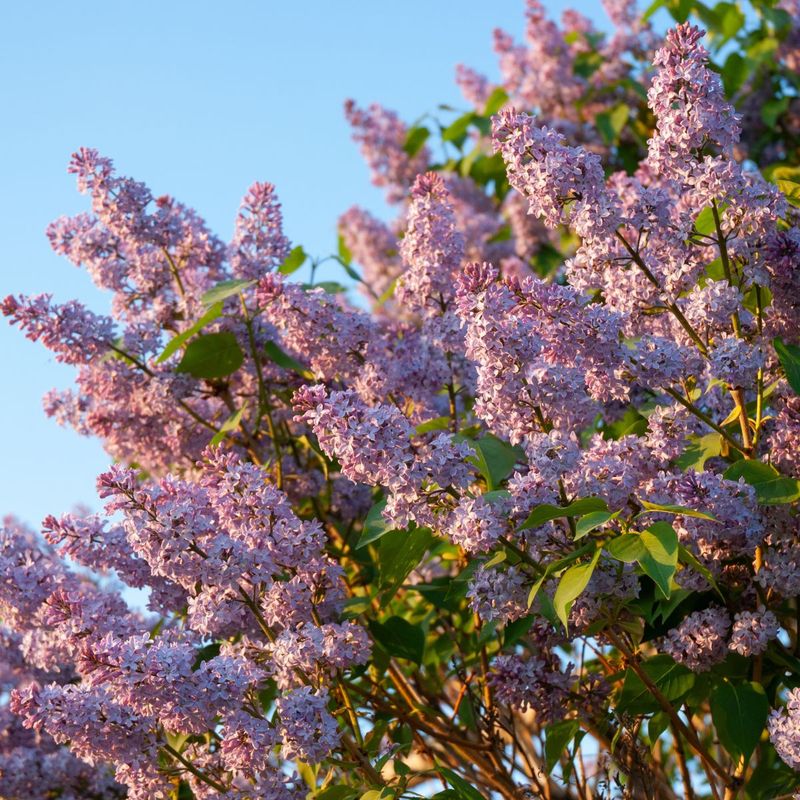
Close your eyes near a blooming lilac and you might drift back to a grandparent’s garden. That sweet spring perfume sticks in your memory forever.
Lilacs burst open in spring with fat clusters of purple, white, pink, or blue flowers. The scent travels across the whole yard and even into open windows. It is one of the most loved fragrances in any garden.
Deer tend to leave lilacs alone, mostly because the leaves and strong scent do not appeal to them. That makes this old-fashioned favorite a safe bet for Pennsylvania yards.
These shrubs love full sun and need at least six hours a day to bloom their best. They prefer soil that drains well and are not fond of soggy roots. Once settled, lilacs live for decades with little help.
Trim them right after they finish blooming, since they set next year’s flowers on old wood. Waiting too long to prune can cost you next spring’s show.
Lilacs can grow quite large, so give them room to spread. They make a wonderful natural screen along a property line or a fragrant backdrop for smaller flowers.
Here is a charming detail: lilacs have been passed down through families for generations, often planted to mark a new home or a special memory. Cut a few stems for a vase indoors and enjoy the scent up close.
For gardeners who want beauty, fragrance, and history all in one, lilac delivers. It rewards patience with a springtime spectacle that deer ignore and people adore, year after faithful year.
7. Weigela
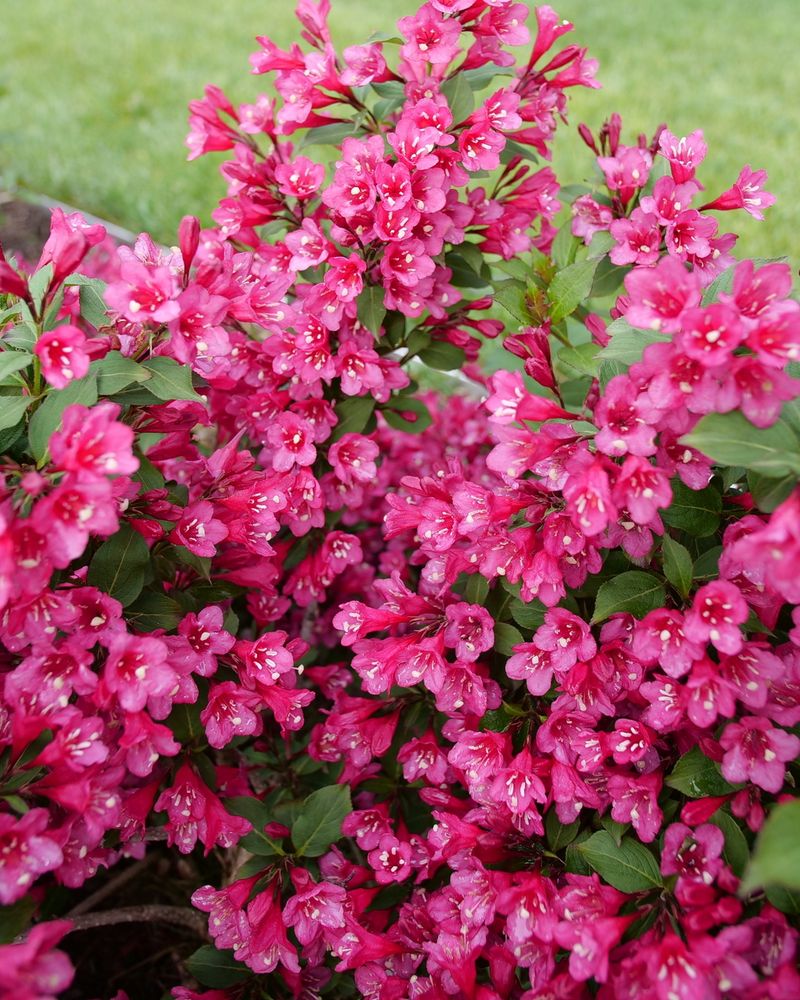
Hummingbirds have a favorite diner, and weigela might be it. The trumpet-shaped blooms seem custom-made for their long beaks.
The arching branches fill up with pink, red, or white flowers in late spring. Some varieties keep tossing out a few blooms all summer, which stretches the color show even longer. Many types also have deep burgundy leaves that add drama even when flowers fade.
Deer generally pass on weigela, giving gardeners one more worry-free option. That combination of beauty and toughness is hard to beat.
Weigela is easygoing about where it grows. It likes full sun best but tolerates a little shade, and it adapts to most soil types found in Pennsylvania yards. Regular watering during dry weeks helps it stay lush.
Pruning is simple and forgiving. Trim it right after the main bloom to keep the shape tidy and encourage fresh growth. Older branches can be cut low to keep the shrub young and full.
The size varies a lot between types. Dwarf versions fit snugly into small beds and containers, while larger ones make a bold statement as a standalone shrub. There is a weigela for nearly every space.
Pair it with the dark-leaf varieties next to bright greens for a striking contrast that catches the eye all season.
A little background: weigela was named after a German scientist and has been a garden staple for well over a century.
Plant it where you can watch the hummingbirds visit, and you get a lively, colorful shrub that shrugs off deer and brings your yard to buzzing, fluttering life.