Check Your Ohio Boxwoods Before Fall – This New Invasive Pest Is Already Here
That thick green hedge lining your driveway might be hosting an unwelcome tenant nobody in your Ohio neighborhood has spotted yet.
A new invasive pest has been working its way into the state, and boxwoods sit squarely in its path. This insect targets the plant from the inside out, and early damage looks so subtle that most homeowners write it off as normal seasonal wear.
By the time obvious signs show up on the outer leaves, the infestation has usually had weeks to spread through the shrub.
Fall creates the perfect window for this pest to establish itself before winter, right when a lot of homeowners stop paying close attention to their hedges.
Take a closer look at your boxwoods this week, especially near the center where damage hides longest. Catching this early could be the only thing standing between a healthy hedge and one you’re forced to rip out entirely.
1. Spot Box Tree Moth Damage Early
Catching trouble in week one instead of week six changes everything for a boxwood. The box tree moth arrived in Ohio recently, and it works quietly before anyone notices.
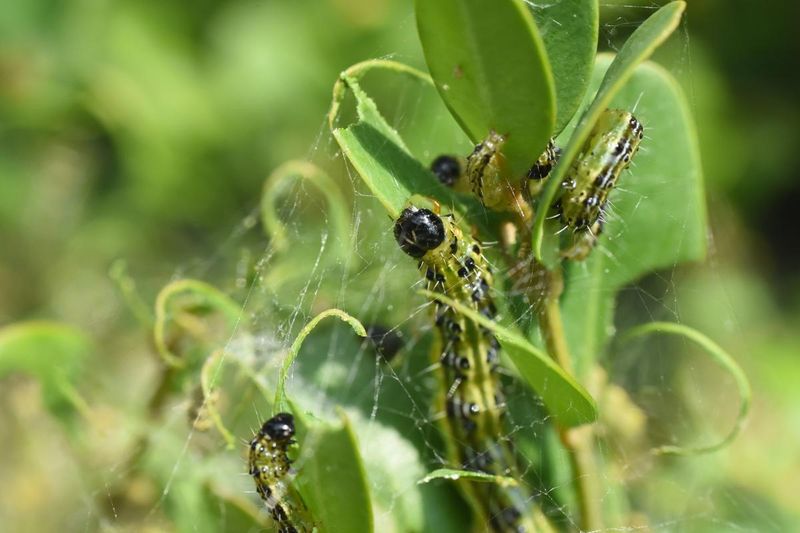
Three clues tell the story: odd chewing patterns on leaves, wispy silk strands between twigs, and tiny pellets of frass scattered on the foliage or the mulch below. Any one of those alone might mean something else.
All three together point straight at this pest.
Here is the tricky part. Feeding usually starts deep inside the shrub, where nobody looks.
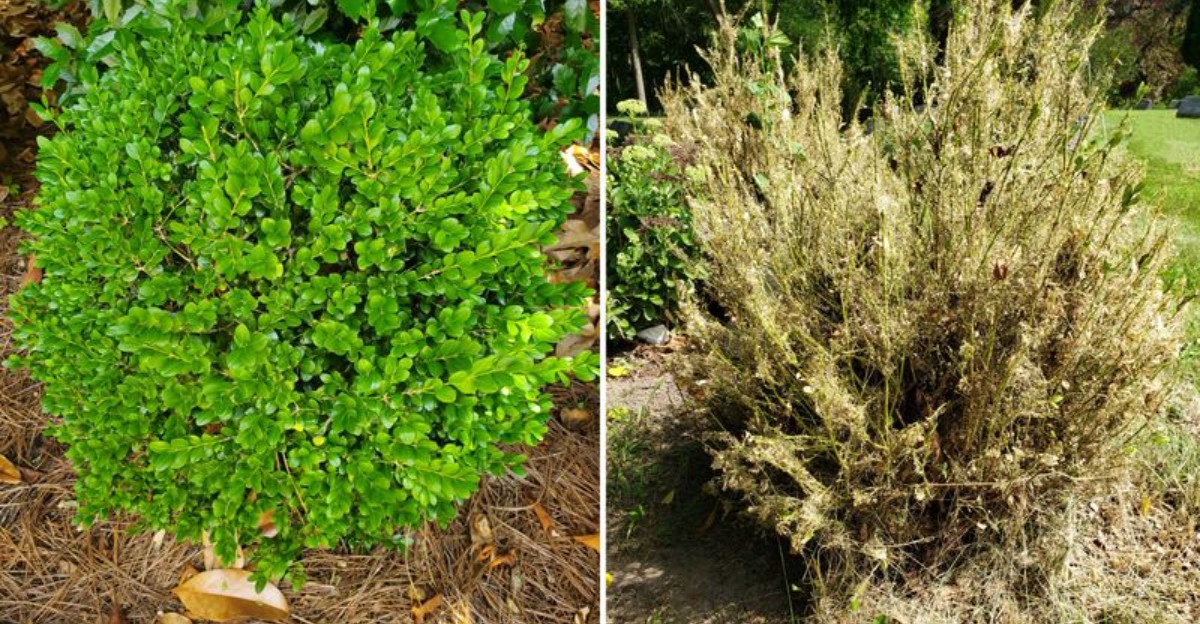
The outside can stay picture-perfect green while the interior gets stripped bare, which is why so many folks are shocked when brown patches seem to appear overnight.
Set a reminder on your phone for a weekly walk-around. Bring a flashlight, since inner branches sit in shadow even at noon.
Run your fingers along a few stems and check what falls onto your palm.
Homeowners who spot the first signs early have a better chance of controlling the infestation before the shrub suffers extensive damage. Those who wait until the shrub turns tan face a much longer road back.
Fun bit of history: this moth traveled here from East Asia by way of Europe, hitching rides on shipped nursery stock across continents.
2. Check Leaves For Caterpillar Feeding
Leaves tell on this pest faster than anything else in the yard. Box tree moth caterpillars chew through boxwood foliage with real enthusiasm, and the results are hard to mistake once you know the pattern.
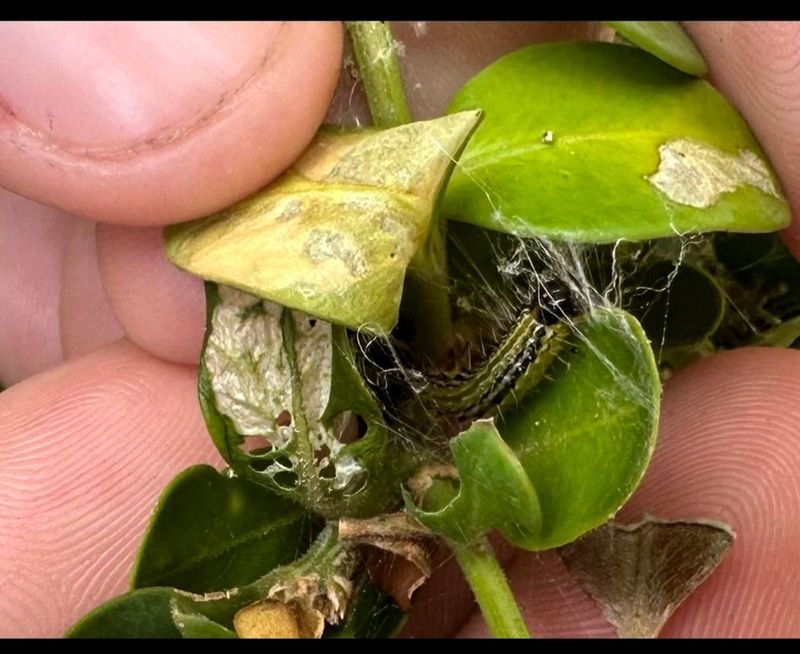
You might find leaves cut in half, leaves gone entirely, or leaves reduced to a lacy skeleton where only the veins remain. Older caterpillars often eat the middle of the leaf and leave the rim and midvein behind.
That leftover piece curls into a little corkscrew shape and browns out, and gardeners have nicknamed it the curlicue.
That curlicue is a strong clue. Finding that feeding pattern along with other signs of box tree moth activity makes the pest much more likely.
Your Ohio Garden Changes Every Week. Your Plan Should Too.
Gardening in Ohio changes quickly throughout the season. Every Friday you’ll receive a simple weekly plan showing exactly what to plant, prune, fertilize, harvest, and protect so you never miss the right timing.
The caterpillars themselves are bright green with black stripes running lengthwise, plus a glossy black head. Full-grown ones stretch to about an inch and a half, which is plenty big enough to see without glasses.
Flip a few branches over and look at the undersides. Feeding often begins there, tucked out of sight from anyone standing on the sidewalk.
Keep a couple of chewed leaves in a plastic bag if you want a second opinion. Your county extension office can confirm the identification quickly.
3. Look Inside Dense Boxwood Branches
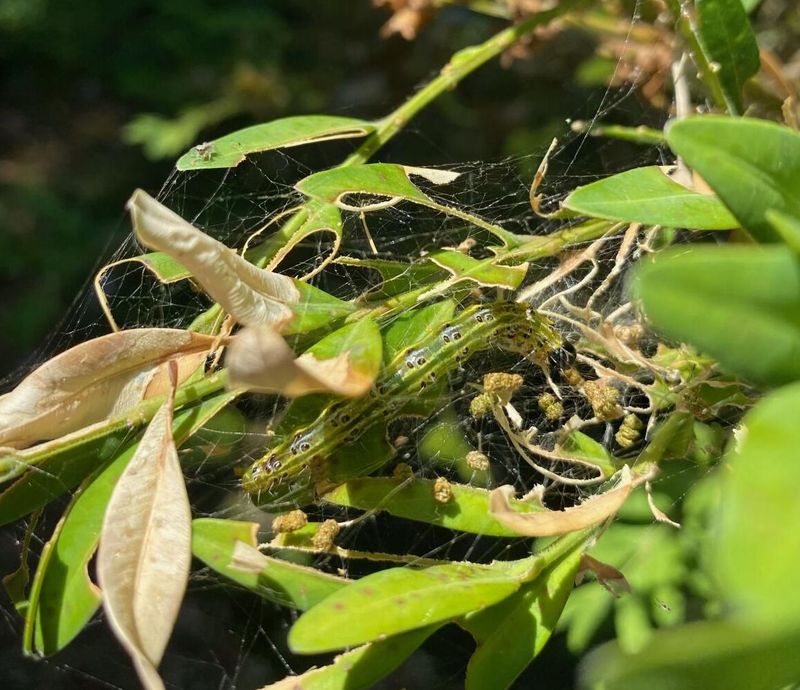
Boxwoods are masters of disguise. Their thick outer shell of foliage hides everything happening underneath, which suits a hungry caterpillar just fine.
Early feeding almost always begins in the inner canopy, close to the main stems. From the driveway, the shrub looks flawless.
Push those branches apart with both hands and the picture can change in a hurry.
Wear a glove if you like, then part the growth in several spots around the plant. Work from the top down and check the shaded north side too, since that area stays cooler and often gets overlooked.
Inside, watch for thin silk threads stretched between twigs. Bits of leaf litter and small pellets get tangled in that silk, giving the interior a dusty, cobwebby look that does not belong there.
Bare stems with no leaves are another warning. Boxwoods naturally shade out some inner foliage, but broad stretches of naked twig paired with silk mean feeding has already started.
A headlamp makes this whole job easier, and honestly a little fun. Kids love being handed a flashlight and told to hunt for caterpillars.
Check three or four different spots per shrub rather than one. Infestations often cluster on a single side first.
4. Watch For Webbing And Frass
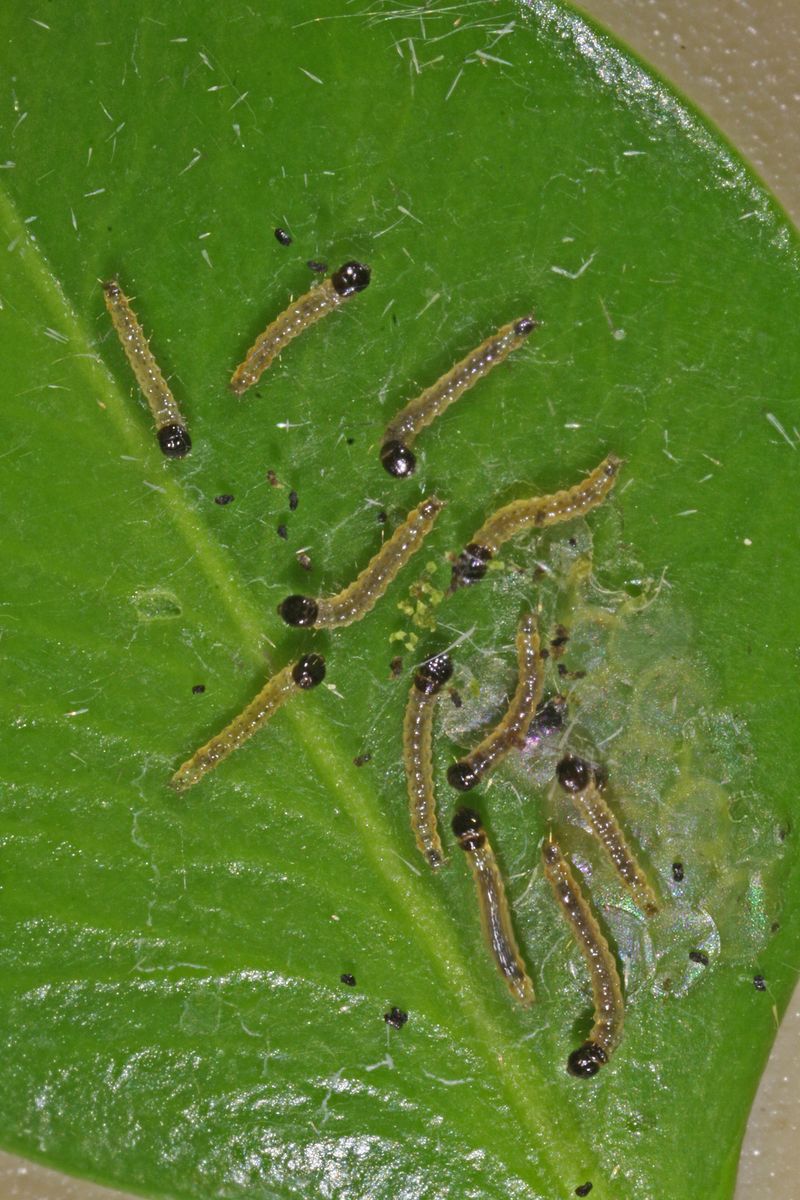
Silk and specks. Those two things together are the calling card of a maturing box tree moth caterpillar.
As the larvae grow, they spin fine webbing across branches and leaves, almost like a spider had a rough day. The webbing catches chewed leaf fragments and droppings, so infested shrubs take on a ragged, unkempt look even from a distance.
Frass is simply caterpillar waste, and it shows up as tiny pellets ranging from light green to greenish brown. Look for them stuck in the silk, sitting in leaf crotches, or sprinkled on the mulch and sidewalk beneath the plant.
Here is an odd detail worth knowing. When an infestation gets moderate to heavy, the mix of webbing, frass, and damaged foliage puts off a sharp, musty smell.
Several Ohio homeowners have said they noticed the odor before they noticed the damage.
Lay a light-colored sheet under a branch and give it a firm shake. Pellets and caterpillars drop right onto it, making them easy to count.
Do that test on a few shrubs and you will get a quick sense of how widespread things are. A handful of pellets means act soon.
A shower of them means act today.
5. Inspect New Boxwood Purchases Carefully
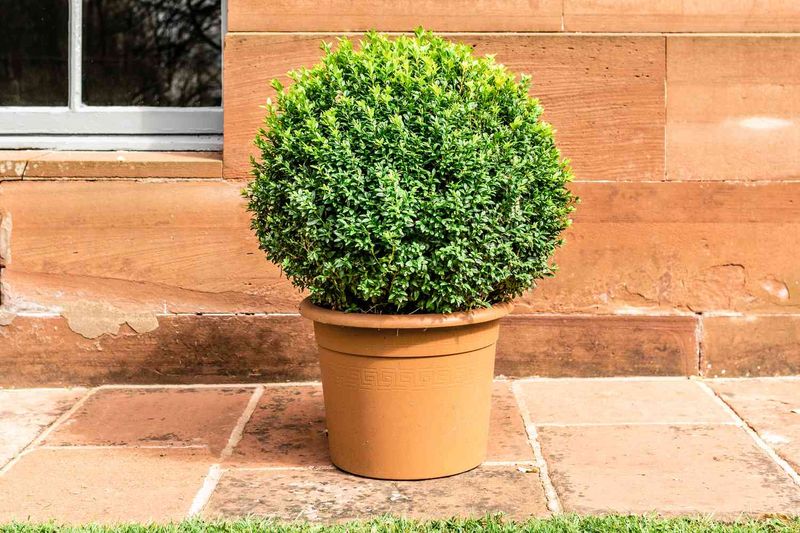
That perfect shrub on the nursery cart could be carrying a stowaway. Long-distance movement of this pest happens mostly because people transport boxwood plants holding hidden eggs or resting larvae.
Before anything goes in your trunk, give it a real inspection. Part the branches, look at leaf undersides for small flat eggs, and check the soil surface and pot rim for pellets or silk.
Ask the garden center where the plant was grown and whether the supplier is in a regulated area. Reputable retailers expect that question and usually have a clear answer ready.
Once you get home, resist planting right away. Park the new shrub in a spot away from your existing boxwoods and watch it for two or three weeks.
Any caterpillars present will make themselves known during that stretch.
Plant swaps with neighbors and online marketplace finds deserve extra caution, since those plants skip inspection entirely. A free boxwood can turn expensive fast.
The Ohio Department of Agriculture maintains quarantine zones across multiple counties limiting the movement of boxwood and related material. Check the current boundaries on their site before buying or hauling plants between regions.
Five minutes at the nursery beats five seasons of cleanup at home.
6. Know When Damage Needs Attention
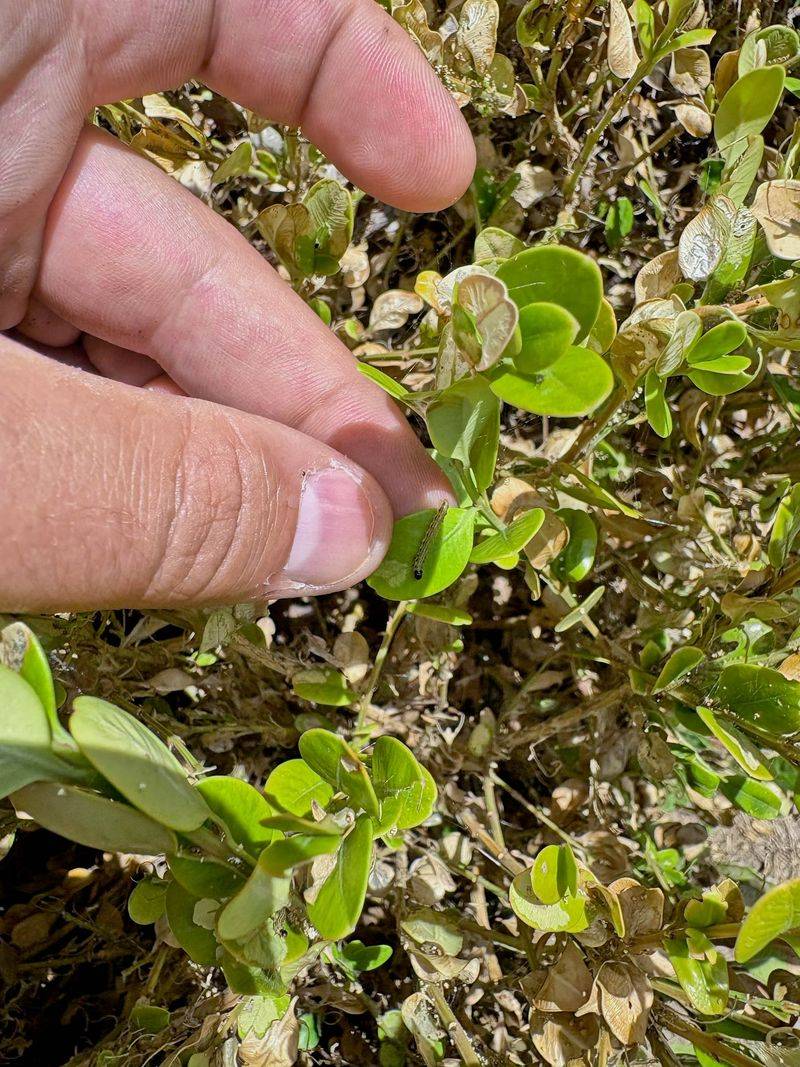
Not every nibbled leaf calls for action, and that is genuinely good news for your weekend. The rule is simple: treat when you see active caterpillars or fresh feeding, not before.
Skip preventative insecticide sprays. They waste money, hit helpful insects like bees and predatory beetles, and do little for a shrub that has no pest on it yet.
Weekly checks are the backbone of the whole plan. Look at tender new growth and at the shadowy interior, since those are the two places activity shows up first.
Light feeding on a healthy, established shrub is usually something the plant shrugs off. Heavy feeding is a different story, because rapid browning and widespread leaf loss drain the plant’s reserves quickly.
When a shrub has lost most of its foliage and looks rough all over, replacement may be the smarter call. Sometimes starting fresh with a different evergreen saves you years of babying a weakened plant.
Caught and treated early, though, boxwoods bounce back nicely. Many push out fresh leaves the same season or the following spring.
When in doubt, photograph the damage and send it to your county extension office. Ohio State specialists track this pest closely and respond to homeowner reports.
7. Avoid Moving Infested Boxwoods Around Ohio
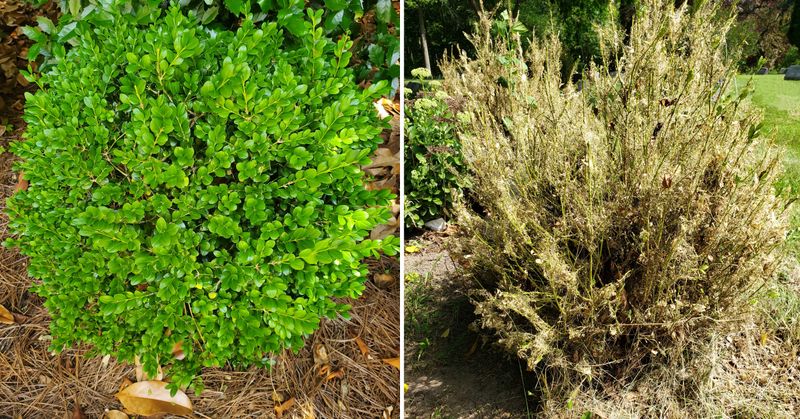
Your car trunk might be the fastest transportation this pest has ever found. Moving plants is how the box tree moth jumps from town to town, and the state has rules in place to slow it down.
Quarantine zones now cover a long list of counties including Butler, Clermont, Hamilton, Greene, Montgomery, Warren, Preble, Clark, Cuyahoga, Ashtabula, Lorain, Lake, Lucas, and Miami.
Movement of boxwood plants and related material may be restricted within and out of regulated areas, so check the current Ohio Department of Agriculture requirements before moving anything.
Got infested plant material? Bag it, seal it tight, and send it out with household waste rather than yard waste pickup.
Do not toss clippings on the compost pile or the brush heap at the back fence. Larvae can survive there and simply walk back to your shrubs in spring.
Skip the curb-side giveaway too. Handing a neighbor a rooted cutting from an infested plant spreads the problem down the whole street.
Clean your pruners and shake off your gloves before moving to another part of the yard. Small eggs travel easily on tools and fabric.
Boundaries shift as surveys continue, so check the Ohio Department of Agriculture list each season before hauling anything.
8. Prune Out Heavily Damaged Growth Carefully
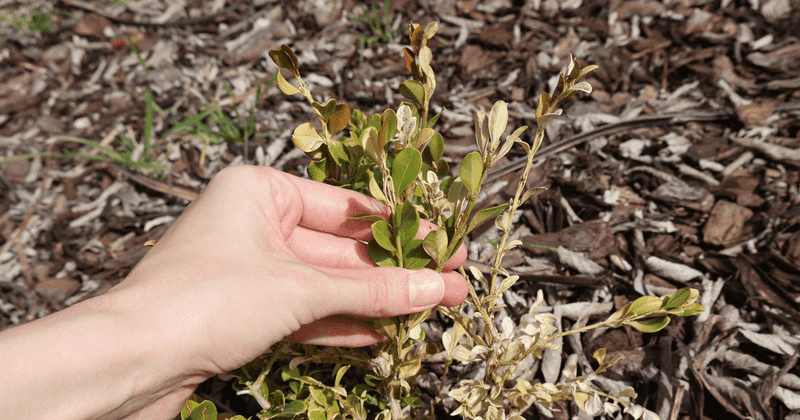
Boxwoods are surprisingly forgiving under the shears. Rejuvenation pruning, where you cut stems back hard, has rescued countless overgrown and misshapen shrubs over the years.
For badly chewed plants, cutting stems back to roughly 6 to 24 inches encourages the shrub to push out fresh growth from lower buds. Sharp, clean bypass pruners make the cuts heal faster.
Timing matters here. Dormant season works best, meaning late fall, winter, or very early spring before buds swell.
Scratch a stem with your thumbnail before you commit. Green underneath means the wood is still alive and worth saving, while tan or brittle wood should go.
After pruning and once the pest situation is handled, go easy on water and fertilizer until you see new leaves. Overfeeding a stressed shrub pushes weak growth that struggles later.
Bag every clipping and get it off the property. Leaving pruned material in a pile behind the garage invites the whole cycle to start again next spring.
A shrub with living stems often refoliates later in the season or greets you in spring looking far better than expected. Patience pays off here more than aggressive intervention.
Mulch lightly around the base afterward, keeping material a few inches off the stems.
9. Monitor Boxwoods Again Before Winter
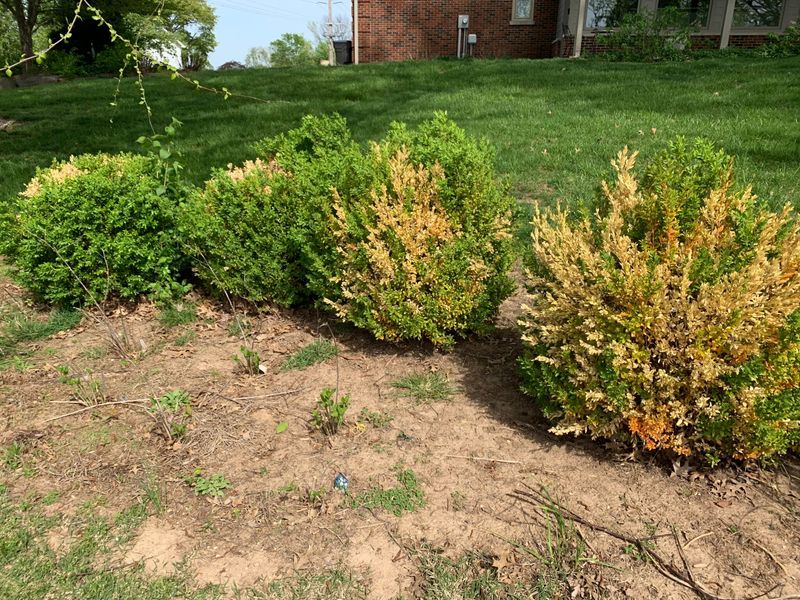
One last look before the cold sets in can spare you a rough spring. Box tree moths pass the winter as caterpillars, tucked into small silk shelters between leaves on the shrub itself.
The larvae overwinter in protected silk shelters on the plant, with activity resuming as conditions warm in spring. During that stretch the larvae sit in a deep resting state called diapause, usually in their third or fourth growth stage.
Warm spring weather wakes them up, and they resume feeding almost immediately on tender new growth. A shrub that looked fine in November can look ragged by early May.
Late-season scouting gives you a chance to find and remove those overwintering caterpillars while they are easy to reach. Look for two leaves webbed together into a tiny pocket, often low in the plant.
Hand-picking works well at this point since the larvae are sluggish and slow to react. Drop what you find into soapy water.
Jot notes about which shrubs had activity and roughly how much. Come April, those notes tell you exactly where to start checking first.
Neighbors appreciate a heads-up too, because this pest rarely stays on one property. A quick conversation over the fence turns one careful gardener into an entire watchful street.