The Meaning Behind Bats Feeding Heavily Over Your Pennsylvania Yard In Late September
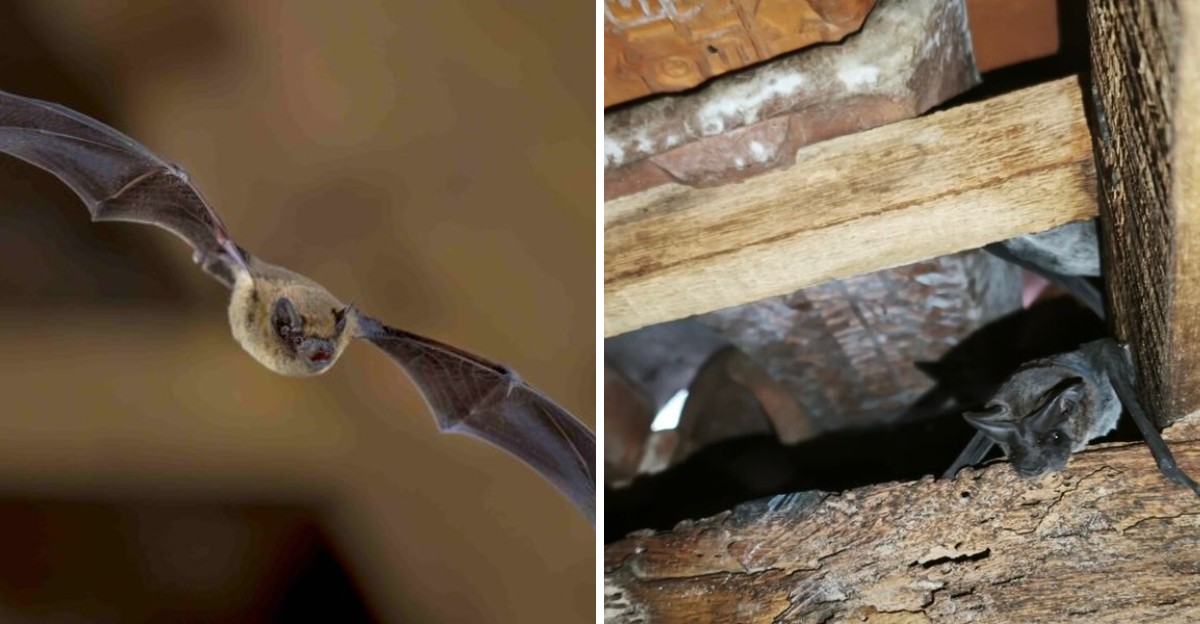
Bats feeding heavily over a Pennsylvania yard in late September is one of those wildlife encounters most people notice without stopping to think much about.
The erratic, fast moving silhouettes against the evening sky are familiar enough by fall. But when the activity intensifies noticeably, more bats, more frequent passes, concentrated in the same area night after night, something specific is happening.
It is not random. Bats hunting heavily over your yard in late September are responding to real conditions your property is creating at a critical point in the seasonal calendar.
Understanding what those conditions are reveals something genuinely interesting about your yard’s ecosystem and the broader biological shifts happening as fall deepens across Pennsylvania.
Here’s what bats feeding heavily over your Pennsylvania yard in late September is really telling you.
1. They Are Fattening Up Before Winter
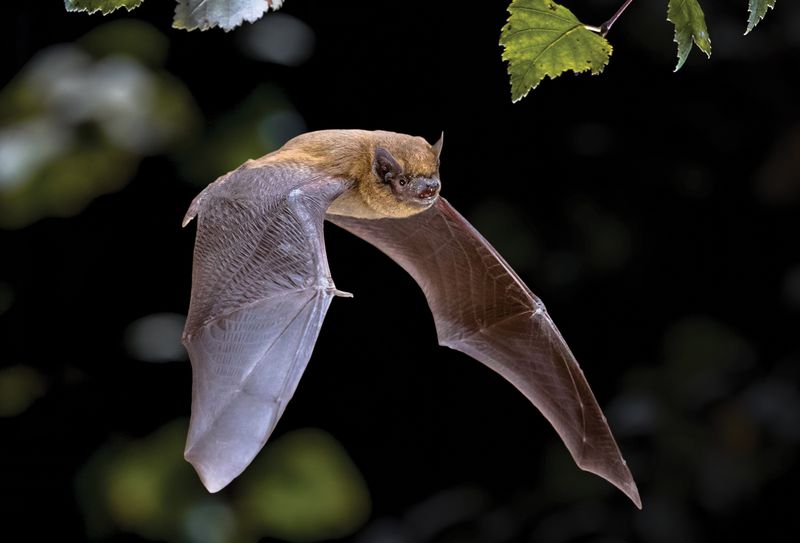
Picture a hungry traveler stocking up on snacks before a long road trip. That is basically what bats are doing in late September across Pennsylvania.
Cold months are coming fast, and many bats need to build up fat reserves to survive. Some species hibernate through winter, while others migrate long distances to warmer places. Both journeys demand a huge amount of stored energy.
To gain that fat, bats eat as many insects as possible during the final warm evenings. A single little brown bat can gobble up hundreds of bugs in just one hour of hunting. Multiply that by several bats, and your yard becomes a busy feeding zone.
The extra flying you see is simply the result of them working overtime. They swoop, twist, and dive because insects move quickly, and bats must chase every meal they can catch.
You can actually help this natural feast. Keeping outdoor lights low or turning them off encourages moths and other bugs to gather in a way that stays healthy for the ecosystem.
Avoid using heavy pesticides too, since those reduce the insect food bats depend on. Watching this behavior is a sign your yard is a valuable pit stop for wildlife. The bats trust the area enough to feed openly there.
Fun fact: bats can double their body weight during fall feeding season. That padding keeps them alive through freezing weather.
So when you spot them zooming around, know they are prepping for a tough season ahead and using your yard as a friendly buffet along the way.
2. Insect Numbers Are Peaking In Your Area
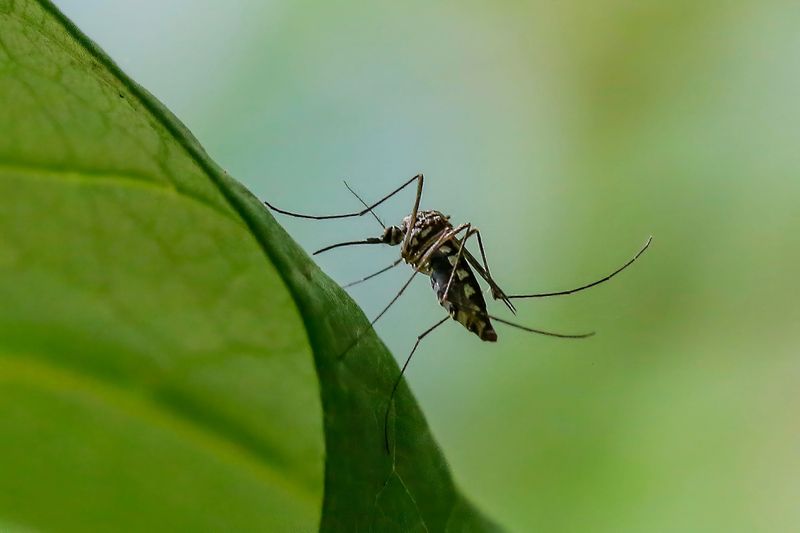
Here is a secret behind those swooping bats: they follow the food. When insects gather in big numbers, bats show up to enjoy the feast.
Late September in Pennsylvania often brings a final burst of insect activity. Moths, mosquitoes, beetles, and midges swarm around warm spots, gardens, and porch lights. Warm days followed by cool nights create perfect conditions for these bugs to fly.
Your yard might have features that attract insects without you even realizing it. Standing water, blooming late flowers, tall grass, and outdoor lighting all pull bugs in. Where the bugs go, the bats follow closely behind.
Your Pennsylvania Garden Changes Every Week. Your Plan Should Too.
Gardening in Pennsylvania changes quickly throughout the season. Every Friday you’ll receive a simple weekly plan showing exactly what to plant, prune, fertilize, harvest, and protect so you never miss the right timing.
Heavy bat feeding usually means your property is an insect hotspot right now. That might sound annoying, but it is actually good news.
Bats act as natural pest control, eating thousands of biting bugs that would otherwise bother you.
If you want to enjoy fewer mosquitoes, the bats are doing you a huge favor. A colony can clear out an impressive amount of pests in a single night, saving you from itchy bites and reducing garden damage.
You can support this balance by leaving a few insect-friendly plants in your yard and skipping strong bug sprays. A healthy insect population keeps bats coming back season after season.
Notice which corners of your yard bats favor most. Those spots likely hold the biggest insect crowds. It is like watching a live map of where the action is happening.
So the next time you see bats dining above your lawn, remember they are simply chasing the peak bug buffet that autumn provides.
3. Migration Season Is Beginning
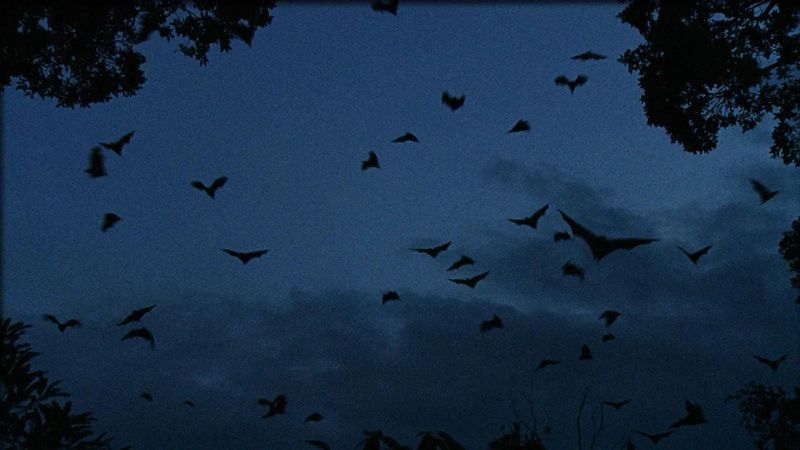
Some bats are packing their bags, so to speak, and getting ready to leave for the season. Late September marks the start of migration for certain Pennsylvania species.
Tree bats like the red bat, hoary bat, and silver-haired bat often travel south to escape the cold. Before and during their trips, they feed heavily to fuel the long flight ahead.
You may notice unfamiliar bats passing through your yard during this time. Migrating groups sometimes stop to rest and refuel in areas rich with insects. Your yard could be a convenient rest stop along their route.
The heavy feeding you see might be temporary. As the weeks go on, these travelers move farther south, and the activity in your yard may quiet down. That shift is a normal part of the seasonal rhythm.
Watching migration in action is pretty special. These small creatures cover surprising distances, sometimes hundreds of miles, guided by instincts scientists still study today.
To make your yard welcoming for these travelers, keep trees and natural cover intact. Bats often roost in bark and leaves while resting during migration. A messy edge of your property with old trees can be a perfect pit stop.
Fun fact: hoary bats are among the longest-distance bat travelers in North America, journeying incredible stretches each year.
If you enjoy the sight, appreciate it while it lasts. The busy feeding tied to migration is a limited-time show.
Once these winged visitors head south, your yard returns to its usual calm autumn evenings until the cycle begins again next year.
4. A Warm Spell Is Boosting Activity
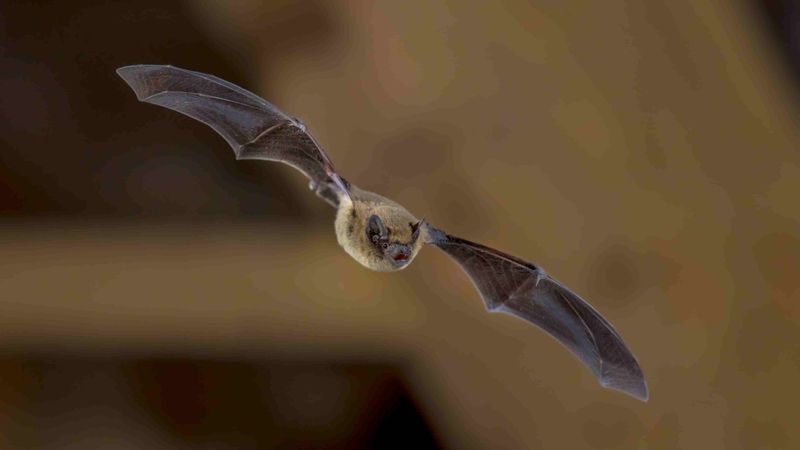
Weather plays a giant role in how bats behave. A stretch of warm days in late September can turn a quiet yard into a busy flight zone overnight.
Bats are cold-blooded in a sense, meaning temperature strongly affects their energy. When evenings stay mild, they can fly longer and feed more comfortably. Cold nights slow them down and even push them toward early rest.
During an unexpected warm spell, both bats and insects become extra active. The bugs come out in force, and the bats rush to take advantage. That combination creates the heavy feeding you observe above your lawn.
These warm windows are precious for bats. Every mild night gives them another chance to stock up before the real cold arrives. They cannot waste the opportunity, so they feed fast and often.
You can use these evenings to enjoy some quiet backyard wildlife watching. Grab a chair, sit still, and let your eyes adjust to the fading light. The show usually starts right after sunset.
Keep in mind the activity may drop suddenly when a cold front moves in. That is completely normal and not a reason to worry. The bats simply retreat to warmer shelter until conditions improve.
Pay attention to the forecast if you want to predict bat behavior. Warm, still nights almost always mean more flying. Cold, windy nights usually mean fewer bats out and about.
Nature responds quickly to temperature shifts, and bats are a perfect example. Their busy feeding during a warm September stretch is really just them making the most of the pleasant weather while it holds.
5. Young Bats Are Learning To Hunt
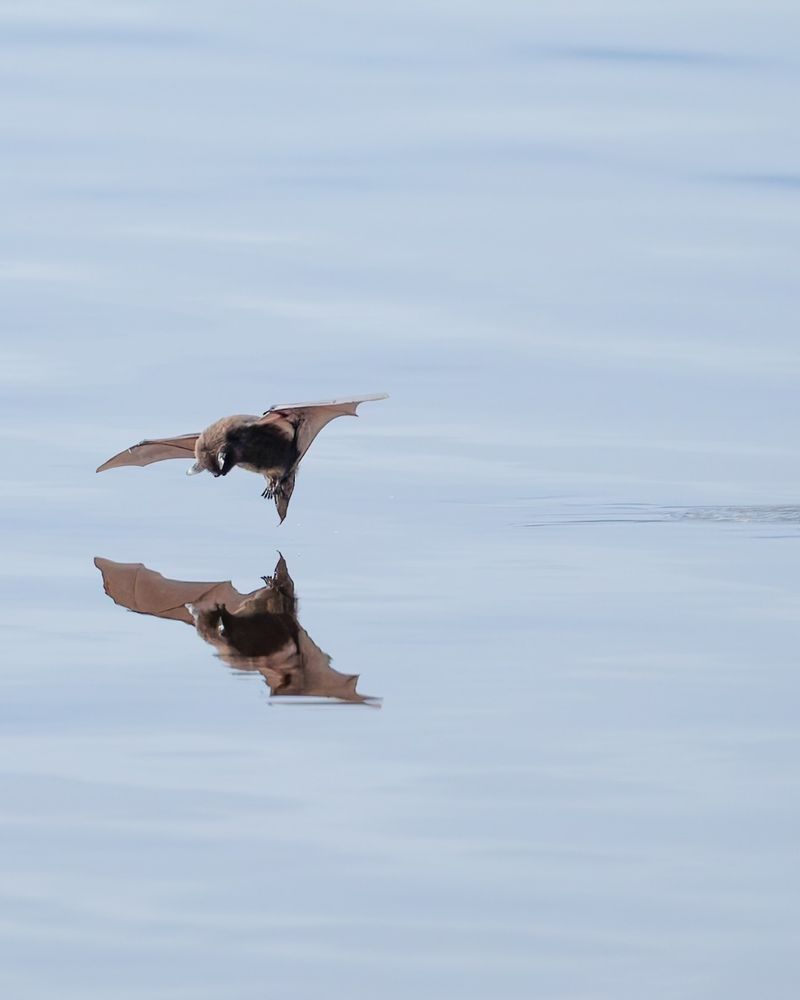
Believe it or not, some of those darting bats are basically teenagers practicing their skills. Late September often features young bats that were born earlier in the summer.
By this point in the year, baby bats, called pups, have grown enough to fly and hunt on their own. They are still learning, though, so their flight can look extra active and even a little clumsy.
These young hunters need lots of practice to catch fast-moving insects. Every swoop and turn helps them sharpen their echolocation and flying abilities. Your yard becomes a training ground for their new talents.
The heavy feeding you notice may partly come from these eager beginners. They must eat plenty to grow strong before winter, and they are figuring out the best techniques through trial and error.
Watching young bats is like watching kids learn to ride a bike. They wobble, correct themselves, and slowly get better with each attempt. It is a genuinely charming sight once you know what you are seeing.
You can support these youngsters by keeping your yard bat-friendly. Avoid disturbing roosts in barns, sheds, or bat houses where families might be staying. A calm environment helps the young ones thrive.
Fun fact: mother bats usually raise just one pup per year, so every single young bat matters for keeping local populations healthy.
If your yard hosts this training activity, take it as a compliment. It means the surrounding area is safe and full of food for growing bats.
Those slightly awkward flyers zooming overhead are simply the next generation getting ready to face their first cold season.
6. Your Yard Offers Great Shelter Nearby
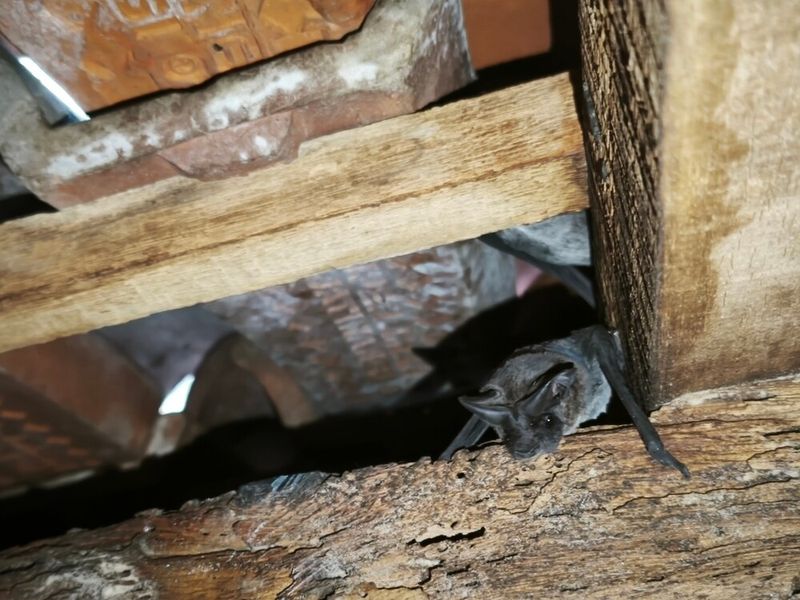
Bats do not just show up randomly. Heavy feeding above your yard often means good roosting shelter sits somewhere close by.
Bats like to feed near their resting spots to save energy. If they are hunting steadily over your property, they probably sleep in a nearby tree, barn, attic, or bat house during the day.
Pennsylvania yards with mature trees, wooden structures, or natural crevices make excellent bat homes. These features give bats safe places to hang, rest, and raise their young between feeding trips.
The steady activity tells you your neighborhood provides the whole package: food and housing. Bats stick around when both needs are met, and that is a sign of a healthy local habitat.
If you enjoy their presence, you might add a bat house to your yard. Mounted high on a pole or the side of a building, it gives bats a cozy spot and can reduce them roosting in unwanted places like your attic.
Should you prefer bats stay out of your home, seal small gaps and cracks in your roofline before cold weather. That keeps them from settling inside while still letting them hunt freely outdoors.
Fun fact: a well-placed bat house can shelter dozens of bats at once, turning your yard into a wildlife haven.
Take a look around your property in daylight. Old barns, dry trees with loose bark, and shaded eaves are all likely bat hideouts.
The busy feeding overhead is really a clue about the shelter hidden nearby. Your yard sits right in the middle of a comfortable bat neighborhood, which is something worth appreciating.
7. A Healthy Ecosystem Is Thriving Around You
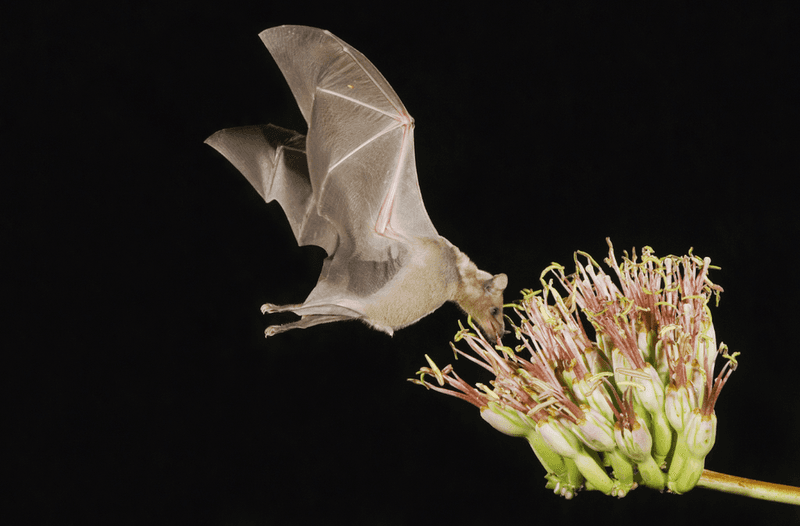
Here is something to feel proud about: lots of feeding bats is a strong sign your local environment is in great shape.
Bats sit near the top of the insect food chain, so their presence reflects a balanced and healthy ecosystem. When they thrive, it usually means the whole web of life around your yard is working well.
Plenty of insects, clean air, safe roosts, and natural cover all come together to support bat activity. If bats feed heavily on your property, those pieces are likely in place.
This balance benefits you in many ways. Bats control pests, help pollinate certain plants indirectly by supporting insect populations, and keep your outdoor spaces more comfortable during warm months.
A yard full of feeding bats also tends to attract other wildlife like birds, frogs, and helpful insects. Together they form a lively community right outside your door.
You can protect this healthy system with a few simple choices. Limit chemical sprays, plant native flowers and trees, and leave some wild corners untouched. Small efforts add up to a big difference for local creatures.
Fun fact: bats are considered indicator species, meaning scientists study them to judge how healthy an environment truly is.
Instead of seeing bats as a nuisance, view them as a report card for your yard. Their busy activity earns your property a high grade for supporting nature.
So when late September brings those swooping shapes across the evening sky, take a moment to enjoy the scene. It shows that the land you care for is alive, balanced, and full of quiet, natural wonder worth celebrating.