Invasive Plants Pennsylvania Gardeners Should Remove Before Winter
Fall is one of the most effective times to deal with invasive plants in Pennsylvania, and most homeowners never take advantage of it.
The season creates conditions that make removal more effective than summer efforts.
Invasive plants spreading through your property right now are at a stage where acting prevents the seed dispersal and root expansion that makes next year’s problem significantly worse.
Waiting until spring means watching them get further established through the intervening months. Some produce seeds in fall that will be in the soil long before you pick up a shovel in March.
Here are the invasive plants Pennsylvania gardeners should prioritize removing before winter and exactly why the timing of each one matters.
1. Japanese Barberry
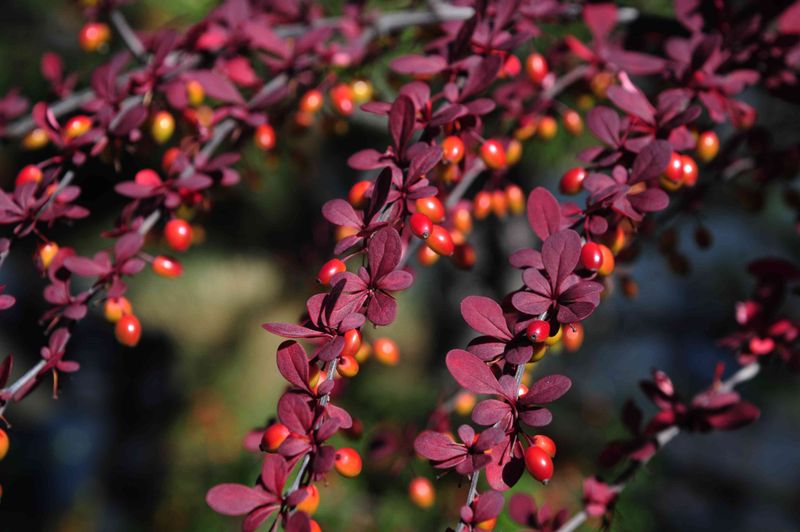
Those neat little red-leaved shrubs you see in yards all over Pennsylvania might look harmless, but Japanese barberry is a sneaky troublemaker.
It was once sold as a pretty landscaping plant, and now it grows wild in forests and gardens where nobody wants it.
The shrub forms thick, thorny clumps that block out sunlight for smaller native plants. Birds eat its bright red berries and spread the seeds far and wide.
Before long, you have barberry popping up in places you never planted it. Here is something surprising.
Studies show that dense barberry patches hold extra moisture near the ground, which creates cozy spots for ticks that carry Lyme disease. That means removing it protects your health, not just your garden.
Fall is a smart time to dig it out because the leaves turn bright red and make the plant easy to find. Wear thick gloves since the stems are covered in sharp thorns.
Use a shovel or a weed wrench to pull up the whole root ball, because leftover roots can sprout again.
For bigger shrubs, cut the stems back first, then dig around the base to loosen the roots. Toss the whole plant in the trash rather than the compost pile so seeds do not spread.
Once you clear a spot, plant a native shrub like winterberry or spicebush in its place. These give birds food and shelter without taking over.
Getting rid of barberry takes some muscle, but your Pennsylvania yard and the local woods will thank you for years to come.
2. Multiflora Rose
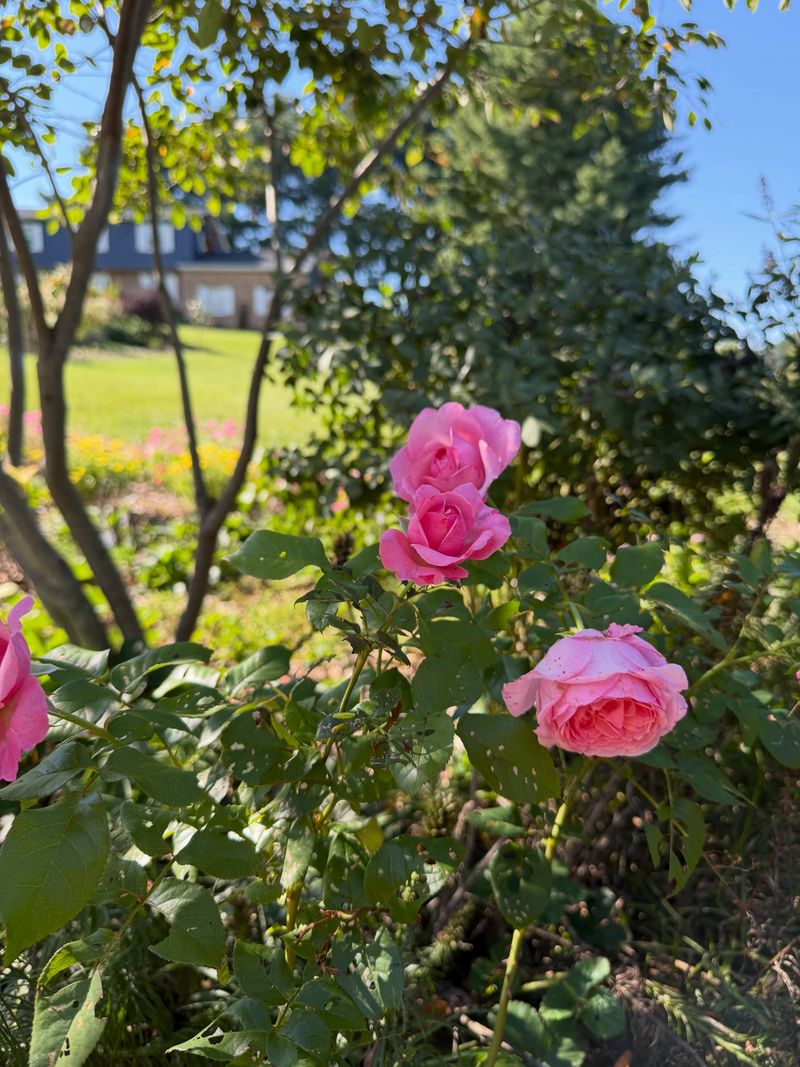
Picture a wall of thorny branches taking over the edge of a field, and you have got multiflora rose.
This plant was brought over from Asia long ago to make natural fences and stop soil from washing away. Instead, it turned into one of the peskiest weeds in the state.
A single bush can grow huge, with long arching canes that root wherever they touch the ground.
It produces thousands of tiny rose hips each year, and birds happily carry those seeds everywhere. One plant can lead to a whole thicket in just a few seasons.
The trouble is that multiflora rose shades out grasses and wildflowers that animals depend on. Its sharp thorns also make pastures and trails hard to walk through.
Your Pennsylvania Garden Changes Every Week. Your Plan Should Too.
Gardening in Pennsylvania changes quickly throughout the season. Every Friday you’ll receive a simple weekly plan showing exactly what to plant, prune, fertilize, harvest, and protect so you never miss the right timing.
Cooler fall weather makes cleanup a bit easier since you can see the bare canes clearly. Grab heavy-duty gloves and long sleeves before you start, because those thorns mean business.
Cut the canes down close to the ground with loppers or a pruning saw. Then dig out the root crown, which is the woody knob where all the stems meet.
If you leave that crown behind, the plant will bounce right back next spring. For really large patches, you may need to return a few times to catch new sprouts. Bag up the cut canes and roots so seeds do not scatter.
Clearing this rose opens up space for native plants and makes your property much friendlier to walk around. A little patience now saves you a giant headache later.
3. Japanese Knotweed
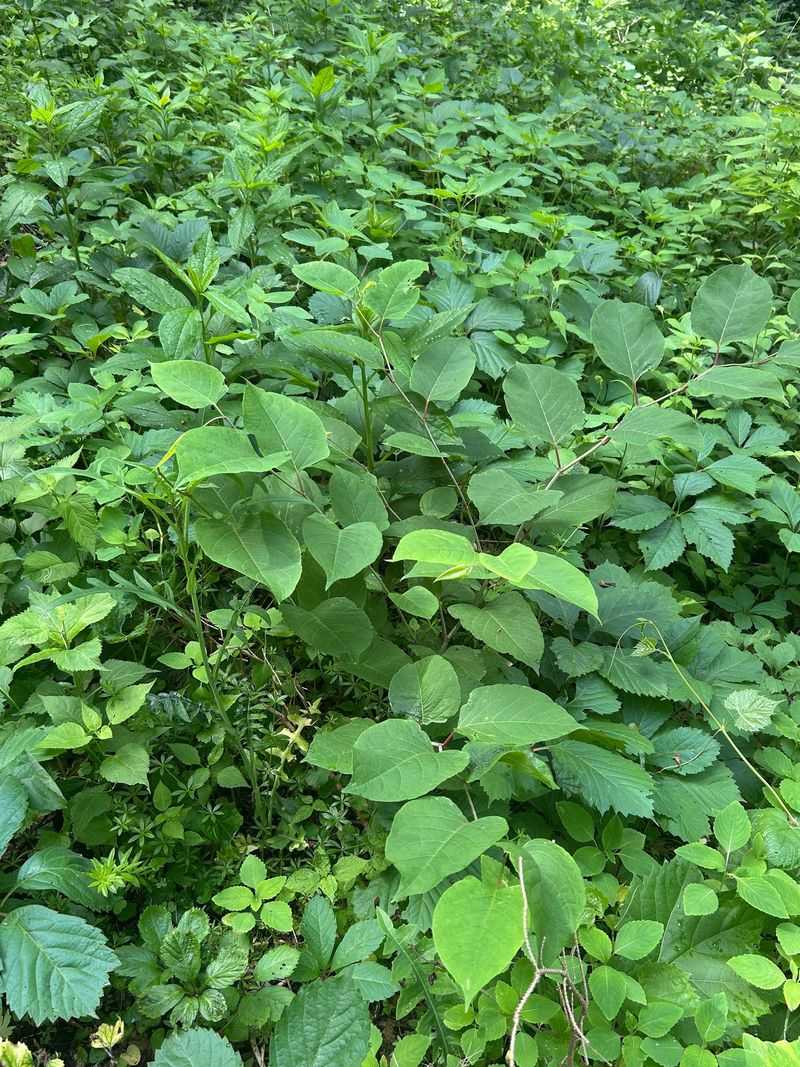
If you have ever seen what looks like a patch of bamboo shooting up along a creek or roadside, chances are it was Japanese knotweed.
This plant is famous for being one of the toughest invasives around, and folks who have battled it know it puts up a real fight.
Knotweed grows in thick stands with hollow, reddish stems and heart-shaped leaves. It can shoot up several feet in a single season.
Underground, it sends out powerful roots called rhizomes that can spread more than twenty feet and even crack through concrete and pavement.
That aggressive root system is exactly what makes it so hard to remove. A tiny piece of root or stem can grow into a whole new plant, so you have to be careful not to spread it while working.
In fall, the plant starts pulling energy down into its roots, which makes this a good time to weaken it. Cut the canes down low and bag every piece. Never toss knotweed scraps into compost or a brush pile.
For small patches, dig out as much of the root as you can and keep watching for regrowth. Bigger patches often need repeated cutting over several years to wear the plant down.
Because it loves wet areas, always check near streams and ditches on your property. Catching a new patch early is far easier than fighting an old one.
Staying persistent is the key with knotweed. Keep at it, and eventually you will win back that corner of your yard.
4. Oriental Bittersweet
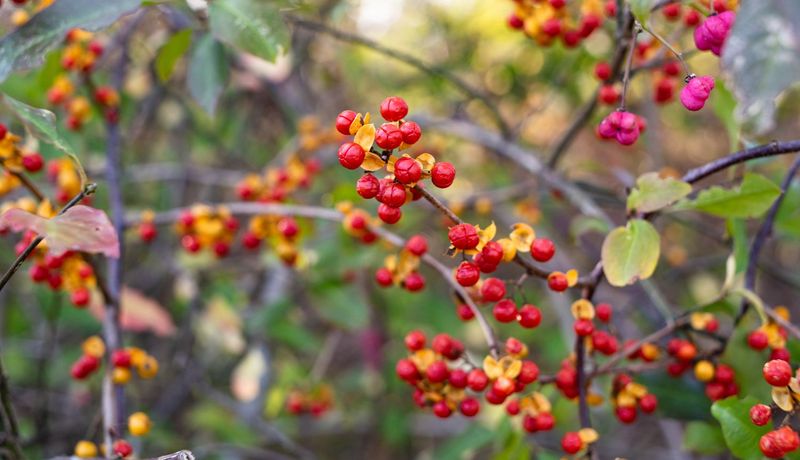
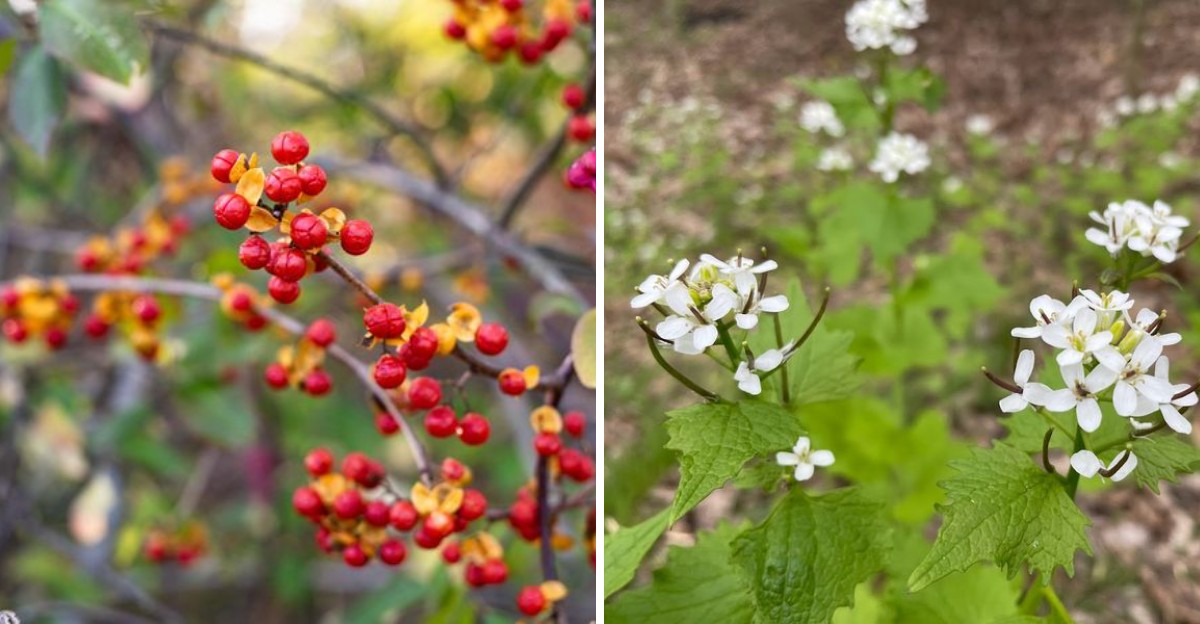
Those cheerful orange and red berries you sometimes see woven into fall wreaths come from a plant that causes big problems.
Oriental bittersweet is a climbing vine that wraps itself around trees and slowly squeezes the life out of them.
The vine twists tightly around trunks and branches, cutting off the flow of water and nutrients. Heavy vines can even topple full-grown trees during storms. Meanwhile, the leaves at the top block sunlight from reaching the plants below.
Birds love the colorful berries and scatter the seeds all over the place. That is why you often find this vine sprouting in new spots far from the original plant.
Autumn is when the berries turn bright, making the vine easy to spot against bare branches. Resist the urge to cut it for decorations, since that only helps spread the seeds.
Start by cutting the vine at the base with loppers, both low near the ground and again about waist high.
Then dig out the roots, which are often bright orange and easy to recognize. Leaving roots behind lets the vine climb right back.
Pull down as much of the hanging vine as you safely can, but do not risk climbing trees to reach high sections. Those pieces will dry out over winter once the roots are gone.
Bag up all the berries and cuttings so no seeds escape. Check the same area next spring for fresh sprouts.
Freeing your trees from this vine helps them stand strong and keeps your woods healthy for the birds and squirrels that call it home.
5. Autumn Olive
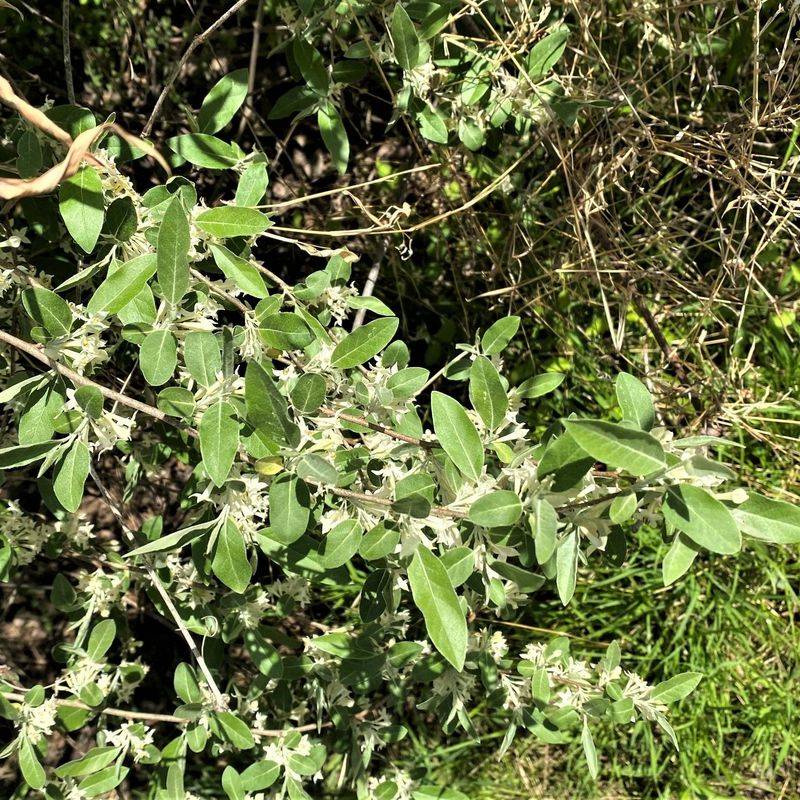
Silvery leaves that shimmer in the breeze give autumn olive a pretty look, but do not let that charm fool you.
This shrub was planted years ago to help wildlife and stop erosion, and now it spreads like wildfire across open fields and meadows.
You can spot it by the underside of its leaves, which look silvery and almost dusty. In late summer and fall, it grows loads of small red berries speckled with silver dots. Birds gobble them up and drop the seeds everywhere.
Autumn olive has a clever trick. It changes the soil in a way that helps itself grow but makes life harder for native plants nearby. This lets it push out the wildflowers and grasses that local animals depend on.
Cooler months make the berries stand out, so fall is a fine time to find and remove it. Younger plants pull up fairly easily when the soil is damp after rain.
For larger shrubs, cut the stems low to the ground and then dig out the root crown. Like many invasives, it will resprout if you leave the roots behind, so be thorough.
Grab the whole plant, roots and all, when you can. Bag any berry-covered branches so seeds do not scatter across your yard.
After clearing a spot, keep an eye on it for new seedlings the following season. Replacing it with native shrubs such as elderberry gives birds a better food source.
A weekend of digging now keeps this fast spreader from swallowing up your open spaces later on.
6. Burning Bush
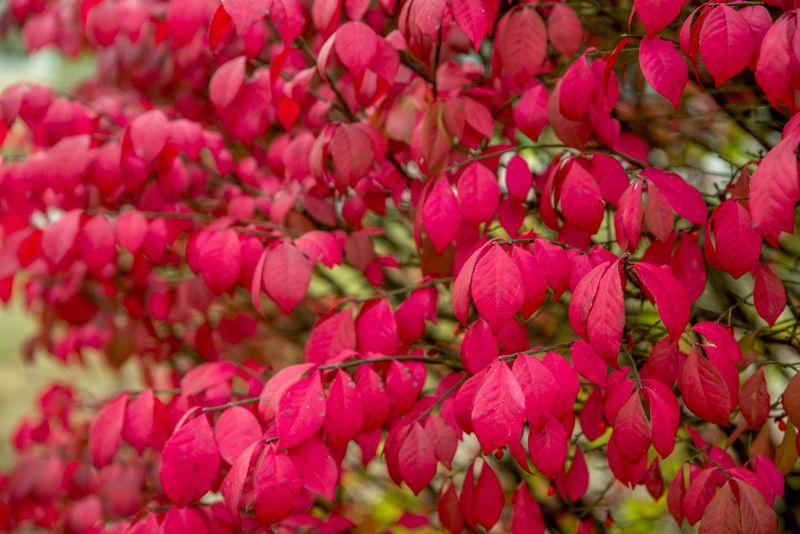
Come fall, few plants glow as brightly as burning bush, with leaves that turn a fiery crimson red. That stunning color is exactly why so many people planted it, but this shrub has a hidden dark side.
Burning bush produces tons of berries that birds carry off into the woods. There, the seeds sprout and form dense thickets that shade out native wildflowers and tree seedlings. What starts as one tidy garden shrub can become a forest full of unwanted copies.
You can recognize it by its winged, corky stems and, of course, that famous red autumn color. In some states it is now banned from being sold because of how easily it escapes gardens.
The bright leaves make it simple to find during removal season. Smaller plants come out with a good tug when the ground is soft.
For established shrubs, cut the branches back to make the base easier to reach. Then dig around the root ball and lift the whole thing out. Any roots left in the soil may send up new shoots.
Shake off the extra dirt and bag the plant, especially if berries are still attached. This keeps seeds from spreading during cleanup.
Looking for a replacement with the same wow factor? Native shrubs like red chokeberry or highbush blueberry offer beautiful fall color plus food for wildlife.
Swapping out burning bush is one of the easiest wins for a Pennsylvania gardener. You lose nothing in beauty and gain a healthier yard that helps the birds and forests around you.
7. Garlic Mustard
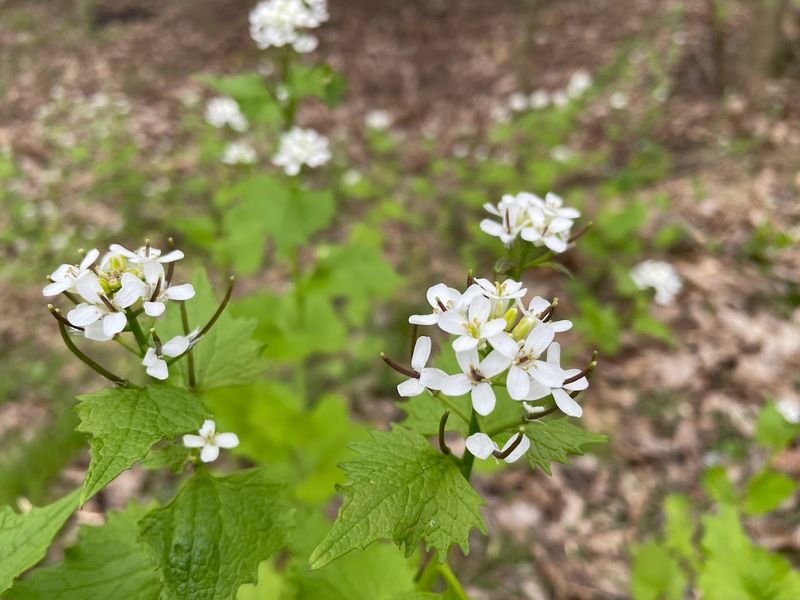
Down low on the shady forest floor grows a quiet little plant that packs a surprising punch. Garlic mustard smells like garlic when you crush its leaves, which is how it got its name, but it behaves nothing like the friendly herb in your kitchen.
This plant carpets the ground and steals space, light, and nutrients from native wildflowers like trillium and spring beauties.
Even worse, it releases chemicals into the soil that make it hard for other plants and helpful fungi to grow.
In its first year, it stays low with round, scalloped leaves. By the second year, it shoots up a tall stalk with small white flowers and produces thousands of seeds. Those seeds can stay alive in the soil for years.
Handpulling is the best way to deal with it, and fall is great for spotting the low green rosettes that stay visible even in cool weather. Since the roots are shallow, they come up easily, especially after rain.
Grab the plant near the base and pull gently so the whole root comes out. If you snap it off, it can sometimes regrow.
Always bag what you pull rather than composting it, because the seeds are stubborn survivors. Even pulled plants can ripen seeds if you leave them lying around.
Check the same spots each year, since the seed bank takes time to empty out. A little steady effort really does pay off.
Clearing garlic mustard gives your native spring flowers room to shine and keeps the forest floor healthy and diverse.