7 Spring Bulbs To Plant In Texas Yards This Fall
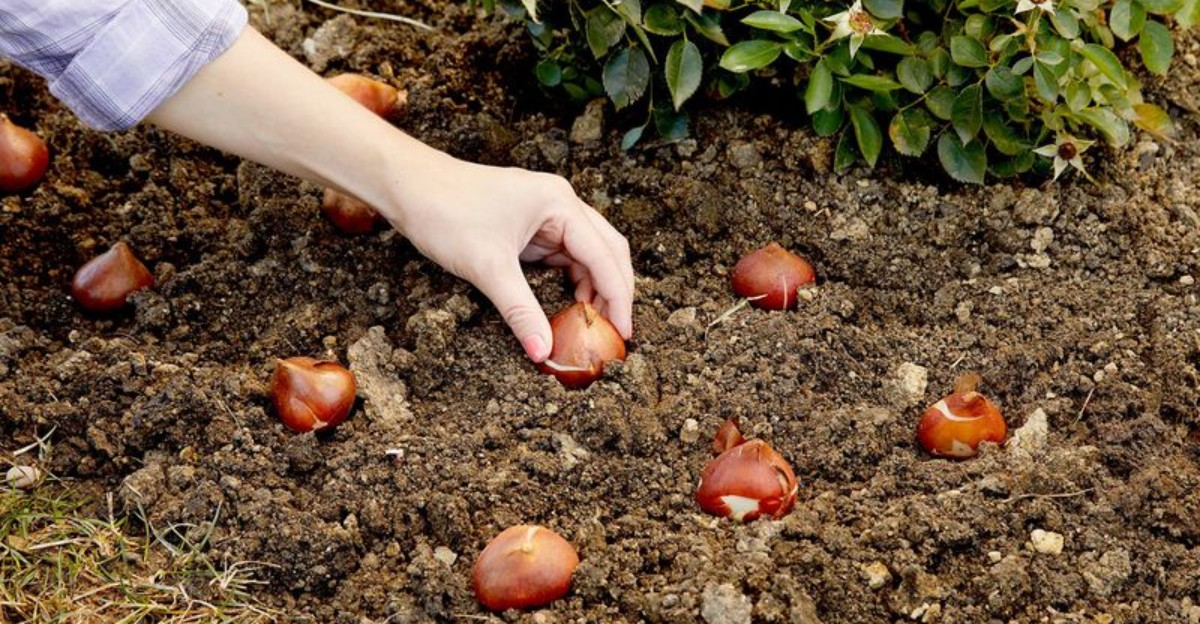
Fall is the moment Texas gardeners who want a spectacular spring have been waiting for. The bulbs going into the ground right now are the blooms that will carry the yard through March and April.
The difference between a spring garden that stops people mid-stride and one that barely registers almost always traces back to what was planted, or not planted, the previous fall.
Texas bulb planting comes with its own set of rules. Not every spring bulb performs here the way it does in cooler climates, and some require specific preparation to bloom well in Texas conditions.
But the ones that do work here deliver results that are genuinely worth the fall effort. Here are the spring bulbs worth planting in Texas yards this fall and exactly how to give each one the best possible start.
1. Daffodils
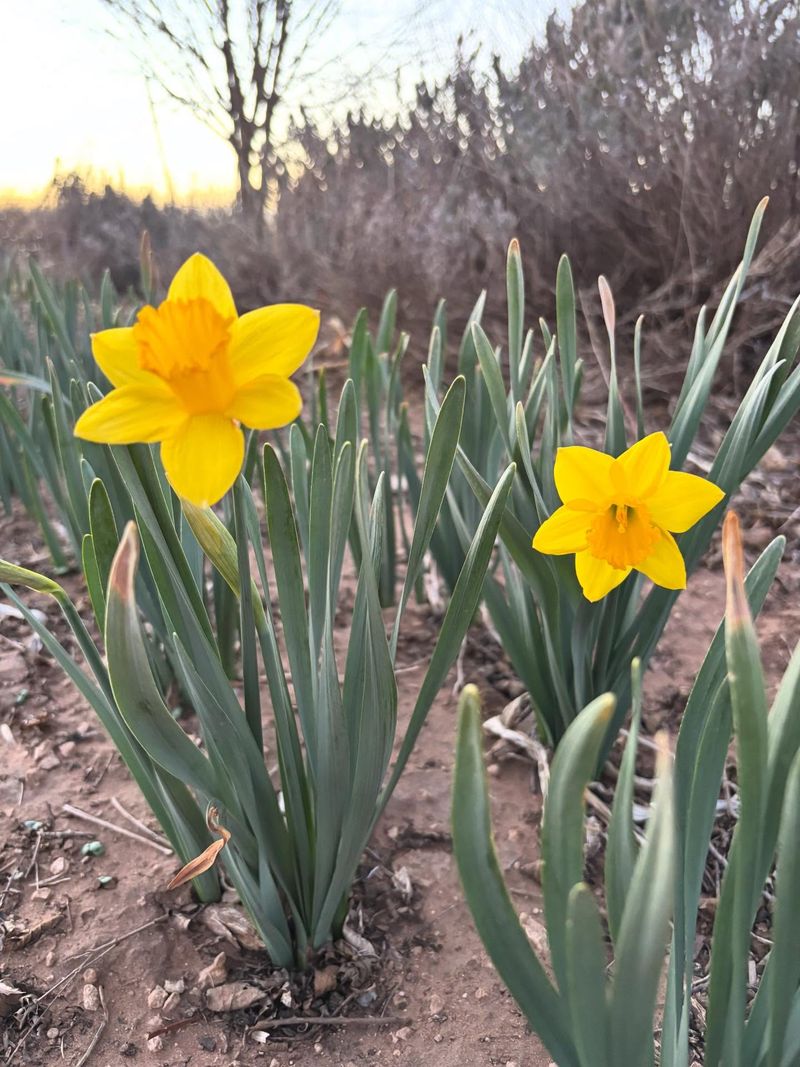
Few flowers say spring quite like a daffodil. Their sunny yellow trumpets pop up early and let you know winter is finally packing its bags.
Texas gardeners love daffodils because they are tough and dependable. Once you plant them in fall, they come back year after year with almost no effort.
Squirrels and deer usually leave them alone, which is a big plus in many neighborhoods.
Plant the bulbs about six inches deep in a spot that gets plenty of sun. Well-draining soil is key, since soggy ground can rot the bulbs. If your yard has heavy clay, mix in some compost or sand to loosen things up.
One handy trick is to choose types that suit warmer areas. Varieties like Ice Follies and Carlton handle Texas heat better than fussy cold-loving kinds. Southern gardeners often call these repeat bloomers naturalizers because they spread over time.
Water them well after planting, then let nature take over through the cooler months. When spring arrives, you will see green shoots followed by cheerful flowers.
Here is a fun bit of history: daffodils have been grown for thousands of years and were once used in old folk medicine. Today we just enjoy their beauty.
After they bloom, leave the leaves alone until they turn yellow. Those leaves gather energy for next year’s flowers. Cutting them too soon means fewer blooms later.
Group daffodils in clumps rather than single rows for the best splash of color. A little planning now pays off big when spring rolls around.
2. Grape Hyacinths
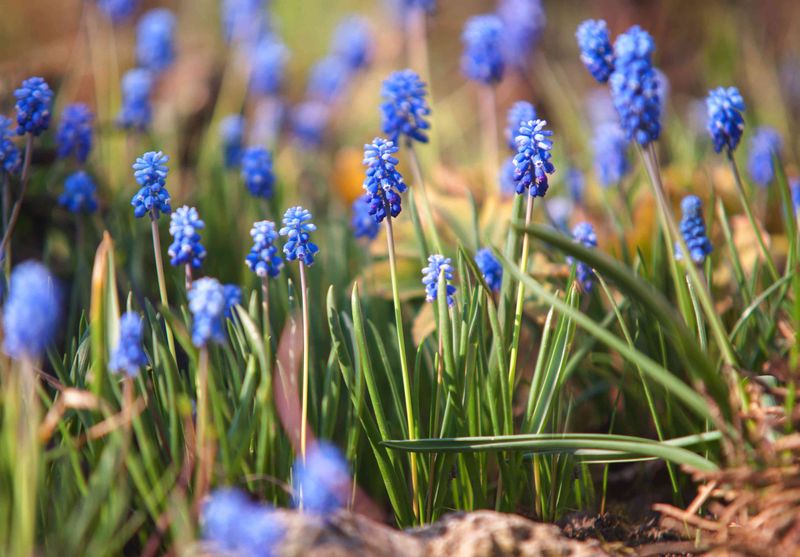
Tiny but mighty, grape hyacinths look like little bunches of blueberries standing tall in the garden. Their deep purple-blue color adds a cool pop that mixes well with brighter flowers.
Gardeners in Texas appreciate how easygoing these bulbs are. They do not ask for much and happily return each spring. Even better, they multiply on their own, so one small patch can grow into a lovely carpet over a few years.
Set the bulbs about three inches deep in fall, spacing them close together for a fuller look. They enjoy full sun to light shade, which makes them flexible for different corners of your yard. Sandy or loamy soil that drains well keeps them happy.
Your Texas Garden Changes Every Week. Your Plan Should Too.
Gardening in Texas changes quickly throughout the season. Every Friday you’ll receive a simple weekly plan showing exactly what to plant, prune, fertilize, harvest, and protect so you never miss the right timing.
One neat feature is that their leaves often sprout in fall, giving you a hint of green before winter fully arrives. Do not worry if that happens, it is completely normal.
These little flowers are wonderful for lining walkways or filling gaps between larger plants. Because they stay short, usually under eight inches, they work great in the front of a flower bed.
Bees and other helpful insects love grape hyacinths, so planting them supports your local pollinators. That makes your whole garden healthier.
Their scientific name is Muscari, and folks have grown them in gardens for centuries. The name comes from a word linked to musk because of their faint sweet scent.
Plant them near daffodils or tulips for a color combo that really shines. With so little effort required, grape hyacinths are a smart pick for any Texas yard.
3. Tulips
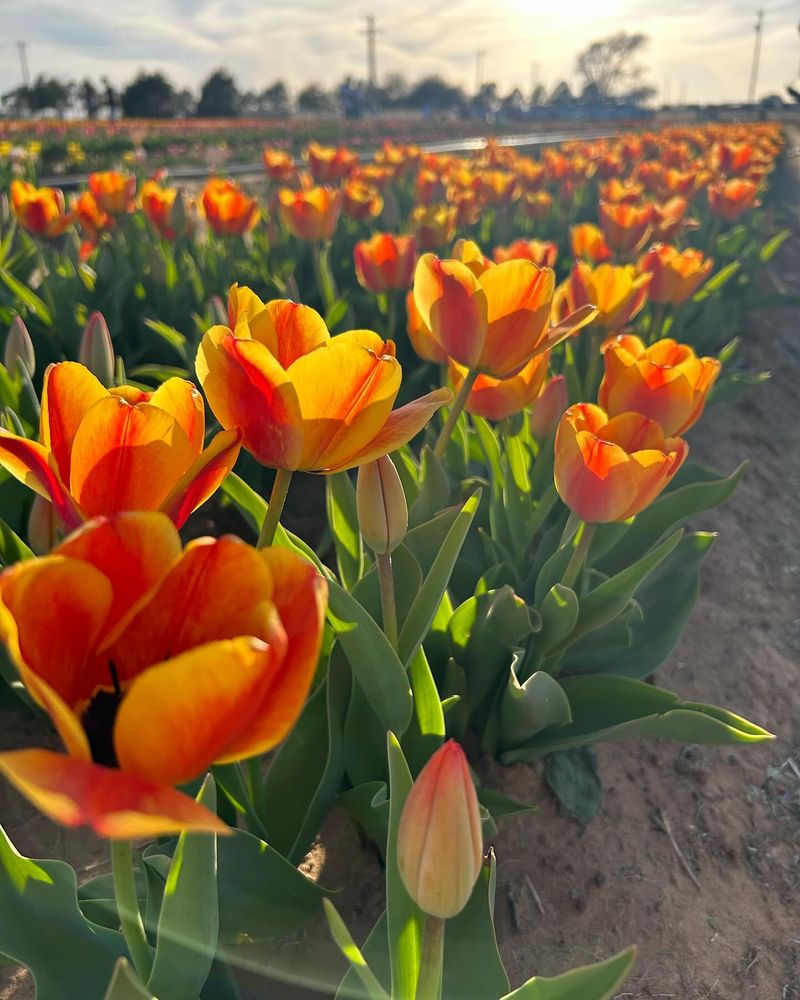
Tulips bring drama and bold color that few other flowers can match. From fiery reds to soft pinks, they turn a plain bed into a showstopper.
Growing tulips in Texas takes one extra step, but the payoff is worth it. Since our winters are too mild, the bulbs need a cold nap first.
Pop them in a paper bag and store them in your refrigerator for about six to eight weeks before planting.
Keep them away from apples and other fruit in the fridge, since the gases fruit gives off can harm the bulbs. After their chilling time, plant them in late fall when the soil has cooled.
Set the bulbs around six inches deep with the pointy end facing up. Choose a spot with morning sun and good drainage so the roots stay healthy.
Most Texas gardeners treat tulips as one-season flowers rather than yearly returners. The heat makes it hard for them to rebloom well, so many folks plant fresh bulbs each fall. That way you always get a strong display.
For the biggest impact, plant them in tight groups of a single color or a bold mix. A cluster of matching tulips looks far more striking than scattered singles.
Did you know tulips once caused a wild buying craze in Holland hundreds of years ago? People traded single bulbs for the price of a house.
Water them after planting and again when shoots appear. With their tall stems and cup-shaped blooms, tulips are the crown jewel of a spring yard.
4. Ranunculus
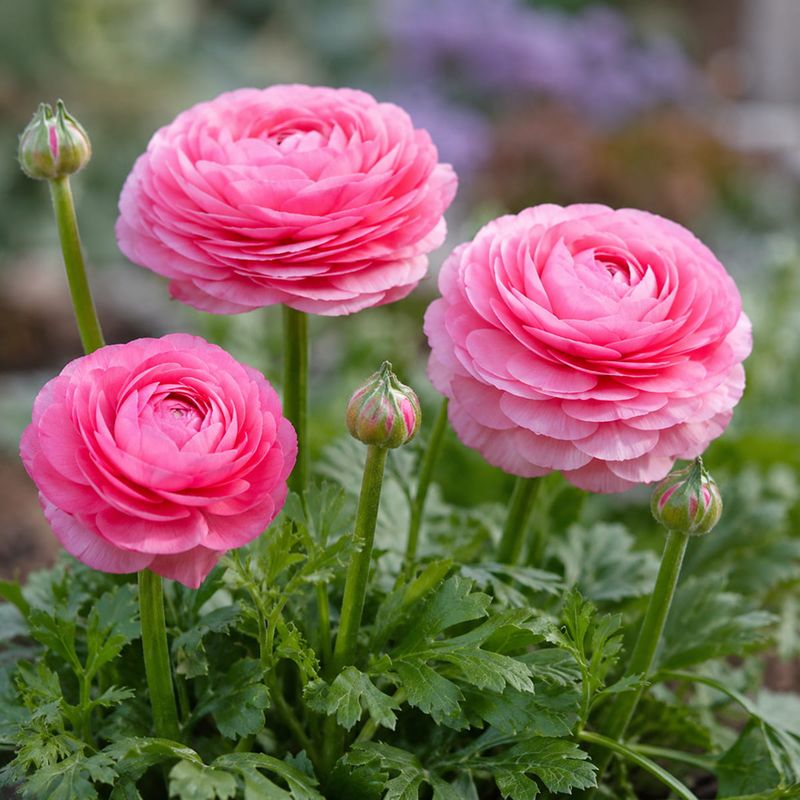
If you love roses but want something easier, ranunculus might steal your heart. Their layered petals look like tiny paper roses in candy-bright colors.
These beauties do wonderfully in Texas because they enjoy our cool fall and spring seasons. Plant the small claw-shaped tubers in fall, and they will reward you with armfuls of blooms.
Before planting, soak the tubers in water for a few hours so they plump up. Then set them about two inches deep with the little claws pointing down. Give them a sunny spot with soil that drains well.
They stay fairly compact, usually growing one to two feet tall, which makes them great for borders and containers. Pots work especially well since you can move them if a surprise freeze pops up.
Ranunculus make fantastic cut flowers, too. Snip a few stems and they will brighten your kitchen table for a week or more. The more you cut, the more they bloom.
Water them regularly but avoid leaving the soil soggy. A layer of mulch helps keep moisture steady and roots cool as spring warms up.
Their colors range from soft pastels to vivid oranges and reds, so you can mix and match to fit any style. Planting several shades together creates a cheerful rainbow effect.
Here is a fun note: ranunculus belong to the buttercup family, which explains their glossy, cheerful look.
Gardeners have prized them for their fullness for a long time. With a little care, ranunculus turn any Texas yard into a soft, romantic garden come spring.
5. Dutch Iris
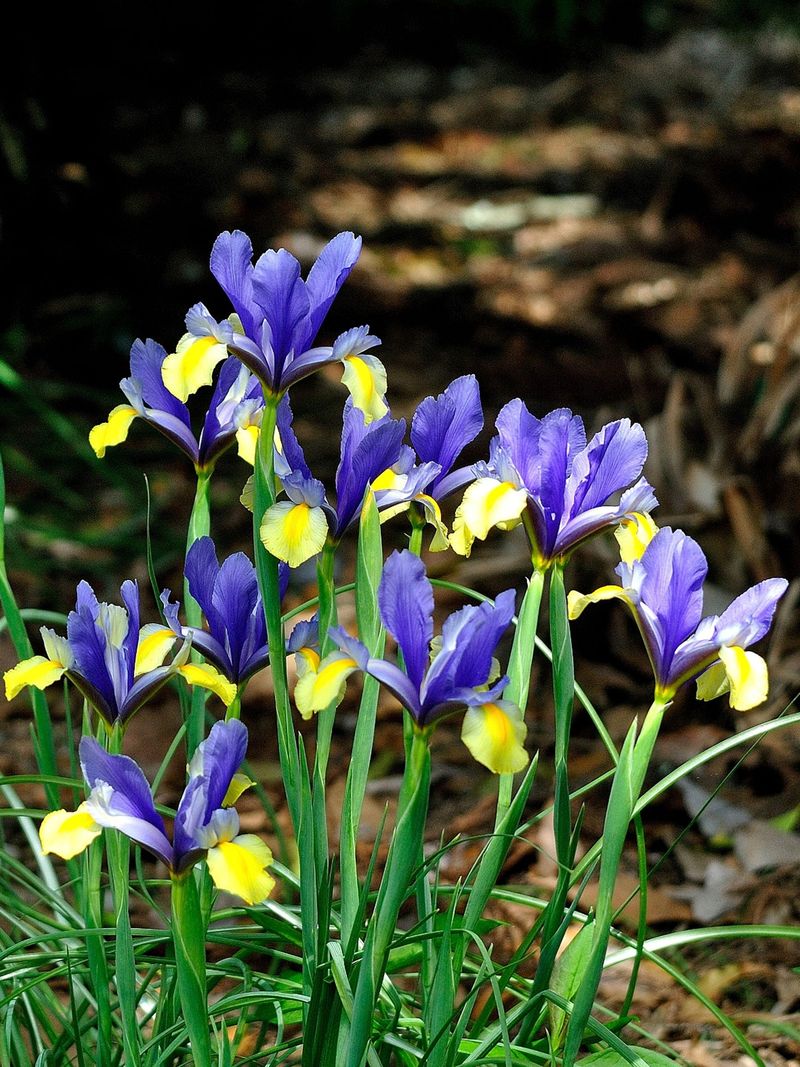
Standing tall and elegant, the Dutch iris adds a touch of class to any flower bed. Its sleek petals come in shades of blue, purple, yellow, and white.
Texas yards suit these bulbs nicely because they handle mild winters and warm springs with ease. Plant them in fall and they will send up slender leaves before blooming in spring.
Tuck the bulbs about four inches deep in a sunny, well-drained spot. They look best planted in bunches, where their upright stems create a striking vertical accent.
One thing gardeners appreciate is how long-lasting the flowers are, both in the yard and in a vase. They make graceful cut flowers that hold up for days.
Dutch iris reach around one to two feet tall, so they fit nicely in the middle of a flower bed. Pair them with shorter plants in front to show off their height.
Water them after planting and during dry spells in spring. Once they finish blooming, let the leaves stay until they yellow so the bulb can store energy.
These irises are different from the big bearded kinds you may have seen. They grow from bulbs instead of thick roots, which makes them easy to plant and manage.
The iris takes its name from the Greek word for rainbow, a nod to its many colors. That story fits perfectly with the range of shades you can grow.
For a garden that looks polished without much fuss, Dutch iris are a smart and stylish choice. Plant a group this fall and enjoy their beauty next spring.
6. Anemones
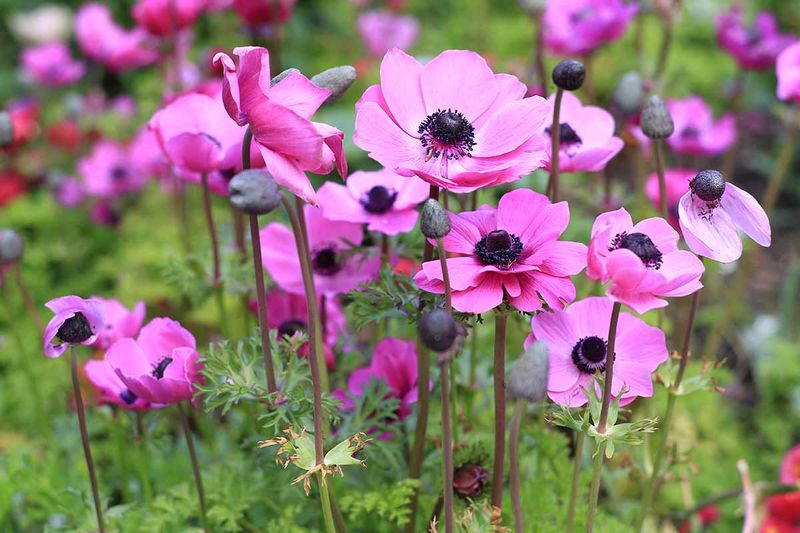
With their bold centers and bright petals, anemones look almost like painted flowers. The dark eye in the middle makes each bloom really stand out.
Cool Texas weather in fall and early spring suits anemones perfectly. Plant the small, knobby corms in fall and watch them bloom when the days warm up.
Soak the corms overnight before planting so they wake up faster. Set them about two inches deep, and do not worry too much about which side faces up, since they figure it out.
Pick a sunny to partly shady spot with soil that drains well. They stay short and tidy, usually under a foot tall, making them great for borders and pots.
Anemones come in rich reds, blues, purples, and whites. Grouping several colors together gives your yard a lively, cheerful feel.
They also make lovely cut flowers, adding a splash of color to indoor bouquets. Cutting them encourages even more blooms to appear.
Keep the soil lightly moist as they grow, but avoid drowning them. A little mulch helps protect the roots and keeps moisture even.
The name anemone comes from a Greek word meaning windflower, since folks once believed the wind opened their petals. It is a poetic name for such a pretty plant.
Because they pair so well with ranunculus, many gardeners plant the two side by side. Their similar needs make them easy garden buddies.
For a burst of color that feels both playful and elegant, anemones deliver. Plant a handful this fall and enjoy their bright faces come spring.
7. Spanish Bluebells
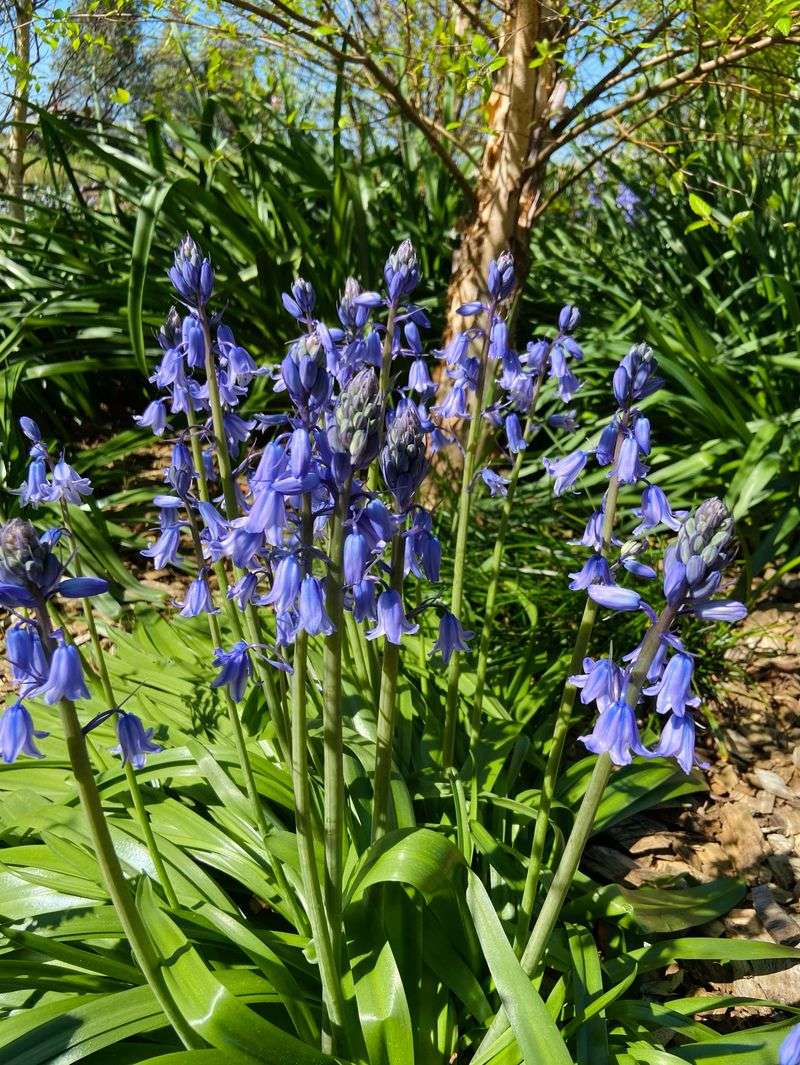
For that shady corner where nothing seems to grow, Spanish bluebells are a gardener’s best friend. Their dainty bell-shaped flowers dangle along tall stems in soft blue, pink, or white.
Texas gardeners love these bulbs because they thrive in shade and need very little attention. Plant them under trees or on the north side of your house where sun is limited.
Set the bulbs about four inches deep in fall. They prefer soil that stays a bit moist but still drains after rain. Once settled, they come back faithfully each spring.
These bulbs spread over time, filling in bare spots with waves of nodding blooms. That habit makes them wonderful for creating a woodland look in your yard.
They grow around twelve to fifteen inches tall, giving nice height in shady beds. Their leaves are strappy and green, adding texture even before the flowers arrive.
Bees and other pollinators visit the blooms, so you help local wildlife just by planting them. That is a nice bonus for such an easy flower.
Because they multiply quickly, give them room to grow or divide clumps every few years. Sharing extras with friends is a fun way to spread the beauty around.
Their scientific name is Hyacinthoides hispanica, pointing to their Spanish roots. Despite the fancy name, they could not be simpler to grow.
Pair them with ferns or hostas for a lush, cool retreat in the shadiest part of your yard. When spring arrives, that dull corner will glow with gentle blue blooms and a whole lot of charm.