Why California Gardeners Are Adding More Native Plants This Fall
Something is shifting in California yards this fall, and it has nothing to do with the weather.
Nurseries report longer lines at the native plant tables. Neighbors are ripping out patches of lawn that survived a decade of drought guilt. Something clicked for a lot of people this year, and it did not happen by accident.
A handful of pressures collided at once. Water costs climbed, wildfire smoke drifted through backyards again, and native bees kept vanishing from gardens that once buzzed all summer.
Fall happens to be exactly the right moment to respond, since California’s rain falls in winter rather than summer, giving new roots months to settle before anything gets tested by heat.
Eight forces are quietly rewriting what a California yard looks like. None of them are about aesthetics alone.
Curious what’s actually driving your neighbor’s sudden interest in sage and manzanita? It starts with a bill most people would rather not open.
1. Water Bills Are Pushing People To Change
A homeowner in Riverside opened her August water bill, stared at the total, and walked straight outside to look at her lawn. Stories like hers repeat all over the state right now.
Water rates in many California districts have climbed steadily as agencies pay for aging pipes, treatment upgrades, and shortfalls during dry years.
Turfgrass is the biggest drinker in most yards. Landscape irrigation makes up roughly half of urban household water use, and cool-season lawns demand water straight through the hottest months of summer.
The math gets personal fast once you run the numbers. A thousand square feet of lawn can swallow tens of thousands of gallons in a single year, while a planting of ceanothus, salvia, and native bunchgrasses may want an occasional deep soak and little else.
Tiered rate structures sharpen the point even more. Plenty of districts charge a higher price per unit once a household passes its baseline allotment, so the last gallons sprayed on a struggling lawn end up being the most expensive water you buy all year.
Before planning anything, pull out your bill and study the tier breakdown. Knowing which months shove you into the pricey tier tells you how much grass to remove first.
Many people begin with the hot, sunny strip along the sidewalk, where grass sulks anyway and savings show up quickly on the next statement.
2. Native Roots Handle Drought Cycles Better
Dig beside an old blue elderberry, and you’ll find roots reaching far deeper than anything under a fescue lawn. That depth explains most of what follows.
It’s the difference between a plant that shrugs off a dry August and one that browns out in ten days without sprinklers running constantly.
California runs on a wet winter, dry summer rhythm, with multi-year droughts folded in regularly. Plants that evolved here time their growth to winter rain, then slow down or go partly dormant when heat arrives.
Summer dormancy is a survival tactic, not a plant giving up on you.
Your California Garden Changes Every Week. Your Plan Should Too.
Gardening in California changes quickly throughout the season. Every Friday you’ll receive a simple weekly plan showing exactly what to plant, prune, fertilize, harvest, and protect so you never miss the right timing.
Deeper root systems tap moisture held lower in the soil long after the top few inches have baked dry. Established natives often get by on occasional deep irrigation, and certain species need almost none once a couple of seasons pass.
The establishment stretch still matters enormously, though. Most natives want steady water through their first winter and first summer while roots push downward, and skipping that care is the number one reason new plantings fail.
One warning worth tucking away. Many California natives dislike frequent summer spray landing near their crowns, which can invite root rot fast.
Deep and infrequent beats daily and shallow every single time. Grouping plants by similar water needs, a practice called hydrozoning, keeps thirsty species from drowning the tough ones sharing their bed.
3. Wildfire Concerns Are Shaping Plant Choices
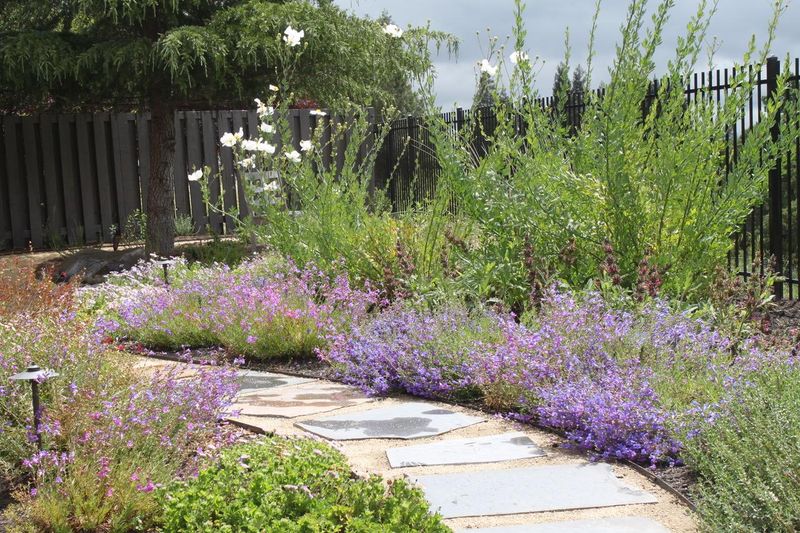
Fire seasons have changed how a lot of Californians look at their own front yards. Plant selection now sits in the same conversation as roof vents and cleaned-out gutters.
Here’s where people often get it wrong. Native does not automatically mean fire resistant, and chamise, dried-out sages, and neglected chaparral shrubs can burn readily once stressed and loaded with spent wood.
Spacing, plant moisture, and removal of spent material matter more than any simple list of good or bad species.
Defensible space rules steer gardeners toward low, well-hydrated plantings close to the house and wider gaps between shrubs farther out. The first five feet around a structure, often called Zone 0, works best as gravel or hardscape rather than anything woody.
Several natives fit that framework comfortably. Low manzanita cultivars, deergrass, yarrow, coast live oak sited well away from walls, and California fuchsia stay green with modest summer water and clean up easily.
Upkeep carries as much weight as the plant list itself. Prune out spent branches, rake litter away from siding, and give important plantings a deep drink before a stretch of hot, windy weather arrives.
Local requirements differ by county and by fire severity zone, so check with your fire district before finalizing any plan near the house.
4. Rebate Programs Make The Switch Easier
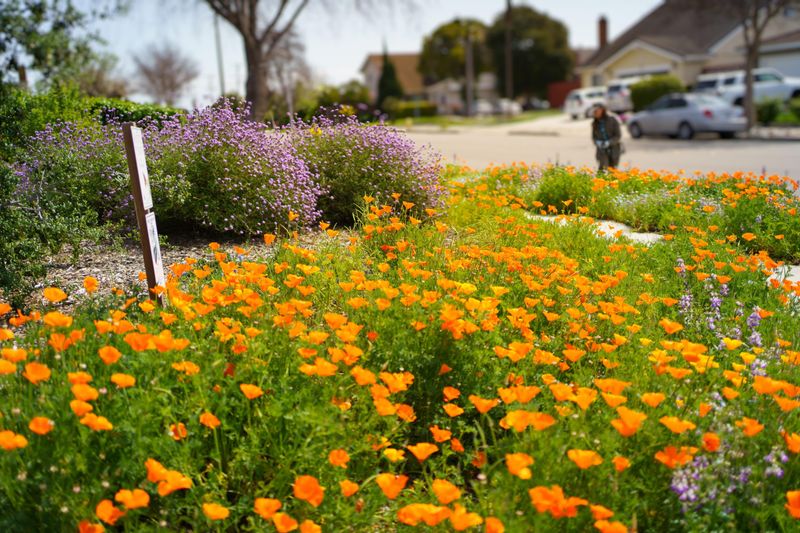
Getting paid to tear out grass sounds like a rumor, yet it’s been a genuine program across much of California for years now.
Southern California water agencies run turf replacement rebates through regional programs, and many member districts add local dollars on top of that base amount.
Northern California districts operate their own versions too, covering the Bay Area and parts of the Sacramento region.
Payments are usually figured per square foot of lawn removed.
Requirements look fairly similar from one agency to the next. You apply and receive approval before removing anything, keep the new surface permeable, meet a minimum plant density, and frequently include a stormwater feature such as a shallow swale.
Rebate amounts and funding windows shift often, sometimes partway through a year, so treat any figure you read online as a rough starting point and confirm directly with your own water provider.
A sensible order of operations saves headaches down the line. Photograph the existing lawn, submit the application, wait for written approval, and only then start sheet mulching.
Plenty of agencies sweeten the deal with free landscape design workshops, discounted mulch delivery, or approved plant lists that automatically satisfy program rules. For a first-time gardener, those extras can prove more valuable than the check itself.
5. Wildlife Support Is A Growing Priority
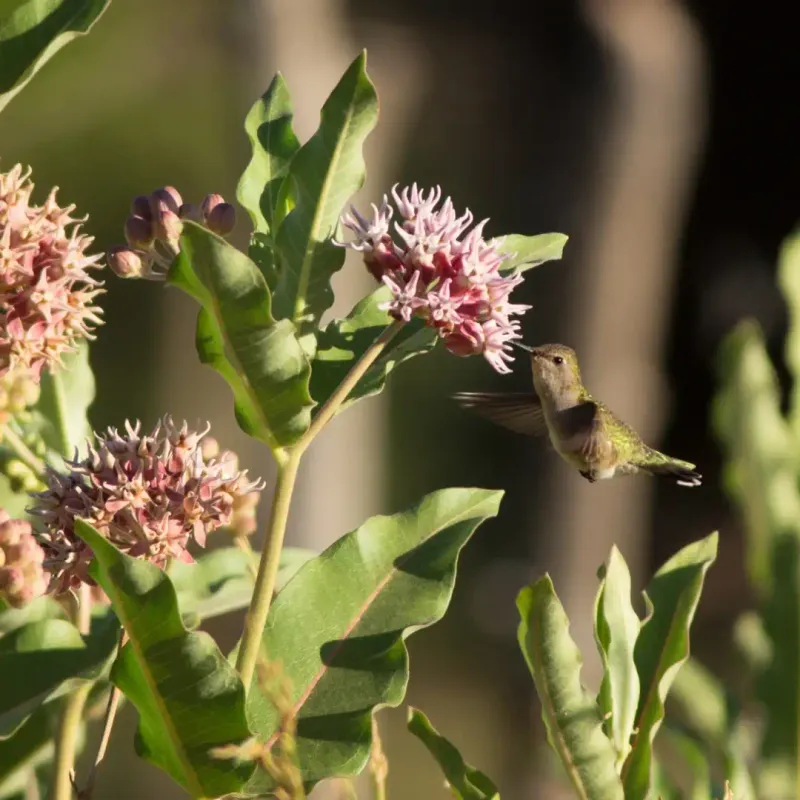
One mature coast live oak can host hundreds of caterpillar species, and those caterpillars become the food chickadees and bushtits stuff into their nestlings each spring. Local insects largely depend on local plants, and that connection runs deeper than most gardeners realize.
Monarch butterflies pull many gardeners in first.
Narrowleaf and showy milkweed are the California natives monarch caterpillars evolved with, while tropical milkweed, the kind often sold at big box stores, can disrupt migration timing and harbor disease when it stays green year round.
Hummingbirds respond quickly too. Red flowering currant blooms in late winter when Anna’s hummingbirds are already nesting, and hummingbird sage, monkeyflower, and California fuchsia carry nectar through the rest of the calendar.
Native bees deserve attention as well. Many are specialists that collect pollen from only a handful of plant genera, and most nest in bare soil or hollow stems rather than hives.
Small choices make a real difference for them. Leave patches of bare, unmulched ground, skip broad-spectrum insecticides, and let seed heads stand through winter instead of tidying everything in October.
Gardeners who make the switch usually notice the change within a season, first in insects, then in the birds that follow right behind them.
6. Lower Maintenance Appeals To Busy Gardeners
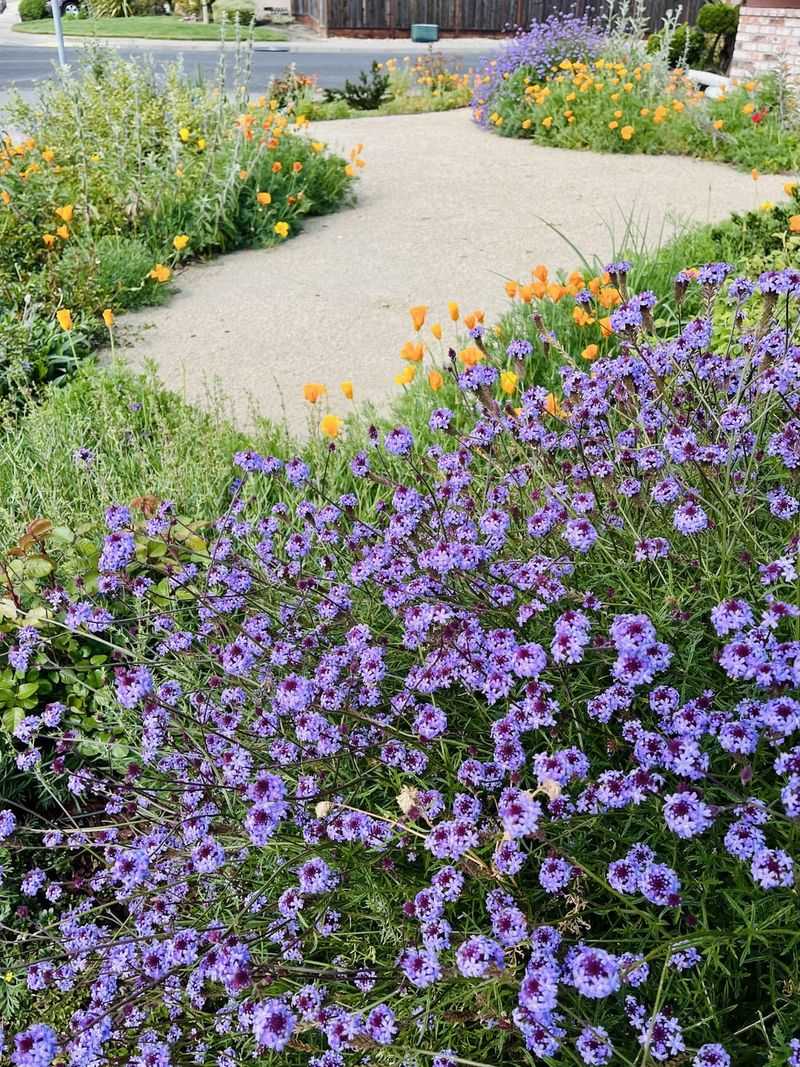
Mowing every Saturday from April through October eats up a startling number of weekends. That realization, more than any environmental argument, is what finally convinces some households to rip out the grass.
Established native plantings ask for far less routine labor. No weekly mow, no regular fertilizer, no reseeding of bare patches each spring.
Most California natives evolved in lean soils, and rich fertilizer can actually push weak, floppy growth or encourage rot in the plants that need it least.
Honesty matters here, though. The first year or two involves real work, mostly weeding and monitoring irrigation while young plants build their root systems out.
Weeds love freshly disturbed ground, and a thick layer of coarse wood chips plus regular hand-pulling before anything sets seed makes the difference between a manageable bed and a mess.
Once plants settle in, the calendar lightens considerably. Bunchgrasses like deergrass get combed out or cut back in late fall, sages get a light shaping after bloom, and buckwheat keeps its dried flower heads until you decide they look scruffy.
Add up a year of that against fifty mowings, a fertilizer schedule, and constant sprinkler repairs, and the workload difference becomes obvious fast.
Keep mulch pulled back a few inches from plant crowns, and resist the urge to prune natives hard during summer dormancy when they’re already conserving energy.
7. Fall Timing Makes The Transition Simpler
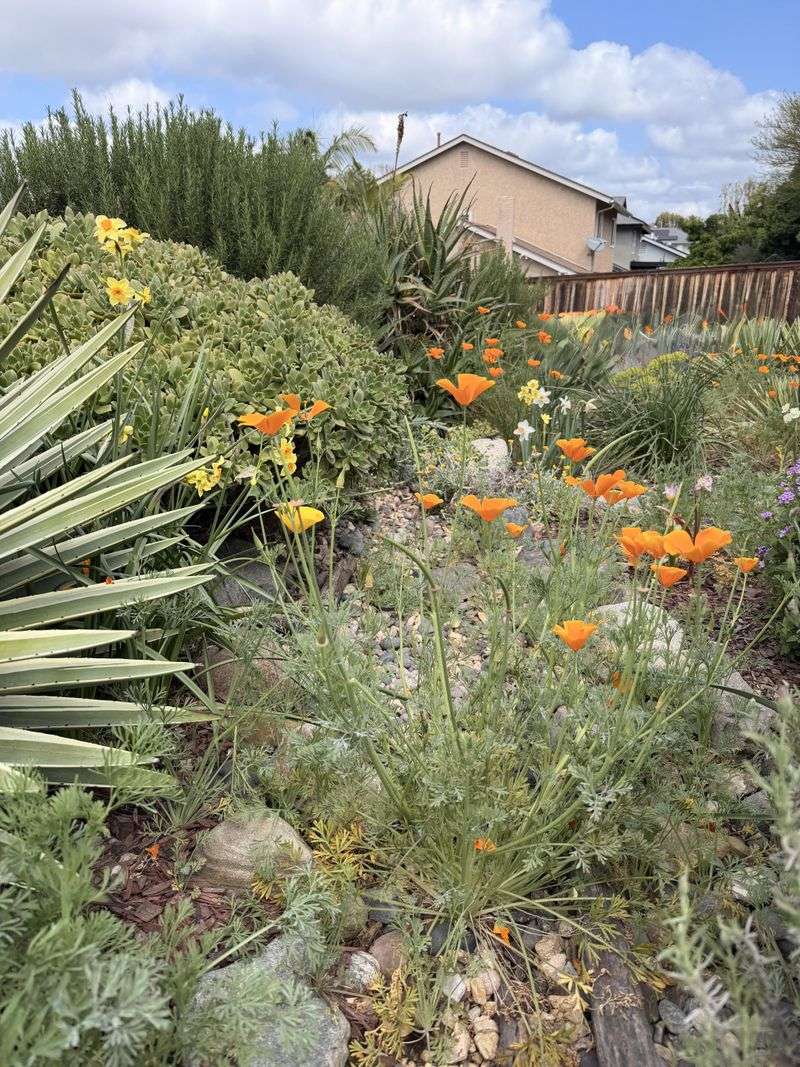
Ask any experienced California gardener when to plant natives, and the answer arrives before you finish the question. Fall, every time. The reason comes down to simple soil science.
October and November soil still holds summer warmth, which encourages root growth, while cooler air means the top of the plant is not fighting to stay hydrated. Roots spread quietly all winter while the plant looks like it’s doing nothing at all above ground.
Winter rain does much of the watering for you during those crucial first months. A plant that goes in during October may face its first real summer with a root system months ahead of one planted in April, and that head start often decides whether it survives year two.
Timing also lines up nicely with lawn removal projects. Sheet mulching in early fall gives cardboard and chips several weeks to smother grass before planting holes get cut.
Nursery supply peaks now too. California Native Plant Society chapters hold their biggest plant sales in autumn, which is where the unusual species and best prices tend to show up.
Water new plantings deeply at installation, then keep an eye on rainfall rather than sticking to a rigid schedule through winter.
8. Neighborhood Momentum Is Speeding Things Up
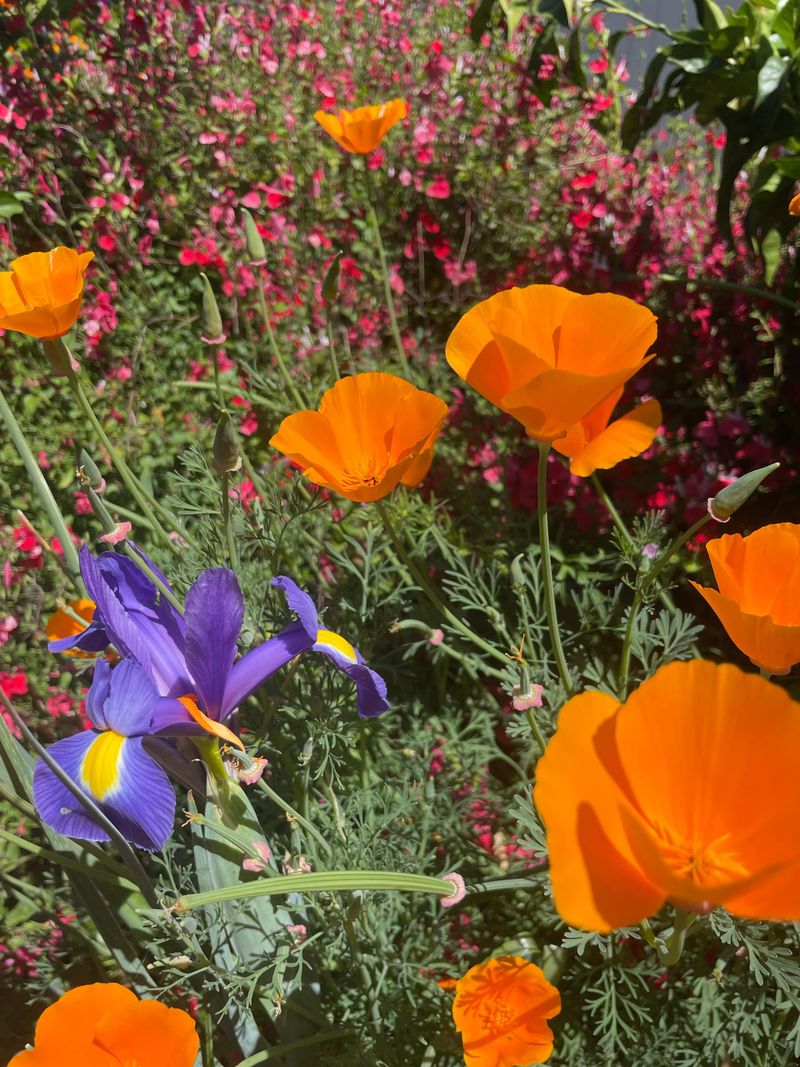
Walk down a block in Pasadena or Santa Rosa this fall, and you’ll notice something beyond the plants themselves. One converted yard tends to produce another within a season or two.
Curiosity drives most of it at first. A neighbor stops to ask what’s growing where the lawn used to sit, takes a photo, and goes home to measure their own grass that same afternoon.
Local demonstration gardens add fuel to this too. Many water districts and native plant society chapters maintain small public plots specifically so people can see mature ceanothus or manzanita instead of guessing from a nursery tag.
Social sharing plays a real role as well. Photos of a finished front yard, tagged with the district’s rebate program, circulate through neighborhood apps and group chats faster than any official outreach campaign ever could.
Peer pressure works differently here than it does with lawns. Instead of everyone chasing the same green stripe, neighbors start comparing bloom times, pollinator visits, and water bills instead.
That shift changes the whole tone of a block. A yard full of natives becomes something to discuss over a fence, not something to quietly maintain out of obligation.
Local garden clubs and Master Gardener programs often step into that momentum with fall workshops, plant swaps, and guided yard tours. Those events turn a private decision into something closer to a shared project.
Once three or four houses on a street make the switch, the remaining lawns start looking less like the standard and more like the outlier.