The Palm Fronds You Should Never Remove Before A Florida Hurricane
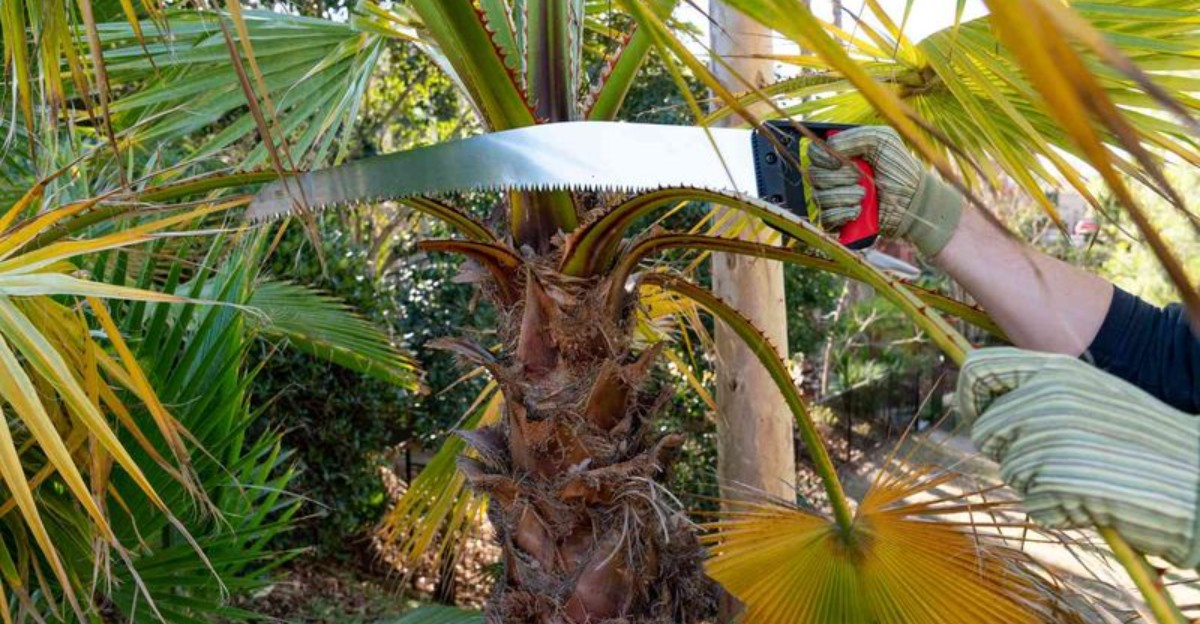
Late spring in Florida arrives with a strange soundtrack that has nothing to do with rolling thunder. All over the suburbs, chainsaws buzz while nervous homeowners squint up at their own front yards.
The belief behind that noise has circled cul-de-sacs for decades, usually delivered by a guy with a truck. It sounds responsible, it looks tidy, and researchers in Gainesville keep politely disagreeing with every word of it.
Wind has no opinion about how neat your property looks on the afternoon before landfall arrives. What truly matters is whatever stays overhead once gusts start shoving everything sideways for hours on end.
Many homeowners learn that lesson the hard way, one splintered trunk and one very quiet yard later. The tidiest block usually ends up with the saddest skyline, which nobody brags about at the mailbox.
The Full Green Crown Above The Growing Bud
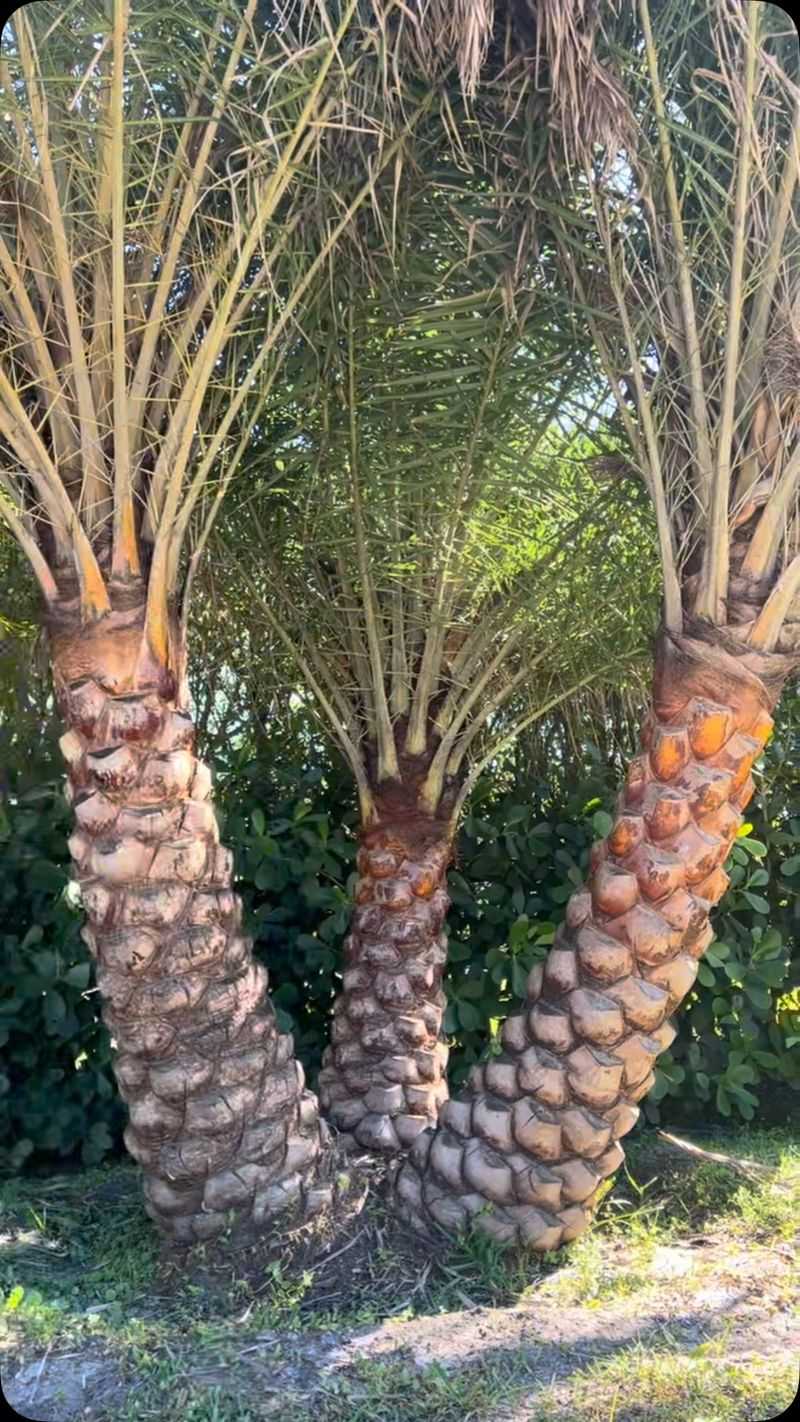
Every green frond on a palm works like a small solar panel feeding one growing bud. Take too many away, and that bud suddenly operates on a seriously shrinking food budget.
Picture the crown as a clock face with fronds pointing outward in all directions. Anything sitting above the nine-to-three line should stay right where it is during storm season.
Those upper fronds shield the tender bud from flying debris, driving rain, and stinging salt spray. Strip them off, and the most fragile part of the whole tree sits wide open.
A palm keeps just one growing point, unlike oaks that sprout new branches wherever they please. Damage that bud badly, and the tree cannot recover, regardless of how much fertilizer arrives.
Healthy green fronds flex dramatically, folding back like feathers once winds really pick up. They spill wind instead of catching it, which is exactly the behavior you want overhead.
University of Florida researchers examined palm survival after several major hurricanes crossed the peninsula. Trees carrying full canopies held up better than neighbors trimmed down into thin little pinwheels.
Brown fronds hanging straight down are fair game, and so are heavy seed pods overhead. Anything still holding green color contributes to a stronger trunk, so it earns its spot.
So the honest answer stays simple, even if it annoys anybody holding a sharp saw. Leave the green ones alone, since they function as the tree’s built-in defense system.
Trim Timing Long Before Peak Season
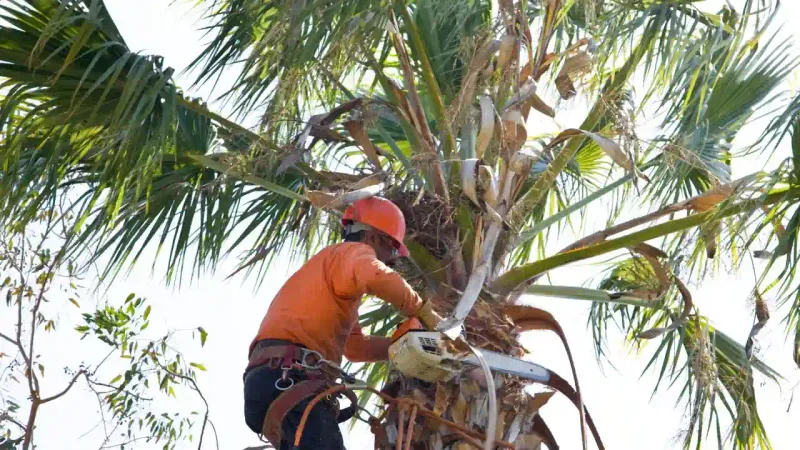
Panic trimming usually happens the same week a storm finally gets a name on the news. By then, the cutting does more harm than good for reasons that surprise most homeowners.
Fresh cuts are open wounds, and wounds attract fungal spores carried along on humid storm winds. Ganoderma butt rot and bud rot diseases both thrive around a freshly injured palm trunk.
Then there is the debris problem that nobody thinks about until the collection truck stops coming. Municipal yard waste pickup halts days before landfall, leaving frond piles to become dangerous flying debris.
Spring is the smarter window, once temperatures warm up but still well ahead of June. Light cleanup then gives the tree several months to seal its wounds before serious weather.
Your Florida Garden Changes Every Week. Your Plan Should Too.
Gardening in Florida changes quickly throughout the season. Every Friday you’ll receive a simple weekly plan showing exactly what to plant, prune, fertilize, harvest, and protect so you never miss the right timing.
Fully brown fronds can come off at any time of year without upsetting the tree. Green material is a different conversation, and that discussion should unfold slowly across several seasons.
Coconuts deserve special attention roughly six weeks before peak season, so aim for late July. A ripe coconut weighs several pounds and travels surprisingly fast through a window screen.
Flower stalks and heavy fruit clusters also make sense to remove during that same spring visit. They add weight without adding strength, which is the opposite of what fronds do.
Mark the calendar in March instead of watching the radar with clippers in your hand. Future you will appreciate that planning, especially while sipping coffee during a storm warning.
The So-Called Hurricane Cut Mistake
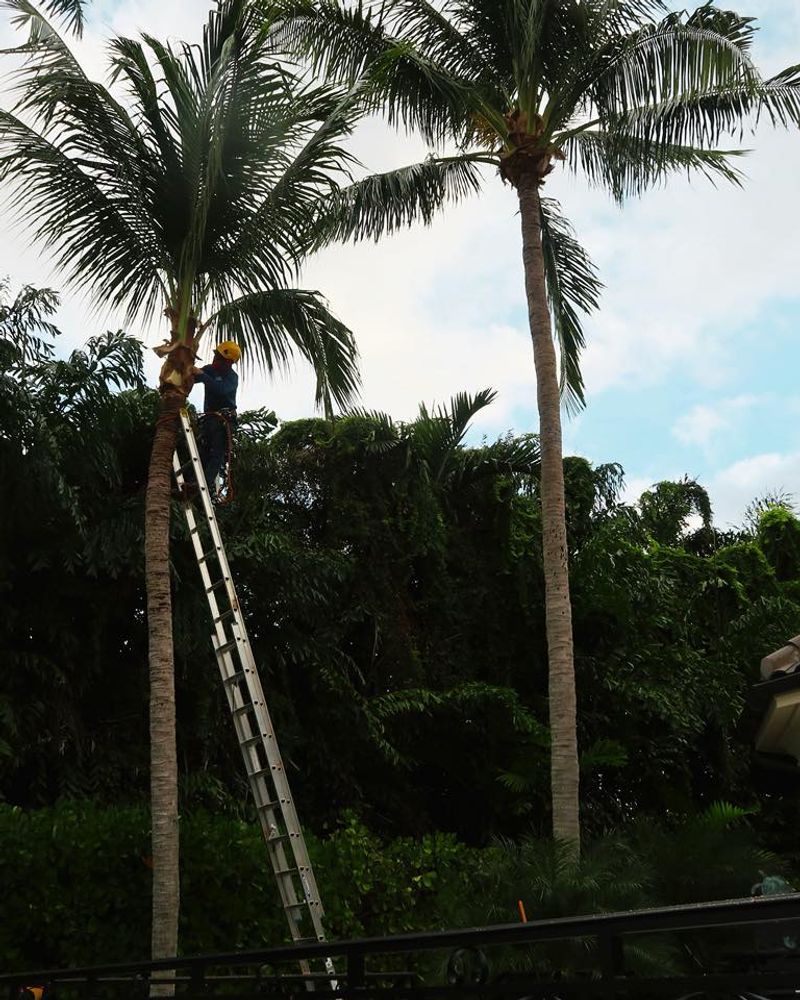
Somewhere along the way, a landscaping trend earned the nickname hurricane cut, which sounds protective. In practice, it leaves a palm looking like a startled feather duster stuck on a pole.
Crews strip away everything except a small tuft of upright fronds, charging by the tree. The look spreads fast because neighbors assume anything that dramatic must be doing something useful.
Trouble is, the tree loses most of its food factory during one single afternoon. New fronds emerge smaller, weaker, and paler, while the trunk starts narrowing near the top.
Arborists call that narrowing pencil pointing, and it creates a genuine weak spot overhead. Storm winds find that thin section fast, which explains plenty of snapped crowns across Florida.
Several Florida counties, including Sarasota, run active campaigns urging residents to skip the hurricane cut altogether. Tree ordinances exist because a damaged public canopy costs everybody money after a rough season.
Older lower fronds also serve as a nutrient bank, particularly for potassium and magnesium. The tree pulls those reserves into fresh growth, so early removal raids its own savings.
Sun scald becomes another quiet consequence when bare trunks bake under full afternoon exposure. Cracks and lesions follow, giving boring insects and fungi a convenient front door inside.
If a quote mentions a hurricane cut, treat that phrase as a bright warning sign. Polite refusal costs nothing, while a snapped crown costs far more than the trim did.
Recovery Steps For An Over-Trimmed Crown
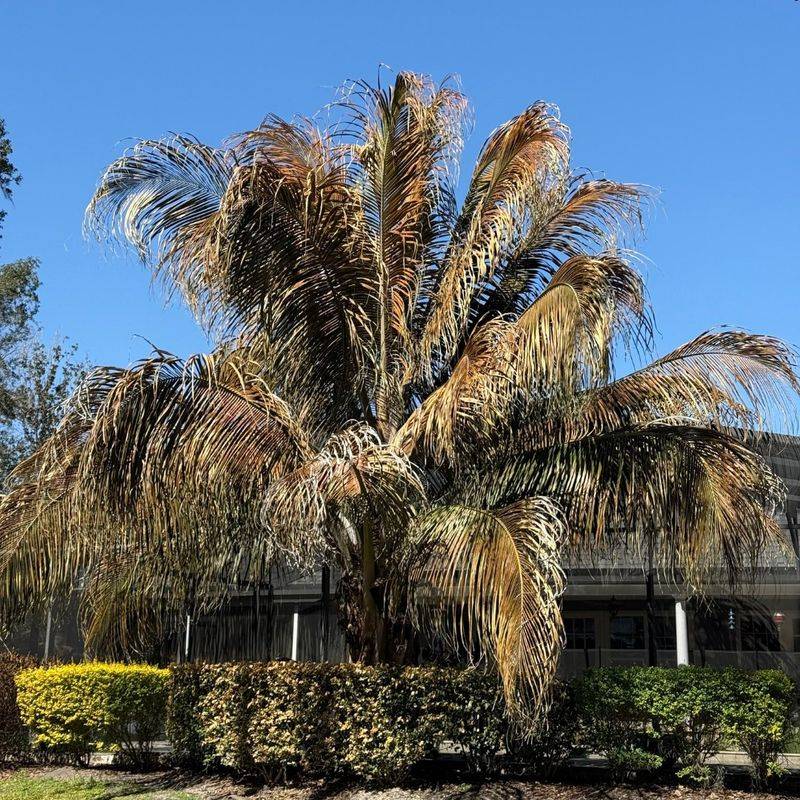
Maybe the crew already came through, the check cleared, and now the poor tree looks embarrassed. Patience repairs more damage than most products sold for this exact situation.
Step one involves putting the saw down for two full years, brown fronds excepted. Recovery depends on leaf surface area, so every green blade left standing speeds things up.
Feed with a slow-release palm fertilizer carrying an 8-2-12 ratio plus four percent magnesium. Apply it four times yearly, spread widely under the canopy rather than against the trunk.
Potassium deficiency shows up as orange speckling or frizzled tips on the oldest fronds. Resist the urge to cut those ugly leaves, because the tree is still using them.
Water deeply during dry spring months, since stressed roots cannot support a rebuilding canopy. A wide ring of mulch helps, kept a few inches away from the actual trunk.
Expect two to three years before the crown fills back into a proper rounded shape. Trunk width will stay narrow at that old pencil point, permanently marking the event.
Watch the spear leaf closely after any storm, since a soft pull means bud trouble. Call a certified arborist quickly, because early intervention occasionally saves a struggling tree overhead.
Recovery is honestly boring work, which is the best possible review for any tree care. Feed it, water it, leave it alone, then enjoy the shade again by year three.
The Real Cost Of A Bare Trunk
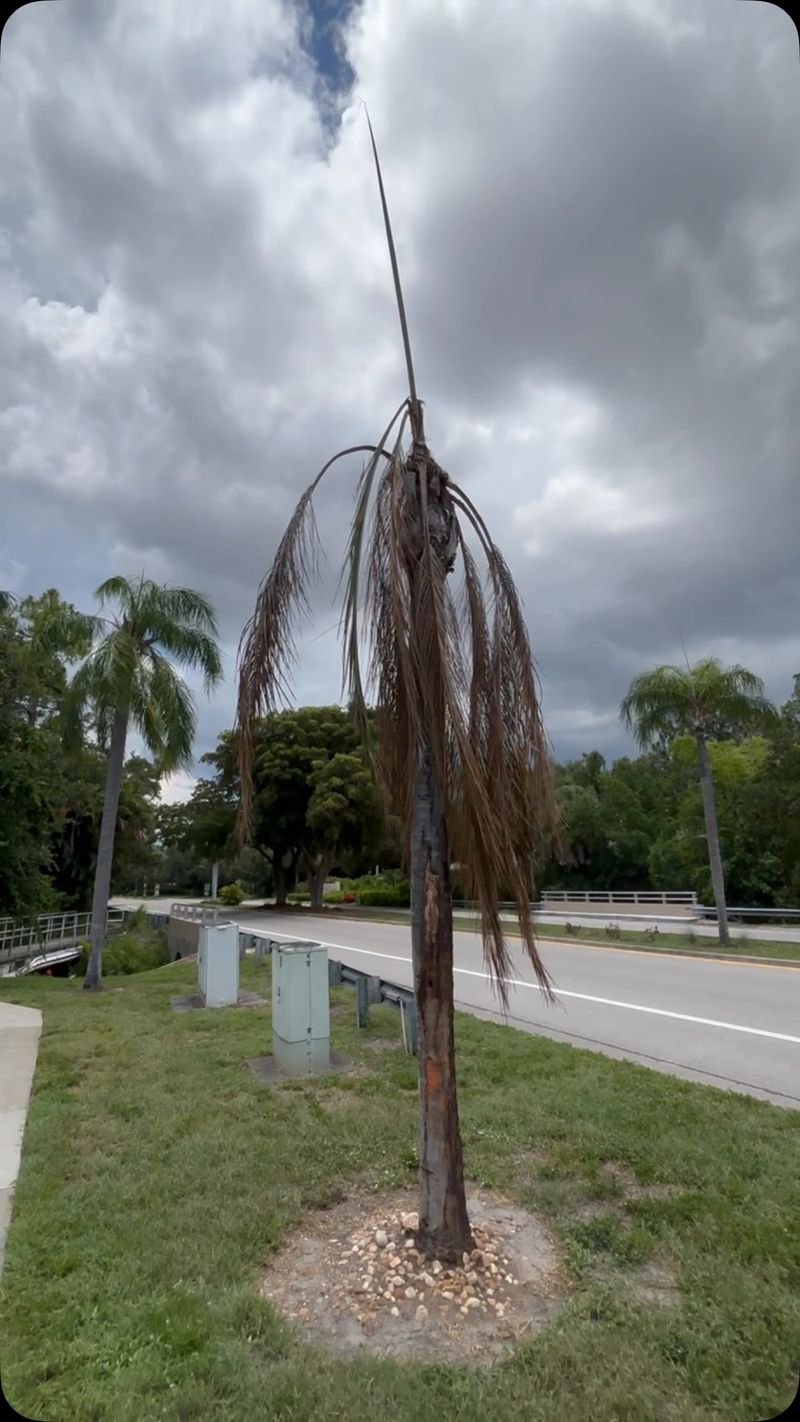
After Hurricane Ian swept through the Fort Myers area, surviving palms told a pretty clear story. Trees with full canopies lost leaves yet kept their trunks, spears, and futures intact.
Thinned trees fared worse, snapping at that narrow upper section or losing the bud entirely. Once that bud is gone, no amount of care brings that particular tree back.
Removal becomes the expensive part, running several hundred to a few thousand dollars per tree. Replacing a mature specimen costs even more, plus years of waiting for meaningful height.
Insurance rarely covers landscaping losses the way homeowners hope after filing a claim. Policies often treat trees as cosmetic, which stings when three come down.
Meanwhile, healthy canopies shed wind, hold soil, and shade roofs during brutal August afternoons. Appraisers notice mature trees too, since curb appeal quietly influences overall property value.
Repeated aggressive trims also create a spending loop that benefits somebody other than you. Weakened trees need more visits, more fertilizer, and eventually a removal quote nobody ever wanted.
Sabal palmetto, the state tree, handles storms remarkably well when left with its natural crown. Some specimens have stood through a dozen named systems without one professional trim, thriving anyway.
The bare trunk look costs money twice, once at the curb and again after landfall. Storm cleanup crews stay busy enough without adding your snapped crown to the pile.
Full canopies charge nothing extra, which makes them the thriftiest upgrade in the entire yard. Doing less has rarely paid better, especially in a state that names its weather.
Yearly Care That Keeps Crowns Storm Ready
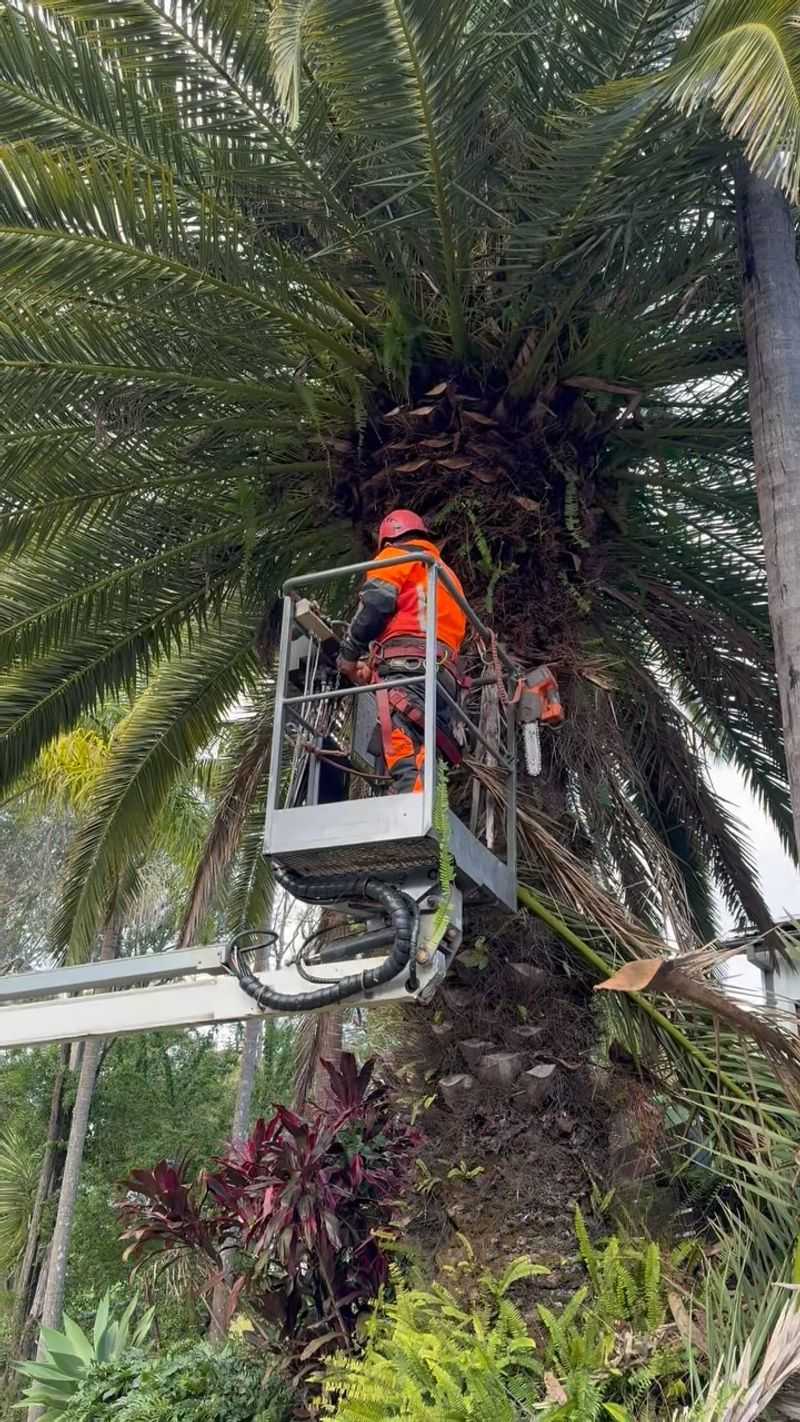
Storm readiness for palms looks less like a haircut and more like steady, unglamorous maintenance. Fertilize properly, water during long droughts, then mostly stay out of the tree’s business.
Hire only arborists certified through the International Society of Arboriculture for any serious work. Ask whether they follow ANSI A300 pruning standards, then listen carefully to the answer.
Climbing spikes are a red flag, since each puncture leaves a permanent wound behind. Palms cannot heal their bark the way hardwoods do, so those holes stay open.
Species choice matters far more than any trimming decision you might make later on. Sabal palmetto, dwarf date, and Bismarckia all handle Florida wind better than tall queen palms.
Plant new palms at least fifteen feet from the house, further for coconut varieties. Distance solves the falling fruit worry without requiring a single cut to the canopy.
Schedule one honest inspection each spring, focused on trunk cracks, spear firmness, and nutrient color. Photograph the crown yearly, because comparison shots reveal thinning long before your eyes do.
Keep the trimming rule simple, removing only fronds hanging below horizontal or fully brown. That single guideline prevents most of the damage happening across Florida yards every June.
Storm prep season rewards the patient gardener far more than the enthusiastic one with clippers. Leave the crown alone, then take quiet credit later like it was pure strategy.
Neighbors may tease the fluffy tree in your front yard during storm prep week. They will stop teasing once the fluffy one is still standing tall in October.